
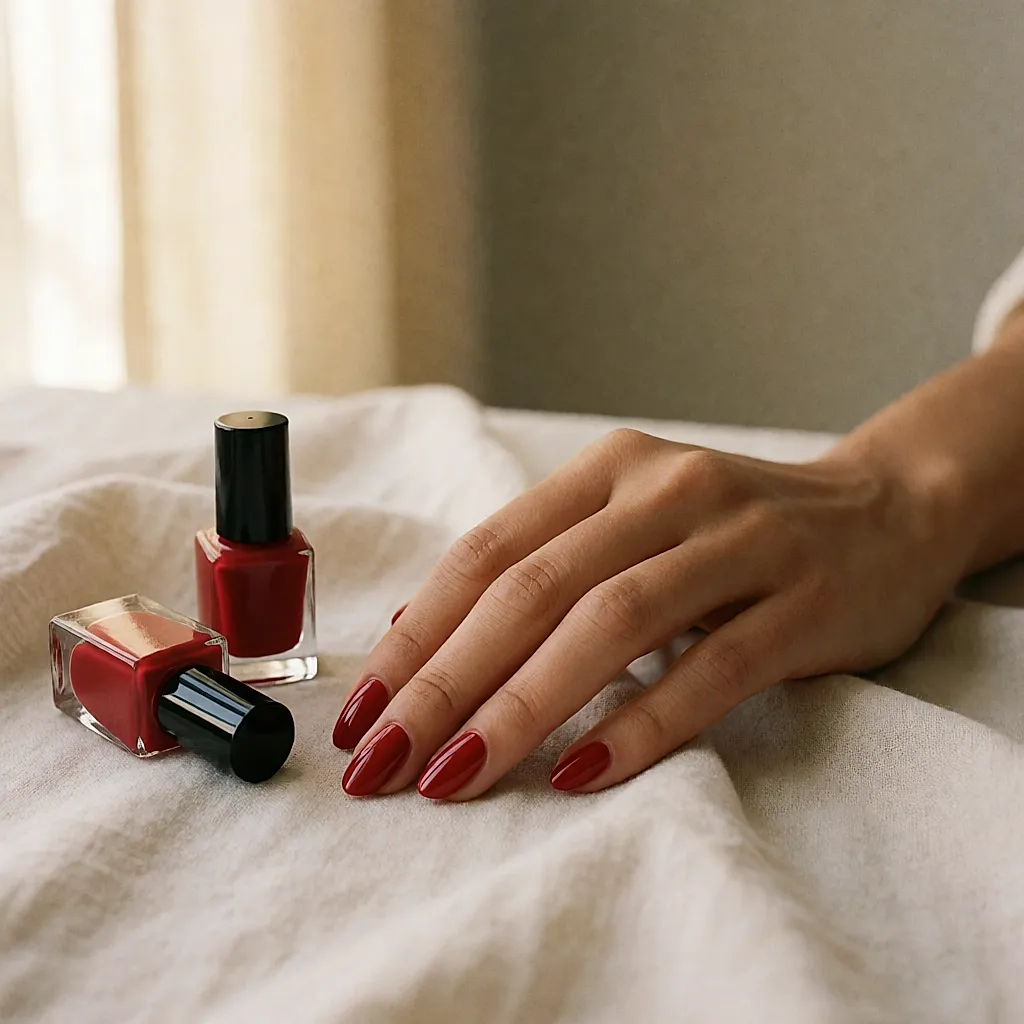
You paint your colour on a Sunday night and everything looks sharp. By Wednesday two nails have chipped and the free edge is already flaking. In reality, the shade is hardly ever to blame: it's a step you skipped. So let's go back through the routine in order, with the shade families doing the rounds right now and a rough guide to what you can expect to pay in the UK.
The two steps that make a manicure last
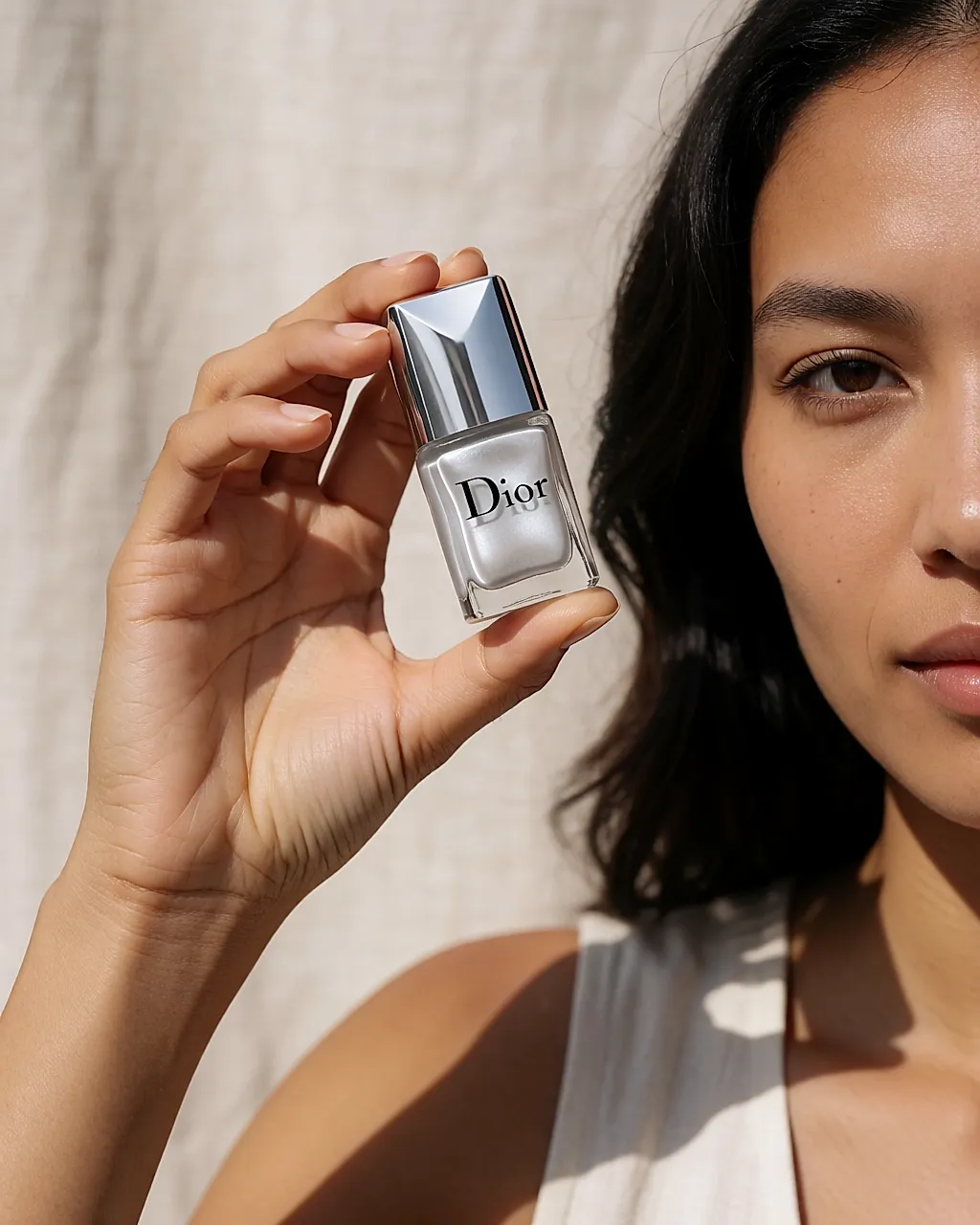
If you take one thing away, make it this: base coat and top coat are not optional. Base coat helps colour grip the nail plate and limits pigment-related yellowing. Top coat seals and smooths the surface: that glossy finish protects your manicure from the first hand-wash and from keys rattling around at the bottom of your bag.
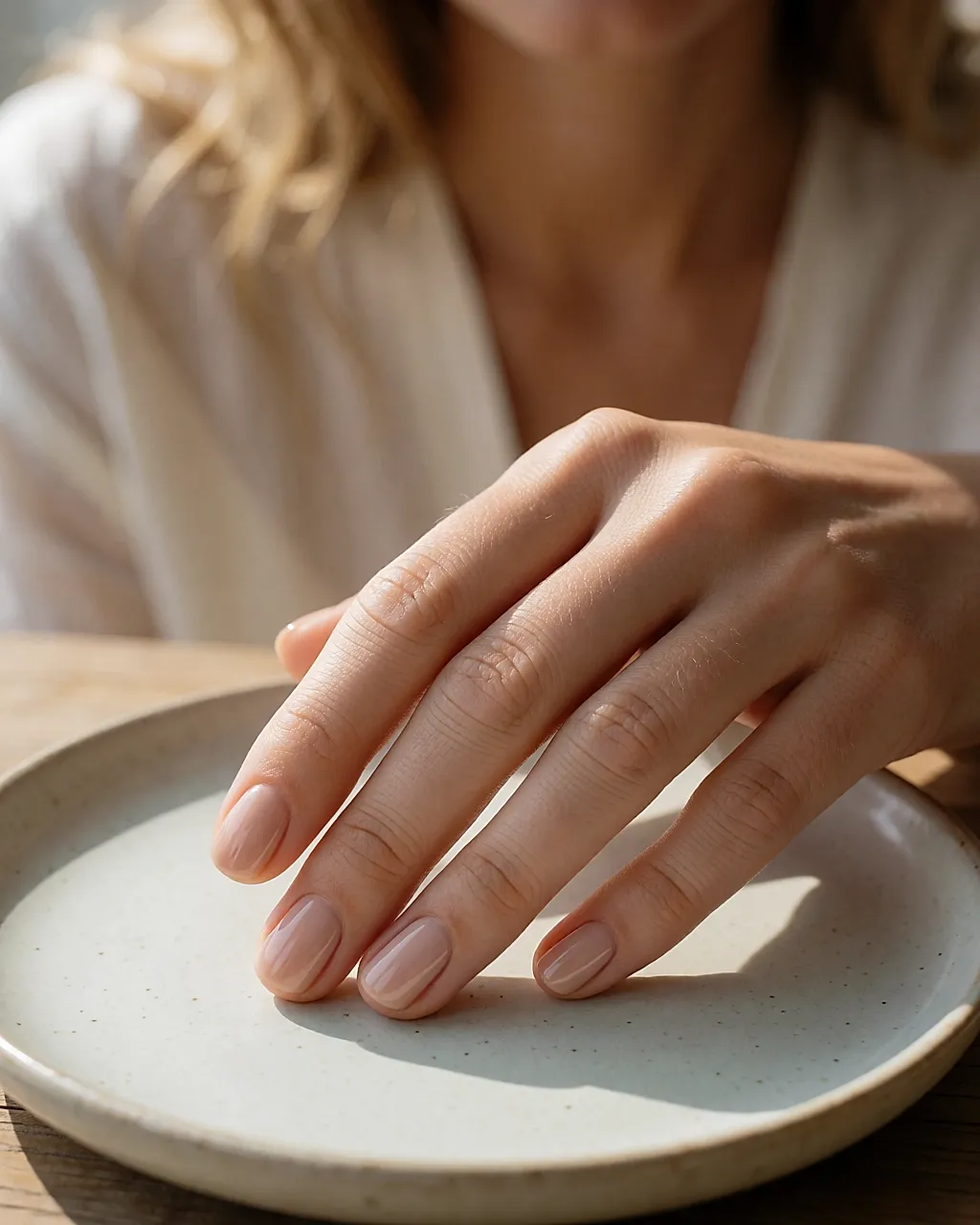
In practice, look for a thin base coat that dries quickly, then a fluid top coat. Two thin layers are always better than one thick layer, which will take ages to harden and will smudge at the slightest touch. A pro habit: wrap the free edge of the nail, as if you were painting a border around it with the brush. It takes two extra seconds and is often the difference between a manicure that lasts and one that chips.
The shade families in rotation this season
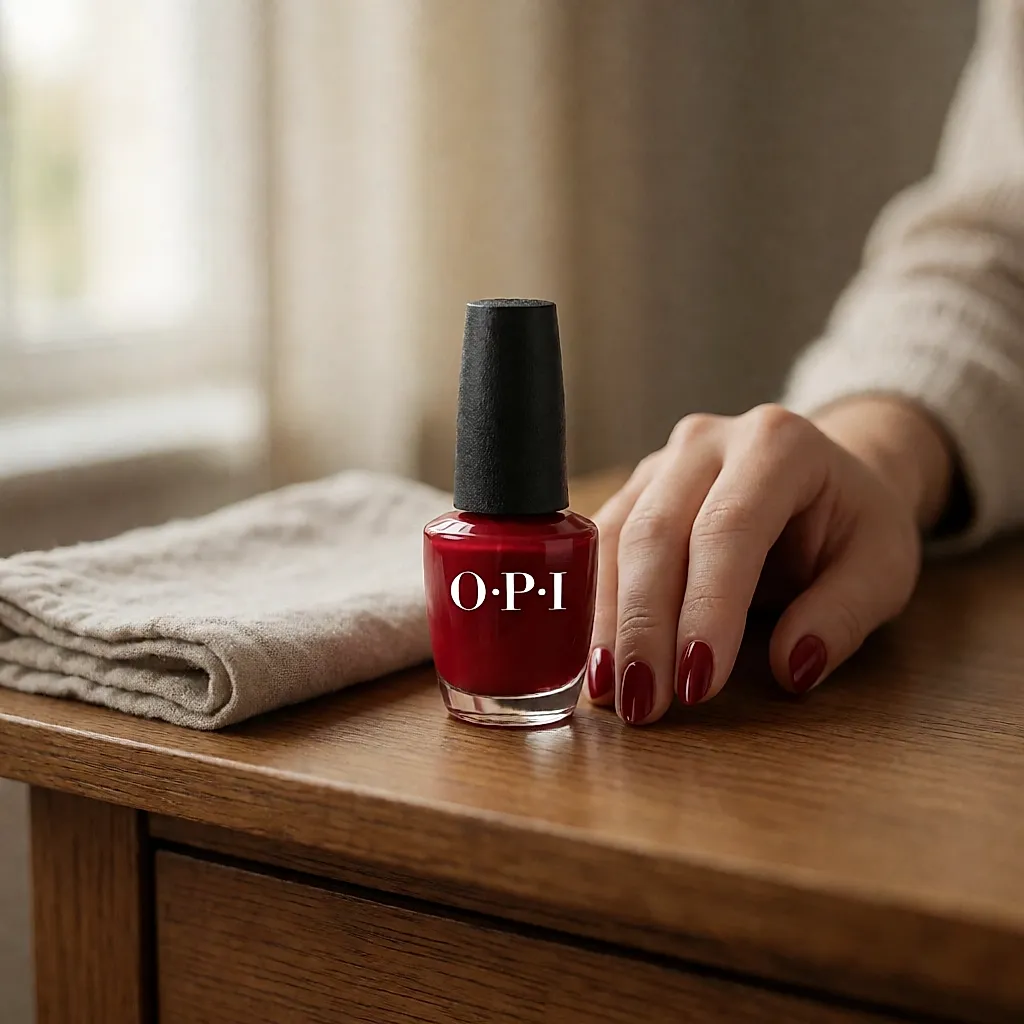
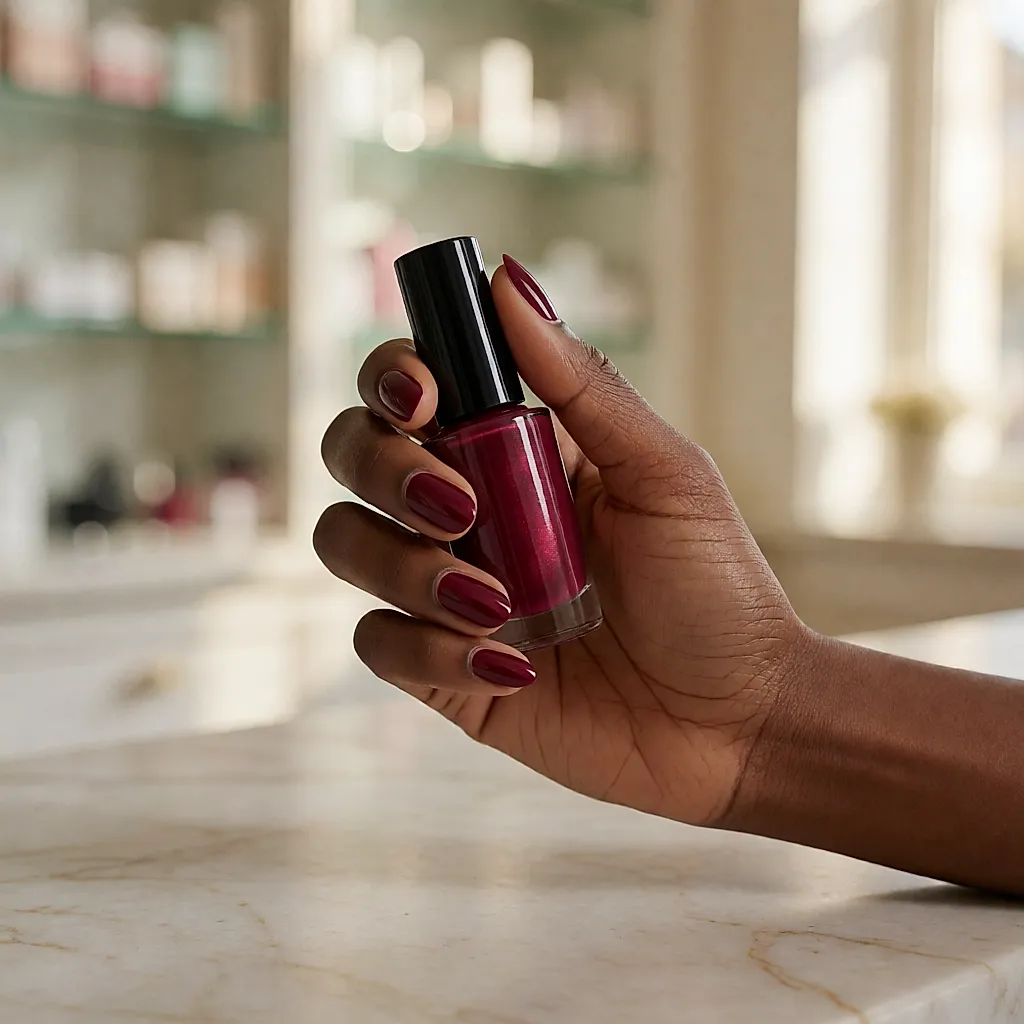
The reds. From bright cherry red to deep burgundy, this is the family that works across seasons without losing its appeal. A vivid red works as well with raw denim as with a dressed-up outfit. If the result feels too hard, look for a more translucent texture: a sheer red softens the nail without changing the colour.
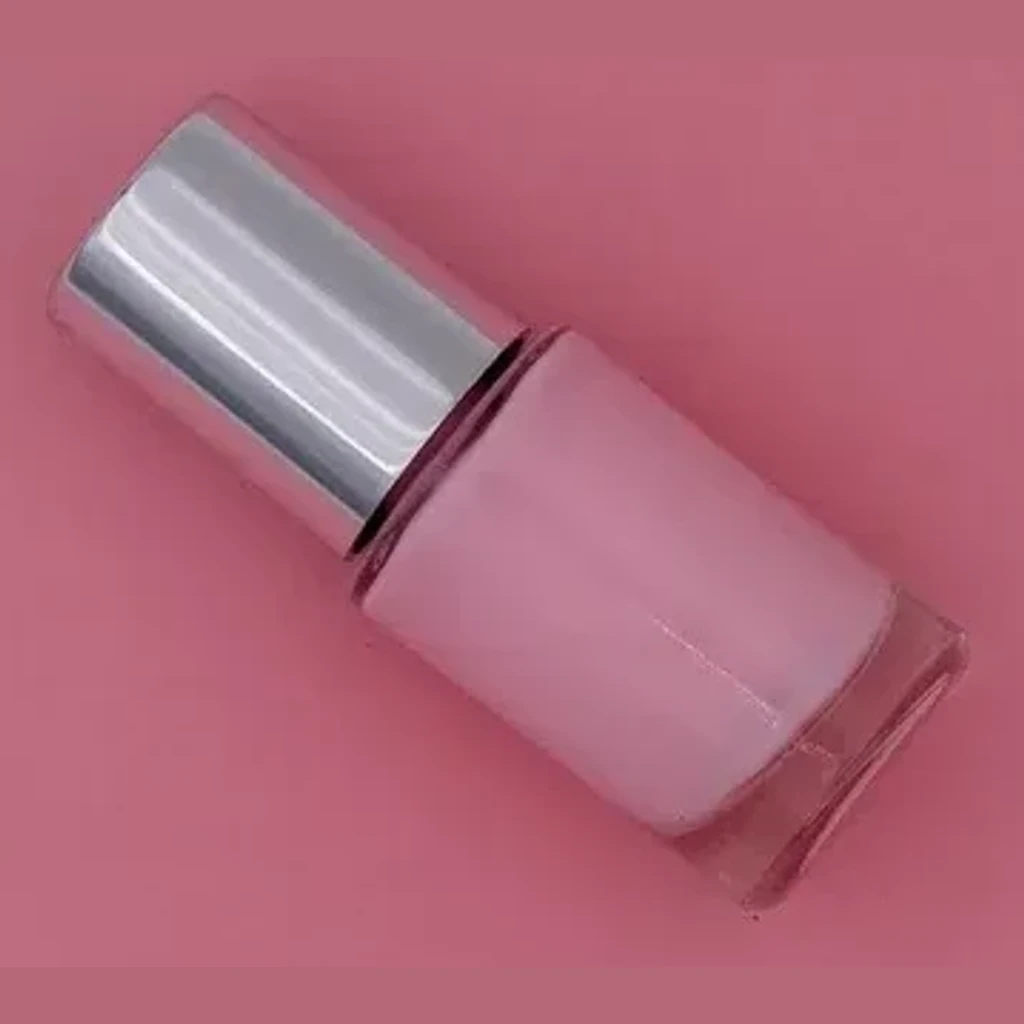
Violets and plums. Violet remains the most statement-making shade of the lot: it dresses the hand on its own. Darker plum variations appeal to anyone who likes pink without bubblegum pink.
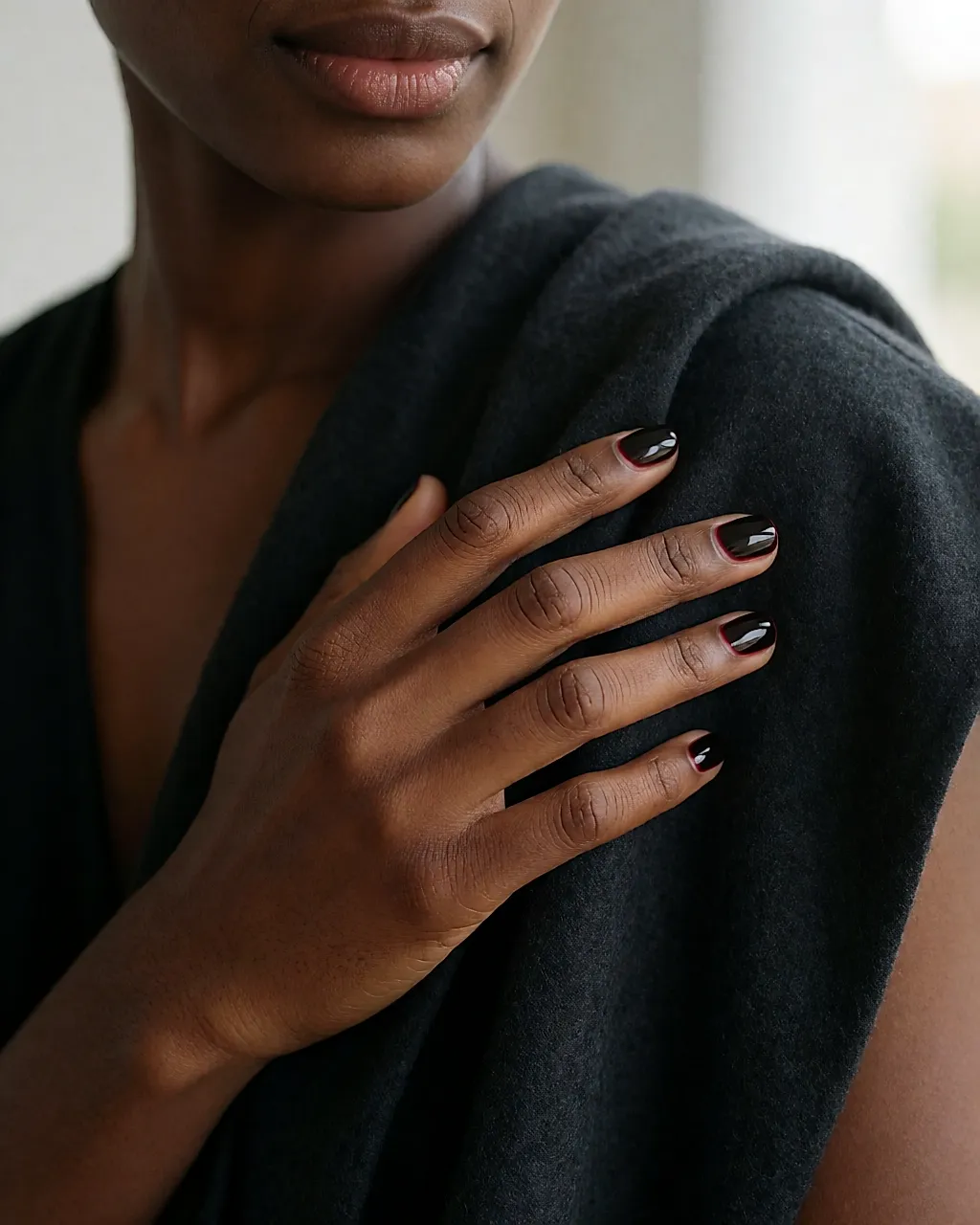
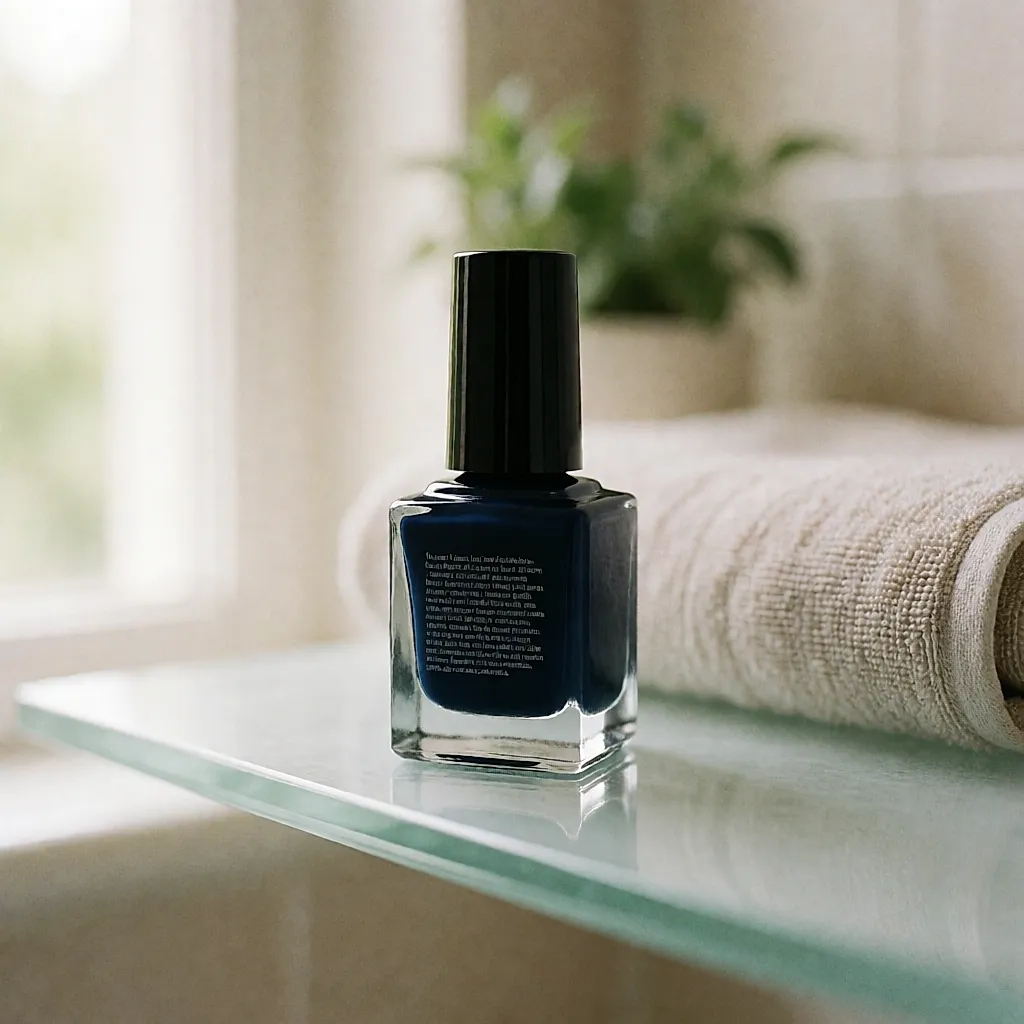
Cool tones. Blue-black, midnight blue, pearl grey. Grey makes an excellent chic neutral: it goes with almost everything and is more forgiving of small application irregularities than a pure black.
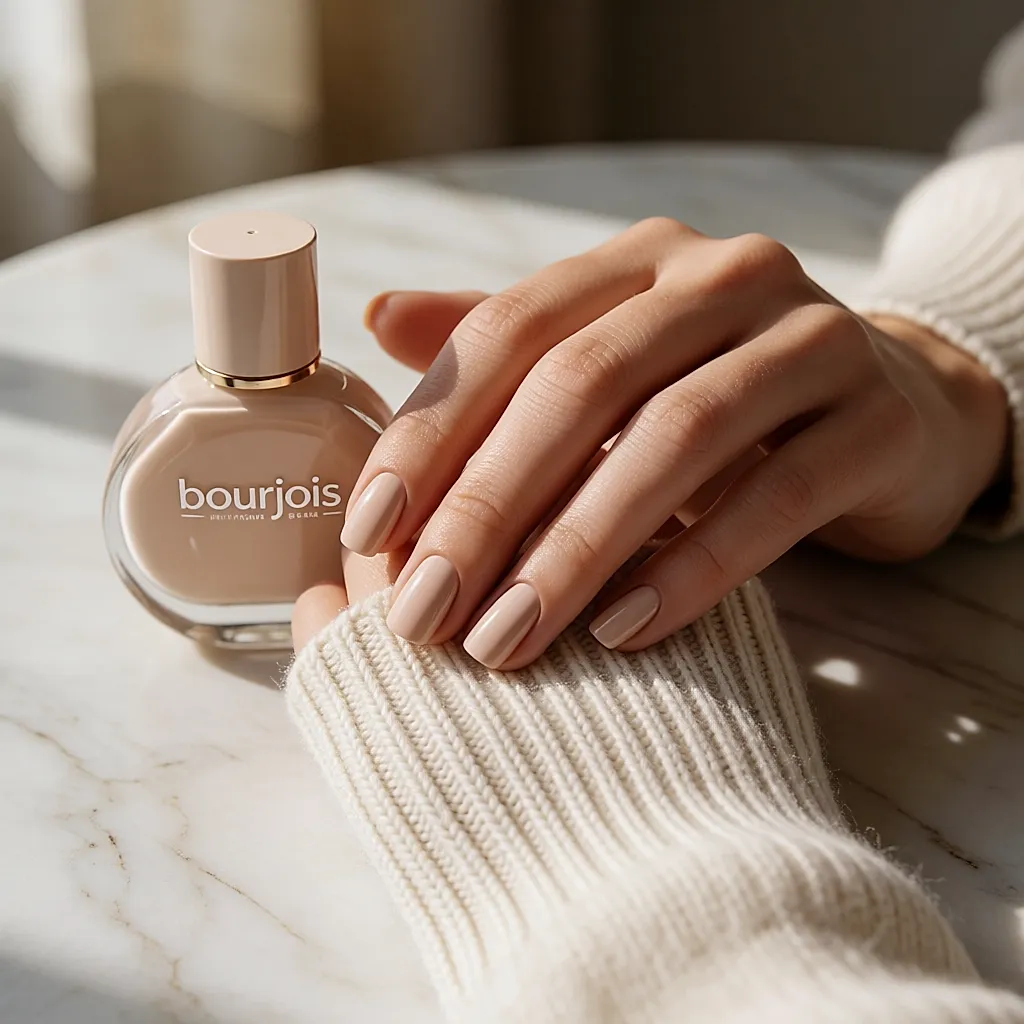
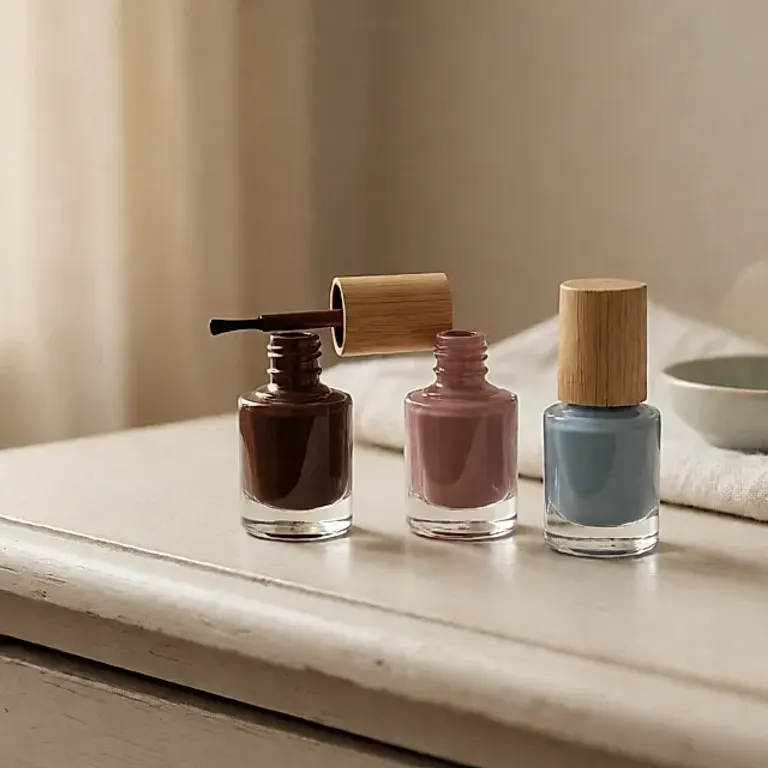
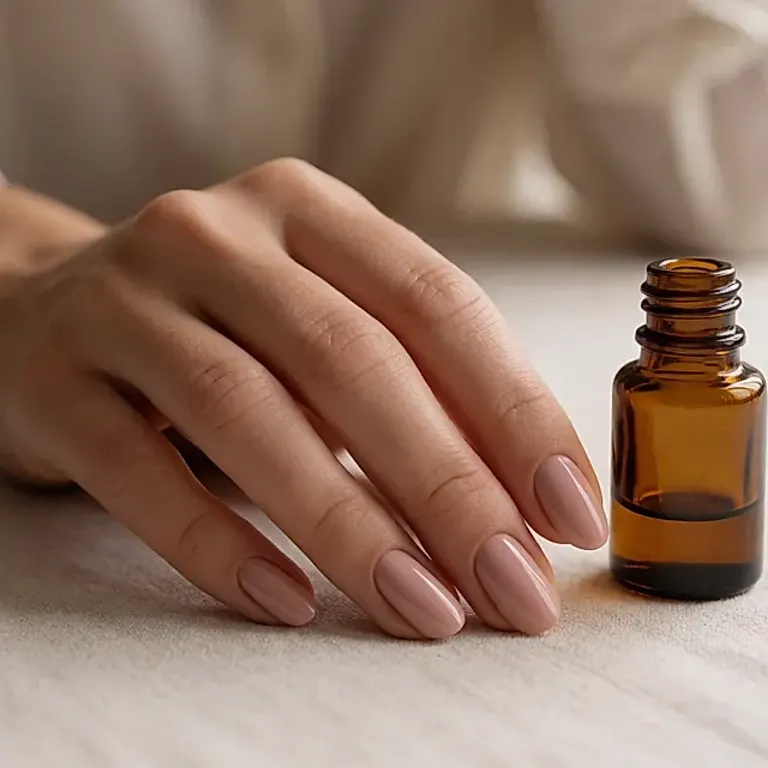
The nudes. Milky white, powder pink, rose beige, sometimes slightly pearlescent. This is the most practical family for everyday: less obvious when it chips, and visually lengthening on a short nail.
Shape-wise, the trend is still for short, neat nails, filed into a soft almond or a slightly rounded square. Save diva lengths for big occasions.
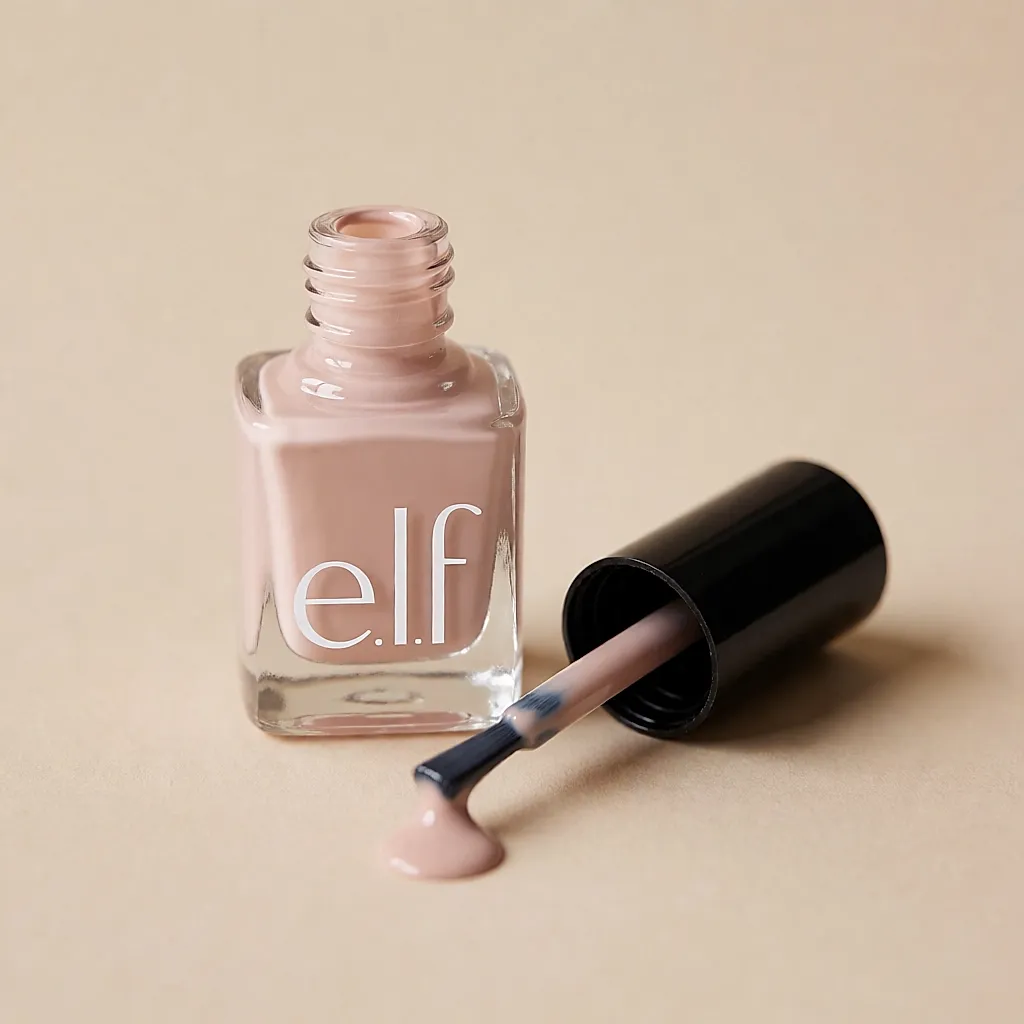
Always file in one direction, never back and forth: that is what stops the layers from lifting. Push back cuticles with warm water, not dry. There is no need to let your nails "breathe" for a week between manicures: nails do not breathe. A break is only useful if your nails are weakened, and how long it lasts depends on their condition. The habit that really matters is this one.
What to look for on the label
Current formulas often show shorter ingredient lists, without toluene, formaldehyde or DBP. French brands such as Kure Bazaar claim 10-free, vegan formulas and local manufacturing; others, such as Absolution and Boho Green, also use short, vegan formulas. UK availability varies, so check official stockists.
On the label front, Cosmos Organic and Cosmébio set out the share of organic ingredients and permitted processing methods. One caveat: these labels guarantee a composition and manufacturing method, not how well the polish wears. End-of-life matters too, and a glass bottle is more readily recycled than sealed plastic packaging. Let's be honest: I haven't tested every product mentioned here; these are documented leads, not verified favourites on my own nails.
Budget
UK prices are a rough guide only and vary by retailer.
- High street retailers and beauty chains: around £3–£9 for a 10–15 ml bottle.
- French short-formula brands, pharmacies and organic beauty shops: more like £12–£20.
- Base and top coat: £8–£20 each, depending on brand.
- Luxury labels: around £30, a little more for limited editions.
- In a salon: a simple manicure often sits between £25 and £45, a semi-permanent set between £40 and £60, and gel between £50 and £80.
What shifts the price: bottle size, the share of organic ingredients, whether refills exist, where you buy it and the town or city of the salon. For basics, pharmacies and brands' official websites remain the safest bet.
Sources
- COSMOS-standard — European standard for organic and natural cosmetics (cosmos-standard.org)
- Cosmébio — French association and certification charters for organic cosmetics (cosmebio.org)
- ANSM — French medicines and health products agency; vigilance points on allergic skin reactions linked to (meth)acrylates in semi-permanent polishes and gels (ansm.sante.fr)
- MHRA — UK regulator; check current safety advice on (meth)acrylates in nail products (gov.uk/government/organisations/medicines-and-healthcare-products-regulatory-agency)
Comments
Your opinion matters: rate the article, react and reply to comments.
Comments are moderated; AI-assisted comments are flagged. Text emoticons (8-), :-), <3…) are automatically shown as images.