
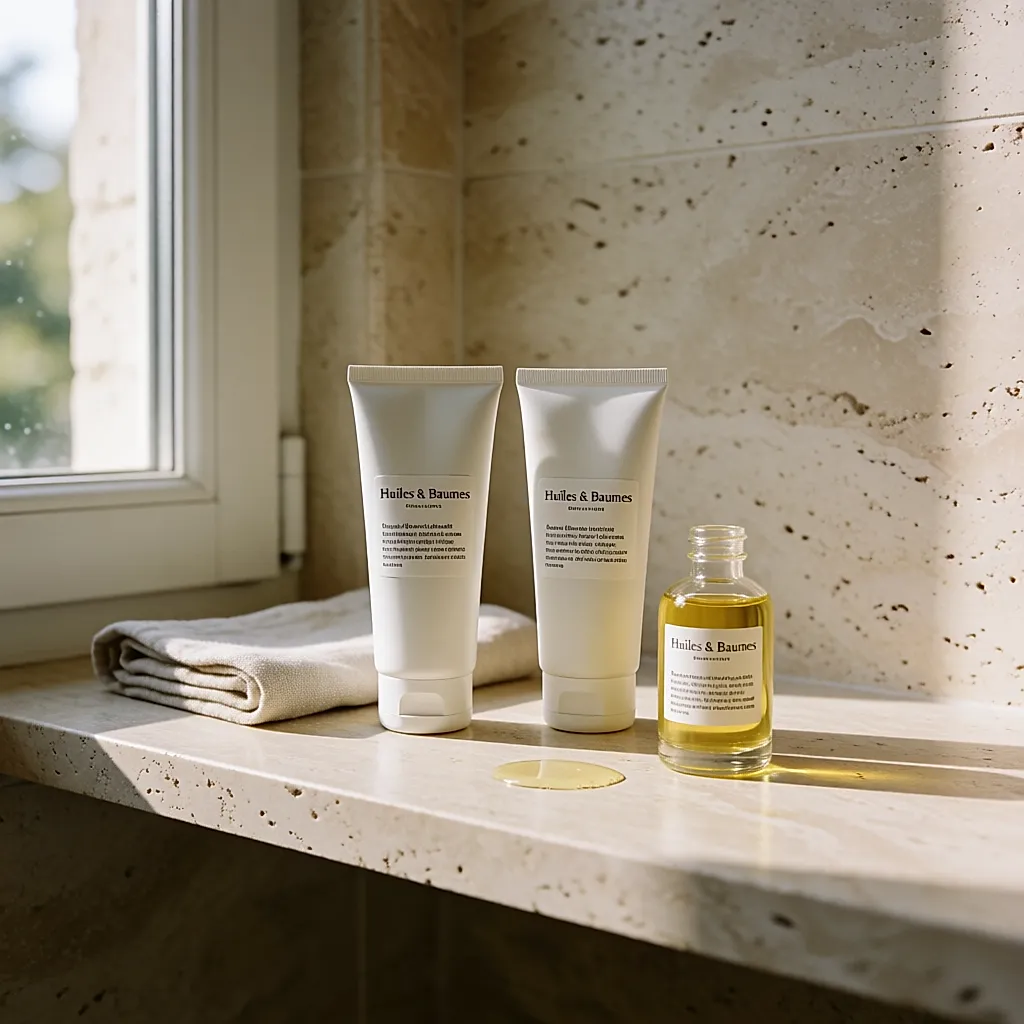
You know this drawer. The bathroom one you never open fully in case everything topples out: two or three half-used oils, a lip balm forgotten by the radiator, a floral water bought on impulse after a skimmed article. We stockpile these small sizes because they promise to sort everything out, and when it is time to use them, no one remembers what goes where.
Huiles & Baumes has long had its white tubes in beauty edits, with an intuition that still holds: short formulas, organic plant oils, short routines. That logic has not aged. What has changed is the list of demands we add on top — a certification you can check, refillable or recyclable packaging, an ingredient list you can read without reaching for a chemistry dictionary.
Oil or balm: two textures, two uses
Let us start with the basics, because they explain everything else. A plant oil is an anhydrous product: no water phase, so no preservative in most cases, and a lipid film that slows water loss from the skin. A balm plays a different tune — waxes and plant butters combine to give a texture that stays on the surface longer, so it is more occlusive. In practice: apply the oil while your skin is still damp from the shower, and save the balm for areas that feel tight — lips, hands, heels, the sides of the nose once winter sets in.
Beware the shorthand 'oil equals grease equals breakouts'. Jojoba or hazelnut oil, often considered less likely to clog pores, sit well on combination skin; coconut oil is usually a heavier choice. A simple practical marker: try it a few evenings in a row on one cheek only, before investing in a large bottle.
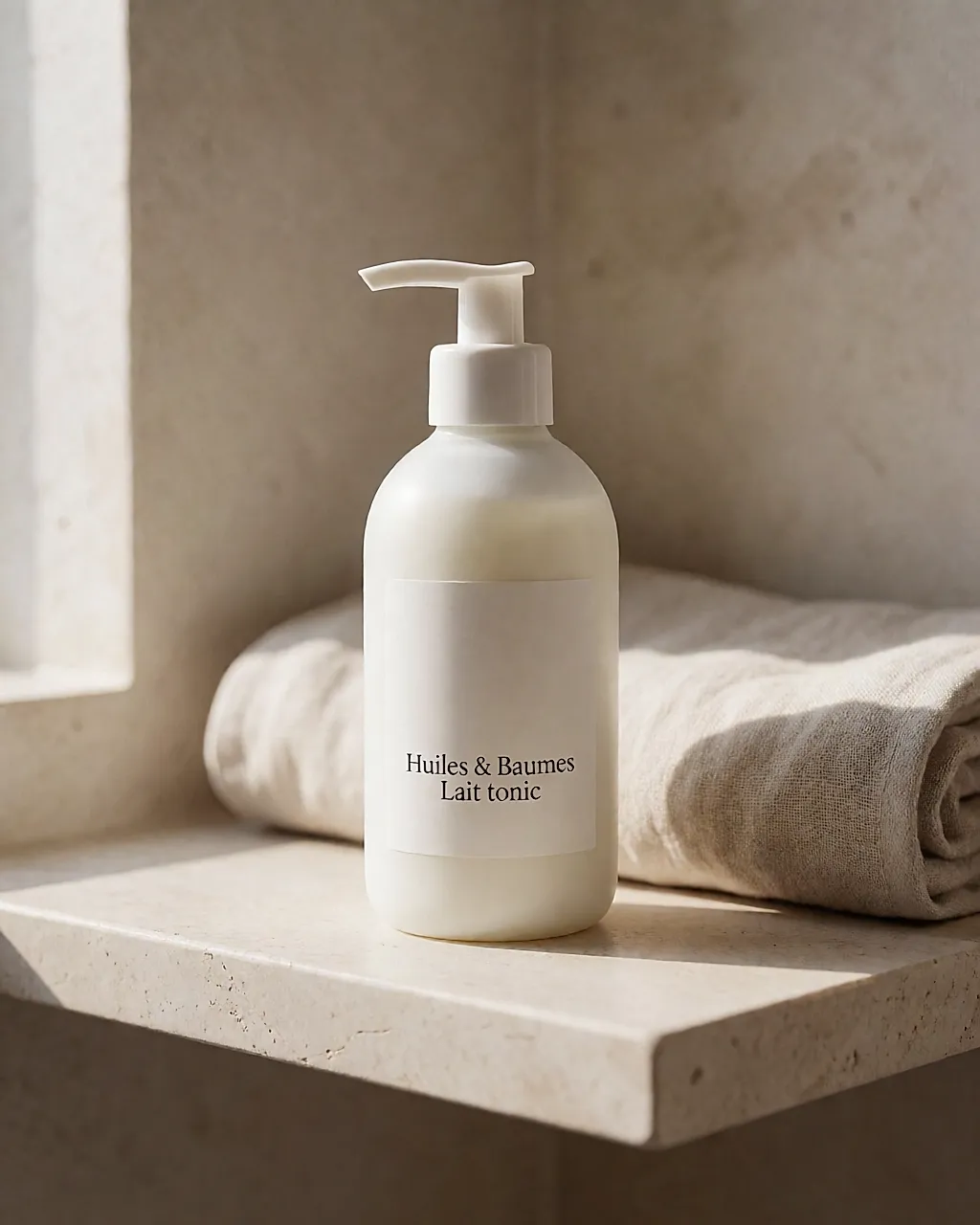
Three routines, properly documented
The face scrub. The classic version relies on a rice and argan powder you rehydrate yourself: no water, no preservative, in a glass jar. The principle still holds, and enzymatic versions (papaya, pineapple) are sometimes a gentler option for reactive skin than grainy scrubs. In health-food shops and organic beauty stockists, expect to pay around £7–£22 a jar. At Aroma-Zone, the French ingredients retailer, powders and glass bottles are sold separately, so you can compare the cost per gram.
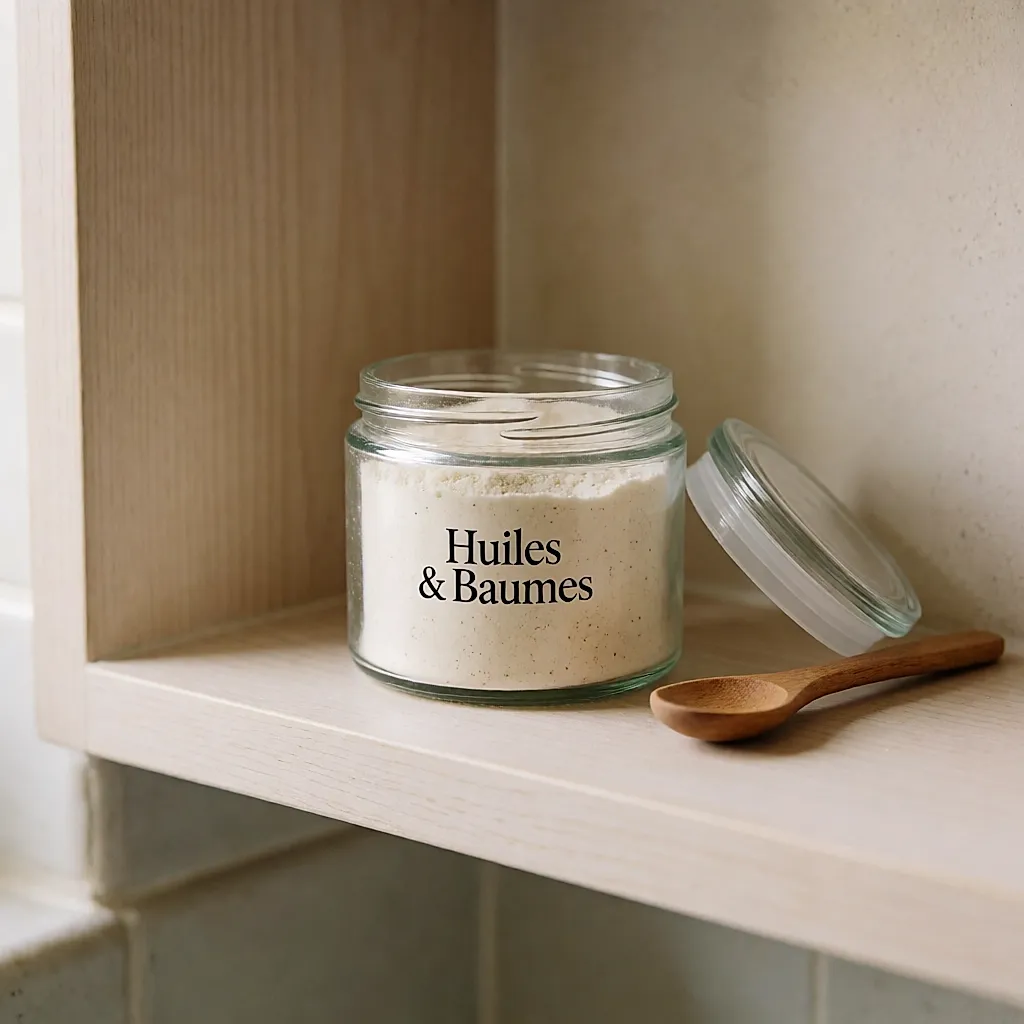
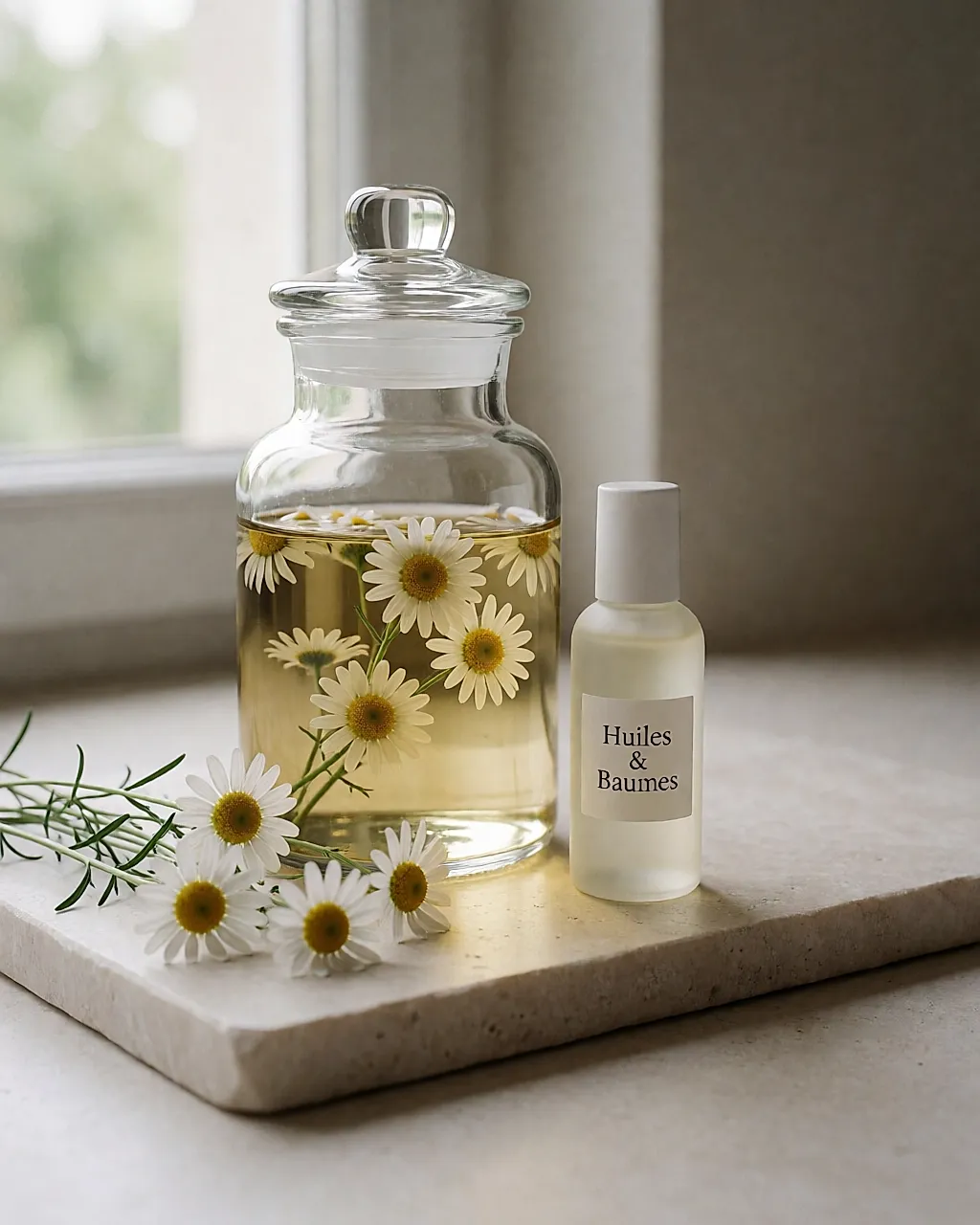
Floral water, to finish a cleanse. Rose, peppermint or orange blossom hydrolat: to refresh, remove cleanser residue, prepare the skin for the next step. The useful habit is to read the INCI: as a general rule, especially among the main ingredients, a list that starts with 'aqua, parfum' suggests a scented water rather than a hydrolat, though the order alone is not absolute proof — in Europe, ingredients present at less than 1% may appear in any order.
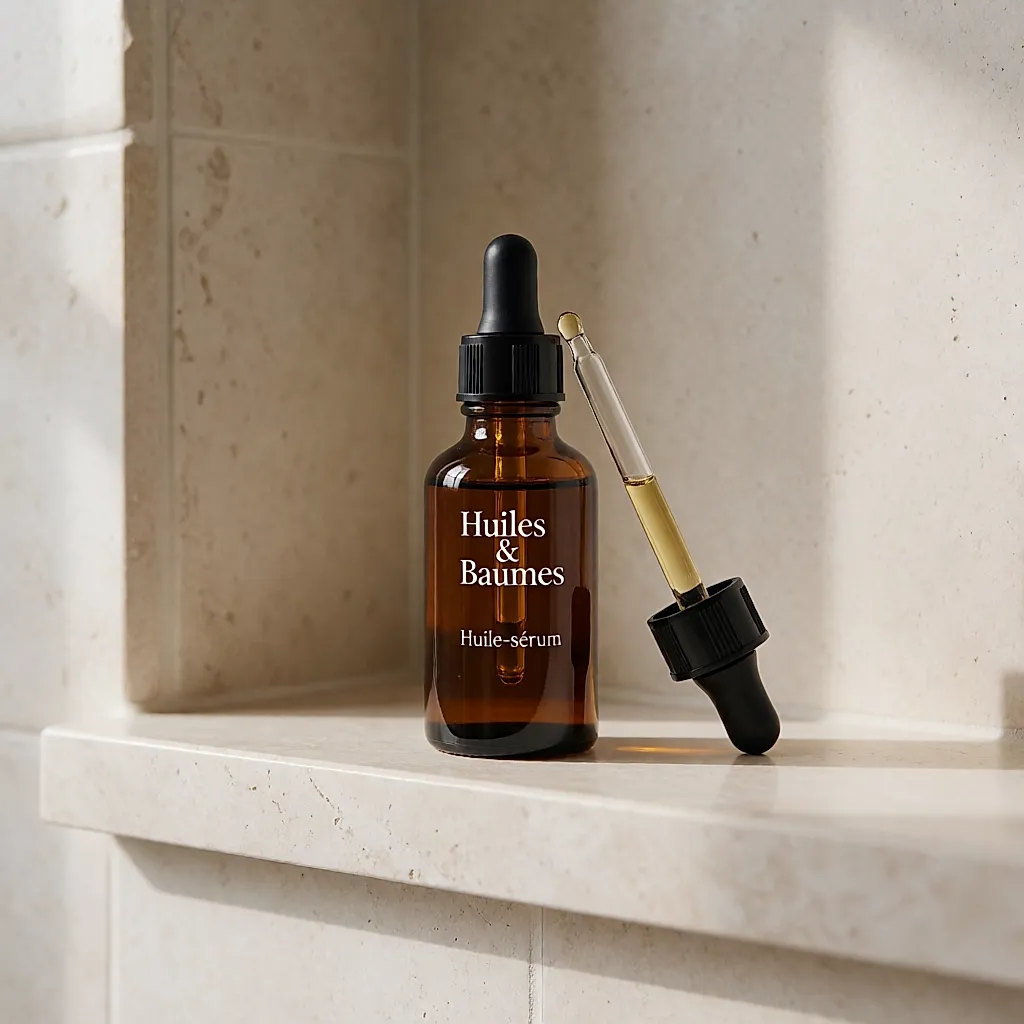
The evening oil-serum. Chilean rosehip, prickly pear and argan: rich in essential fatty acids, with rosehip naturally containing forms of vitamin A. Applied as the last step, it replaces evening moisturiser for many dry skins. No promises on pigmentation or scars: it is a comfort product, not a treatment.
The multi-purpose balm and where it stops
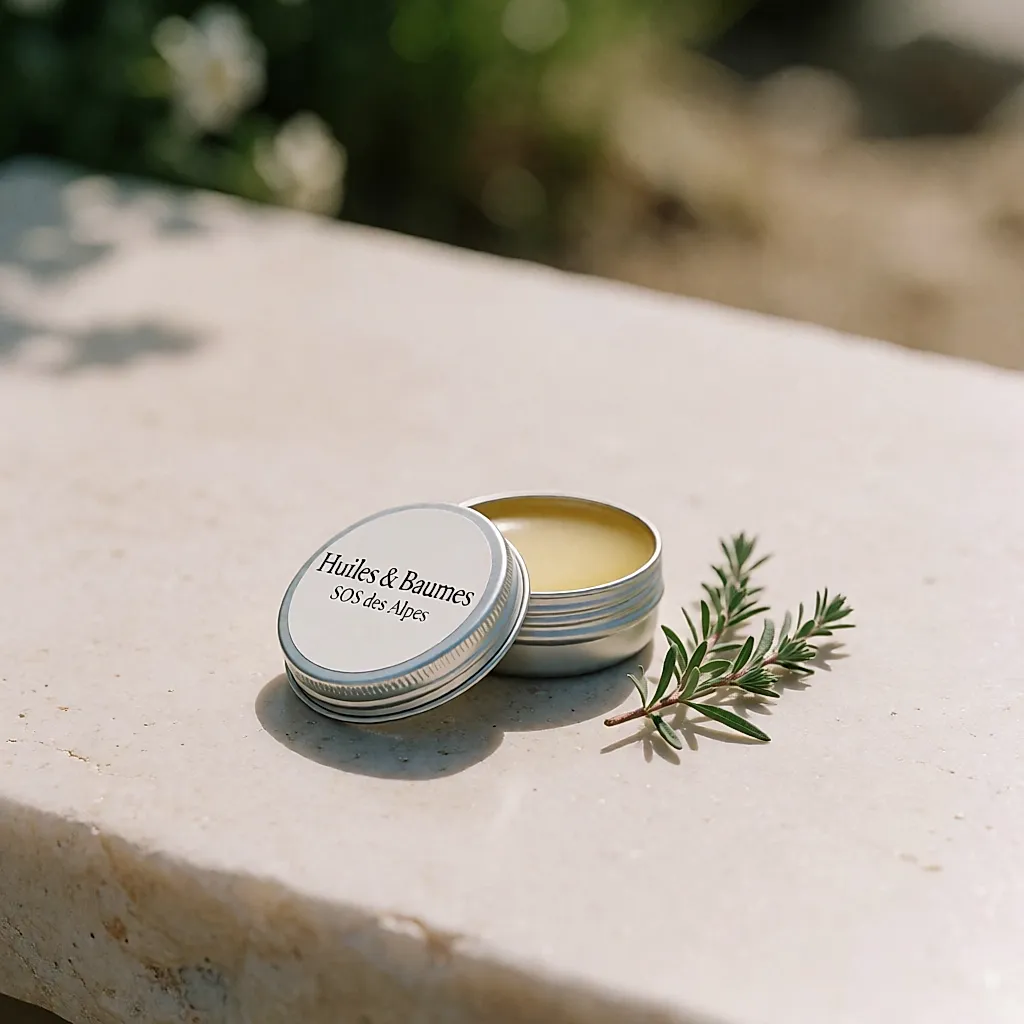
The arnica balm is one of the brand's best-known products, and also easy to misuse. Arnica is traditionally used externally on bruises and aching muscles; the balm soothes and nourishes. It is no substitute for medical advice after a fall, nor for an antiseptic on a deep scratch. Persistent pain, a wound that will not close, a bruise that is getting bigger: get medical advice.
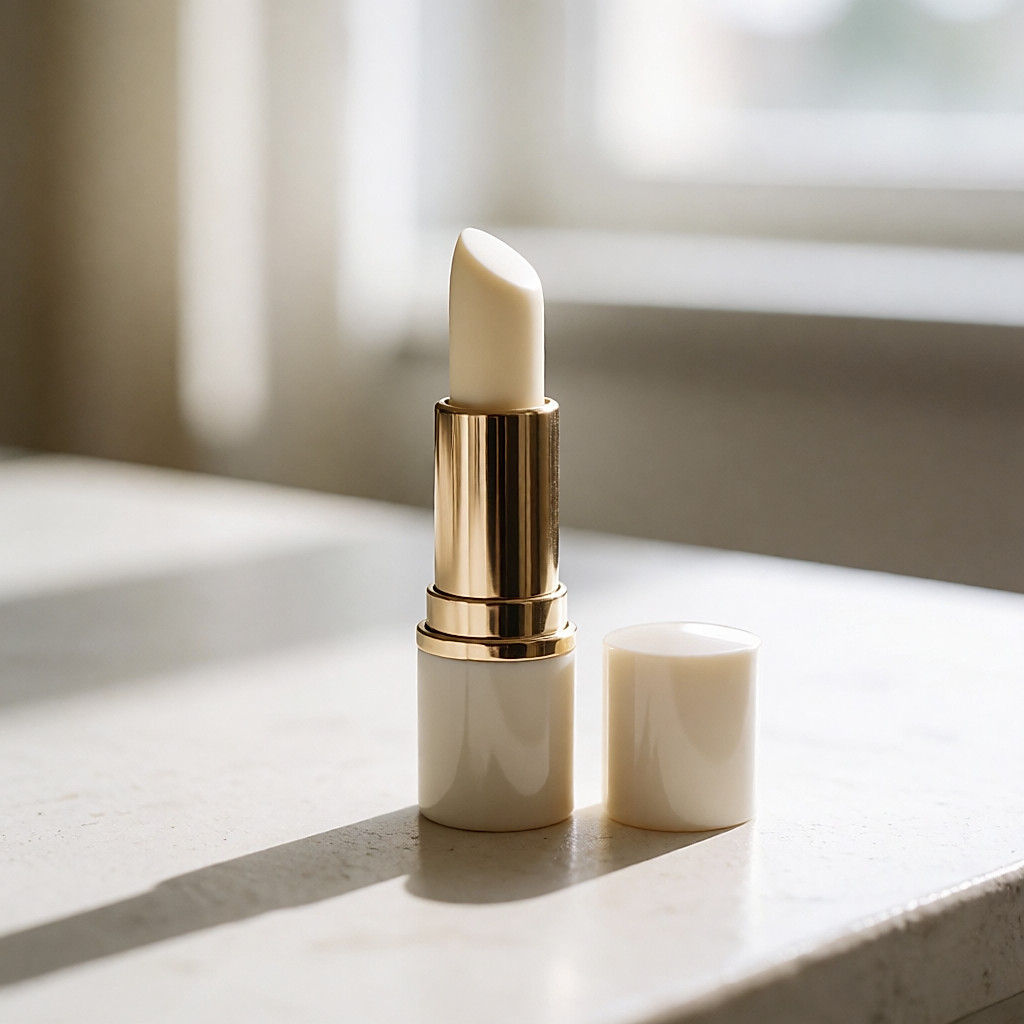
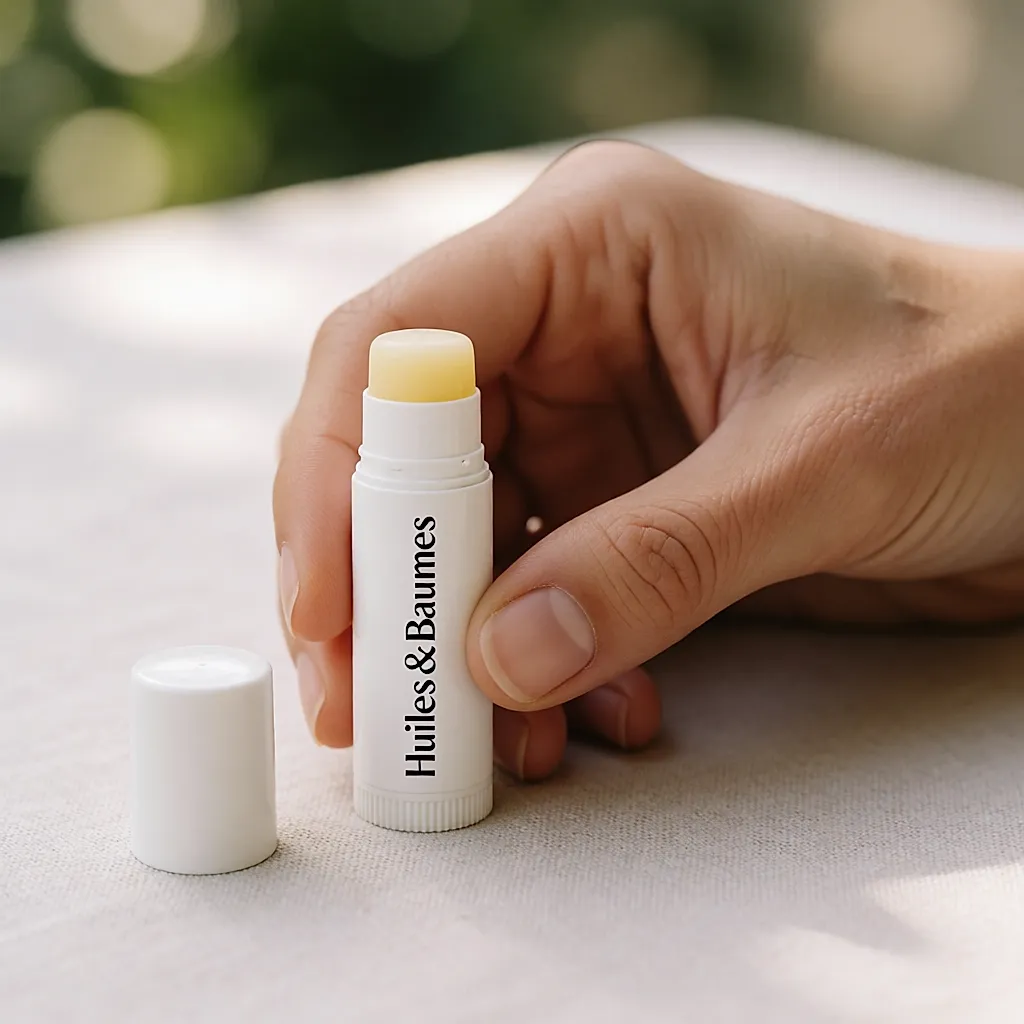
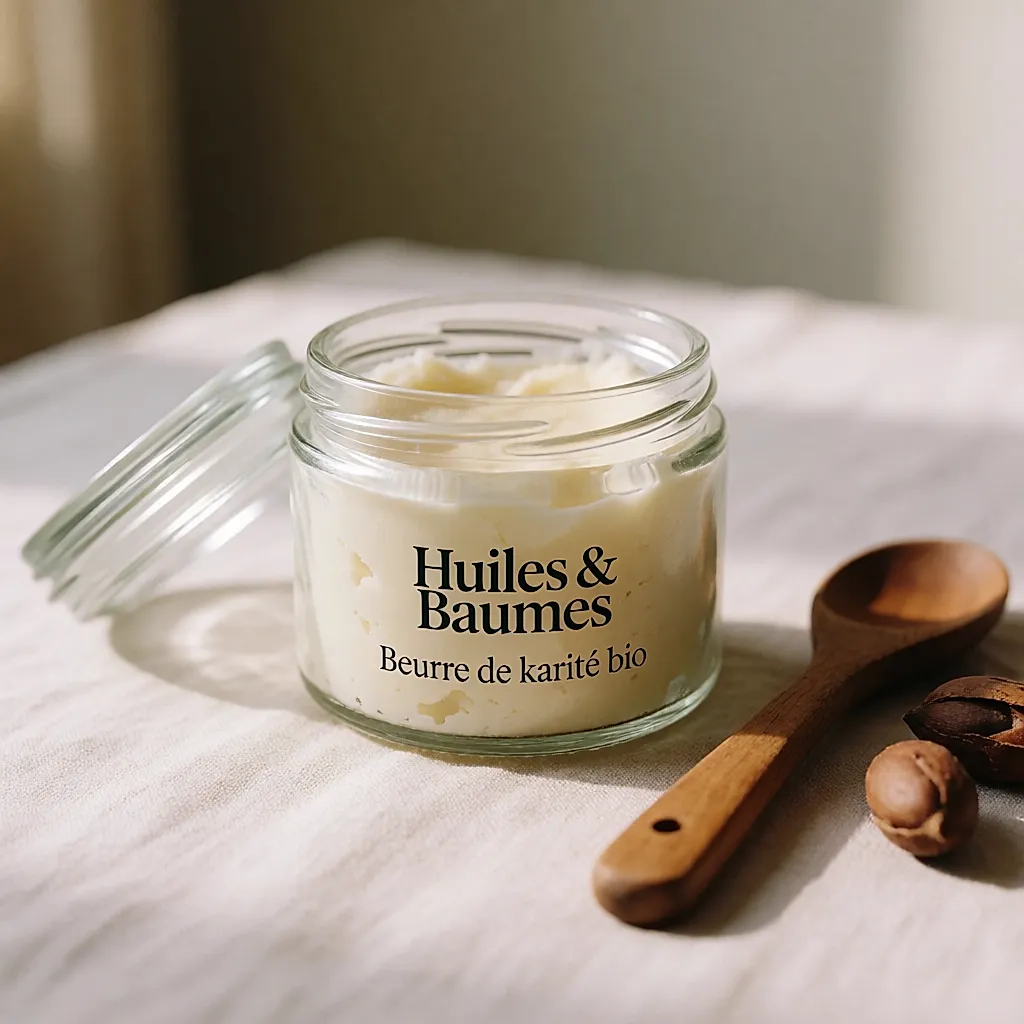
For lips, look for calendula, cocoa butter or shea, and walk away if the formula starts with paraffin. Raw unrefined shea butter remains a versatile buy: lip balm, hand care, a mask for dry ends.
Read an organic label in ten seconds. The Cosmébio BIO mark and the Cosmos Organic standard (audited by Ecocert Greenlife, among others) set minimum percentages of ingredients of natural origin and of ingredients from organic farming. They are guarantees of composition and inspection, not of efficacy or tolerance: a certified product can still contain an essential oil your skin reacts to.
What I haven't tested
The formulas mentioned here are documented from product listings and label standards. I have not worn them for three weeks on my skin, and that is my minimum before saying a product suits me. Do that test yourself, on a small area, before buying a large format.
Budget
The £ figures below are rough UK guides only, not quotes; import costs, certification and retailer margins all move them. Differences between stockists are very real.
- Organic face scrub, 50 ml: £7–£22.
- Hydrolat, 200 ml: £5–£13 in health-food shops, up to £19 in a fragrance or department-store brand.
- Organic plant oil, 30 ml (argan, rosehip): £9–£19. Prickly pear: £22–£39; the seed yield is very low.
- Blended oil-serum, 30 ml: £17–£39.
- Organic lip balm: £4–£10.
- Arnica-type balm, 30–50 ml: £7–£16.
- Raw shea butter, 100 ml: £7–£16.
What pushes the price up: the origin and yield of the raw material, certification, the container (glass or plastic), local or imported manufacturing, and the retailer's margin. Where to find: health-food shops and organic beauty stockists, pharmacies, department stores, the brand's own online shop, and refill sections in specialist shops. When a refill exists, it can cost less than the full bottle — check before you buy again.



Comments
Your opinion matters: rate the article, react and reply to comments.
Comments are moderated; AI-assisted comments are flagged. Text emoticons (8-), :-), <3…) are automatically shown as images.