
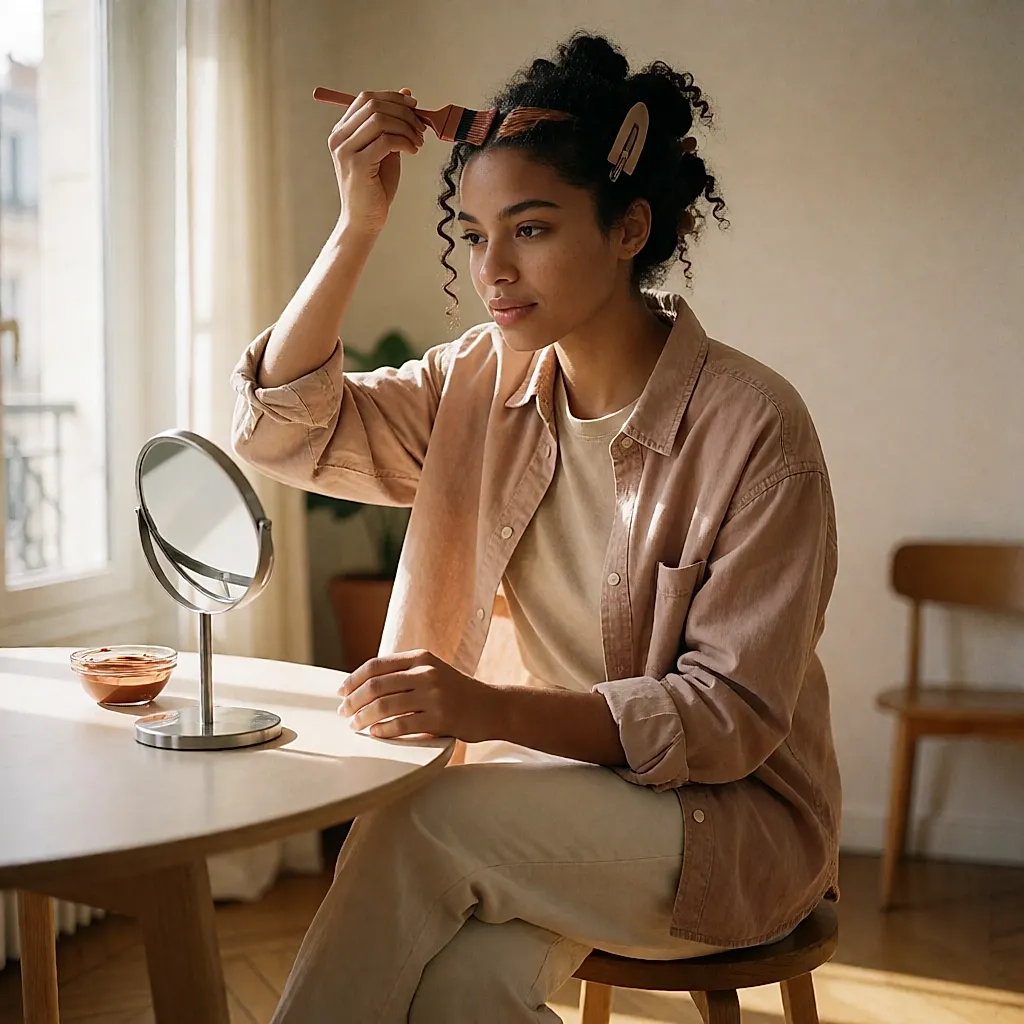
A friend of mine once tried to go from brown to honey blonde with a box grabbed in the supermarket. Forty minutes later she was a very definite shade of carrot orange, and we spent the rest of the evening trying to undo it. That mishap has stayed with me, and it resurfaces every time someone asks whether at-home colour really works.
At-home colour is genuinely practical, economical and fairly simple to apply. The one thing it cannot do is a complete about-turn. If you want to warm up your colour, add a little tonal depth or go a shade darker, you are in the right place.
Stay close to your shade
Choose from the printed shade chart on the back of the box, never from the picture on the front. The models are retouched, and the result in daylight is far less flattering. The useful guidelines are: do not go more than two shades away from your current colour, and keep the result consistent with your skin tone.
A brunette dreaming of platinum blonde should book a salon. The same goes for changing colour family — blonde to red, black to light brown. These shifts require pre-lightening, a delicate job to do alone and rarely without damaging the hair fibre.
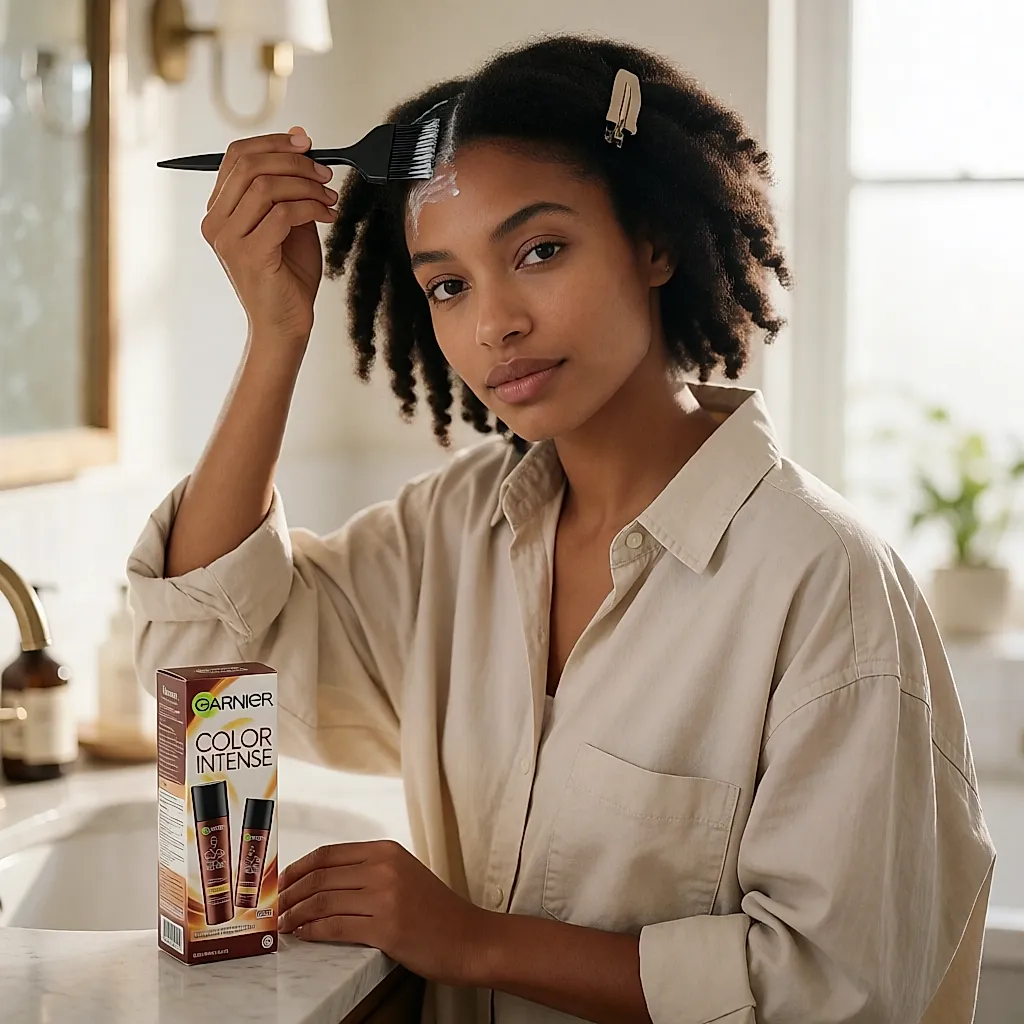
Permanent, semi-permanent and temporary colour
The ranges have improved: more natural shades, gentler formulas and a much wider choice. You still need to read the label.
Permanent colour does not wash out. It lasts until the hair grows out or a new colour is applied over it. It is the usual choice if you want to darken or slightly lighten your base; it works thanks to colour precursors and, often, ammonia, which opens the hair cuticle. That is why it pays to be cautious about the shade you choose: you will be living with it for months.
Semi-permanent colour sits in between. It fades over time, generally without ammonia, so it is gentler on the hair. It refreshes your tone, adds depth and helps soften the first greys. It will not lighten your hair, though.
Temporary colour lasts a few washes, then fades away. It is useful for trying out an urge for a weekend or brightening a fringe. It will not lighten dark hair.
There is a fourth route: plant-based colour made with henna or dye plants. Beware shortcuts: pure henna does not make hair blonde, does not lighten it, and is difficult to reverse. Be wary, too, of powders sold as '100% plant-based' that actually contain metallic salts — enough to make a later salon colour seriously complicated. An honest plant colour lists its full ingredients and where its plants come from.
At-home highlight and balayage kits
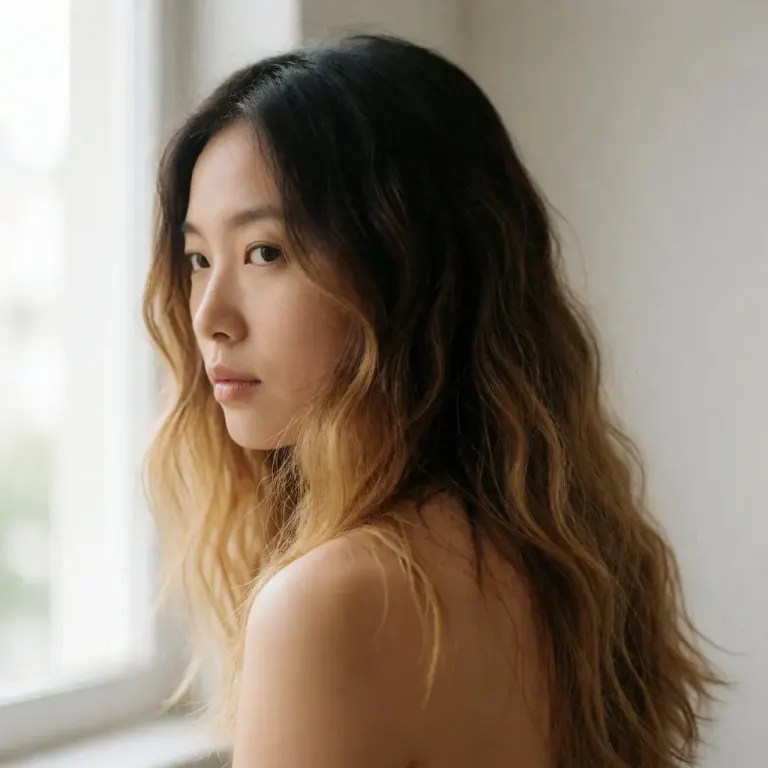
These kits are built around a lightening product. They are designed to lighten a few strands tone-on-tone, giving depth without touching the base. Much depends on the processing time and on how much hair you take into each section. Hair left too long under lightener turns straw yellow, and that is hard to put right. Start with a test strand on a discreet area.
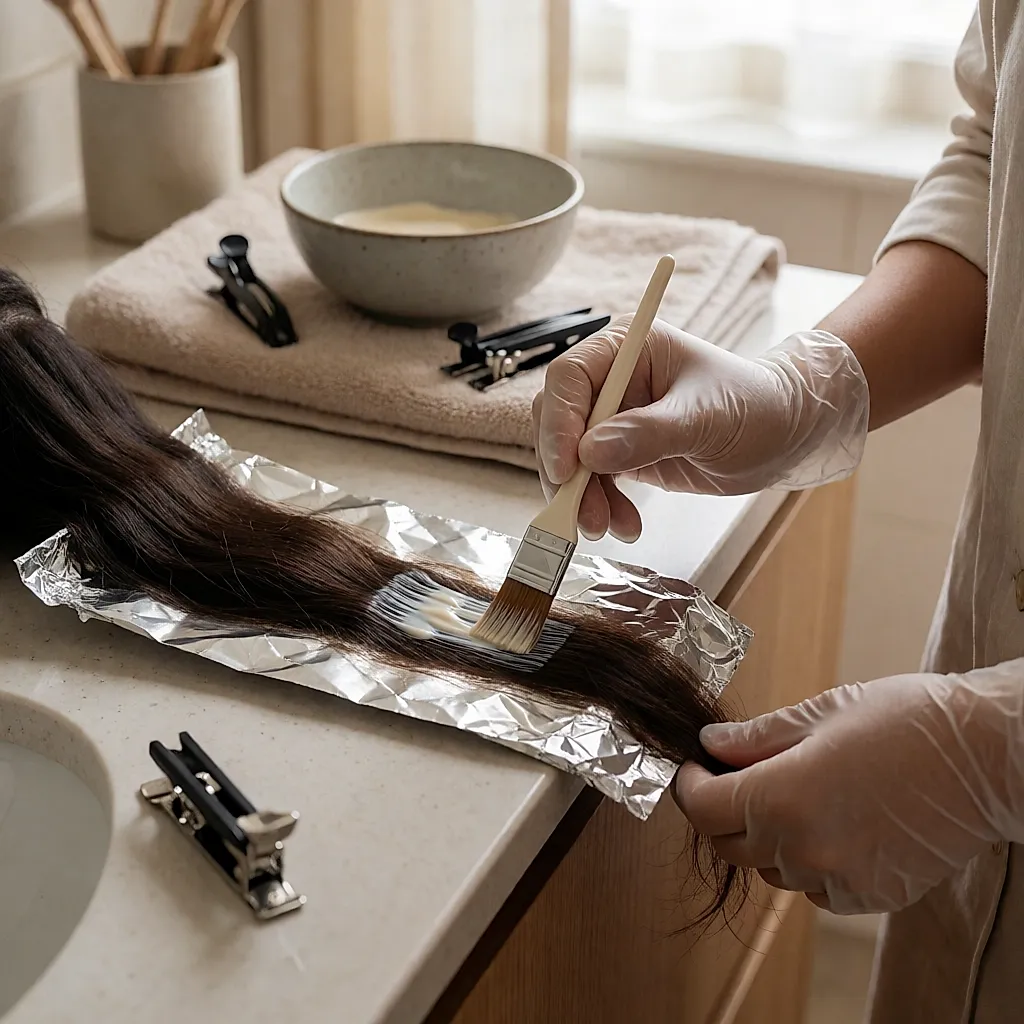
Do a skin test before every colour, even with a brand you have used for years: an allergy can appear at any time. Apply a small amount behind your ear or in the crook of your elbow, leave it to dry and follow the timing and aftercare instructions on the pack. Watch for redness, itching and tingling. Add a strand test to check the colour result; it takes minutes and can save you a lot of tears.
The application details that make the difference
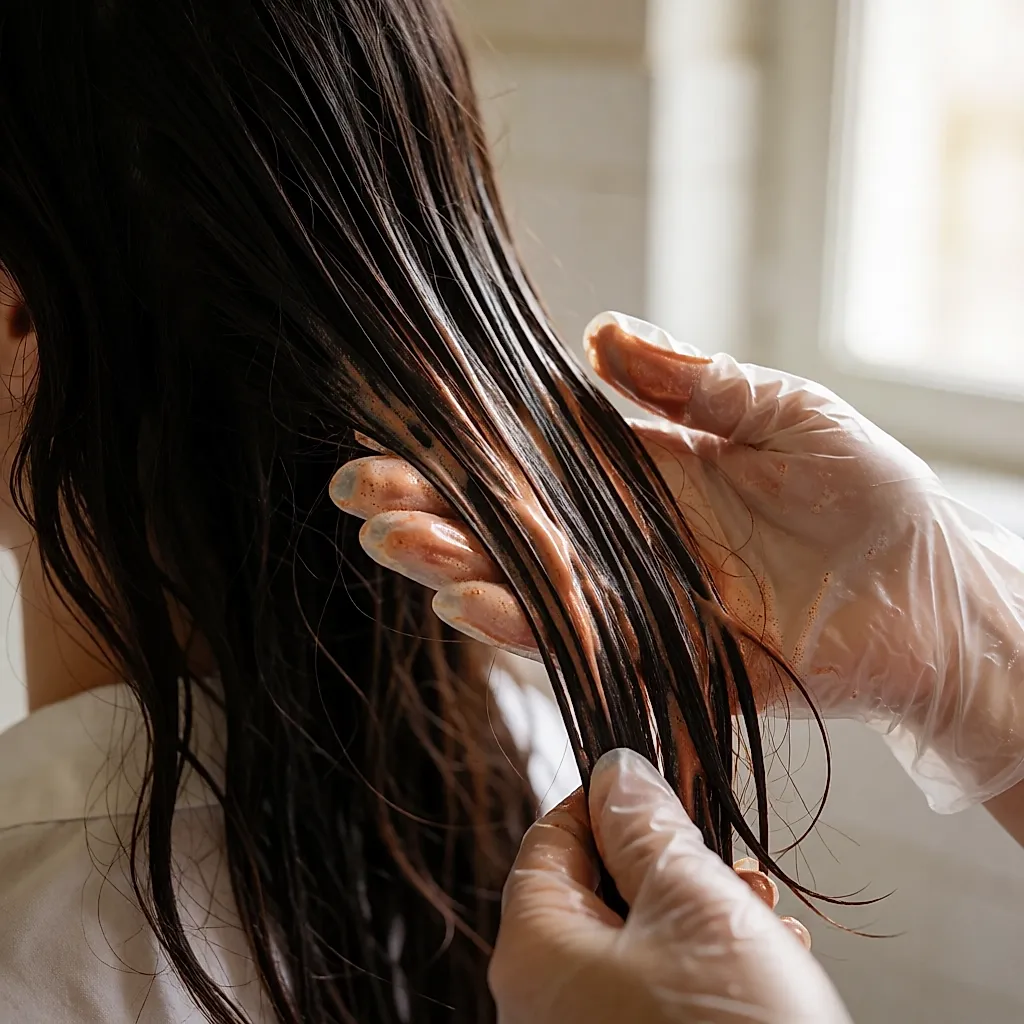
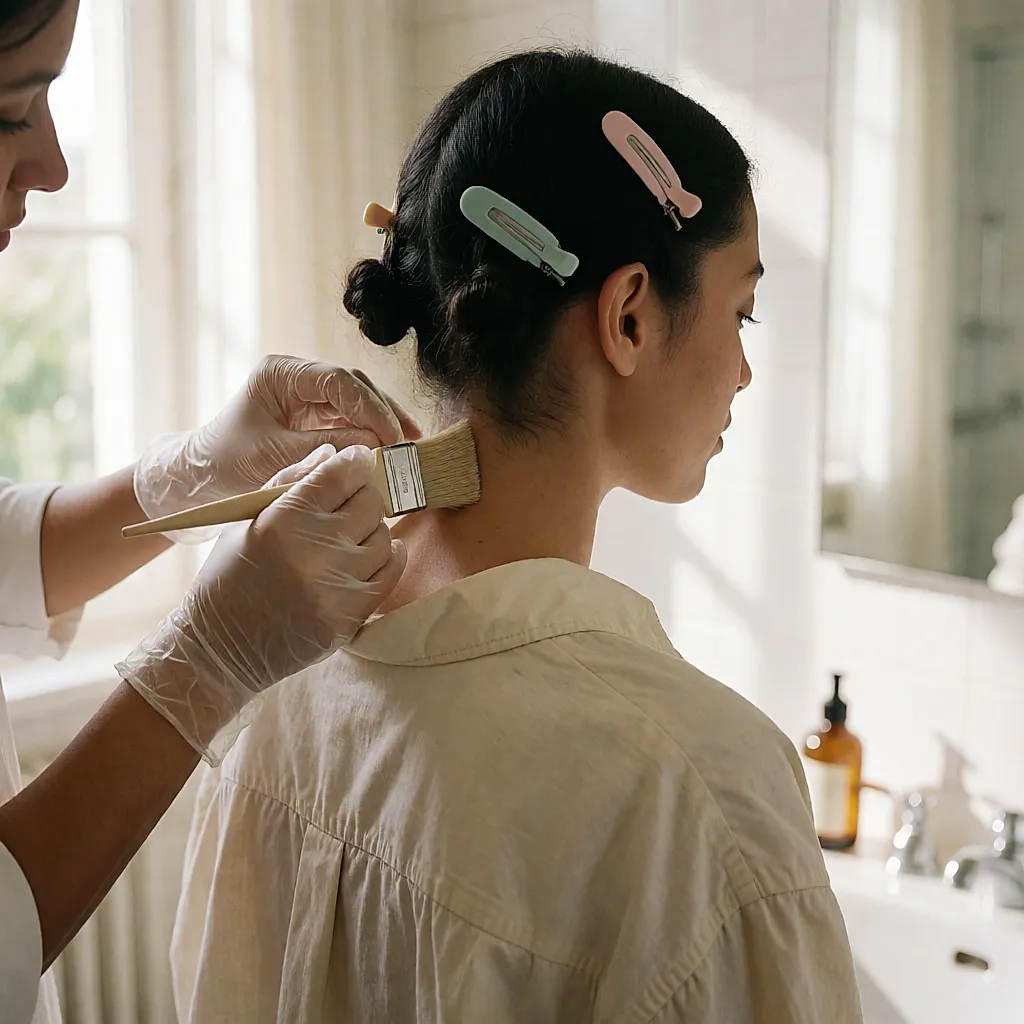
Dry hair that has not been washed for a day works well: the film of sebum protects the scalp. Divide your hair into four sections with clips and start where you have the most ground to cover — the nape — rather than at the parting. Leave mid-lengths and ends until the final part of the processing time: they absorb colour faster. Rinse with warm water until it runs clear, then finish with a mask.
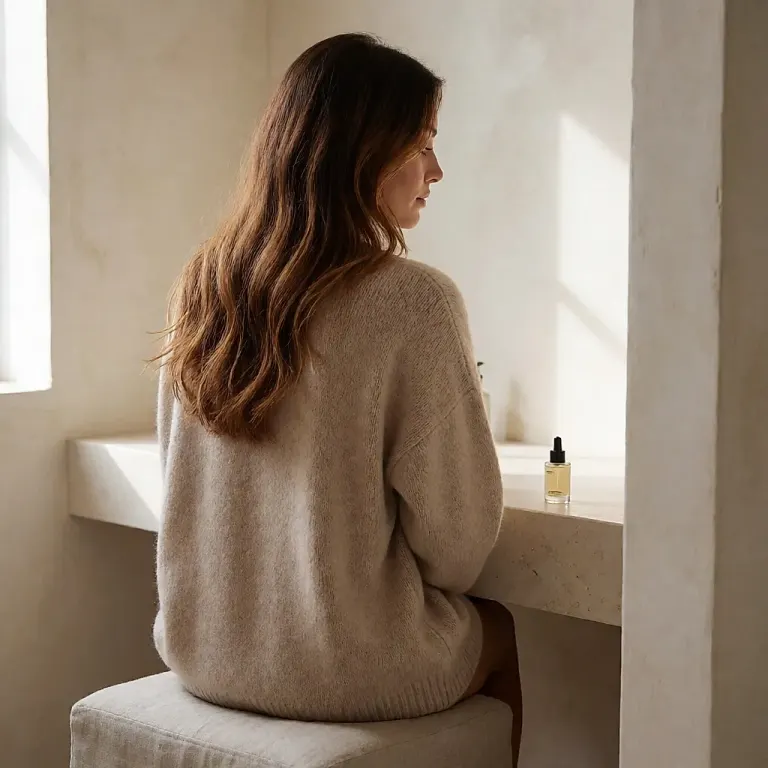
When it comes to the mask, this is where natural ingredients earn their place: a formula rich in plant oils — shea, argan or coconut — can be enough to smooth the hair fibre after colouring. If you want something more robust, look at the labels. Certifications such as Cosmos Organic or Ecocert, when a brand carries them, set a minimum share of organic ingredients and a specification for the formula. And choose a glass jar or a refill when the brand offers one.
What it costs
At the supermarket, a box of hair colour usually costs between £6 and £12. At a pharmacy or beauty retailer, expect more like £10 to £18, sometimes for more sophisticated formulas. Highlight and balayage kits sit around £12 to £20. Add a post-colour mask, £8 to £20.
In a salon, a root touch-up often falls between £40 and £70, a full colour between £60 and £120, and balayage between £90 and £200. The variation is enormous: city, hair length and density, whether pre-lightening is needed, the final toner, and an in-salon treatment. A city-centre salon will charge very differently from a neighbourhood one.
You will find these products in supermarkets, pharmacies, beauty retailers and on brands' official websites. The exact price depends on the brand, the retailer or the salon, so treat these as broad guides rather than fixed prices. The sticker price does not tell the whole story: a budget box that damages your hair can cost more to put right in a salon.
Comments
Your opinion matters: rate the article, react and reply to comments.
Comments are moderated; AI-assisted comments are flagged. Text emoticons (8-), :-), <3…) are automatically shown as images.