
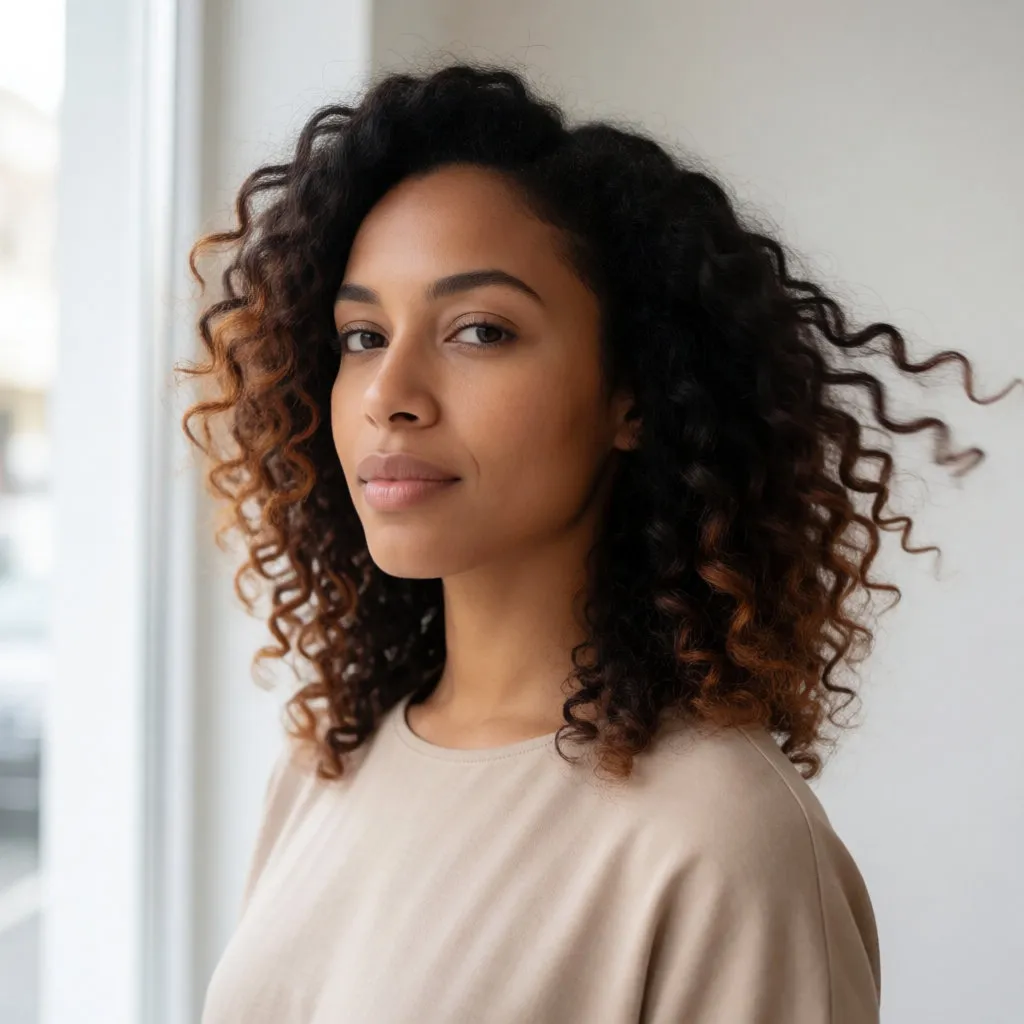
Hair professionals all agree on this: nothing beats colour applied by a professional colourist who can take your hair type, your face and what you want into account, choose the right product, mix custom shades and tone or glaze it to get the best possible result.
Home colour comes with suspense; the salon comes with a safety net. It's the big dilemma, especially with the boom in DIY dyes: permanent colours, semi-permanent colours, highlights, tone-on-tone and so on. But you become cautious, often after a few hair mishaps, and you don't mess with colour. Which route should you choose, and do home colours live up to their promises?
With home colour, you mix, apply and live with the result—no crystal ball needed to see the difference in price and quality.
That said, home colour has come a long way in recent years, and some formulas are genuinely decent—good enough to use without too much risk.
If you do decide to go the DIY route, there are a few things you should know: the health of your hair—and your colour—depends on it.
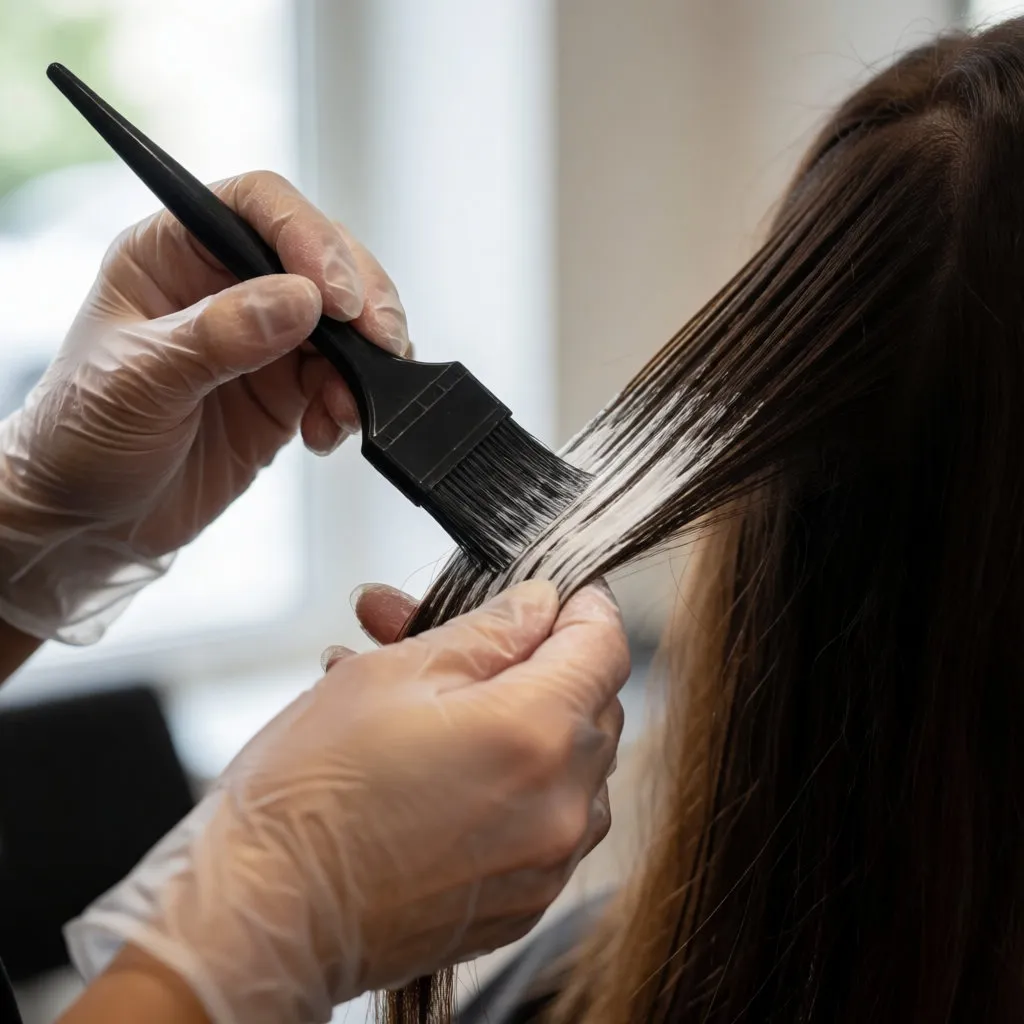
How do you choose your colour?
First, home colour is mainly for those who want to brighten their existing shade or add a few highlights and escape dull, uniform hair. But if your goal is to swap baby blonde for jet black, stop right there. For any radical colour change, book a salon appointment. Moving from one colour to another sometimes needs to be done gradually, for a natural, harmonious finish.
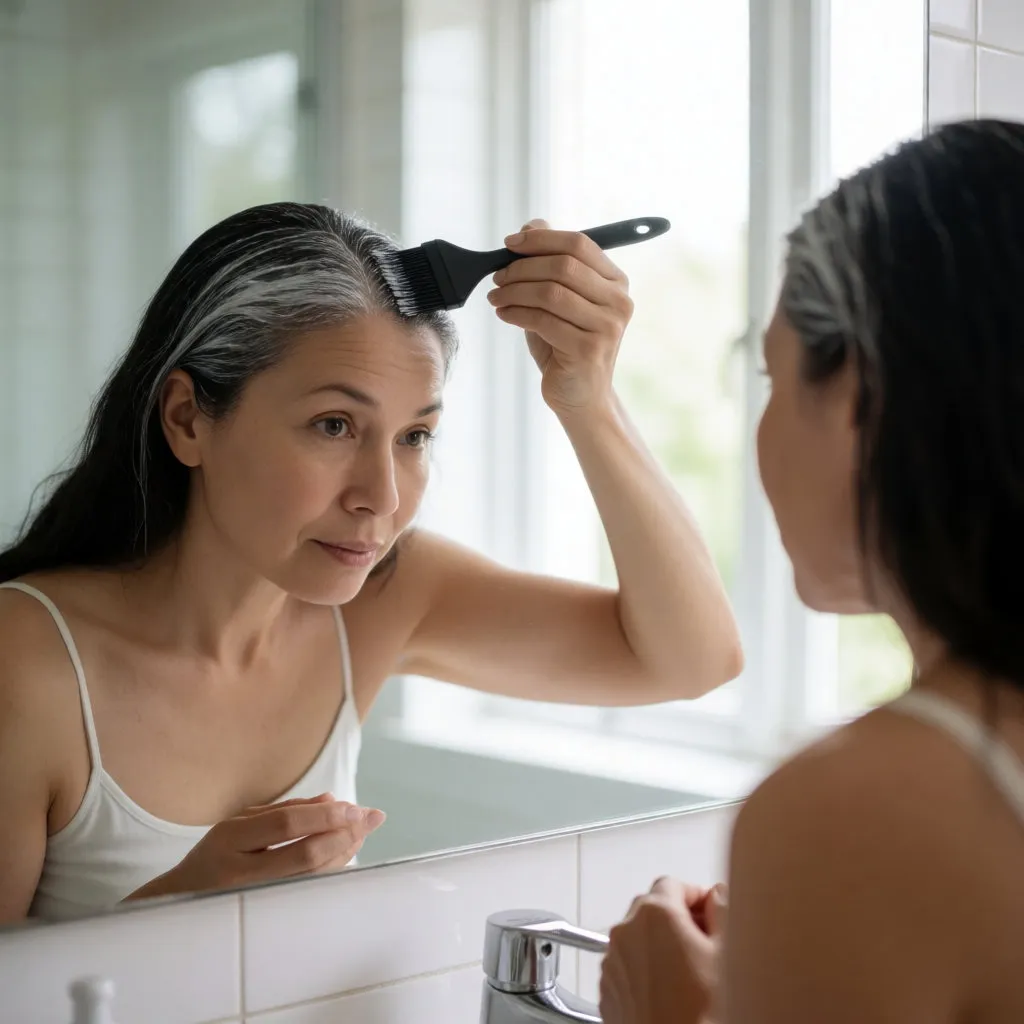
Follow that logic through: when you choose your colour, take everything into account—your eye colour, your complexion and your hair type. Very fine, damaged hair, for example, will rebel against ammonia-based colours, and no amount of blow-drying will tame it; a proper cut is all that's left.
Also bear in mind that if you go for permanent colour, which contains ammonia, it will change your hair colour for good. And if you don't like the result? You'll be left begging your colourist to rescue you from your own straying.
Temporary colours and tone-on-tone shades, by contrast, will fade with washing; temporary colour will disappear completely.
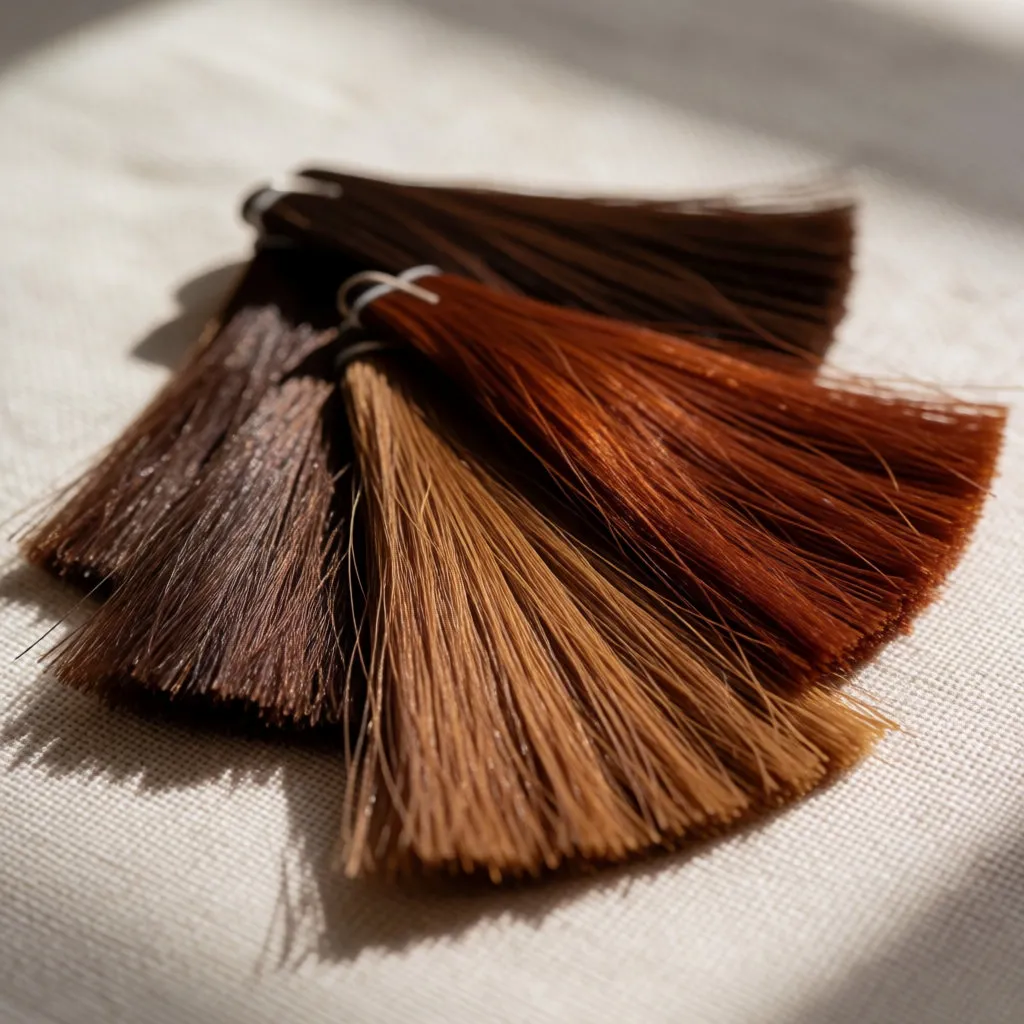
One last point about choosing your colour: never expect the result shown on the model on the box. Far too many women are fooled by a pretty shade (thank you, Photoshop): it's just an image and, even if it is meant to show the product colour, it isn't accurate.
Colouring at home: the practical bit
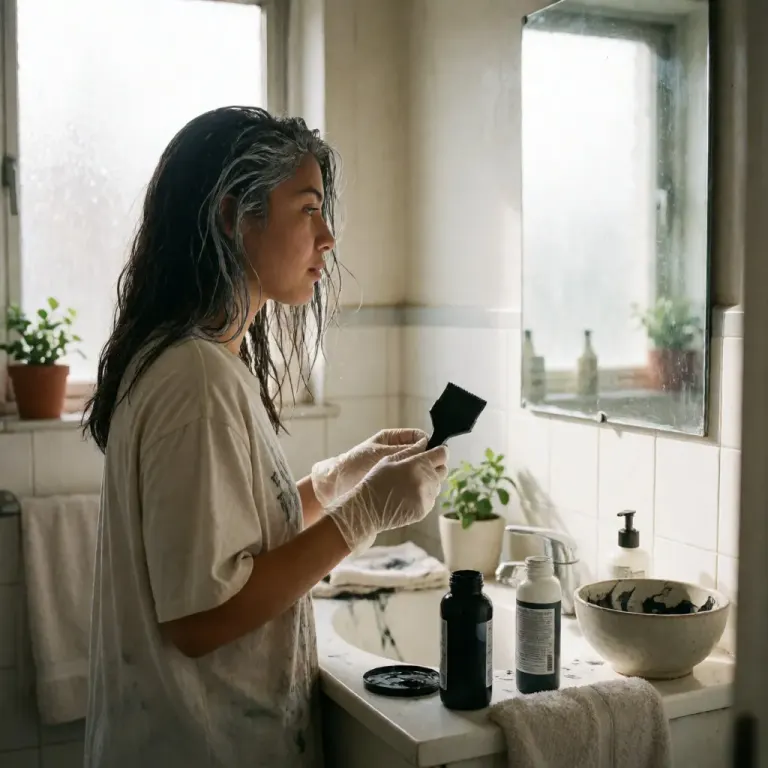
When it comes to doing it, read the instructions carefully before applying anything, and follow them step by step.
Don't improvise, and don't imagine that leaving it on longer will give you the colour of your dreams: you risk strange blue, red or even greenish tones, depending on the shade you chose. So no winging it—unless you want to give your work colleagues their best laugh of the week.
If you get into the habit of home colouring, always stick to the recommended interval between each colour, which varies according to the type of dye you use: usually 2 months for permanent colour and 6 weeks for tone-on-tone. Check the instructions.
If your hair has already been coloured and recoloured, be careful with home dye: you never know which tones will come to the surface when colour is layered on colour. In that case, it's better to see a colourist.
Finally, one last tip for the road: after any colour, look after your hair—and pamper it. Conditioner, hair cream and protective spray are not an indulgence, because as with any hair transformation, whether it affects colour or texture (straightening, curling, perming and so on), hair comes out weaker.
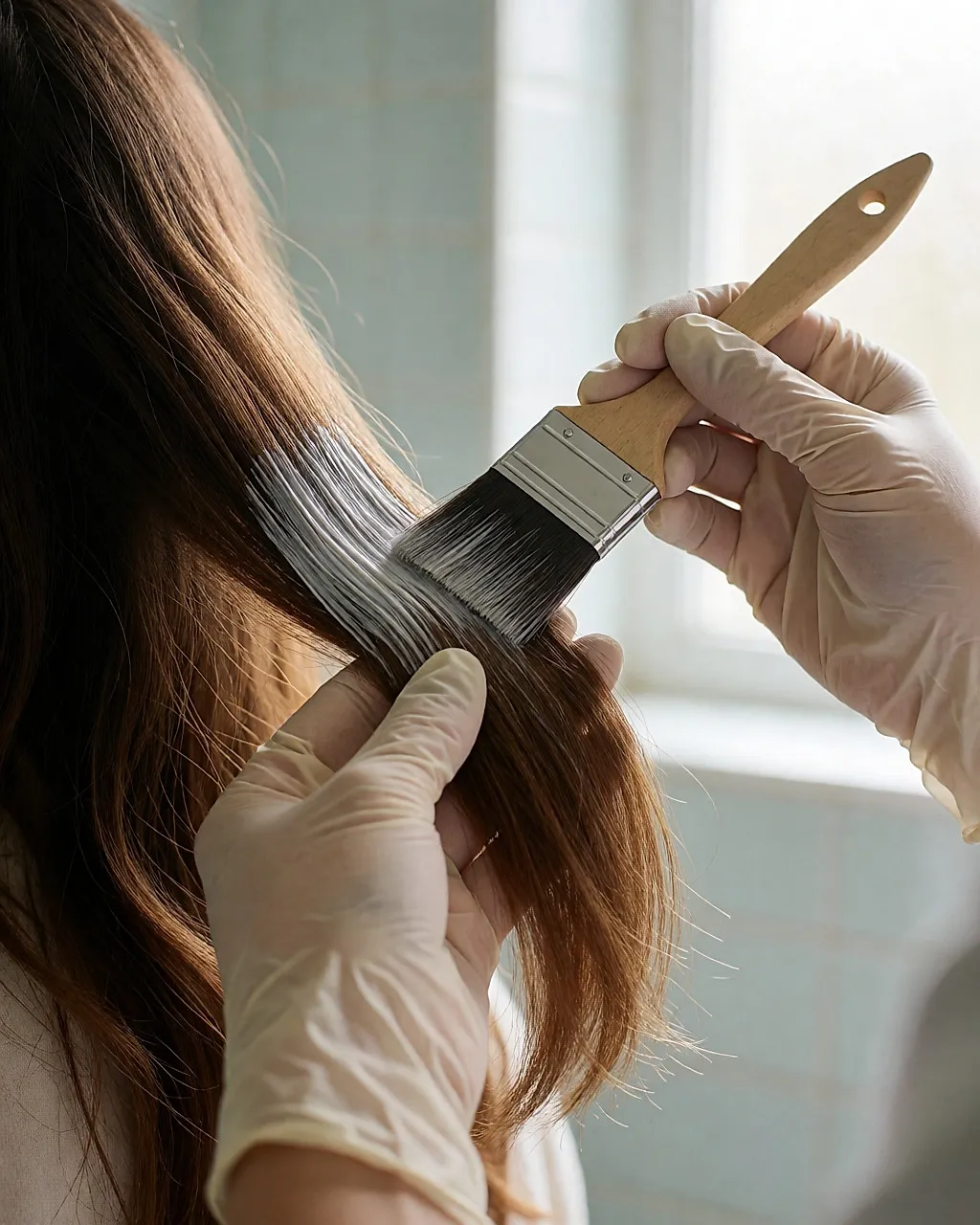
Before you apply anything, do a patch test: a pea-sized amount of product behind your ear or in the crook of your elbow, wait 48 hours and check that no redness appears. If you feel tingling or burning during application, rinse thoroughly and don't continue, and seek advice from a healthcare professional if the reaction persists.
What it costs
When it comes to cost, home colour costs about as much as a box: expect to pay around £6 to £15 depending on the brand and range, though one box is rarely enough for long or very thick hair—better to buy two. In a salon, the bill rises quickly: £35 to £80 for a straightforward colour, and more once you add highlights, balayage or a treatment. Prices vary by region, hair length and salon reputation; always ask for a quote before you settle into the chair.
Sources
- UK Cosmetics Regulation, which covers cosmetic products including hair dyes in Great Britain. In the EU, Regulation (EC) No 1223/2009 applies.
- NHS advice on hair dye reactions and allergy risk. In France, the DGCCRF has published recommendations on hair dyes and allergy risk.

Comments
Your opinion matters: rate the article, react and reply to comments.
Comments are moderated; AI-assisted comments are flagged. Text emoticons (8-), :-), <3…) are automatically shown as images.