
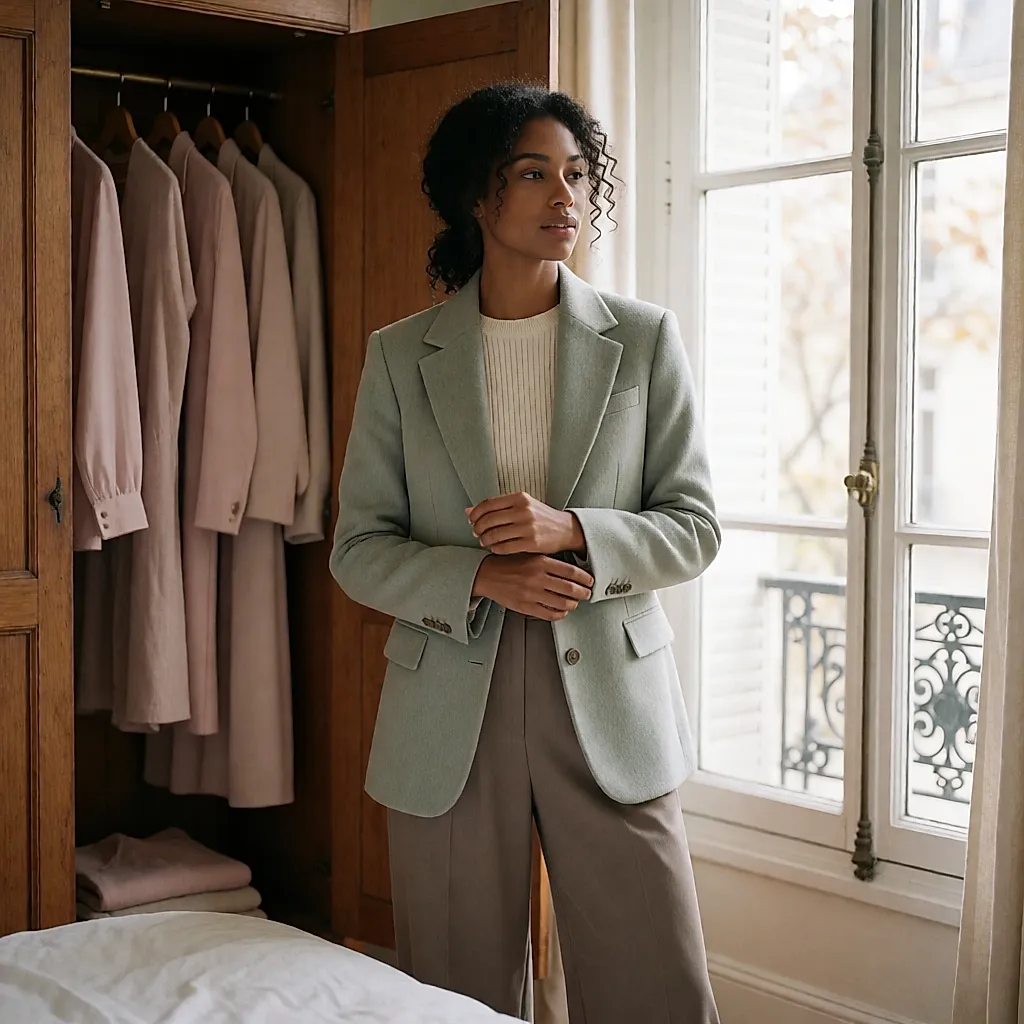
Late September, the wardrobe open, and that small weariness in front of colours that shout louder than you do. Black feels heavy, brights need sunshine, and the morning mood is not up for twenty minutes in front of the mirror. This is exactly where powder colours come in. They do not take centre stage; they set a mood, and that is precisely what you want when the light drops.
What makes a colour powder?
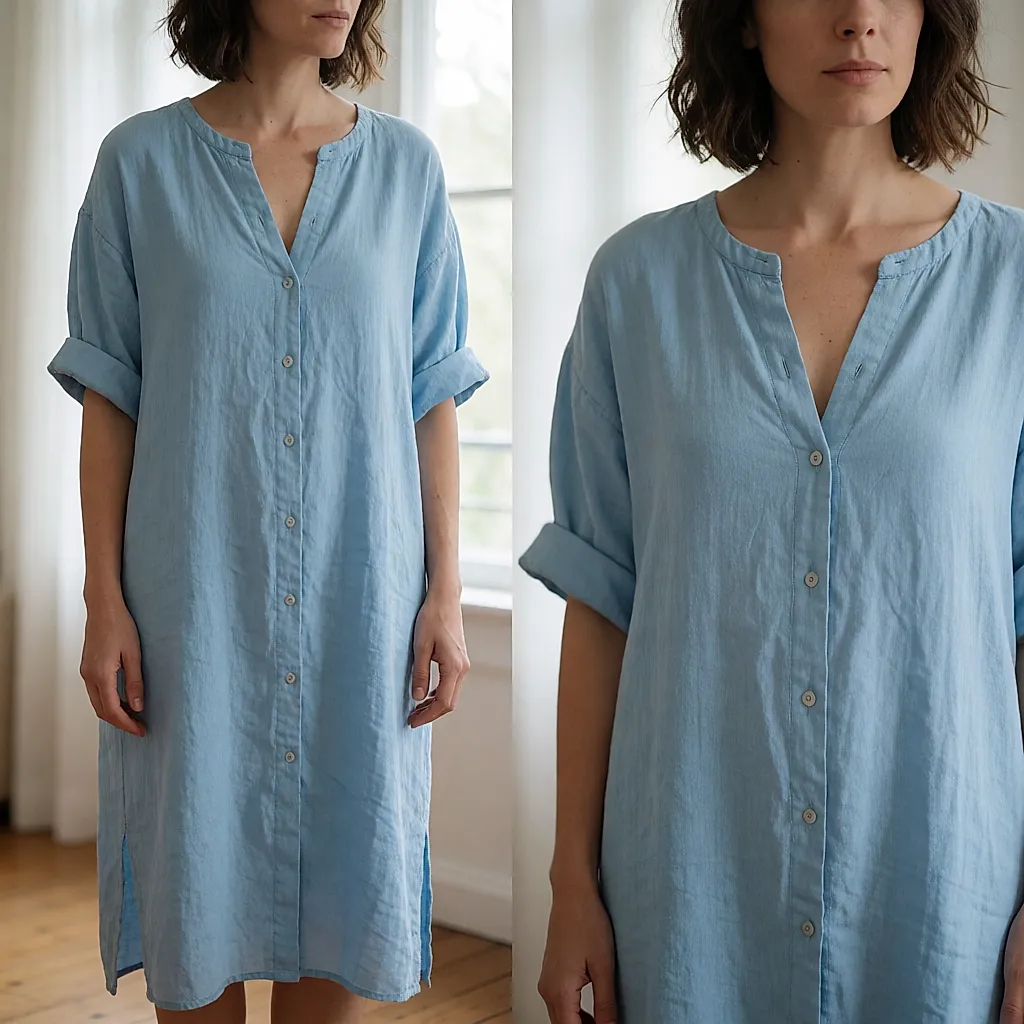
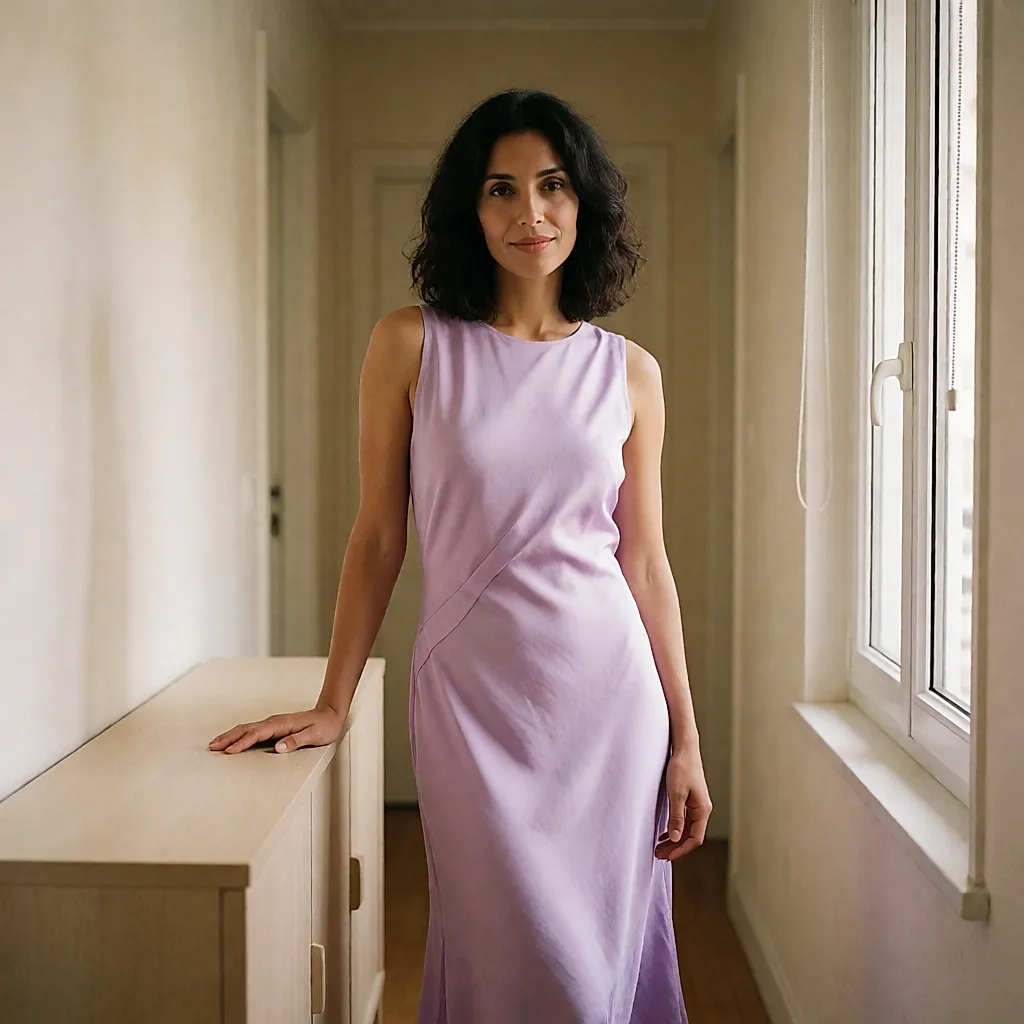
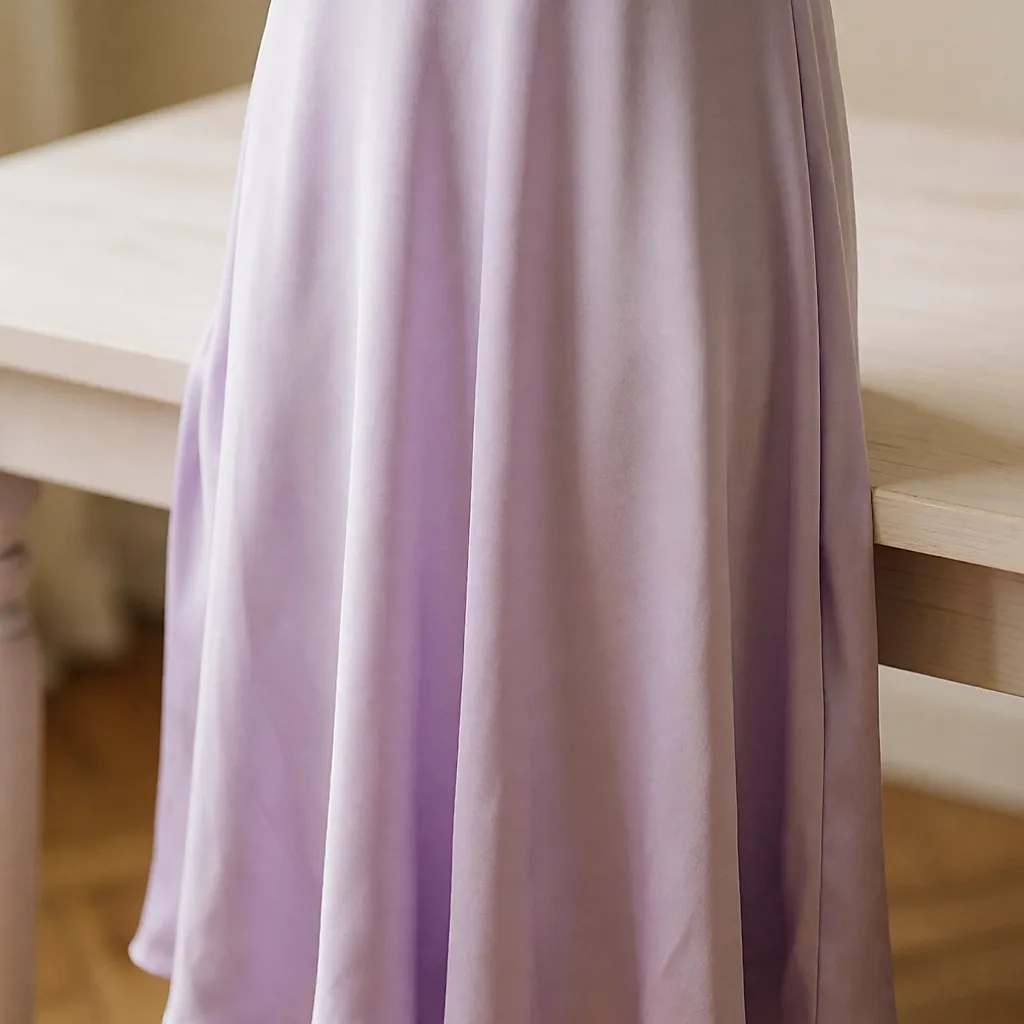
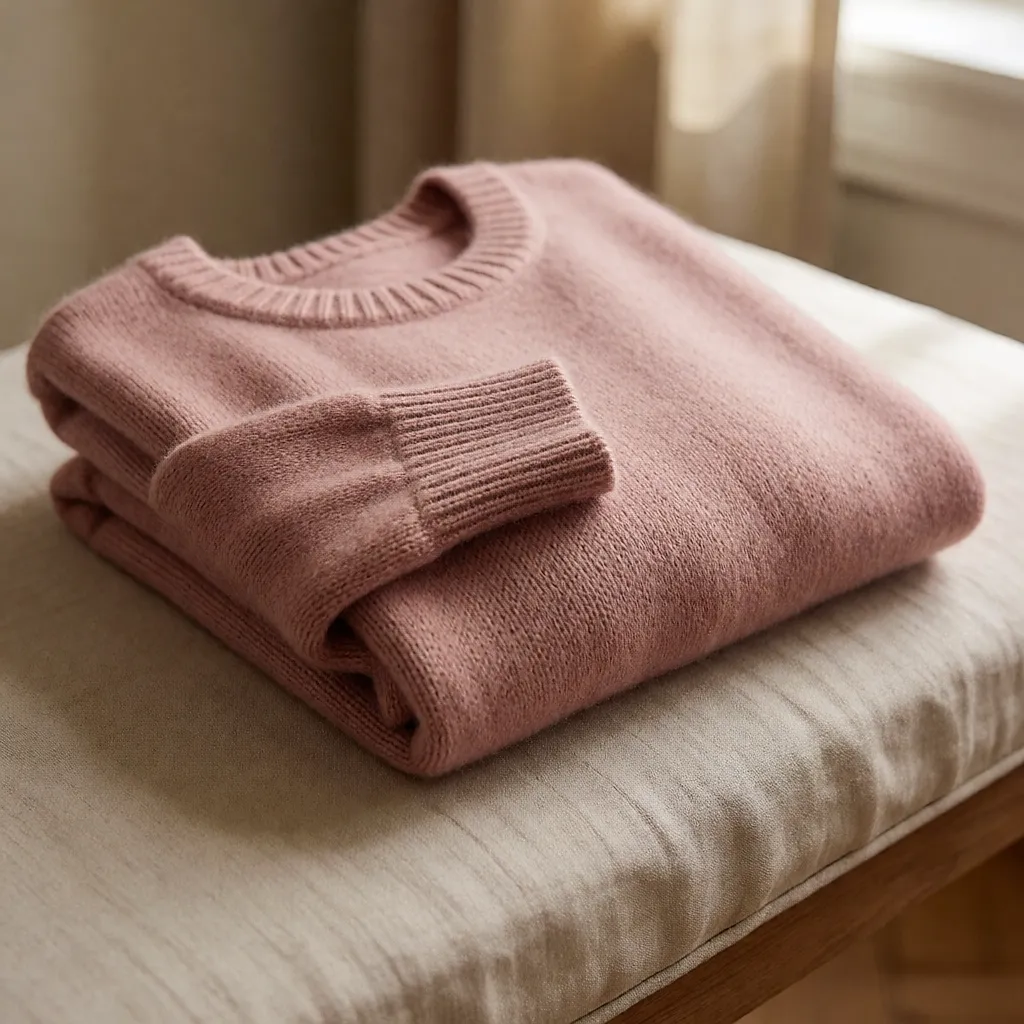
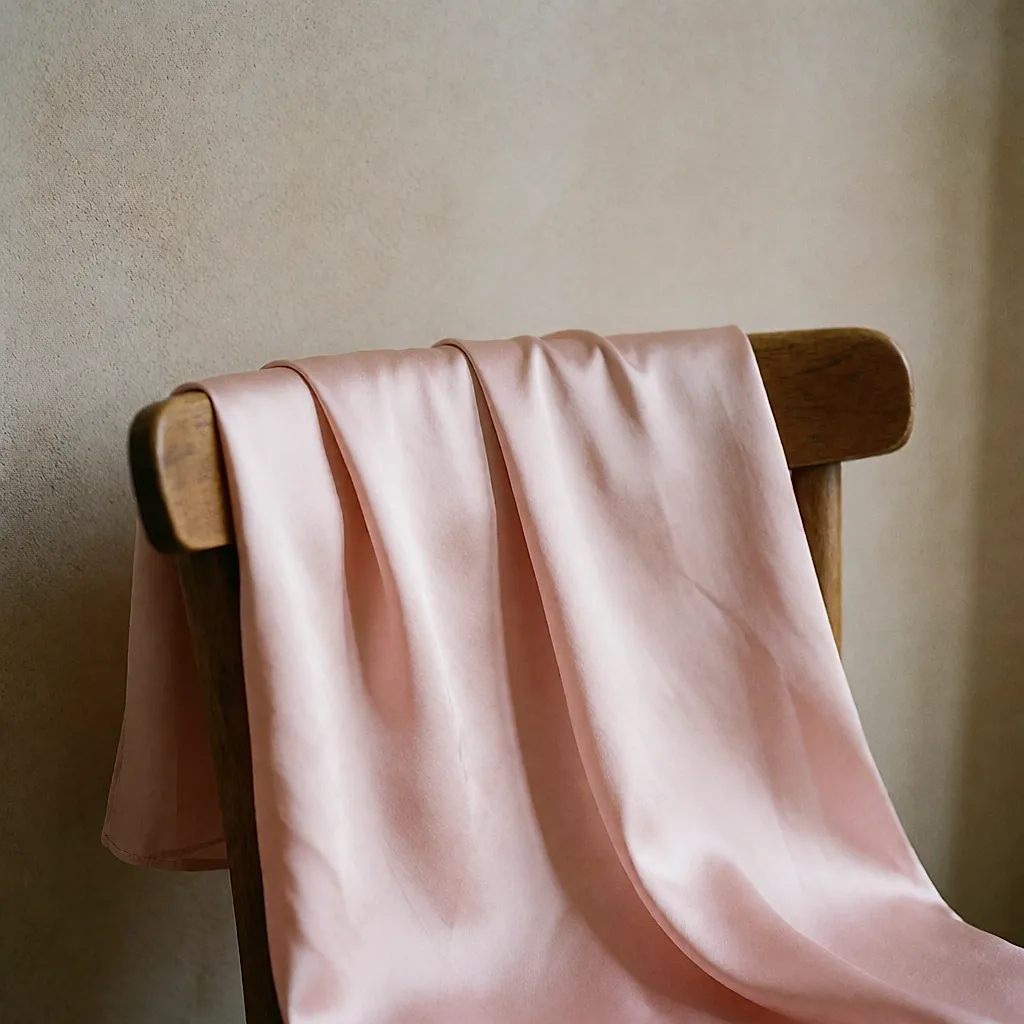
A powder shade is a colour with some of its force taken out by cutting it with grey or off-white. Sugar pink, lilac, storm blue, sage green, washed peach, rosy taupe: the names change, the principle stays the same. Saturation drops, the tone softens, and above all it accepts company — three powder shades in the same outfit can coexist without fighting for attention.
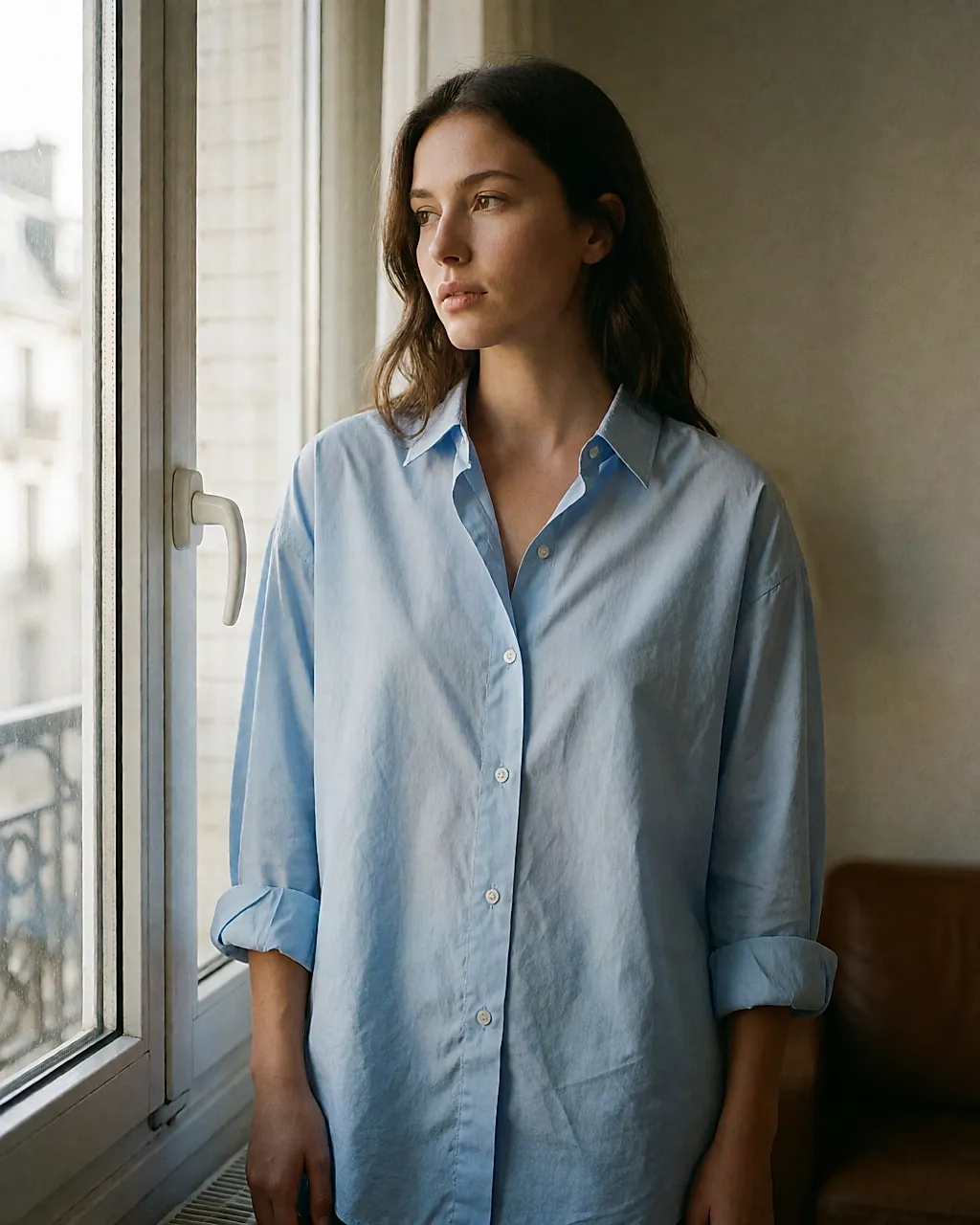
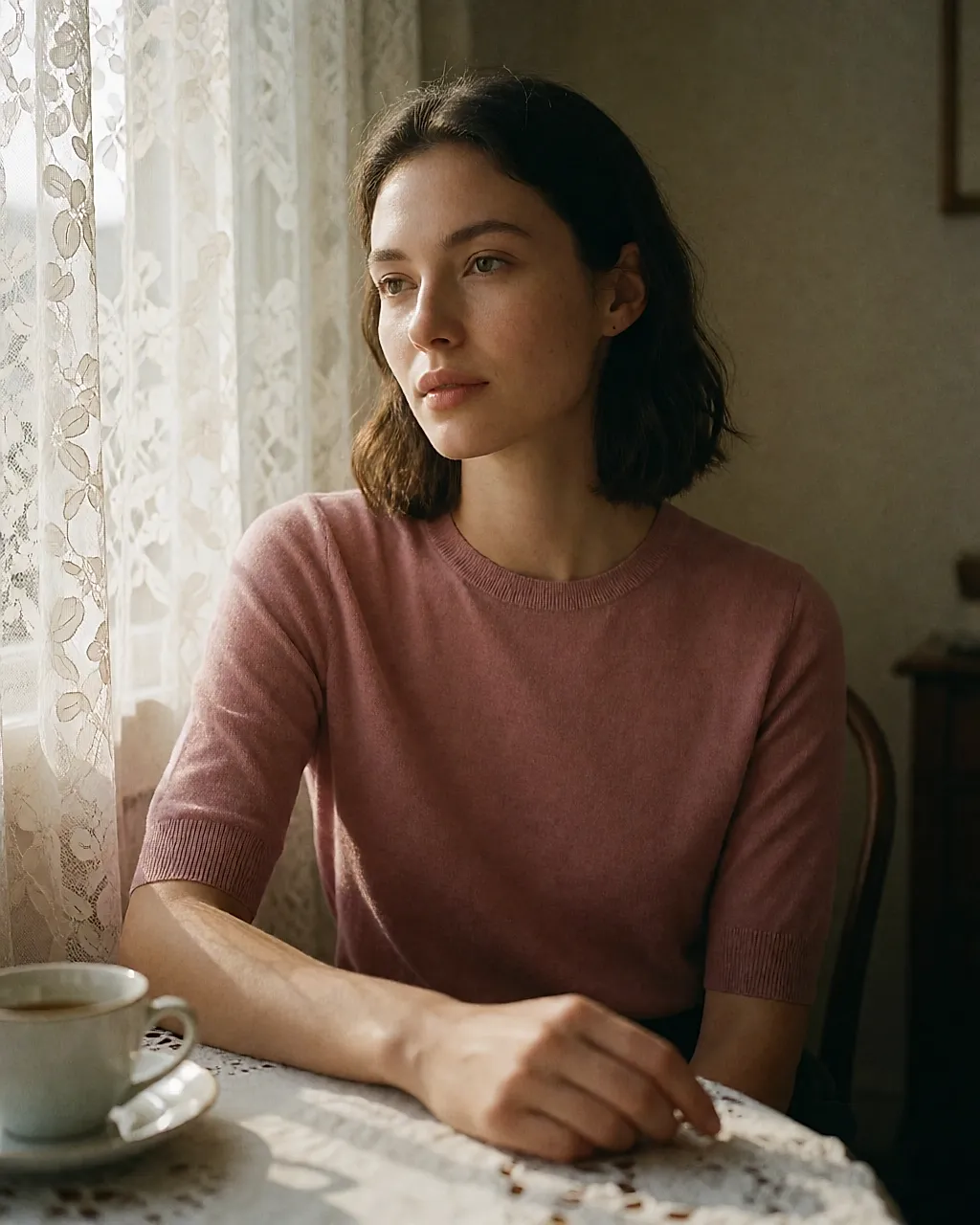
Powder colours are often filed under summer, thanks to the tan that brings them to life. That is a shortcut. They work just as well on a fluid dress as on a long coat, a fine knit or tailored trousers. And autumn is when they earn their keep: when the light falls, a bright colour can weigh down the silhouette, while a powder shade lets it breathe.
Fabric does the heavy lifting
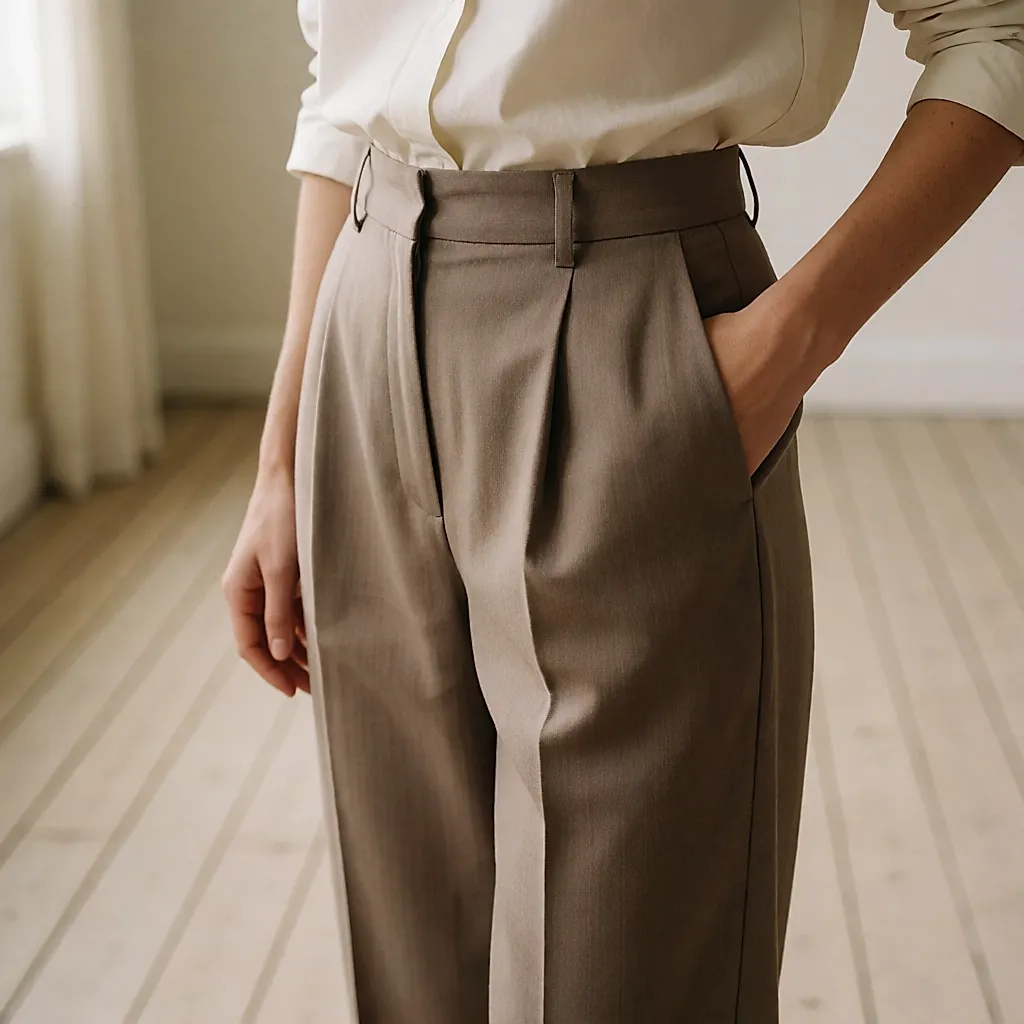
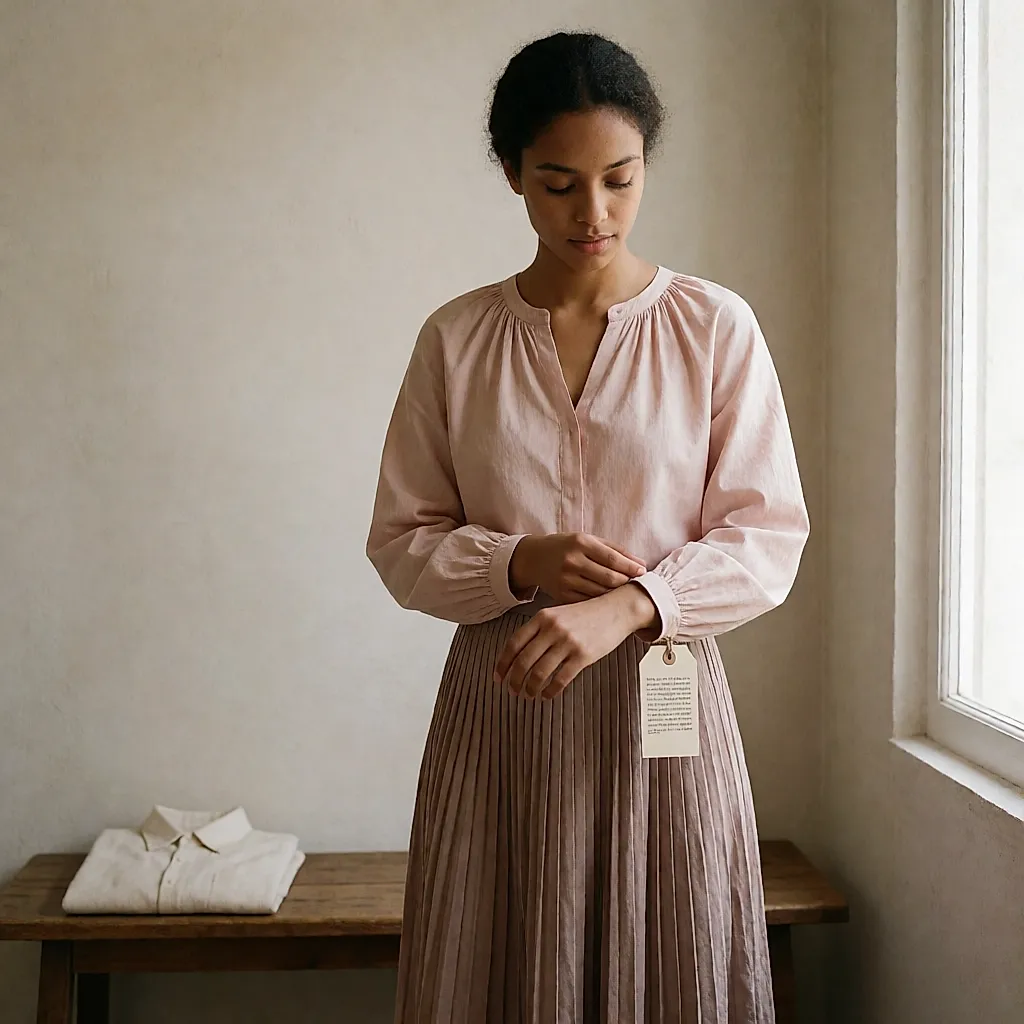
Two tops in the same shade can give one a polished look and the other an air of nightwear. What makes the difference is not the colour but the drape, the texture and the density of the fabric.
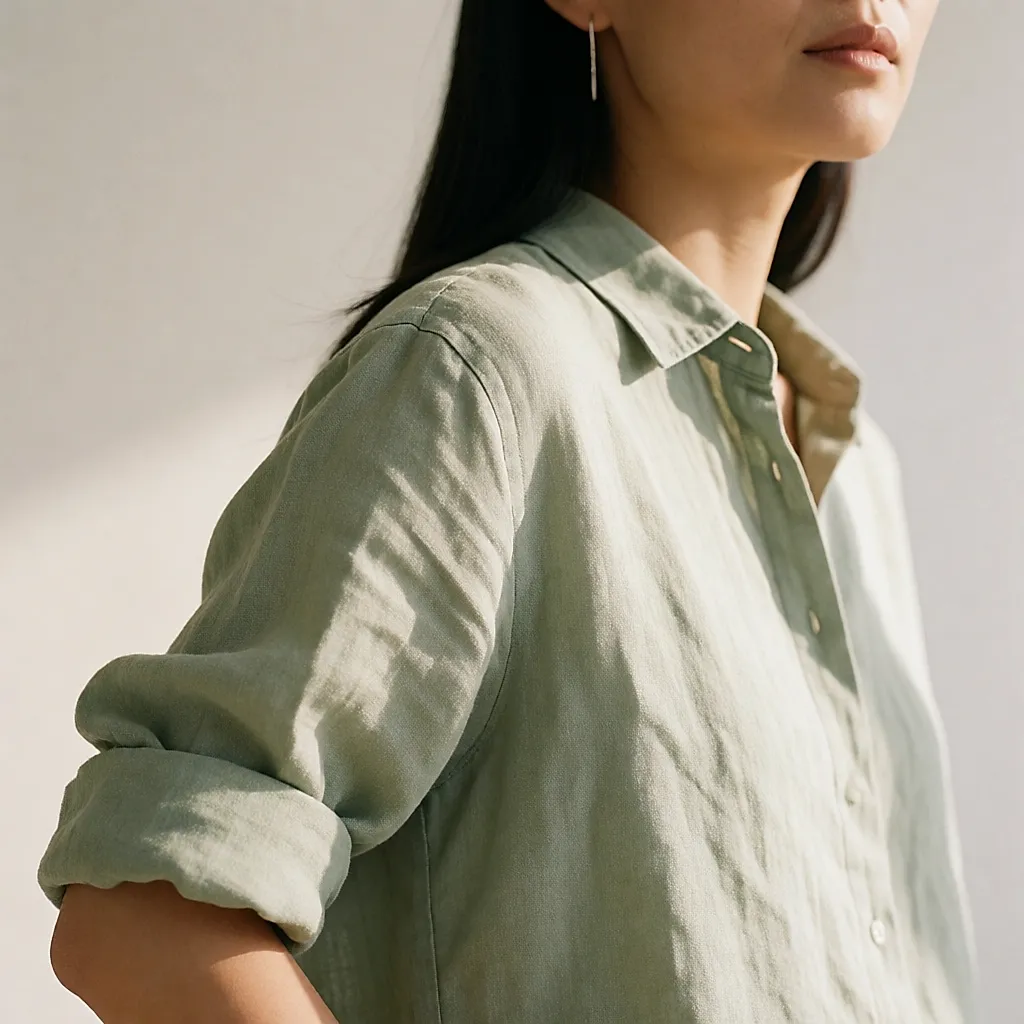
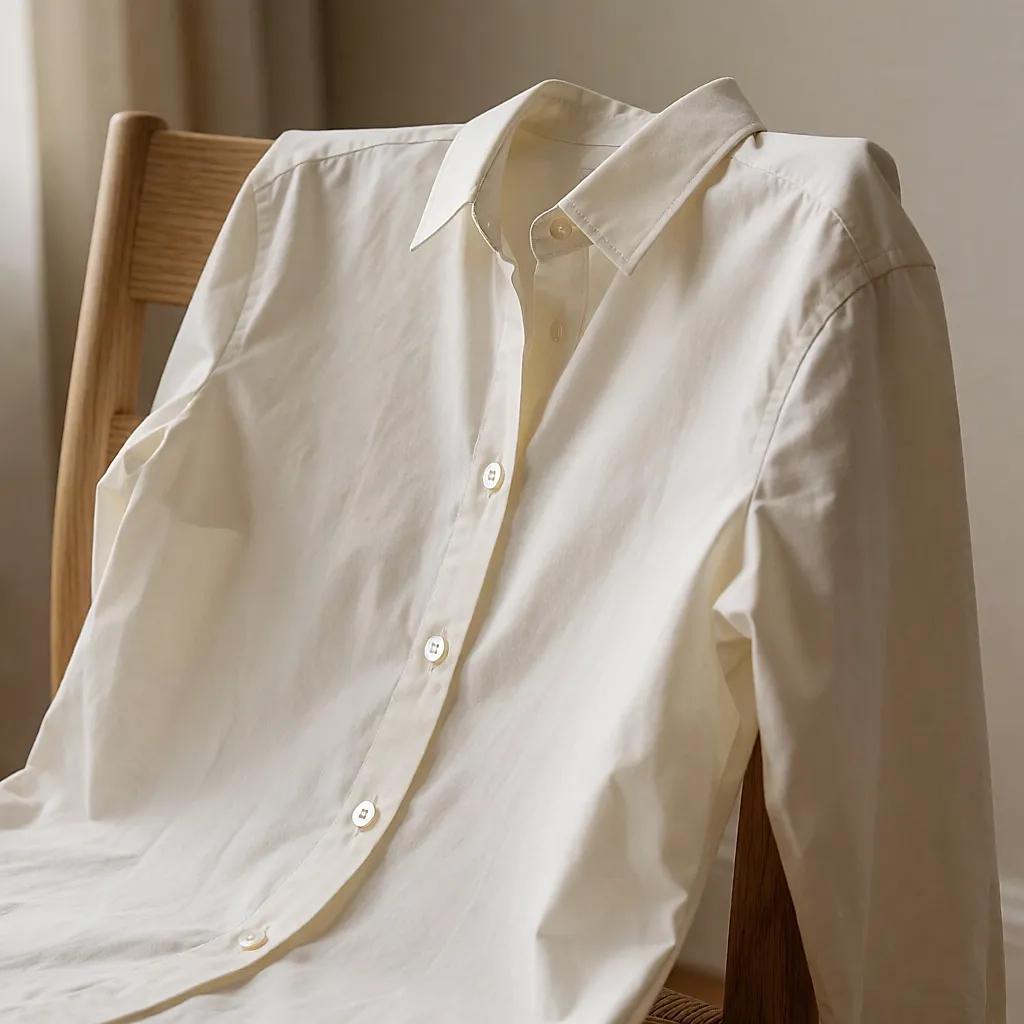
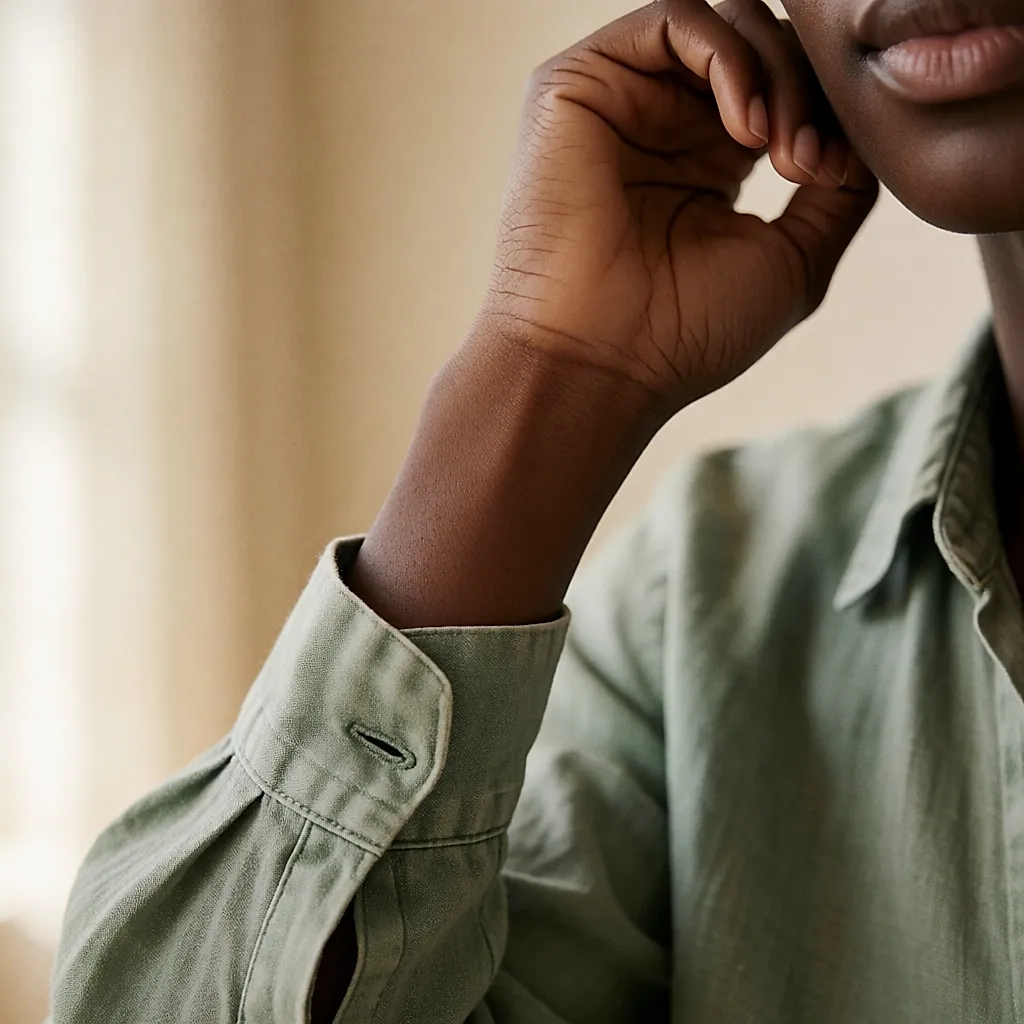
Washed linen and GOTS-certified organic cotton have a matte, slightly creased surface that lives with the body. Lyocell — Tencel is the trademark of the Austrian manufacturer Lenzing — brings fluidity, with production based on a recycled solvent. Fine merino wool holds warmth without adding bulk. For silk, secondhand remains the most low-key and least expensive route.
On labels, let us be precise. GOTS covers the organic cotton chain from field to finished garment, with social and environmental requirements. The EU Ecolabel assesses impact across the whole life cycle, from fibre to end of life. Oeko-Tex Standard 100 checks for harmful substances in the finished product: a garment made from virgin polyester can carry it. It is not a sustainability label, and that confusion is common.
Building a powder-colour outfit
A powder colour needs an anchor, otherwise the outfit floats. Raw denim, black or camel leather, grey knit, off-white: any of these basics will structure the look.
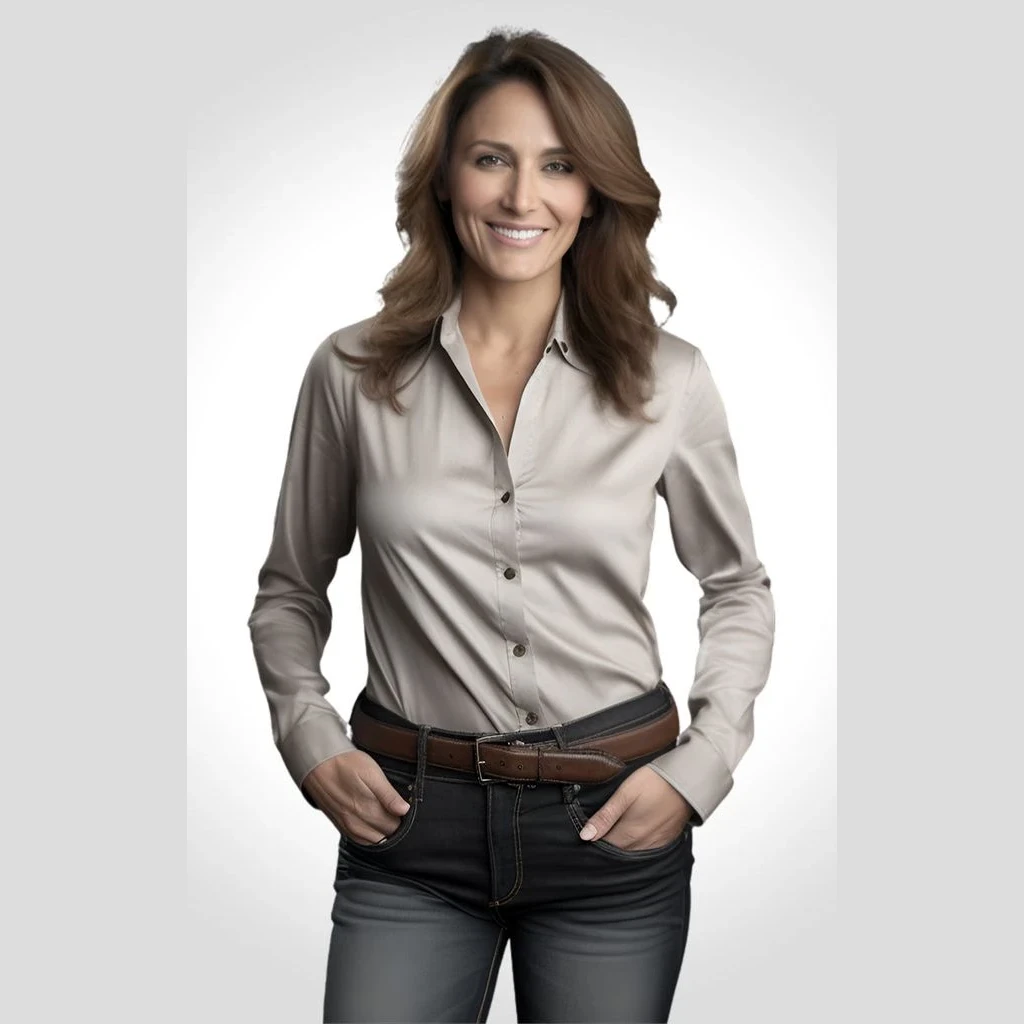
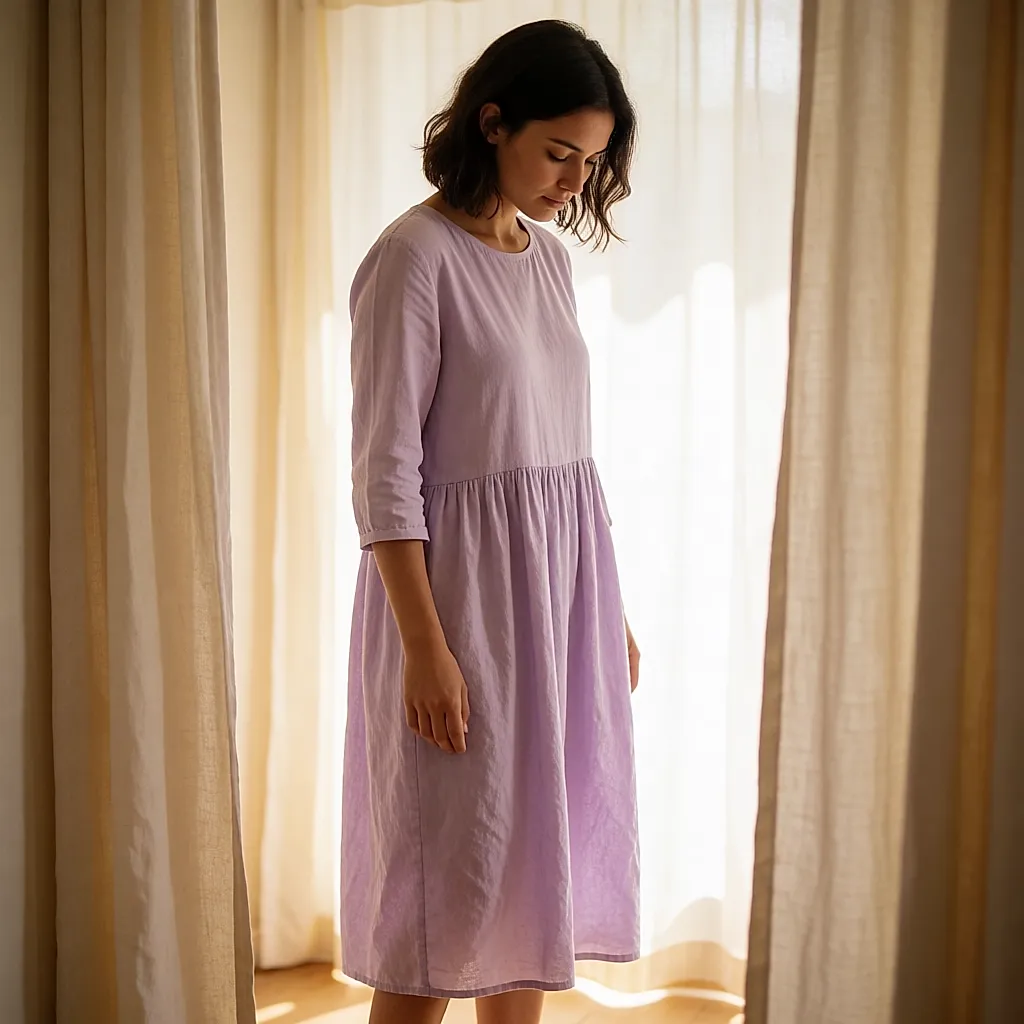
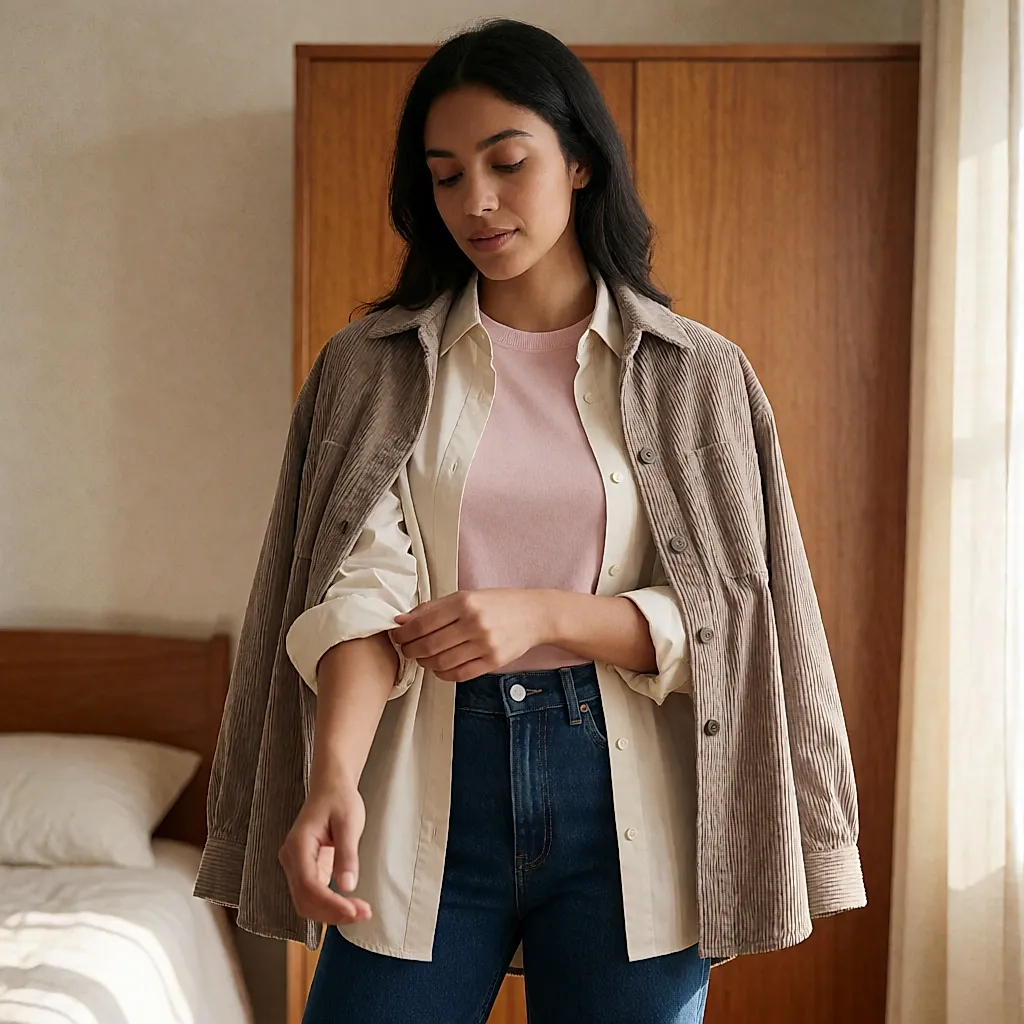
- Layering: a fine powder top, an off-white poplin shirt, a corduroy overshirt. Three textures, one colour family.
- Total look: doable, as long as you vary the materials — satin, bouclé knit, wool — rather than repeating the same surface three times.
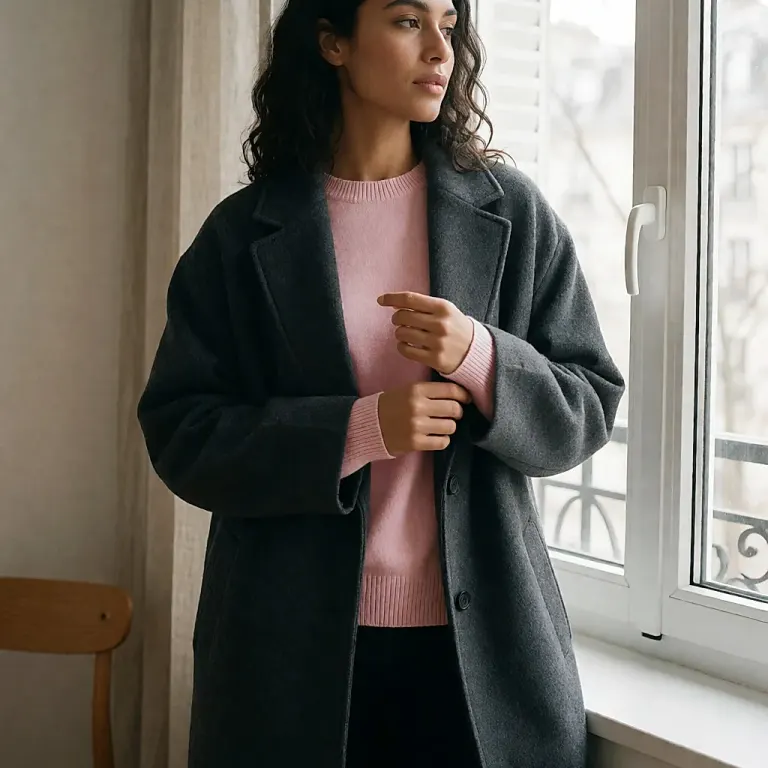
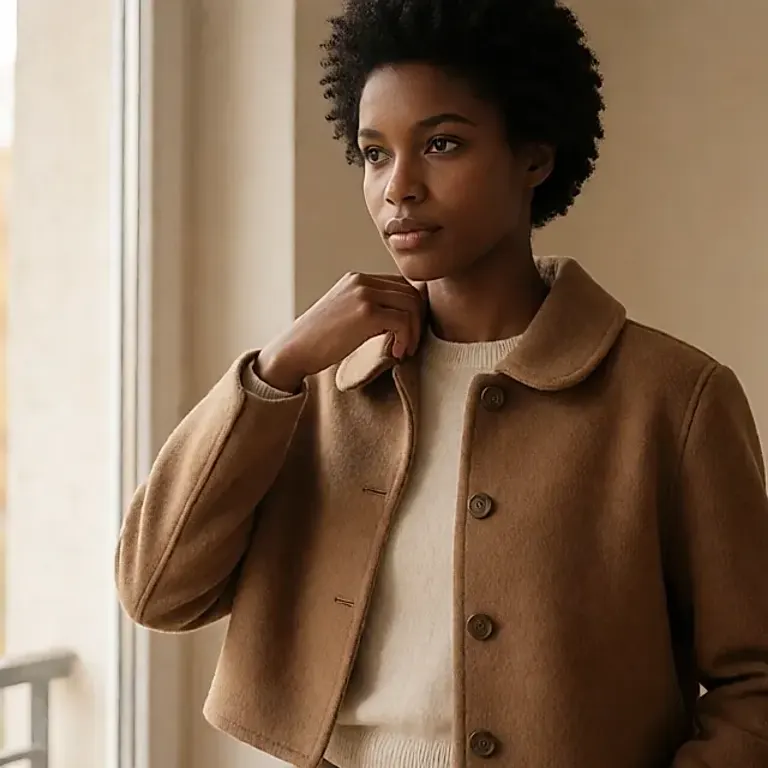
- Statement piece: a long powder coat stands on its own; keep the rest of the wardrobe quiet.
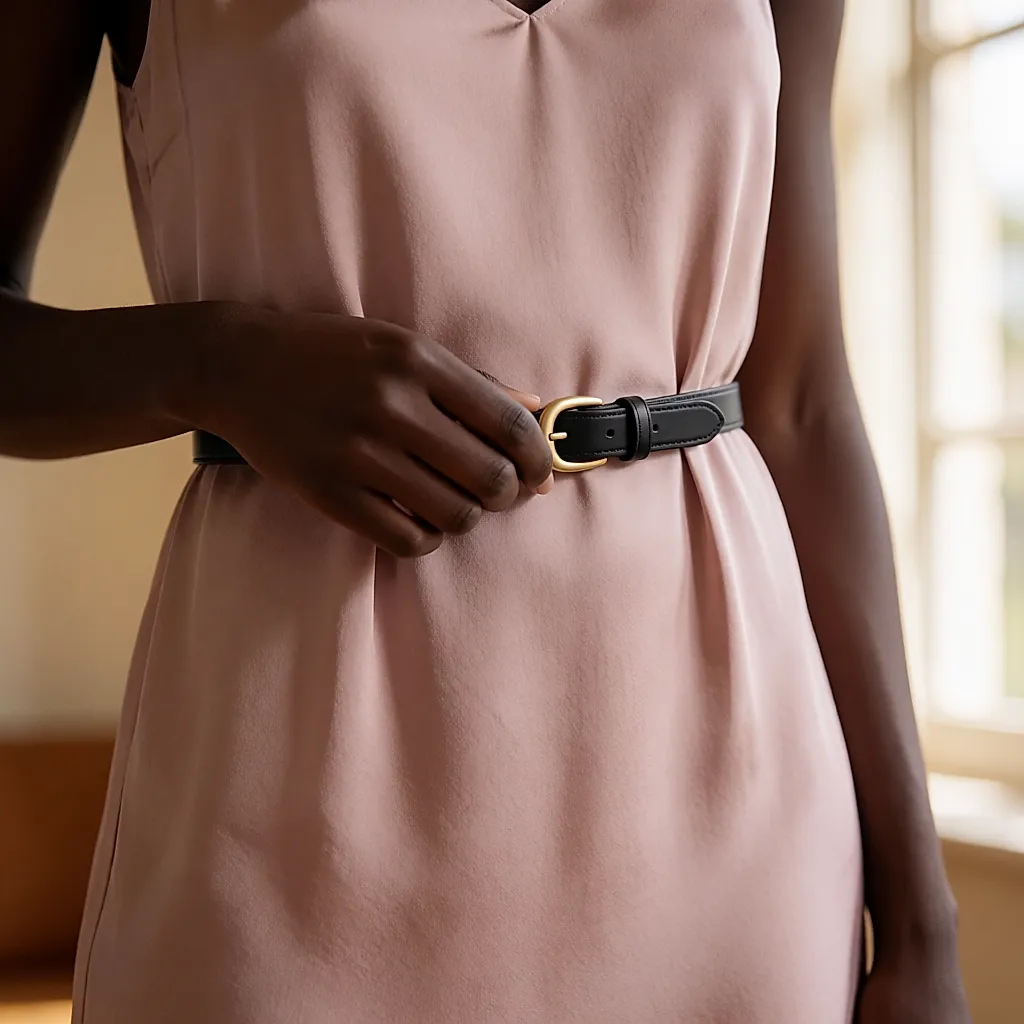
- Accessories: one strong accessory, a textured leather bag or a fine belt, or nothing at all. Powder colours do not like competition.
With prints, micro florals and fine stripes work with a powder base. Larger motifs need a sharp cut, otherwise the silhouette blurs.
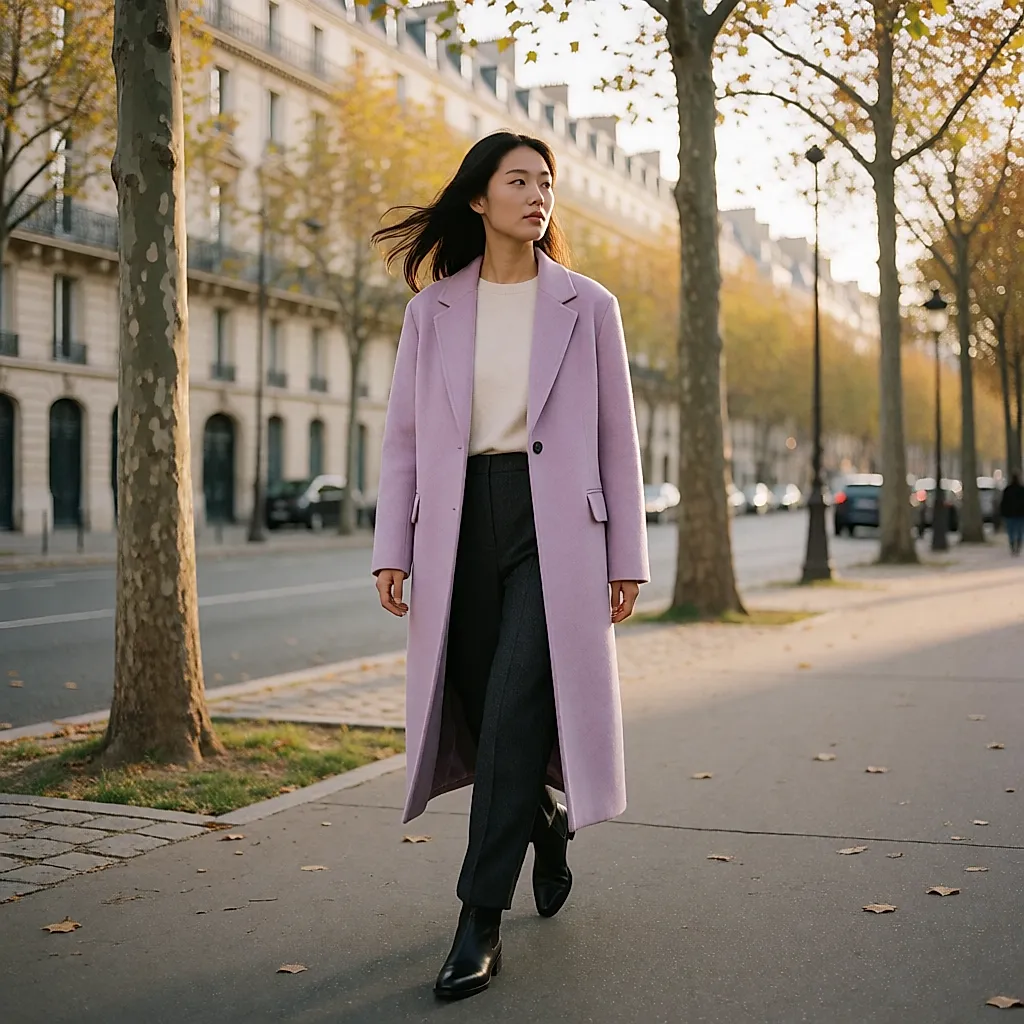
On skin tones, no scientific rule holds. In practice, cool tones such as lilac and grey-blue flatter cool skin, while warm tones such as peach and washed terracotta suit golden skin. It is a matter of visual comfort, not a verdict.
If you want to carry the shade up to the face, a touch of powder blush on the tops of the cheekbones is enough. Choose a mineral or organic formula, with a label that genuinely covers the composition and the share of naturally derived ingredients (Cosmos Organic, for example), and ideally a refillable or cardboard compact: it is the cheapest step in the outfit, and often the finishing touch that pulls the look together.
Three things to check before you reach for your card on a powder-colour piece:
- Read the fibre label before you look at the shade: the right colour on a fabric that pills will not survive three washes.
- Step into daylight to test the shade, not under fitting-room neon.
- Think about end of life: a single-fibre garment is easier to recycle than a polyester-elastane blend.
Budget
Prices move quickly, but these rough bands are a useful guide.
- Cotton top or blouse: around £20–45 in high-street chains and supermarkets, £45–110 at mid-market level.
- Linen shirt or lyocell piece: around £35–120.
- Linen or organic cotton dress: around £55–140.
- Silk piece or new powder coat: around £130–380.
- Secondhand: around £5–35 for a top, £25–110 for a wool or silk piece. In charity shops, expect £3–15.
- Powder blush: around £8–25 in supermarkets, pharmacies or beauty retailers, more like £15–35 for an organic or mineral version, or a refillable one.
What changes the price: the fabric (linen and silk push it up, polyester pulls it down), the label and what it actually covers, where it was made, and when you buy — end-of-season and sales change the bill.
Where to look: high-street chains and supermarkets, brand websites, secondhand platforms (Vinted, eBay, Vestiaire Collective), charity shops and consignment stores. And remember the alterations service: a few pounds to take up a hem is better than a piece that sleeps at the back of the wardrobe.
Sources
- ADEME — ademe.fr (French environment agency; textile environmental impact and usage guidance)
- Refashion — refashion.fr (French textile extended producer responsibility scheme)
- European Commission — ec.europa.eu (EU strategy for sustainable and circular textiles)
- Global Organic Textile Standard — global-standard.org
- Oeko-Tex — oeko-tex.com
- EU Ecolabel — ec.europa.eu/ecolabel
Comments
Your opinion matters: rate the article, react and reply to comments.
Comments are moderated; AI-assisted comments are flagged. Text emoticons (8-), :-), <3…) are automatically shown as images.