
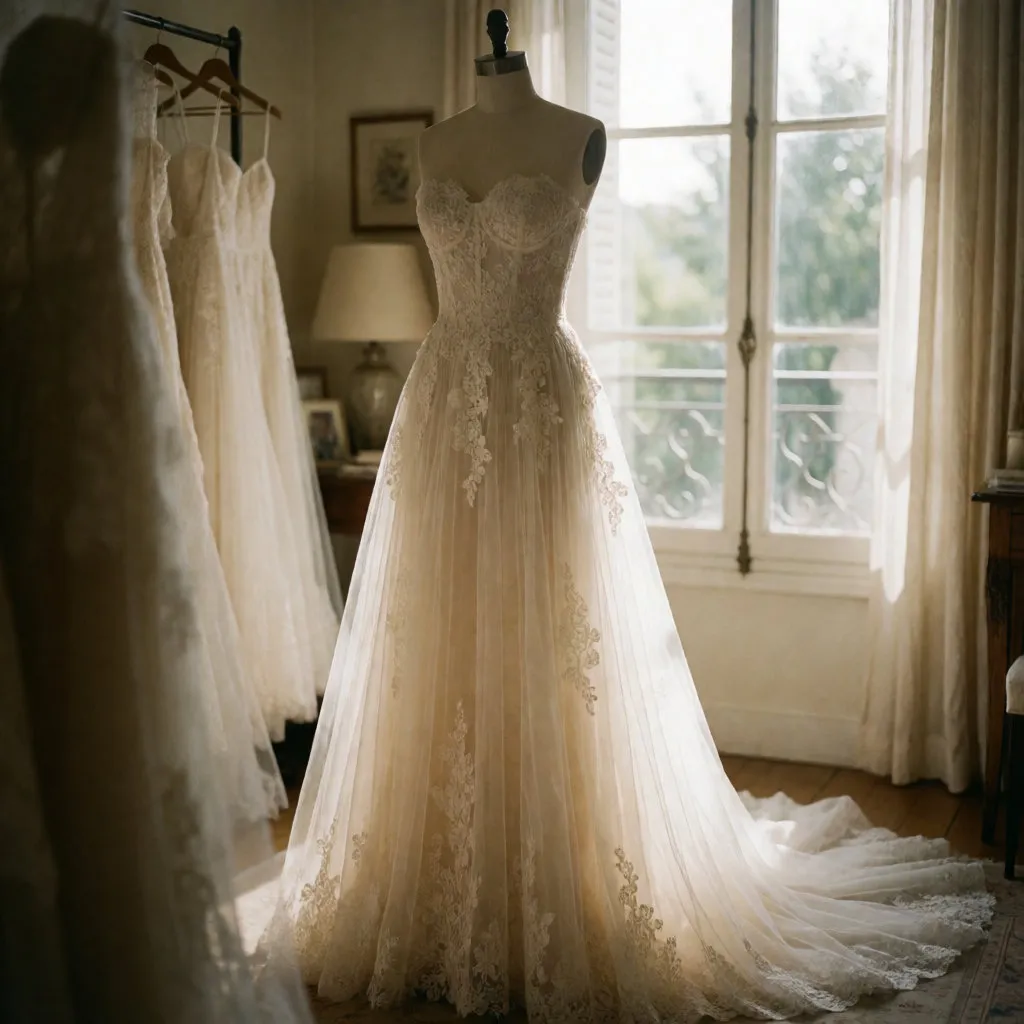
A reader emailed me last week. She's getting married in June 2027 and spends her evenings leafing through the new collections. Her mother, meanwhile, has dug out the family albums and delivers her verdict with a knowing nod: 'They don't make them like they used to.' Her daughter fires straight back: 'They look like curtains.' Who's right? Probably both — and that's exactly where it gets interesting.
One thing to get straight first: I haven't tried these dresses on one by one. What follows comes from what I've documented in lookbooks and seen on the catwalks, not from a session in a fitting room. That distinction matters.
A season with three moods
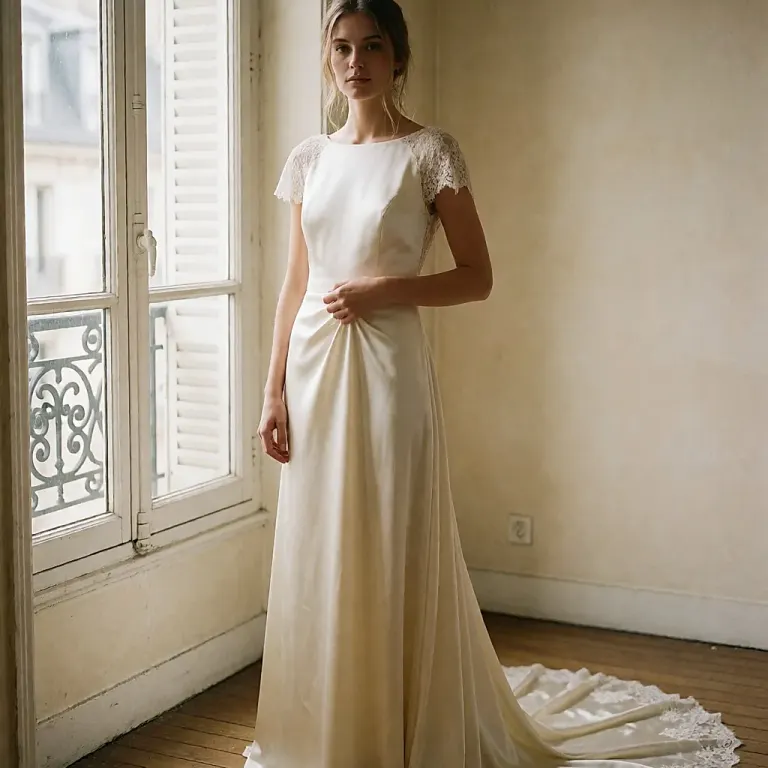
Spring/summer 2027 doesn't tell a single story. First come the fluid, almost sculptural silhouettes, where the drape does all the work: fabrics that move with every step — crepe, chiffon, raw silk — and architectural cuts that happily do without decoration.
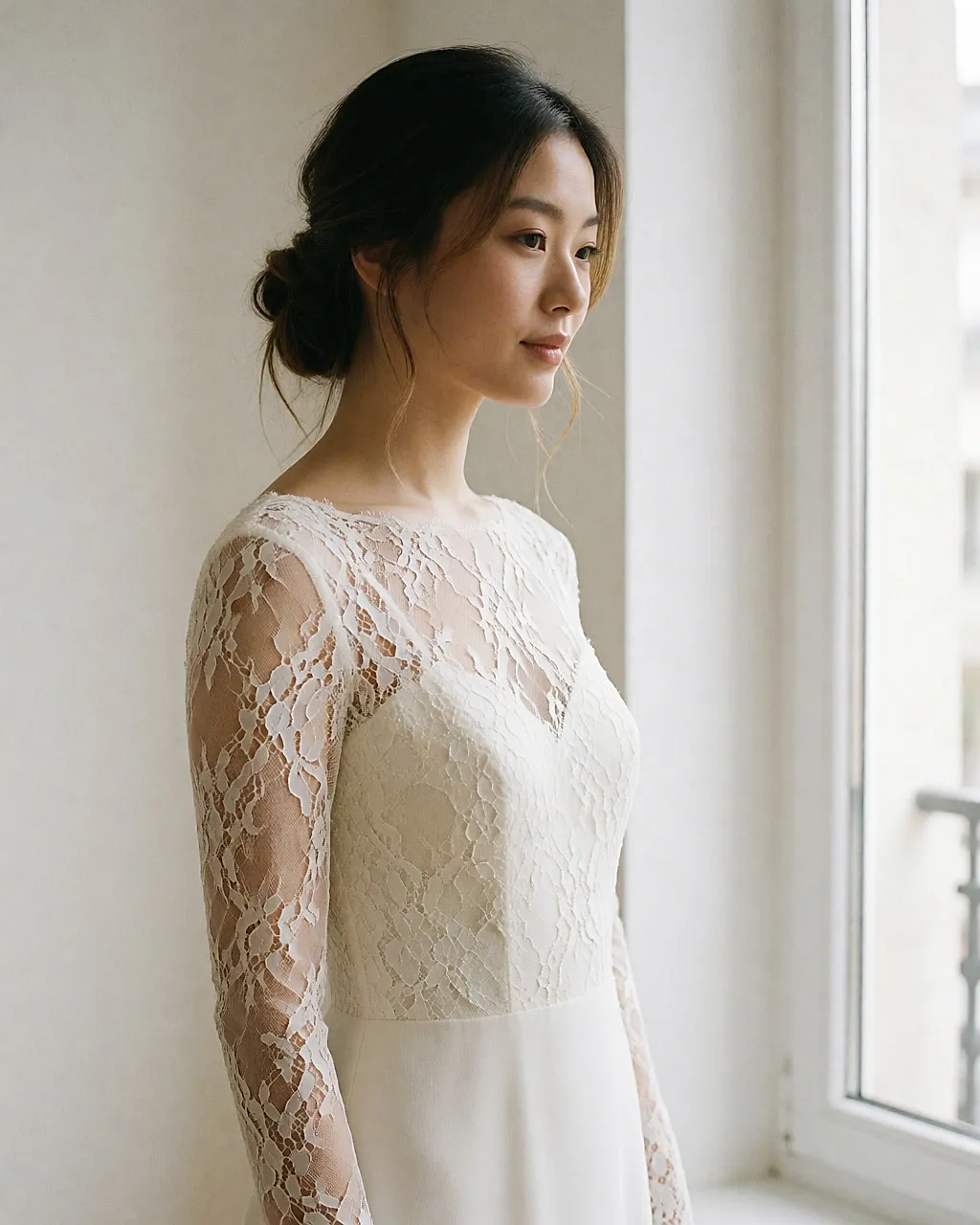
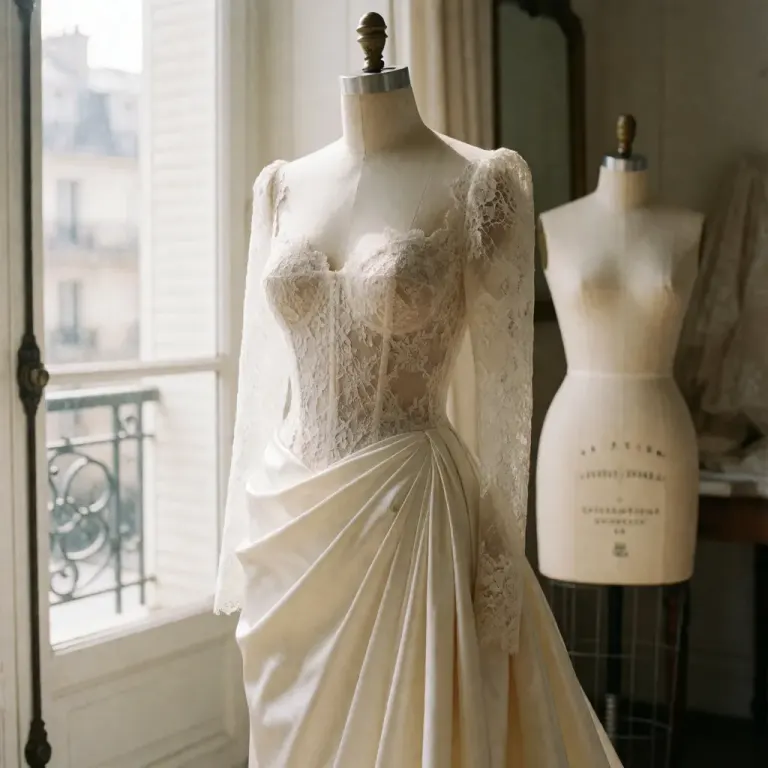
At the other end of the scale, lace is back in force — but differently. The head-to-hem total look is gone: it appears in touches now, a bodice panel, long sleeves, a veil. Less fabric, better placed, and the texture finally has room to breathe.
The third direction is more pastoral: long skirts, an openly romantic feel, a faint meadow air we didn't necessarily expect this season. Three routes, and — good news — this time they answer each other a little. The result is a freer look, where mixing registers doesn't automatically jar.
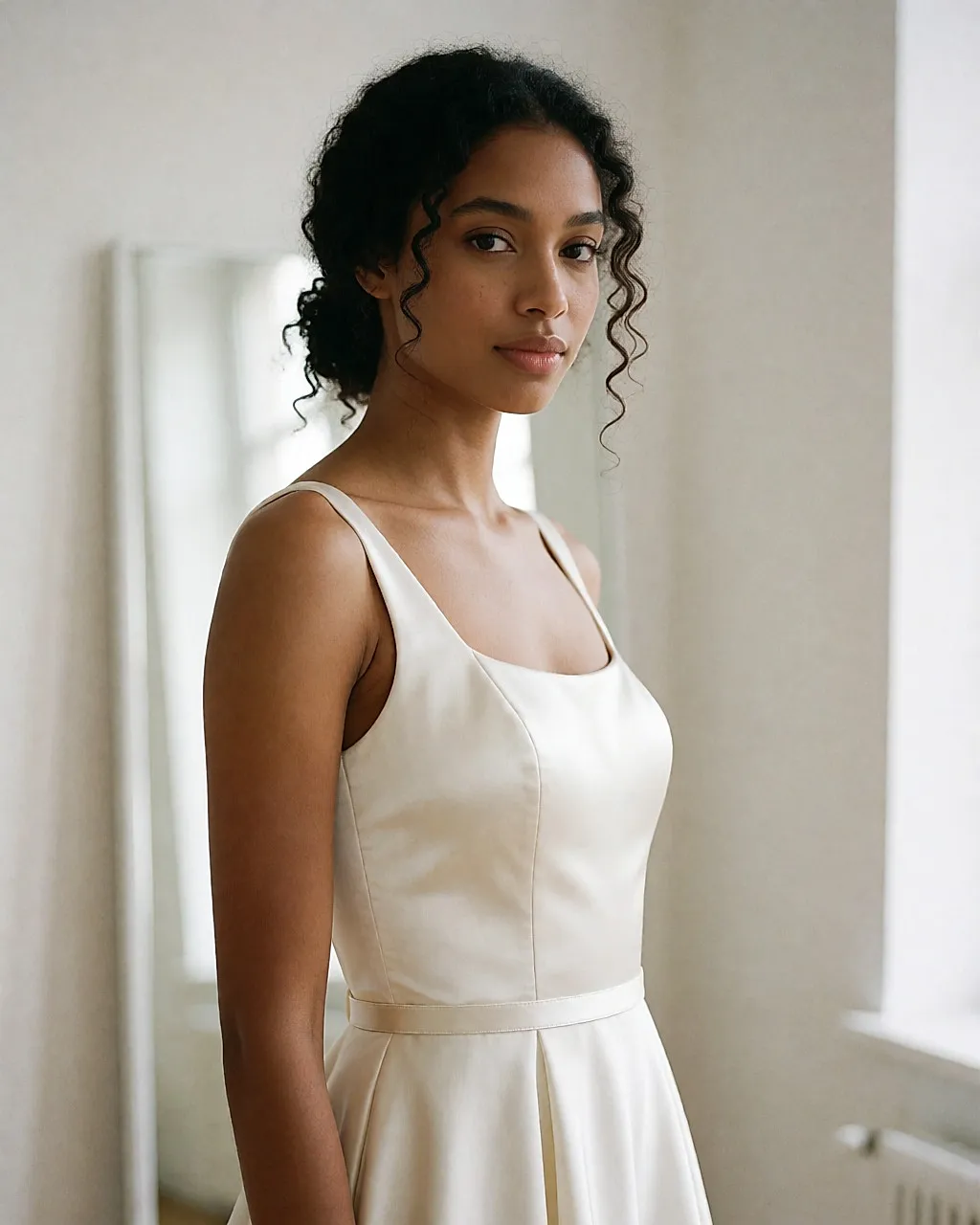
On the off-the-peg bridal rails you'll spot goddess-style draping, a fine belt nipping in the waist, a close-fitting satin dress with an asymmetric neckline. And volume is back: flared skirts, layered veils, defined waists. Spot the common thread? The structured bodice, again — but far softer than it used to be.
Three ideas that still hold up
The waist-defining belt first. Yesterday it was rhinestones; today it's plain satin or discreet pearls — but the principle hasn't moved: a straight bodice plus a marked waist, and the silhouette stands up on its own. It's the simplest way to make a plain dress your own.
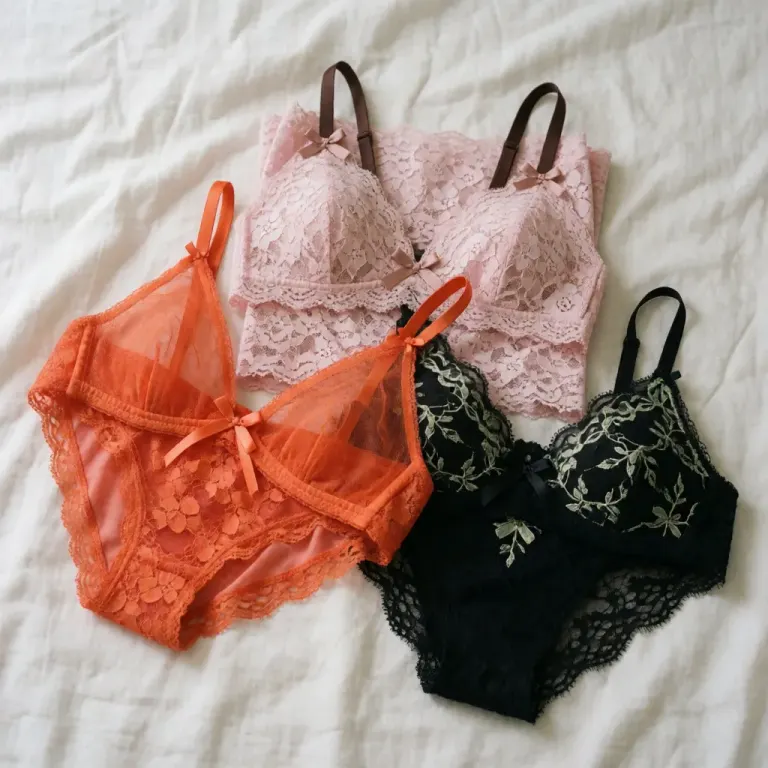
Lace, next. Wear it in touches rather than top to toe, and so much the better: a bodice panel, a sleeve edge, a veil, and the texture finally reads. The right amount in the right place — that's the whole difference.
Colour, finally. Pure white stopped being compulsory a while ago, and current collections embrace that fully: ivory, beige, powder pink, pale blue turn up everywhere. Enough to find the shade that actually feels like you.
What dates badly
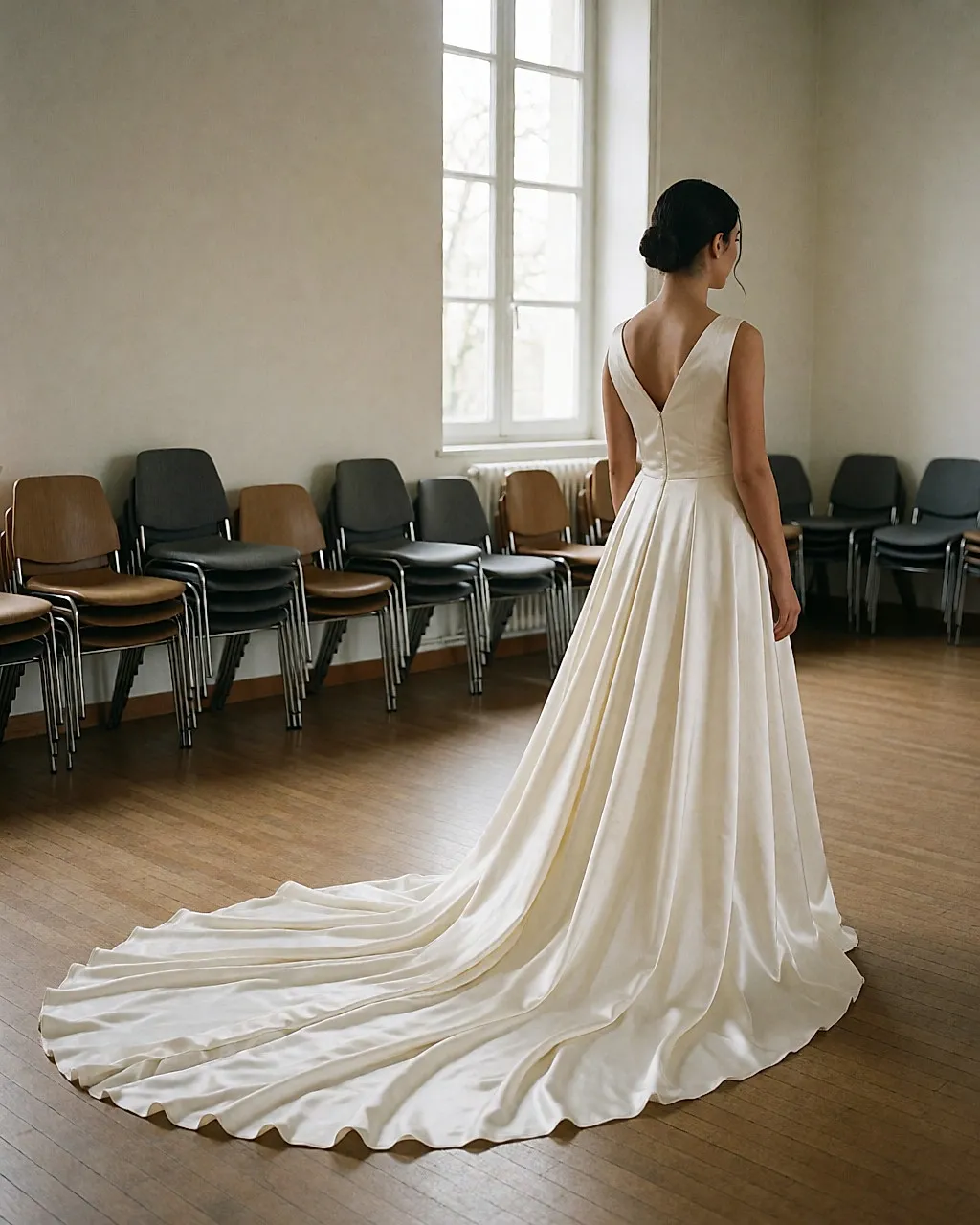
A train of several metres: stunning on a catwalk, unmanageable at a registry office or across the dance floor of a village hall. All-over rhinestones next — belt, bodice, veil, the lot: that ages a dress in three seconds. And a satin ribbon sitting on an empire waist, too heavy-handed, which tips the whole look towards fancy dress. Last trap: piling up fabrics. Past two textures the eye stops knowing where to settle, and the silhouette gets lost.
How to borrow the look without ending up in costume
Do you really need to buy new? Not necessarily — and that's often where the budget goes up in smoke for nothing. The move that changes everything: start with a simple dress, then add one statement piece. A belt, a veil, a drape. Not all three.
Where to start? With pre-loved. Bridal pieces circulate heavily on resale platforms, often barely worn, and a good alterations tailor can rework the bodice and the length without taking weeks over it. It's the cheapest route by a long way.
Second option, the atelier: today's off-the-peg bridal labels offer cuts inspired by the catwalks, without the rhinestones. Allow several appointments and give yourself room on timing — a dress ordered in February for a June wedding is doable; in May, much less so.
Three questions to ask in the fitting room. Can the bodice be altered, yes or no? Will the fabric take a steam without marking? And how long does a last-minute alteration take? If the sales assistant hesitates on the second one, walk away: you'll find better elsewhere.
What it costs
Where to find what, and at what price? At a new bridal boutique, expect somewhere in the region of £800 to £2,200 for a simple cut; beyond that you're into made-to-measure, where budgets look nothing alike. Pre-loved, on resale platforms or in consignment shops, good pieces often go for £150 to £600. A plain veil: £30 to £150. A satin or pearl belt: £20 to £100. And one well-chosen accessory is enough to lift a whole outfit without buying anything else.
Alterations are rarely included; always check what the price covers. Budget £70 to £220 depending on the work — taking in a bodice costs more than shortening a hem — and the figure climbs with the city and the deadline. A steam before the big day: £35 to £80 at a specialist dry cleaner.
A single strong detail is enough to give a plain dress some character, without turning your wedding into a costume drama. And always get an alterations quote before you buy, never after.
Comments
Your opinion matters: rate the article, react and reply to comments.
Comments are moderated; AI-assisted comments are flagged. Text emoticons (8-), :-), <3…) are automatically shown as images.