
Pastel colours for autumn
Open your wardrobe on a September morning and look at what comes out: black, grey, camel. Practical, goes with everything, and a little sad after a while. Yet a single pastel piece is enough to wake up an outfit — as long as you leave the 2010s behind, when pastel meant a head-to-toe lilac total look. Today it's slipped in by touches, like any other colour.
Pastel is not just a spring colour
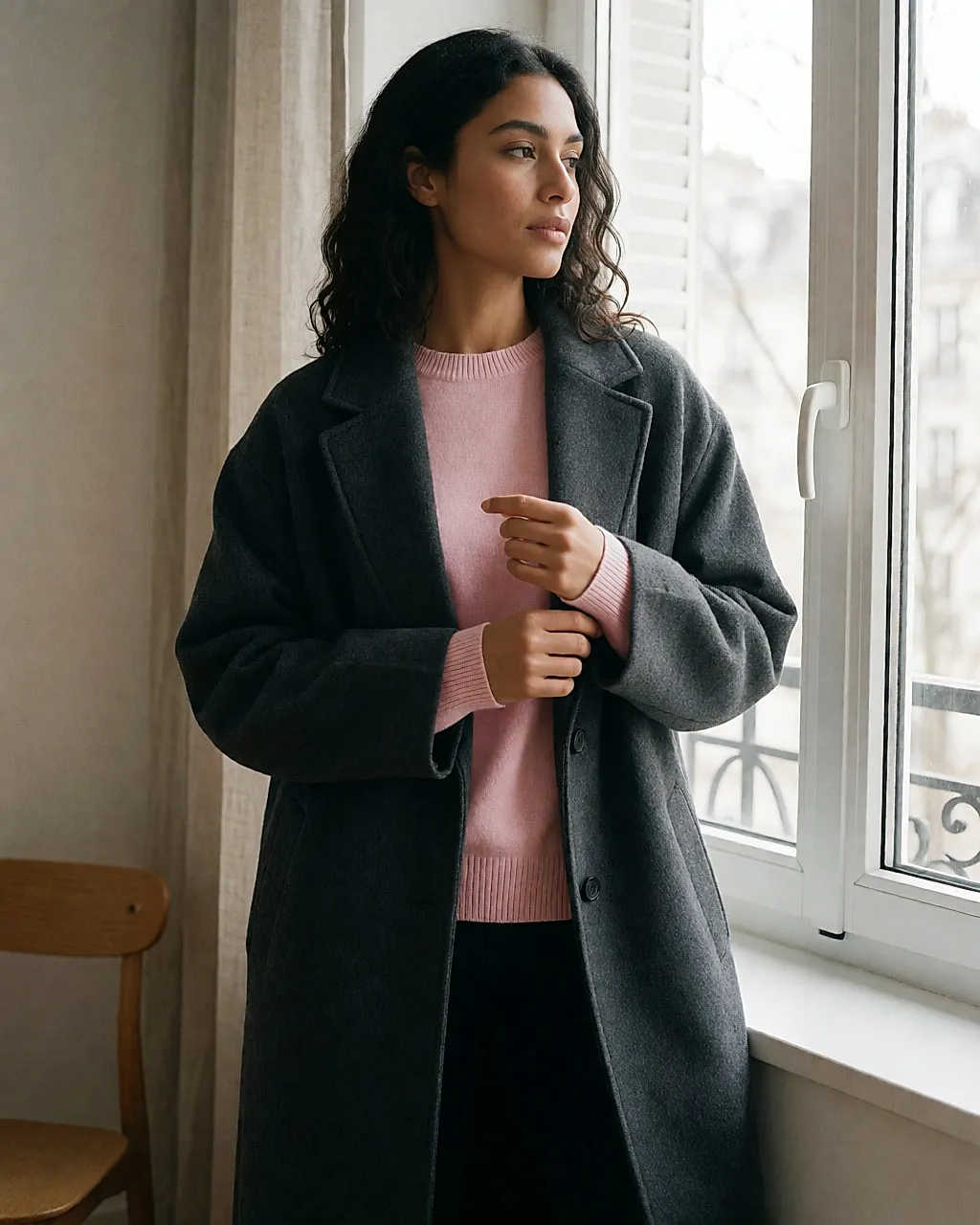
First reflex to forget: keeping soft shades for the warmer months. It isn't the colour that decides, it's the fabric. A powder-pink wool jumper with anthracite corduroy trousers works perfectly well in October, just as a baby-blue trench over raw denim does. What has aged badly are the thin, shiny fabrics — pink satin, cotton washed too pale — not the shade itself. A wool that hangs well, a thick denim, a matte silk: that is what makes pastel convincing in autumn.
Second reflex to correct: aim for slightly greyed shades rather than saturated tones. Almond green, baby blue, buttery yellow. These shades brighten the complexion without bringing out redness, and they sit alongside black without fighting it. That is the whole point of layering: the soft colour underneath, the dark piece on top.
Three pieces are enough to work the trend
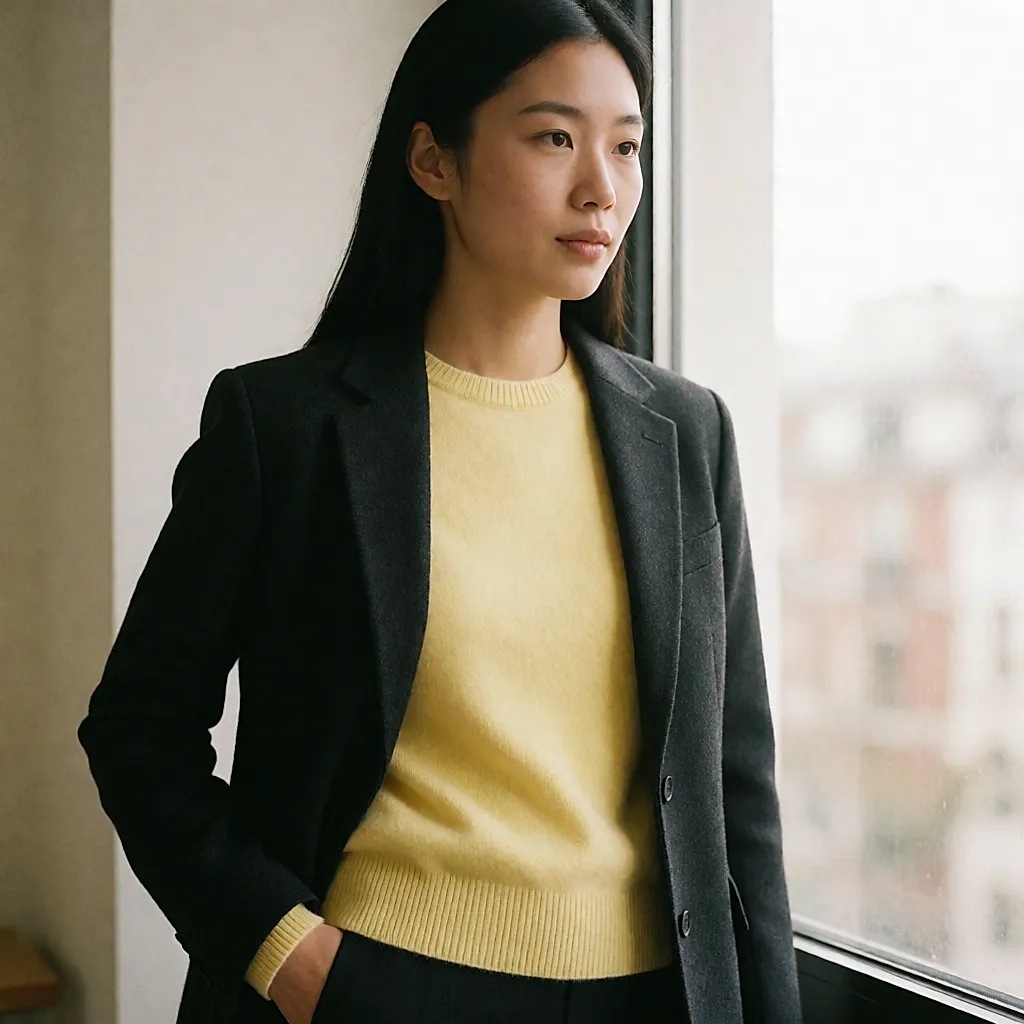
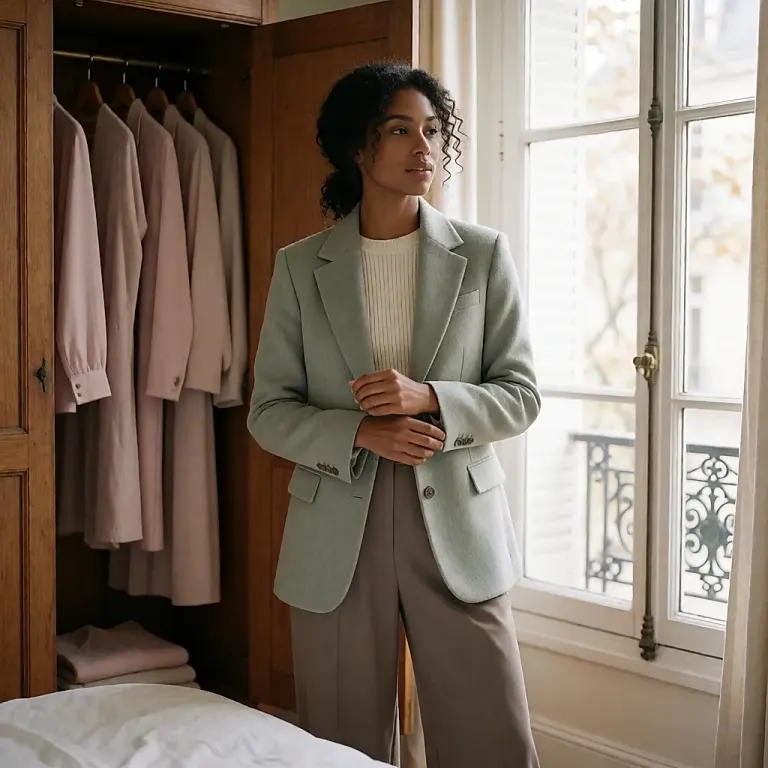
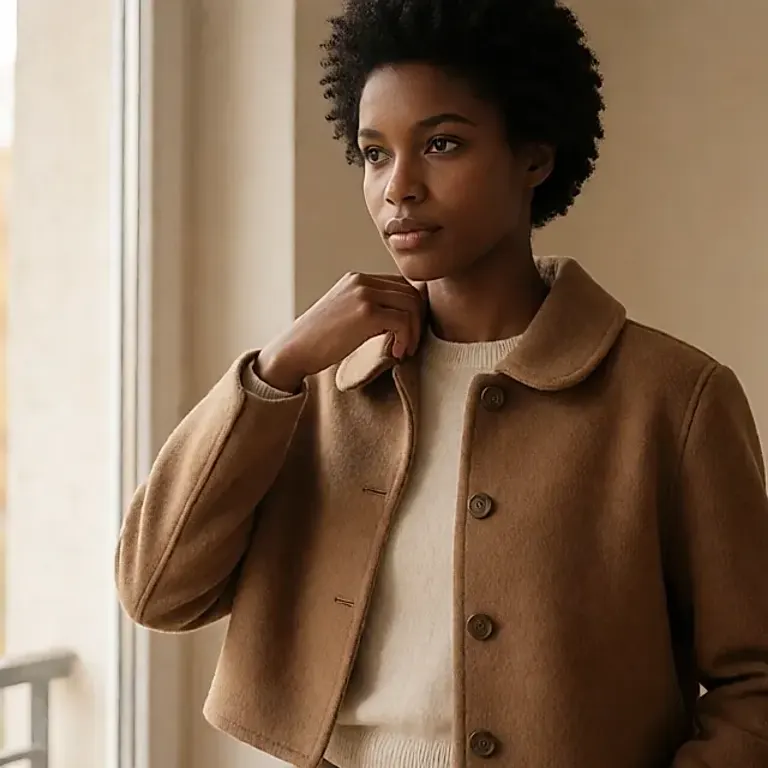
No need to overhaul your wardrobe. A fine knit in a soft colour tucked under a dark jacket is the simplest version, and the easiest to carry off at work: straight cut, clean drape, matte fabric.
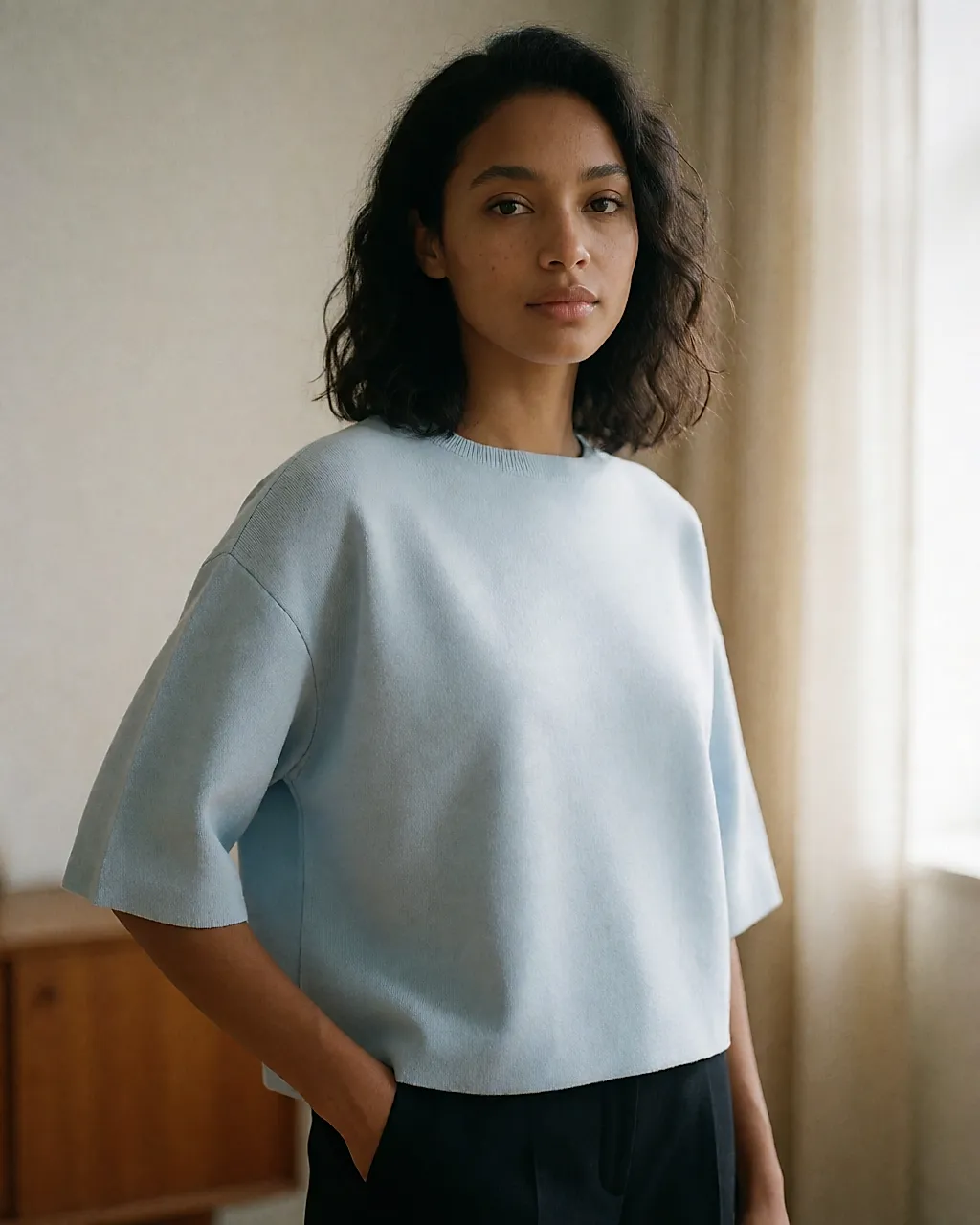
Pastel jeans, next. This is the piece that has changed most: where 2010s jeggings moulded the leg, a straight or slightly flared cut holds the silhouette better, especially in a thick denim. The drape gives structure, the shade keeps it light.
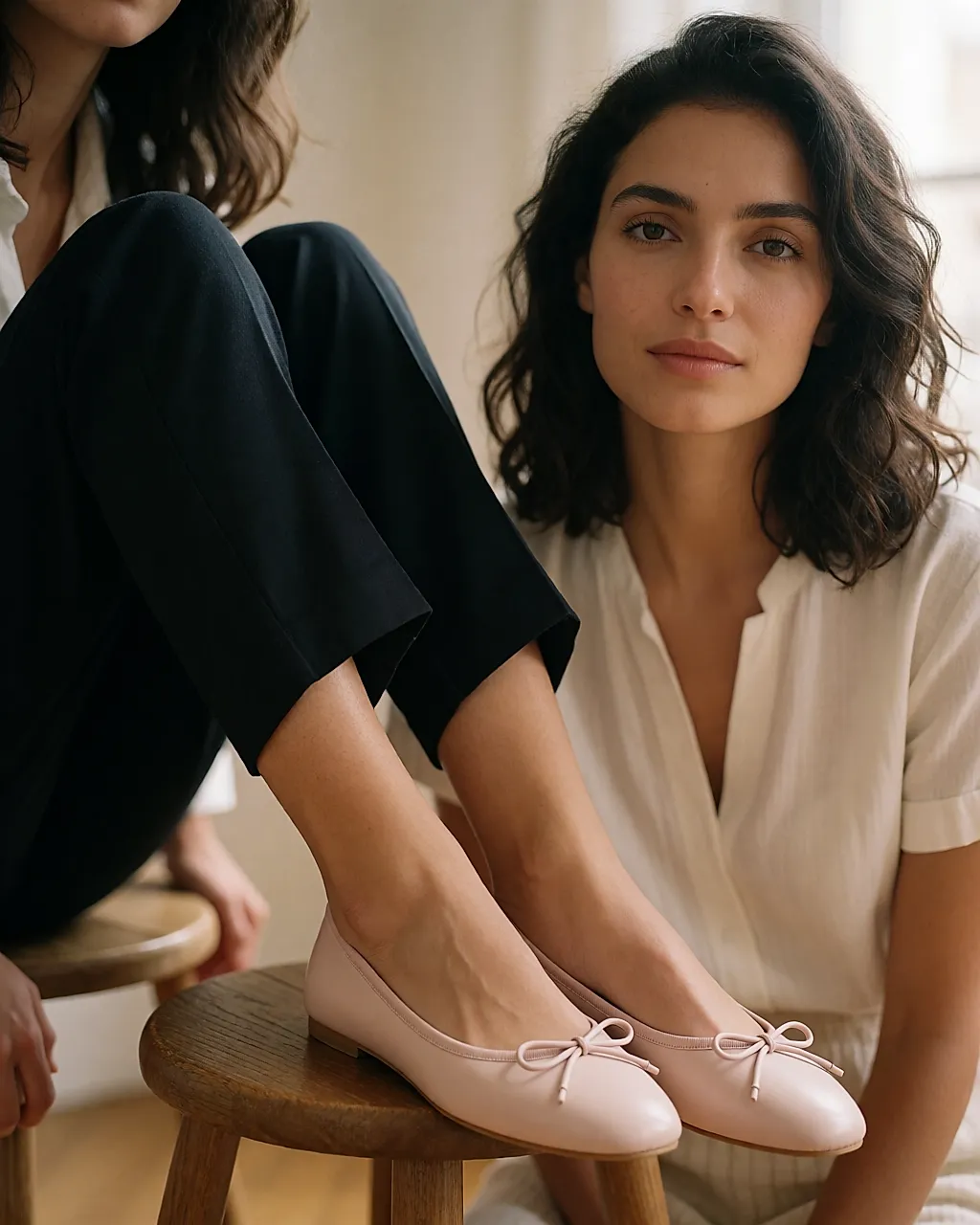
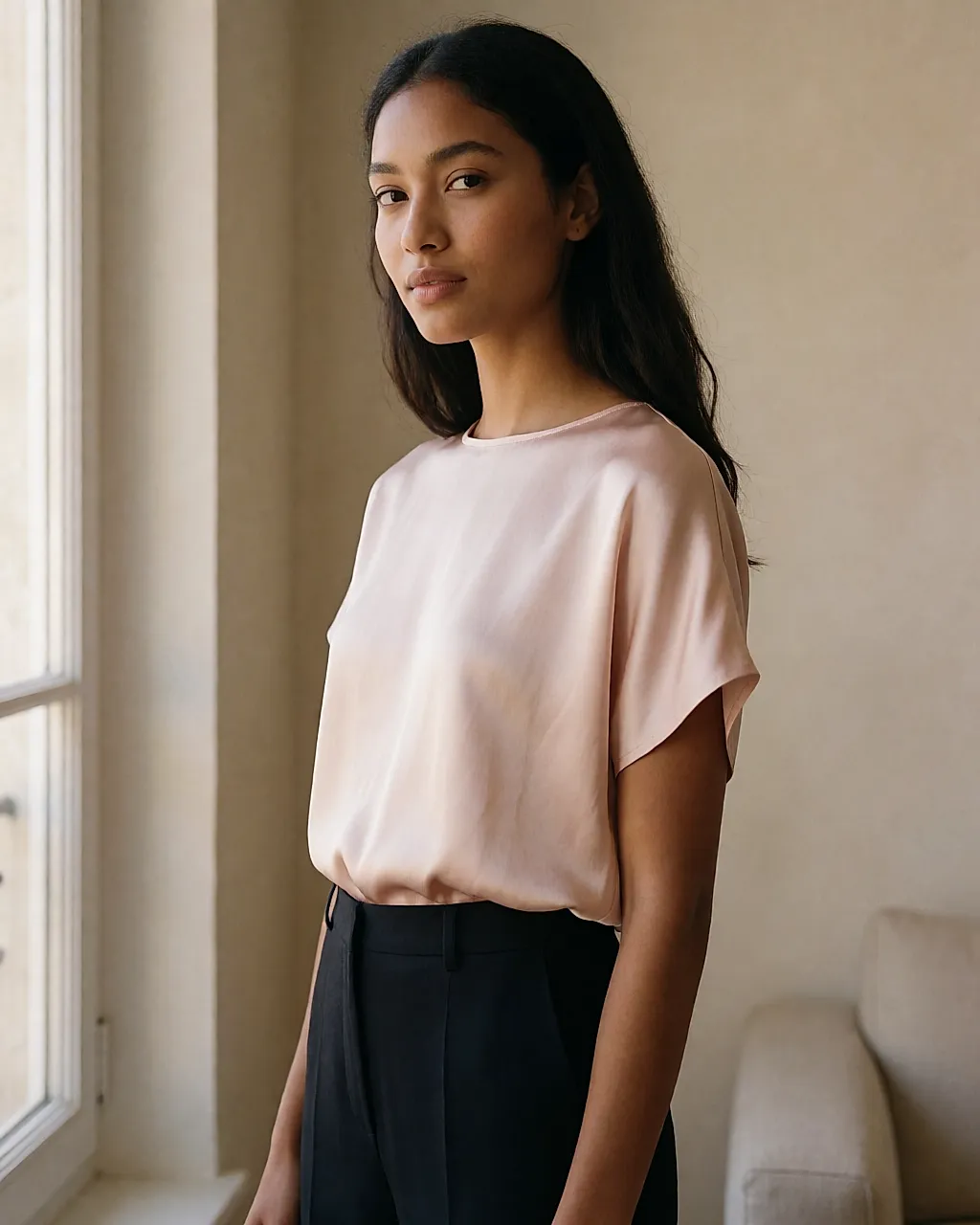
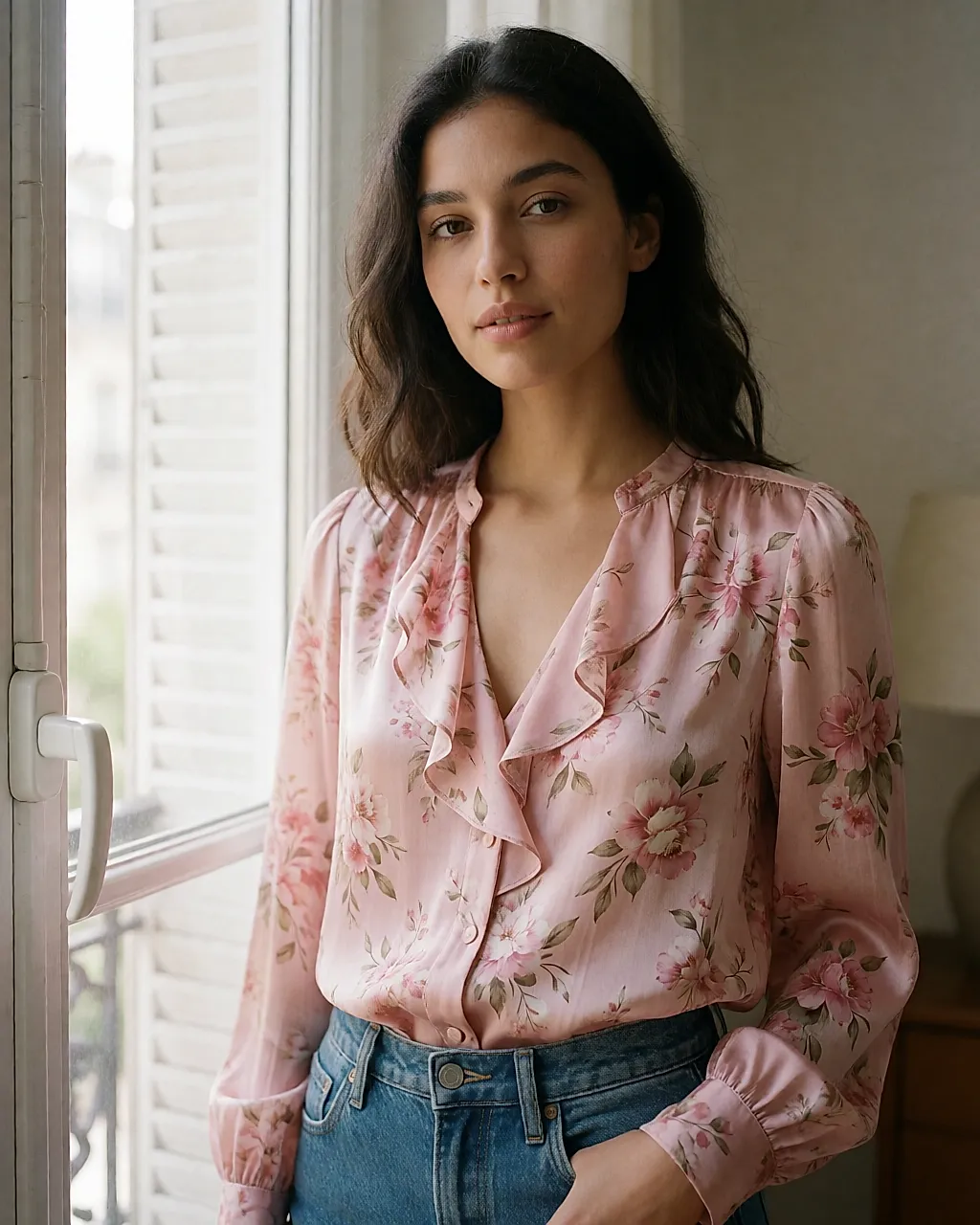
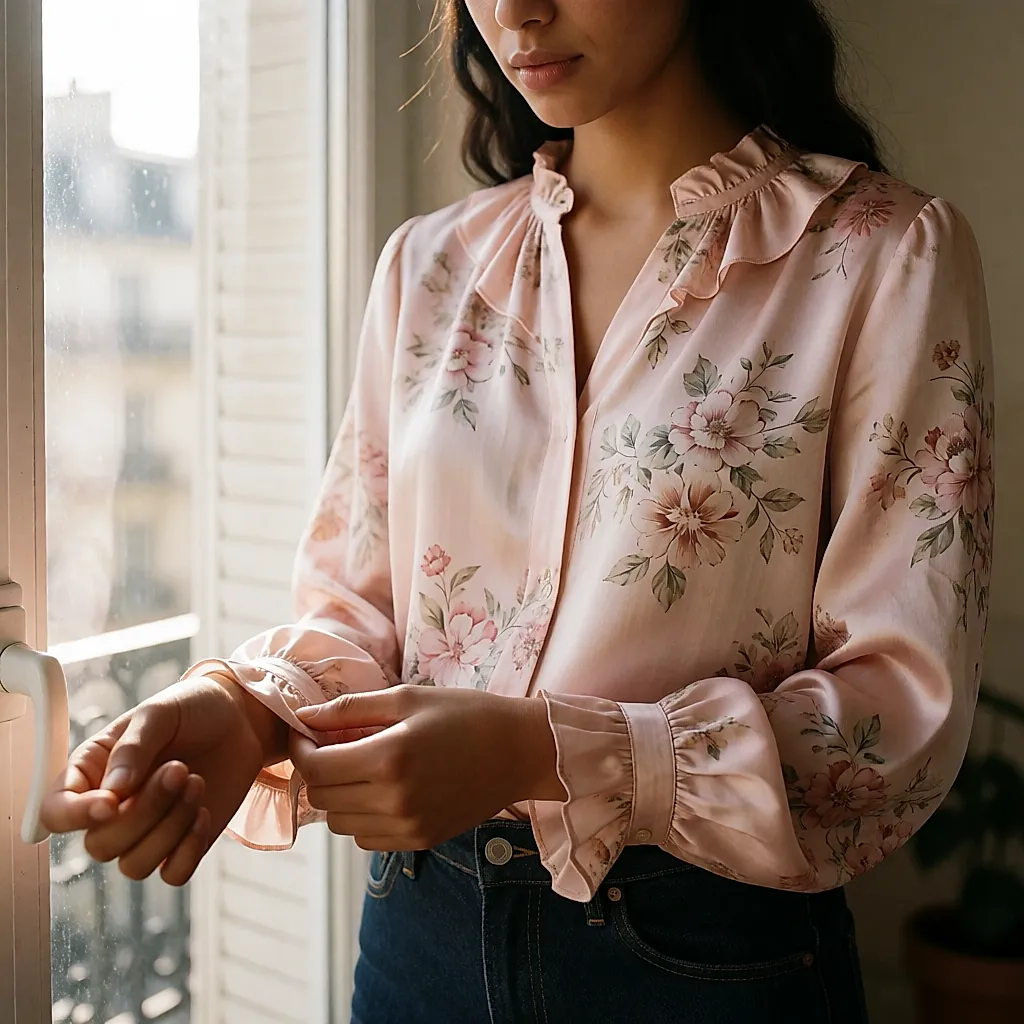
The powder-pink silk blouse remains the most cost-effective statement piece in this wardrobe. A ruffle, a faded floral print, a slightly lively texture: it works with raw denim and ballet flats, or slips under a blazer when you need to look smarter.
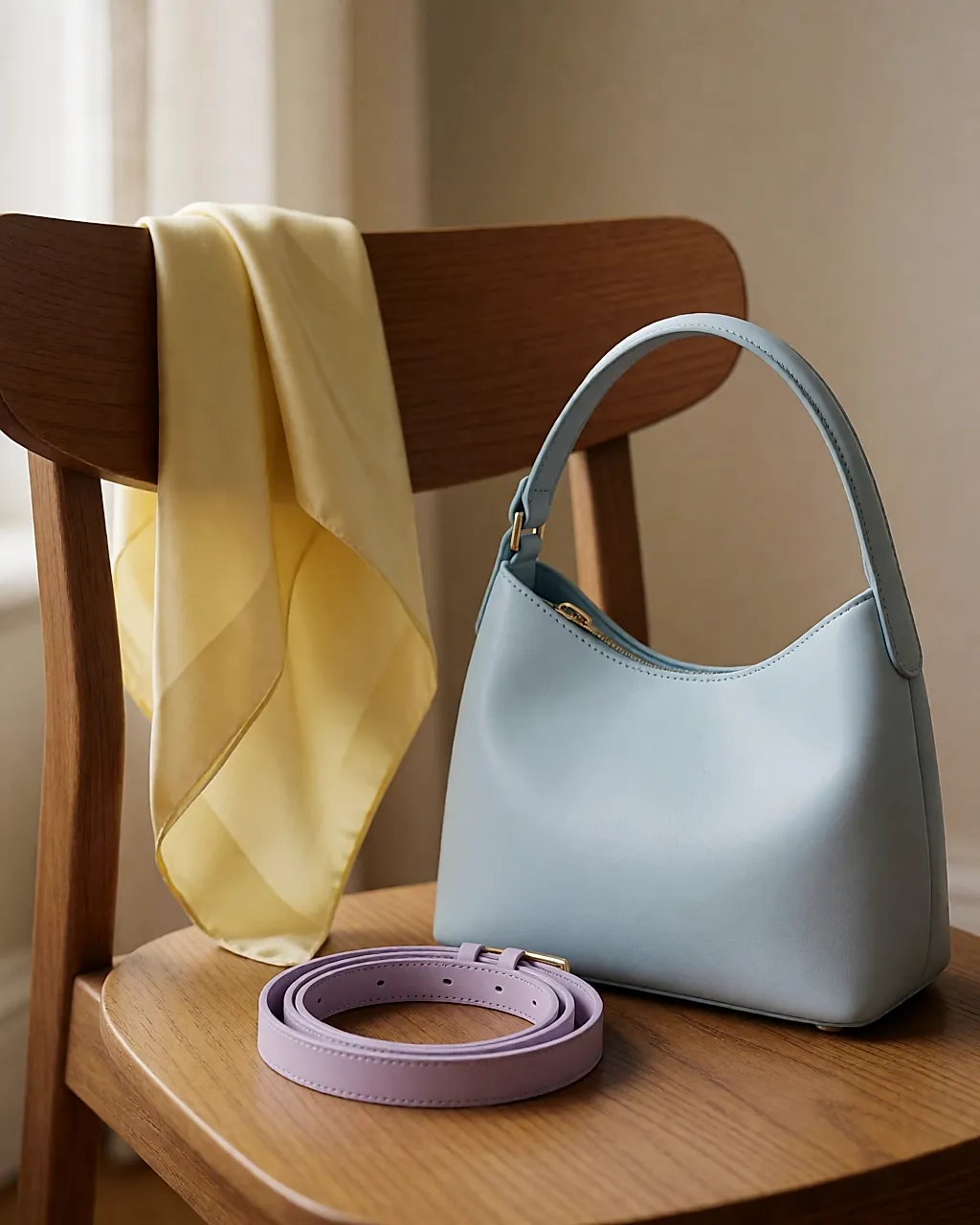
On the accessories side, pastel works quietly: a pale-yellow scarf around the neck to wake up a tired complexion, a thin lilac belt, a baby-blue leather bag. This is where you test the trend for the least money, and often where the result shows most.
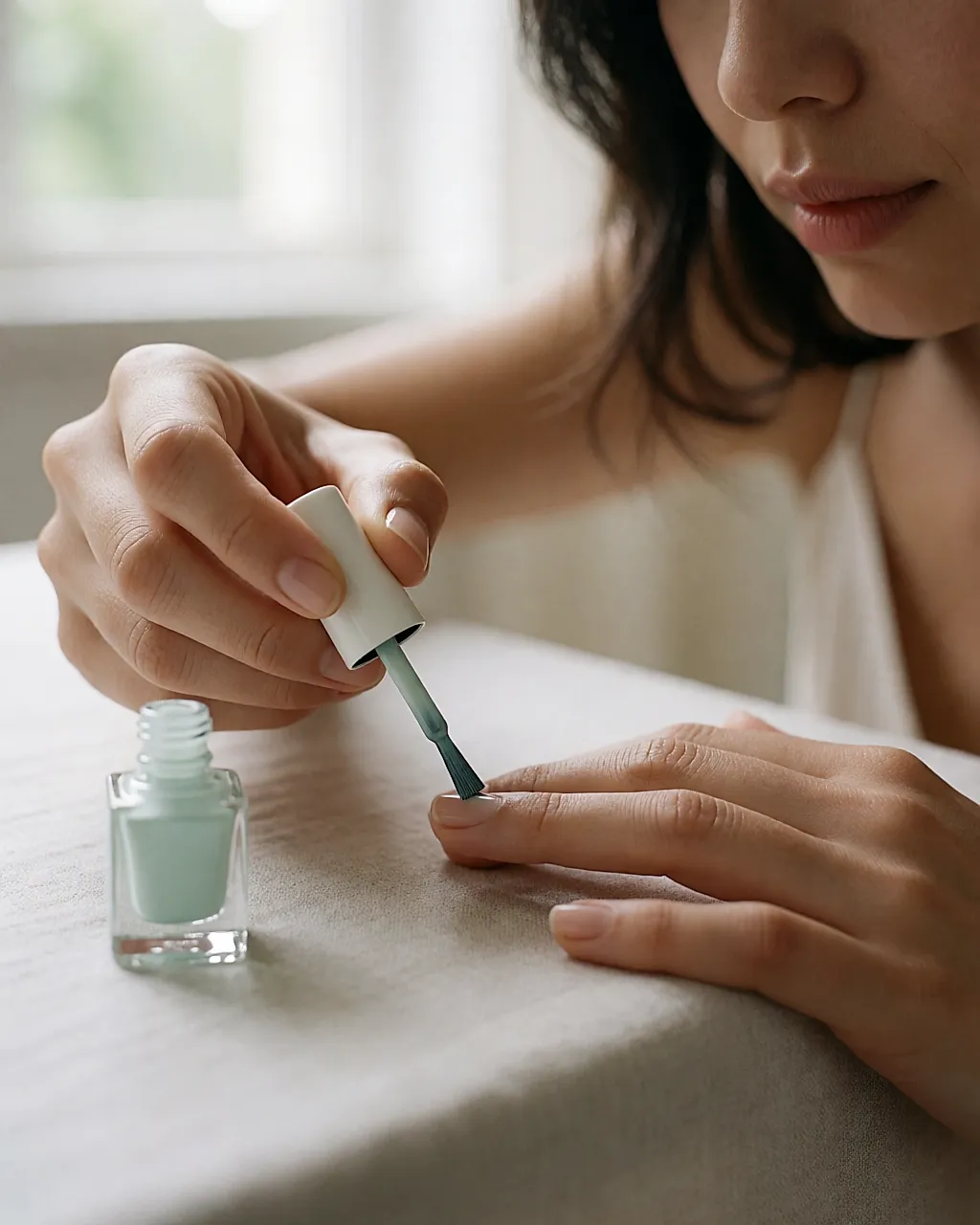
Right down to the nails
On the polish front, I haven't tested this season's shades, so I'm giving you the method rather than a product review. Two thin coats over a base coat, never a single thick layer: that is what avoids streaks and makes the colour last longer. Pale pastels are less forgiving of uneven edges, so take your time on the first coat. One trick that works: match the polish to the knit without going for an exact match. Almond green over a powder-pink jumper is more modern than an identical pairing.
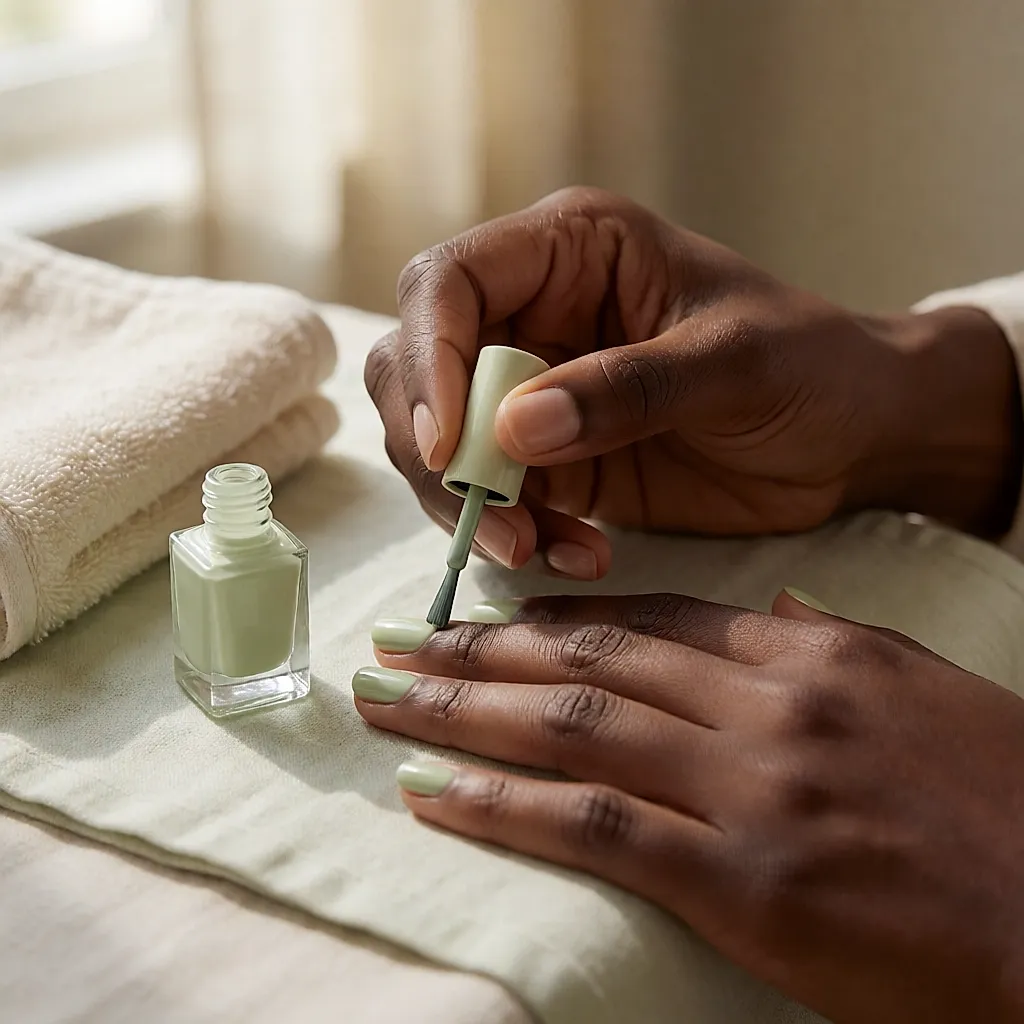
On the formula, look at polishes with plant-based solvents, often in glass bottles, and brands that offer refills or take back empty bottles. The most sensible move is also the simplest one: finish the bottle before buying another.
Want to try the trend without buying anything? Pull out everything white, ecru or cream from your wardrobe. A white shirt, an ecru tee, a cream knit: they are the best allies for a pastel piece, and they are already at home.
Budget
Expect around £45 to £90 for pastel jeans in certified organic cotton, £25 to £70 for a fine knit, £15 to £40 for a scarf or a belt. Leather ballet flats climb faster: £80 to £160 for a stitched pair, repairable at a cobbler's.
What moves the price is the fabric and where it's made. Organic cotton costs more to produce, but the GOTS label covers the whole processing chain, not just the fibre. On the other hand, conventional pastel jeans at around £30 are still possible: that is the compromise to accept if the budget won't stretch, and it's better to choose a sturdy pair and keep it for a long time.
Where to look: brand websites for precise cuts, the high street for basics, and above all second-hand — online or in charity shops. Second-hand pastel jeans often come in under £20, and it's the most resource-light option.
Sources
- GOTS (Global Organic Textile Standard), the certification standard for organic textiles, from fibre to finished garment.
- EU Ecolabel, the European label assessing a product's impact across its whole lifecycle.
- WRAP, the UK's Waste and Resources Action Programme, working on textile reuse and recycling.
Comments
Your opinion matters: rate the article, react and reply to comments.
Comments are moderated; AI-assisted comments are flagged. Text emoticons (8-), :-), <3…) are automatically shown as images.