

Before you spend a fortune on serums, moisturisers and make-up, work out your skin type. It is the foundation of every good routine: it shapes what you use to cleanse, exfoliate, moisturise and protect. The wrong product can do more harm than good, and it is money down the drain. So let us skip the costly mistakes and start by reading your skin's needs. There are four main types – normal, dry, oily and combination – plus sensitivity, which can affect any of them. Easy enough, right? Except skin does not always play by the rules: you can have symptoms of two types at once, and that is where it gets tricky.
First, a skin type is not set in stone. Your skin can be dry for a while, then oily, then sensitive. It is alive, and it reacts to hormones, stress, pregnancy, low mood, weather, pollution, smoking and age. So yes, work out your type – but be ready to tweak your routine when your skin changes.
Normal skin
Normal skin is the unicorn: no particular issues, neither oily nor dry, rarely reactive, seldom spots, pores not enlarged. In short, it is lovely and pretty low-maintenance. It is also rare – very few of us can claim it.
But normal skin is not invincible. It can still flare up, especially if you use the wrong products or skip skincare altogether. Avoid heavy, rich creams that can make it shiny and suffocate it; blocked pores mean blackheads and spots.
And just because your skin behaves does not mean you can ignore it. Every skin needs hydration and protection. Choose a day cream suited to its nature, cleanse with products that are neither too rich nor too harsh, and protect it from the sun.

Dry skin
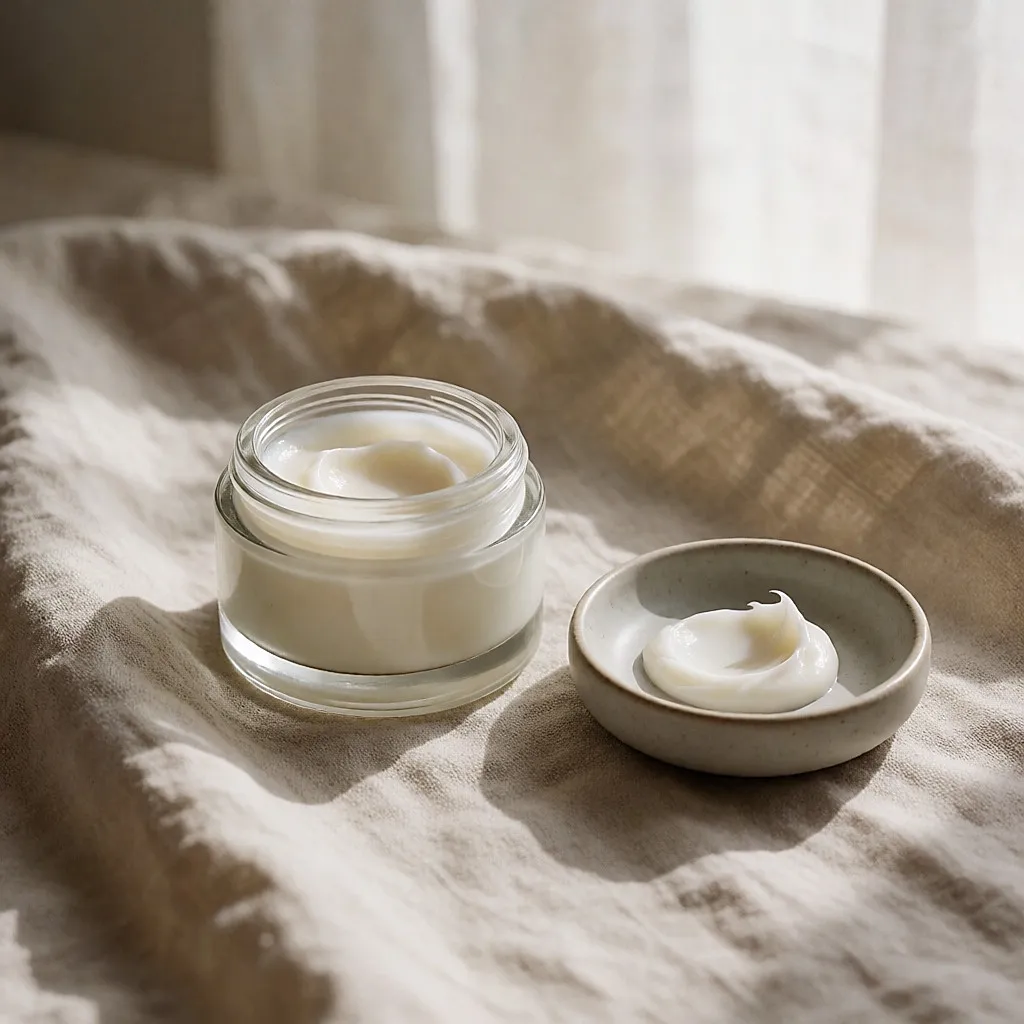
Dry skin needs extra care because a lack of hydration leaves it sensitised. Here is why: skin produces sebum, an oily substance that protects it from external aggressors. Dry skin does not produce enough, which leads to tightness, discomfort and flaking.
That also means dry skin is not well protected against cold, UV, pollution and so on. Your job is to make up for that with highly moisturising products and extra protection when you are exposed to sun or cold.
Choose very gentle products to cleanse and exfoliate; harsh formulas can sensitise it further and cause redness and peeling.
Oily skin
Oily skin is the opposite. If dry skin does not produce enough sebum, oily skin produces too much. The result: shine that returns quickly after cleansing and make-up, all over the face. Excess sebum tends to clog pores, which is why oily skin is often prone to acne, blackheads and enlarged pores.
But contrary to what you might think, oily skin still needs moisture. The key is to choose products made for it.
Go for fluid, lightweight textures and purifying, exfoliating ingredients.
Be careful, though: some harsh cosmetics seem effective at first, but they sensitise the skin and stimulate the sebaceous glands, which then produce more sebum to protect themselves.
So skip oil- or alcohol-based products, do not over-cleanse, do not over-exfoliate (once or twice a week is enough), avoid thick, rich textures, and use very gentle, light products regularly.

Combination skin
To keep it simple, combination skin is a mix of oily and dry.
The T-zone – nose, forehead and chin – is oily, tends to shine and can have spots and imperfections; the cheeks are dry and tight.
Combination skin is said to be the most common type. It needs hydrating but non-greasy products, so the oily areas do not feel suffocated. Look for products for combination skin that are moisturising but non-comedogenic, oil-free and not too rich. You can also use a mattifying product on the T-zone, but as with oily skin, nothing too harsh.

Sensitive skin
Dry, combination and even oily skin can also be sensitive. In fact, sensitivity often comes alongside other issues such as dryness or breakouts.
The trouble with sensitive skin is that it is hard to treat because it is highly reactive, both to cosmetics and to weather. It goes red, stings, feels tight and can develop patches, allergies, irritation and so on.
So it needs very neutral, gentle products perfectly suited to its nature. You will usually find sensitive-skin products in a pharmacy: fragrance-free, without irritating agents, non-comedogenic and alcohol-free. Parabens are a formulation choice, not a necessity for sensitive skin.
Sensitive-skin products should contain soothing and anti-redness ingredients.
Finally, very important: sensitive skin is particularly vulnerable to UV. Use a high-protection sunscreen whenever you are exposed.

To get a rough idea of your skin type, there is a simple test you can do at home. At night, cleanse your face, put nothing on it and go to bed. In the morning, look and touch before anything else: if everything is shiny, your skin is oily; if your forehead, nose and chin are shiny but your cheeks feel tight, it is combination; if your whole face feels tight and flaky, it is dry; if nothing changes, it is normal. As for sensitivity, it shows up day to day: redness, stinging and discomfort after a product are often enough to ring alarm bells.
Want more beauty tips? Take a look at our guide to Dermalogica skincare and our tips for an at-home facial.
Budget
On the money front, you do not need to empty your bank account to look after your skin. A gentle cleanser usually costs between £8 and £20 in supermarkets, chemists and pharmacies; a moisturiser between £15 and £40; a sunscreen between £12 and £25. Sensitive-skin products sold in pharmacies are often a little more expensive: expect around £15 to £35. What pushes the price up? Size, obviously, but also specific ingredients (ceramides, hyaluronic acid, niacinamide), where you buy it and the brand. Good news: for basic skincare, a simple, well-formulated product often works just as well as a pricey serum.
Sources
- NHS — skin conditions and sun safety.
- British Association of Dermatologists — patient information on dry skin, acne and sensitive skin.
- MHRA/OPSS — cosmetics and product safety in the UK.
- The original French article also drew on Société française de dermatologie (dermato-info.fr) and ANSM (ansm.sante.fr); these are not UK authorities.


Comments
Your opinion matters: rate the article, react and reply to comments.
Comments are moderated; AI-assisted comments are flagged. Text emoticons (8-), :-), <3…) are automatically shown as images.