

We actually lose hair all year round — several dozen hairs a day — but here's the reassuring part: while some are on their way out, plenty of others are growing back to take their place.
Some people notice more shedding in autumn. It varies from person to person and isn't, in itself, a reason to worry. How much hair we have varies from person to person, too, so don't panic.
How do you look after your hair and scalp? It mostly comes down to a few sensible habits recommended by professionals who know hair inside out.
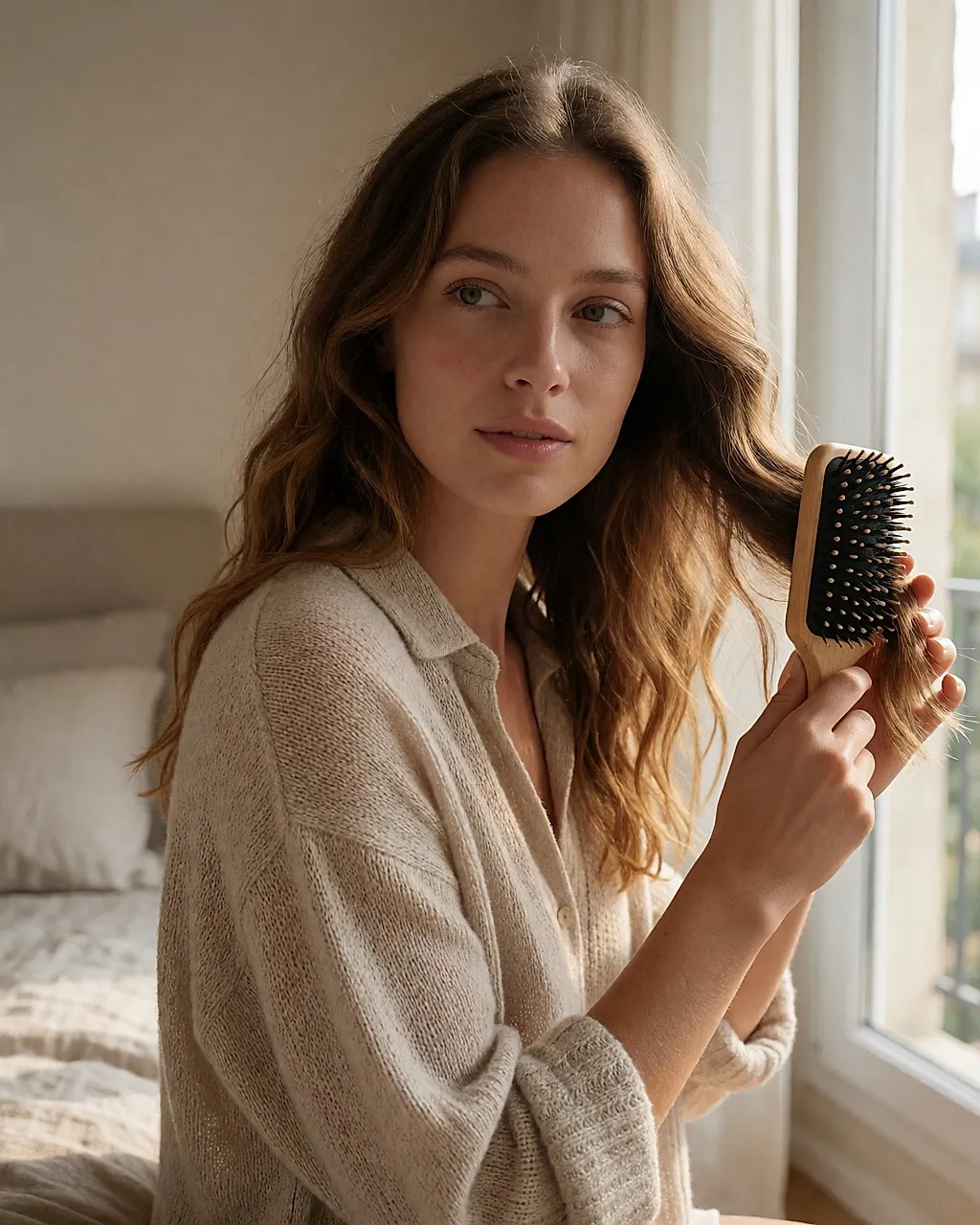
Brush your hair in the morning and again before bed. Brushing too often can be harsh on the scalp, but once or twice a day is a gentle habit that helps distribute sebum and lift dust and impurities. Work from the ends up towards the roots, without tugging.
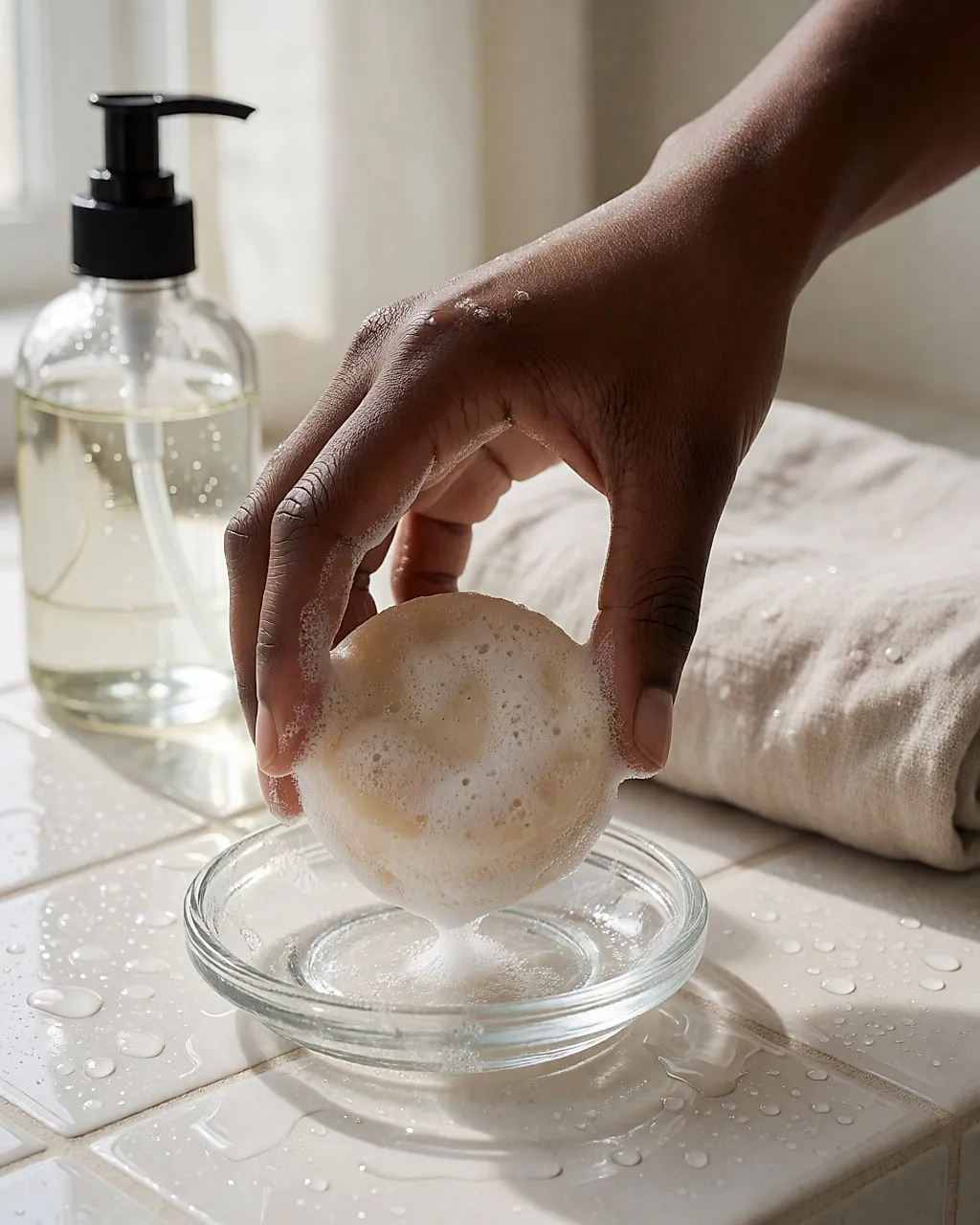
You don't need to wash your hair every day. A daily wash can dry out some hair, especially if the shampoo is harsh, so adapt the frequency to your scalp and choose a gentle formula. That said, a mild shampoo used daily suits some people. Look for a gentle shampoo and rinse with lukewarm water.
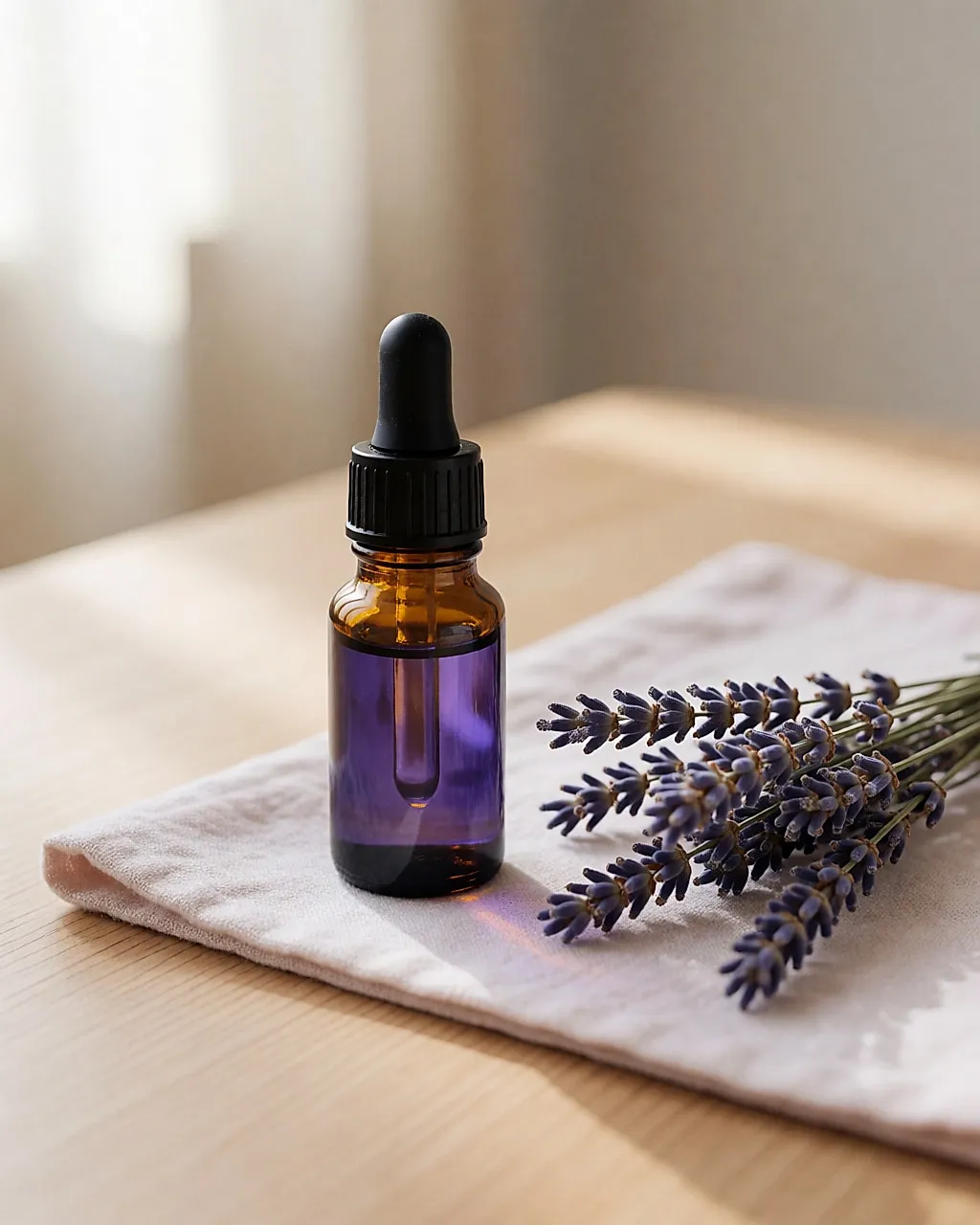
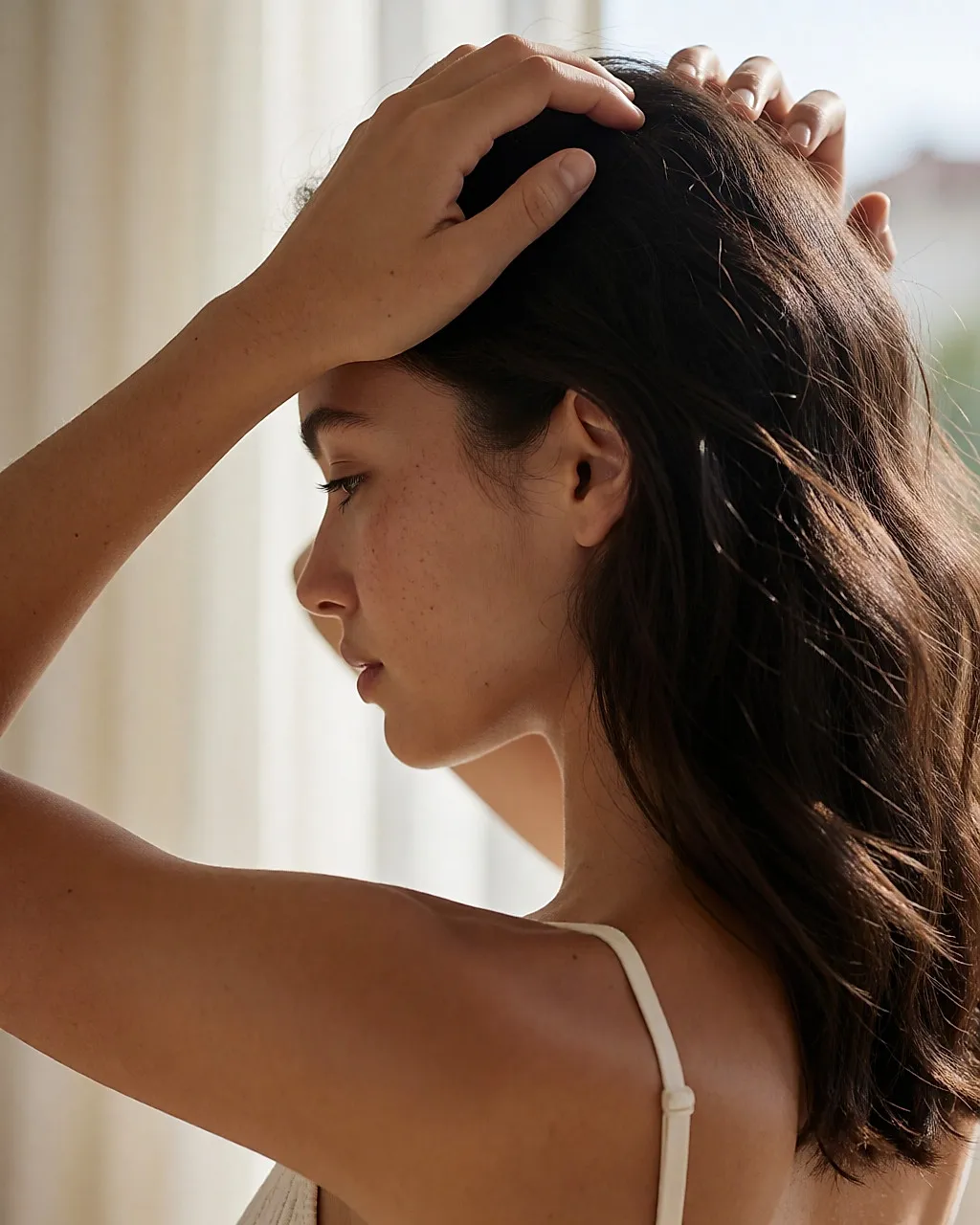
Give your scalp a massage. A proper scalp massage can feel relaxing and soothing; its effect on regrowth has not been proven. Even so, it feels lovely. Whether during washing or after styling, massage your head at least once a week. An optional extra: a scalp massage with an essential oil chosen for its scent, such as lavender or verbena — a sensory, traditional ritual with no promised effect. How to do it: just before shampooing, apply a few drops along the scalp on dry hair (mixed with a hair oil, for example), parting your hair section by section, massage, wait about ten minutes, then rinse just before applying the gentlest shampoo you can. A word of caution: essential oils can irritate or cause allergies. Dilute them, do a patch test before use, and ask a pharmacist or GP if you are pregnant or breastfeeding, before using them on children, or if you have sensitive skin.
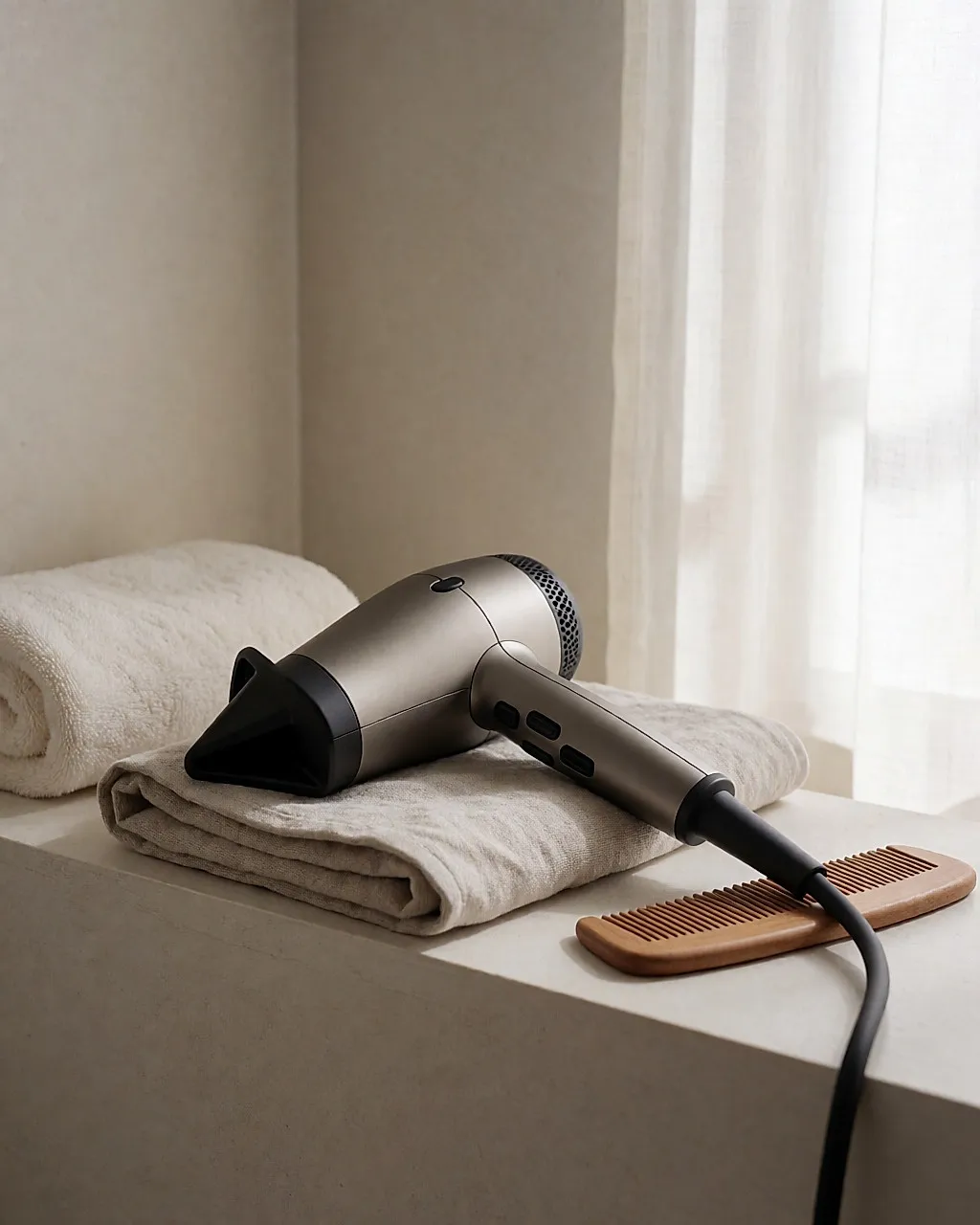
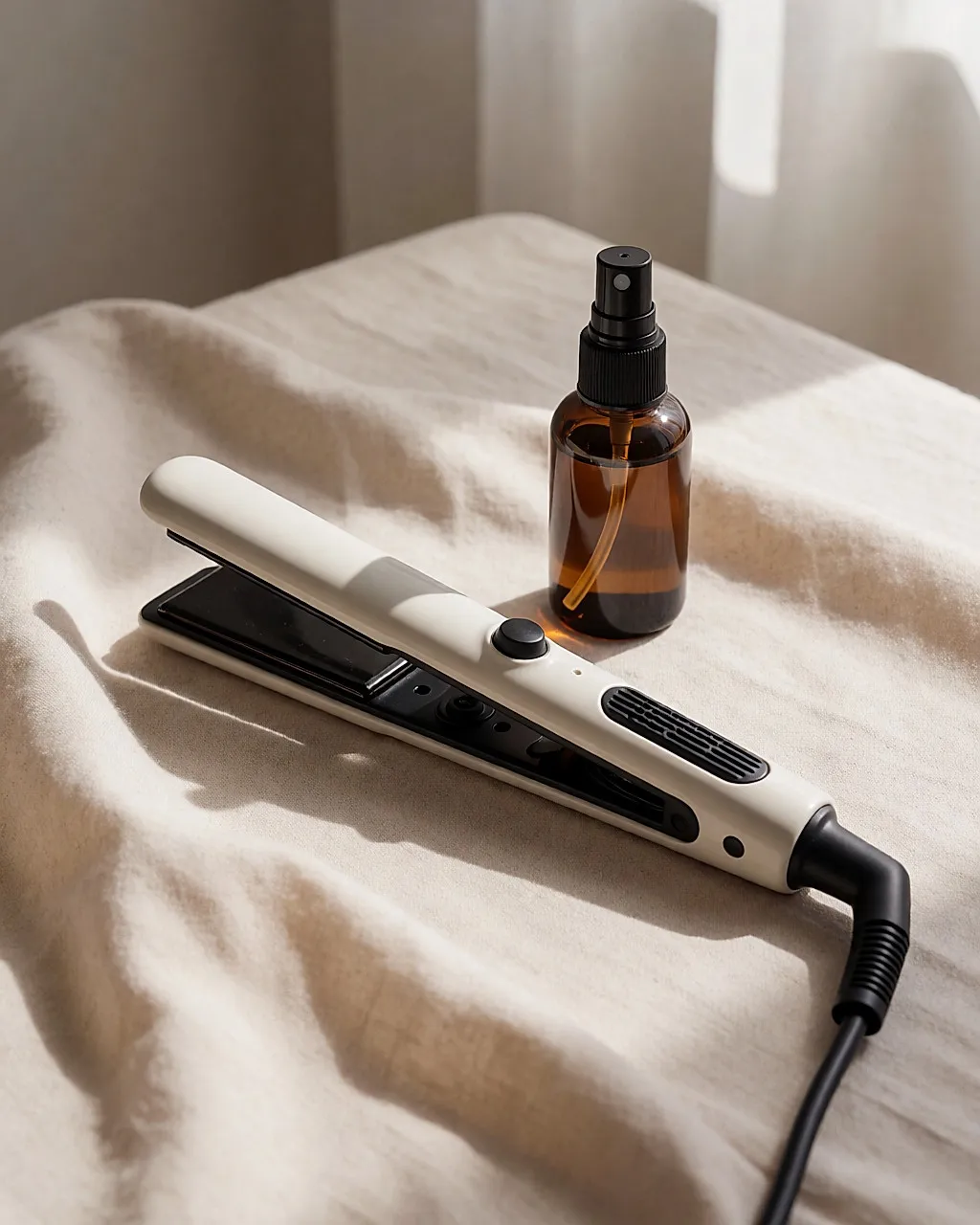
Steer clear of hairdryers, straighteners, curling tongs and the like as much as possible; they damage and dry out hair. Strong hair is, above all, hair that's looked after. If you do use heat, do it on dry hair, with a heat protectant and at a moderate temperature. Choose a boar-bristle brush, the best of the best, plus cotton towels and pillowcases; natural materials are best for both hair and scalp.
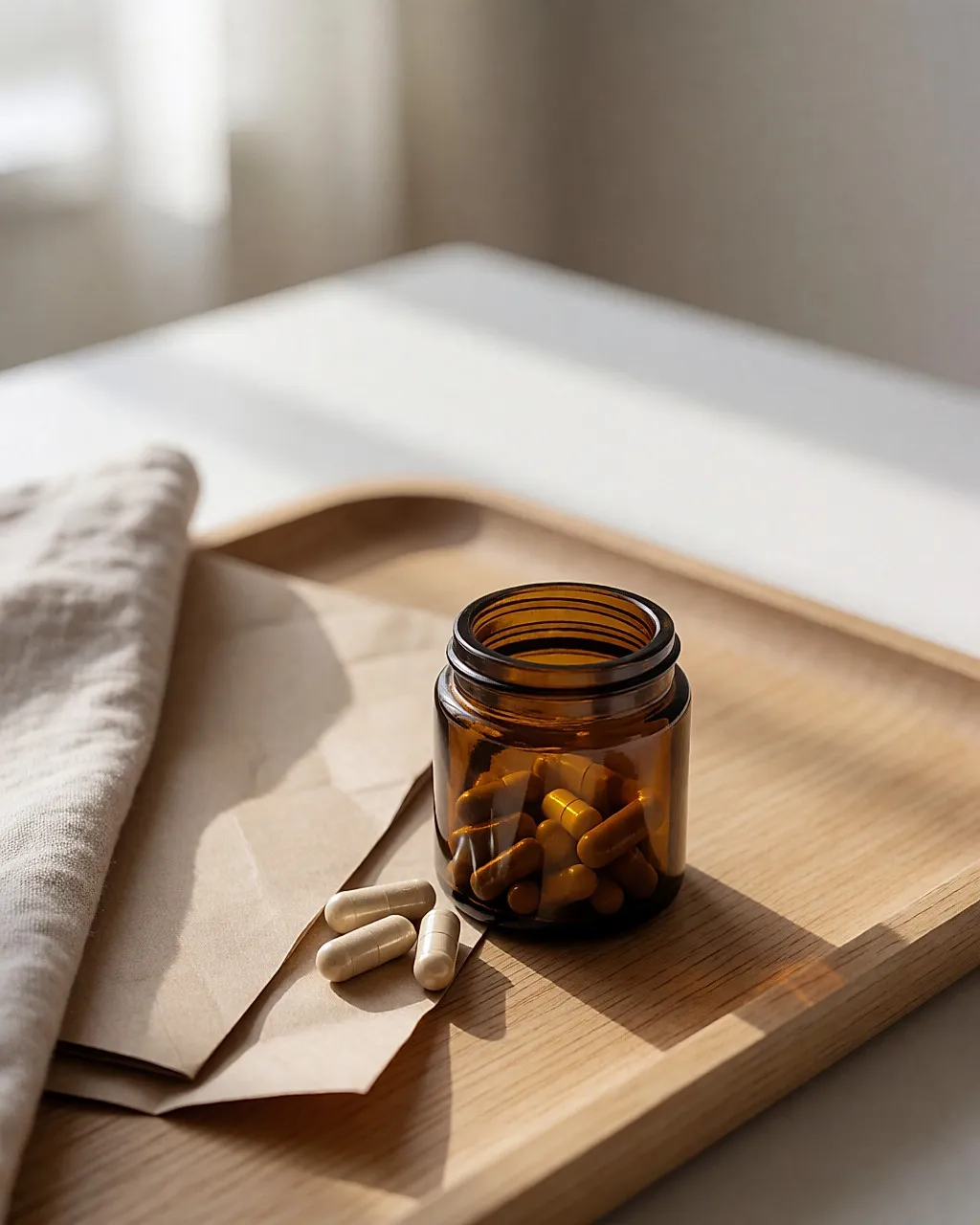
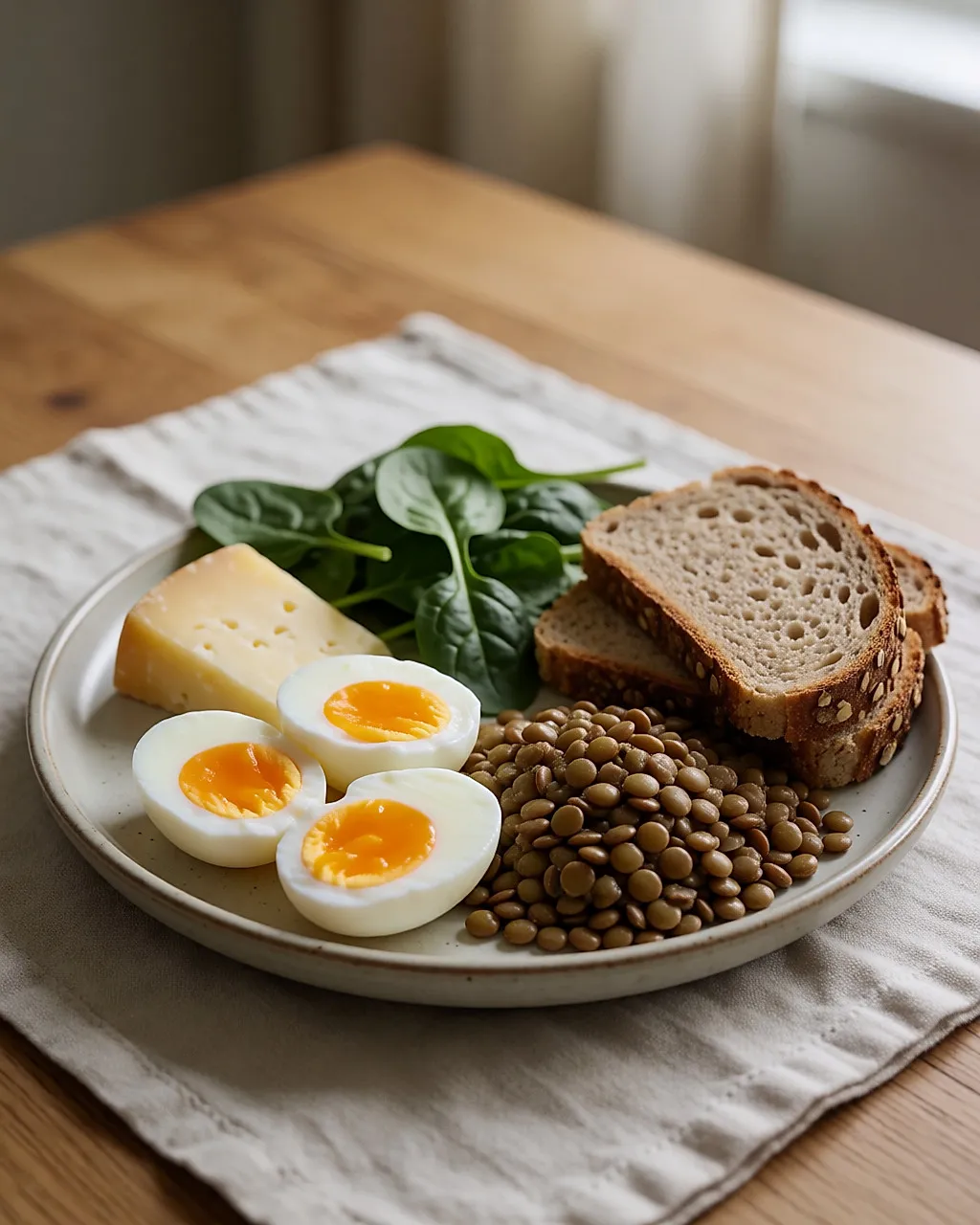
Finally, make sure you're getting enough vitamin B8, which is associated with hair health. A deficiency can sometimes be a factor, although it doesn't explain every case of shedding. Where do you find it? Mainly in liver, cheese and dairy more generally, wholemeal bread, mushrooms, eggs and pulses. A varied diet is often enough, and if shedding persists, a GP can look into what's behind it.
Only here's the thing: shedding varies from person to person, and sometimes, when you keep finding hair everywhere — on your brush, pillow, in the bath, on your jumper — anxiety gets the better of you. Yikes, will I end up looking like Demi Moore in G.I. Jane? Nooo! If it worries you, there are a few small steps you can take to look after your scalp and hair.
What it costs
You don't need to spend a fortune. A gentle shampoo costs around £5 to £15 at a supermarket or beauty retailer; a small bottle of lavender or verbena essential oil is about £5 to £12 from a pharmacy or health food shop; and a boar-bristle brush is £15 to £40 depending on quality. In a salon, a scalp treatment usually costs between £20 and £50. Prices vary by city, range and type of treatment: you'll stay at the lower end at the supermarket or online, and nearer the top in a department store beauty hall or salon.
Food supplements do not replace a varied, balanced diet and a healthy lifestyle.
Comments
Your opinion matters: rate the article, react and reply to comments.
Comments are moderated; AI-assisted comments are flagged. Text emoticons (8-), :-), <3…) are automatically shown as images.