
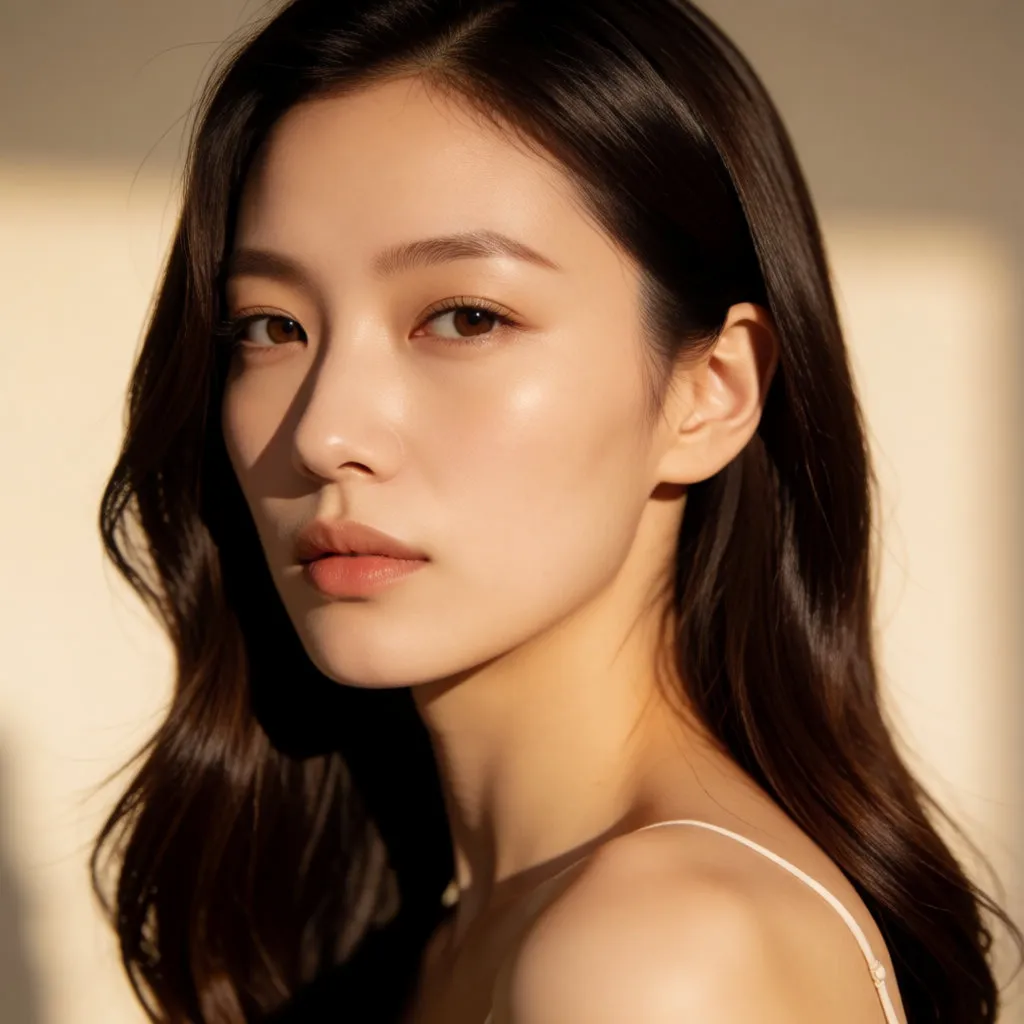
And yet — what could be more beautiful, or sexier, than hair that's glossy, soft and genuinely healthy?
You get the hair you deserve, and if you want yours to look its best, it takes care, patience and a bit of love. So here's what the experts recommend to rescue your ends, soften the texture and get the whole lot shining.

First off, if you have long hair, in practice many people apply a hair oil through the mid-lengths and ends (Leonor Greyl's Huile de Palme, for example) before shampooing, sometimes leaving it on overnight and washing it out the next morning — don't forget to protect your pillow with a towel.
Next, washing: use a shampoo suited to your hair type (dandruff, breakage, coloured hair...). Some treatment shampoos sold in salons or beauty halls are more concentrated or more targeted, but you can find effective formulas on the high street too; what counts most is the formula and your hair type. Sadly, they're also far more expensive than the ones you'll find in the supermarket... (Massato Camellia Shampoo.)
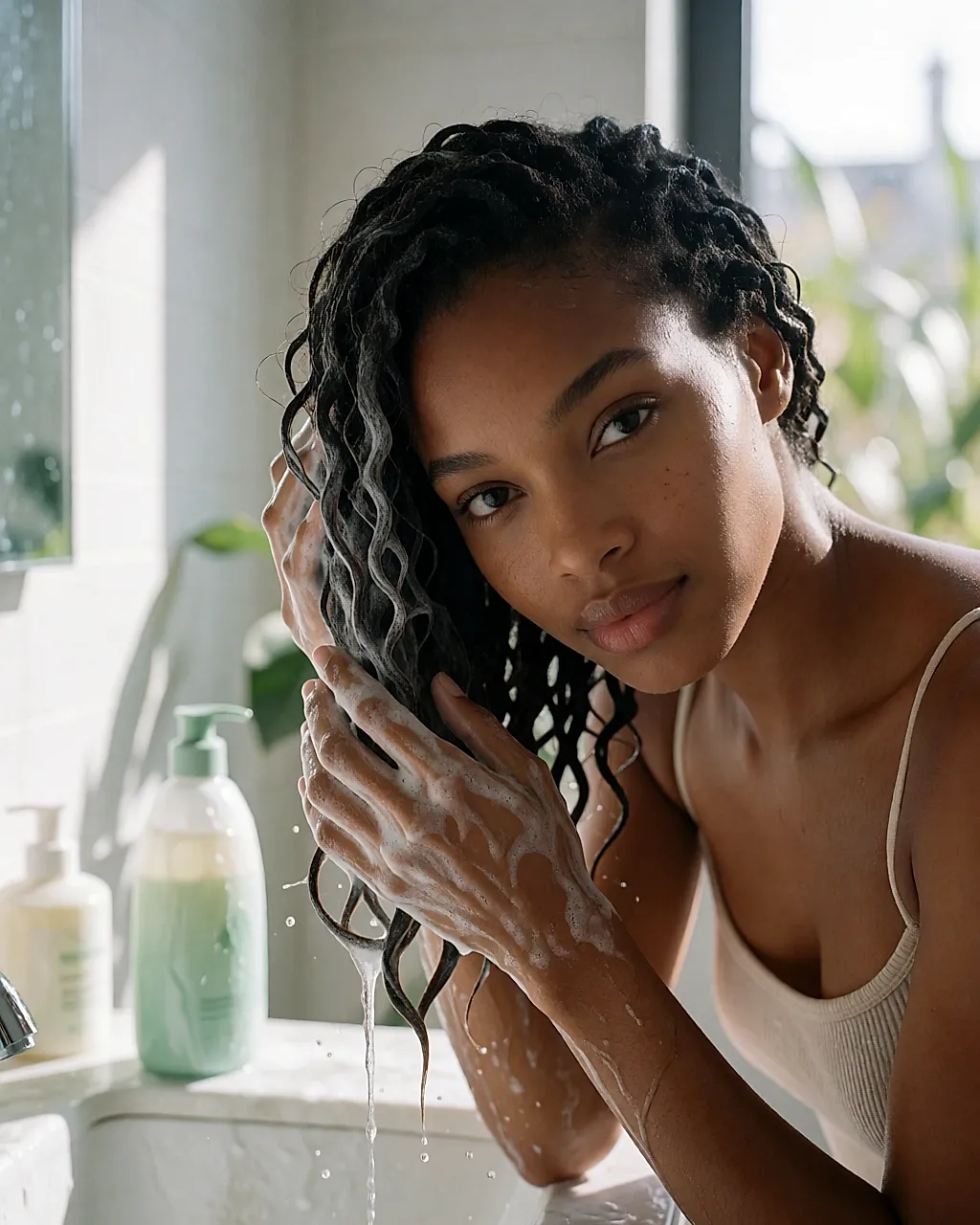
After shampooing, a conditioner or treatment is essential. It softens, nourishes, adds shine, protects colour (if your hair is coloured) and makes styling easier.
Apply it to washed, towel-dried hair (not hair that's still dripping). How long to leave it on depends on the product: follow the instructions; some work in a few minutes, others need a longer sit. Before rinsing, hairdressers recommend 'emulsifying' it — adding a splash of water and massaging briefly.
Once you've done all that carefully, rinse thoroughly so you don't smother the scalp. (Techno hydrating treatment by Phytodess.)
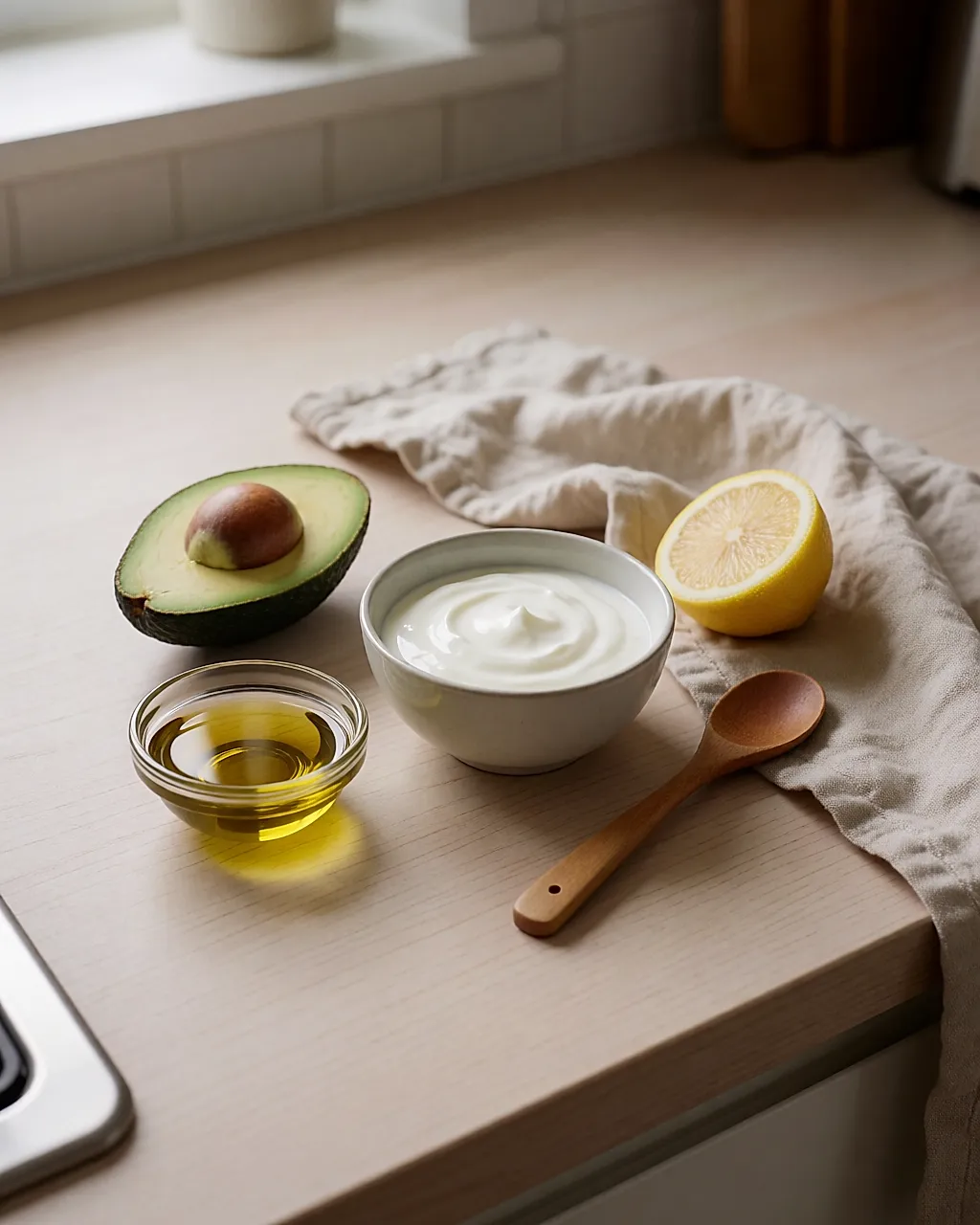
If you prefer 100 per cent natural products, we heard about an old family recipe, worth a try if you fancy it: the homemade treatment. Blend a heaped tablespoon of olive oil, half an avocado, a yoghurt and the juice of half a lemon. Leave it on for a quarter of an hour and, apparently, that's it: glossy, hydrated hair, the natural way.
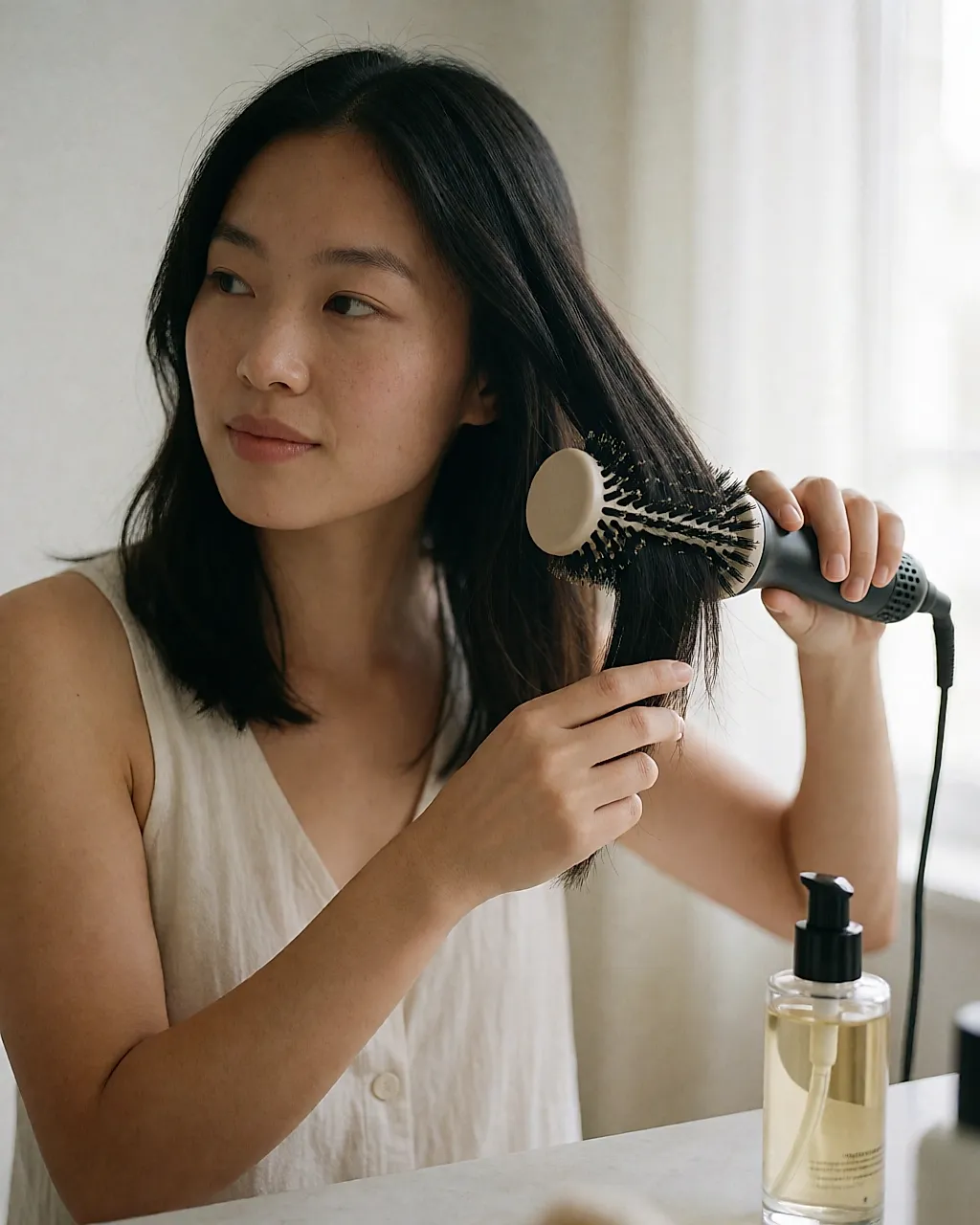
As for drying, it's better to let hair dry naturally. But if you're a blow-dry devotee, or you simply don't have a choice (you need to look presentable), apply a blow-dry prep serum to damp hair, which can help with smoothing; it may help limit heat damage without removing it altogether (L'Oréal TEC blow-dry milk). Rough-dry first so you don't damage the hair, then brush section by section. Ideally, blow-dry with a boar-bristle brush and a three-speed hairdryer (the gentlest speed for the rough dry).
To protect hair from the sun, from everyday pollution or from sea salt on holiday, there are hair day creams (Carita's Le Cheveu day cream, among others): they protect, hydrate and tame — lovely.

There was a time when hair was simply gathered into a bun. It wasn't really a fashion 'accessory', it wasn't styled or coloured... But one thing's certain: it had to be healthy.
Today, colour (with or without ammonia), pollution, smoking, hairdryers, curling wands and straighteners don't forgive: hair ends up dry, split, straw-like — in a word, damaged.
Budget
On the budget front, treatments that actually deliver sit across a fairly wide range. Expect roughly £18 to £40 for a professional-brand hair oil, £13 to £26 for a salon shampoo, and £18 to £35 for a mask or deep treatment. For drying, a blow-dry prep serum comes in at around £10 to £22, and a protective day cream £22 to £40. Prices vary with the size, the ingredients (plant oils, targeted actives) and where you buy — salons are usually pricier than beauty halls, and homemade recipes cost next to nothing.

Comments
Your opinion matters: rate the article, react and reply to comments.
Comments are moderated; AI-assisted comments are flagged. Text emoticons (8-), :-), <3…) are automatically shown as images.