
Finding tips for a sleek, neatly styled mane is easy — no surprise, really, when glossy straight hair is held up as the ideal and plenty of people dream of it. As a result, most hair advice is aimed at hair that's easy to manage, fairly straight, or at least not curly. That's a slightly odd state of affairs, because not everyone has straight, easy-going hair, and that kind of advice can actually be bad for curls, which are naturally fragile to begin with. When it comes to curly or wavy hair, though, the advice and styling ideas thin out fast: plenty of people say even their hairdresser doesn't know what to do with their cascading curls — or, worse, insists on straightening everything and ignoring the nature of the hair.
And curly-haired women are making themselves heard: enough with straighteners and blow-dries — we want pretty curls, naturally.
So here we are on a mission: pinching tips here and there to bring you a concentrated dose of advice regularly shared by curly-haired women themselves, and by the pros.
Anyone with curls knows it: curly and wavy hair often tends to be dry and fragile, and dry or damaged hair means total anarchy — which is why some find it so hard to introduce a little discipline.
Obviously, the usual suspects — constant straightening, blow-dries, colouring, chemical relaxing and even the wrong styling products — don't help. And beware of overdoing it: after a few months of that kind of treatment, it can take a while to get nice curls back.
As you'll have gathered, there are no beautiful curls without good hydration and suitable care — especially if you're a sucker for every styling tool going.
And if you're going to do it, do it properly: you need the full works. A very gentle shampoo (whether it's aimed at curls or not), a nourishing oil before washing and a repairing mask after shampooing.
Next, some like to use mousse or hairspray — it's a personal call, because these products don't behave the same way on every head of hair. But be careful not to choose products that weigh hair down or make it greasy, which isn't exactly a good look and will also push you into washing your hair too often.
Next point: avoid washing your hair every day, as it can dry out the ends and stress the hair — not to mention that some people find their hair gets greasier faster when they space out washes. In practice, many people recommend washing less often, often two or three times a week depending on your hair and scalp. Curly and wavy hair often has the advantage of not looking greasy as soon as it's a little dirty, unlike straight hair.
On the cut front, curly hair really does have fewer options, and the most suitable cut for pretty, disciplined curls is often a long layered style. It takes weight out of the bulk and makes the different lengths easier to manage. The catch is that long hair means knots galore, which calls for a bit of discipline at wash time and at night.
So here are a few practical tips for keeping curls in line: try them, keep what works and leave the rest.
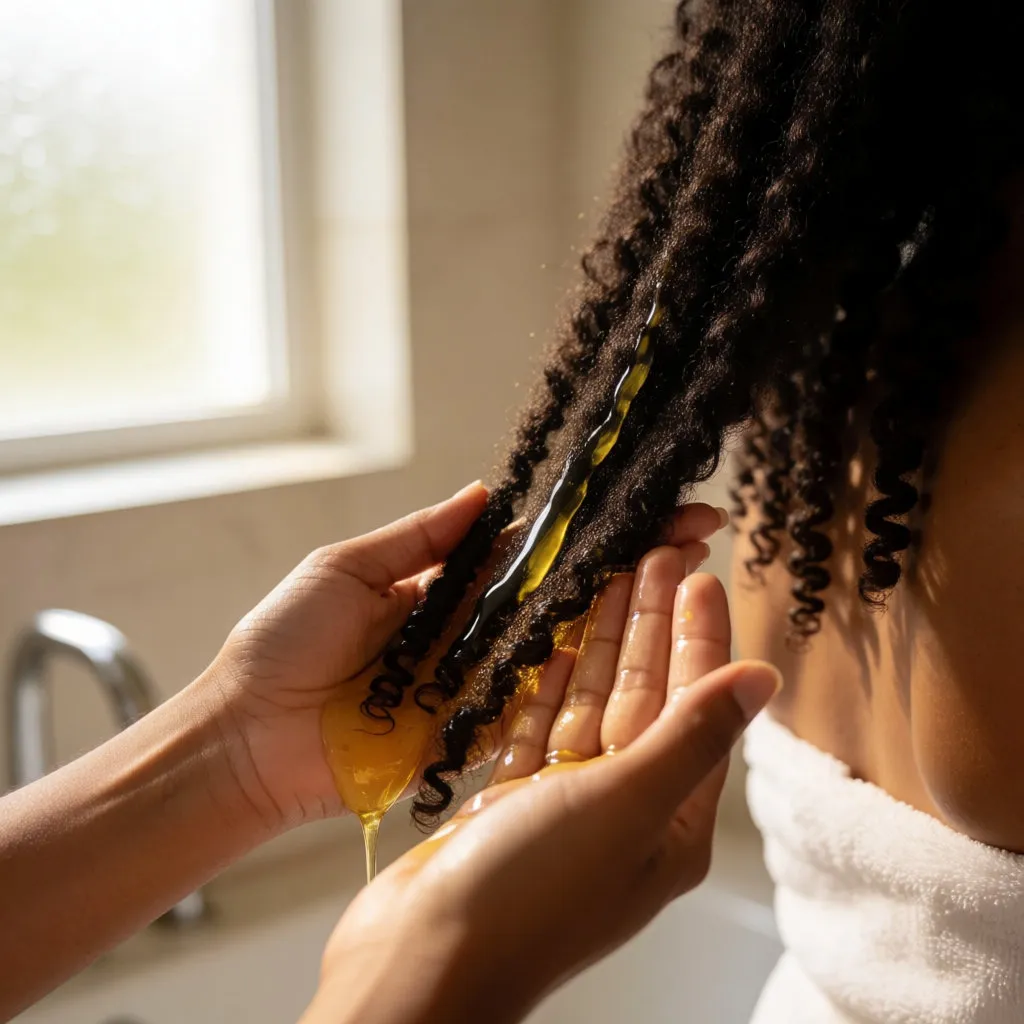
To start, choose a nourishing oil such as argan oil, or an oil blend, and leave it on the mid-lengths and ends, steering clear of the roots. Do this little ritual as often as needed before washing, following the leave-on time given on the product: oil is reputed to act as an occlusive treatment, but it doesn't replace water.
Once the time is up, shampoo. Choose a good-quality product that isn't drying; ideally a shampoo for curly hair. Some brands have excellent options, such as John Frieda, Massato or Sunsilk — but that depends on your taste, budget and hair. Availability varies in the UK, so check your local chemist or beauty retailer.
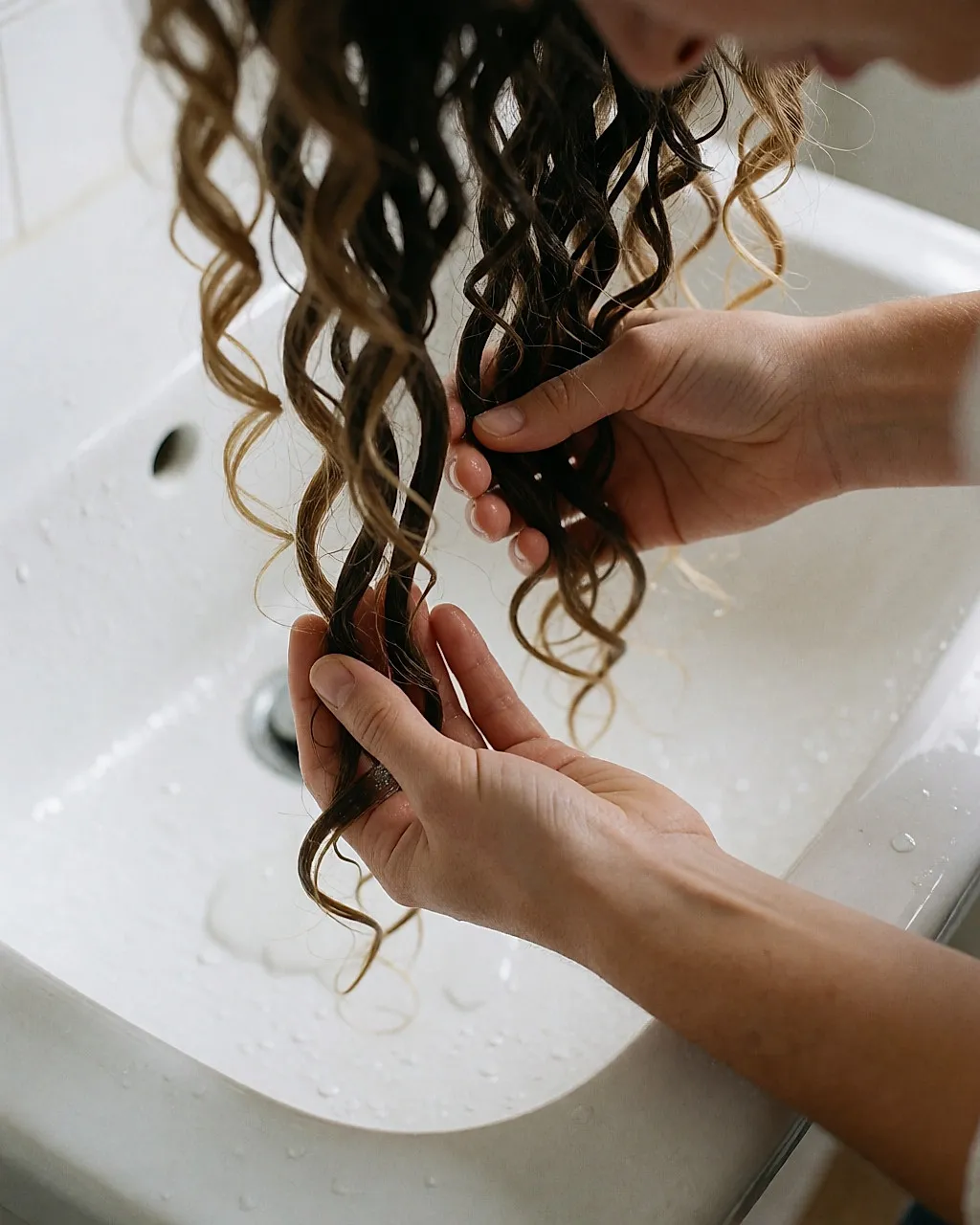
You can shampoo twice in a row: the first quickly, to lift dust and other impurities, and the second left on for a few minutes.
Then rinse thoroughly to avoid any shampoo residue weighing hair down, squeeze out the excess and only then apply your after-shampoo mask.
For the mask, the choice is yours — the best way to find one that suits your hair is to try a few. That said, here are some examples: Garnier Ultra-Doux with avocado oil and shea butter (sold as Ultimate Blends in the UK), Schwarzkopf's Oleo Nutrition argan after-shampoo treatment if you can find it, and DOP's nourishing shea care cream.

While the mask works, you can wrap your hair in a warm towel; then, once the leave-on time is up, rinse preferably with cool or lukewarm water to, so the story goes, smooth the cuticle and make hair shinier.
Now is the time to detangle: do the brushing while the conditioner is on or after rinsing, but it's best to avoid brushing dry hair, unless you want a halo of volume.
Then wrap your hair in a towel to blot it, or gently press the mid-lengths and ends in the towel to remove excess water.
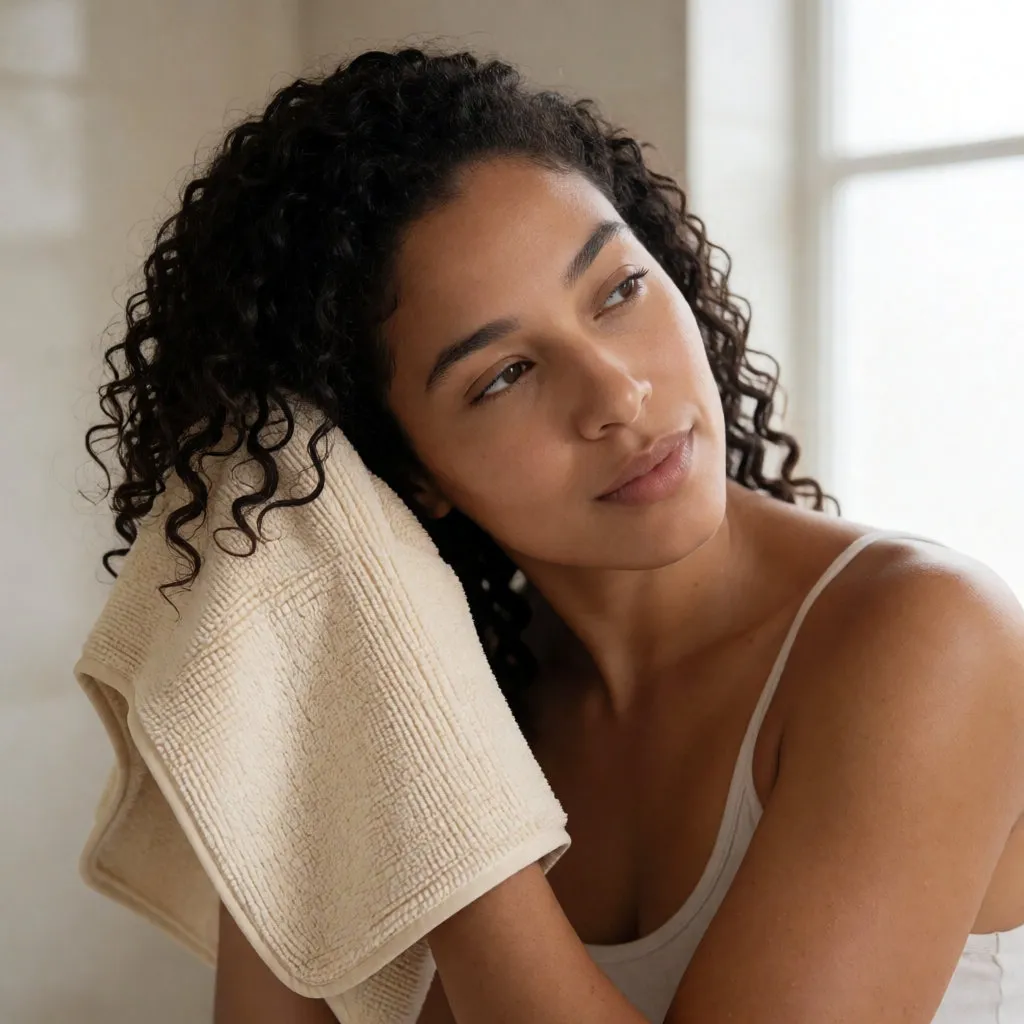
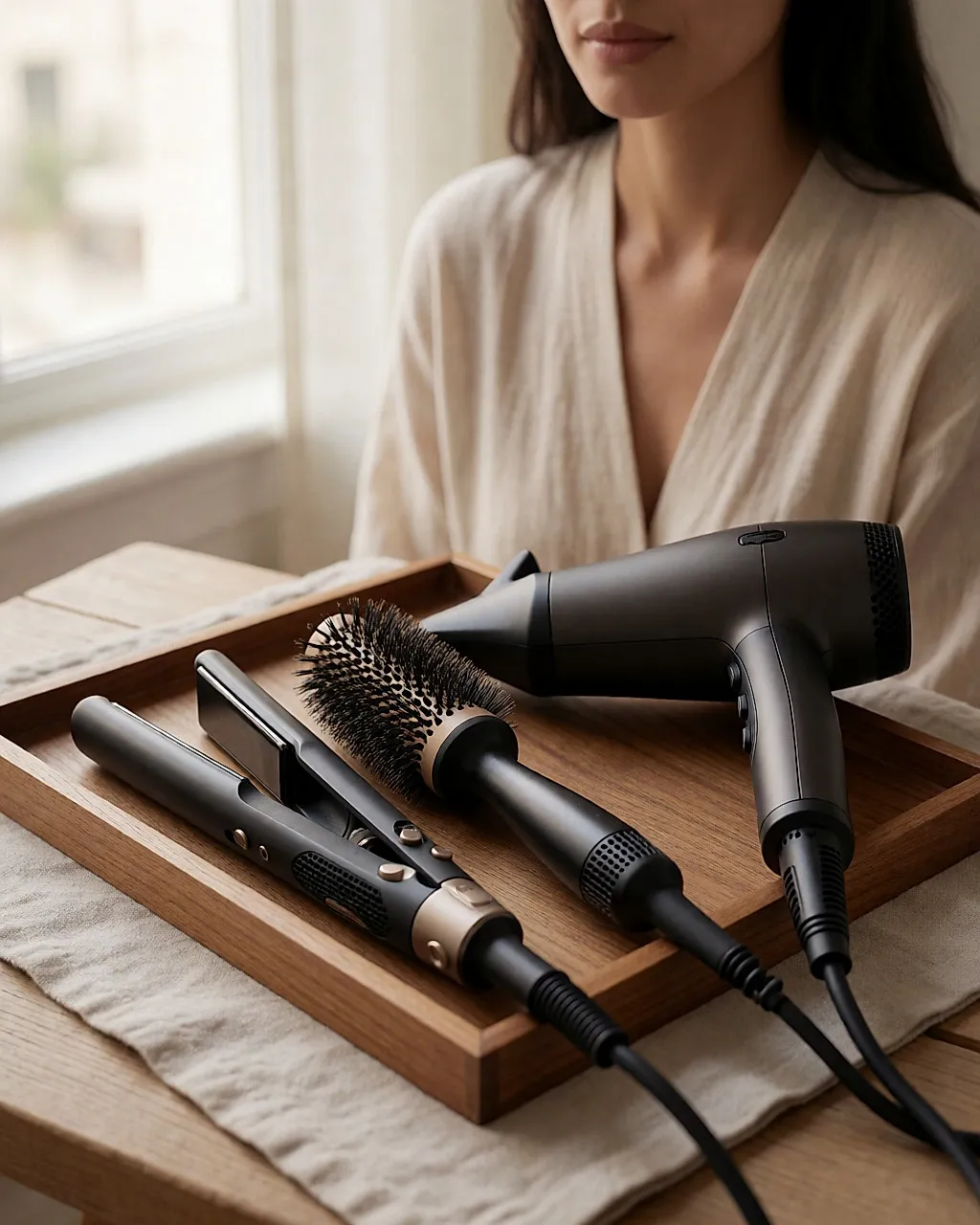
For drying, air-drying is ideal: a standard hairdryer without a diffuser can break up curls, so a diffuser on a low heat setting is often preferred. Then it's time to apply your mousse or leave-in serum. With your fingers, you can scrunch lightly, or apply section by section, twisting each around a finger — these products can help create shiny, defined curls, a welcome helping hand if you find the right product, which, again, shouldn't weigh hair down.
Products to look at include Got2b Boucle-là curl mousse, John Frieda Frizz-Ease Dream Curls mousse, or Garnier Ultra-Doux Nutrition Intense care cream (again, check the UK name and stock).
Once your hair is dry, it may already look softer and more manageable than usual. You can then add a few bursts of hairspray to hold the curls — but above all, avoid products that leave a crisp or greasy finish: choose a fine, light hairspray such as Leonor Greyl Laque Souple or L'Oréal Elnett, or even a product made for curly hair.
Now they're styled, absolutely no brushing. If you need to put curls back in place or remove knots, use your fingers to stop them puffing up, or a very wide-tooth comb made for curly hair, ideally wooden, as wood is reputed to be gentler on hair.
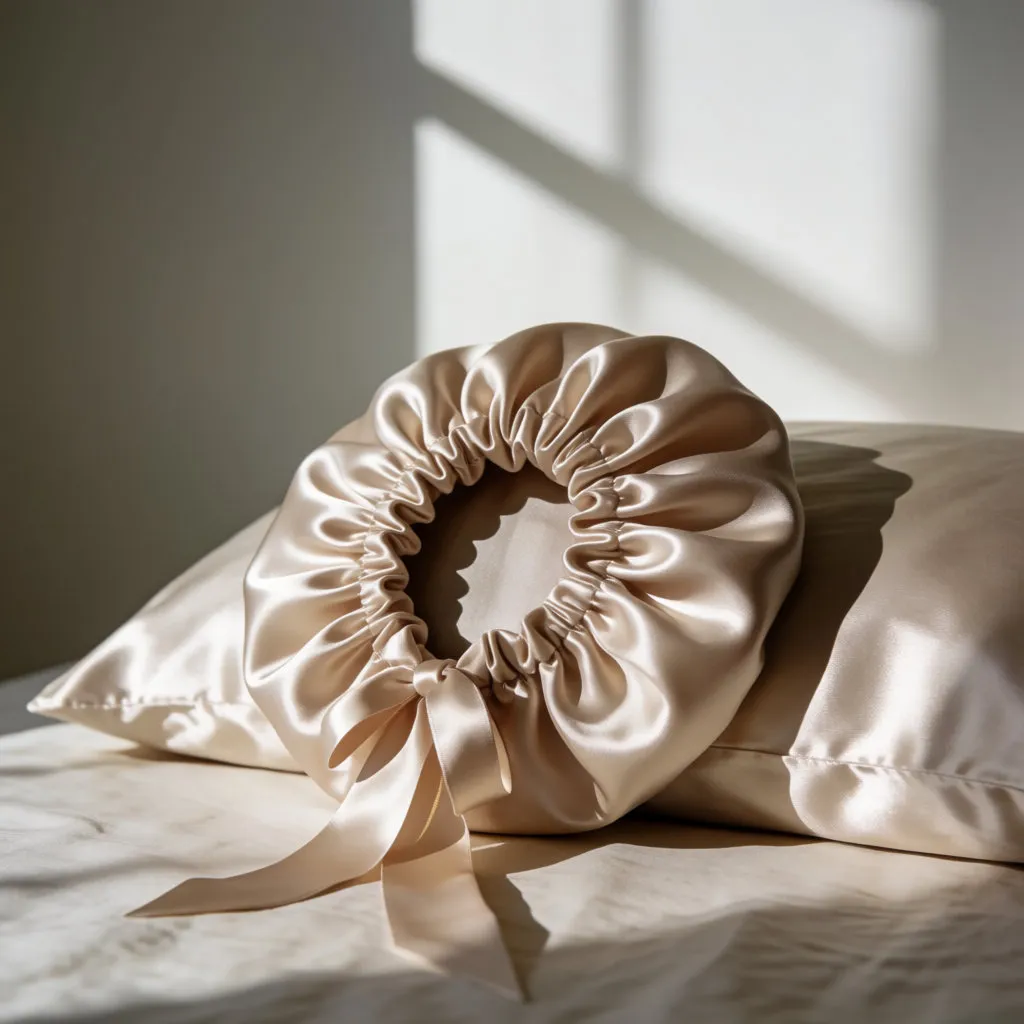
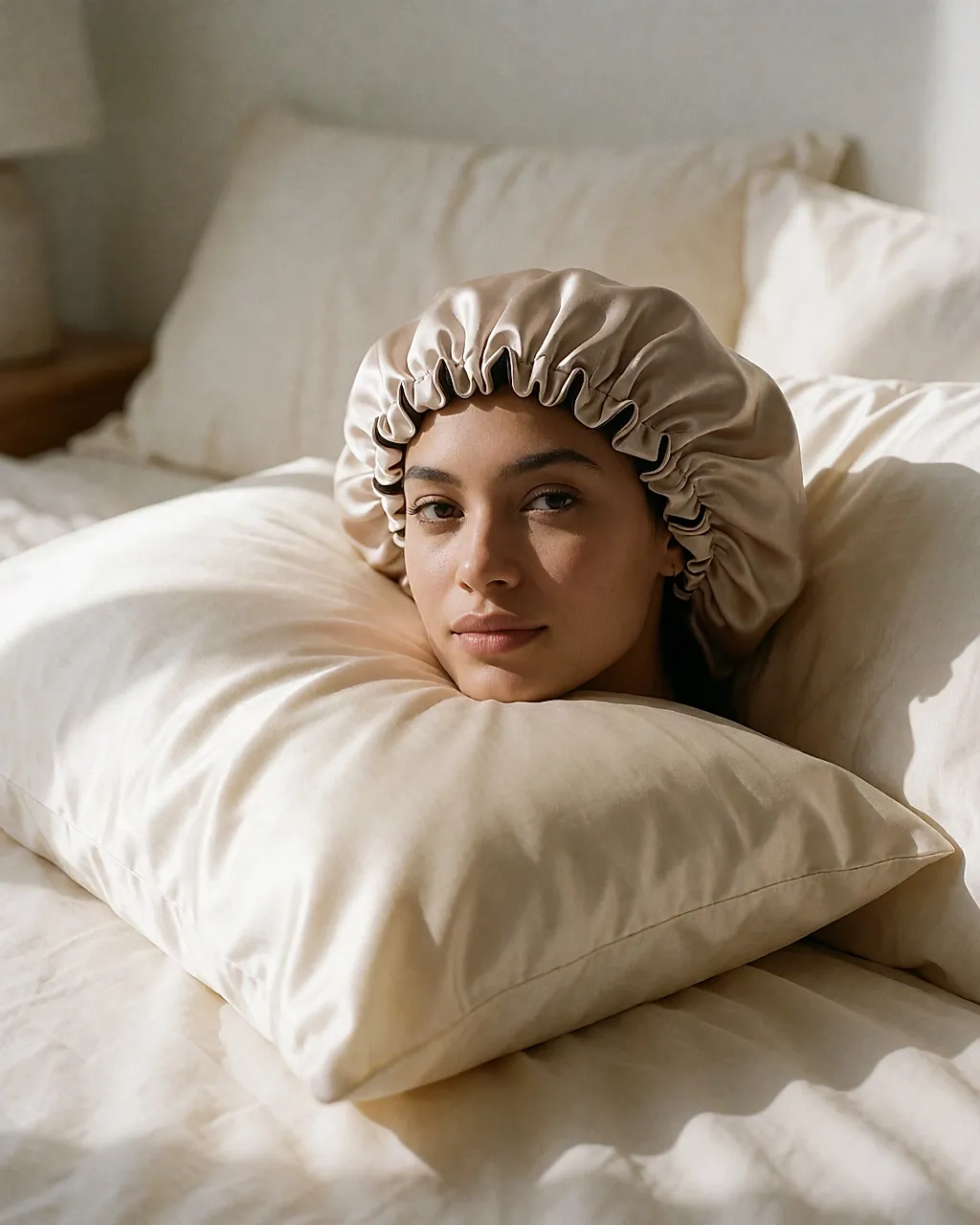
Before bed, tie your hair up — in a loose plait, with a silk scarf for shine, or in a crown on top of your head, whatever suits you. This can help limit volume or crushed curls in the morning caused by moving around on the pillow at night.
In the morning, to style it: head upside down, use your fingers to detangle, and maybe a touch of serum through the mid-lengths and ends, scrunching as you go.
Finally, for a really polished look and if you have time, you can also try heated rollers, used according to the manufacturer's instructions (on dry hair), after applying two pea-sized amounts of curly-hair serum through the mid-lengths and ends. Leave them in for the stated time, then unroll gently for neat curls.
What it costs
You don't need to spend a fortune to look after your curls. A gentle curly-hair shampoo usually costs around £6–£15 in supermarkets, chemists and health-and-beauty retailers, and can easily go above £25 in a salon. A plant oil — argan, jojoba or coconut — costs around £8–£20 a bottle, depending on quality and size. Expect to pay around £7–£20 for a good after-shampoo mask, and a similar range for a mousse, gel or leave-in cream. A fine hairspray is usually around £8–£20. Finally, a cut suited to curls, with a stylist who understands long layers, costs around £40–£90 depending on the city and salon. Prices vary, so it's worth shopping around.



Comments
Your opinion matters: rate the article, react and reply to comments.
Comments are moderated; AI-assisted comments are flagged. Text emoticons (8-), :-), <3…) are automatically shown as images.