

If the aim is primarily to lighten your plate, cut back on fatty, sugary and ultra-processed foods and get back into regular habits while giving your digestive system a rest, a detox reset can also lead to temporary weight loss, mainly water and digestive contents, with no lasting effect on body fat. It is not, however, a draconian diet or a long-term way of eating. Think of it more as a breather for your body so you can start again on a better footing.
So a detox reset is a few days of changing your rhythm, not a way to melt away the kilos. The weight lost quickly is mostly water and digestive contents — and it often returns as quickly as it went. In practice, it can last a few days, depending on the person and the goal. Once the reset is over, you don't go straight back to all the usual waistline enemies you know so well. The end of the reset is exactly the moment to build good eating habits you'll keep day to day to stay well and look after your body.

A word of caution, though: a reset is not for everyone. If you are pregnant or breastfeeding, have diabetes, an eating disorder or are on long-term medication, speak to your GP or another healthcare professional before you consider anything. This isn't just a polite formula; it's basic prevention.

Fast food, pastries, alcohol, smoking… when times are hard, it's easy to let all our good health resolutions slide and compensate as best we can with those 'little treats' that, deep down, aren't all good for us. Our body may remind us, too: a dull complexion, tired-looking skin, low mood, lack of energy, heaviness or a bloated stomach… These can all be signs that our lifestyle is taking its toll and that it's time to take ourselves in hand. So how do you do a reset well, which foods should you favour or avoid, and what small boosts can help you stay on track? Let's take a closer look at the detox reset.
The detox reset
You've started your reset: first thing, and you probably guessed it, clear the cupboards of sweets of all kinds and ready meals that are too sugary, salty or fatty, avoid fast-food chains, and invest in plenty of fruit and vegetables. That's the first step.
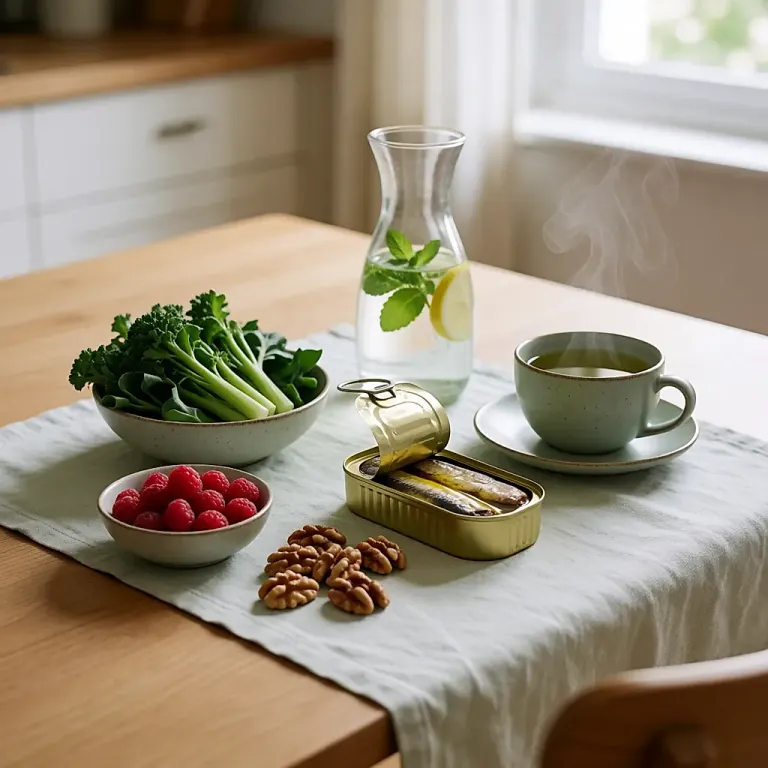
To fruit and vegetables, add protein: don't skip these allies of muscle mass, which also help you feel fuller for longer and can help avoid cravings that derail you. But choose your proteins carefully, preferably lean — white meat, lean red meat, fish, shellfish, plant proteins, low-fat yoghurt…
Choosing good proteins also means preparing them well: a piece of chicken breast is fine, but avoid frying it in a pan; steam it or cook it in a parcel instead.
With that, your plate should include a small portion of carbohydrates, preferably wholegrain and kept to a sensible amount. Brown rice, spelt, millet, bulgur… vary your choices and nutrients, and cook them in water. To keep your bearings, use a simple plate model: half vegetables, a quarter protein and a quarter wholegrain starchy carbohydrates. It's a practical reference, and its real strength is that it can last — not just for a week.
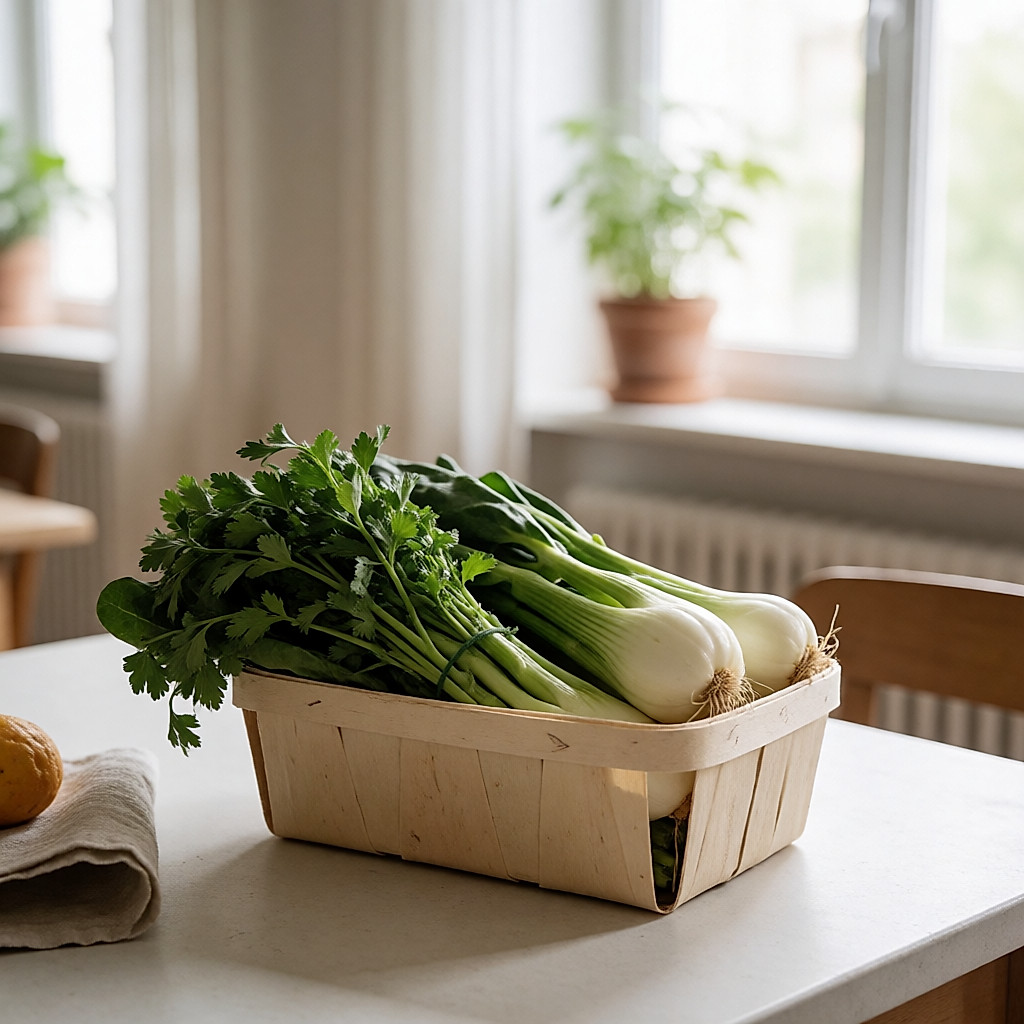
Think about preparing your vegetables in advance, so you always have one or two portions ready to reheat and don't cave in, once you get home tired and hungry, for a dish that's too heavy or a badly chosen snack. Vegetables, too, can be cooked in water or steamed, and why not occasionally opt for a broth where you leave the vegetables in pieces, more filling than blended? You can make enough for two or three meals. Think about fresh herbs, too: they keep very well in a glass of water in the fridge and delicately flavour your dishes.
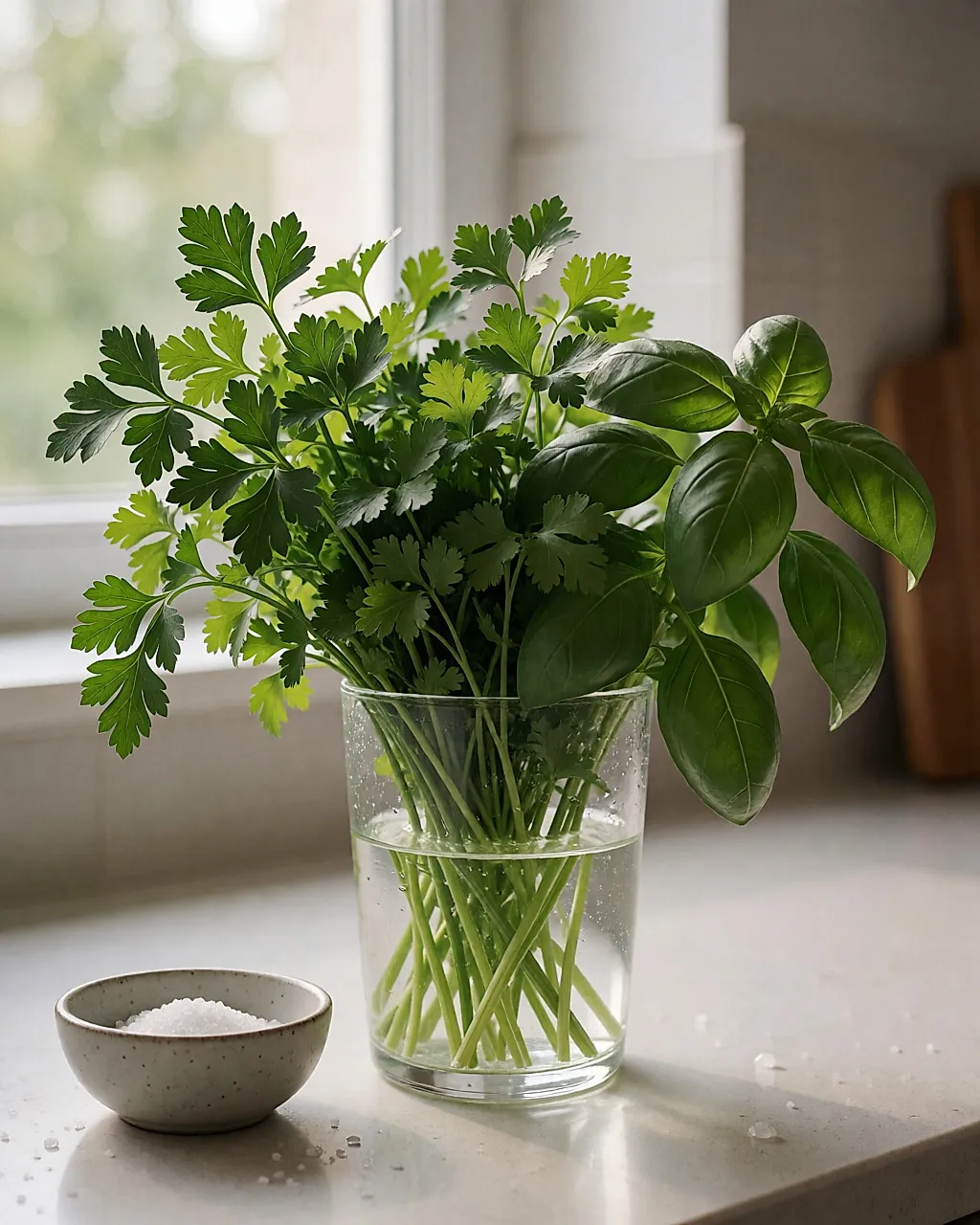
Meals, in fact, are not especially large; the idea is to let the stomach rest and find its rhythm again. But to avoid cravings, allow yourself a snack during the day if you need one, between meals.
Be careful: a snack doesn't mean sugar or fat. Again, choose your snack carefully. A handful of nuts, varied — almonds, for example, can help take the edge off hunger, and walnuts, hazelnuts or cashews work very well too. And if you're still hungry, have one or two pieces of fruit of your choice, or a cup of tea.
Alongside that, to make your reset work, set aside refined sugars — cakes, fizzy drinks, processed foods — and limit saturated and processed fats.
Don't forget to drink enough water. The famous 1.5 litres a day is criticised by some and championed by others, so it's hard to know what to think. In practice, drinking water regularly, in small sips throughout the day, is a sensible habit for most people, especially during a reset: it helps your body stay hydrated.
A few tips to get the most from your reset
To start, choose your timing carefully. A dip in energy or sensitive digestion can mark your first few days of a reset: it's the change in diet, and especially your digestive system, doing its work. So choose a period when you don't have too much on — a weekend or a few quieter days.

Next, to get the most from the reset, move! Ideally, exercise in small doses but every day: a daily walk, at your own pace and according to your abilities, is excellent for the body. That said, two aqua aerobics sessions a week, a bike ride here, a step class there… all activities that can help you regain energy and feel well.
Sleep matters too. Lack of sleep can weigh on your mood and make you more likely to eat more, and it can undermine your good intentions and energy.
Whether you're choosing vegetables, fruit, proteins or carbohydrates, vary them. That's one of the best ways to avoid monotony and cravings for sugar and fat. Finally, try to eat at regular times to help regulate your appetite and digestive system, and don't skip meals: it can throw things out of balance and make you reach for sweets straight afterwards.
And after the reset?
You've followed your reset for a few days now: some people report a feeling of lightness or a less bloated stomach, but these experiences vary and are not guaranteed. In principle, you now have the motivation to keep up good habits while reintroducing certain foods.
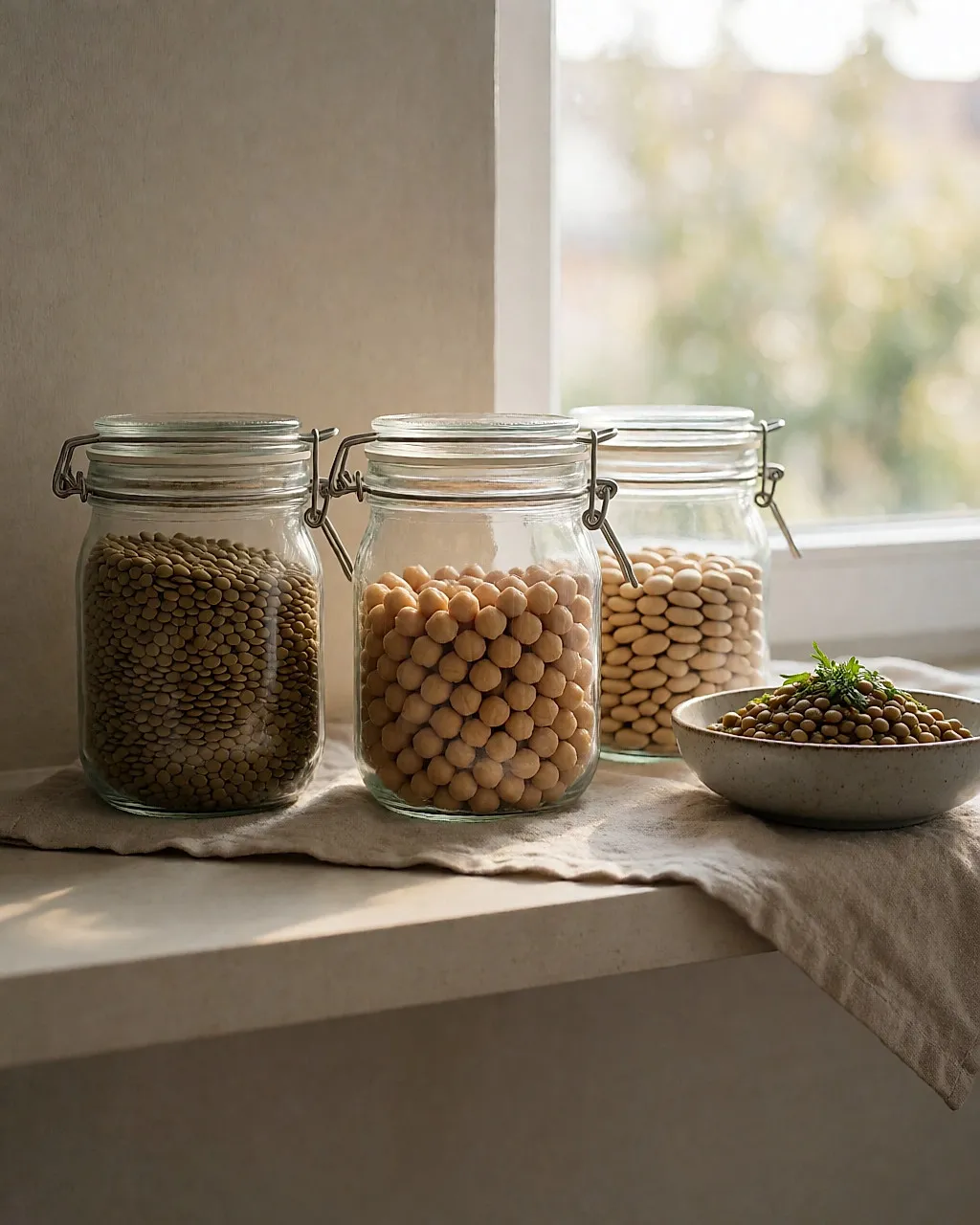
This is the time to increase the starchy carbohydrate portion on your plate a little, while continuing to eat plenty of fruit and vegetables. Also make room for pulses: lentils, chickpeas, dried beans… They are packed with vitamins and minerals, very filling, and can be added to salads, soups or a portion of wholegrains.
As for your other new habits, they're excellent: lean proteins by preference, but alternating with a good piece of red meat now and then if you fancy it. Avoid ready meals, processed fats and sugars: that way you know exactly what's on your plate, and you avoid unnecessary additives designed to give food flavour or texture.
If you're hungry between meals, choose fresh or dried fruit, or even a slice of wholegrain bread and a cup of tea.
Finally, allow yourself a small treat now and then: a couple of biscuits can fit into a balanced pattern. It's when they're followed by the whole packet, or by fatty or sugary foods and dishes, that the trouble starts.
Budget
You don't need to spend more for a successful reset: don't buy 'detox' powders or supplements, which mainly inflate the bill without adding anything more than a balanced plate. For groceries, budget around £30–£50 per person per week when you focus on seasonal fruit and vegetables — a little more if you add quality nuts (almonds, walnuts), which are best bought in small quantities. Daily walking costs nothing; an aqua aerobics class or pool session is usually £8–£20 depending on the facility and pass.
Sources
- Regulation (EC) No 1924/2006 on nutrition and health claims, as retained in UK law, and EFSA assessments: 'detox' claims are not among those authorised in the UK or Europe.
- NHS advice on hydration and balanced eating.
Food supplements do not replace a varied, balanced diet and a healthy lifestyle.

Comments
Your opinion matters: rate the article, react and reply to comments.
Comments are moderated; AI-assisted comments are flagged. Text emoticons (8-), :-), <3…) are automatically shown as images.