

Until relatively recently, a baby's name in France had to be chosen from the calendar of saints — parents could not simply let their imagination run wild. Thankfully, French law has changed, allowing much greater freedom. The result is a host of 'new' names with varied, often international, sounds — and genuine pleasure in naming your little one. If you're looking for inspiration, here is a small selection of names currently in favour, for girls and boys, French and foreign, old and new.
But what really appeals, beyond first impressions? To measure that, we can turn to the data: Insee, France's national statistics agency, publishes an annual baby names dataset. It lists names given in France and makes it possible to track trends over more than a century. That's a useful basis for distinguishing a genuine surge from a simple hunch.

Girls
Emma has enjoyed enormous success in recent years: almost non-existent in France from the 1940s to the 1970s, it took off around 2000. Lucky little Emmas: the name is of Germanic origin and is often associated with the idea of the universal.
Inès is thought to be derived from Agnes, which is said to mean 'pure' in Greek. Inès remained rare before the 1980s, then its spread accelerated from the mid-1980s. Short and poetic, it is particularly popular with mothers.
Clara also saw a significant popularity peak, a surge that began around 1987 and has not stopped since. Clara is thought to derive from Claire, itself from the Latin clarus, meaning clear. A bright and romantic name, Clara is likely to continue appearing in good numbers in the years ahead.
Sophia was revived from the 1970s, although it has seen a slight decline since 2003. It remains particularly popular for little girls. Sophia comes from the same Greek word meaning wisdom. Strength and intelligence, then, for this name with character.
Yasmine was completely absent in France until the 1970s, but has enjoyed steady success since around the 1990s. It is thought to come from the Persian Yasimin, meaning jasmine. Floral and poetic.
Chloé was also absent in France until the 1970s, but has found success in France and is especially popular with 21st-century parents. Chloé comes from the ancient Greek Khloē, evoking a young shoot or greenery.
Sarah, a delicate and majestic name, comes from the Hebrew sarey, meaning princess. Sarah, wife of Abraham, was born Sarai, 'my princess', and became Sarah, 'princess'. The name was rarely given until the 1970s and has seen success in recent years, naming many little girls.
Anaïs: a few were recorded around 1900, then a gap in the 1930s. It was only at the end of the 1970s that Anaïs became fashionable again, particularly in the 1990s. Anaïs is thought to come from the Hebrew hannah, meaning grace.
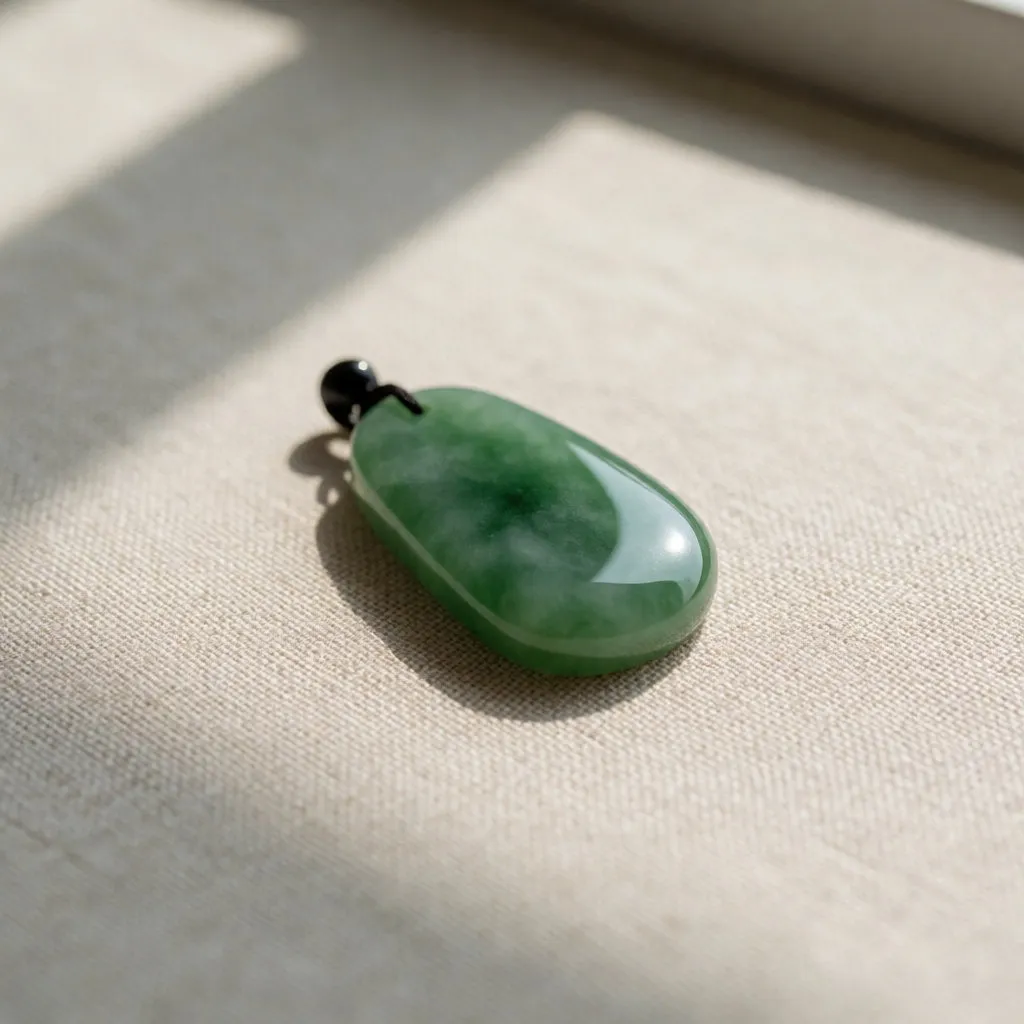
Jade was completely absent in France until the 1970s and took off around the 1990s. Jade is a semi-precious green stone used in some jewellery and decorative objects, especially worked in China, where it is a symbol of power and strength.
Boys
Hugo was rarely given until the 1970s: it was only around 1990 that large numbers of boys were named Hugo. Hugo is thought to come from the Germanic hug, meaning intelligence.
Thomas, rather classic, has a long history: it enjoyed significant success from the 1970s to the 2000s, before declining. In 2000, several thousand babies were named Thomas. Thomas is thought to come from the Aramaic te'oma/toma, meaning twin (Hebrew ta'om).
Enzo remained rare in France until the 1980s–1990s, then enjoyed a popularity peak in the 2000s and continues to name boys. The name has distinctly Italian sounds, as it is thought to have originated as a diminutive of Lorenzo.
Mathis is thought to come from the Hebrew Matityahu, 'gift of God'. Again, Mathis is one of those 'new' names: almost absent until the early 1990s, it became well known around the early 2000s. It is worth noting that it is now mainly given to boys.
Nathan comes from the Hebrew natan, 'he gave'. Nathan is another name whose popularity increased in the 1990s and took off in the 2000s.
Mathéo was absent in France until the late 1980s and has enjoyed incredible success: within ten years, it named thousands of little boys. The origin of Mathéo is rather unclear: it has been linked to the family of Mathis or Mathieu, of Hebrew origin.
Maxime has its origins in Latin, where it is said to mean 'the greatest' — no less. A golden destiny for Maxime? Perhaps. In any case, the name was very common at the end of the 20th century; its frequency has since declined.
Valentin, like Maxime, is a name already known to our ancestors. It saw a general surge in the late 1990s, before being chosen in large numbers for boys in the 2000s. Valentin is thought to come from the Latin valens, meaning valiant.
Yanis is often considered a variant of Yannis, the Greek form of John; an Arabic origin is sometimes mentioned, by association with Anis. Unknown in France until the late 1960s, its popularity increased in the 1990s. Particularly popular today, it is likely to continue naming boys to come.
It happens that a name doesn't stick — you change your mind, or the child grows up with a name that doesn't suit them. Until recently, such a change in France had to go through the courts, and these requests remained rare. So nothing is definitive — and that is rather reassuring.

We'd love to hear your own favourites, the names you love, and any knowledge you have about their origins and meanings. It might help other parents-to-be choose a name that fits their taste.
Budget
Choosing a name costs nothing. If you like to browse before deciding, expect to pay around £10–£20 for a baby name book from a bookshop, a little more for an illustrated or hardback edition. Websites and apps for name searching are usually free; just check how up to date the rankings are, as they often draw on Insee data.
Sources
- Insee, baby names dataset — record of names given in France since 1900 (insee.fr).
- Service-public.fr, 'Changement de prénom' (changing a first name) fact sheet.

Comments
Your opinion matters: rate the article, react and reply to comments.
Comments are moderated; AI-assisted comments are flagged. Text emoticons (8-), :-), <3…) are automatically shown as images.