
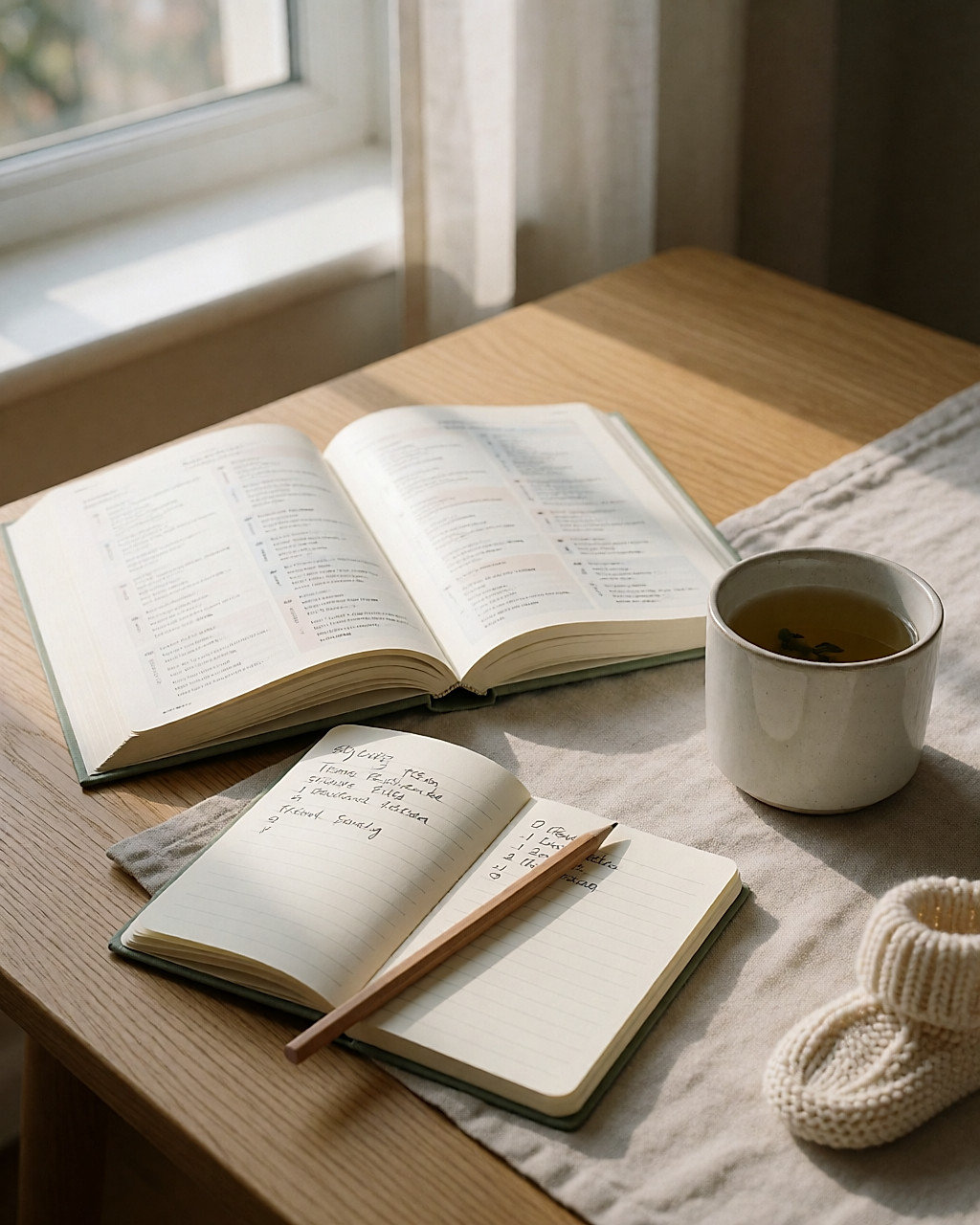
Baby names to watch in 2026
A class list pinned to the school gate on the first morning of term, and the pattern is clear: three Amelias in one row, two Olivers at the back, a Noah raising his hand before the teacher has finished calling the register. The children starting school this year have names that are easy to spot — short, musical, often ending in an 'a' for girls and an 'o' for boys. Where does this trend come from, and what does it say about how we name our children today? Let's rewind.
Short, distinctive, easy to pronounce
The unspoken rule for expectant parents still comes down to one idea: a name that stands out without making anyone repeat it three times at nursery. The big classics passed down through generations have slipped back, replaced by short sounds and sing-song endings. Parents happily borrow from ancient roots — Celtic, Greek, Hebrew — and revive names that the previous generation thought dated. What goes around comes around. TV, film and social media do the rest: a name heard in a drama can turn up in playgrounds within months, carried by a beloved heroine.

In reality, name trends move slowly. The Office for National Statistics (ONS) publishes annual baby name data for England and Wales, covering births from previous years. What is rising now will only really show up in classrooms in a few years. No need to panic, but plenty to watch. And there is something reassuring in that: you don't choose a baby name the way you choose a nail varnish colour.
Girls: the 'a' wave
Olivia remains one of the most popular names in the UK. Its Latin root suggests the olive tree. Amelia, from a Germanic root meaning 'industrious', is close behind. Their brevity, softness and ease of pronunciation in several languages explain much of their success — a name that travels well is no small thing in families spread across the world.
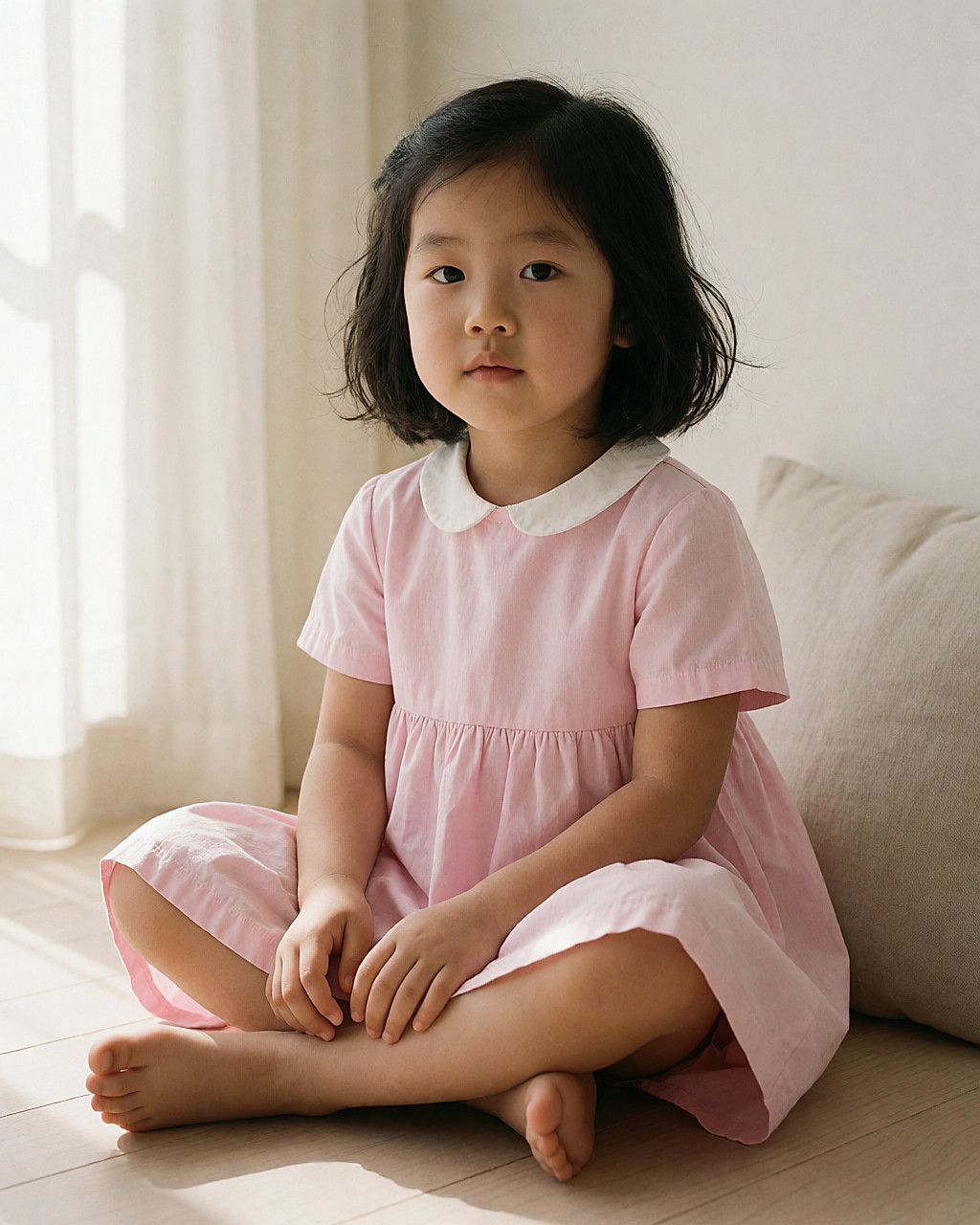
Behind them, established names like Isla, Ava, Ivy, Freya, Lily, Florence, Mia and Willow continue to be given. Isla is a Scottish name, from the River Isla or the island of Islay; Ava may come from the Germanic Ava or the Latin avis, meaning bird; Ivy is the evergreen plant; Freya is the Norse goddess of love and beauty; Lily is the flower; Florence comes from the Latin Florentia, meaning flourishing; Mia is a short form of Maria; Willow is the tree. The final 'a' returns everywhere, and short names remain a reflex — short, sweet, easy to write on a coat peg label.
Alongside these reliable choices, others are rising: Poppy, Daisy, Rosie, Evie, Elsie, Ada, Mabel, Nancy. Poppy, Daisy and Rosie are floral; Evie is a short form of Eve; Elsie is a Scottish diminutive of Elizabeth; Ada means noble; Mabel means lovable; Nancy is a medieval diminutive of Anne. Nature names like Willow, Ivy, Lily, Poppy and Daisy are thriving. Gender-neutral names such as Charlie, Riley, Blake, Alex and Rowan are increasingly common. We like the idea that a name doesn't box a child in from the start.
Boys: the rule of 'o'
For boys, the logic is the same: step off the beaten track without making life difficult. Noah, Oliver and George remain at the top, while Leo, Luca, Theo and Arlo bring that bright 'o' ending. Short names with a strong sound dominate, and they are easy for the ear to hold on to — which must help teachers.
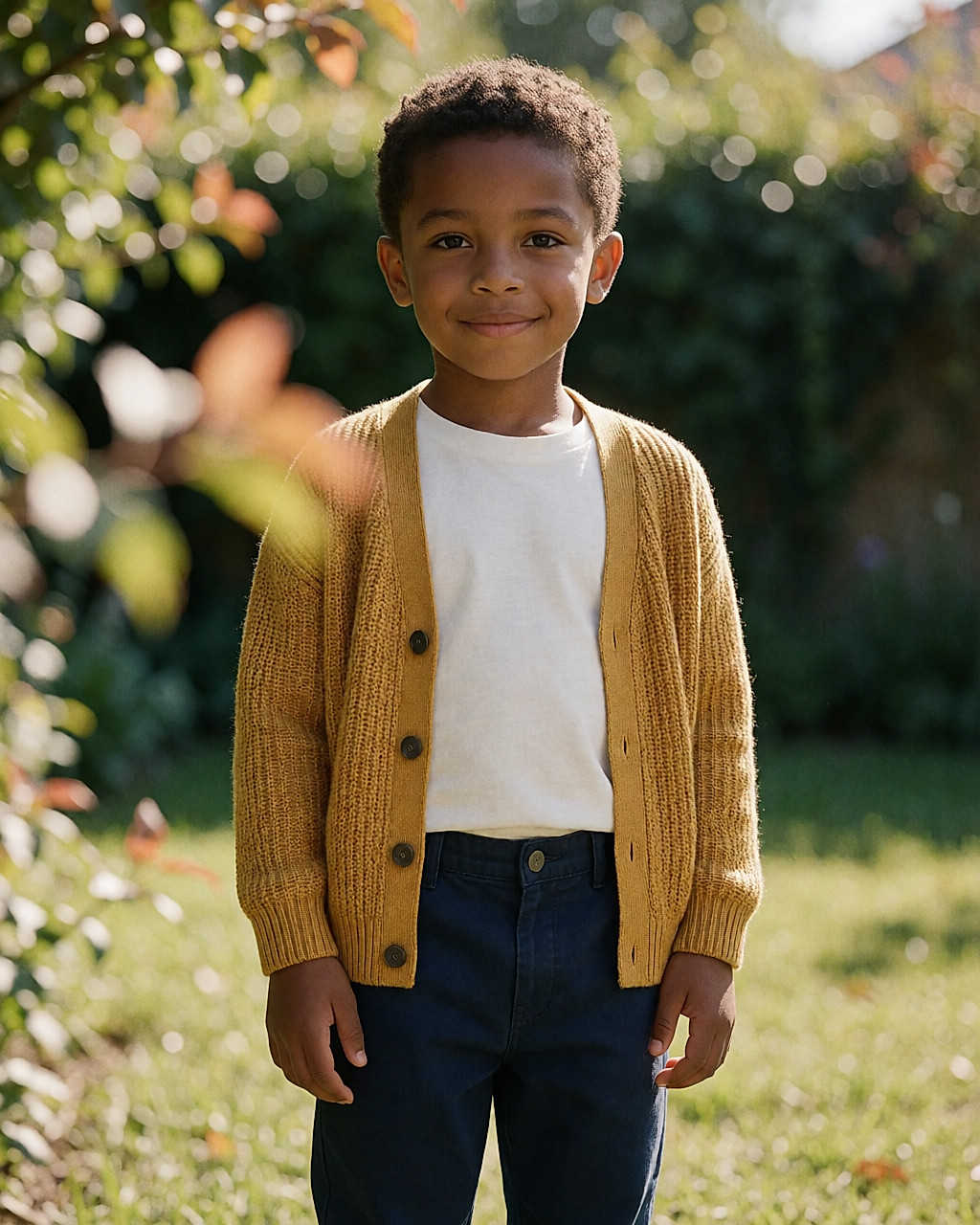
Noah, Oliver, George, Leo, Arthur, Oscar, Harry, Jack, Henry and Luca are among the most given. Oliver comes from the Latin oliva, olive tree; George from the Greek georgos, farmer; Leo is Latin for lion; Arthur is a Celtic name, possibly meaning bear; Oscar is from the Old English Osgar, god spear; Harry is a diminutive of Henry; Jack is a diminutive of John; Henry means home ruler; Luca is Italian for Luke, from the Latin lux, light. Many have been in families for generations, but their short forms have brought them back. Long compound names are becoming rarer: fewer John-Pauls or Mary-Charlottes, and more clean, simple forms that are easy to write on a school bag — and to shout in the park.
The new development is the return of heritage names that sounded old-fashioned a generation ago — Albert, Alfred, Ernest, Wilfred, Arthur. Meanwhile, the '-o' family shows no sign of fading: Leo, Milo, Theo, Arlo, Hugo. And soft endings hold their own, with Noah, Oscar and Luca. In other words, we want character without complication: a name with substance that sticks.
Choosing a name also involves paperwork. In the UK, you can choose any name you like, as long as it is not offensive or misleading. You must register the birth within 42 days in England, Wales and Northern Ireland (21 days in Scotland). The registration is free. You can change a child's name by deed poll, but you normally need consent from everyone with parental responsibility. A young person over 16 can change their own name. Rules vary across the UK, so check GOV.UK or your local register office. A name change is not automatic — you need to fill in the forms, and you may want legal advice if the situation is complex.
A generation, a mirror
Reading the names given today is reading an era. Parents are looking for a precise balance: original enough not to blend in, classic enough not to weigh the child down. A formula that seems to work, judging by school lists, where you still sometimes see the same name more than once. The nuance is fine: a rare name but a wearable one, distinctive without being a circus act.
This trend also tells the story of the end of names imposed by family tradition: people choose less to perpetuate an ancestor and more to offer a distinct identity, a sound they love. The name becomes a small aesthetic and emotional project, between head and heart — and it is not unusual for both parents to defend their list like a holiday destination.
That said, a name is neither a diagnosis nor a guarantee. It is a label, and it accompanies a whole life. If you are expecting a child and still hesitating, one simple piece of advice: say it out loud, with the full surname, imagining the playground. A name that passes those tests has a good chance of ageing well — and trends turn, anyway.
Budget
You can't buy a name, but you can buy the tools to choose one. Annual baby-name guides typically cost around £10 to £20 in bookshops, depending on format (paperback, hardback, illustrated) and edition. You can find them in bookshops, larger supermarkets, libraries for free reference, and as ebooks online; second-hand copies bring the cost down. They are reference tools, not tested favourites page by page — Lena says frankly that she hasn't scrutinised every page.
Baby-name apps and websites are often free, with premium plans costing a few pounds a month. Try before you pay: their databases are usually thinner than the ONS baby names data, which is public and free — and the gold standard, too.
On the admin side, good news: registering a birth is free, within 42 days of the birth in England, Wales and Northern Ireland (21 days in Scotland). Changing a name is also free if you do it yourself by deed poll, though you may want legal advice for complex cases. For a child, parents usually need consent from everyone with parental responsibility. A young person over 16 can change their own name. A solicitor isn't mandatory, but if you choose to use one, expect a few hundred pounds in fees depending on complexity. Legal aid does not usually cover this, but you can check whether you qualify for help if the request is refused and you need to go to court.
Sources
- Office for National Statistics — Baby names in England and Wales, Newport.
- David Pickering — The Penguin Book of Baby Names, Penguin (annual).
- GOV.UK — Register a birth and Change your name by deed poll.
- National Records of Scotland — Registering a birth and Changing your name.
- nidirect — Registering a birth and Changing your name.


Comments
Your opinion matters: rate the article, react and reply to comments.
Comments are moderated; AI-assisted comments are flagged. Text emoticons (8-), :-), <3…) are automatically shown as images.