
You're halfway through a feed, everything's going fine, and then — a little curdled trickle of milk runs down your shoulder. Don't panic. That's the easy version. But when it happens after almost every feed, when you're reaching for a fresh muslin every time and your baby seems uncomfortable, worry creeps in fast. Intolerance? The wrong formula? Something more serious? There's all sorts of contradictory advice out there, and much of it is needless worry. So why is your baby bringing up milk, and how can you help them digest more comfortably?

A tummy learning on the job
Let's start at the beginning: a newborn's stomach isn't a well-oiled machine just yet. It's slowly getting going, and frankly, it's nowhere near as efficient as ours. So when your baby gulps down a bottle too eagerly, gets worked up, or is jiggled around soon after feeding, an over-full tummy pushes some partly digested milk back up — hence that curdled smell that clings to babygrows and muslins.
There's a mechanical side to it, too. The sphincter, the small muscle at the top of the stomach that's meant to keep food down, isn't fully up to speed in a newborn. In plain terms, the gate isn't watertight. When the stomach is overfull, liquid slips back up and your baby brings up milk. Nothing dramatic — but it's fair to say it can make life tricky for new mums. The good news: none of this has anything to do with a lack of appetite or a blanket intolerance.

Is it dangerous for my baby?
Most of the time, bringing up milk is harmless. That said, it's not a case of letting everything slide without keeping an eye on it, either. Growth is the best indicator: weigh your baby regularly, follow their curve in the red book, and if they keep putting on weight and growing at their own pace, they're feeding enough. Rarely, babies who bring up a great deal of milk can have their growth held back by not getting enough — something your paediatrician can assess.
Take comfort from the timeline, too: bringing up milk tends to stop on its own at around the first birthday. The weeks feel long when you're changing a muslin at every feed, of course, but it does settle by itself.
Do be careful, though, not to confuse bringing up milk with vomiting. Vomiting is a forceful, rapid expulsion of the stomach's contents, which can cause dehydration and may point to something more serious. If it comes with a fever, seek medical help immediately. And if your baby seems to be in pain when they bring up milk, or feeds are accompanied by crying, speak to your paediatrician without delay: they'll judge whether specific treatment is appropriate.
Small tweaks that make all the difference
In practice, a few simple adjustments are often worth more than a long list of recommendations. First, and perhaps most important: a calm, relaxed environment can help settle bottle time. Feed your baby in a quiet room, breathe, and relax.
Next, look at the teat. The flow needs to suit your baby: if the milk comes out too fast, they gulp down big mouthfuls and air, which encourages bringing up milk; if it comes out too slowly, they get worked up, put more effort into feeding and — it can't be said often enough — that's a recipe for more bringing-up. There are newborn teats with a flow designed for the first few weeks, and your pharmacist or health visitor can help you choose.
In practice, if your baby brings up milk often, avoid giving them too much in one go: a less full bottle, offered more frequently, often eases the stomach. And above all, don't give in to that common reflex of adding extra bottles because your baby is bringing up milk — overfeeding a newborn is hard on their stomach and can cause even more bringing-up. As long as your baby is growing well, they're getting enough.
After a feed, hold them upright for a little while, avoid lying them down straight away or sitting them in a reclined baby seat, and keep handling to a minimum during digestion. Also avoid second-hand smoke around your baby: some research suggests it may make bringing up milk more likely, though this isn't firmly established.

When should I seek advice?
As a rule, if the bringing-up becomes very frequent, if your baby cries at every feed, refuses to feed or shows a dip in their weight curve, it's time to speak to your paediatrician. They may, if needed, prescribe a suitable formula or treatment if they think it's worthwhile. What we've set out here is common-sense guidance and benchmarks — never medical advice. Your paediatrician remains your point of contact for anything to do with your baby's health.
When should I seek advice? If the bringing-up becomes very frequent, if your baby cries at every feed, refuses to feed, or if you notice a dip in their weight curve, speak to your paediatrician without delay. And if the bringing-up becomes forceful and comes with a fever, seek medical help immediately.
Budget
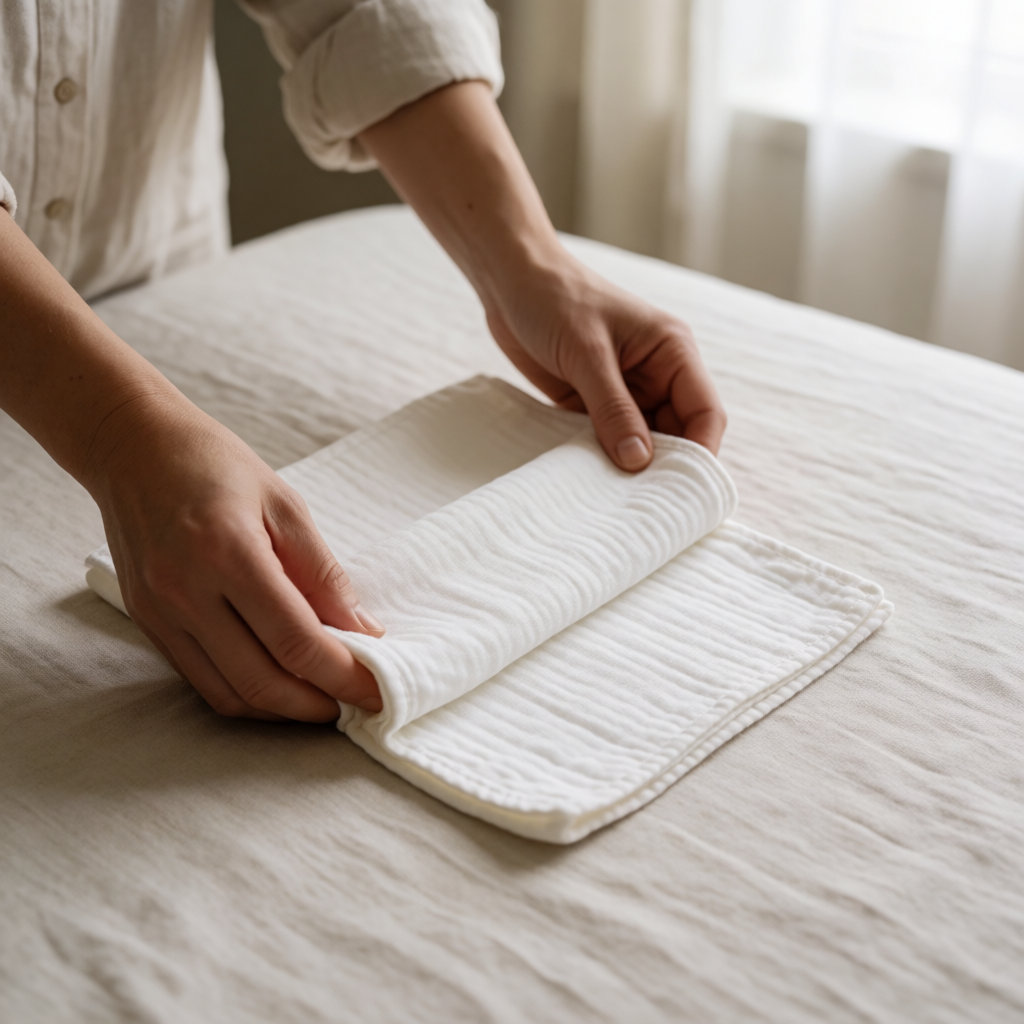
On the budget front, no nasty surprises: expect around £5 to £15 for a standard bottle, £3 to £7 for a teat and £10 to £25 for a pack of muslins. So-called "anti-colic" or vented bottles, which are more elaborate, tend to sit between £15 and £25. Remember to replace teats as soon as they show signs of wear: a small line in the baby budget, but one that matters for the right flow. Bottles and teats are available in supermarkets, pharmacies and online, with prices varying by brand and material.
Sources
- NHS — Reflux in babies, nhs.uk.
- National Institute for Health and Care Excellence (NICE) — Guidance on infant feeding and reflux, nice.org.uk.
- World Health Organization (WHO) — Breastfeeding recommendations, who.int.




Comments
Your opinion matters: rate the article, react and reply to comments.
Comments are moderated; AI-assisted comments are flagged. Text emoticons (8-), :-), <3…) are automatically shown as images.