

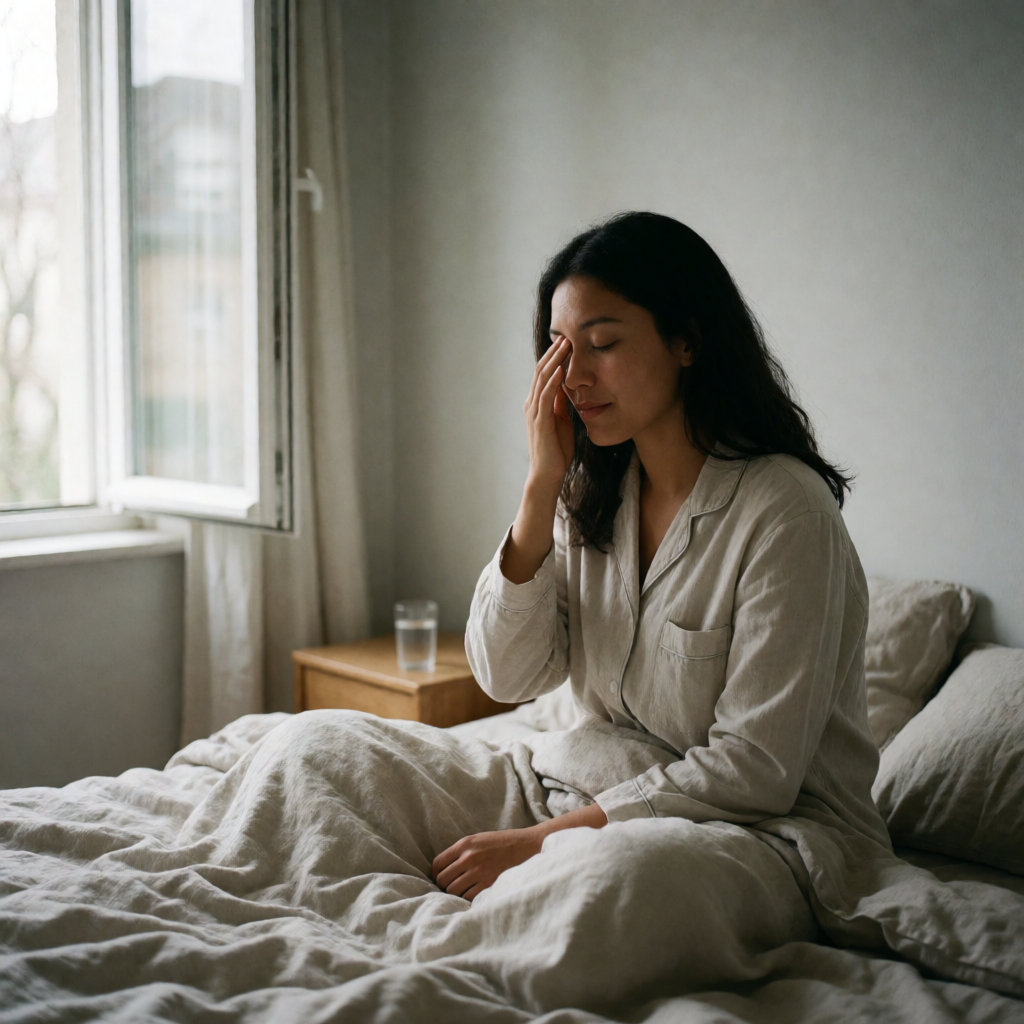
A runny nose as soon as you step outside, itchy eyes, sneezing fits: pollen allergies aren't just a spring thing, and some windy summers bring their own supply of tissues too. Honestly, the timing can feel cruel. As soon as pollen takes to the air, your body can react as if it's under attack — streaming eyes, a blocked nose, that feeling that your head is wrapped in cotton wool, and fatigue settling in behind it. There's nothing rare about it: current data suggests a significant proportion of the population lives with a pollen allergy. So you're not the only one sneezing on the Tube!
Some grains are finer than others and travel deeper into the airways. In someone already sensitive, they can trigger or worsen asthma. That's no reason to panic, but it is a good reason to speak to a healthcare professional — what we know, and what we don't yet know, is where good follow-up makes a difference.
Why spring, and not only spring
The most allergenic plants for many of us are grasses: hay, lawn grass, meadow grasses, weeds. Their flowering season is long, and their pollen travels far and in large quantities. That's why the season can stretch from spring into summer depending on the species — and why, even in high summer, windy days remain real misery for sensitive noses.
A pollen grain is a microscopic structure produced by male flowers, carried by wind or insects. A mild, windy spring pushes concentrations up, which explains those days when everyone seems to sneeze at once. In practice, the pollen calendar varies so much from region to region that it's better to learn your own than to rely on the month alone.

What to do when it starts
In practice, remember this: you don't get rid of an allergy, you manage it day to day.
Some medicines, such as antihistamines, nasal sprays or eye drops, ease symptoms for the season. A doctor or pharmacist can advise you: don't rummage at random in the family medicine cabinet, especially if you're already taking another treatment.

There is also a longer-term treatment: allergen immunotherapy, also called desensitisation. The idea? Gradually accustom your body to the allergen so it reacts less. Once usually given as injections, it's now often taken sublingually, with drops or tablets held under the tongue each day. It takes time — often several years — and consistency matters enormously. An allergy specialist will assess whether it's suitable for you, and will also monitor how it goes.
An allergy isn't treated like a cold. No medication should be started without medical advice, and treatments don't replace follow-up. If you experience breathing difficulty, wheezing or chest tightness, speak to a healthcare professional promptly.
Steps that limit exposure
Before any treatment, you can reduce what you breathe in.

Open windows early in the morning or late in the evening, when pollen levels are lower. During high-pollen periods and on windy days, avoid opening windows wide in the middle of the day. When you get home, a shower and a change of clothes stop you carrying pollen to your bed — a simple habit, but remarkably effective. Don't dry laundry outside: damp fabric easily catches grains. If you're mowing the lawn, wear a mask. And tobacco smoke remains an extra risk to the airways, allergy or not.
To spot high-risk days, check the Met Office pollen forecast, which is updated regularly. It's free, quick, and can often save you from planning a day out on the wrong day.
Budget
Costs vary widely depending on your situation, where you live and your care pathway.
- Antihistamines, nasal sprays and eye drops: from a few pounds to around £20 a pack from a pharmacy; whether you pay depends on prescriptions and any NHS charges that apply.
- Consultation with an allergy specialist: privately, around £150 to £250 or more depending on the clinic; an NHS referral may be possible through your GP.
- Allergen immunotherapy: cost depends on the allergen, the form and the length of treatment; discuss it with your doctor and check what your health insurance or the NHS covers.
- Air purifier: from around £100 to over £400 depending on room size. Effectiveness depends mainly on the HEPA filter and air changes, not the price tag.
These ranges vary by city, pharmacy or retailer. If in doubt, ask your pharmacist: they're often the first point of contact, and advice is free.
Sources
- Met Office pollen forecast, accessed in 2026.
- NHS — Allergies, accessed in 2026.
- Asthma + Lung UK — Allergies, accessed in 2026.
- World Health Organization (WHO), accessed in 2026.


Comments
Your opinion matters: rate the article, react and reply to comments.
Comments are moderated; AI-assisted comments are flagged. Text emoticons (8-), :-), <3…) are automatically shown as images.