
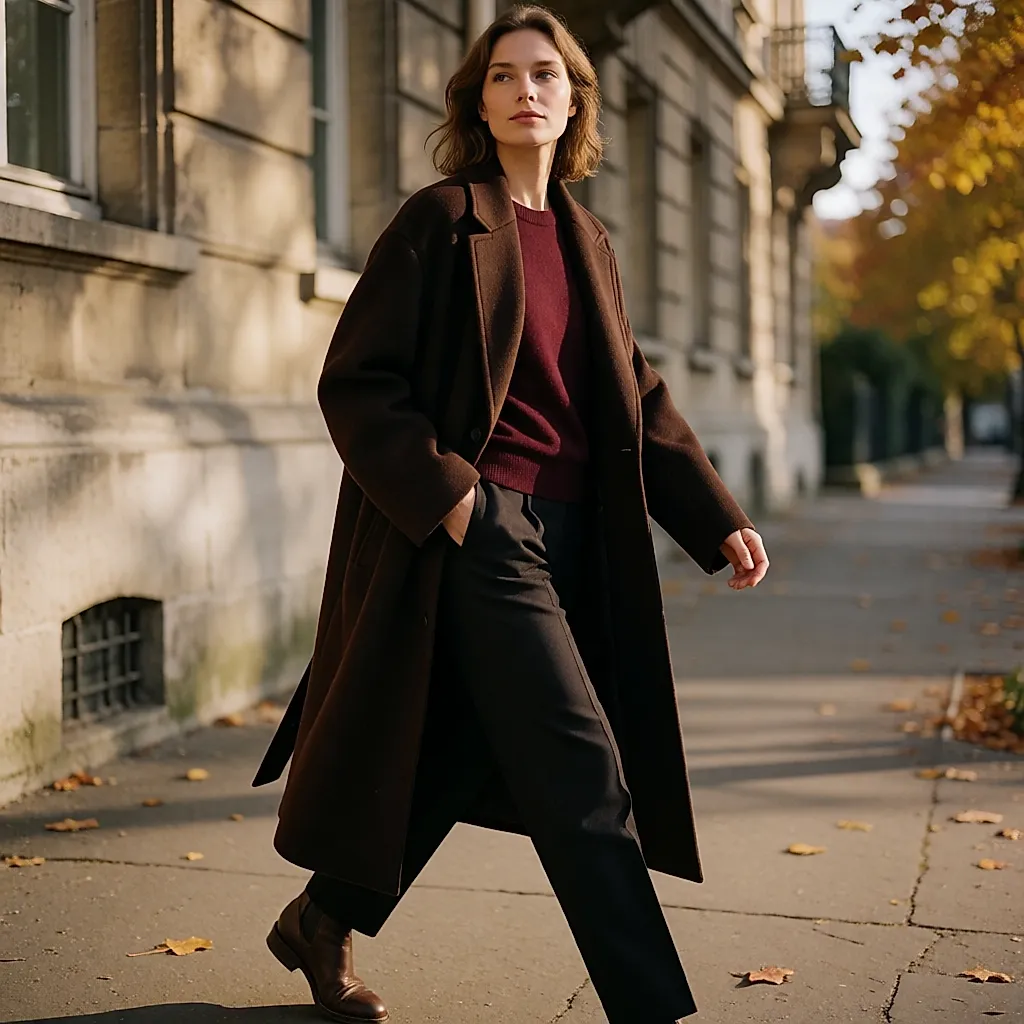
You opened your wardrobe this morning and it answered in beige. Camel on the left, pearl grey on the right, and an off-white in the middle that, frankly, has never made much of a statement. Three seasons of the wardrobe playing it neutral, and three seasons of finding the wait long. Chocolate brown and jewel tones are back, with something to say that no beige ever will.
Beige was the sensible choice
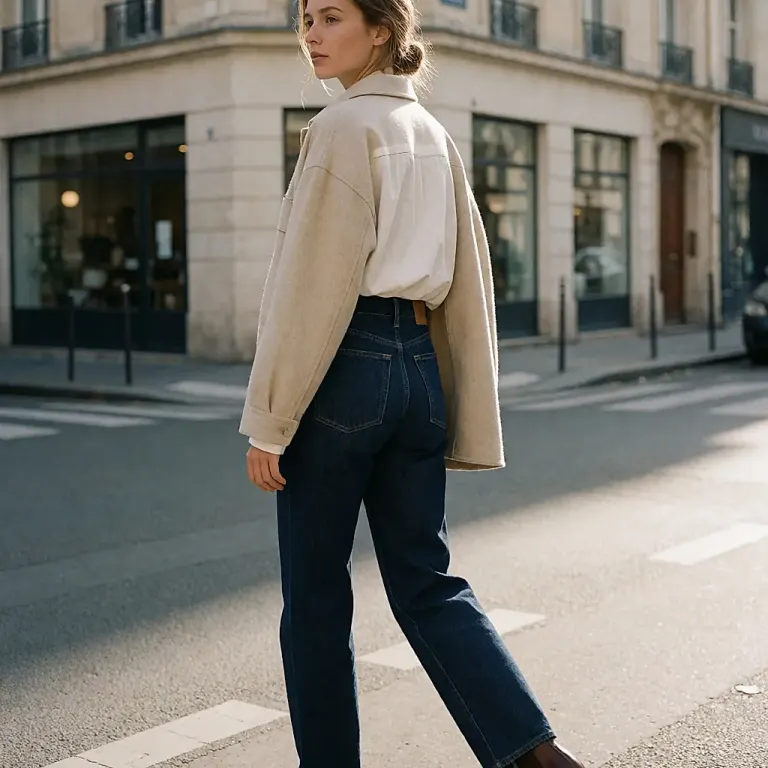
Give it that much: neutral made life simple. Taupe trousers, an ecru shirt, a sand trench — everything matched, everything forgave, nothing stood out. The capsule wardrobe fitted into one palette, you dressed in thirty seconds and were never quite wrong. There are mornings when that is exactly what you want from your clothes — and mornings when you would frankly like something else.
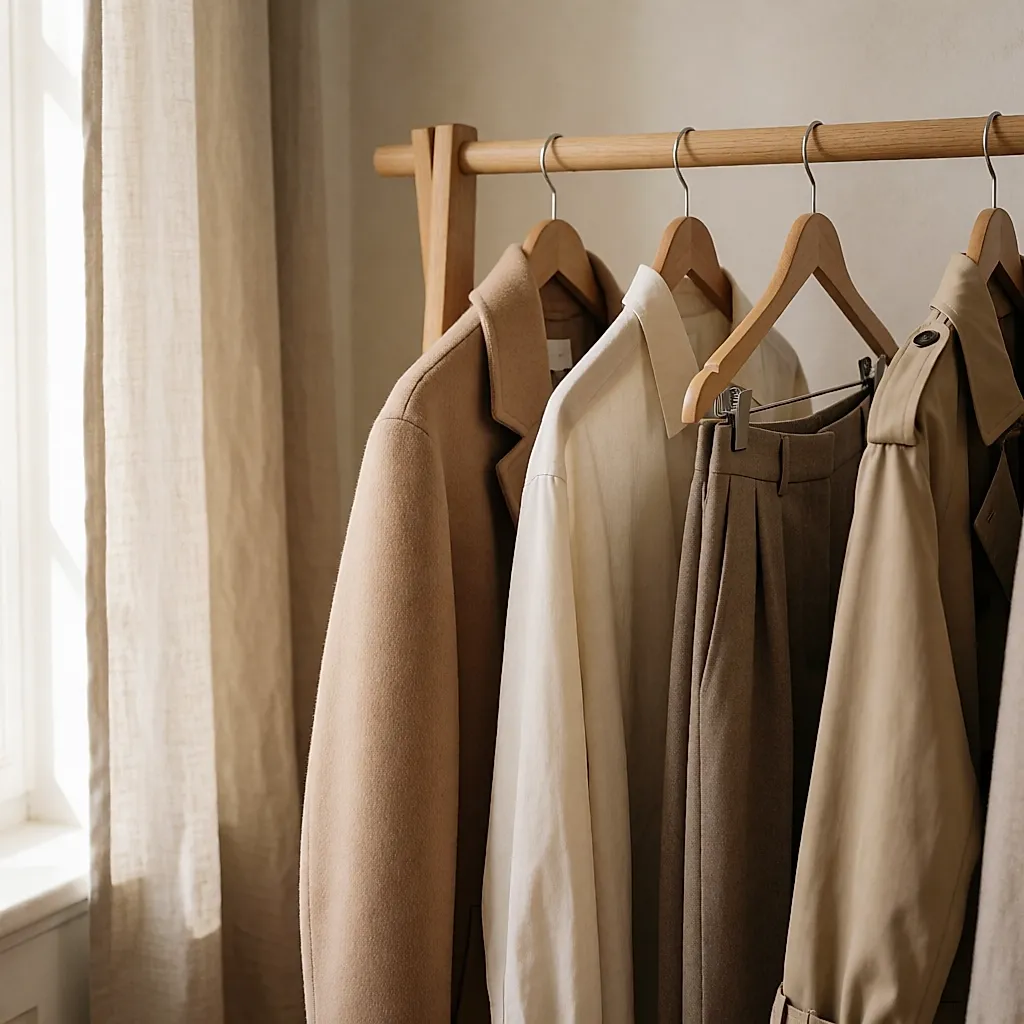
The downside arrived without warning. When everything matches, nothing stands out: the silhouette fades into the background, and the tenth beige street-style photo looks like the first. The luxury market has a very concrete interest in colour coming back. A coat costing around £1,000 that looks like a coat, in a room where everyone is in grey, makes a poor case for its price. The price tag now demands a visible argument — and deep colour provides one, without anyone needing to read the label.
Chocolate brown gives depth without the weight
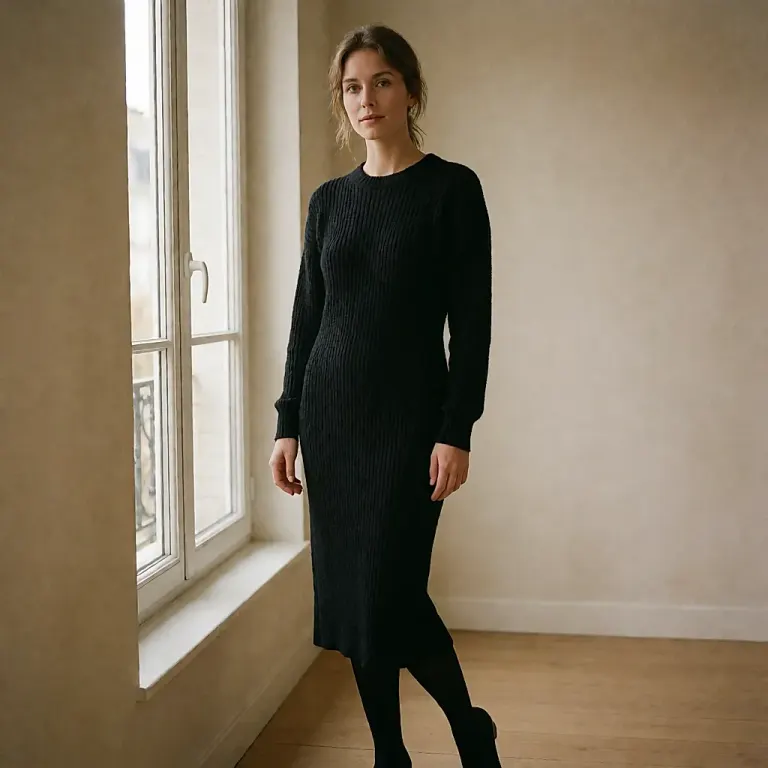
It helps to understand what the shade does. Deep brown absorbs light instead of reflecting it, and that lack of shine sculpts the silhouette: contours are drawn, volumes are legible. A chocolate jumper over raw denim does the work a beige was patiently waiting for. Where camel brightens without asserting itself, brown gives structure. That is the difference between a piece that decorates and one that carries the look.

When it comes to fabric, few colours are as generous. On bouclé wool, brown accentuates the texture; on corduroy, it defines the ribs; on vegetable-tanned leather, it develops a lovely patina over the winters. Keep an eye on the label, though: check the synthetic fibre content, because it shows up in the drape first. And the most understated move remains the best — wear, care for and keep what you already own. A beautiful caramel-to-chocolate tonal look can be built from three pieces you love, not ten bought in a panic.
Jewel tones work best in the right dose
Burgundy, plum, emerald, midnight blue, amethyst. These colours look as if they have a history, which is convenient: plum existed long before minimalist beige. In a full look, the effect is immediate — an emerald wool coat, boots in the same spirit, and the silhouette holds itself up.
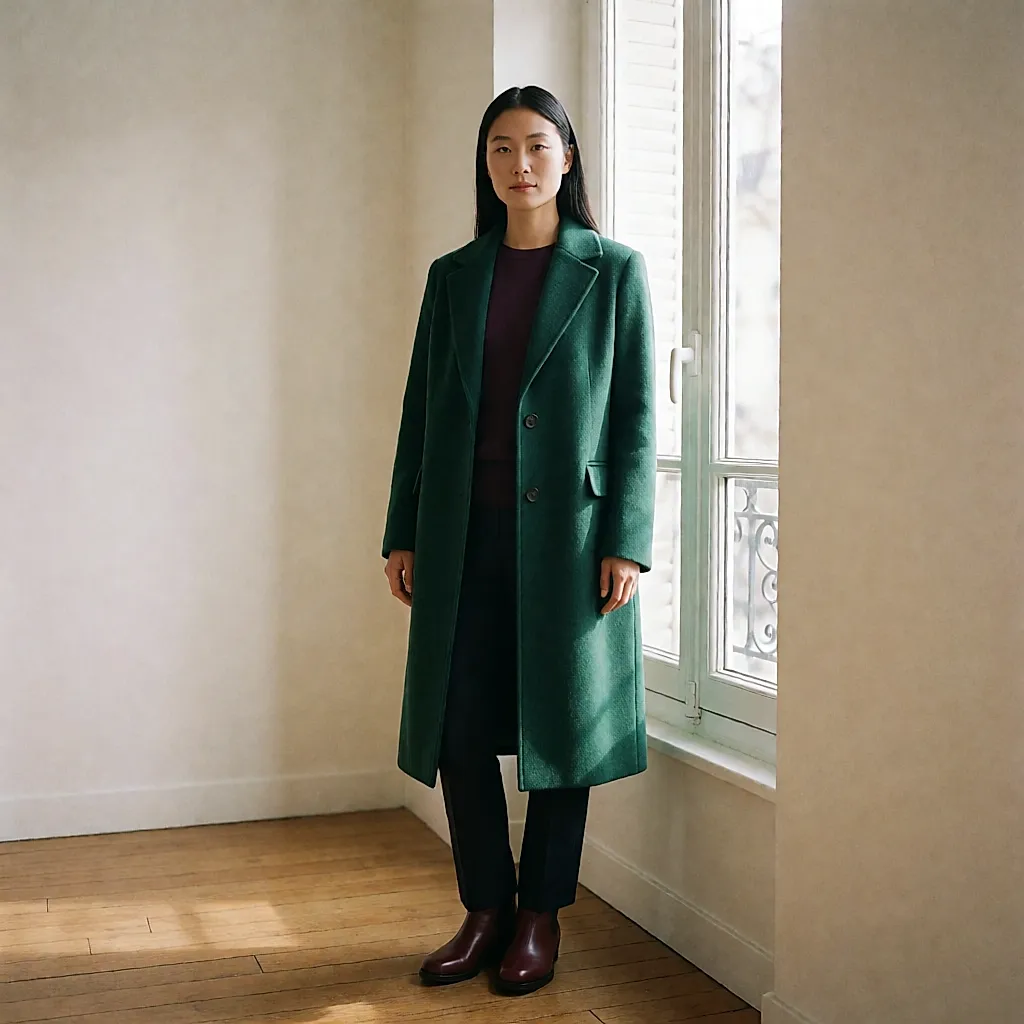
Then there is the question of when. A block of deep colour has presence; it works less well on days when you would rather go unnoticed. Yes to an all-jewel look for dinner, a winter wedding, or a Monday when you have decided to run the meeting. More debatable for a first day in a team that still communicates in mouse grey. If the idea intimidates you, move the colour down — plum trousers, burgundy heels — or use it in small doses: a bag, a fine knit, set against a neutral. Burgundy layered over chocolate works surprisingly well, almost too well for an ordinary Tuesday.
Budget
How much does it cost to enter the season without putting the rent at risk? As a rough guide, expect around £50–£130 for a merino wool knit, £130–£350 for a wool coat in ready-to-wear (the price rises quickly beyond that as you move upmarket), £80–£220 for a pair of leather heels, and £130–£430 for a leather bag. City, finish and care can make these figures vary by as much as three times.
On the bargain front, second-hand is the best hunting ground for coloured pieces: a deep shade dates less quickly than a print, and you often find lovely fabrics at prices that have nothing to do with new. Local charity shops and recycled-wool knitwear brands round out the list nicely. My advice: one deep piece, worn thirty times, is worth more than five bought on a Sunday-night impulse.
Three checkpoints before you commit. Test the colour in daylight, not under the flattering light of the fitting room. Take along the piece you will wear it with, or you will come home with a beautiful orphan. And ask yourself about the season: a chocolate coat bought in January gives you three months; the same coat bought in October gives you six.
In the end, deep colour does not demand a whole wardrobe. It asks for a decision: to accept that a piece gets noticed. A chocolate jumper, a burgundy bag, and your usual neutrals find a reason to be there again — they provide the background, the colour makes the picture. Beige has not said its last word; it has simply accepted the supporting role. And, honestly, it plays it better than the lead.

Comments
Your opinion matters: rate the article, react and reply to comments.
Comments are moderated; AI-assisted comments are flagged. Text emoticons (8-), :-), <3…) are automatically shown as images.