

You'll have noticed it by now: men's fashion no longer plays out on the catwalk alone. It reads on the street, on a red carpet, outside a gig, in the queue for a coffee. And on certain people, there's that extra bit of character that changes everything.
What follows is a set of looks spotted over the past few months. These are observations, not outfits I've tested piece by piece — worth saying upfront. But the lessons are simple, and you could put them to work tomorrow morning.
Tailoring thrown over raw denim
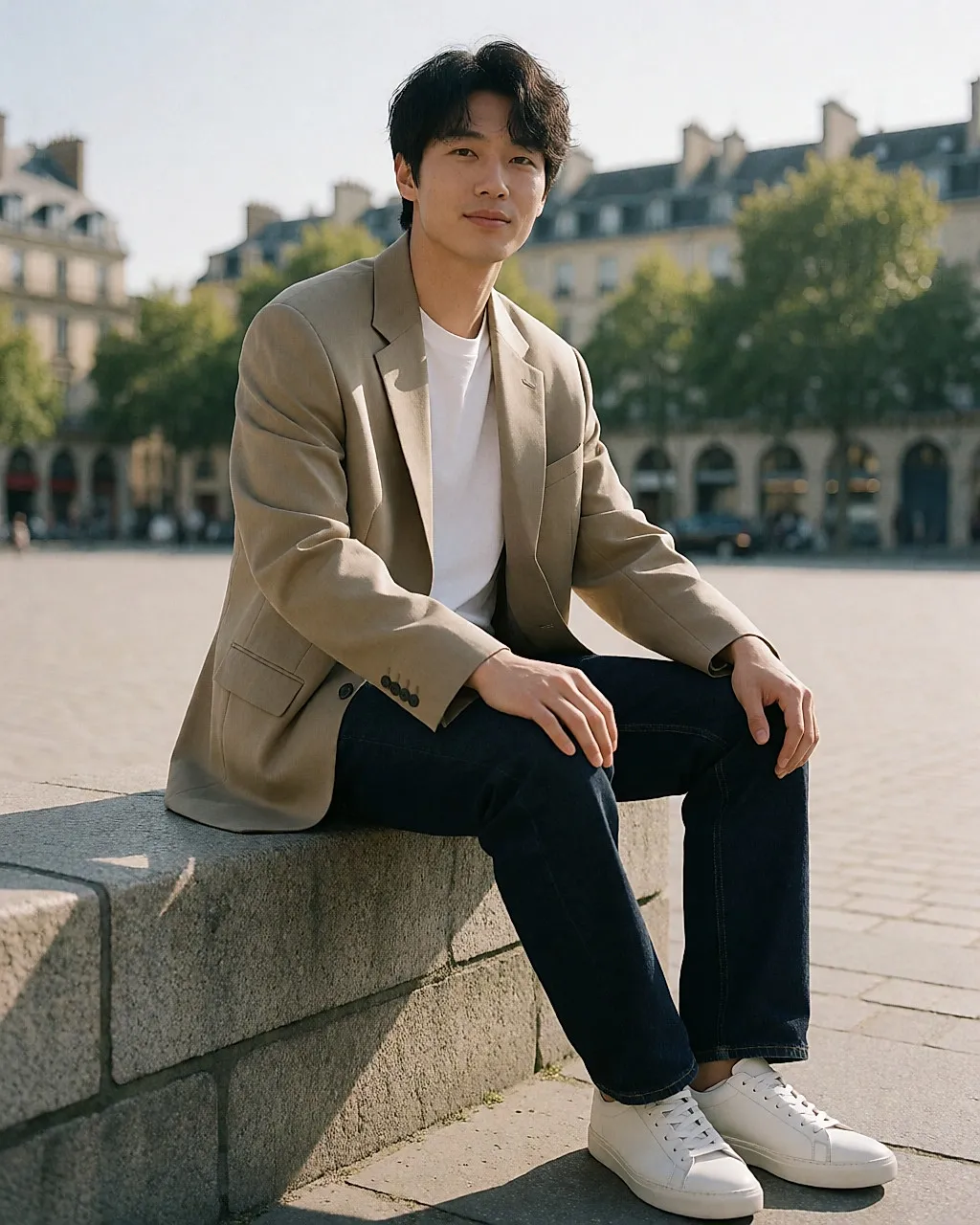
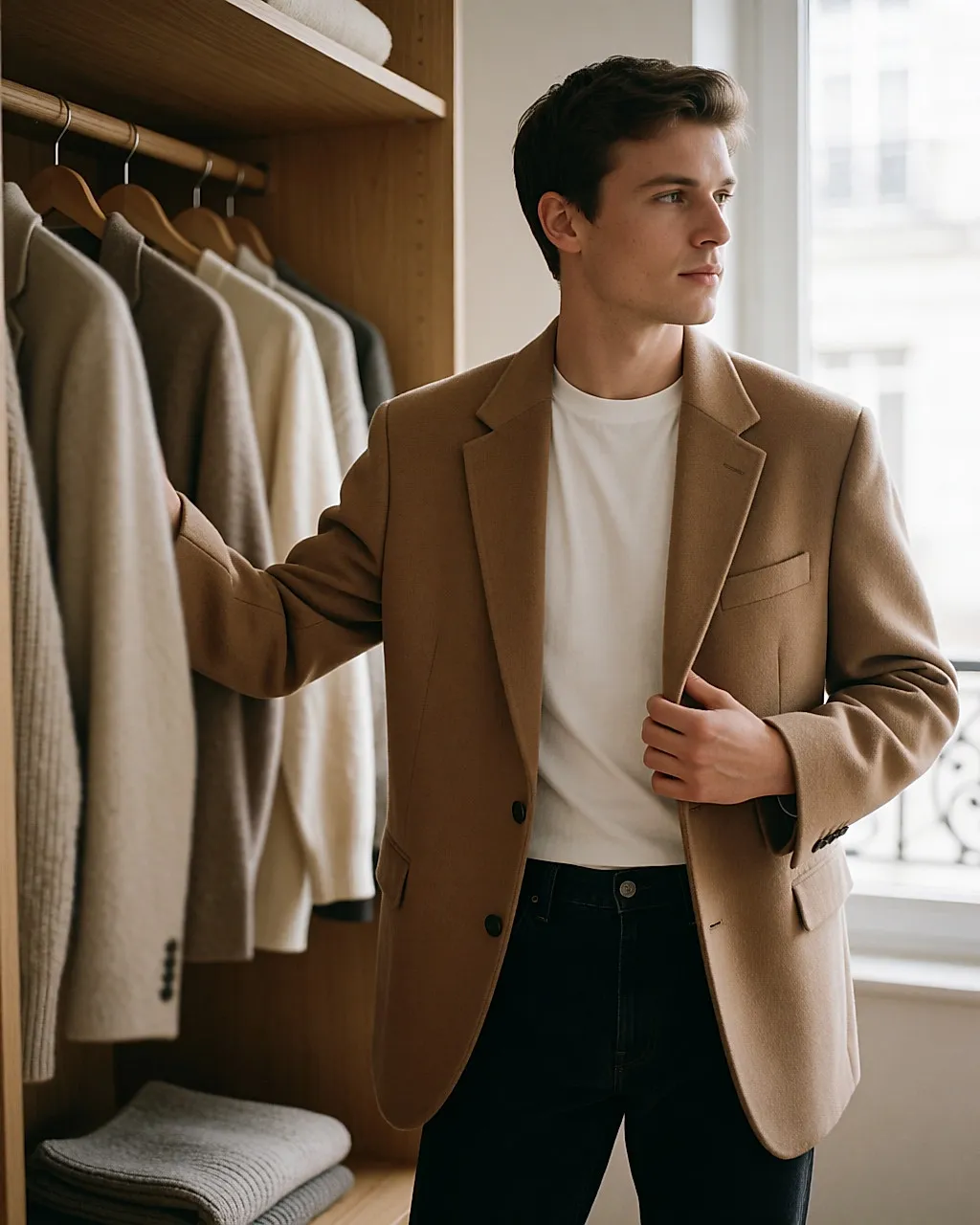
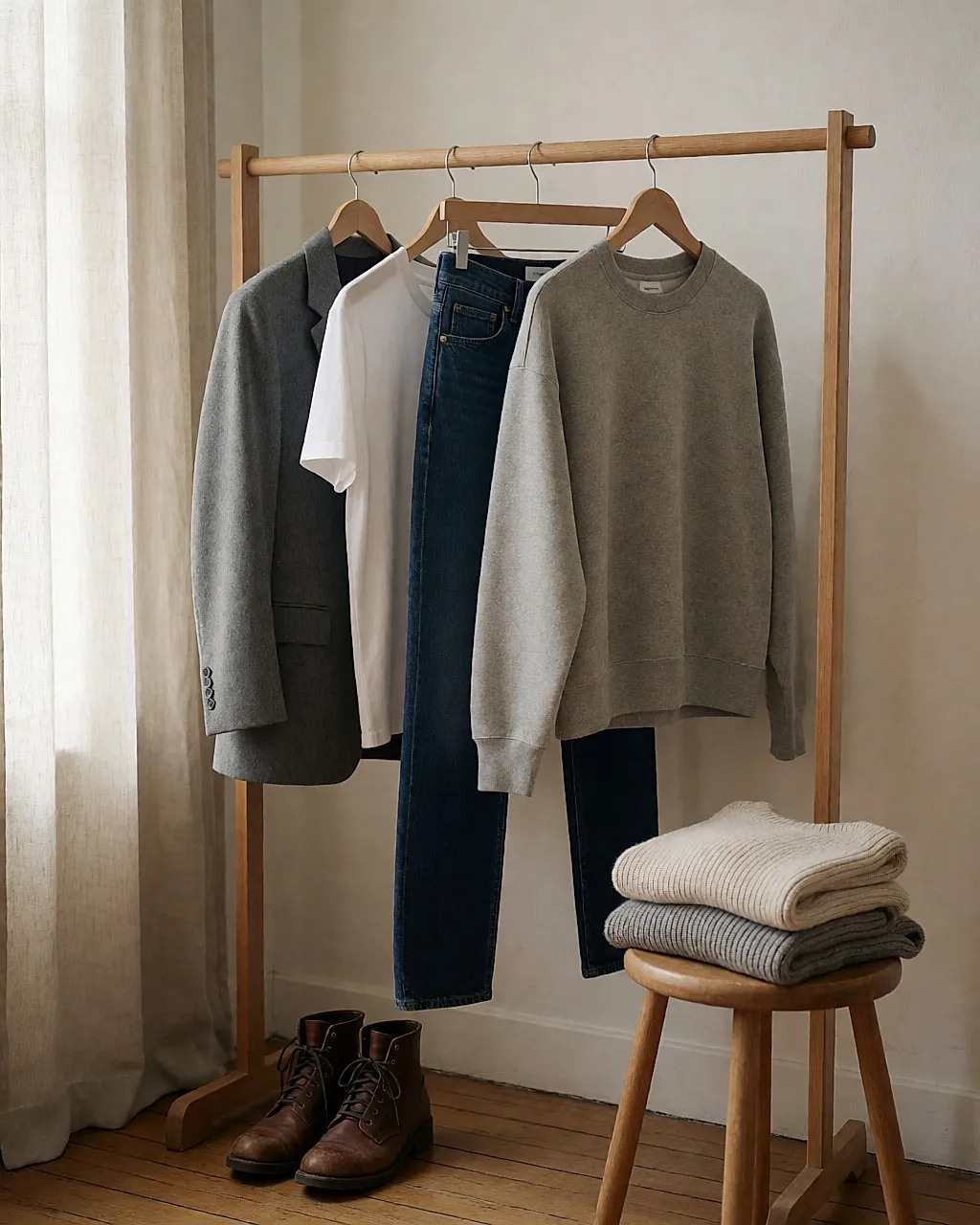
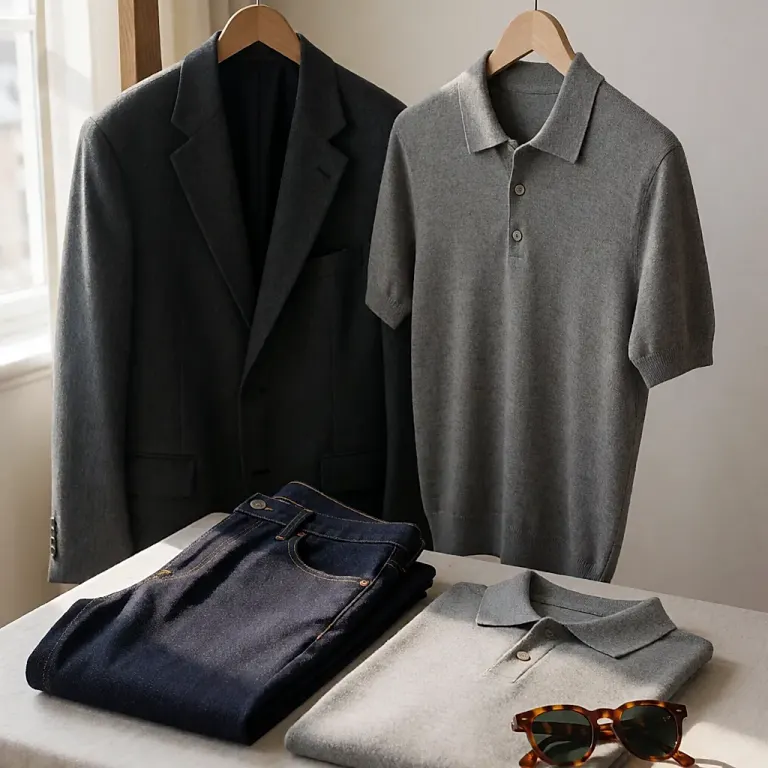
The cleanest formula? A slightly oversized suit jacket, a plain white tee, raw denim jeans, low-top sneakers. It looks simple, and yet it takes real restraint. In practice, the most tailored piece has to stay the quietest one — otherwise the contrast tips over into fancy dress.

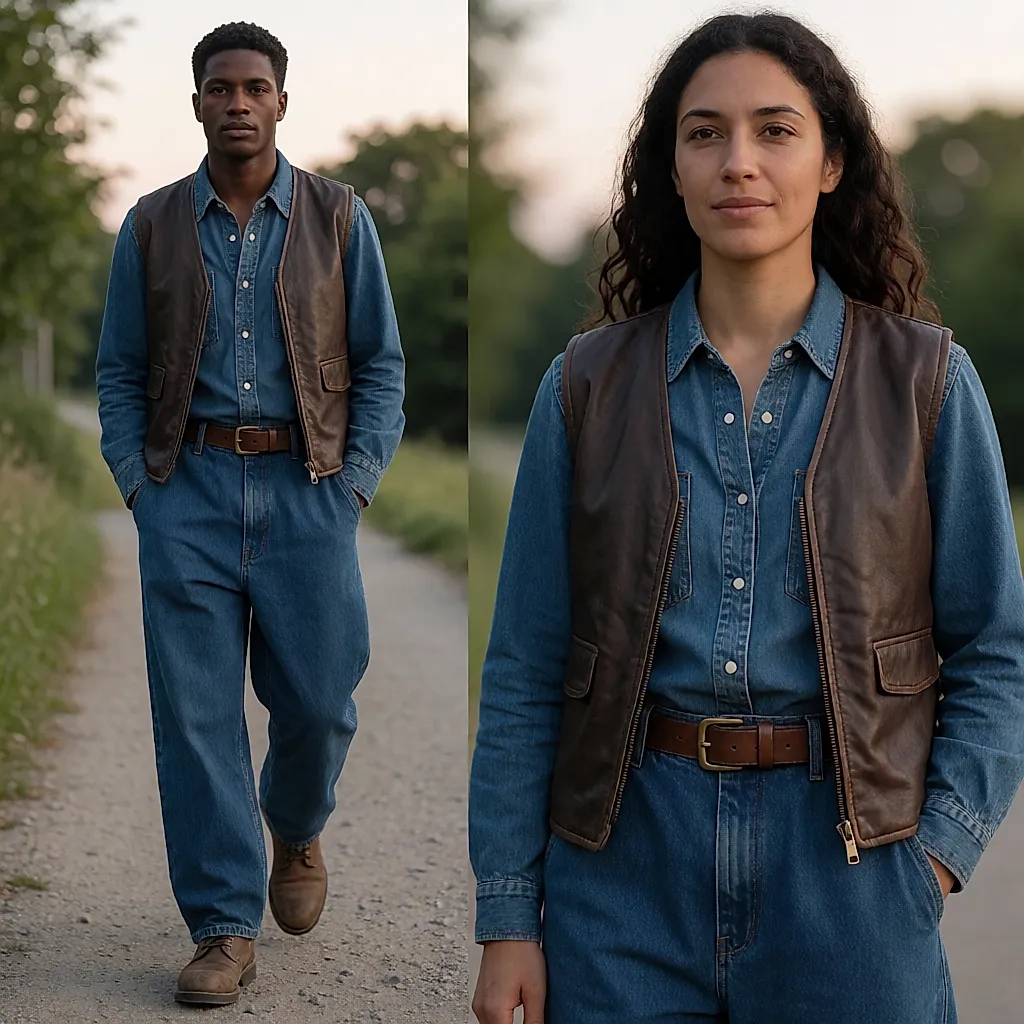
Other men play the same tune, with a leaning towards raw materials and loose cuts. With them, the elegance comes down to how the trousers fall, never to a stack of logos. That's the whole difference between a look and a shop window.
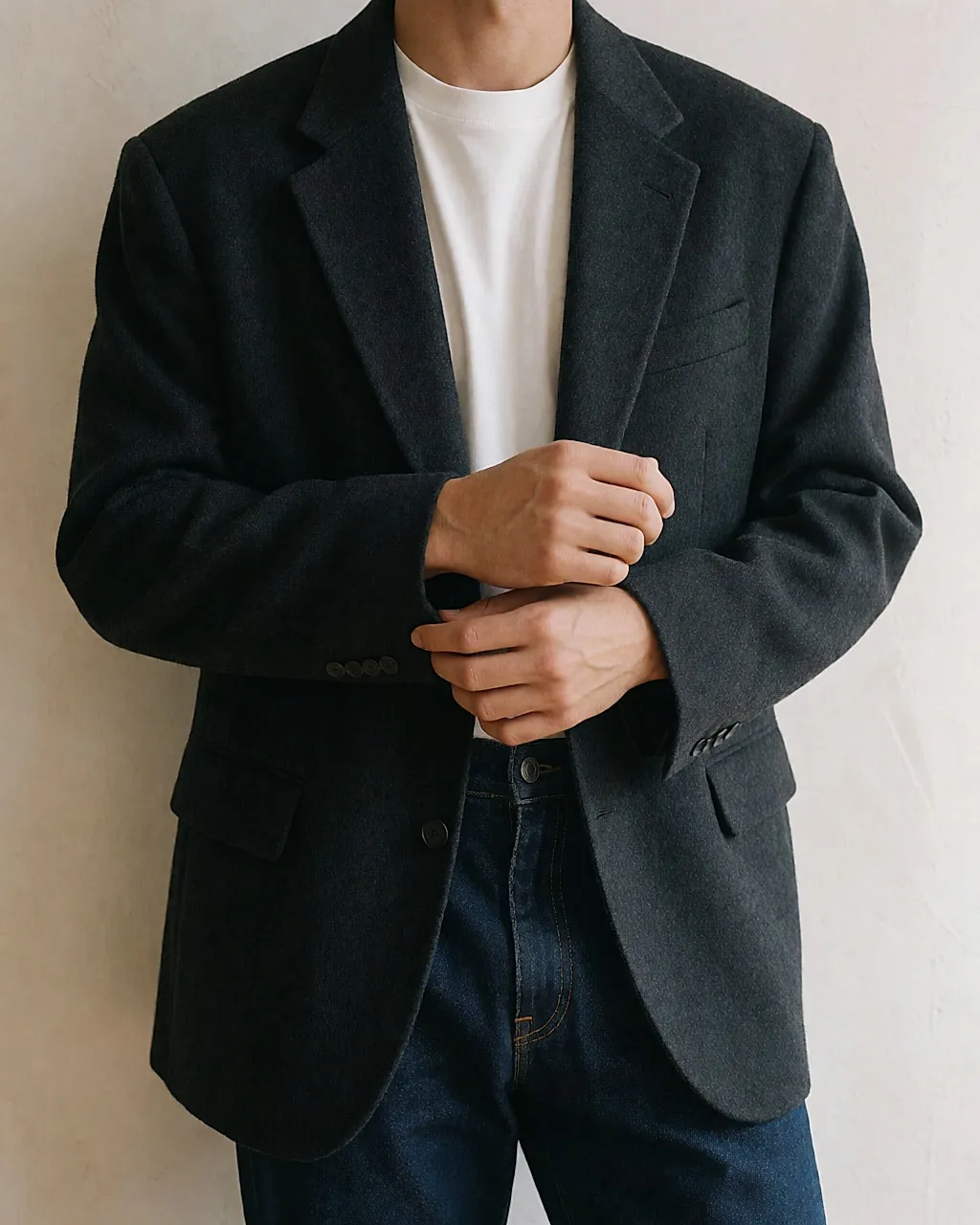
Just starting out? Pick one strong piece and keep everything else in neutral tones. A good pair of jeans and a well-cut tee are often enough.
Streetwear moving upmarket
Part of luxury streetwear seems to be shifting towards more craft and less showing off. Some mix street pieces with couture with rare confidence. Others own a very personal look without ever tipping into costume.
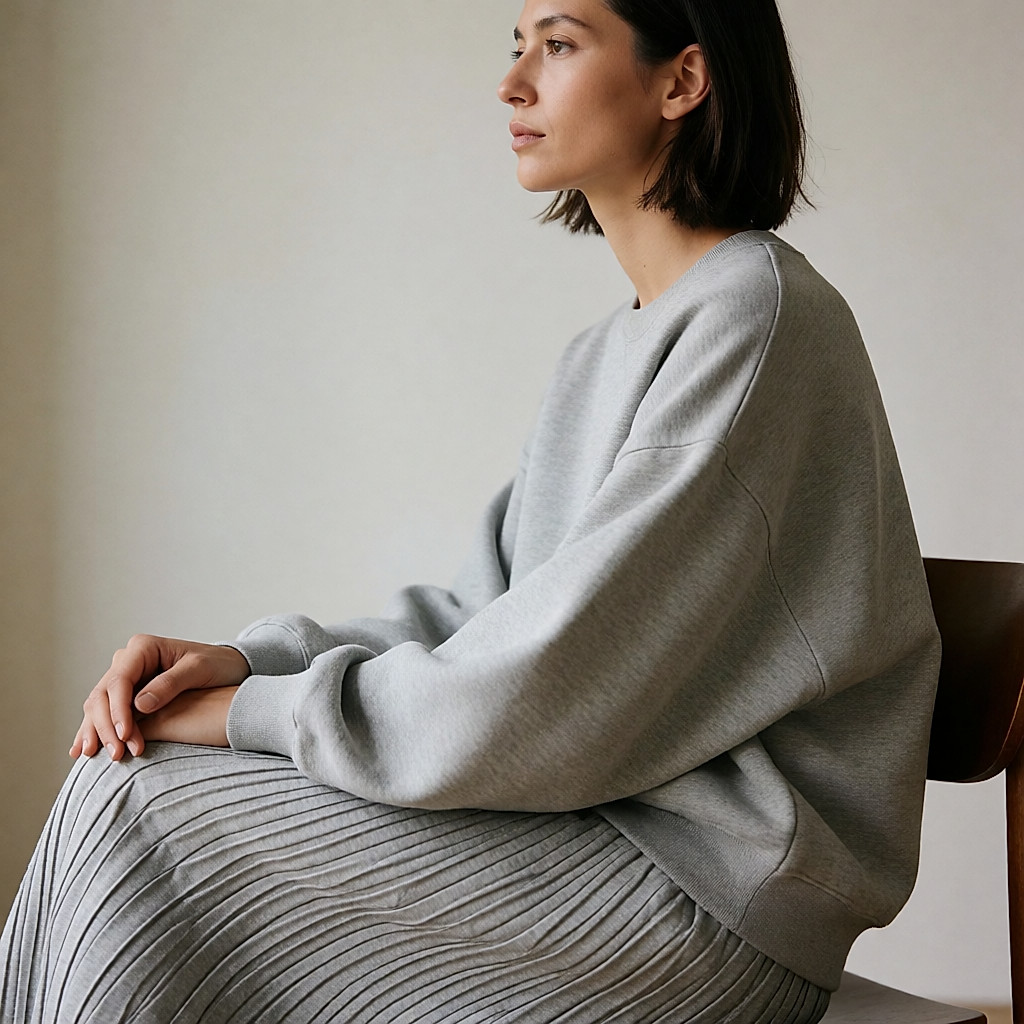
What changes everything? The fabric. An oversized knitted wool overshirt, wide pleated trousers, a grey marl sweatshirt: nothing spectacular on paper, and yet the texture does all the work. A garment that falls properly doesn't need a slogan to get noticed.
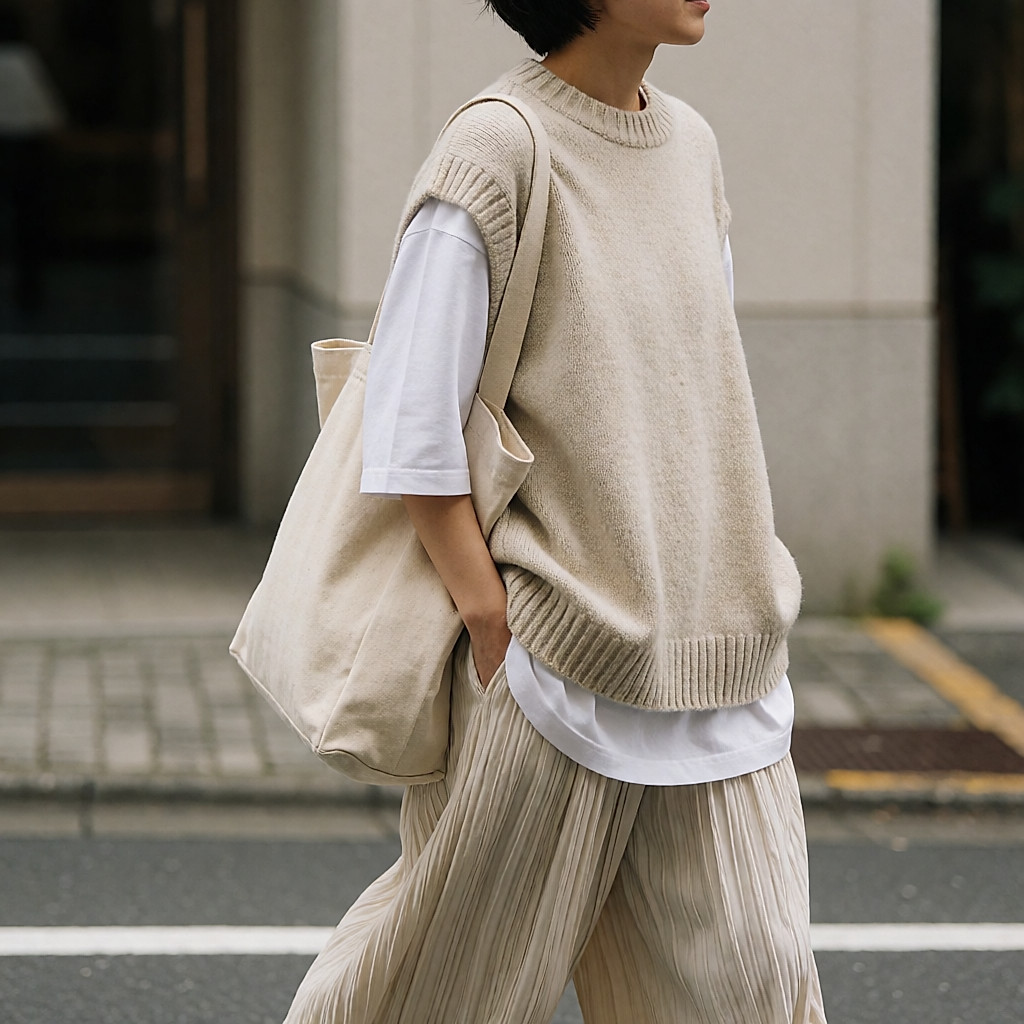
The common thread running through these looks? A clear hierarchy: one statement piece, everything else in support. That's the move that makes the difference, and it doesn't cost a penny.
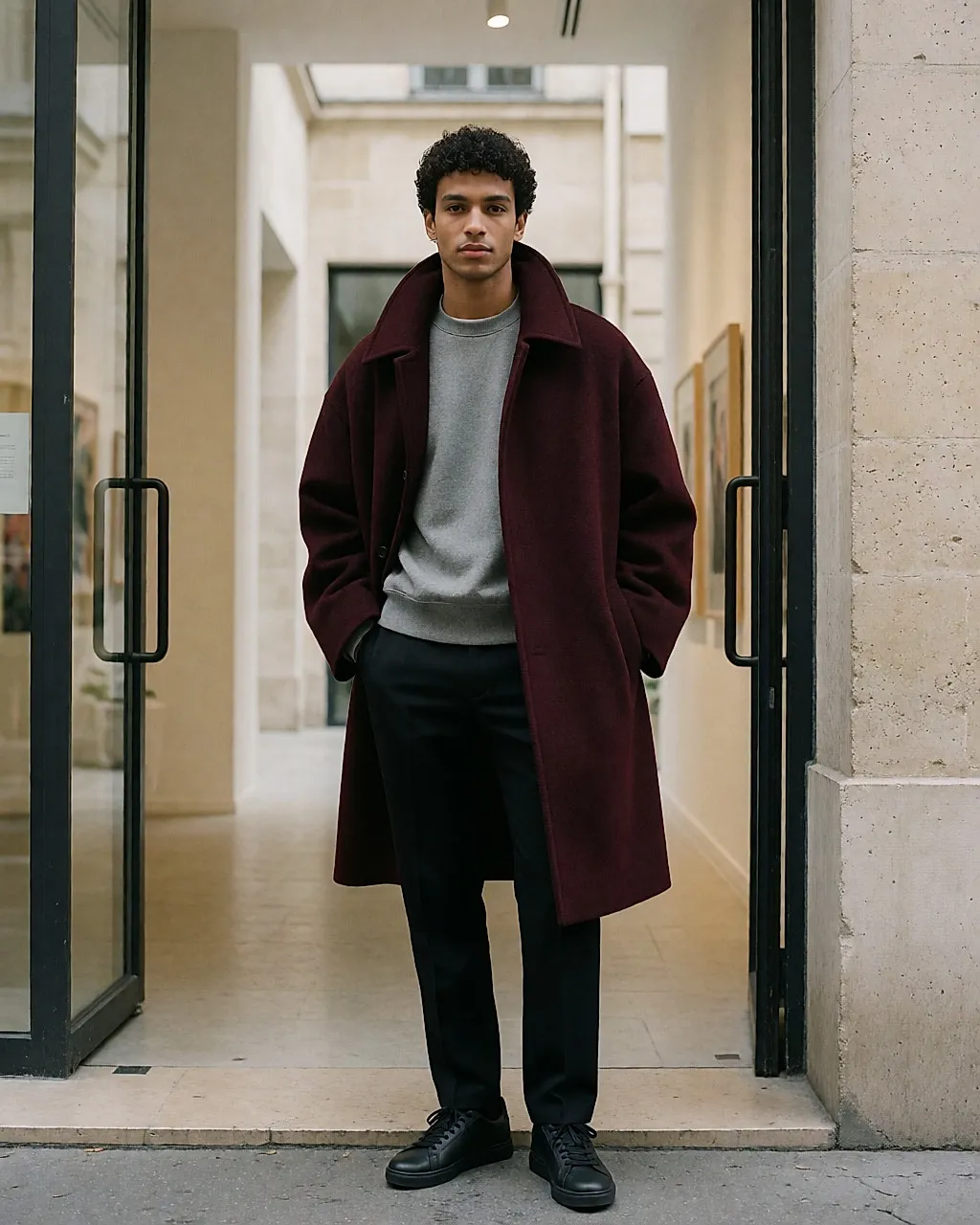
So why do so many men still hesitate to wear one strong piece? Often for fear of what other people will think. And yet that's exactly what creates the difference.
Jewellery, headwear and finishing touches
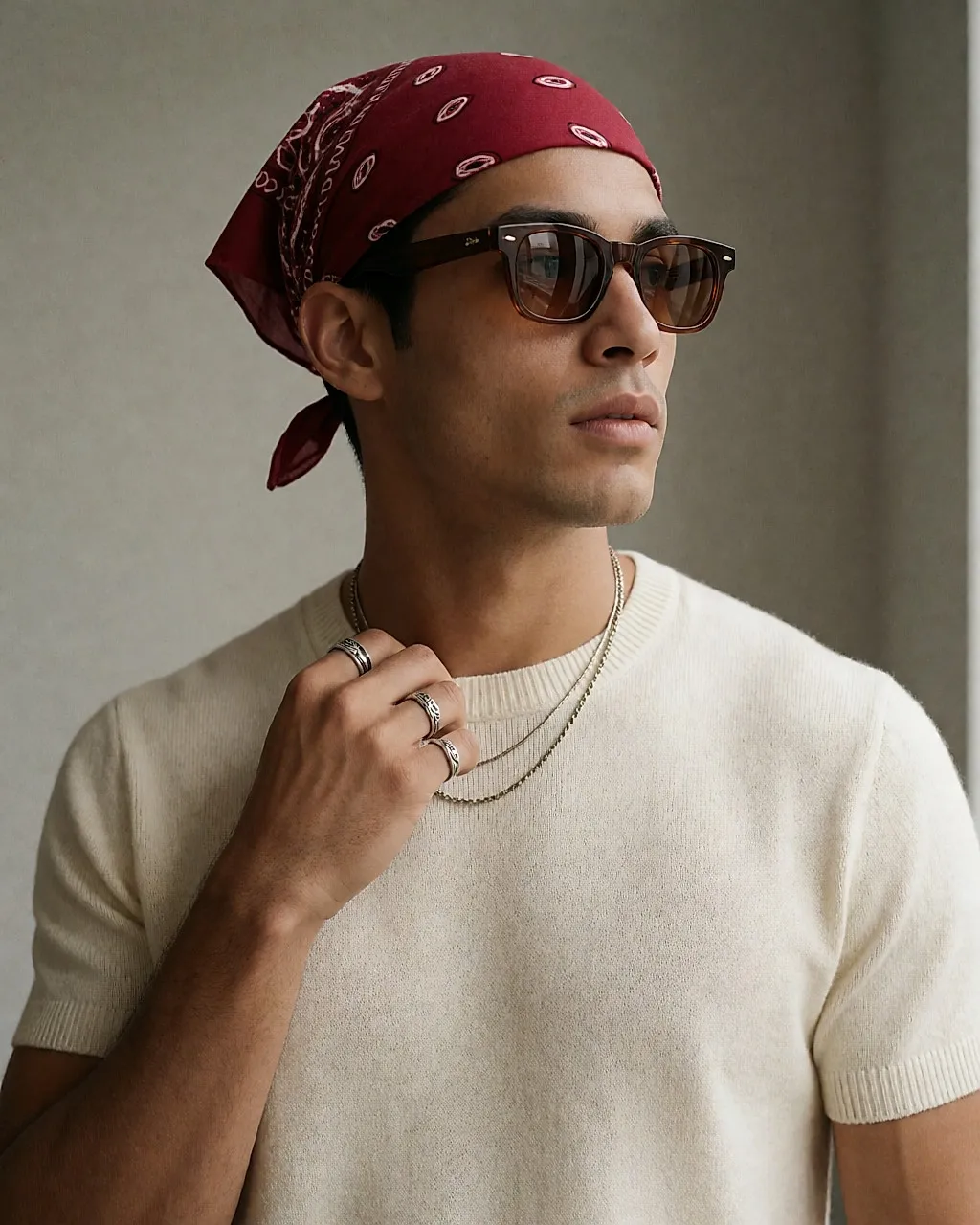
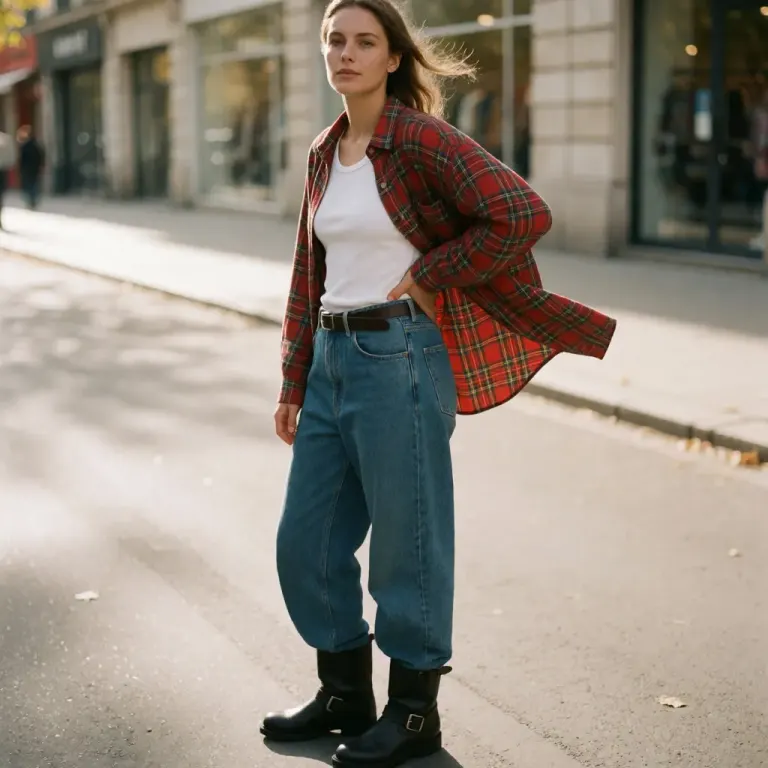
On the rock side: the bandana, tinted glasses, stacked rings and necklaces, worn boots. On paper, the whole lot could tip over into too much. And yet it works — because it's all owned with consistency.
Fine rings and layered necklaces do seem to be gaining visibility among men, too. A simple trick: keep to two or three pieces per zone of the body, let them live together, and keep the rest of the outfit plain. Layering accessories is like layering clothes — you build it, you don't just pile it on at random.
Léna's rule of thumb. Before you buy a statement piece, check it works with at least three outfits already in your wardrobe. If it doesn't, it'll stay on the hanger. Better a piece you actually wear than a purchase you regret.
Budget
On the money side, there's no need to go for the full look at once. Expect to pay somewhere around £15–40 for a plain, well-cut tee, £60–150 for a decent pair of raw denim jeans, and £150–400 for a classic ready-to-wear suit jacket. Budget £70–150 for low-top sneakers. On jewellery — fine rings, necklaces — you're looking at roughly £20–80 per piece, and that opens up quickly if you move upmarket; leather boots, meanwhile, run to around £100–250.
What pushes the price up? Location first: city-centre shops often charge more than out-of-town ones or stores in smaller regional towns. Then the material — certified organic cotton, a wool that holds its shape, full-grain leather all cost more than a synthetic blend, but they age completely differently. Brand plays a part, obviously. And above all, how you look after things: a neutral piece with good structure, worn a hundred times, works out cheaper than a logo worn ten times and then forgotten at the back of the wardrobe.
To kit yourself out, you can trawl charity shops and resale sites — the best way to get your hands on good material without blowing a month's wages — or look to the high street, multi-brand retailers, department stores for costume jewellery, or order online. If you go down the online route, check the returns policy before you hit checkout.
What to take away
A good look isn't about budget. It's about intention: a controlled contrast, a cut that sits right, an accessory in the right place. The men in this selection don't share one style, not by a long chalk. But they all have that ability to own their choices without overdoing it. That's probably the only rule worth having, and it works for a capsule wardrobe too: fewer pieces, chosen better, worn more often.
So where do you start? A jacket, a necklace, a pair of sneakers? It doesn't matter, as long as you stay true to one clear direction. Léna's verdict: yes — provided you keep to a single strong piece and leave the rest in support. We like that freedom. And you?

Comments
Your opinion matters: rate the article, react and reply to comments.
Comments are moderated; AI-assisted comments are flagged. Text emoticons (8-), :-), <3…) are automatically shown as images.