
Last week a friend asked me the question that comes up at every dinner party: why does a bag designed in 1995 still turn heads, and why does a lipstick launched in 1955 still win people over? Not an easy one to answer between the main course and the pudding. So here's the long way round, back to 30 avenue Montaigne in Paris — an address the house has never left.
1946-1947: the silhouette that changed everything
In 1946, textile industrialist Marcel Boussac put up the money for the house of an illustrator who had worked for Le Figaro before turning designer at Lucien Lelong: Christian Dior. The stage was set, and it has not moved since.
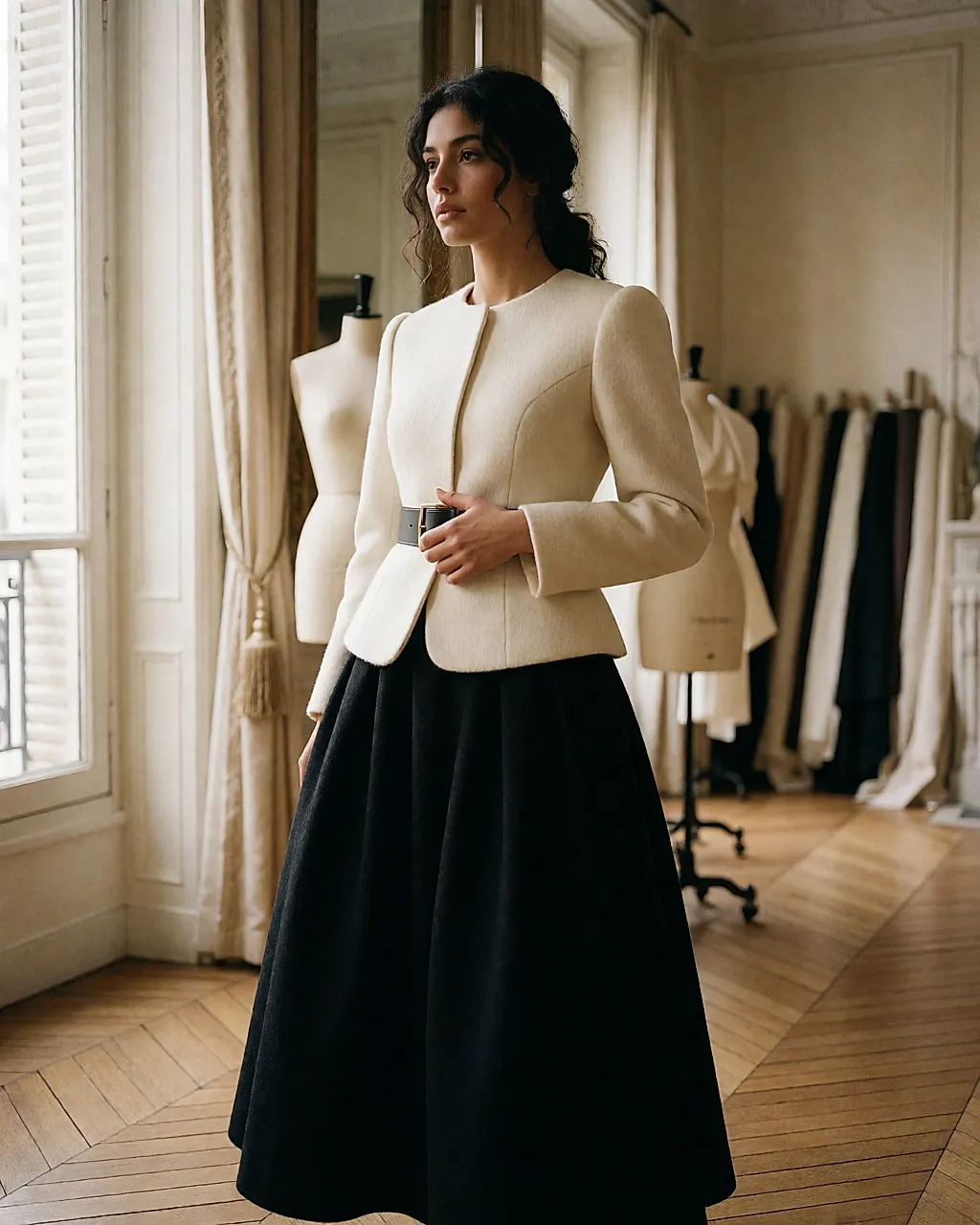
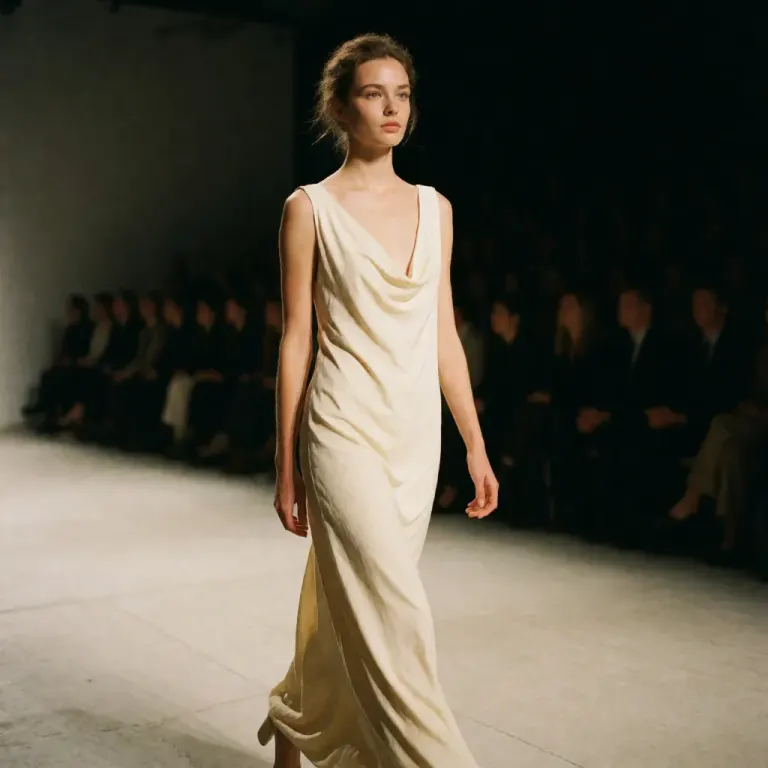
On 12 February 1947 the first collection walked. The cut came as a shock: rounded shoulders, a waist cinched by a corselet, a long, full skirt that swallowed dozens of metres of fabric. Against the short, straight lines of the post-war years the contrast was stark — the journalist Carmel Snow, then at Harper's Bazaar, called it a "New Look". What struck people was not just the volume: it was the fall of the cloth, the precision of the belts, the way it drew an attitude rather than simply dressed a body. Miss Dior, the house's first fragrance, arrived the same year.
A house that outlived its founder
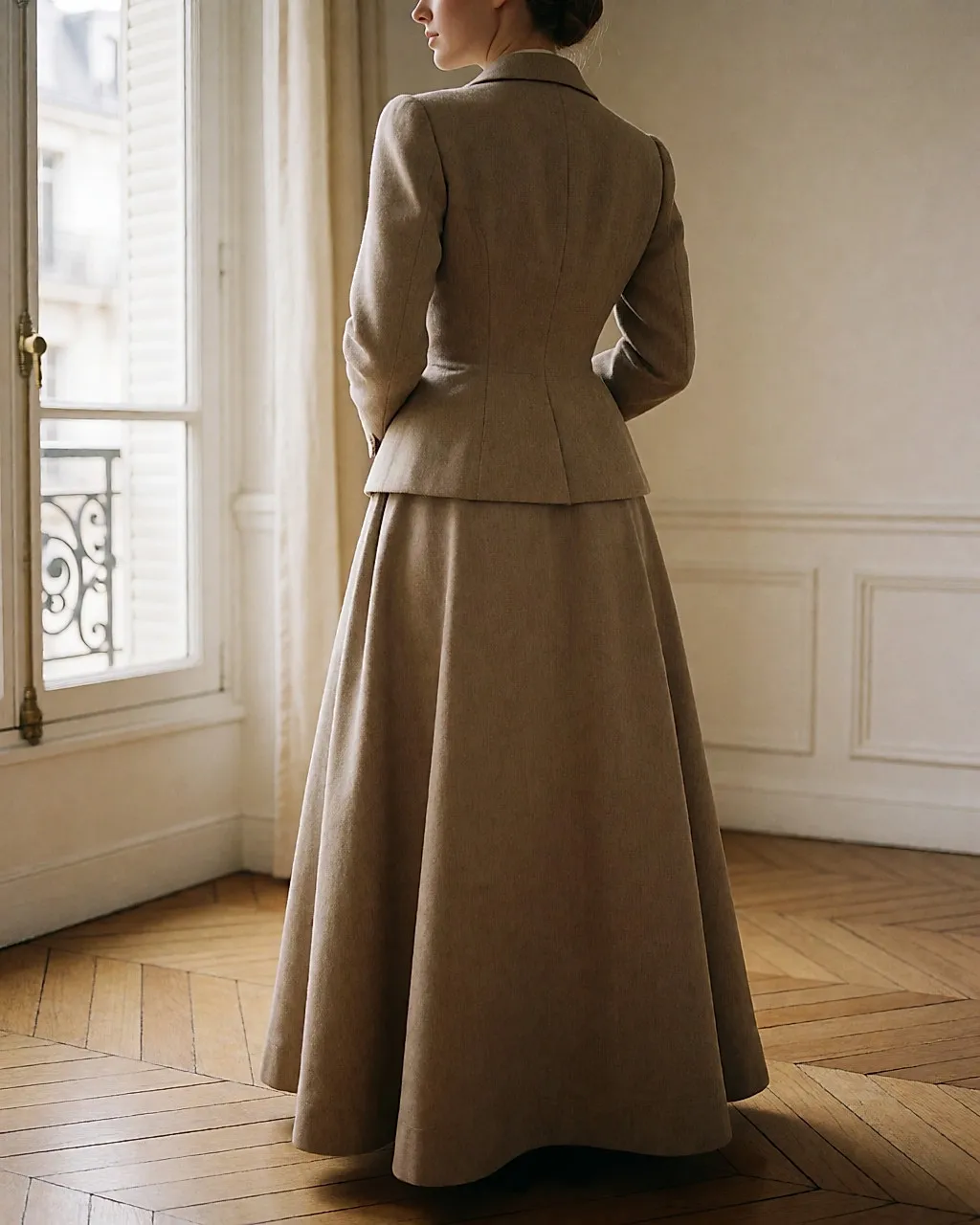
Christian Dior died of a heart attack in October 1957. His assistant, Yves Saint Laurent, took over at 21 and in 1958 introduced the trapeze line, looser and freer, which instantly lightened the whole wardrobe. Then came Marc Bohan (Baby Dior in 1967, the Dior Monsieur line), Gianfranco Ferré, John Galliano, Hedi Slimane in menswear, Raf Simons, and finally Maria Grazia Chiuri, the first woman to head the collections, from 2016 to 2025. Each one left behind a cut, a print, a texture, a look you can spot a mile off.
Lady Dior, Miss Dior, J'adore, Rouge Dior
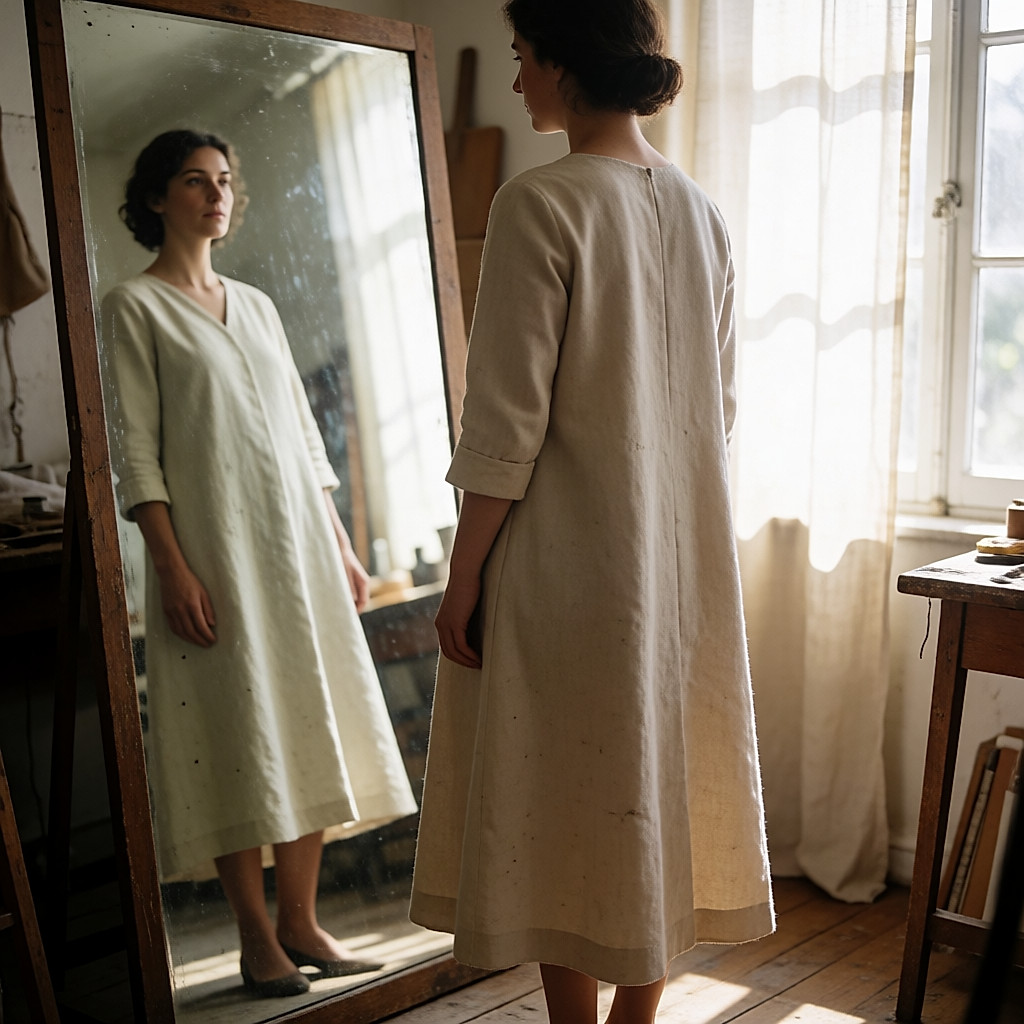
On the wardrobe side, the statement piece is still the Lady Dior: a structured bag with cannage quilting, given to Lady Diana in 1995, who carried it constantly before it took her name. On the beauty counter, Miss Dior (1947) and J'adore (1999) remain the pillars of the fragrance offering, while Rouge Dior, launched in 1955, still comes in dozens of shades, from nude to deep red.
Full disclosure: I have never tried the Lady Dior — I've only tried it on in store, and it is well out of my budget. Rouge Dior, on the other hand, I've worn for months. In practice it's a simple routine: the case is refillable, so you keep the casing and swap the cartridge. Several fragrances, J'adore and Miss Dior among them, can also be refilled in store from a fountain. What you save is packaging, not formula: a refill is still an industrial product, with nothing "natural" about it. If you're after a genuinely clean formula, there are solid or refillable formats from organic-certified lines — but expect a narrower shade range and a different kind of wear. Where you draw the line is up to you.
The move that makes a difference if you want to try the house without spending a month's rent: start small. A refillable Rouge Dior, a printed scarf, a pair of heels — pieces that should be judged on how they fall and how they feel, not on the label. Try them in store, note your size, then compare where you buy.
What you'll pay
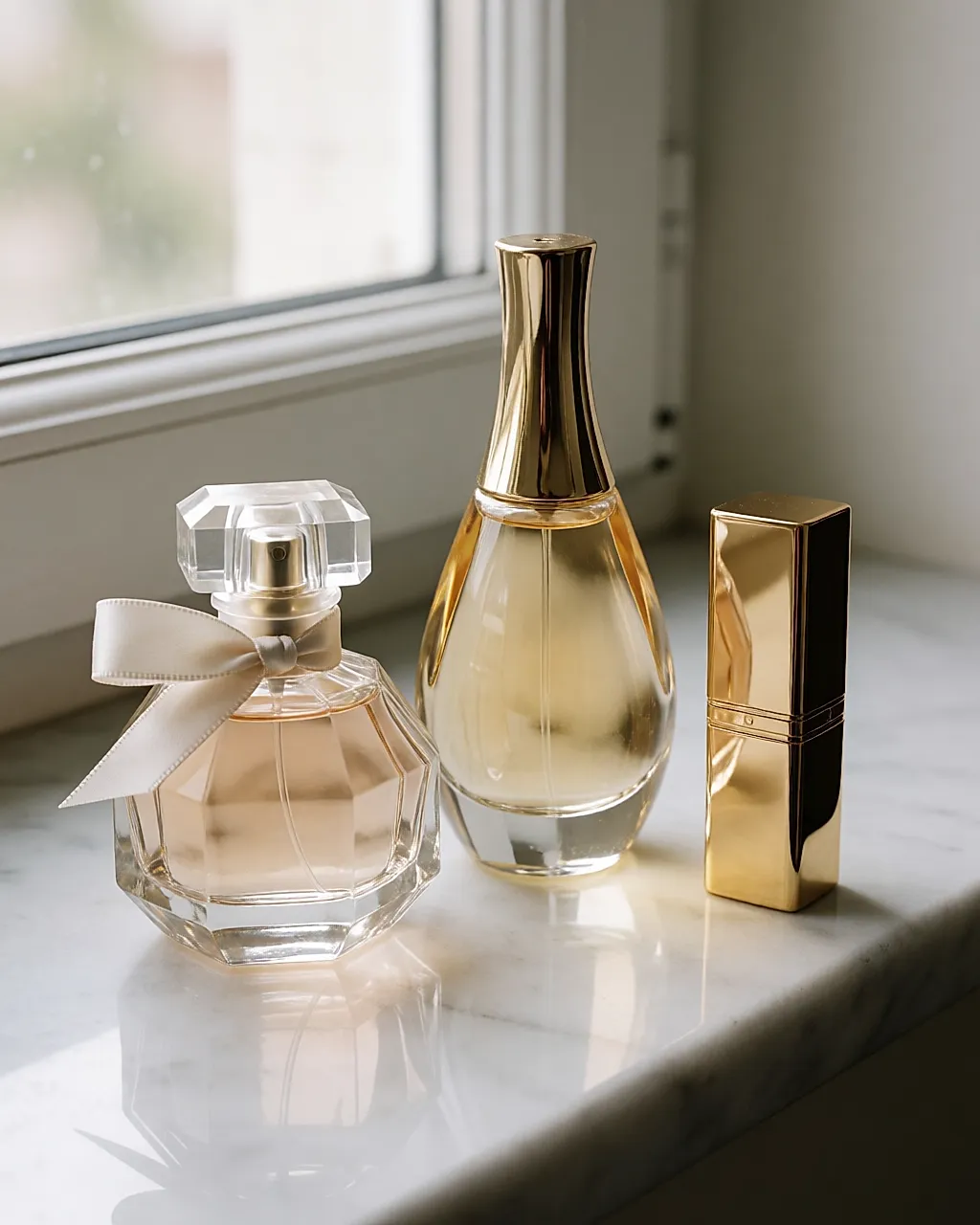
The gaps are huge, and it's worth knowing that before you walk in. Price depends mainly on size, on material (lambskin, calf leather, cannage), on the metal finishes and on where you buy.
- Refillable Rouge Dior: expect around £35 for the case depending on the finish, with the refill alone roughly £25-30. Sold in beauty halls, department stores and on dior.com.
- 50 ml eau de parfum (J'adore, Miss Dior): in the region of £90-140 depending on the format, with refills generally a little cheaper. Beauty halls, department stores, online.
- Lady Dior: a wide range, roughly £3,000-5,500 depending on size and material. On the pre-owned market, prices depend on condition, the year and whether the original accessories come with it. Check the original receipt and the authentication — that's where the bargains and the nasty surprises both live.
UK prices are indicative, change often and vary by retailer, so it's worth checking current figures before you commit.
Sources
- Maison Dior, official history and product lines, dior.com.
- Musée des Arts décoratifs, Paris: the exhibition "Christian Dior, couturier du rêve" (2017) and its press pack.

Comments
Your opinion matters: rate the article, react and reply to comments.
Comments are moderated; AI-assisted comments are flagged. Text emoticons (8-), :-), <3…) are automatically shown as images.