
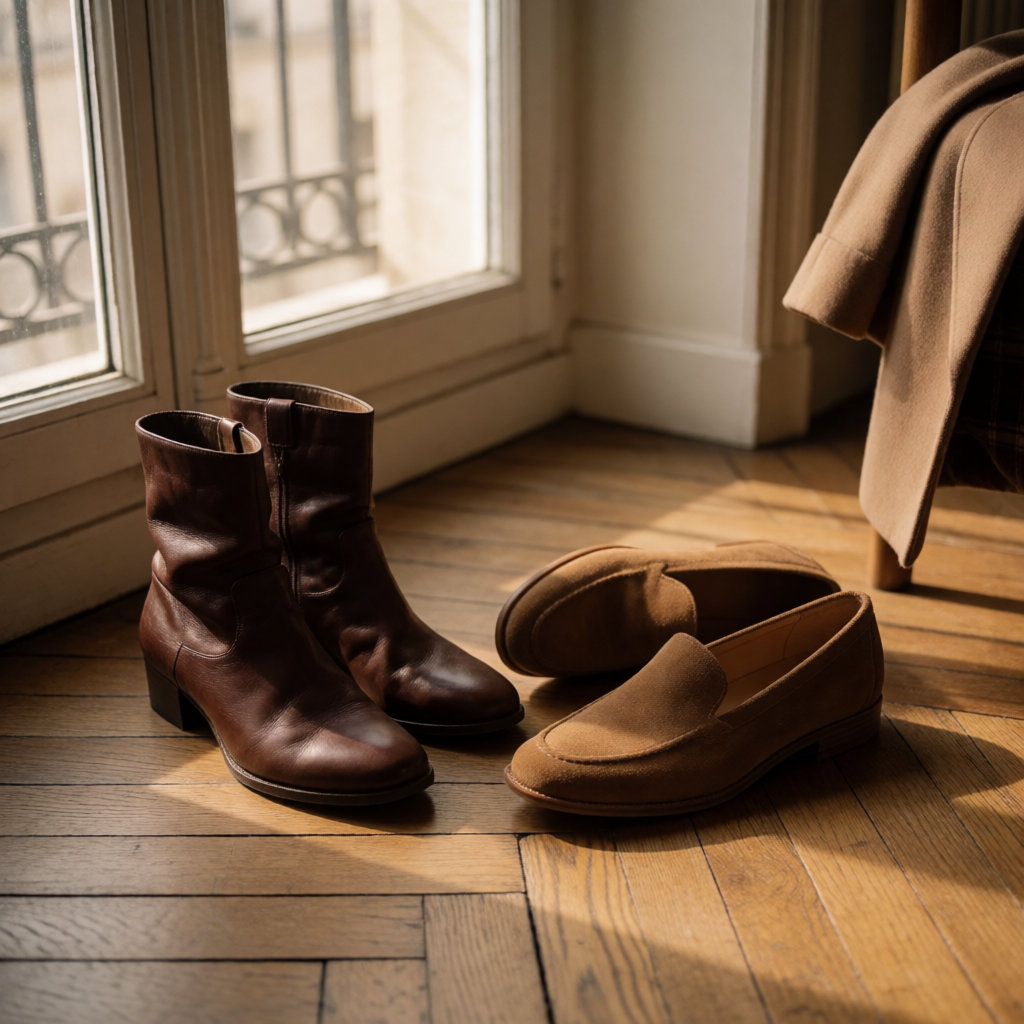
Autumn is settling in, and with it comes that unforgiving morning question: which pair do you slip on to get through the day without sacrificing style? AOHNA, a Lyon-based shoemaker designing for women, is unveiling its new collection — and it's too good an opportunity not to run through the directions shaping the season. We look, we edit, and we see what might earn a place in an already full wardrobe.
A point of honesty before we begin: I haven't yet worn these pairs, and I haven't received anything from the brand. Everything that follows comes from the collection presentation, revisited in light of what's being worn right now. This is documentation, not a real-world test — best to say so upfront.
AOHNA, a Lyon-based label designed for women
The brand describes itself as Lyon-based, with an approach that doesn't overcomplicate things: designing shoes for women with real walking in mind, long days, and the back-and-forth between office, transport and an impromptu dinner. There's nothing spectacular in that, and perhaps that's what reassures: more a coherent shoe wardrobe, where a few families of styles return season after season.
The website works as both a showcase and a tool to help you choose. You can browse the collection, but you can also look for styling ideas based on the outfits you already wear. The idea isn't to impose a head-to-toe look, but to answer a very practical question: with that skirt, what do I wear? That's the kind of reflex we like, especially on mornings when you open the wardrobe with no inspiration at all.
The season's key directions
Unsurprisingly, the collection sits within the movements running through ready-to-wear and footwear, without following them to the letter. On shapes, the loafer confirms its comeback, offered with a slim sole for office days or a thicker one for a deliberately chunky feel. Soft boots with a slightly crinkled shaft remain the safe bet for cold months: they work as well under wide trousers as under a fluid dress, and that basic doesn't shift from one season to the next — no complaints here! Ballet flats and Mary Janes with a fine strap, long relegated to the back of the wardrobe, are finding their place again, worn with discreet socks or opaque tights.

On colour, warm tones dominate: burgundy, chocolate, camel, taupe. Shades that are easy to pair with a wardrobe that's mostly black, grey or beige, and that avoid the trap of the too-statement pair you never bring out again. On materials, smooth leather sits alongside suede and grained leathers, which are more forgiving of everyday scuffs.

A word on longevity, precisely because that's where the real difference lies: it's the material and the care that decide a pair's life, not its ticket price. Leather that's properly nourished, and taken to a shoe repairer now and then for a sole or a tired heel, can last several seasons — a habit that costs less than buying new every autumn, and keeps a pair that's already broken in on your feet.

How to style the styles with your outfits
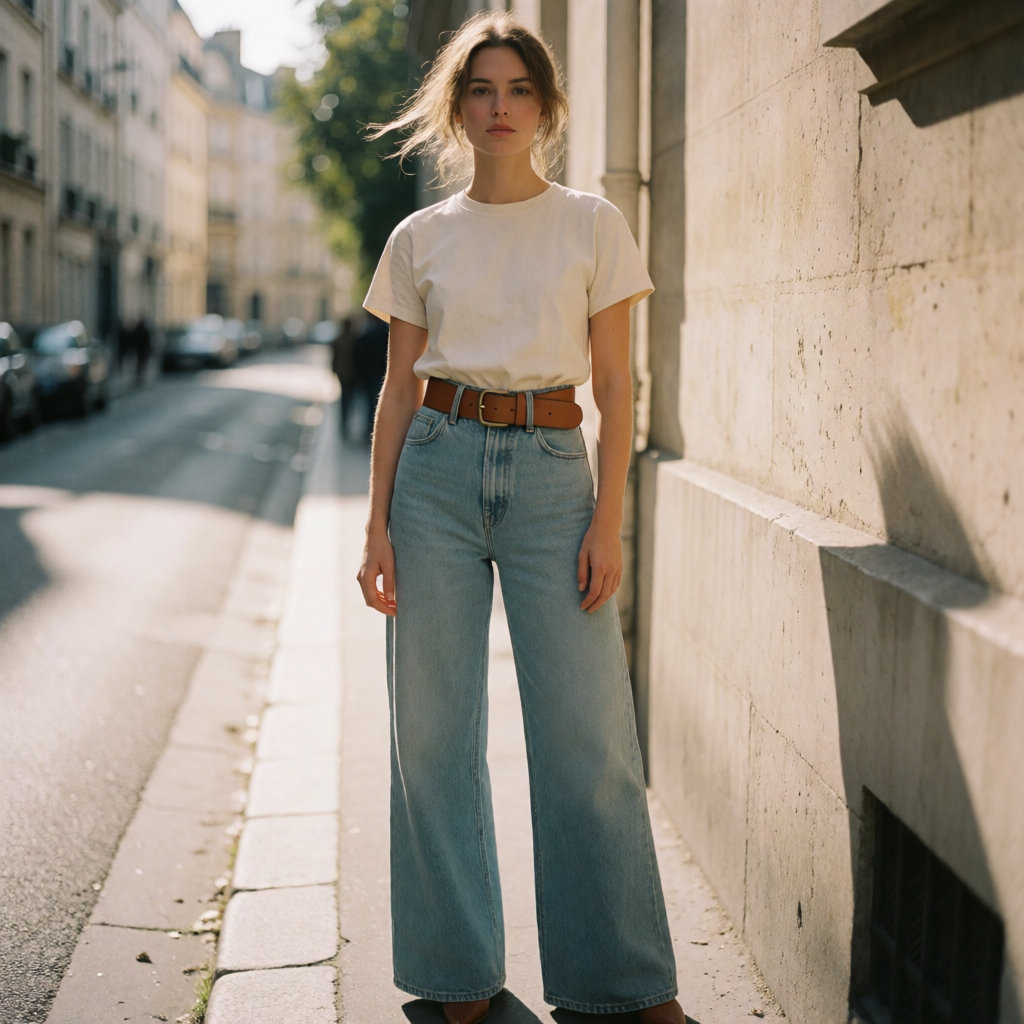
There are guidelines that work whatever pair you choose, and the first is proportion. Very loose trousers call for a relatively fine shoe, otherwise the silhouette can look weighed down; conversely, a cigarette trouser or straight jeans can take a more generous sole.
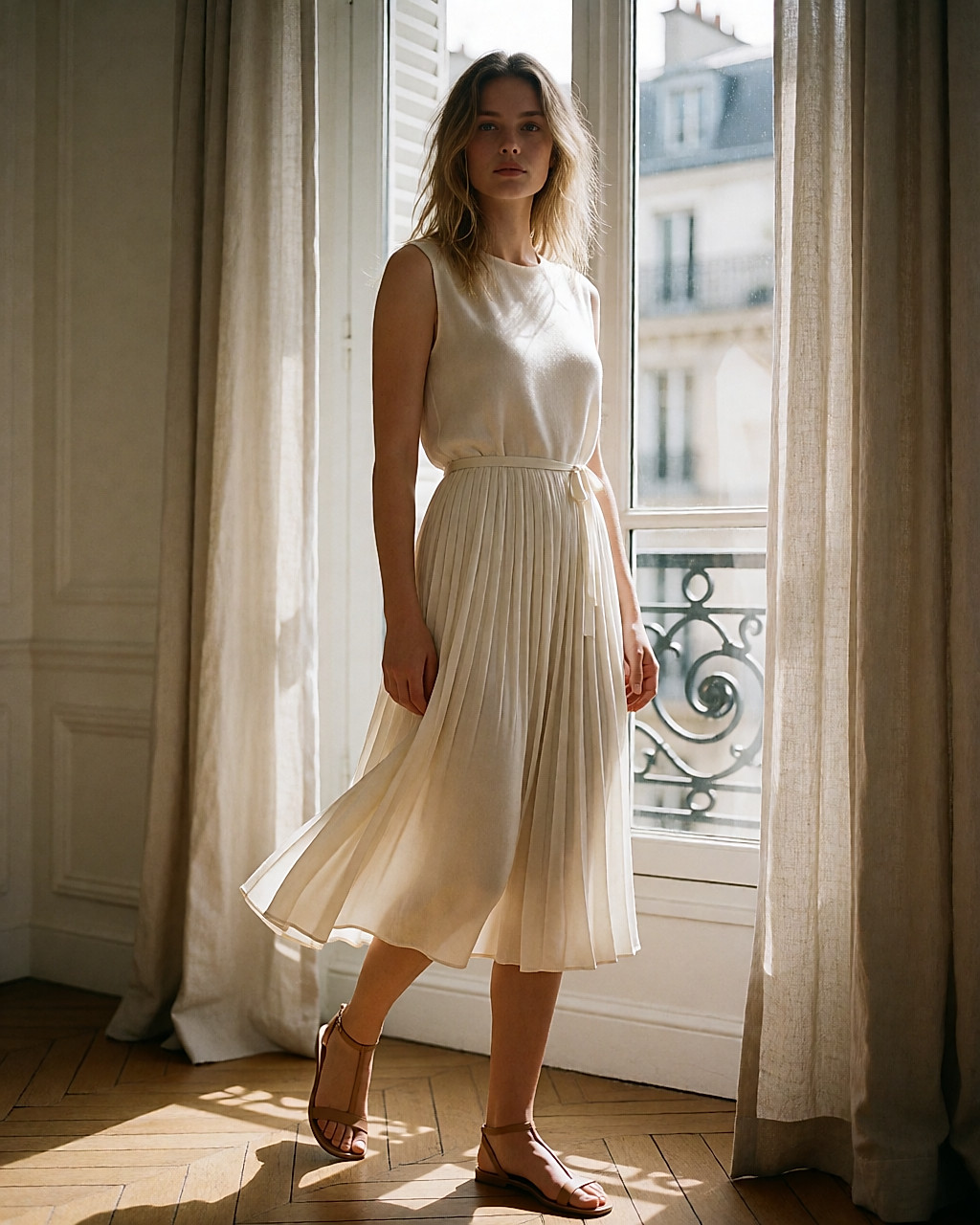
The leg line, next, is worth lingering over. A midi skirt worn with a boot that stops at the calf creates a sharp break: it's a choice, not a mistake — as long as you own it. For a continuous line, it's better to choose a shaft that rises to the knee or an exposed ankle. And if the shoe is graphic or colourful, keep the rest of the outfit understated; with a print, a plain pair remains the best ally. In reality, it's often the most discreet pair that ends up being worn every day, isn't it?
Then there's the question of real comfort, the most important one to me. A pair that only comes out three times in the season is a bad buy, whatever its charm in the window.
Three steps to make a pair last
- Waterproof them before the first outing, not after the first stain.
- Let them dry naturally, away from direct heat: a radiator hardens leather and makes it crack.
- Alternate pairs and slip shoe trees inside between wears, to keep their shape and limit moisture.
Before buying, try the pair at the end of the day: feet are slightly wider than they are first thing. If the shoe pinches then, it may well stay uncomfortable. Half a size up is better than a pair that's too tight and never gets worn.
Budget
On budget, expect to pay around £70-£130 for a pair in standard leather, and more like £155-£260 for full-grain leather or European production. A tall boot logically costs more than a ballet flat, and suede often falls somewhere between the two.
Several things move the price: the material, the type of sole, the city where you buy (prices are generally gentler outside London than in the capital), the range, and the time of the season. You'll find accessible styles in larger retailers and high-street shoe chains, a more edited choice in multi-brand boutiques, and the full collection on the brand's website.
Don't skip the care budget: a waterproofing spray, shoe trees and a soft cloth cost little upfront, and that's what decides whether your pair lasts one season or three! Add an occasional trip to the shoe repairer, and you more than offset the initial outlay.
Where to discover the collection
The collection can be viewed on the brand's website, where available styles, sizes and ordering details are listed. Before you check out, take a look at the size guide and returns policy: with a pair of shoes, that's what decides whether trying them becomes a keeper or a return.
All that's left is to find the pair that will see you through to spring — and to look after it properly.


Comments
Your opinion matters: rate the article, react and reply to comments.
Comments are moderated; AI-assisted comments are flagged. Text emoticons (8-), :-), <3…) are automatically shown as images.