

Hair takes a beating these days. Pollution, colour, shampooing too often, chlorine… it can all leave hair dull. The fibre can end up stressed, and it may stop reflecting the light properly.
So let's put a plan of attack together.
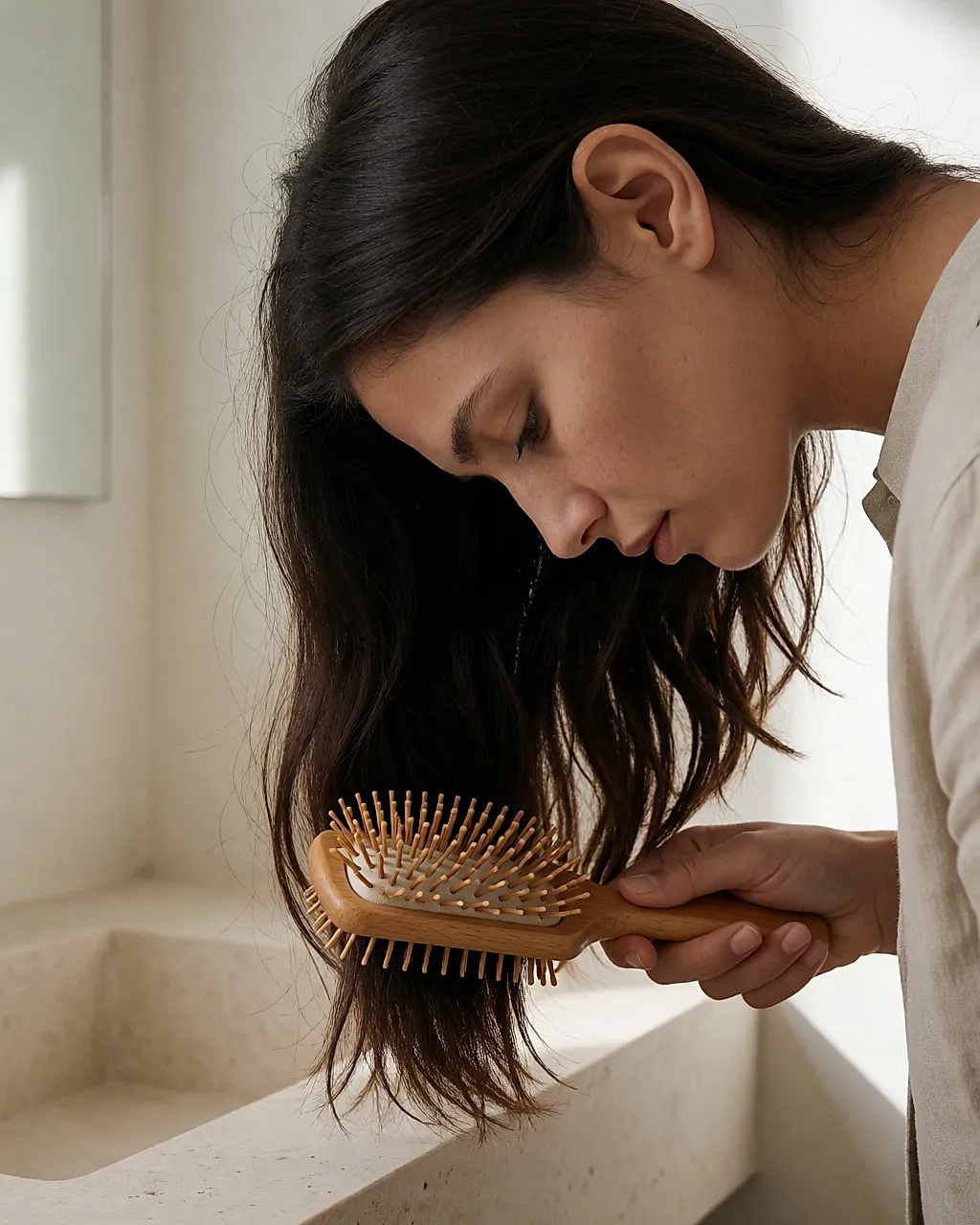
First, get rid of the dust and grime that settle into the hair. Which means revisiting granny's advice about brushing your hair a hundred times before bed. You don't need to go anywhere near a hundred: gentle brushing can help spread sebum down the lengths, but it shouldn't be overdone — match it to your hair type and don't press too hard. So in the evening, if that's your habit, brush the lengths with your head tipped forward, and keep away from the scalp so you don't irritate it.
On the kit front, brushes with natural bristles or rounded tips are popular for gentle brushing, but technique matters more than material. On wet hair, switch to a wide-tooth comb: once the fibre is full of water, it breaks far more easily.
After shampooing, rinse thoroughly so you don't smother the fibre. The giveaway? Hair that squeaks between your fingers. This is where a bit of grit comes in: the ideal is to make the last rinse a cold one. Cold water doesn't actually close the cuticles; the benefit is mostly sensory and instant, with no proven lasting effect. It's free, so you may as well.

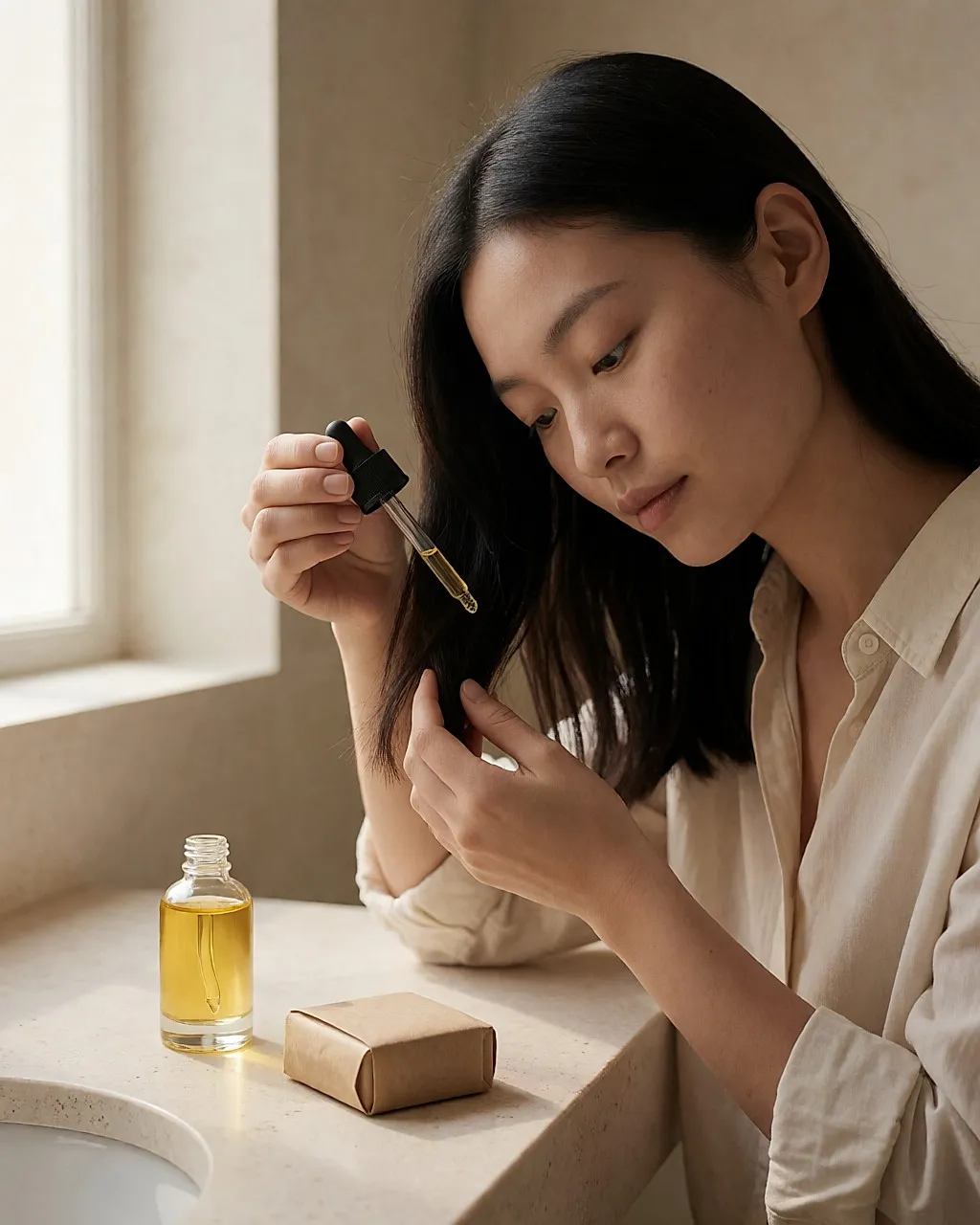
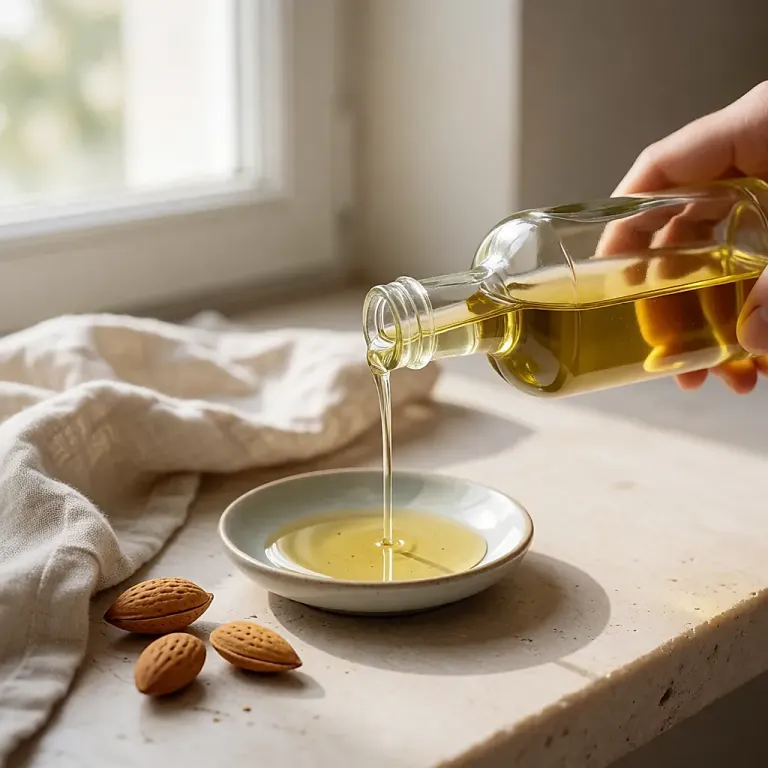
Ring the changes regularly. Alternate a shine-specific treatment with a neutral shampoo so hair doesn't end up weighed down or greasy. If you're the meticulous type, apply an oil before shampooing: in practice, many leave it on with no fixed duration, then wash. The ritual can help nourish and temporarily smooth the fibre, but results vary and it won't durably repair damaged hair. Conditioner goes on towel-dried hair, not dripping hair, otherwise the product can slide along the fibre without sinking in. You can wrap hair in a warm towel while it works, for comfort; it doesn't guarantee the treatment penetrates any better.
Once hair is dry, spritz on a gloss that leaves a shine film without greasiness. Perfect for a night out.
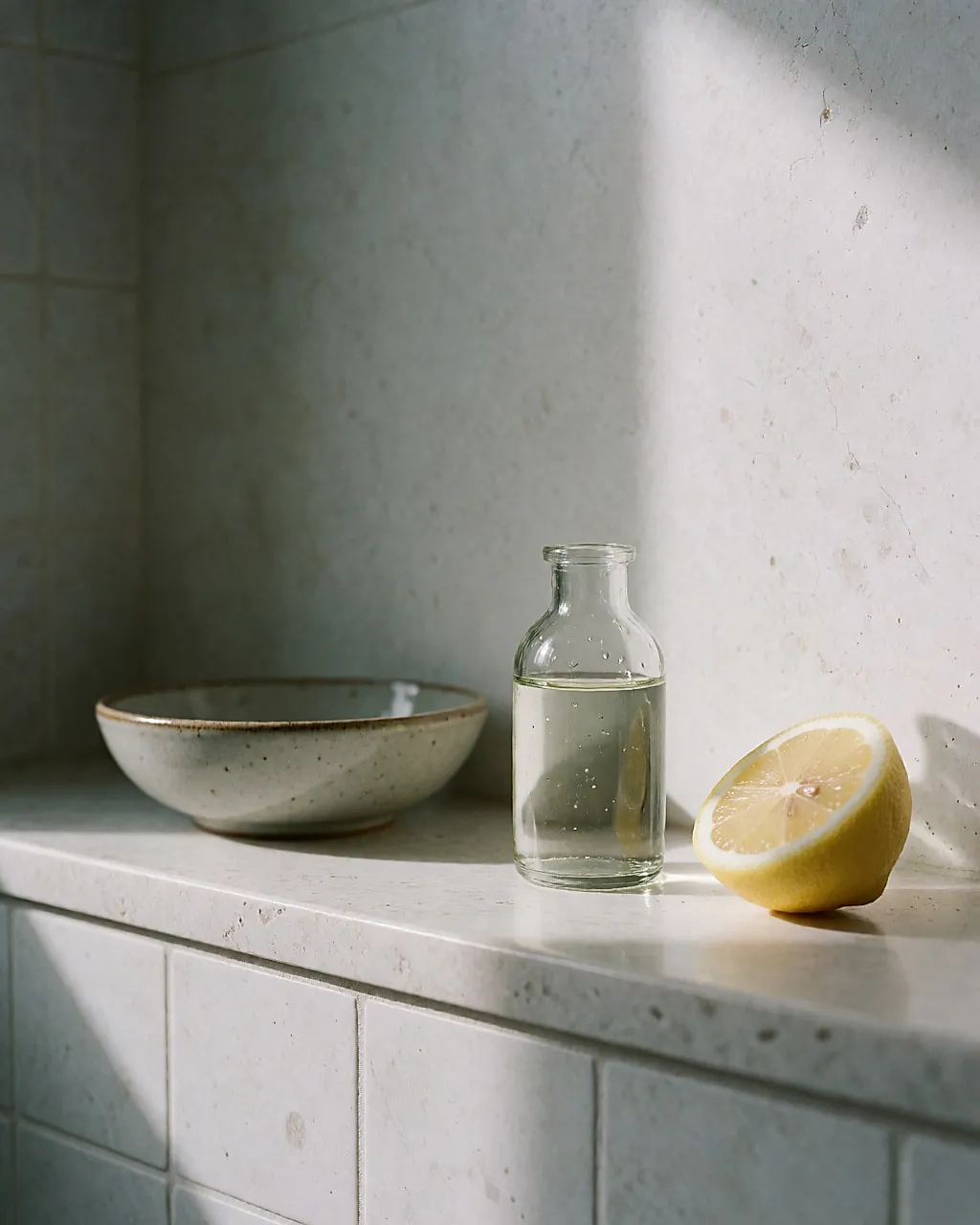
For the natural-recipe crowd, this is the moment to bring out the vinegar or the lemon. Just rinse hair with vinegar water or lemon water after shampooing. Diluted vinegar is traditionally used as an acid rinse; its effect on the cuticle and on shine isn't clearly proven. The smell usually disappears as hair dries. Lemon is riskier: it can dry hair out and may lighten colour, especially before sun exposure. Keep it for natural, undyed hair. Cheap, and that's half the appeal.
Finally, a blow-dry or a straightening pass is the usual way to temporarily smooth the cuticles and boost shine. A blow-dry can visually smooth the cuticles and bounce light back, but the effect is gone at the first wash. That's no reason to skip it before a night out — just a reason not to make it a daily habit. The catch, as you know, is that these treatments can weaken hair too, so use them in moderation, for the big occasions.

Don't play innocent: you've already tried dozens of styling products in search of maximum shine. There's a good chance they didn't deliver the transformation you were hoping for. It may simply be that a product doesn't suit your hair type, or that your hair wasn't prepped properly. Hair is like an athlete: to get results, you have to prepare it first. And how do you do that? By following our tips for shiny, soft hair.
What it costs
Money-wise, there's no need to spend a fortune: a boar-bristle brush is usually £15 to £40 on the high street or at a beauty retailer, while a wooden wide-tooth comb is more like £5 to £15. A plant oil (argan, coconut, olive) runs £8 to £25 depending on the size, and a finishing gloss £10 to £30. White vinegar and a lemon are already in your cupboard — the cheapest trick on the list. Ranges vary by brand and stockist, so check in store: prices move quickly.


Comments
Your opinion matters: rate the article, react and reply to comments.
Comments are moderated; AI-assisted comments are flagged. Text emoticons (8-), :-), <3…) are automatically shown as images.