
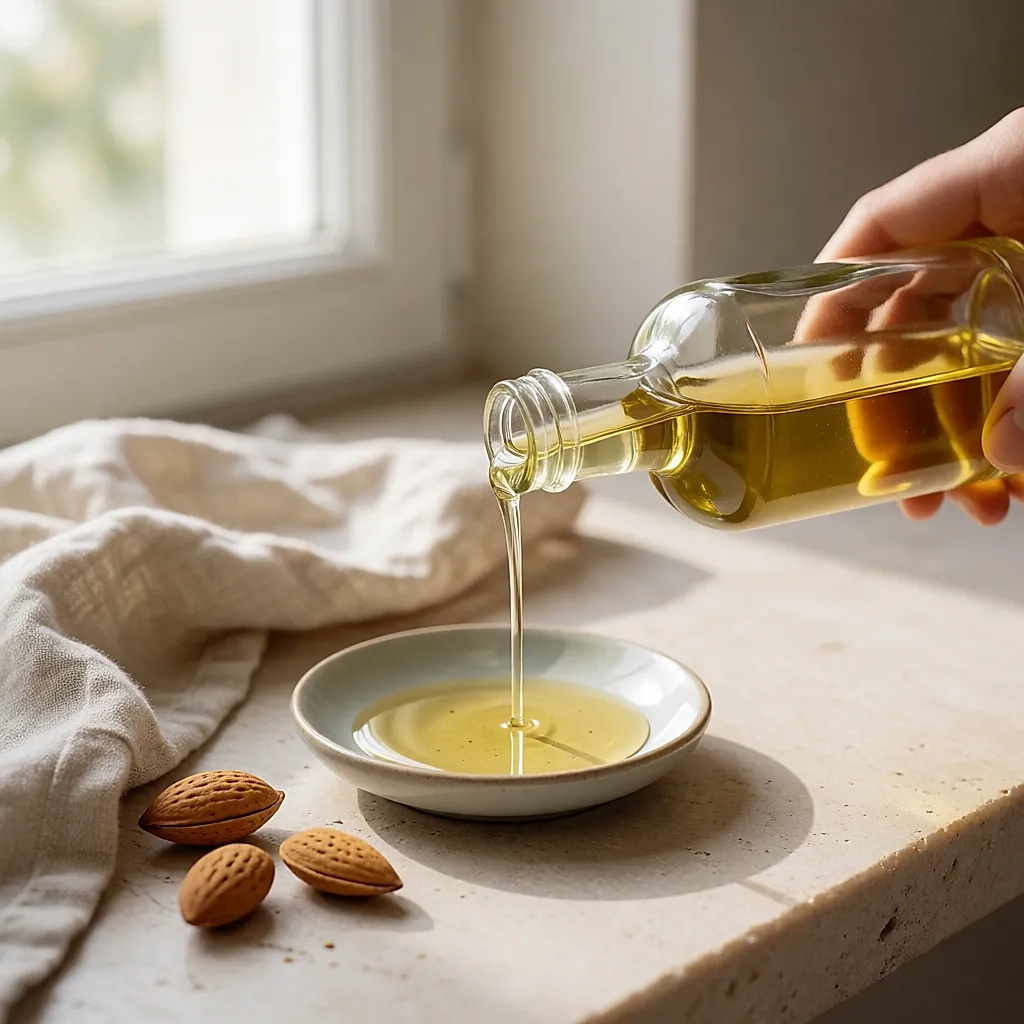
You get out of the shower, your skin feels tight, and you reach for the first bottle to hand. Then one day you rediscover a forgotten bottle of sweet almond oil at the back of a drawer, and suddenly it all makes sense. The tree nut you nibble with an aperitif also does real favours for skin and hair. Here is what it can do, without expecting it to do everything.
A texture that gets straight to the point
On the INCI list, it appears as Prunus amygdalus dulcis oil. It is often described as an oil rich in fatty acids, with natural vitamin E. What really stands out, though, is how it feels: the fluid spreads effortlessly and sinks in without leaving the greasy film that clings to sheets.

It is an emollient oil — in other words, it softens and wraps the skin. It is not an all-purpose product, but one that excels at a specific job: softening, enveloping and calming tight sensations. After exercise or a day spent in the wind, this simple comfort changes how your skin feels.
One non-negotiable point: almond is a tree nut. If you have a tree-nut allergy, speak to your GP or pharmacist before applying a cosmetic that contains it.

Three drops, a three-minute massage
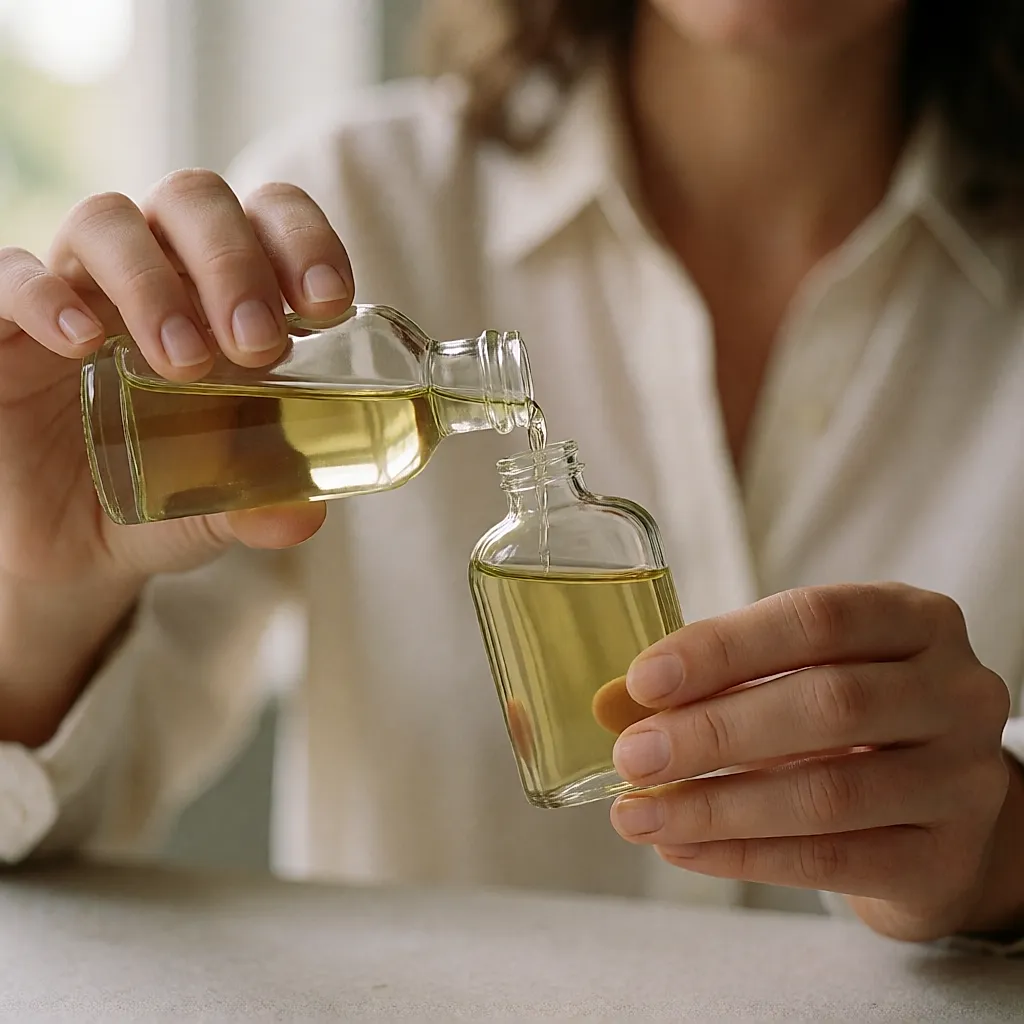
Your body routine can take three minutes, with a timer. On still-damp skin, warm a pea-sized amount of oil between your palms, then massage your legs from bottom to top. The technique matters as much as the product: the warmth of your hands helps the oil spread, and you finish with skin that feels supple.

What I haven't tested, though, is so-called 'dry' oil. An oil is still an oil. If your chest tends to get oily, keep it for your legs and arms at night, and use a lighter lotion on oilier areas.
Fine hair: keep it light rather than heavy
In haircare, almond often appears in milk or shampoo. And in practice, if a volumising shampoo works on fine hair, it is rarely because it nourishes: it is because it doesn't weigh hair down. An almond milk product adds suppleness to the hair without the stiff, coated feel of a mask left on too long.

A few drops through the mid-lengths and ends before shampoo, and you gain shine without sacrificing volume. On already greasy roots, oil applied too high will leave hair looking flat all day.

Lips, hands and cuticles: the travel sizes
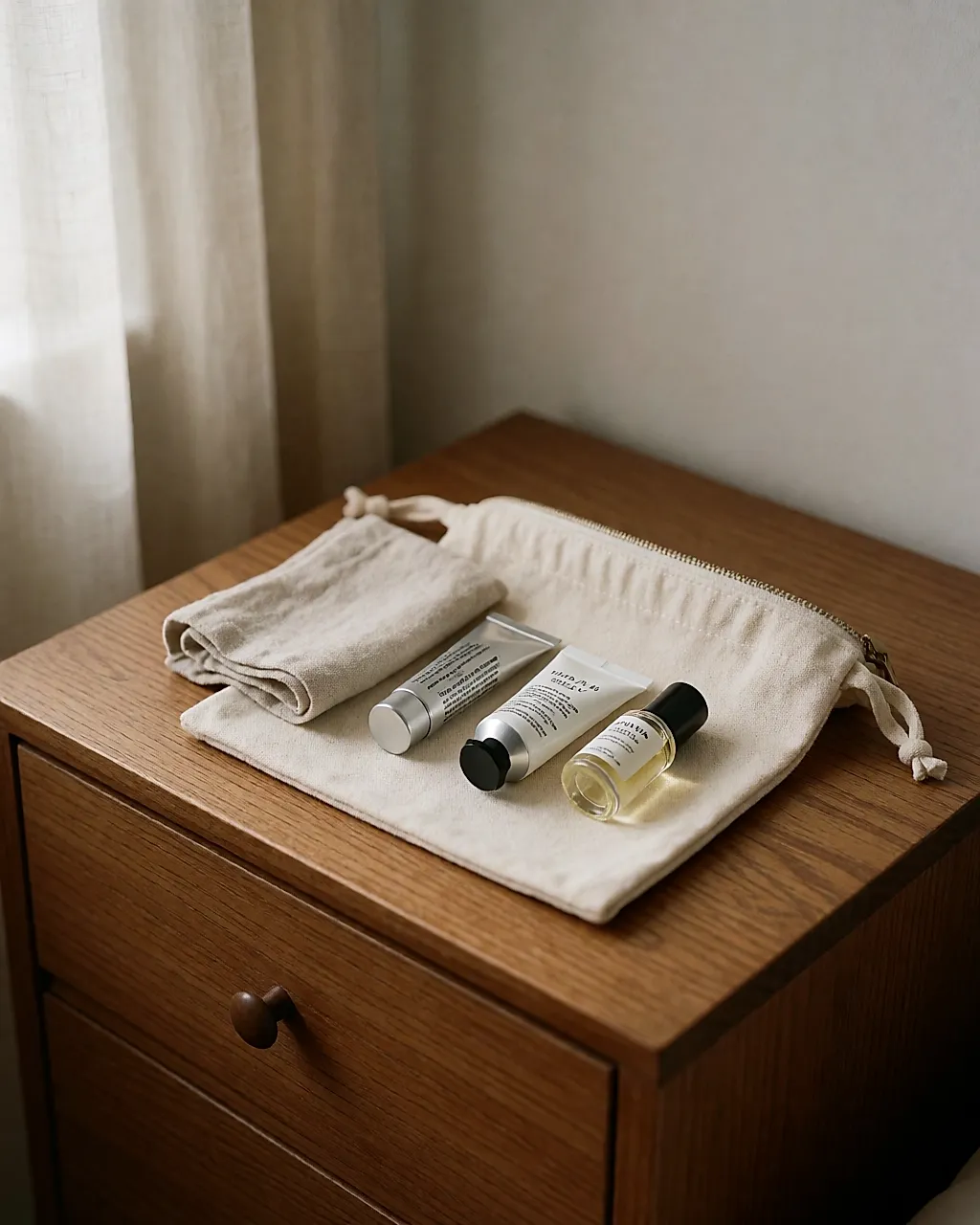
Almond lends itself easily to travel sizes. A lip balm, a hand cream enriched with shea butter, a cuticle oil: three products that fit in a bag and really earn their place. For hands, apply after every wash, working extra into the knuckles and the skin around the nails, two areas that show first.
The back-of-the-hand test: when you're torn between two oils in a shop, put a drop on the back of your hand and wait two minutes. Virgin almond oil sinks in and leaves the skin supple; an oil that is too diluted sits on the surface and leaves a sticky film. It costs nothing and saves you a bad buy.
What sweet almond oil can and cannot do
No cosmetic can replace a consultation with a dermatologist, and sweet almond oil is no exception. What it can do is make your routine pleasant, so you stick to it more regularly. And consistency does more good than any bottle bought in a sale and then forgotten at the back of a cupboard.
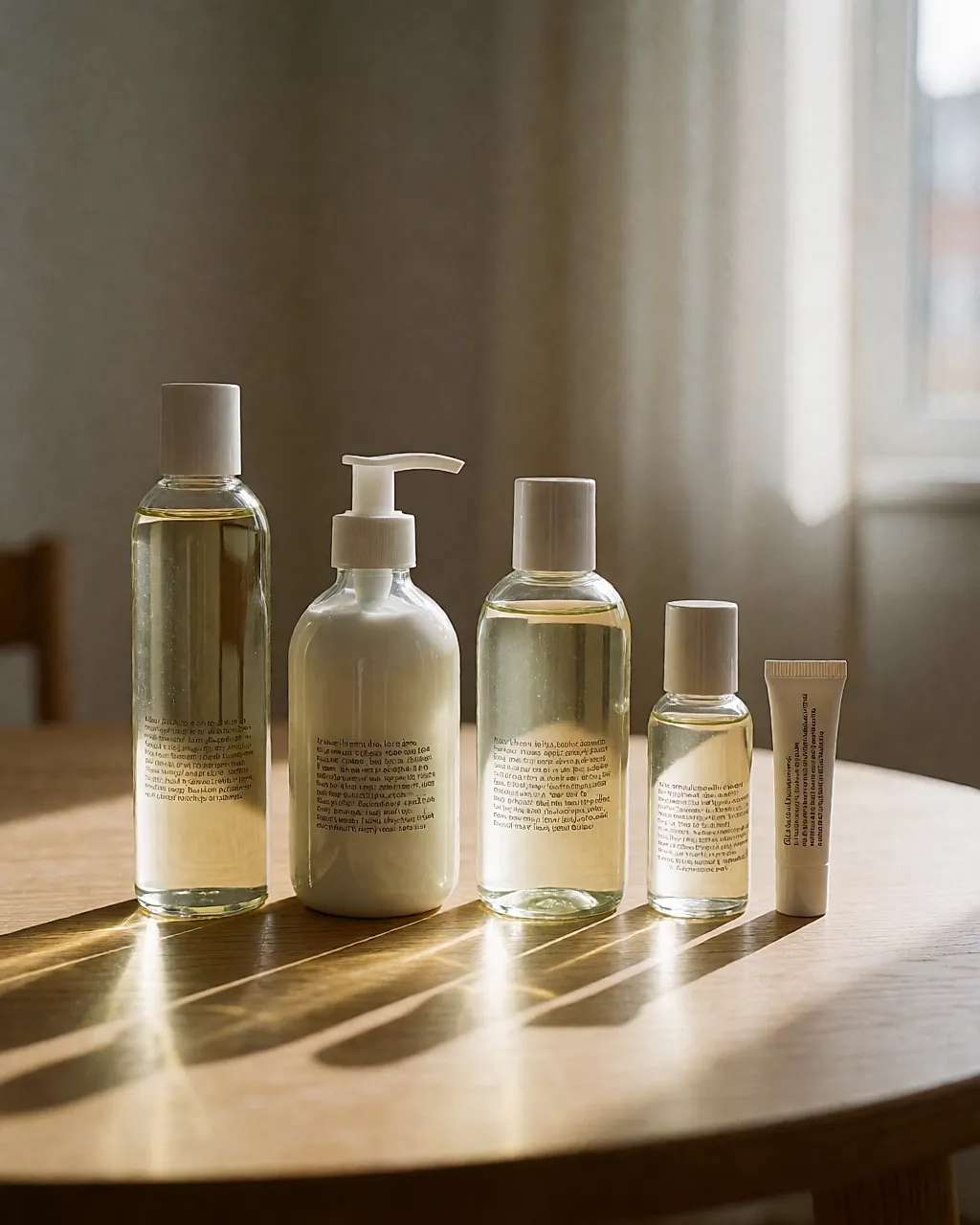
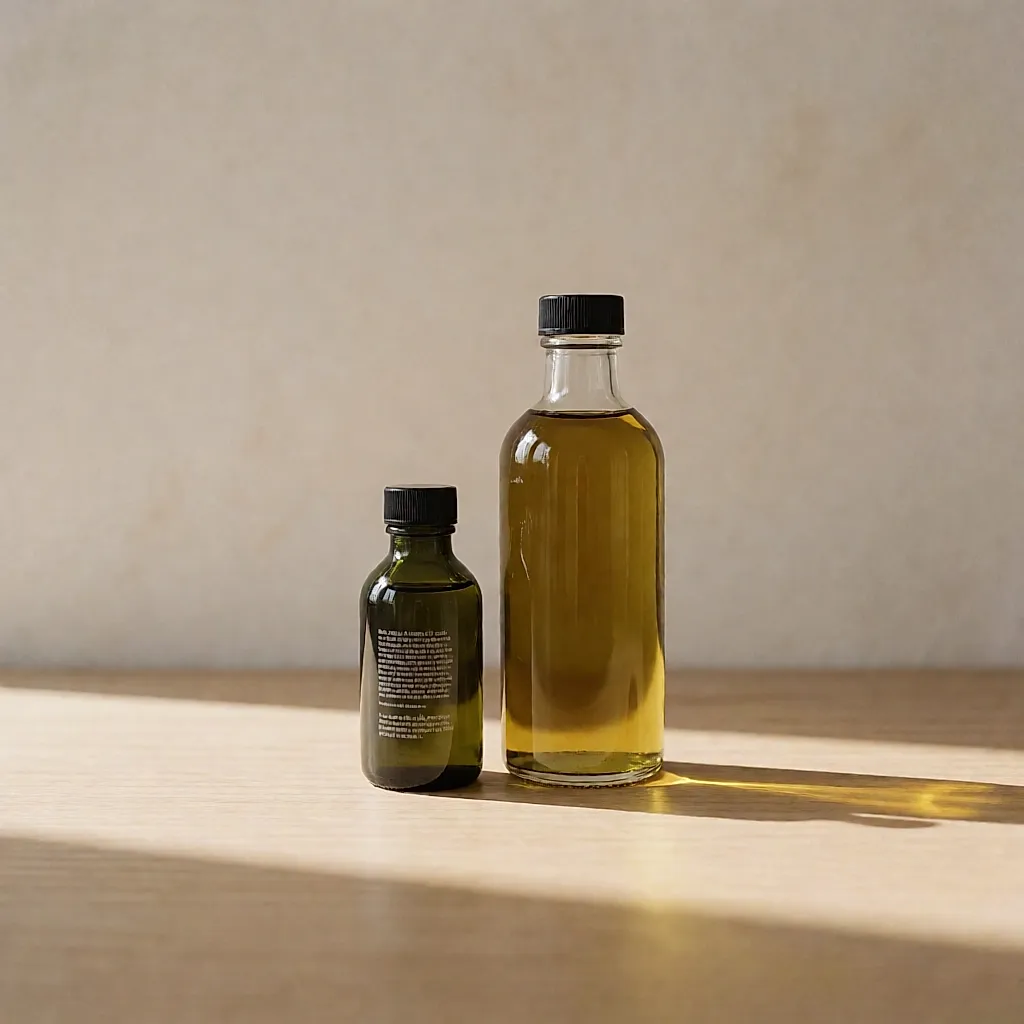
When choosing a product, one simple criterion makes the difference: look for virgin oil, cold-pressed at the first pressing, in a glass bottle. Labels such as COSMOS guarantee a standard for ingredients and processing, not dramatic results. If the brand offers a refill, that is a genuine plus for the packaging.
What to budget
UK prices are reasonable if you compare per millilitre rather than by bottle size. As a guide, typical UK ranges are:
- Virgin organic sweet almond oil, 50 ml: around £5–£12. What changes the price: cold-pressed versus refined oil, organic certification (COSMOS, for example), and a glass or plastic bottle. You'll find it in pharmacies, health food shops, or larger supermarkets for basic formats.
- Almond body lotion, 200–250 ml: around £7–£18. The difference comes from oil content, quality control and packaging — a pump bottle is harder to recycle, while a refill lowers the cost.
- Almond shampoo, 200–250 ml: around £7–£15. Pharmacy brands sit at the top of the range, supermarket formats at the bottom.
- Multi-use oil, 50–100 ml: around £18–£32. Glass and a formula with several oils explain the price.
- Almond lip balm: around £4–£9. For chapped lips, choose versions without fragrance or colour.
These are ballpark figures: prices move quickly, and online promotions make comparison unreliable.

Comments
Your opinion matters: rate the article, react and reply to comments.
Comments are moderated; AI-assisted comments are flagged. Text emoticons (8-), :-), <3…) are automatically shown as images.