

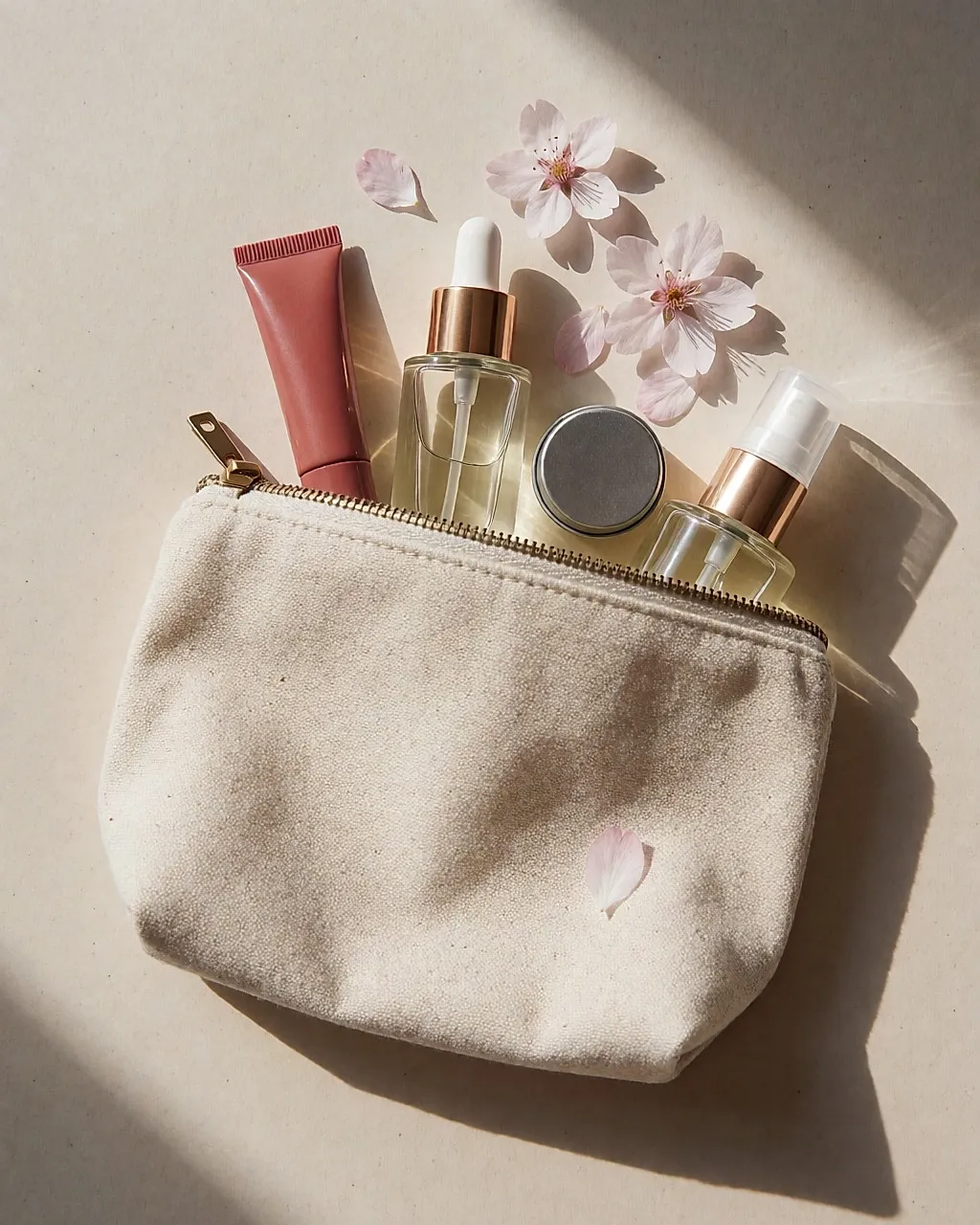
April can’t make up its mind. Mild at lunchtime, freezing when you leave the office, and your skin gets the memo at exactly the same time you do. The result: cheeks that feel tight, a complexion that looks grey, lips that peel. So we reopened the spring beauty bag — the one we reach for when we don’t want to get it wrong. A handful of products, a few gestures, and the reason behind each one. We point out what is certified and where we’ve accepted a compromise.
The overnight balm for dry patches
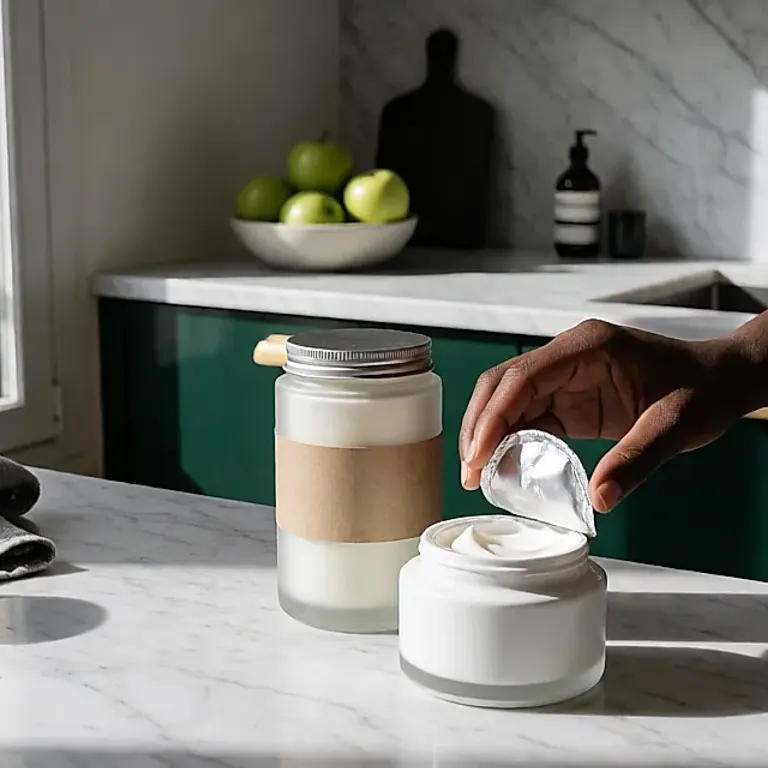
At night, skin loses water and repairs itself. A rich balm, applied in a thin layer, gets to work while you sleep. Skin Food by Weleda relies on a blend of plant oils and waxes, with extracts of wild pansy and chamomile. Warm it between your palms, then press it into the areas that feel tight — cheeks and the sides of the nose. As a night mask, you can apply a little more.
What sets the brand apart: Weleda is B Corp certified and has its formulas assessed against the NATRUE standard, which grades natural and organic cosmetics by levels of naturalness. One honest caveat: the texture is rich, so it will suit dry skin best. Around £10–£20 depending on size.

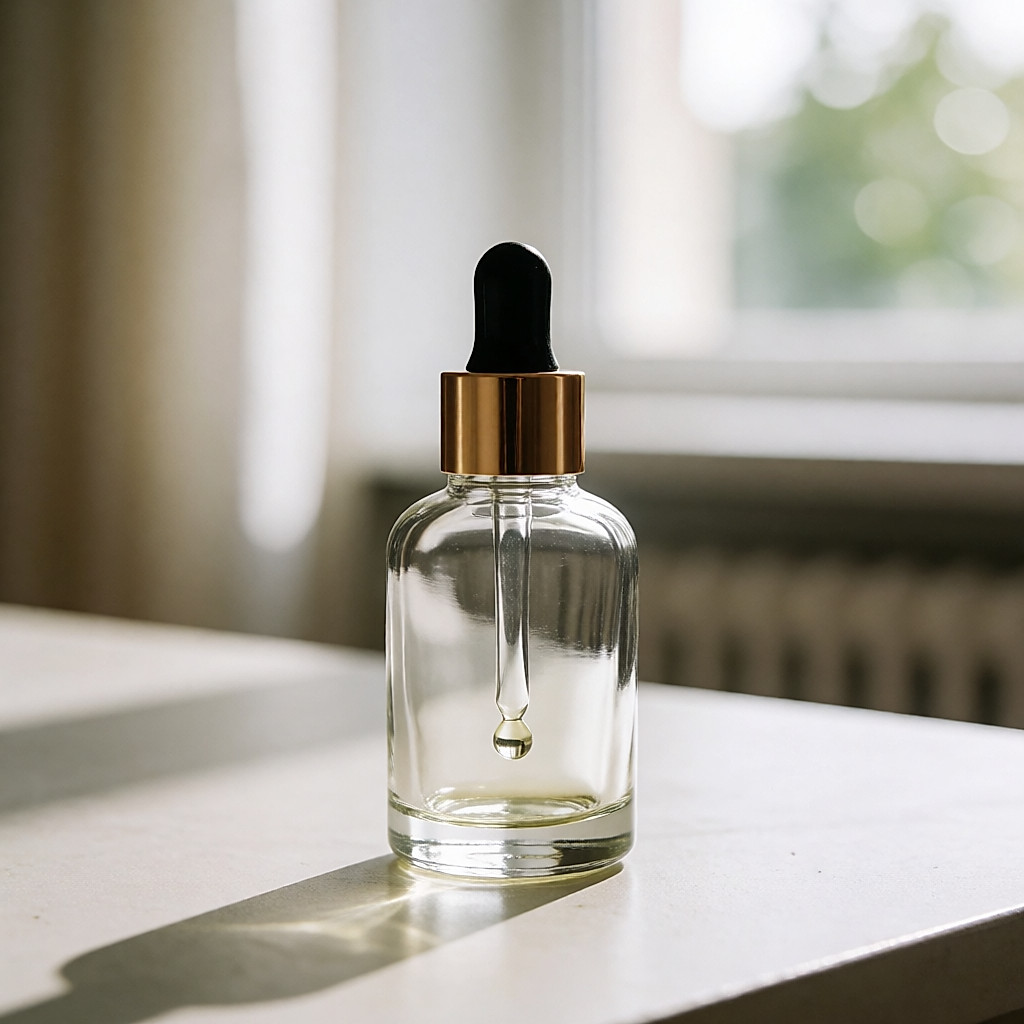
The serum that rehydrates without grease
Hyaluronic acid is everywhere — and in practice, it is often applied to slightly damp skin to limit any feeling of tightness. Typology’s hyaluronic acid serum is made in France and takes the short-formula route: fragrance-free, glass bottle. A few drops, tapped in, then let it sink in for a moment before your cream.
The detail that makes the difference is in the action: tap, don’t spread. Around £20–£30 for 30ml.
A tinted lip for a just-bitten finish
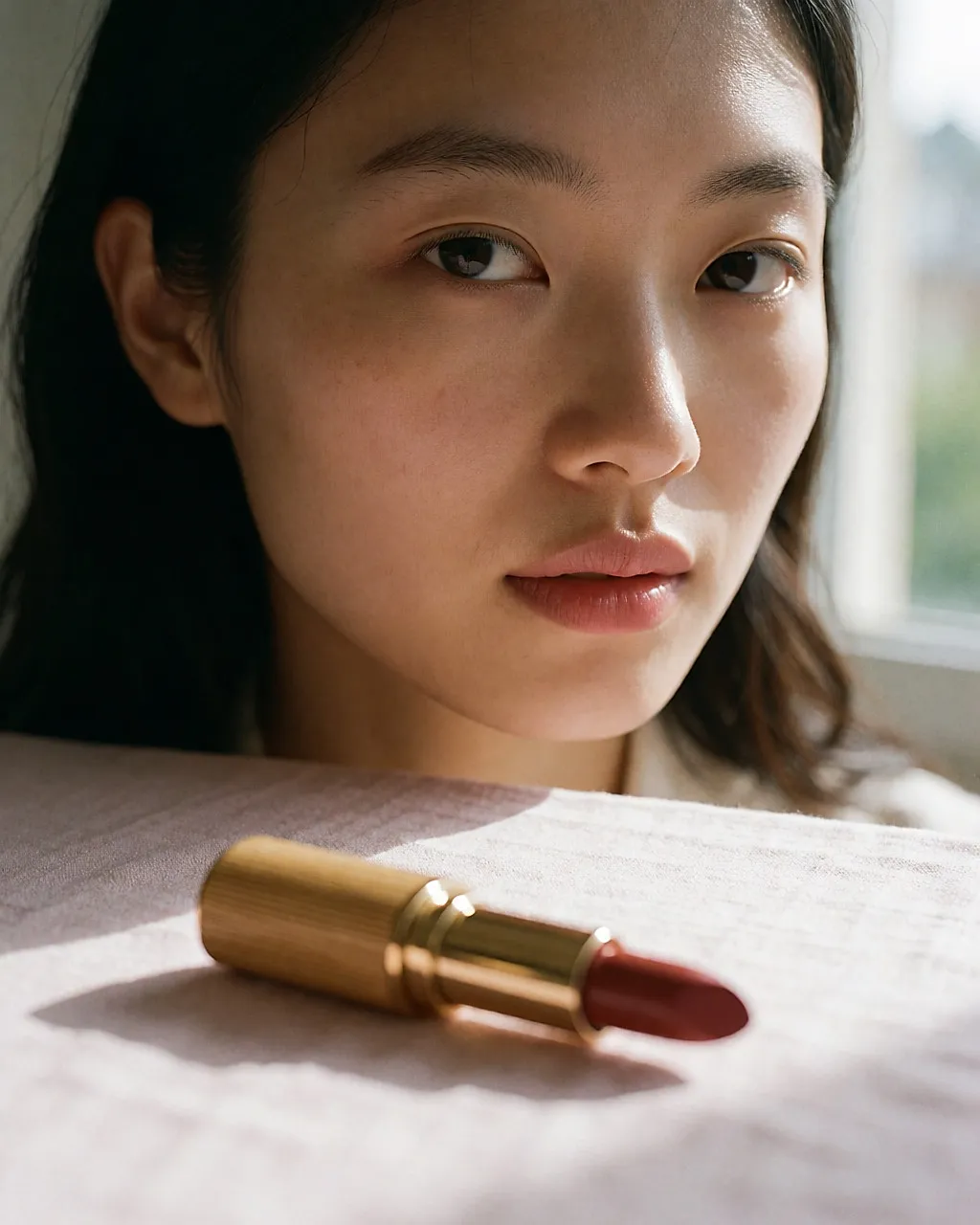
A lipstick is practical: it’s quick to apply and easy to carry for touch-ups. At Zao Make-Up, the case is bamboo and refillable — keep the tube, buy only the refill. The formulas are certified organic (COSMOS Organic), with a satin finish and a non-sticky texture. The cherry shade goes on with a fingertip for a simple just-bitten effect. Around £15–£25 for the stick, and refills cost noticeably less.
Hair in the sun, and the compromise we accept
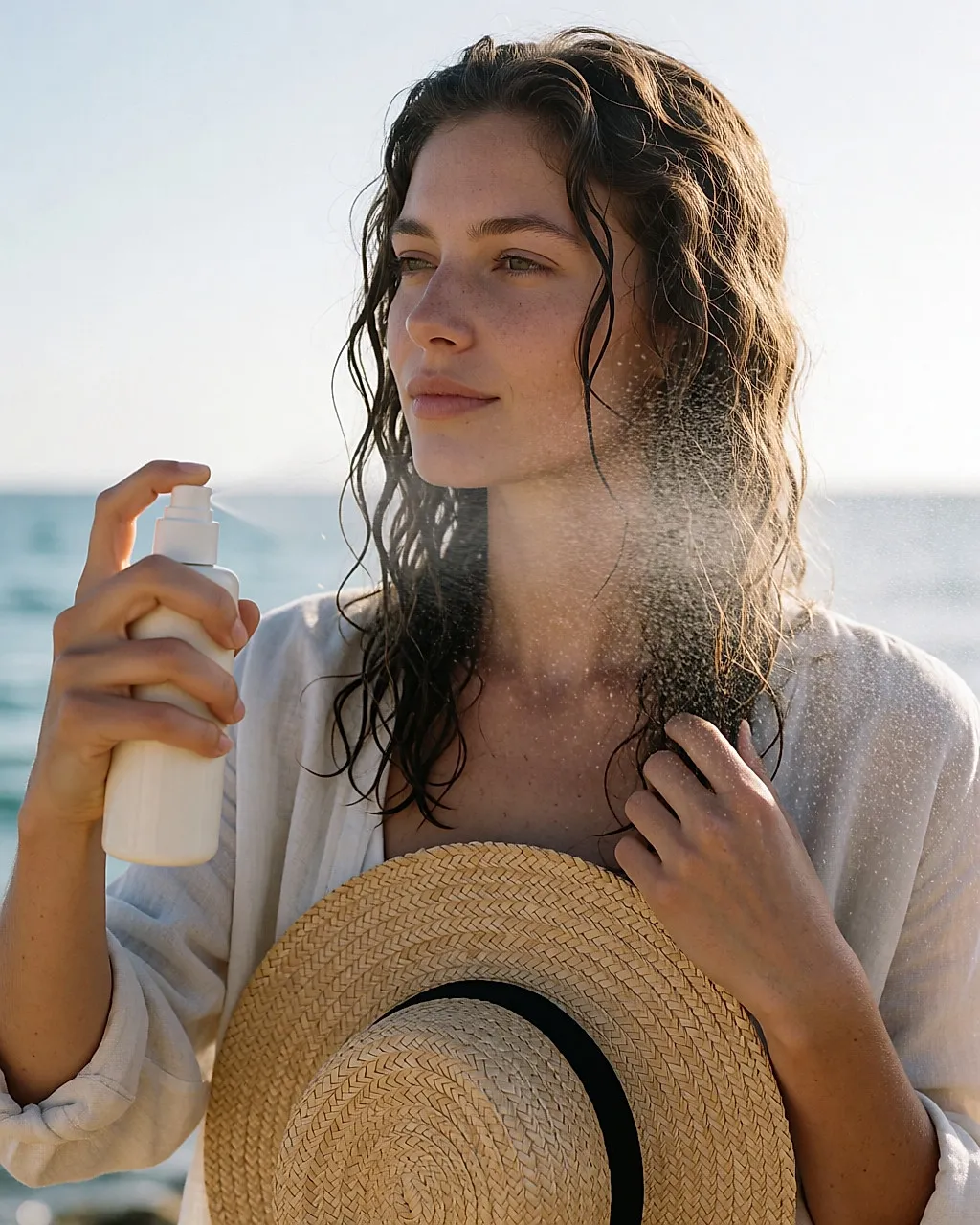
Sun, salt and chlorine take a toll on hair. But when it comes to UV protection, organic options are still thin on the ground. So we accept a compromise with Phyto’s Phytoplage line: a mist to spray on damp hair before sun exposure, from a French brand. We’ve chosen it for the format rather than for an organic label. In practice, the measures that matter most are mechanical: a hat, a fresh-water rinse after swimming, and after-sun through the mid-lengths and ends. Around £15–£30 depending on size.
Nails: oil before hardener
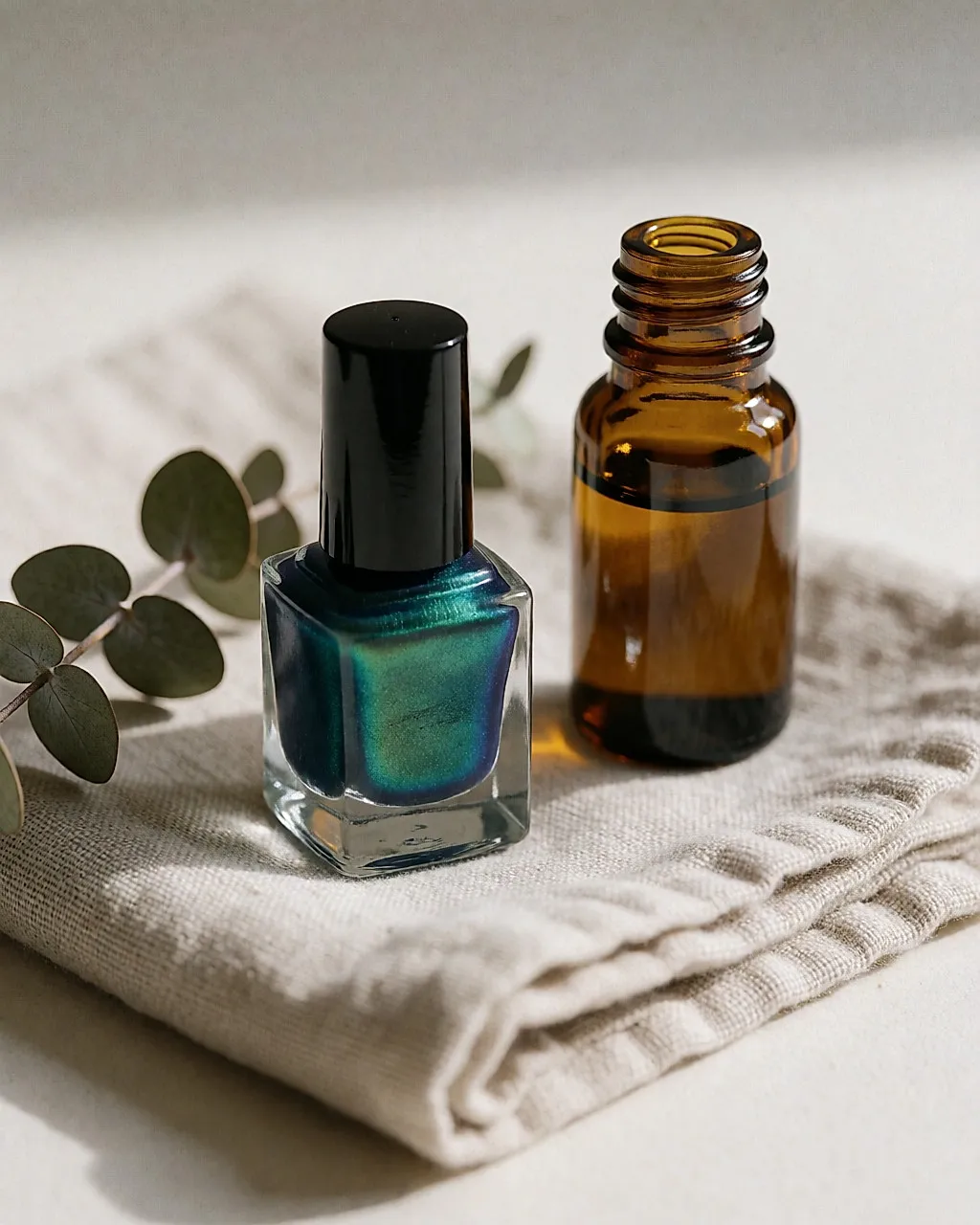
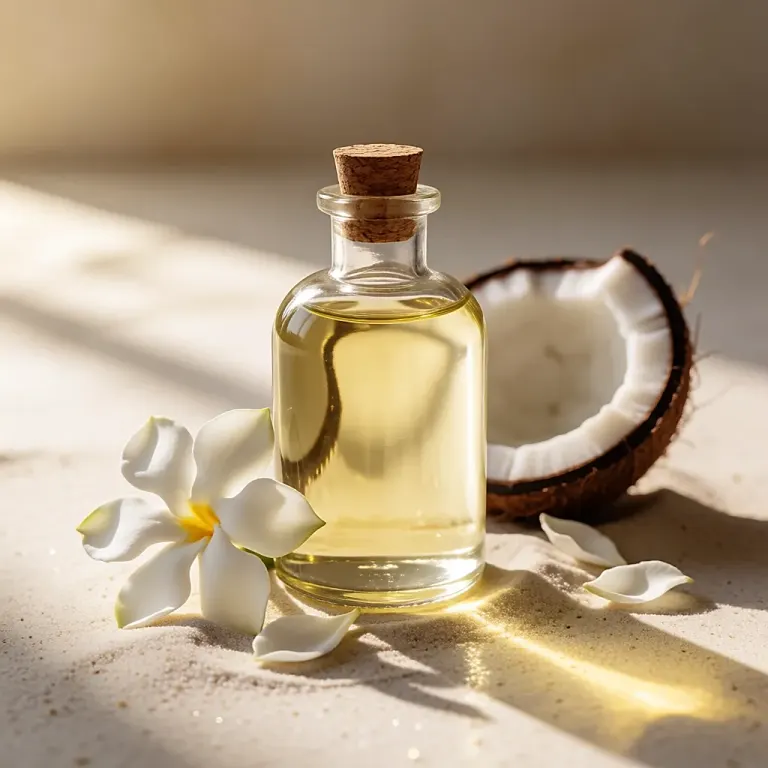
Nails that split as soon as they grow? Hardener isn’t the first lever. A short massage with plant oil (castor, jojoba) into each hand at night can help soften the cuticle, and that is often where it all begins. On the polish front, Kure Bazaar, made in France, says its formulas are free from several traditional solvents and uses a glass bottle: more comfortable to wear if you paint your nails regularly. Around £8–£18.
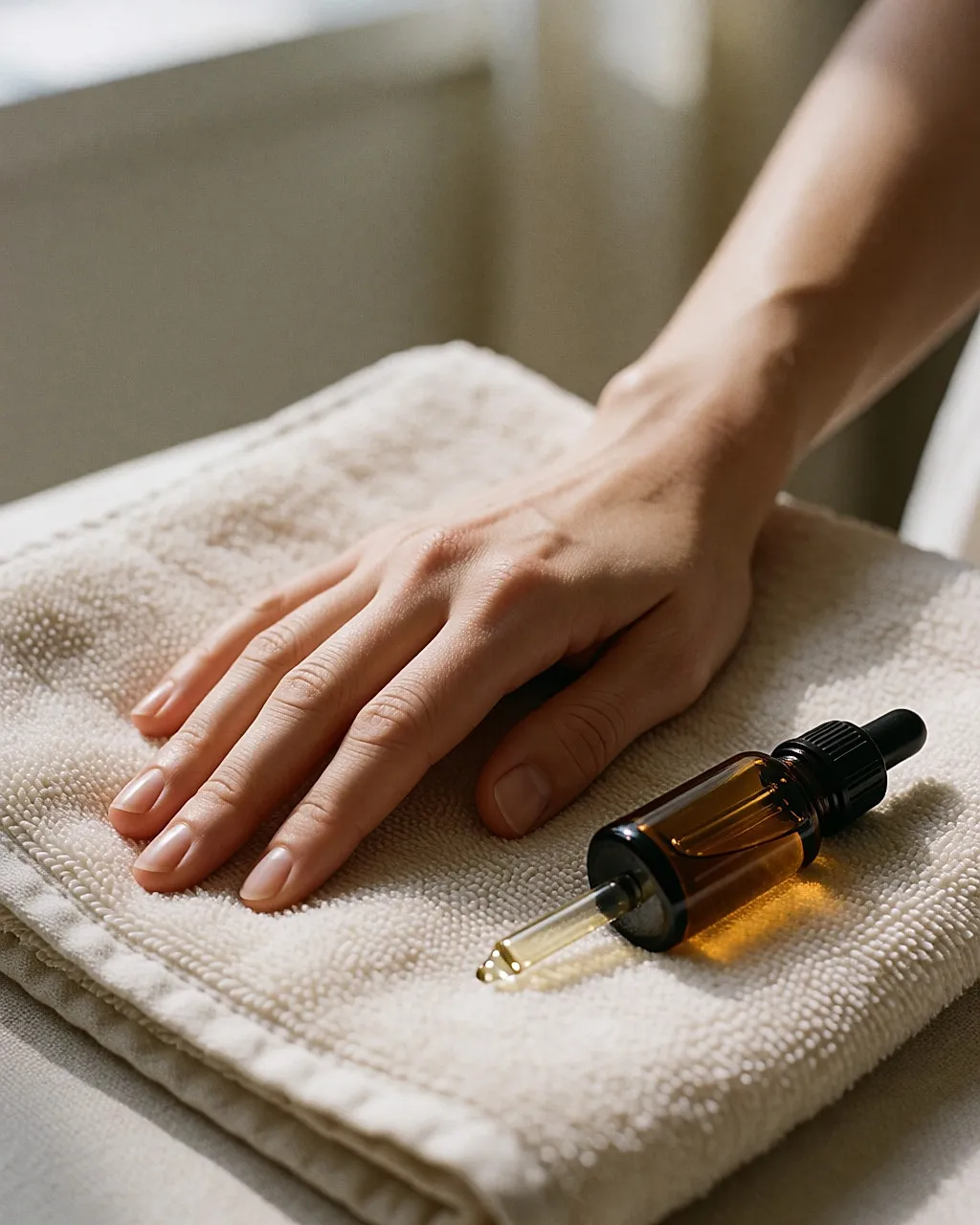
Morning eyes: puffy and tired
Let’s be honest: no cream replaces a full night’s sleep. But a moment of hands-on care can change how your eyes look. A cold object on the contour (a spoon from the fridge, a stone), then a massage from the inner corner out to the temple, without pressing on the eye. If puffiness is permanent, speak to your GP rather than adding more products. Caffeine roll-ons are much of a muchness: aim for a glass bottle.
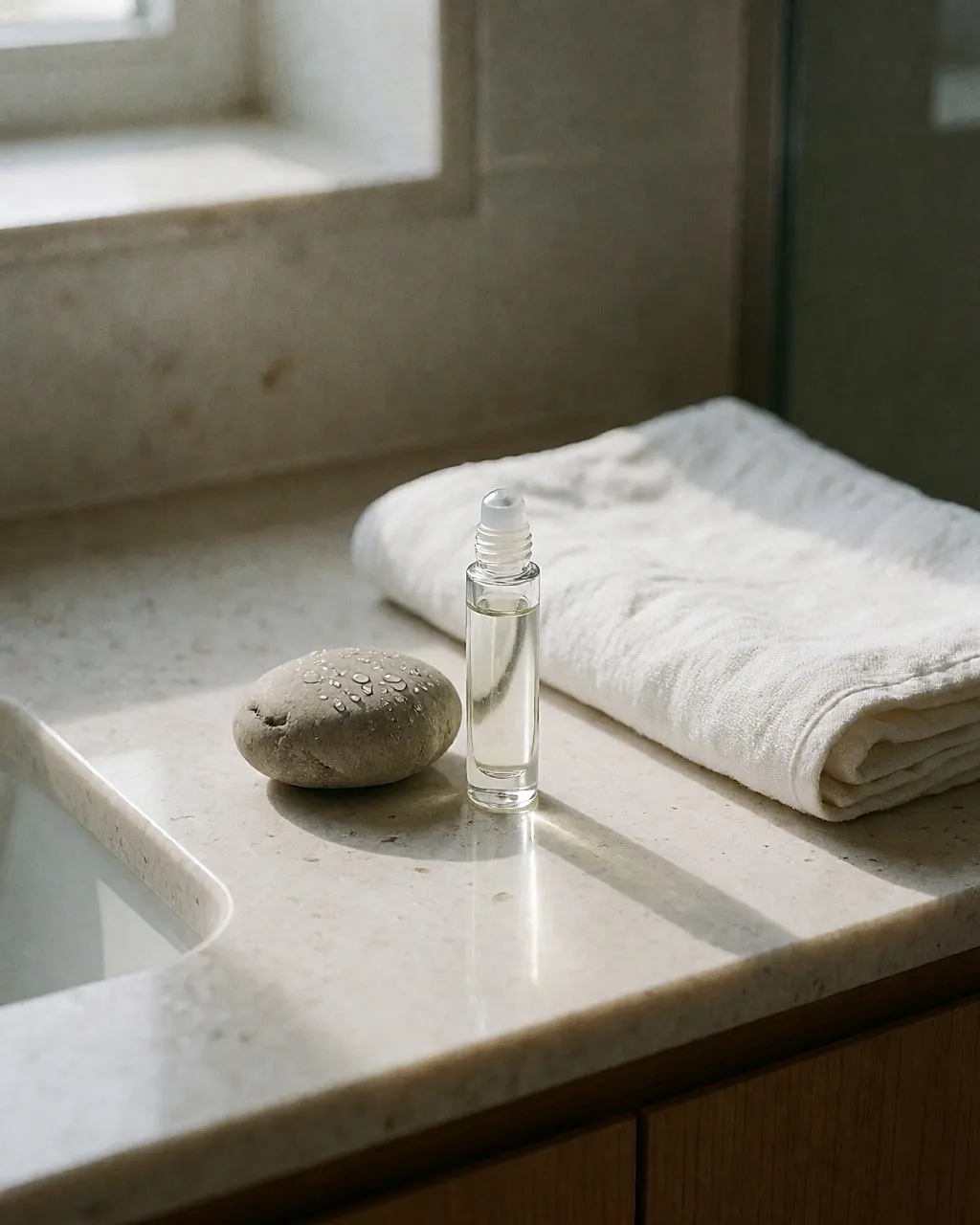
Cleansing: cotton pads aren’t compulsory
If your skin feels tight after micellar water, try an oil: massage it into dry skin, emulsify with lukewarm water, then finish with a gentle cleanser. Less rubbing on the eyelids, and one less disposable cotton pad every night. For the rest, reusable organic cotton pads. Around £5–£15 for the oil, £8–£20 for the pads.
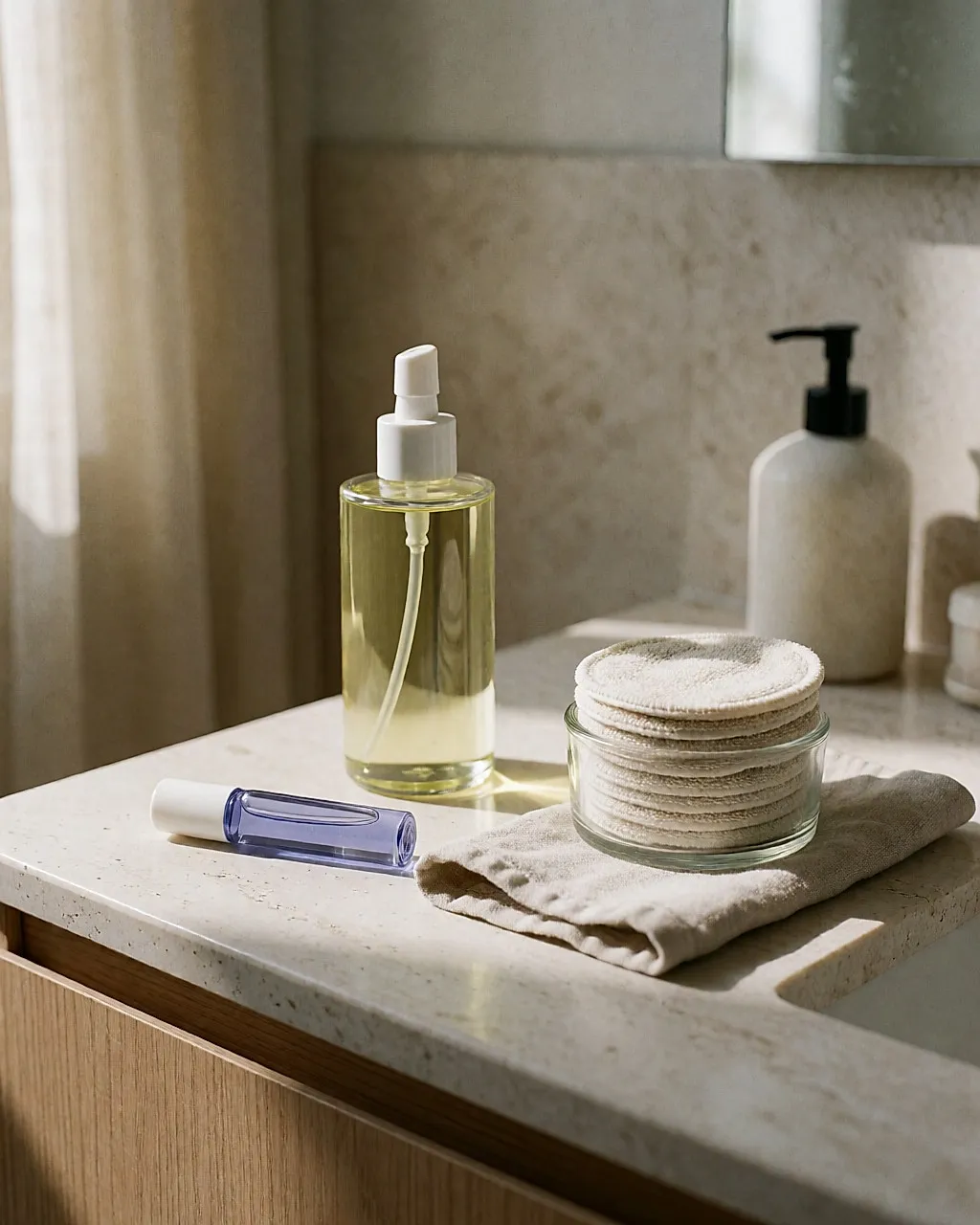
The evening order, done properly Remove make-up (oil, then a gentle cleanser), serum on damp skin, balm or cream to seal. In the morning: lukewarm water, serum if needed, cream, then SPF. A short routine kept up every day beats a five-step routine abandoned within a week.
Budget
Indicative UK prices, excluding promotions:
- Night care: around £10–£20 depending on size.
- Hyaluronic acid serum: around £20–£30 for 30ml, depending on retailer.
- Lips: around £15–£25 for the stick; refills cost noticeably less.
- Hair protection: around £15–£30 depending on size.
- Nails: around £8–£18 for polish, with plant oil sold separately.
- Cleansing: around £5–£15 for oil, £8–£20 for reusable pads.
What moves the price: format, organic certification, whether there is a refill, where you buy it (pharmacy, beauty retailer, supermarket, brand website) and promotions.

Comments
Your opinion matters: rate the article, react and reply to comments.
Comments are moderated; AI-assisted comments are flagged. Text emoticons (8-), :-), <3…) are automatically shown as images.