
Ten past seven, black T-shirt pulled on in a hurry, and that automatic glance under the arm before you pull the door shut. Ten seconds of doubt, every single morning. You use deodorant without thinking about it — until the day you turn the bottle over and read the ingredients list. And then, more often than not, none of it makes sense.
First, some transparency: for the products and ingredients mentioned here I'm going on the official ingredient lists and the brands' own documentation; I'm not claiming to have tested them all.
Deodorant and antiperspirant do two different jobs
A deodorant doesn't stop you sweating. Its territory is the bacteria that break down sweat and shift the skin's pH: it keeps odour in check. An antiperspirant blocks the sweat ducts, and to do that it almost always relies on aluminium salts, usually aluminium chlorohydrate.
That's the whole difference between 'I smell less' and 'I don't sweat'. Which is why so many bottles on the shelf say 'aluminium-free'.
Should you be worried about aluminium?
The honest answer takes two sentences. No causal link has been demonstrated between the aluminium salts in antiperspirants and breast cancer, and that is the position of the French health agencies as well as the American Cancer Society. At the same time, French health authorities advise caution: don't apply it to broken, irritated or freshly shaved skin, because damaged skin absorbs more.
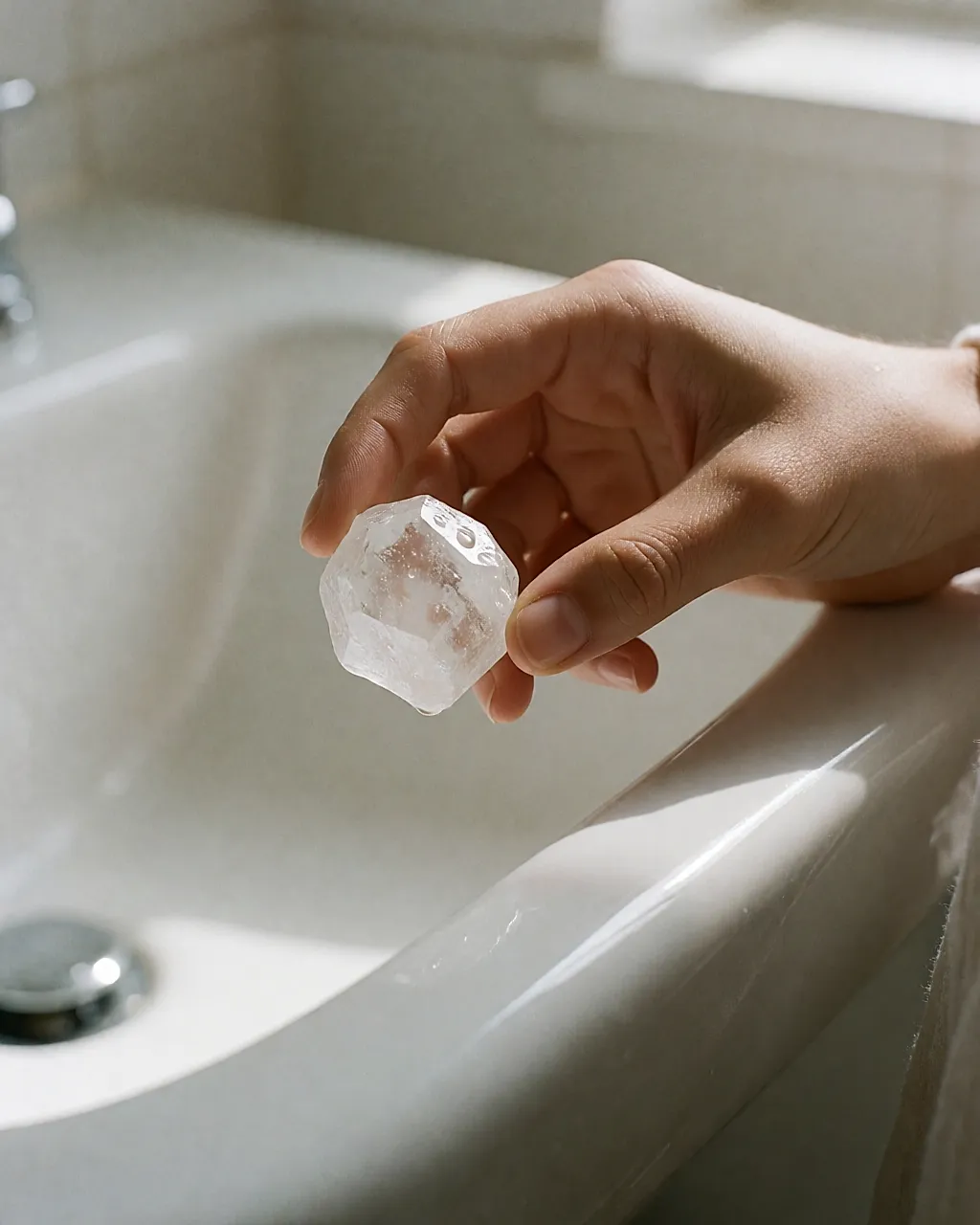
One point that gets badly muddled: alum stone is not 'aluminium-free'. Potassium alum contains aluminium, in a form different from the one used in conventional antiperspirants and generally described as less penetrating. If you genuinely want an aluminium-free deodorant, this isn't it — even though it is an effective astringent and very cheap.
Roll-on, stick, powder or stone?
It's the texture that decides how you apply it, and therefore the result.
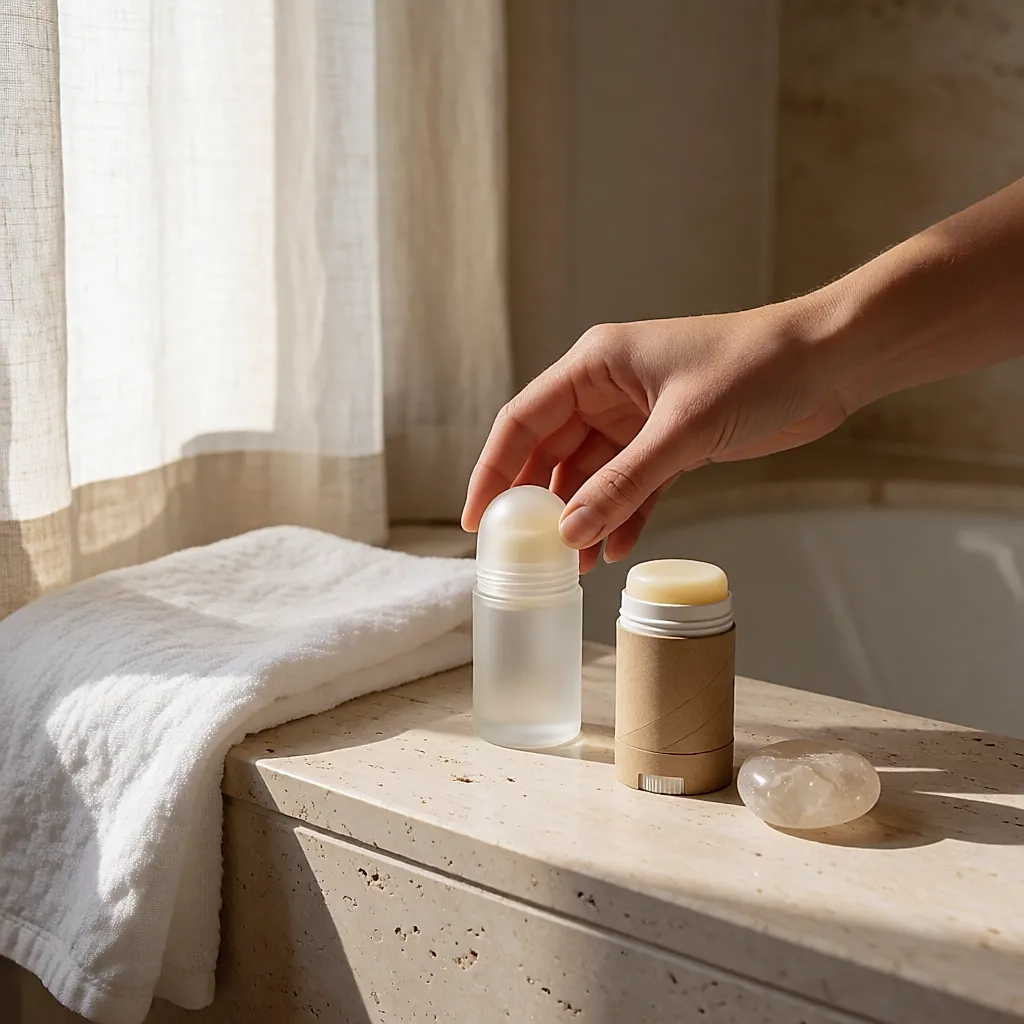
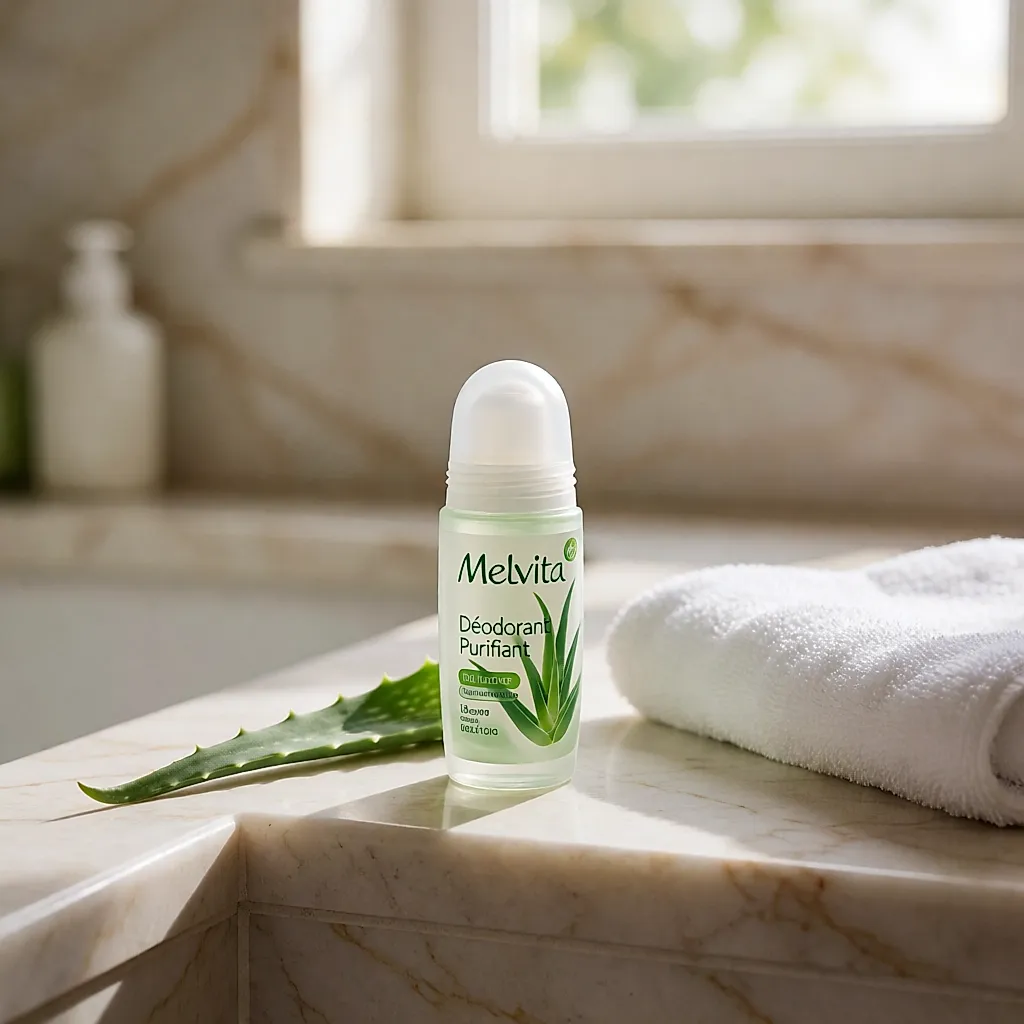
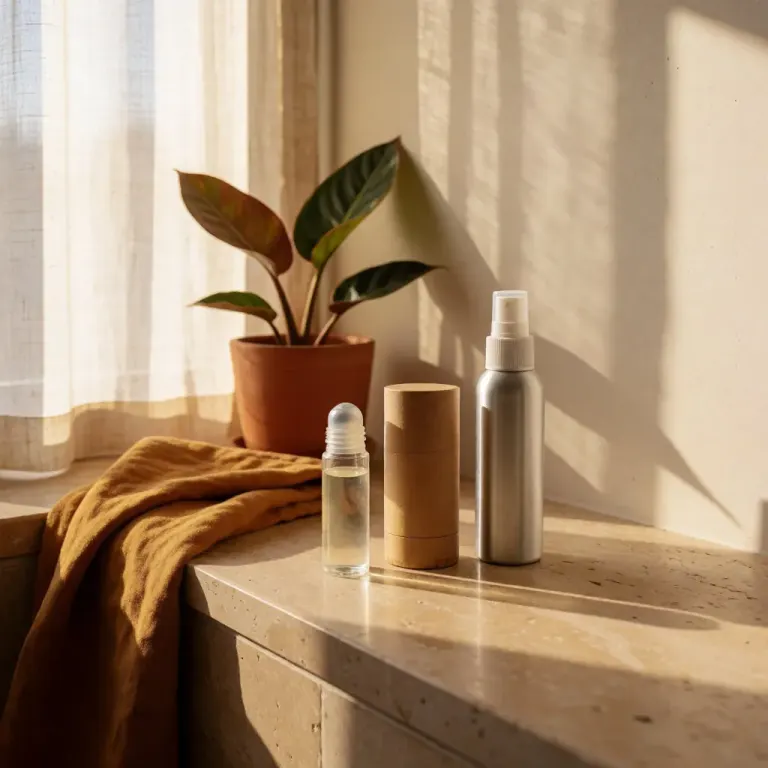
Roll-ons, often water-based with aloe vera, dry in about a minute and suit reactive skin. Stick or solid balm, made with wax and oil, lasts longer, but sometimes contains sodium bicarbonate, which irritates right after hair removal. Spray is the quickest, provided you can tolerate alcohol and essential oils. Powder and alum stone have the shortest ingredient lists, but need slightly damp skin.
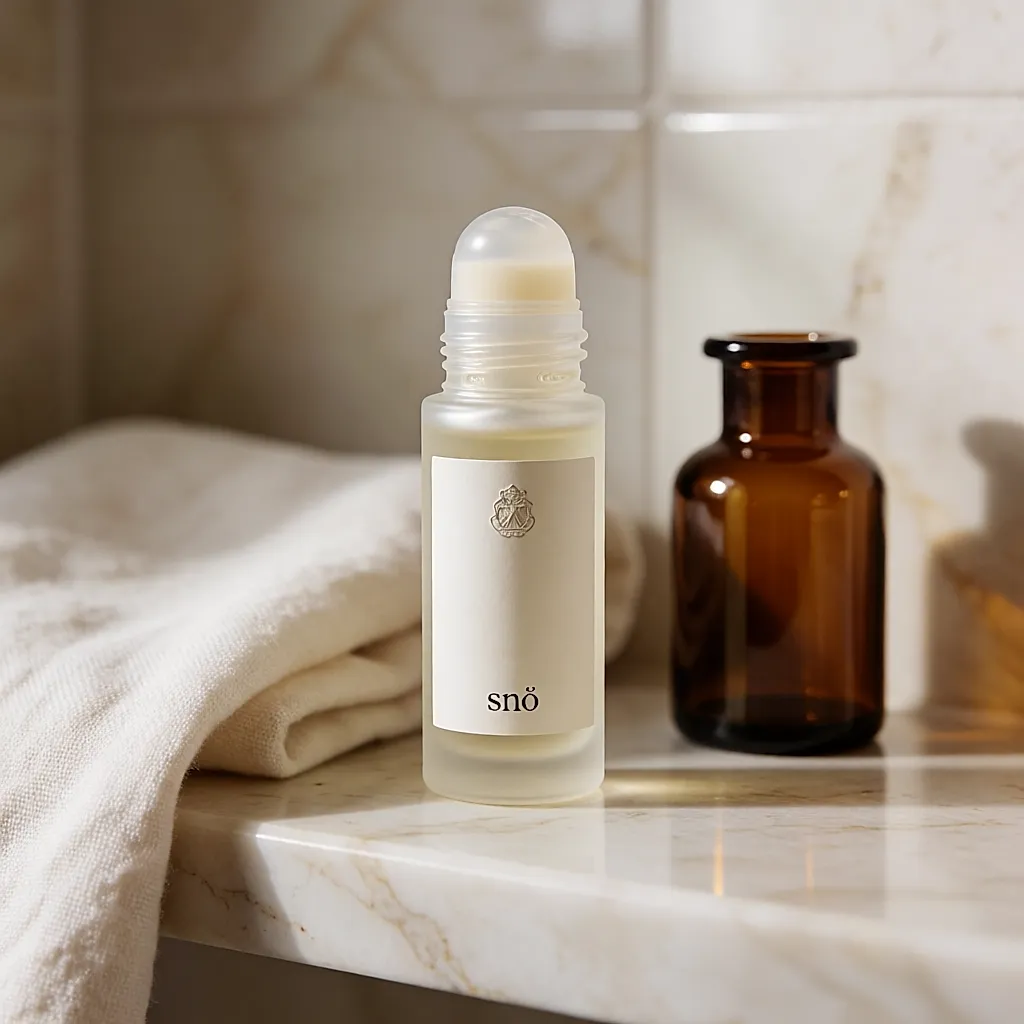
On the standards front, the COSMOS ORGANIC benchmark requires a minimum share of natural-origin ingredients and of ingredients from organic farming in the formula; Cosmébio's specifications point the same way. None of that says anything about whether a product works, but it does set boundaries around the formula. On packaging, refillable formats, cardboard sticks and glass cut the plastic — provided you actually buy the refill again, otherwise the benefit evaporates.
Three lines to check on the label
- Denatured alcohol near the top of the list: effective, but drying on sensitive skin.
- Essential oils (lavender, sage, tea tree): antibacterial, but best avoided on reactive skin, and worth checking with a health professional during pregnancy.
- Sodium bicarbonate: brilliant against odour, but it can cause redness.
Getting the application right
Put your deodorant on clean, dry skin — not straight out of the shower while you're still damp. Let it dry for thirty seconds before you get dressed: that's what stops the marks along the seams. And if you're swapping an antiperspirant for a deodorant, allow for an adjustment period: the changeover can make you feel as though you're sweating more at first. It's not a hard rule, just a possible experience.
What it costs
In the UK, expect roughly the following — prices vary by retailer:
- Supermarkets and own-brand ranges: around £3–6 for a 50 ml roll-on.
- Natural brands in chemists and health-food shops: roughly £8–15 for a 50–100 ml bottle.
- Solid or refillable: around £8–15 for the starter format, £4–8 for a refill.
- Alum stone: £6–12 for 60–120 g, which lasts several months.
The differences come down to format, certification, where you buy it and whether a refill exists — which saves one more plastic bottle, as long as you genuinely buy it again. Natural options are sold in health-food shops, chemists, beauty halls and on brands' own websites; solid formats and refills are gaining ground in zero-waste shops.
Sources
- ANSES, the French agency for food, environmental and occupational health and safety: files and opinions on aluminium exposure (anses.fr)
- American Cancer Society, 'Antiperspirants and Breast Cancer Risk' (cancer.org)
- COSMOS-standard, COSMOS ORGANIC standard (cosmos-standard.org)
- Cosmébio, organic label specifications (cosmebio.org)
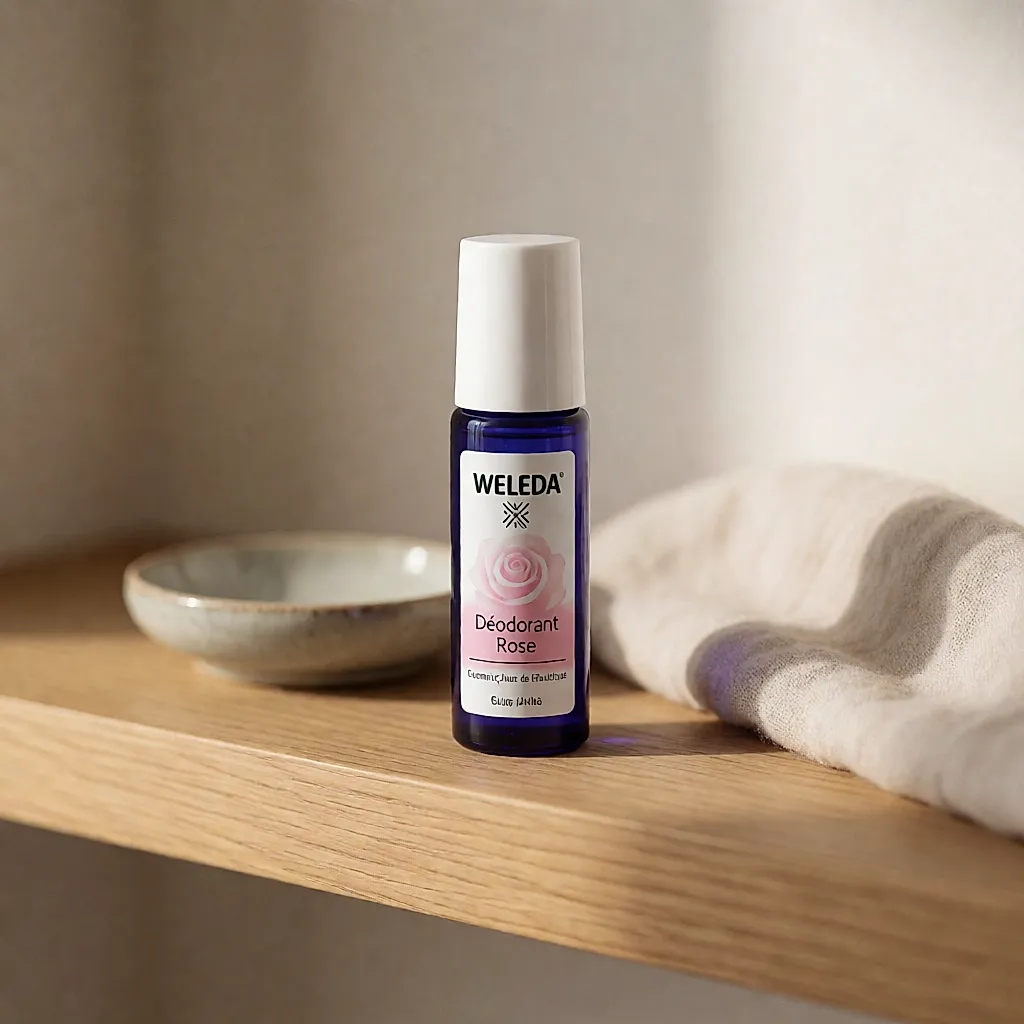
- Weleda, Déodorant Rose product page (weleda.fr)

Comments
Your opinion matters: rate the article, react and reply to comments.
Comments are moderated; AI-assisted comments are flagged. Text emoticons (8-), :-), <3…) are automatically shown as images.