
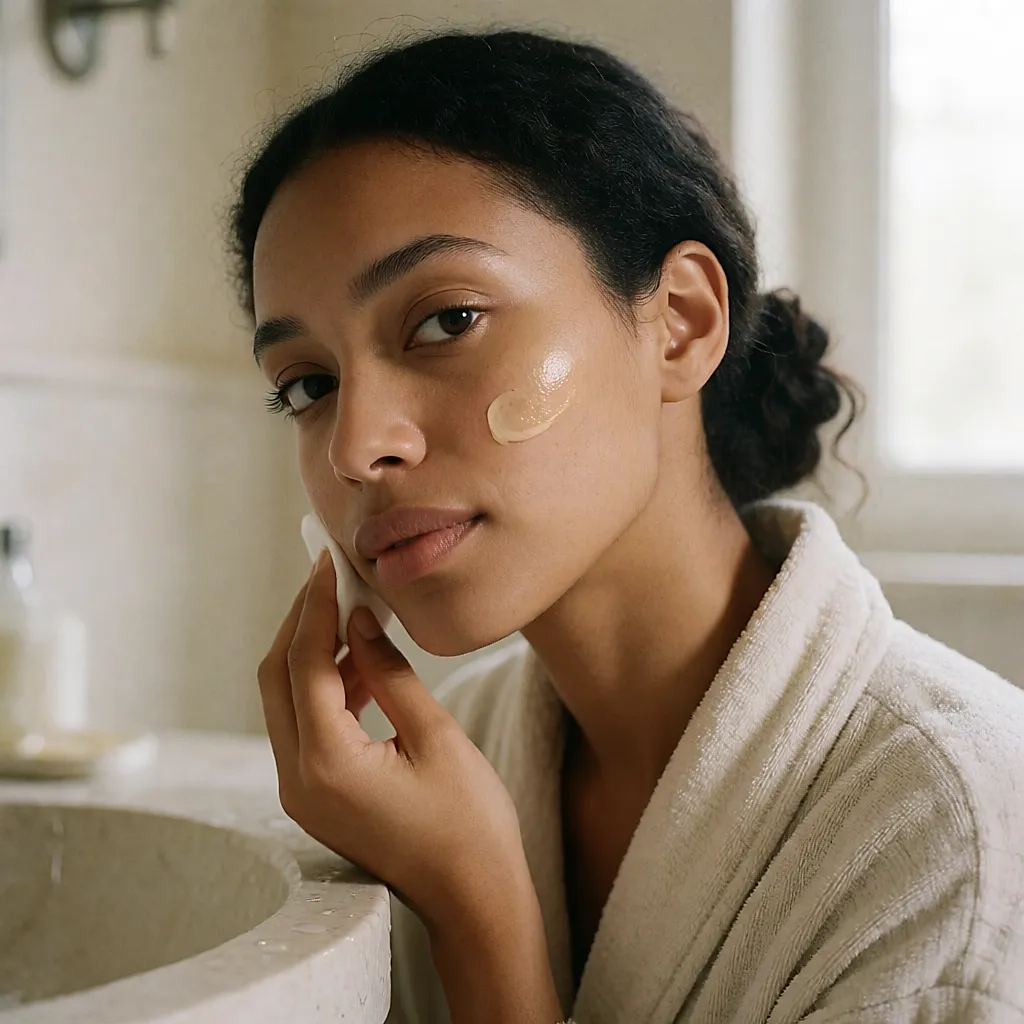
It's 11pm, your bag has just landed in the hallway and your face is still wearing the day: foundation, mascara, the sunscreen you put on at midday, whatever the commute threw at it and the sweat of an overheated office. Wanting to crawl straight under the duvet is entirely reasonable. Except your skin doesn't clock off overnight, and make-up doesn't evaporate on its own. The good news is that, in practice, expect around two minutes, as long as you use the right texture in the right order. Here's how.
Why the evening cleanse actually matters
Make-up, sebum, sweat, pollution, fine particles: the day leaves a film on the surface of your skin. After one late night, nothing dramatic. But night after night, the layer can build up: your complexion can look duller, pores can block more readily, and the texture of your skin can turn uneven.
One important point, because you'll read both this and its opposite: you don't need a special 'detox' step. Removing make-up simply takes off what's in the way, lets the skin breathe, and allows your night cream to sink in rather than sit on top of it.
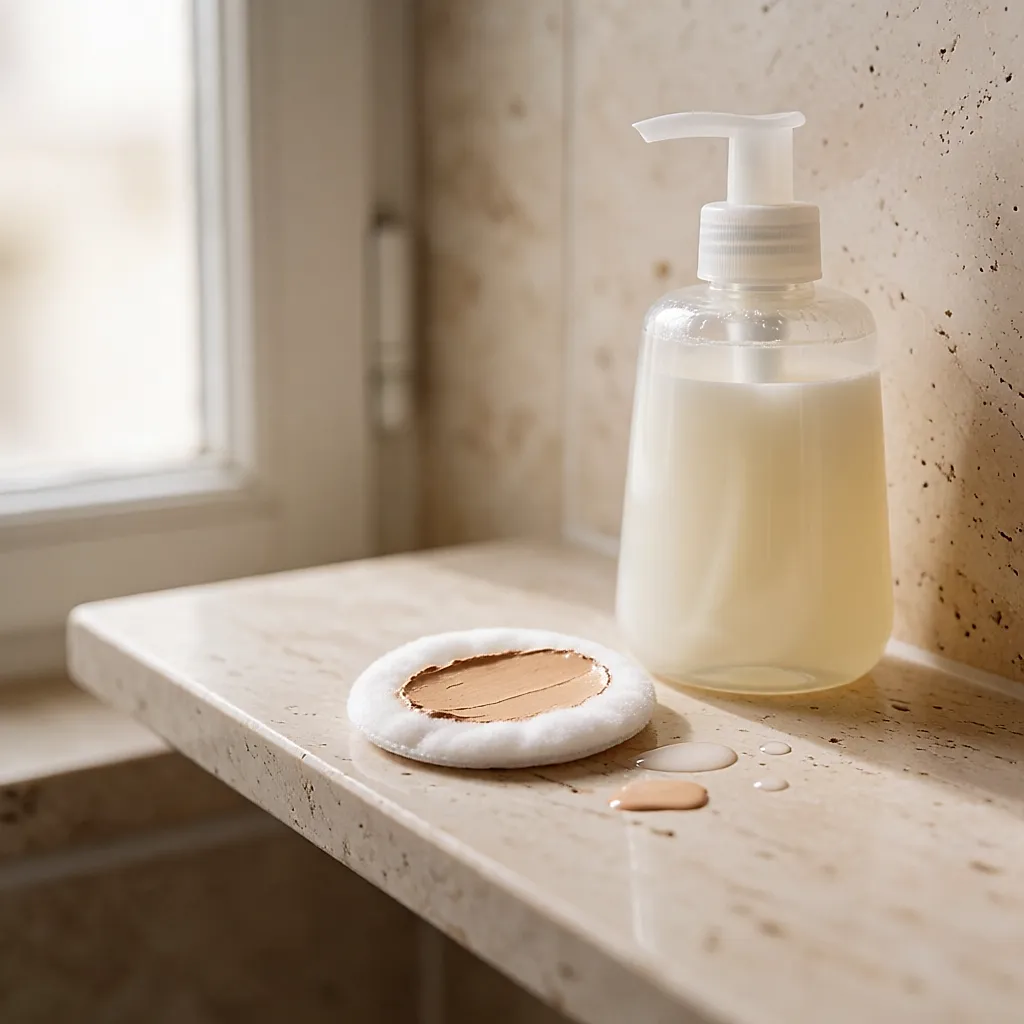
At night, it's non-negotiable
Even on days without make-up. Pollution and sebum don't take a night off, and a night cream applied over that film doesn't do its job properly. In practice, count around two minutes.

In the morning, keep it light
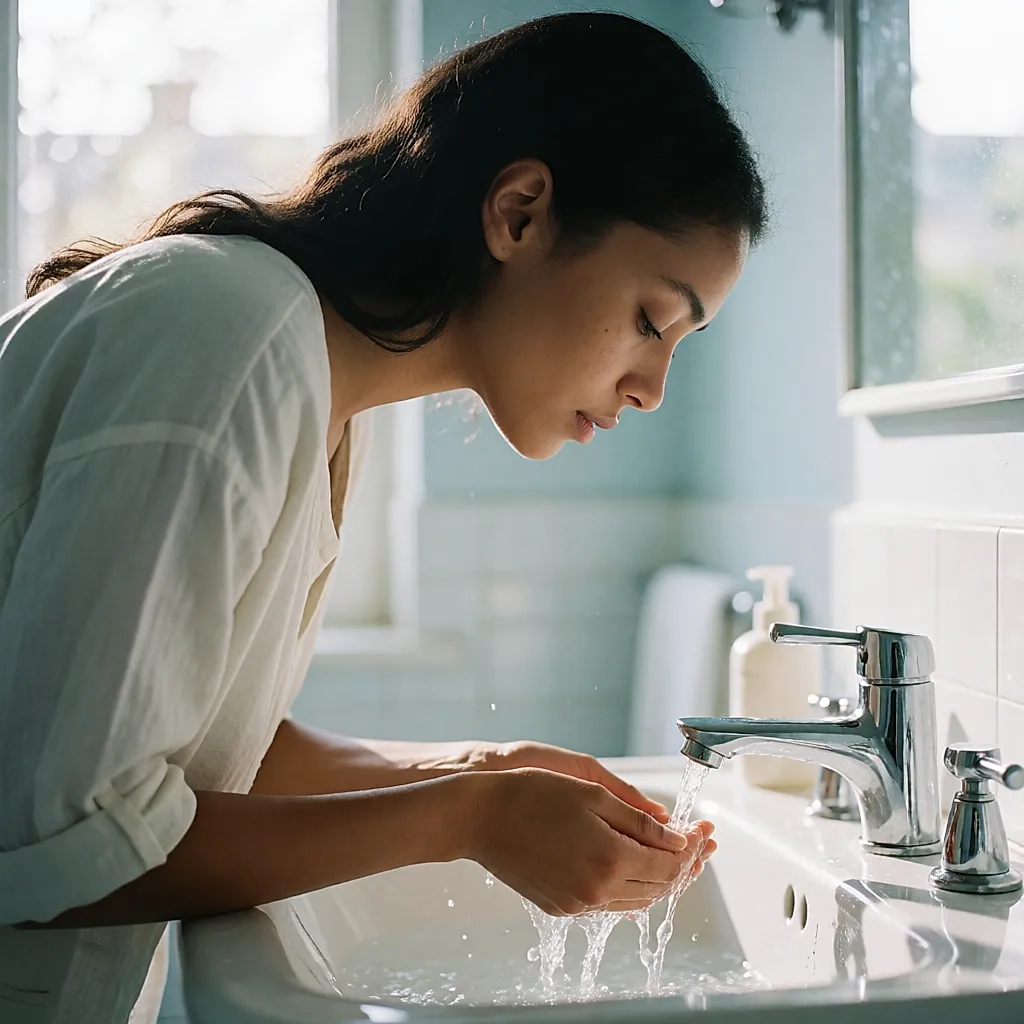
There's no need to repeat the full routine when you wake up. A plain rinse with lukewarm water suits plenty of skins; if yours is oily, a gentle gel can help. The big clean happens at night.
The order and the technique
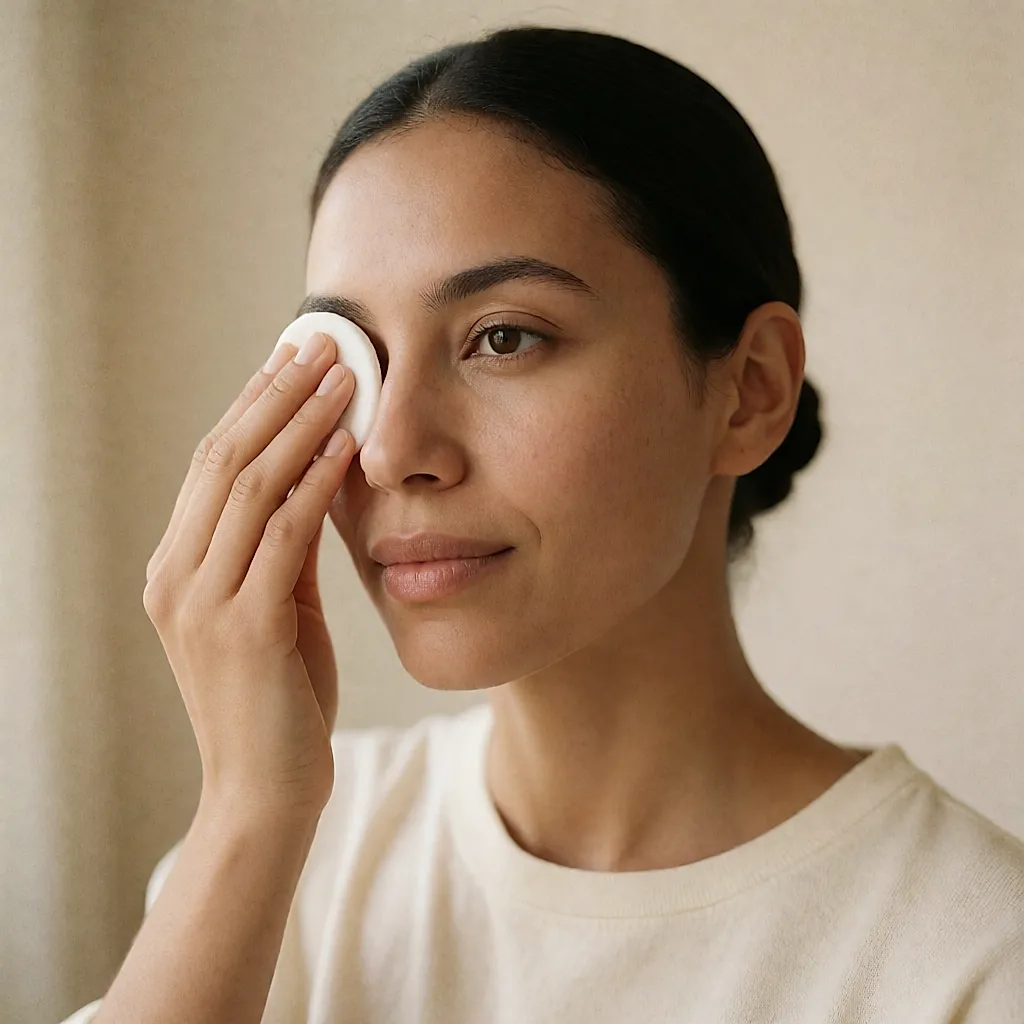
Start with the eyes, especially if they're heavily made up. A bi-phase or oil-based remover on a cotton pad: rest it on the closed eye, let it work for a few seconds, then sweep down over the lashes without pressing. No rubbing — lashes don't grow back on demand.
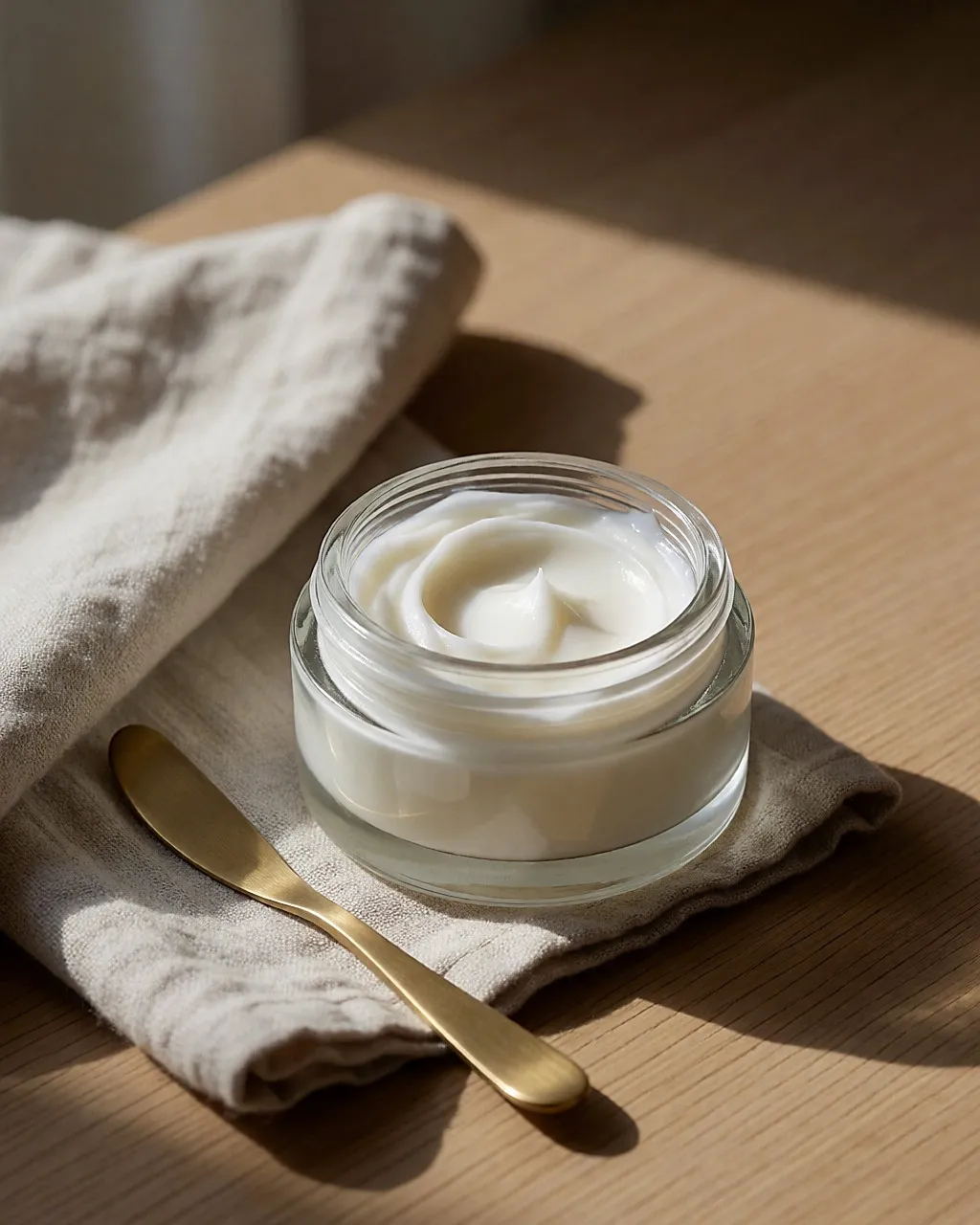
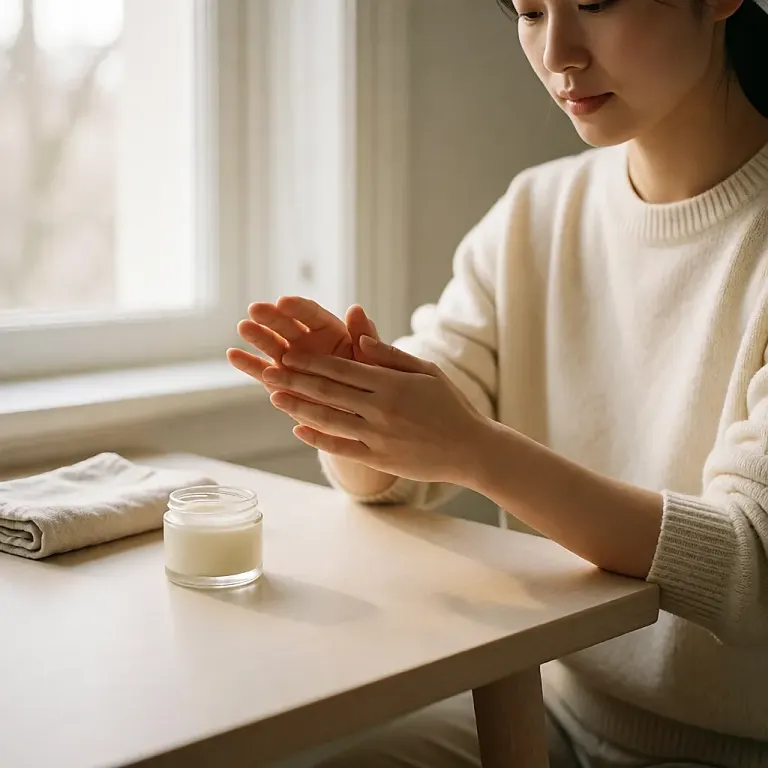
For the face, the step that makes the real difference: an oil or a balm on dry skin, massaged in for a short moment, emulsified with a splash of lukewarm water, then rinsed away. If you use micellar water, rinse that off too: it's more comfortable for sensitive skin, and helps stop surfactants sitting on the surface.
Water that's too hot can leave skin feeling stripped. Lukewarm, always. Pat dry, never rub.
Which texture for which skin
- Oily or combination skin: a soap-free gel or foam. Traditional soap can leave skin feeling tight, which is counterproductive.
- Dry skin: milk, oil or balm, which bring comfort and limit that tight, pulled feeling.
- Sensitive skin: fragrance-free formula, few surfactants, and always rinse.
- Eyes: a dedicated product. The area is thin and lashes are fragile.
To be clear, this isn't a brand ranking: I describe textures and techniques, not bottles tested one by one.
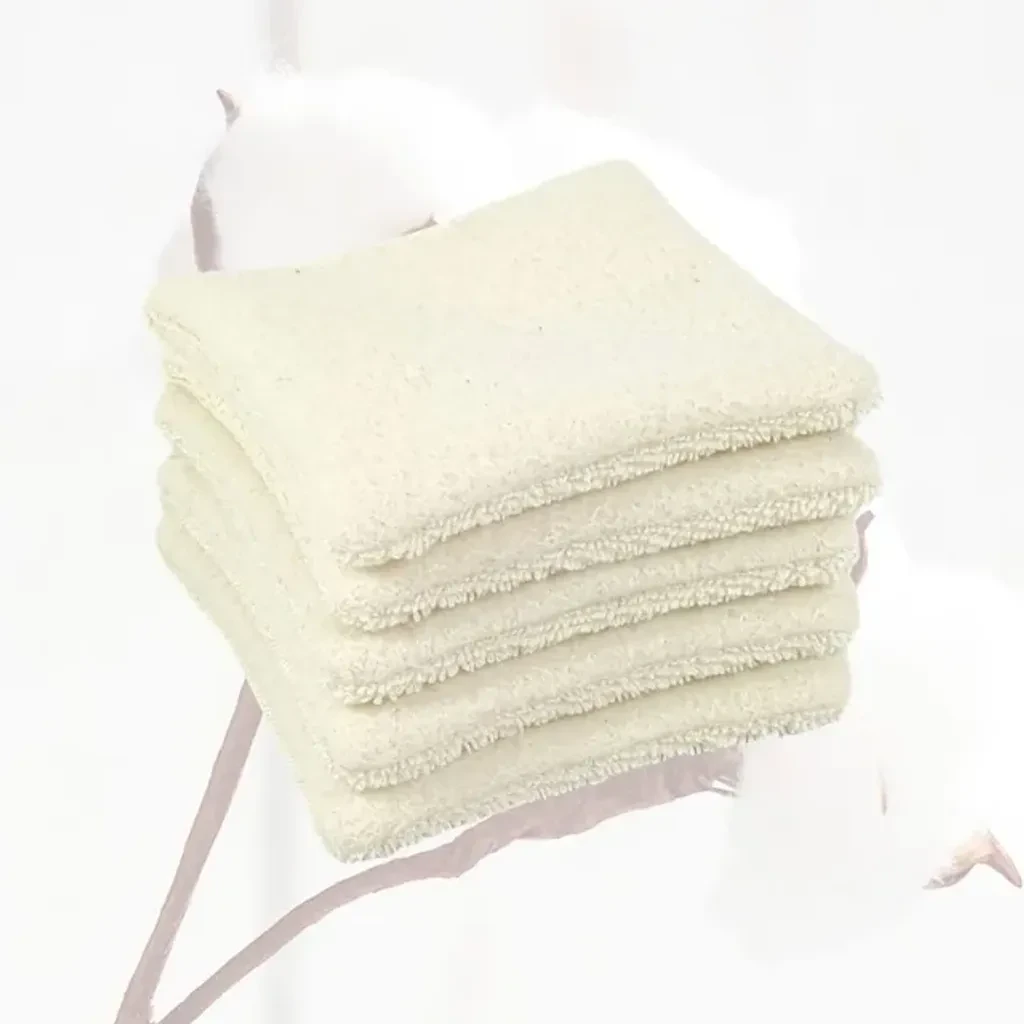
Wipes are for emergencies only. They mean friction on the skin, a film left behind and waste that's hard to recycle — all for a few seconds of use. When you travel, go for washable cleansing pads in organic cotton or bamboo fibre, or a solid cleanser in a cardboard tube. Same space saved, less in the bin.
Budget
As a rough guide, expect to pay in the UK:
- £3 to £8 for a gel or milk from a supermarket or high-street chemist;
- £8 to £18 at a pharmacy or health and beauty retailer;
- £10 to £28 for a certified organic brand. This is the widest range;
- £7 to £16 for a solid cleanser, often more concentrated and longer-lasting.
The price depends on the format, the concentration, the certification, the packaging (glass, refill, card) and where you buy it. A refill is often cheaper per millilitre than the original bottle — when the brand offers one. And an expensive cleanser isn't better because it's expensive: the formula and the rinsing matter more. If money is tight, a simple milk or gel from the supermarket does the job; if you want organic, look at the certification first, not the price.

Comments
Your opinion matters: rate the article, react and reply to comments.
Comments are moderated; AI-assisted comments are flagged. Text emoticons (8-), :-), <3…) are automatically shown as images.