
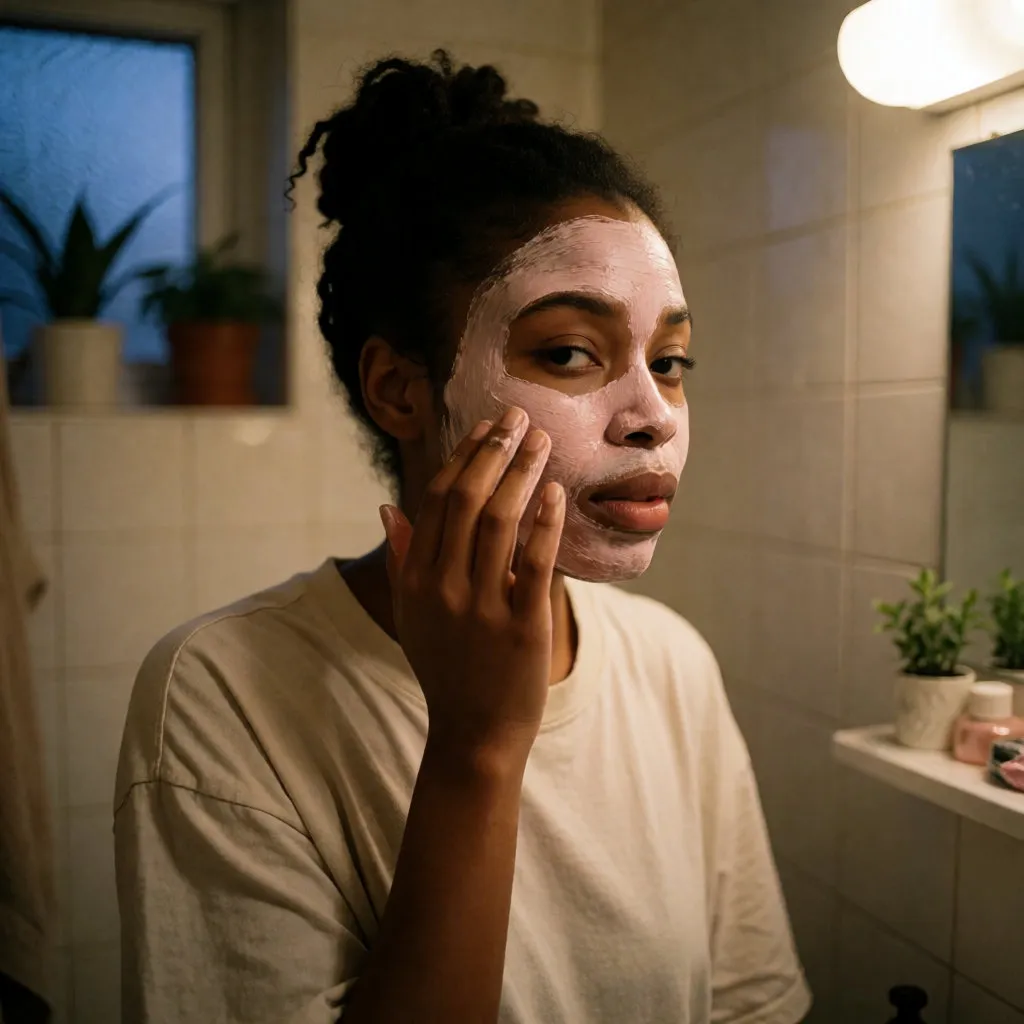
Face masks worth ten minutes of your evening
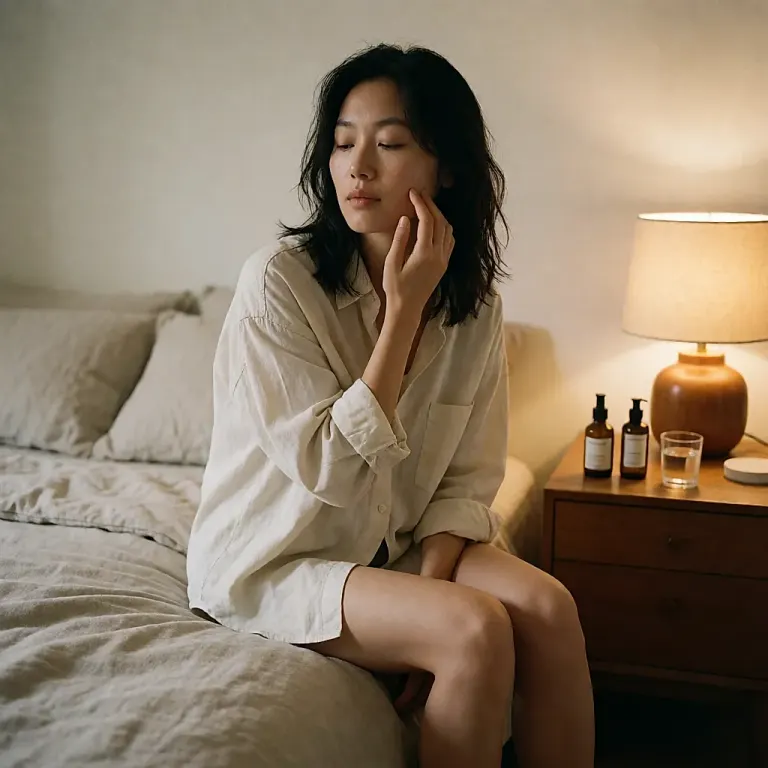
It's 9pm, the house has finally gone quiet and there's a bit of time that belongs to you. In practice, most of us leave a mask on for around ten minutes, follow the timing on the pack and rinse before skin starts to feel tight. Not to tick another box on a ten-step routine — but to give your skin back some of what late nights, pollution and short sleep have taken out of it. So breathe out, tie your hair back and give yourself that small pause.
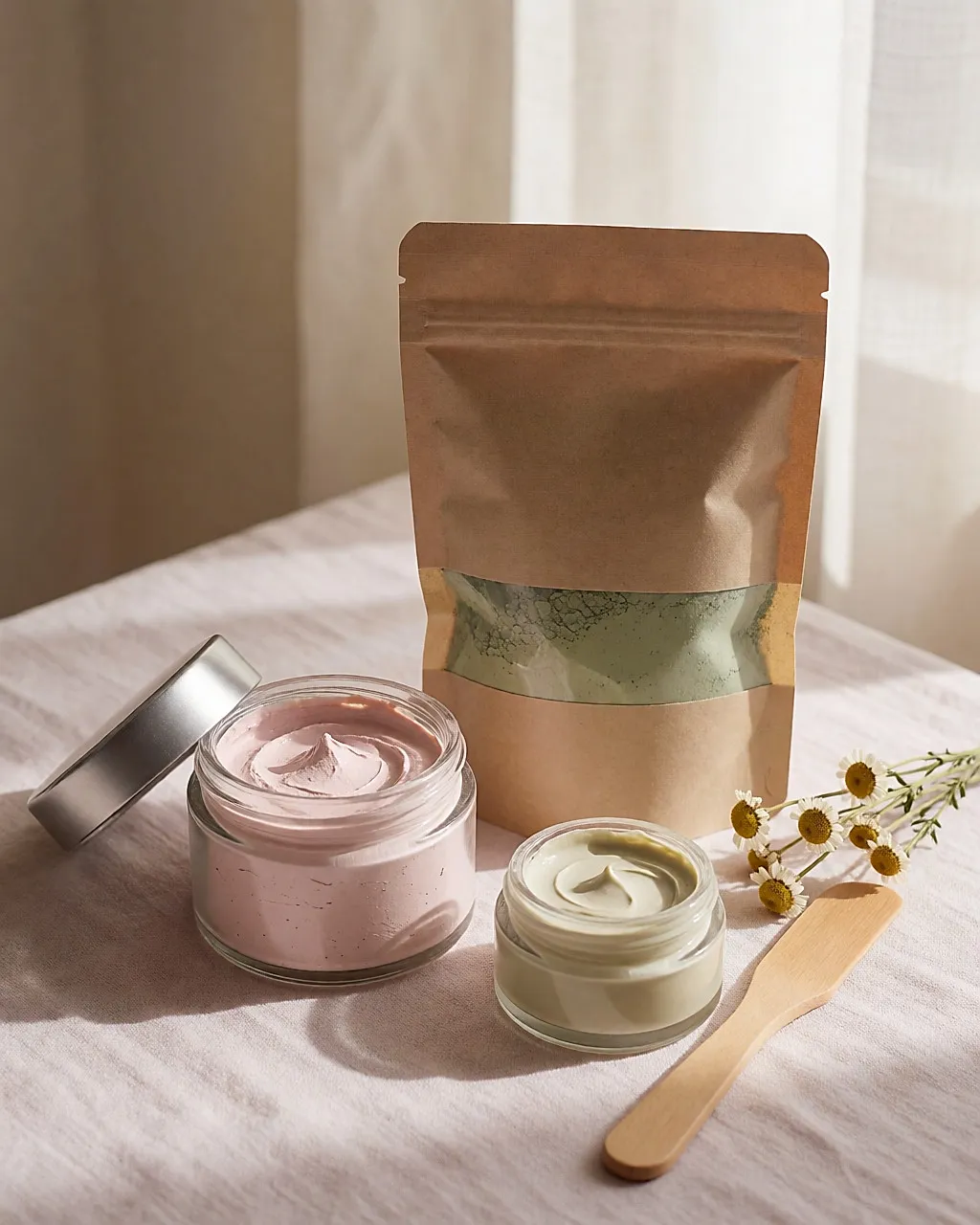
Exfoliate, then mask — the pair that switches the lights back on
Dull skin is usually congested skin. Dead cells, sebum, make-up residue and fine particles build up on the surface, and light stops bouncing off it. Hence the two-step ritual: depending on what your skin will tolerate, a gentle exfoliation now and then — once a week, say, if your skin is happy with that — then a mask. That's the benefit you can actually see. Clean skin catches the light better, and the mask gets a clear canvas to work on.
And honestly, it isn't a complicated thing to do. A gentle exfoliation now and then, when your skin tolerates it, and your complexion gets a bit of its brightness back; the trick is finding the rhythm that suits it. Consistency matters more than quantity. Don't overload: one scrub too many and you'll irritate your skin, and irritated skin shines a good deal less attractively than tired skin — take it from experience.
Clay, gel, sheet or cream — which formula suits your skin?
The formula is simply the form the product takes. And depending on your skin, the result is a different story.
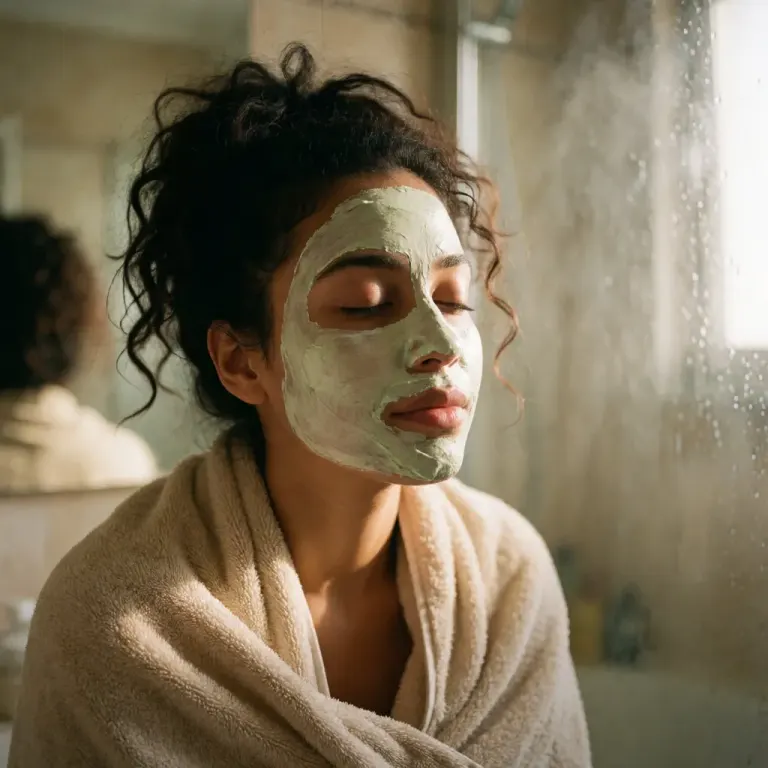
Clay masks — kaolin, pink clay, green clay — absorb excess sebum and visually tighten pores. Perfect on combination to oily skin, or on a complexion that looks muddled. The trap? The stronger the clay, the more it dries. In practice, most of us leave a mask on for around ten minutes, follow the timing on the pack and rinse before skin starts to feel tight. And if skin does feel tight, you've gone over time — the clay has nothing left to absorb and starts drawing out what it shouldn't.
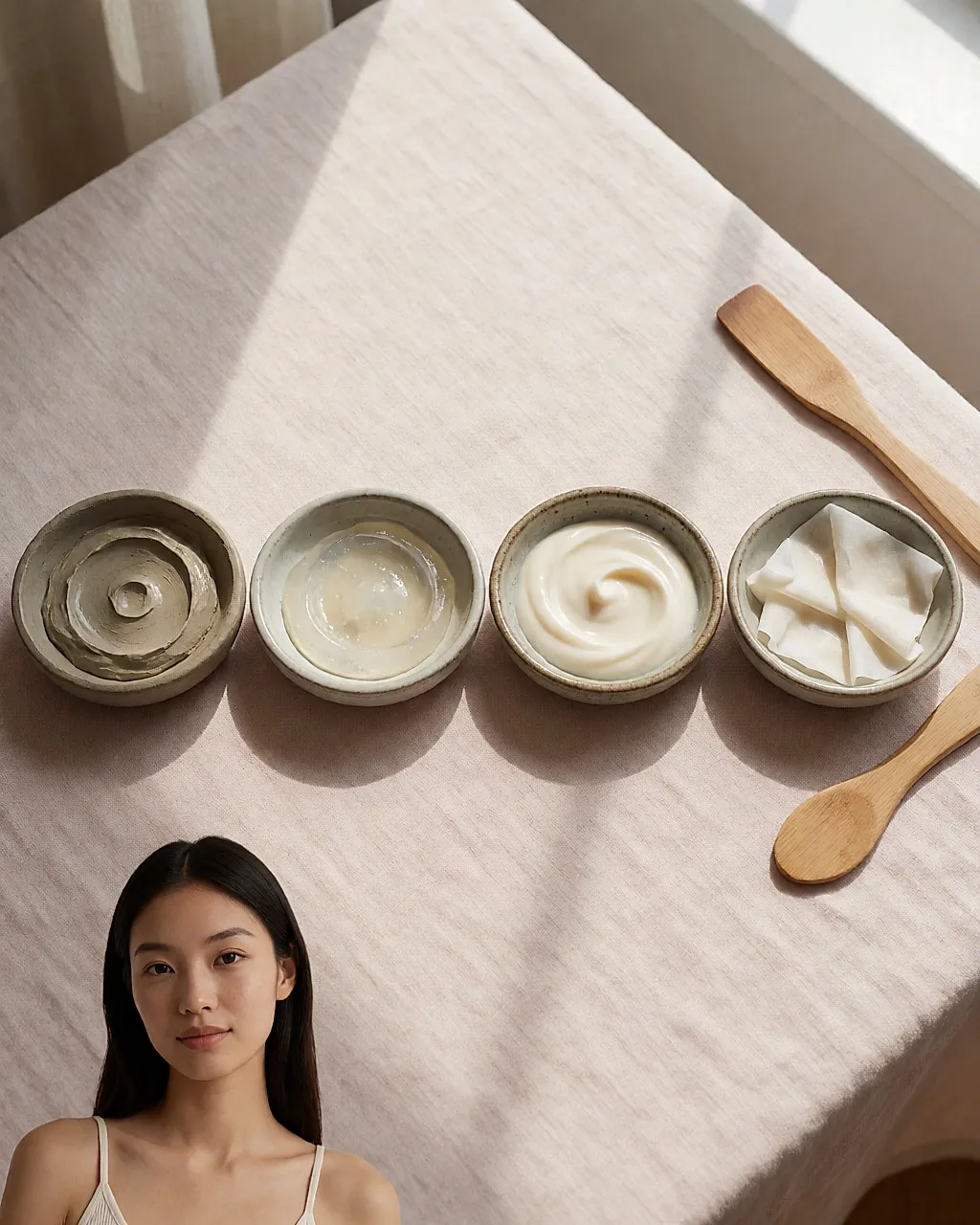
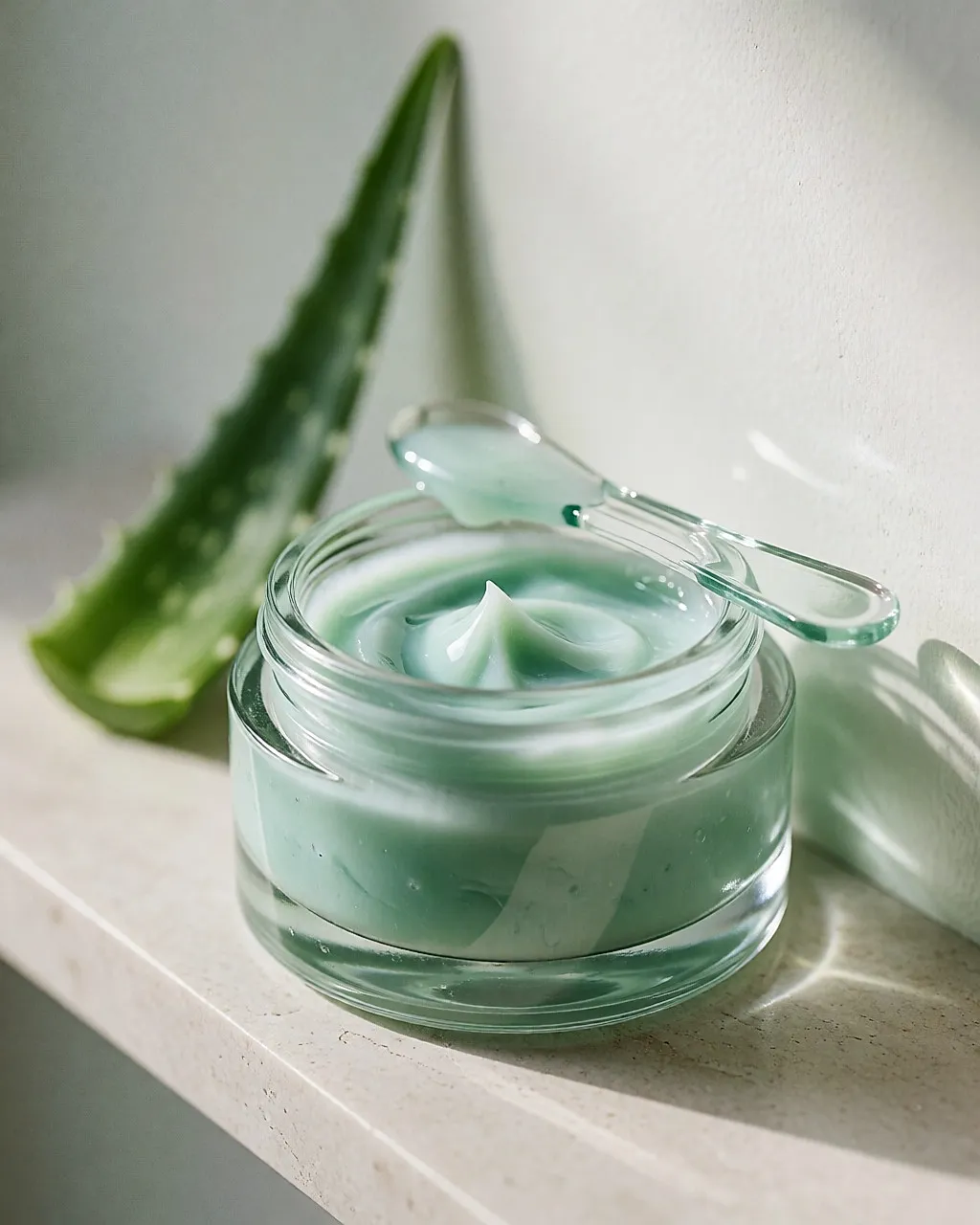
Gels lean on humectants: glycerin, hyaluronic acid, aloe vera. These ingredients hold water in the upper layers of the epidermis. Cool texture, an instantly plumper look, ideal after a night that was too short. A good gel on a frazzled complexion and you feel fresher straight away.
Sheet masks work by occlusion: the film stops water evaporating while the serum sinks in. Effective, convenient, but single-use and wrapped in plastic. That's the trade-off you need to know about before it becomes a habit — nice for a boost before a night out, less so for a routine you actually want to keep green.
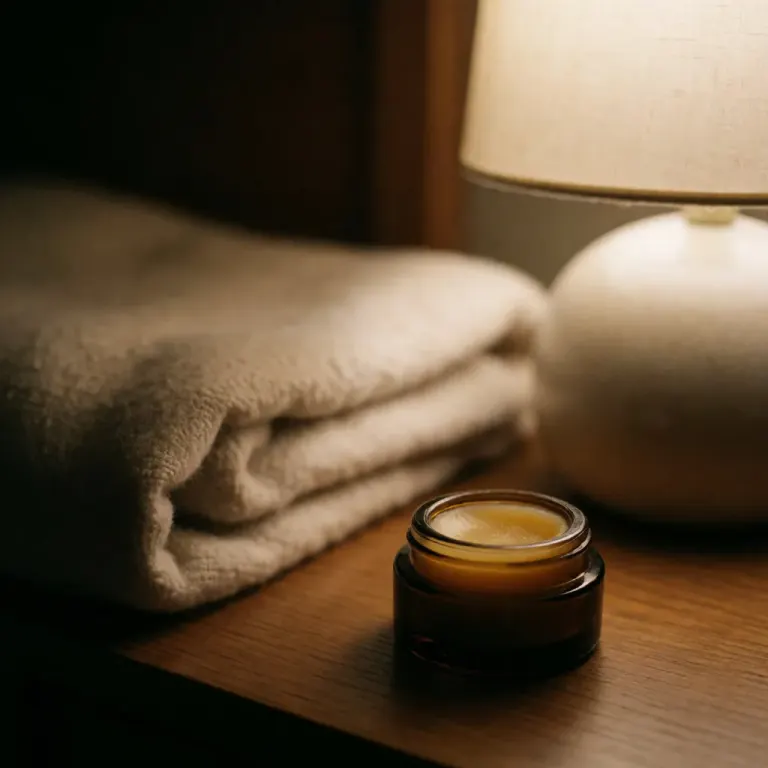
Nourishing cream masks, built on butters and plant oils, are made for dry skin, especially in winter. Here you're not after freshness or tightened pores but comfort: a rich texture that wraps skin up and leaves it supple when you wake.
The order of things
- Cleanse with lukewarm water and leave skin slightly damp: a mask applied to dry skin does half the job.
- Exfoliate gently, now and then — once a week, say, if your skin tolerates it — with no scratchy grains.
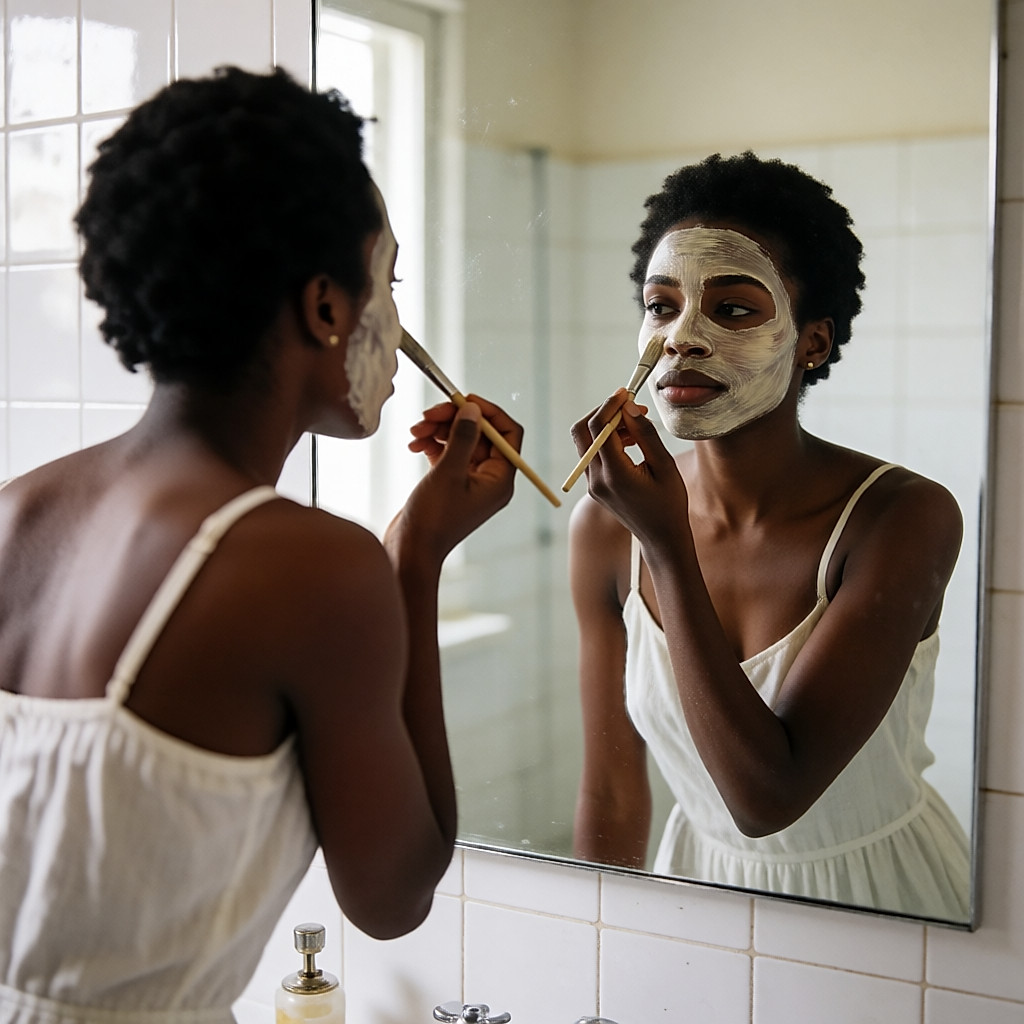
- Apply an even layer, avoiding the eye area, and leave it for the time stated.
- Rinse with lukewarm water, pat dry, then seal it all in with your usual moisturiser.
Put your mask in the fridge for a few minutes before you apply it. The cold soothes feelings of heat and gives a tightened-pore impression — on skin that runs hot by the end of the day, the comfort really is noticeable. If you have diagnosed rosacea, check with your GP or dermatologist first: it isn't a treatment that suits everyone.
What you can actually check on the formula
A pretty jar tells you nothing about what's inside, and the INCI list itself shouldn't be read as an absolute guarantee either: as a rule, and especially among the main ingredients, the most concentrated appear first, but under UK and EU labelling rules anything present at under 1% can be listed in any order. Two solid markers: the COSMOS ORGANIC logo, which requires at least 95% of ingredients of natural origin plus a share of organic ingredients across the total (in the UK it's certified by the Soil Association), and the Cosmébio charter, which also sets rules on the proportion of plant ingredients from organic farming. Look at end of life too: a glass or cardboard jar, a carton with no plastic, a readable on-pack recycling label. An organic mask in a non-recyclable plastic pot is a bit of a shame, isn't it?
In practice, clay masks from Cattier, a French brand and Cosmébio member with some certified products, remain a reliable buy from the pharmacy shelf — though in the UK you'll mostly find them online. Aroma-Zone sells clay powders to mix yourself: less packaging, more control over the formula, but a bit of kitchen work — and two extra minutes in the bathroom (check delivery and customs charges before ordering from the UK). On the premium side, Melvita and Patyka make COSMOS-certified masks and both have UK stockists. I haven't tested any of these: I'm citing them for their certifications and formulation standards, not for a result I haven't seen.
What to budget
As a rough guide, expect to pay around £8 to £18 for a clay mask in a chemist, pharmacy or supermarket, and £25 to £40 in a department store beauty hall. A sheet mask is about £2 to £8 each, usually cheaper bought as a multipack. Clay powder comes in at roughly £5 to £15 per 100g. The gaps come down to size, certification and where you buy — online the range is often wider, at the same standard of formula.
Do you always have to spend more for a good mask? Not necessarily — the pharmacy aisle keeps proving that. Raw clay powder is the cheapest option and gives you the most room to play with, but it asks for a bit of organisation. The real luxury in all this might be the moment you decide to give yourself. And that, honestly, doesn't come with a price tag.
Comments
Your opinion matters: rate the article, react and reply to comments.
Comments are moderated; AI-assisted comments are flagged. Text emoticons (8-), :-), <3…) are automatically shown as images.