
10pm. The hallway light, a hand passing absent-mindedly over your mouth, and that tight feeling right at the corners of your lips. You've already added an extra glass of water to your day, swapped lipsticks three times, sworn to stop biting — and the tube on your bedside table has never sorted it for good. So let's start again from the beginning, no illusions: what a balm really does, what it can't do, and how to choose yours without spending half your salary.
What a balm can really do for your lips
First point, and it changes everything: lips have no sebaceous glands. Their hydrolipidic film is thinner than elsewhere, and that's exactly why they feel tight at the first cold snap, in an air-conditioned open-plan office or after two hours on a sunny terrace.

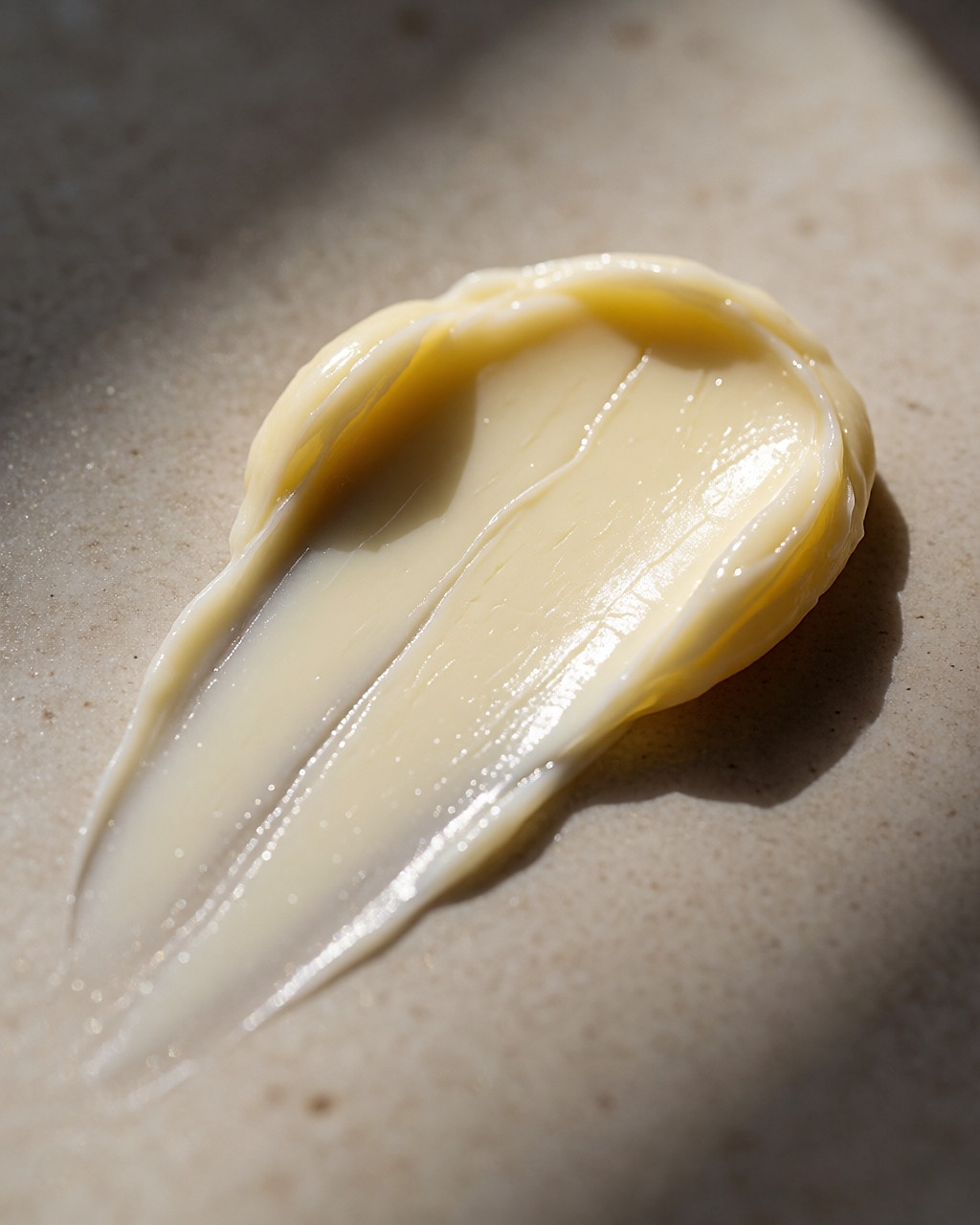
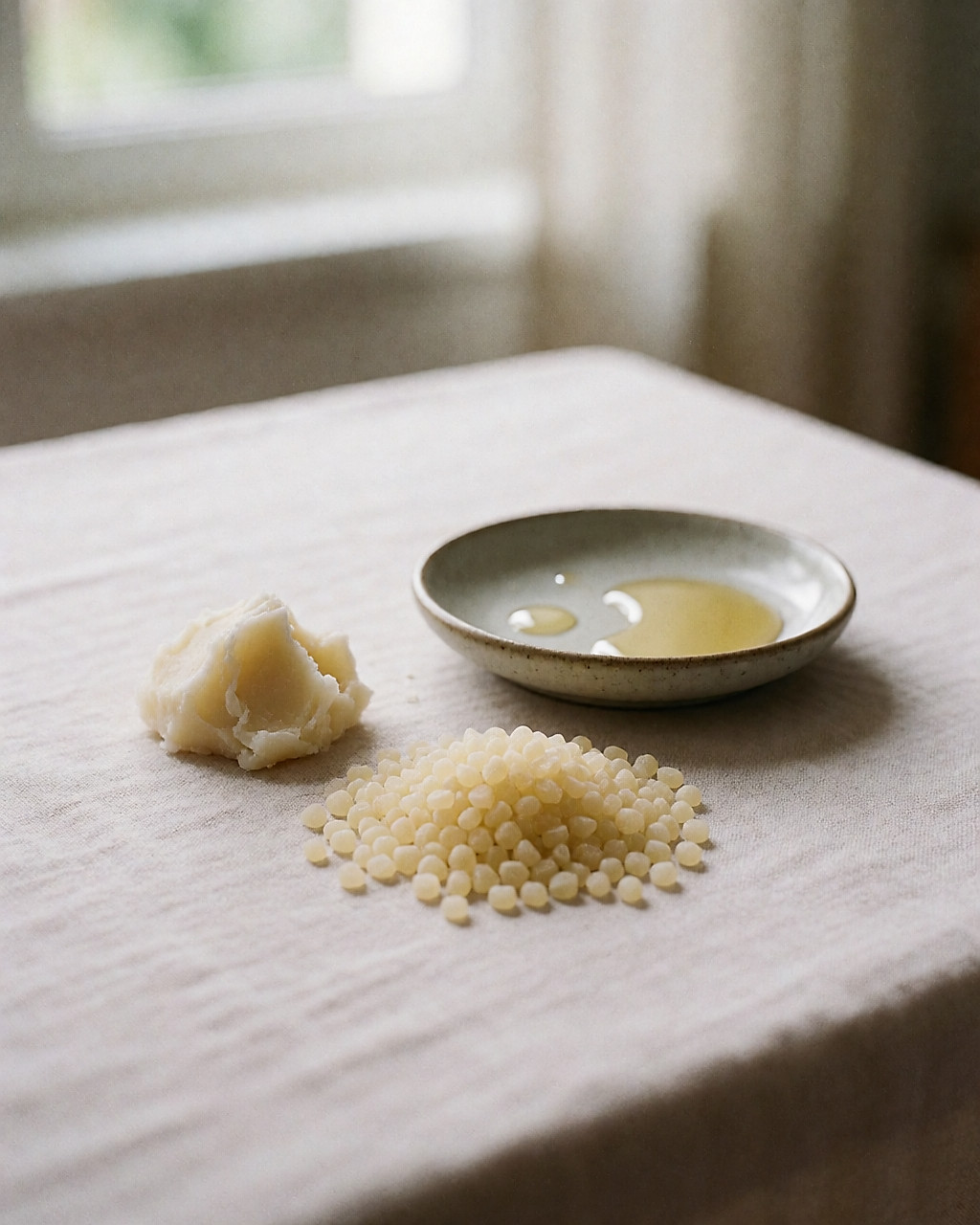
Careful, then: a balm doesn't add water. It lays down a film of waxes, plant butters and oils that slows transepidermal water loss — plus emollients that soften the surface layer. Which means it all comes down to the formulation. Too much wax and the product sits on the surface, feels scratchy, tugs. Too fluid and it slips off, making you reapply every hour. The right balance stays put without sticking.
Second reflex, the famous INCI list. If your lips are cracked, be wary of heavily fragranced formulas, essential oils at the top of the list, menthol, camphor and Peru balsam: these are ingredients known to trigger reactions on already damaged skin. And on the UV front, think about it too. If you're walking, skiing or gardening, a filter in the formula is a real plus — lips catch the sun like the rest of your face, if not more.
The step that changes everything
A thin layer by day, so you can talk and drink normally; a thick layer at bedtime, because that's when the product stays put longest without being rubbed off.
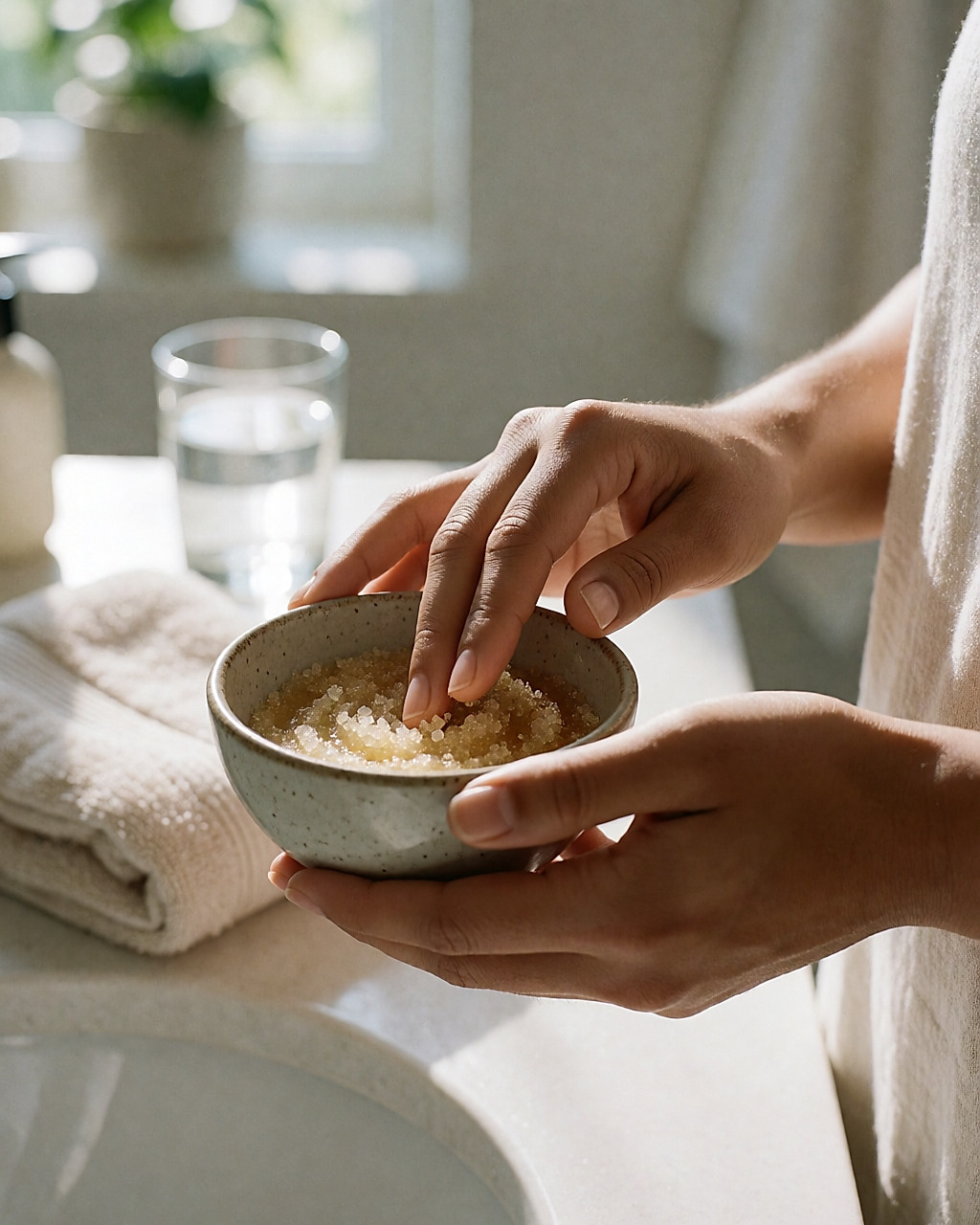
Exfoliate no more than once a week, with a sugar-and-oil mix, using gentle circular motions — never on cracked lips.
Apply your balm before heading out, not after the fact: on lips that are already chapped or irritated, the protective film doesn't work as well.
A pot gets finished off with a clean finger or a mini spatula. A tube, you cut in half at the end: honestly, there's often enough left for another week.
The classics that still hold up
Carmex, in a pot or a tube, means a tiny price and a format that ends up everywhere, with a fairly satisfying instant effect. Except its classic formula contains menthol, camphor and salicylate derivatives: great for slightly dry lips, far less so for cracked lips, where the tingling quickly becomes unpleasant. It's an honest trade-off — effective and affordable, but neither organic nor designed for reactive skin.
DHC Lip Cream, next, is the tube that looks like a lipstick: fragrance-free, melting texture, long-lasting comfort. The kind of format you slip into a bag and forget about.
Nuxe, with its Rêve de Miel balm, has the densest texture in the line-up. A thin layer by day, thicker at night, and you can feel it working straight away. Two honest downsides, though: the pot, neither practical nor very hygienic, and the texture that goes grainy when it's cold — a few minutes under hot water, give it a stir, and it's smooth again.
Elizabeth Arden's Eight Hour is the SOS stick balm, which soothes quickly and nourishes without a shiny finish, in a clear version or easy-to-wear shades. Documented only — I haven't tried it.
Dior Addict Lip Glow, finally, plays clearly at being make-up. It enhances lips' natural colour and hydrates adequately, but you're mostly paying for the tint, the finish and the packaging. No organic certification here.

Organic, certified and more mindful options
On the brands side, Weleda offers balms that meet the NATRUE standard, while Melvita and Avril work with Cosmébio or Ecocert certified products. Good news: those logos mean something. They govern ingredient origin, processing methods and the use of certain synthetic ingredients. They don't guarantee tolerance, nor effectiveness on your own lips — an important nuance, nobody's selling you a miracle.
The word 'natural' printed large on a tube, though, proves nothing: it's a marketing argument, not a certification. A logo, yes. That difference is far from trivial when you're after a genuinely more mindful product.
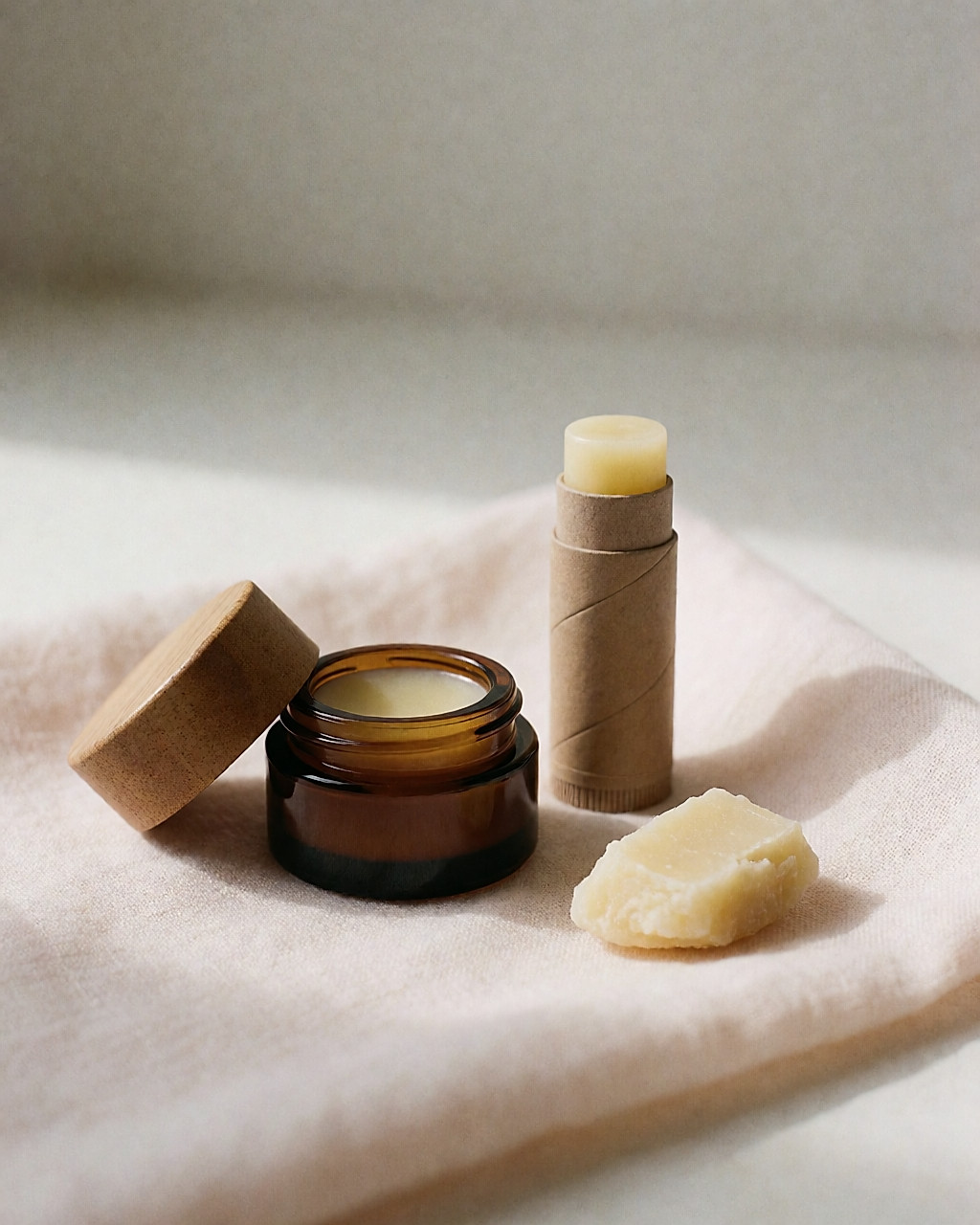
As for end of life, small plastic tubes don't fare well at recycling centres. A glass pot recycles better, a cardboard stick avoids plastic, and a refill limits waste when the brand offers one. Check this point before buying: few high-street lip balms are refillable today.
Budget
Supermarkets and drugstores: expect £3 to £7 per tube or pot. That's where you'll find handy sizes, own-brand labels and a few certified products.
Pharmacies and health-and-beauty stores: around £7 to £13 — this is where organic brands and so-called repairing treatments cluster, between Weleda, Melvita, the Nuxe pot and dermo-cosmetic ranges.
Perfumeries, department stores and online, finally: £17 to £45 depending on the brand and shade. A gap that might seem out of proportion for a bit of wax and oil, but there's a reason for it.
What makes the bill vary? The concentration of waxes and plant butters, first. The cost of organic certification and supply-chain auditing, second. The packaging (glass, cardboard, refill), the tint when there is one, and the sales channel's margin — up to three times the price for the same promise of comfort. Enough to make an informed choice.
Sources
- Weleda UK — product pages and NATRUE certification, 2026.
- Cosmébio — charter for natural and organic cosmetics labels, 2026.
- NATRUE — international standard for natural cosmetics, 2026.
- Ecocert — cosmetics certification standards, 2026.
- Nuxe — Rêve de Miel balm page, 2026.
- Elizabeth Arden — Eight Hour Cream range, 2026.
- Dior — Addict Lip Glow range, 2026.
- European Union — Regulation (EC) No 1223/2009 on cosmetic products, 2009.




Comments
Your opinion matters: rate the article, react and reply to comments.
Comments are moderated; AI-assisted comments are flagged. Text emoticons (8-), :-), <3…) are automatically shown as images.