
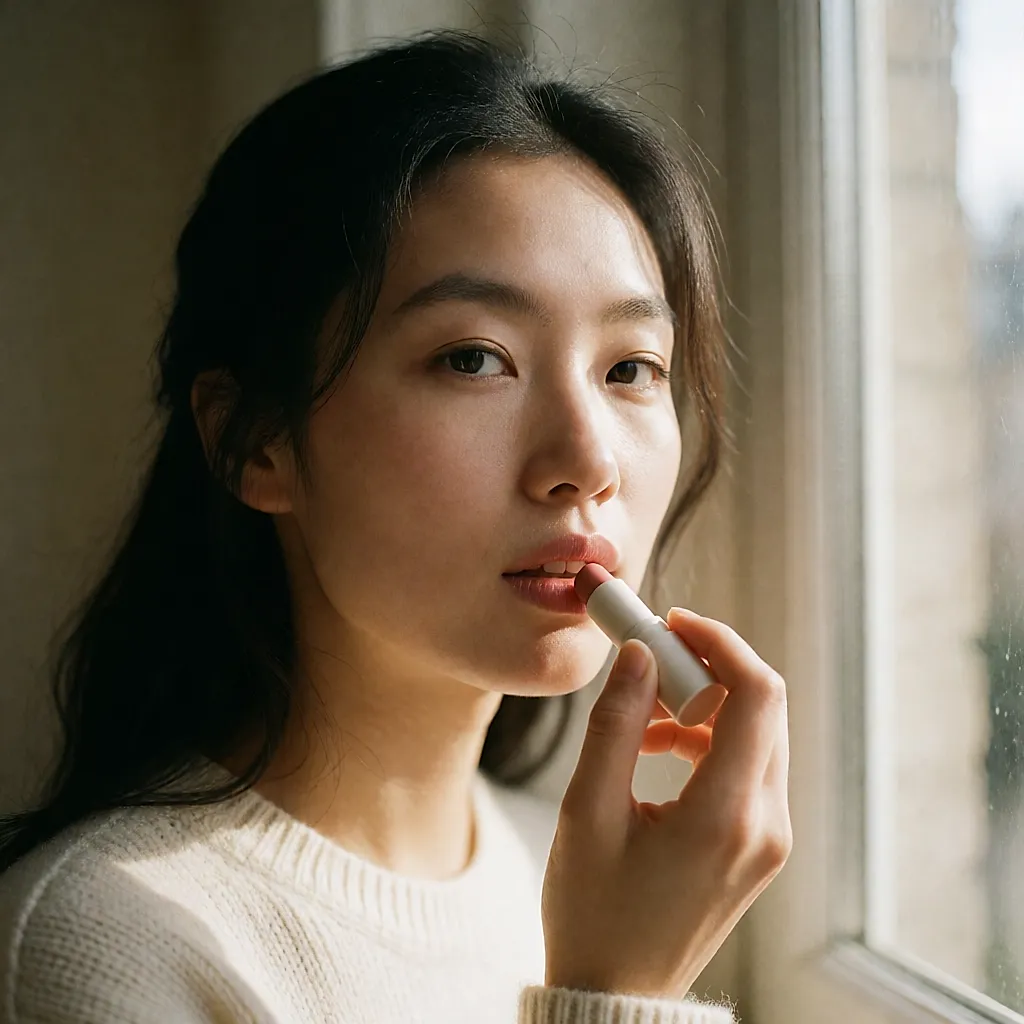
What an organic lip balm can and can't do
You step out of the shower, run a hand across your mouth and it feels tight. Or you wake up with a split at the corner of your lips and put it down to winter. Winter is only one of the culprits: this patch of skin has fewer defences than the rest of your face and takes more of a beating.

Why your lips give up before the rest of your face
The skin on your lips is thinner and less protected than the skin elsewhere on your face. Cold, wind, UV, saliva, breathing through your mouth at night, a long-wear lipstick that's slightly drying: the barrier wears down and the tight feeling settles in. Let's be clear from the start — a balm doesn't repair anything. It lays a film back over the surface while the skin sorts itself out. That's not nothing, but it isn't magic either.
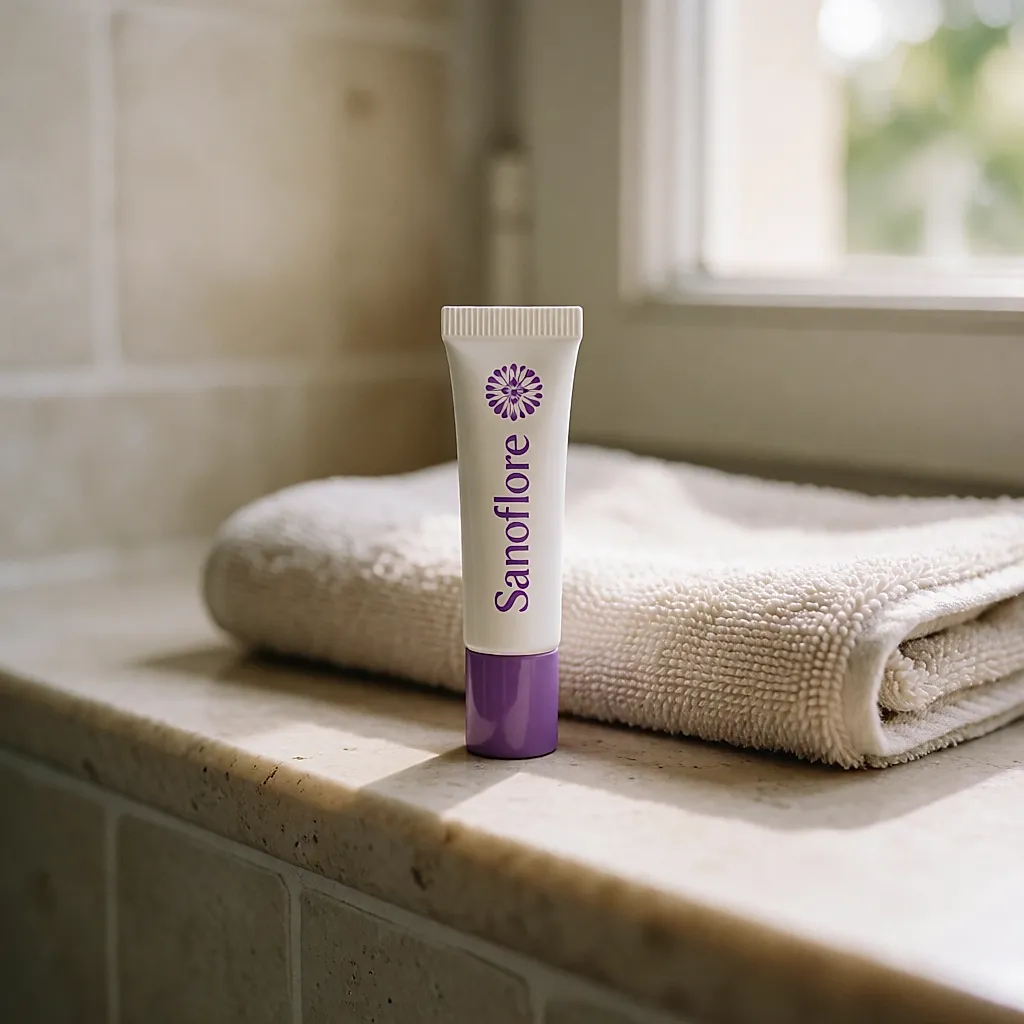
Why 'organic' only counts when a label says so
In reality, 'organic' on a tube means nothing unless a certification backs it up. Two to know: Cosmébio, which certifies French organic cosmetics, and the European COSMOS-standard, run by bodies including Ecocert (in the UK, the Soil Association also certifies to the standard). The label sets rules on the share of natural ingredients, the share of organic plant ingredients and the minimum organic content in the total formula. That's the real information — not the pretty petal printed on the cap.
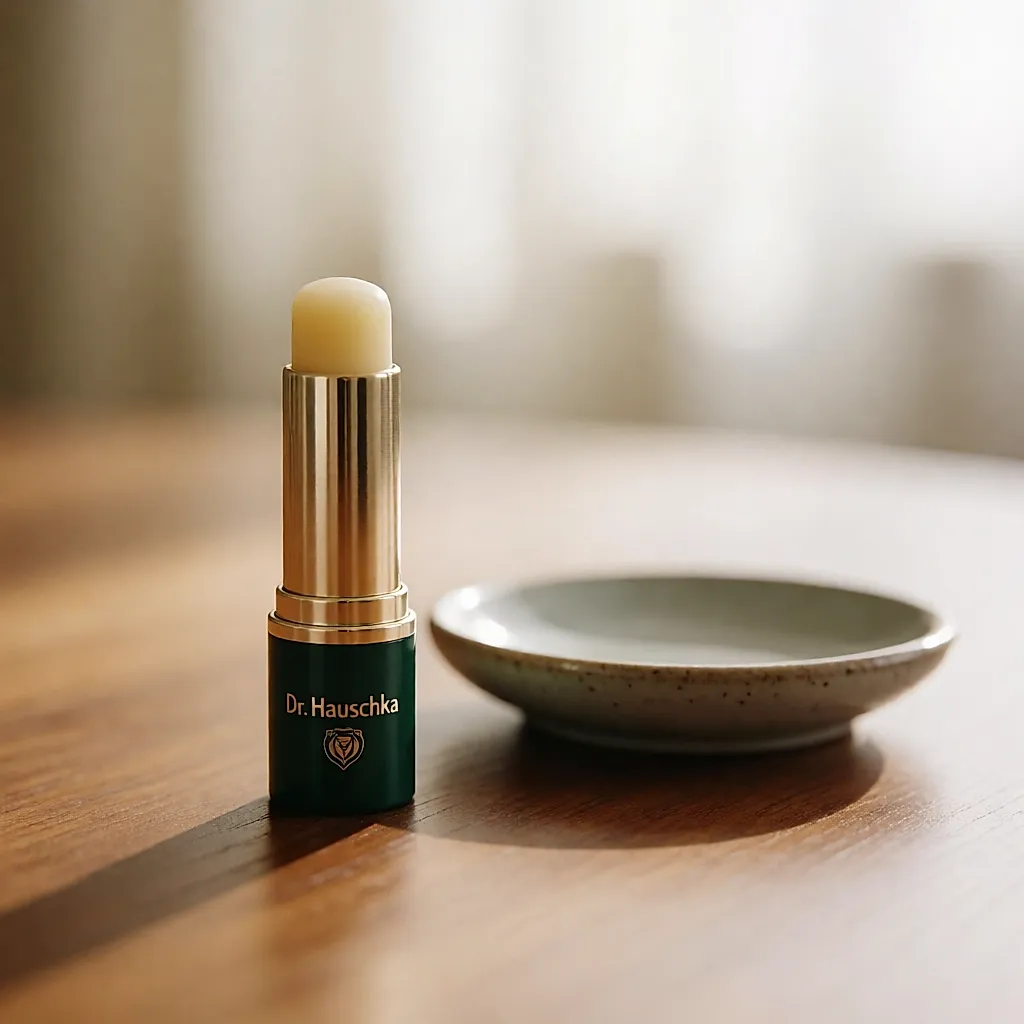
One important caveat: organic doesn't mean reaction-free. Essential oils, natural fragrances and even beeswax can sensitise skin that reacts easily. If that sounds like you, look for a short formula with as few ingredients as possible. Worth thinking about the end of the product's life too: a cardboard tube, a glass pot, a refill where the brand offers one — that's always less plastic hanging around.
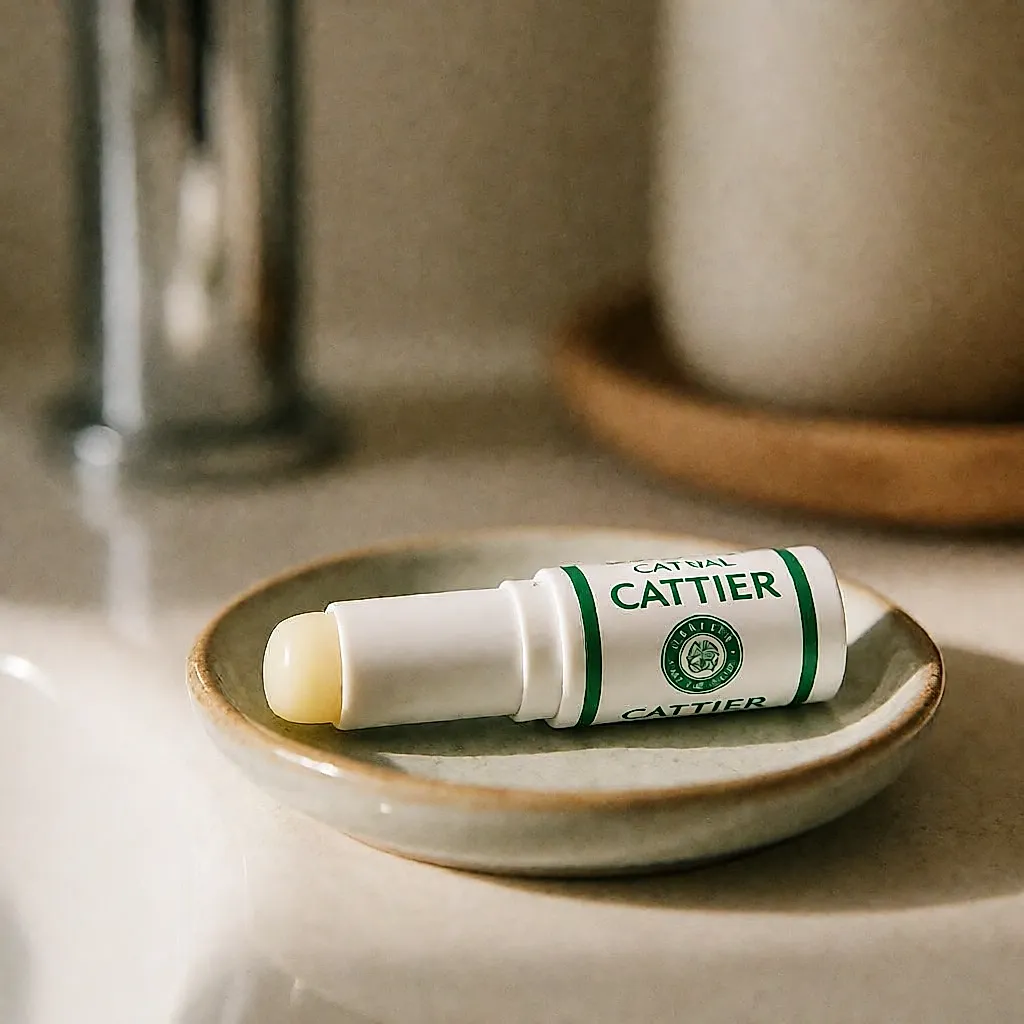
The base is what does the work
Shea butter, cocoa butter, beeswax or carnauba wax: these are what create the protective film. The higher the wax content, the more the balm sits on the surface — perfect overnight, less comfortable under a lipstick. For daytime, a lighter stick with a melting texture wears better.
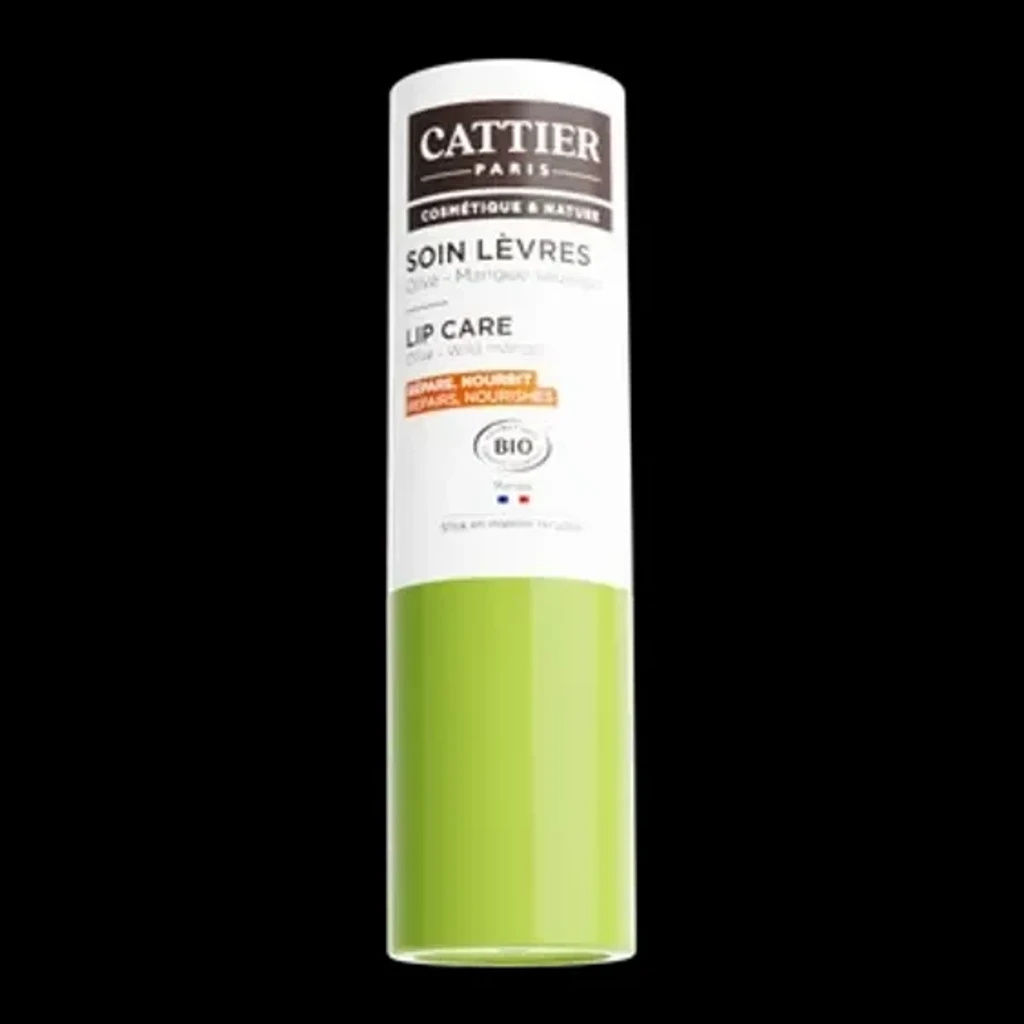
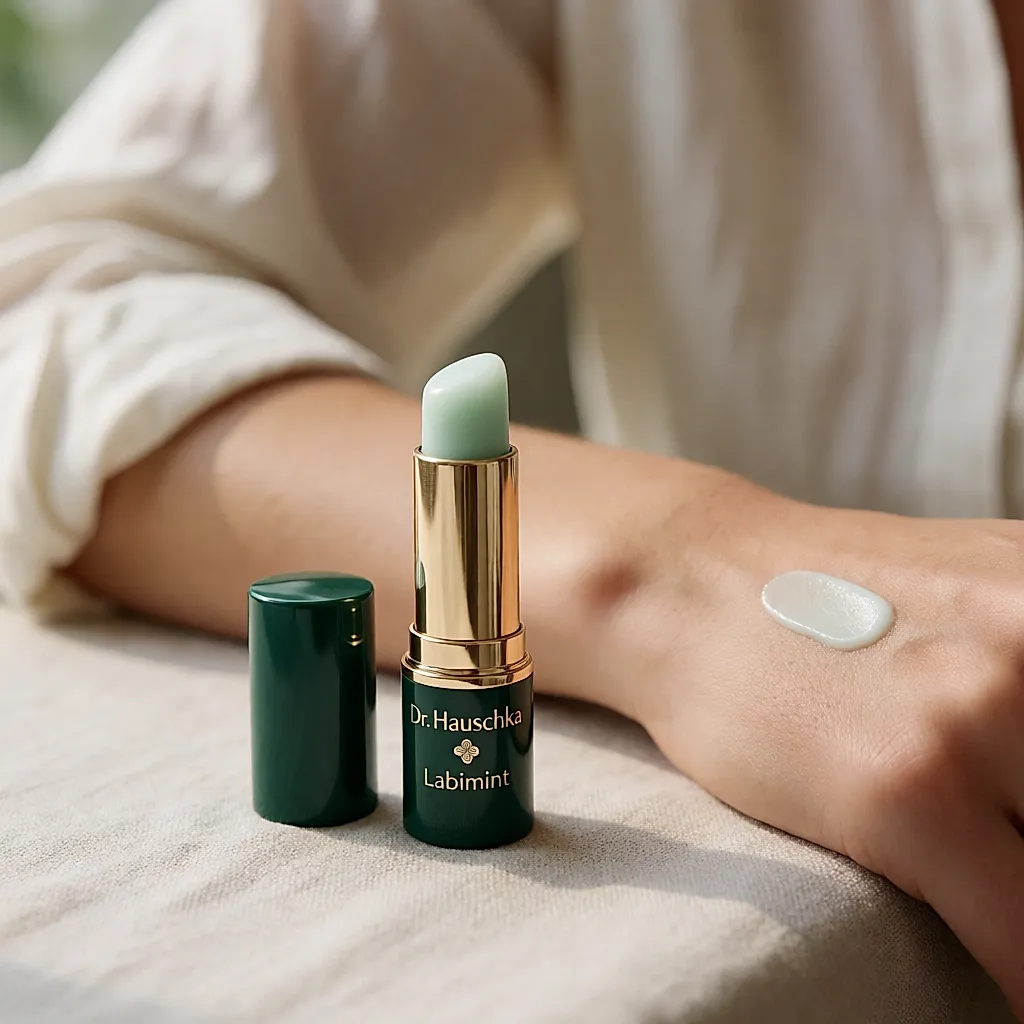
The step that makes the difference: apply a thin layer to clean lips, don't rub, and stop licking them. Watch out for heavily mentholated or camphorated formulas: the cooling sensation makes you want to run your tongue over your lips, and the cycle starts all over again.
An organic balm that stings, scratches or smells overpowering isn't any more effective than a plain one. A few thin layers beat one thick coat that never sinks in.
Léna's verdict: yes, a certified balm is a better bet than a random perfumed tube — on one condition. Read the ingredients list, and don't expect more than surface care. That's already a lot for a few pounds.
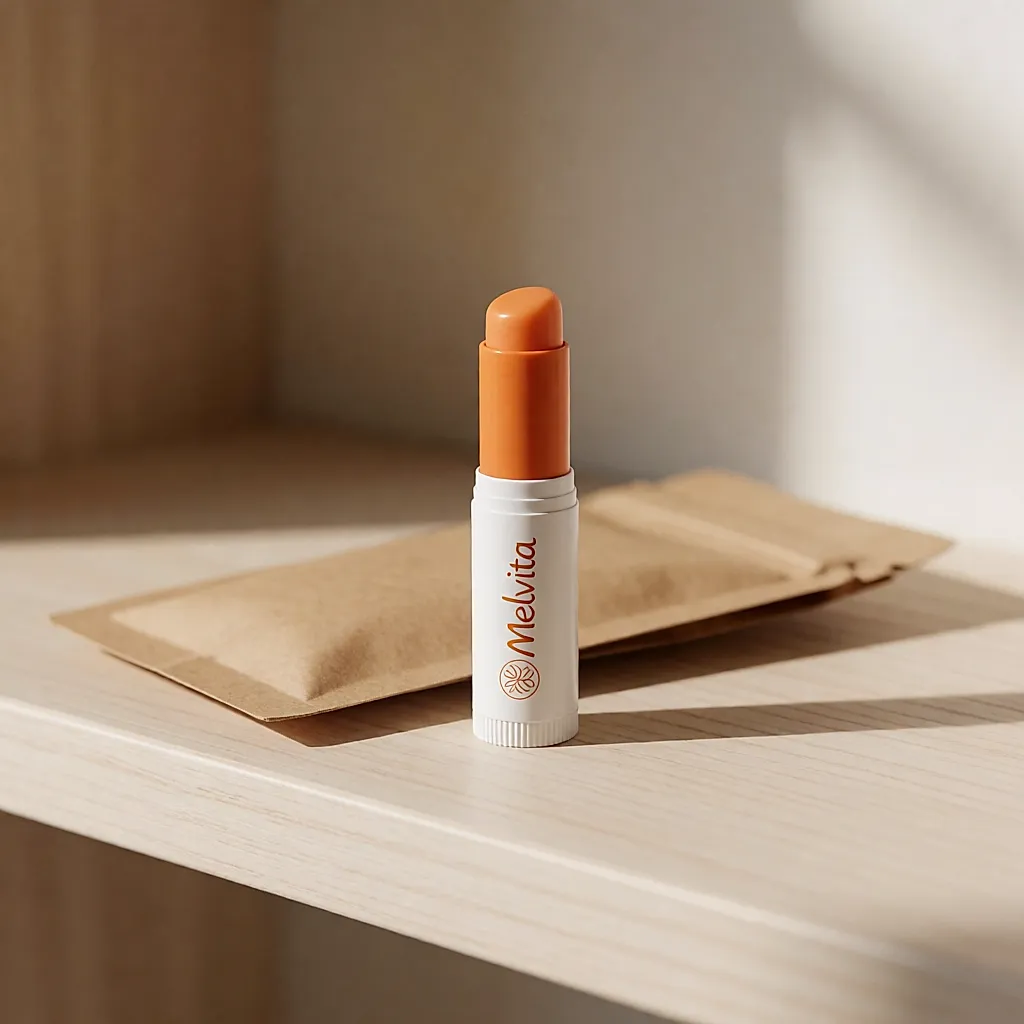
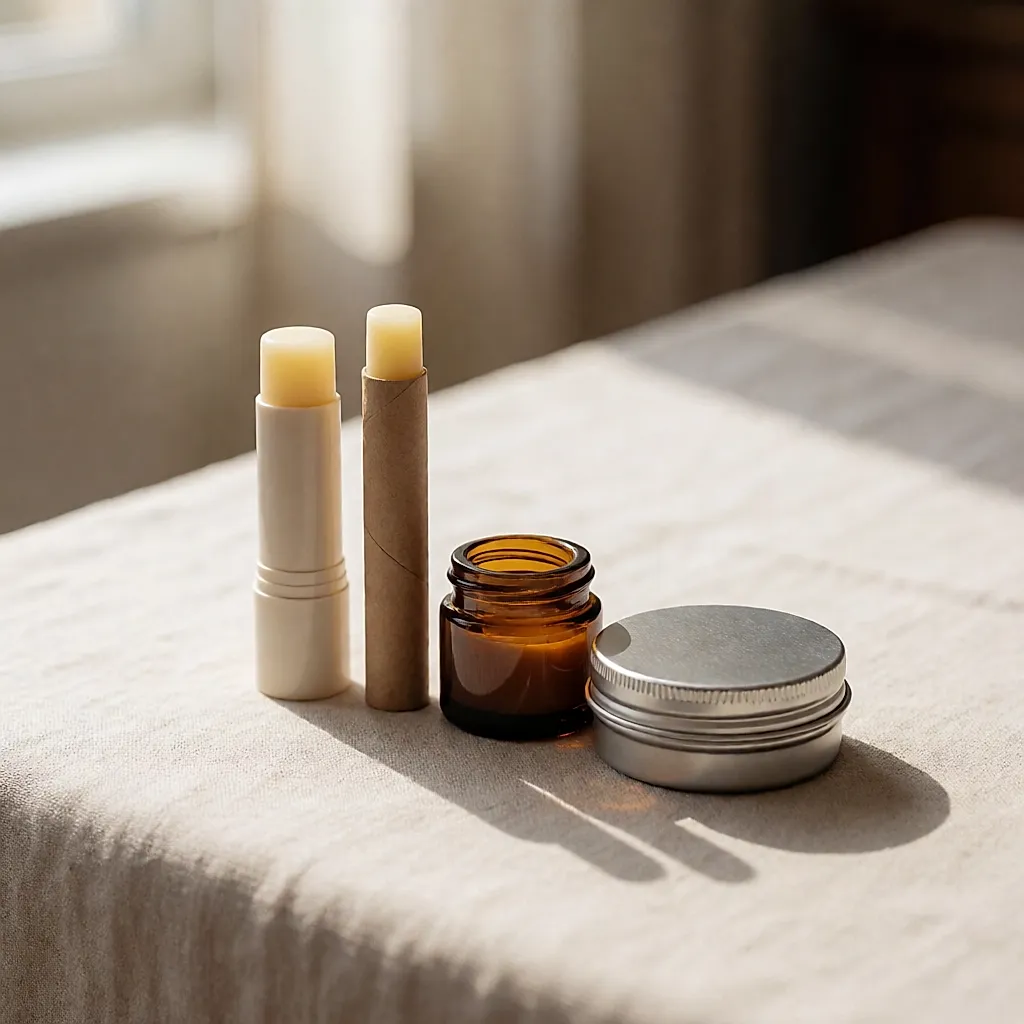
What to pay
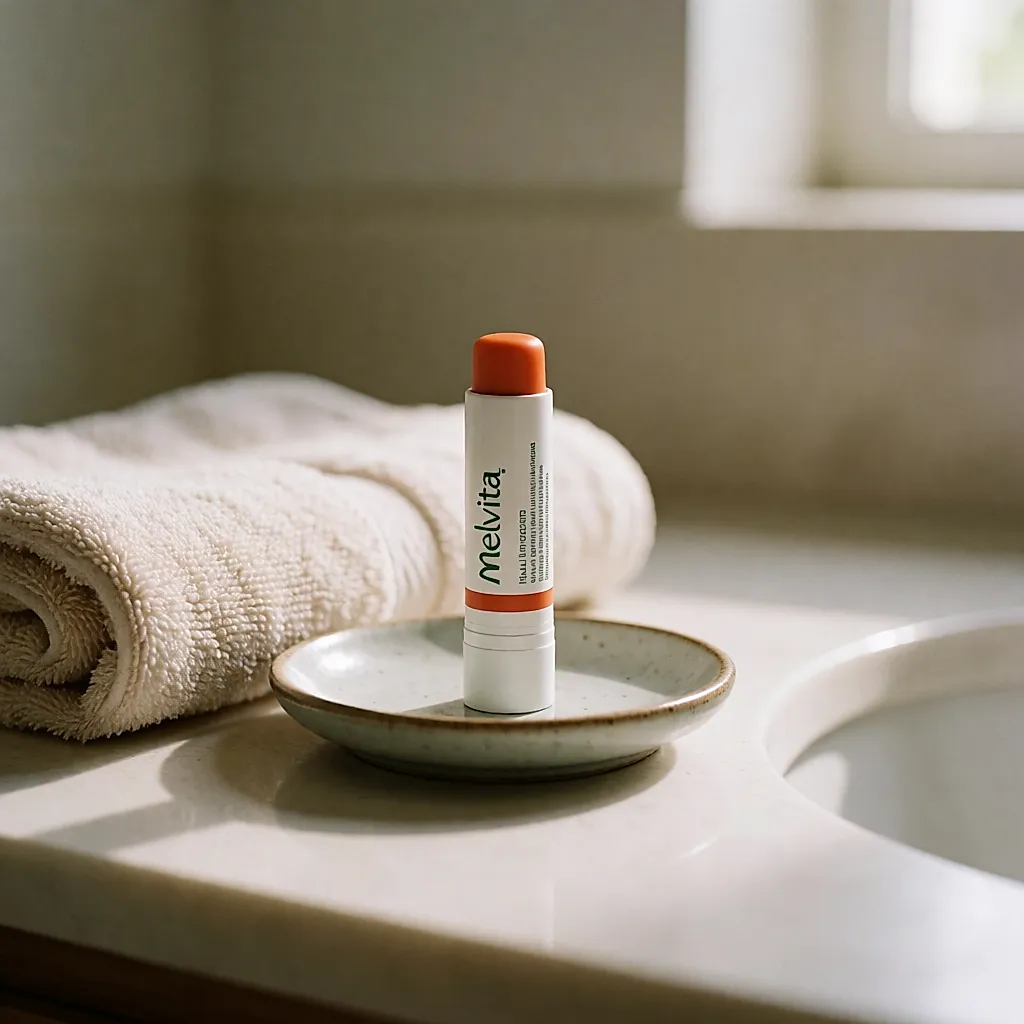
Prices vary, but they stay reasonable. A certified organic stick or balm from a supermarket, a health-food shop or a chemist: expect around £4 to £8 a tube. An established pharmacy or health-food brand: more like £7 to £12. A premium format in glass, or a concentrated treatment: roughly £15 to £25. And where a refill exists, it usually costs less than the original casing — good news for your wallet and for the packaging.
What you pay depends on the certification, the percentage of organic ingredients, the size and the range. Where to buy: chemist, health-food shop, the brand's own shop or website, and beauty retailers.
Comments
Your opinion matters: rate the article, react and reply to comments.
Comments are moderated; AI-assisted comments are flagged. Text emoticons (8-), :-), <3…) are automatically shown as images.