
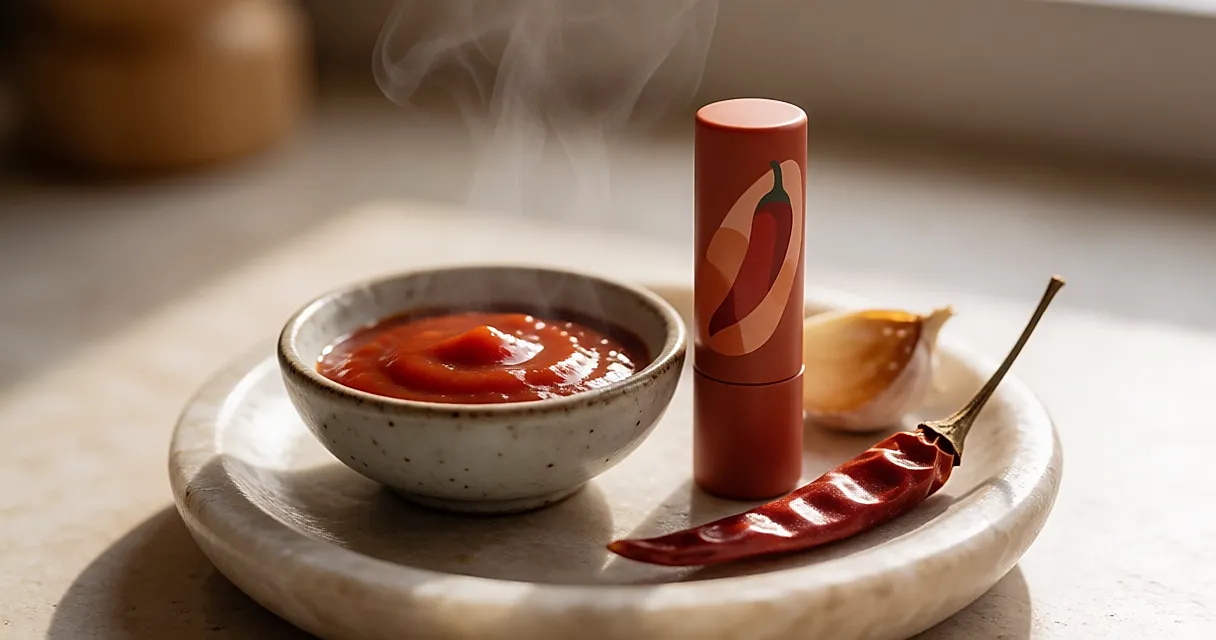
You unscrew the cap and the smell that rises has nothing to do with the beeswax in your mum's drawer: mild chilli, roasted garlic, simmering sauce. On the lips, a tingling warmth, a little after-dinner thrill. A balm that smells of chilli and garlic: someone had to try it, and the tube does not go unnoticed on the shelf.
The stick that plays at being a crisp packet
It's the trend that raises a smile in the beauty aisles: balms scented like dishes, limited editions flavoured with chilli, salt or peanut butter, and packaging that mimics an instant-noodle packet or a sauce bottle. Driven by the Korean wave, the category now borrows the codes of the snack aisle, with collaborations between beauty brands and food brands. The balm no longer just promises to repair: it promises a little piece of theatre.
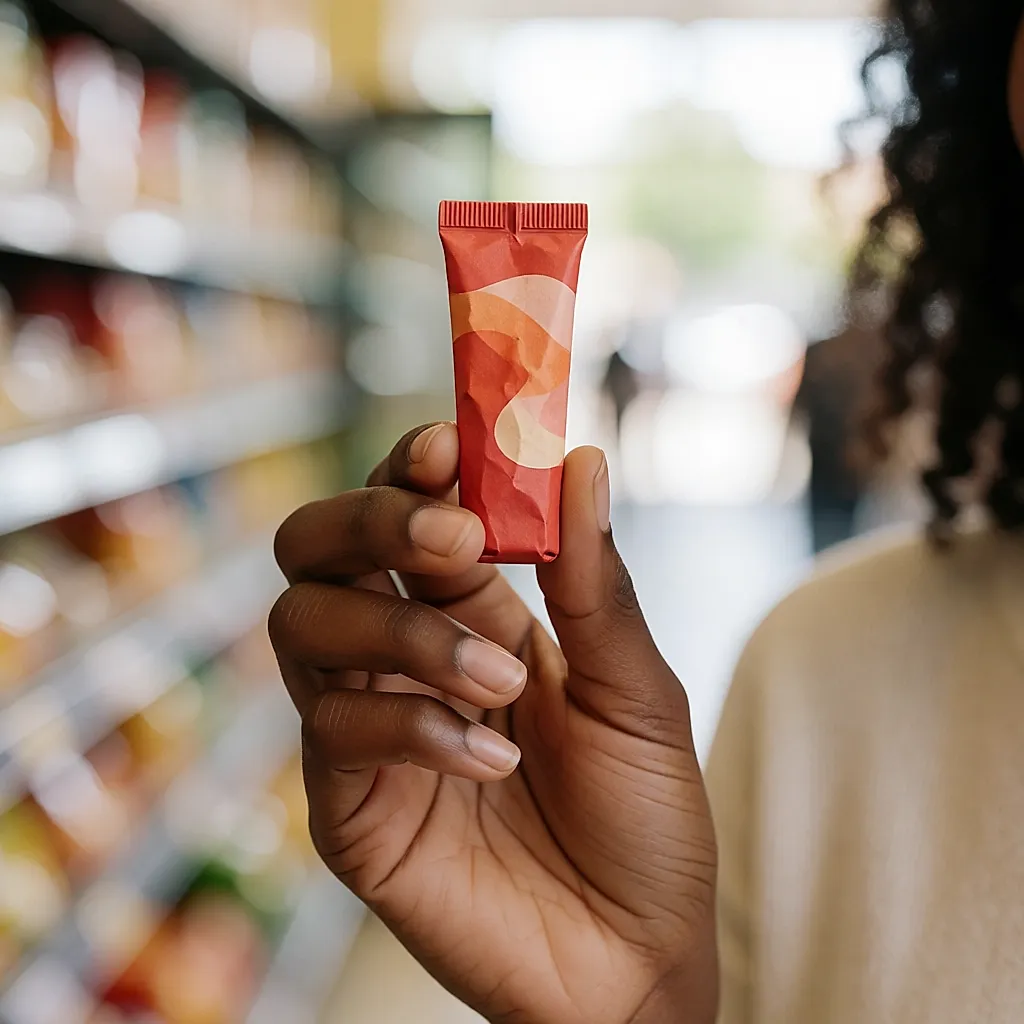
And yes, it works. A tube that looks like a packet of ramen gets photographed before it's opened, bought for the joke, and kept because it does the job. Indulgence has become a language: it says 'look after yourself, but don't take it too seriously'. Lip balm has become an object of sensory pleasure, not just protection against the November cold.
Why we like a bit of heat
Why on earth would you want your lips to warm up a little? Because the sensation is reassuring: you can feel something happening. It's the same reflex as mint in toothpaste or hot tea in December. Except that the tingle is not proof of efficacy — it signals the presence of mint, ginger or chilli in the formula, not proof that your lips are repairing any faster.
This shift also says something about the generation buying it: lip care is no longer a hygiene chore but a small pleasure for under £15, an accessible luxury when everything else costs too much. A tactile, funny little curiosity — exactly the sort of thing you show a friend saying 'look what I found'.
There is a downside, of course. Limited editions get collected and end up as plastic at the back of a drawer, and a food-inspired scent says nothing about the quality of the formula. That's where you come in: read the ingredients before you fall for the packaging.
How to apply it, no fuss
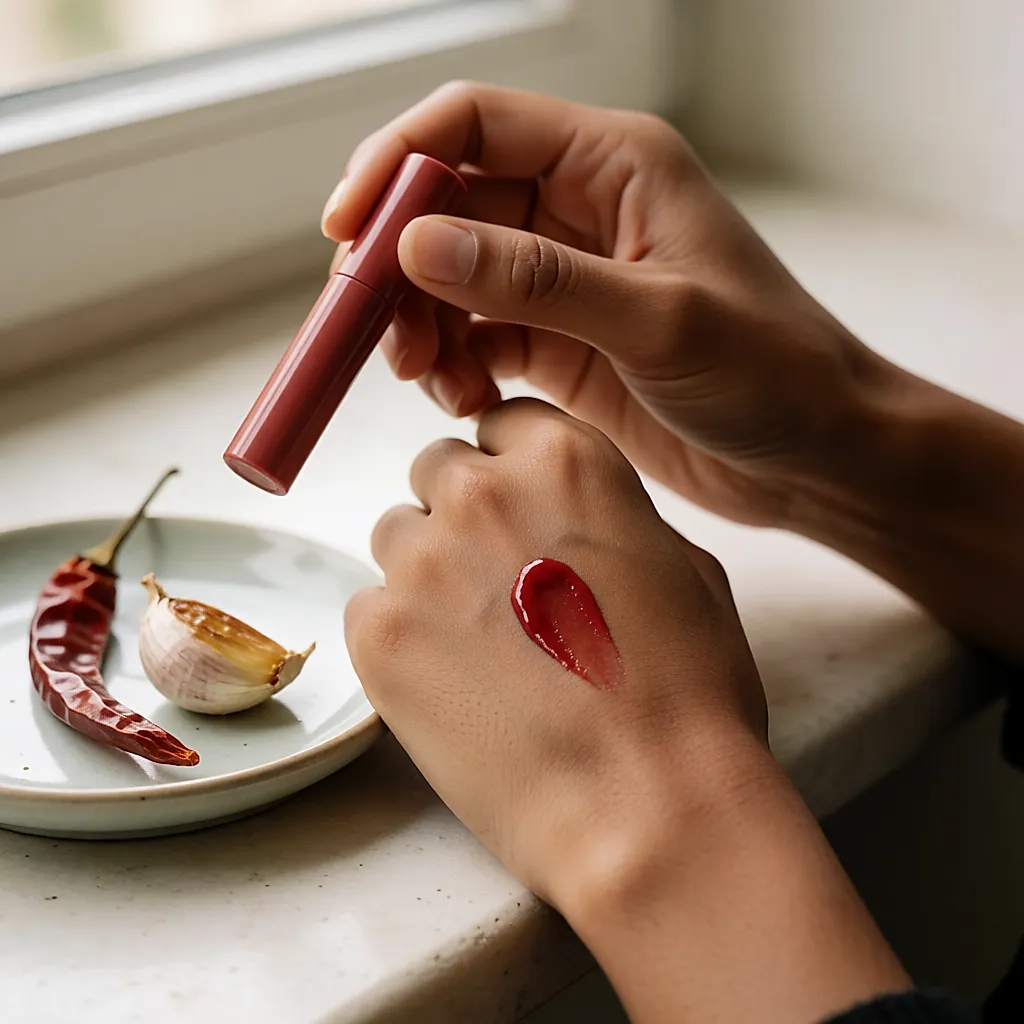
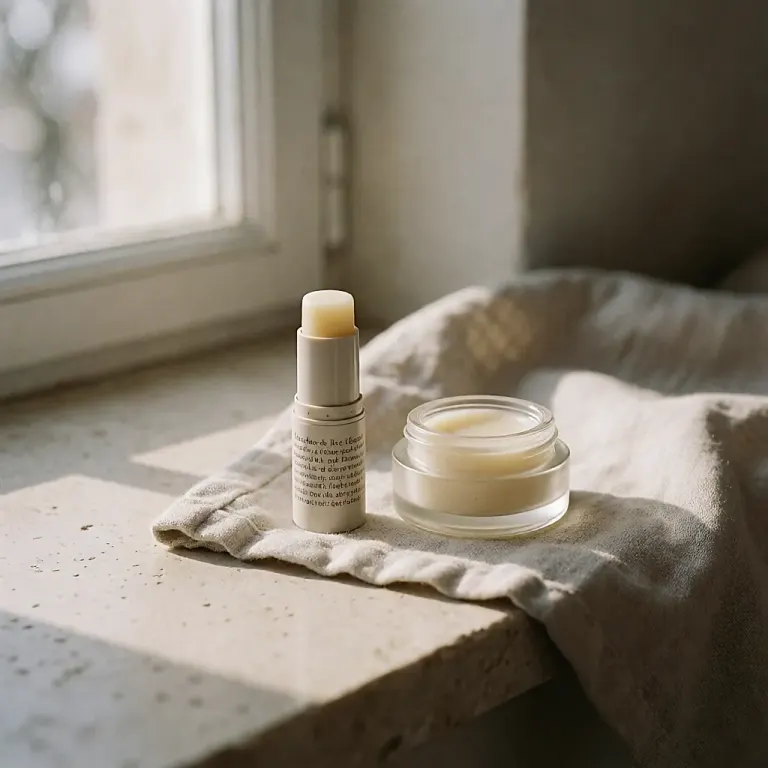
Application couldn't be simpler: the technique doesn't change. A thin layer, from the centre out to the corners, then leave it for a moment before you drink or talk. The heat isn't something you can dial down — it's better to try a small dab of the balm on the back of your hand, especially if your lips are chapped or reactive. If the discomfort persists, go back to a plain stick and speak to a pharmacist.
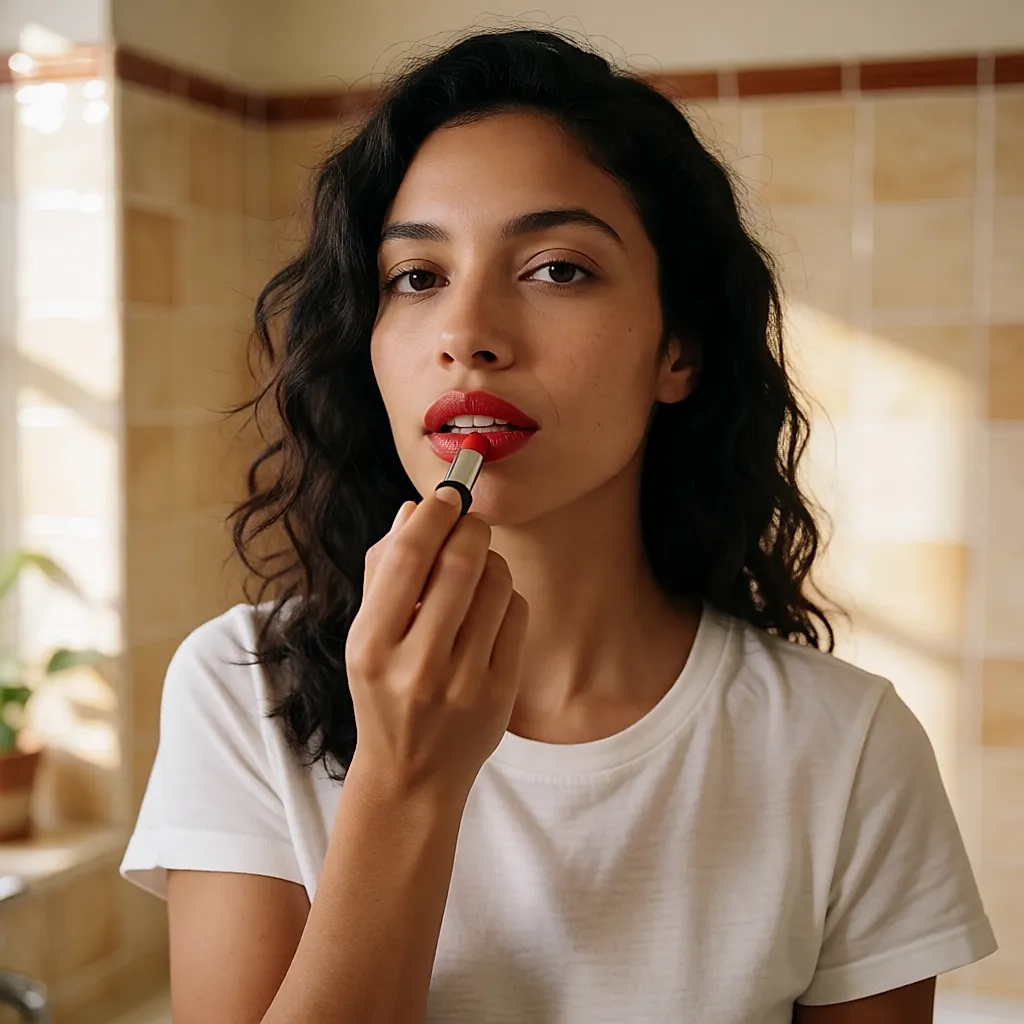
When choosing, look for plant oils and shea butter, especially among the main ingredients, a wax that holds, and a subtle scent. As a rule, the order of the INCI list isn't an absolute guarantee, particularly for minor ingredients. And if you find a refill, take it: it's the detail that matters most in use.
Before you check out: check whether it contains chilli or mint if your lips are sensitive, choose refillable or cardboard packaging where you can, and ask yourself whether you really like the smell — a food-inspired scent sniffed on the back of your hand can sometimes be less appealing on the lips.
What it costs, and what you're paying for
The range is wide and depends mainly on where you shop. Expect to pay roughly £4–£8 for a basic stick from a chemist, pharmacy or supermarket; £10–£20 at a beauty retailer or specialist store; and £20–£30 for a limited edition or food-brand collaboration, often sold online and quick to sell out. City and product line push the price up or down, with no direct link to the quality of the balm.

The real question: are you paying for the formula, or for the packaging that looks like a crisp packet? Both are legitimate, but not at the same price. A £25 limited edition whose scent you don't like costs more than a £6 stick that goes everywhere with you.
A tube in your pocket, a layer before you go out: that's already a routine. Whether the smell of chilli amuses you enough to keep reaching for the tube is up to you.

Comments
Your opinion matters: rate the article, react and reply to comments.
Comments are moderated; AI-assisted comments are flagged. Text emoticons (8-), :-), <3…) are automatically shown as images.