
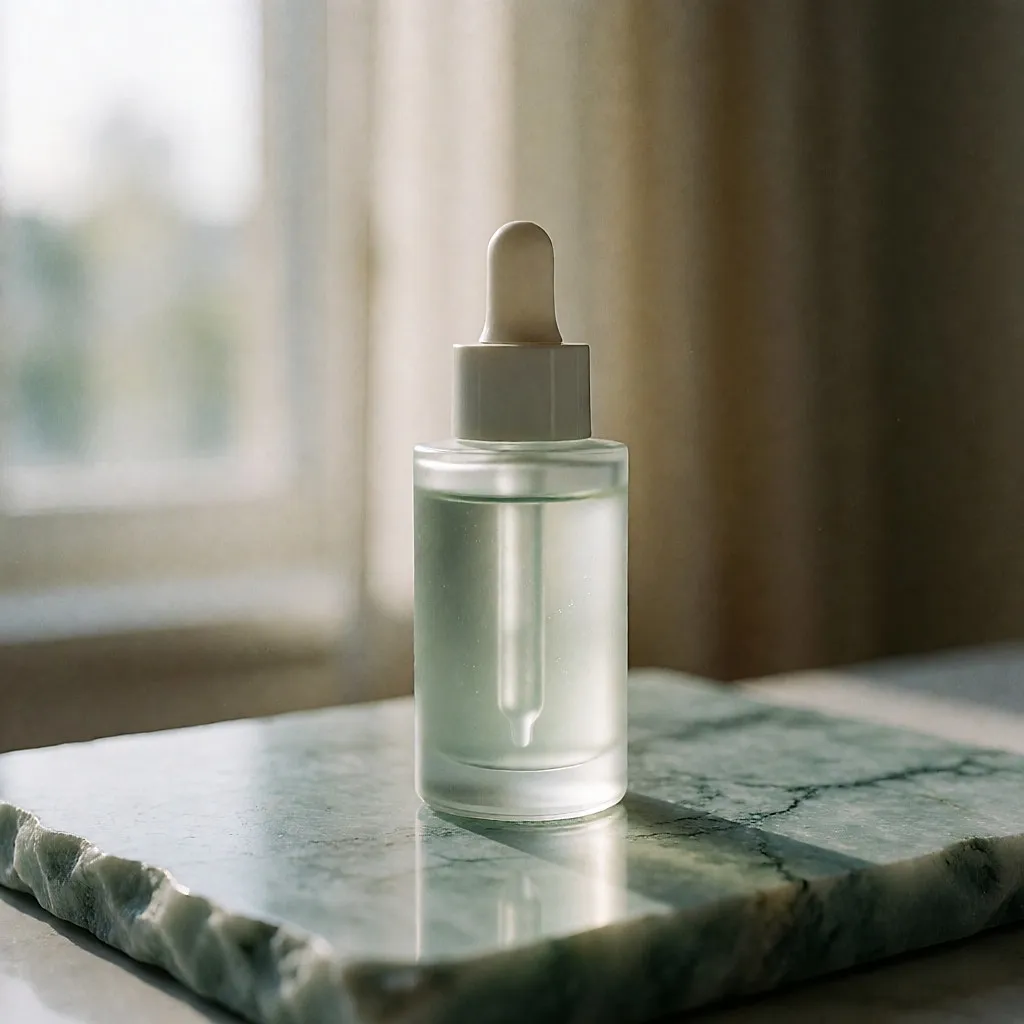
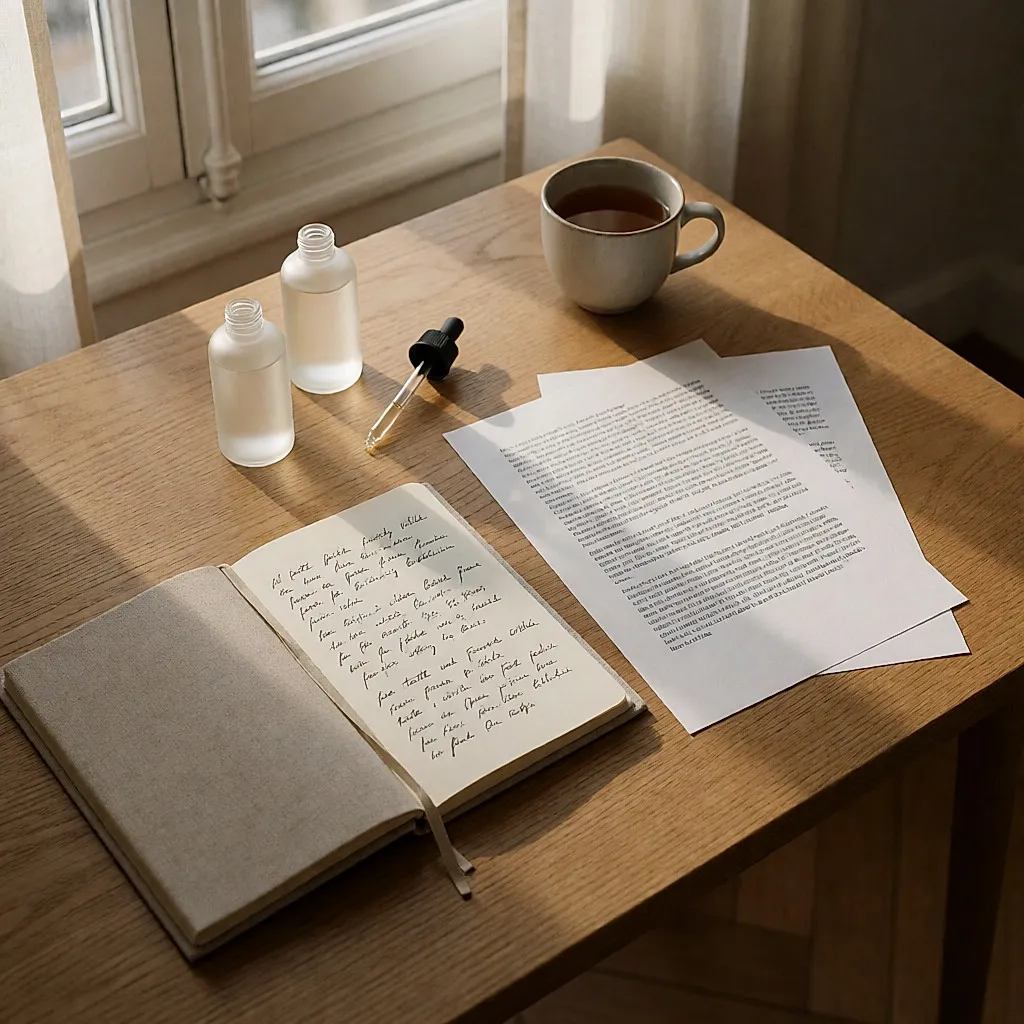
A translucent bottle, a texture that runs like water, a label with the word “ferment” printed big across the front. If you have been scrolling social media or browsing the beauty halls, you might have spotted these Korean serum-essences turning up. They promise plumper skin, a fresher complexion, a simpler routine. But what actually are they — and are they worth your money?
Serum-essence: neither a classic serum nor a toner
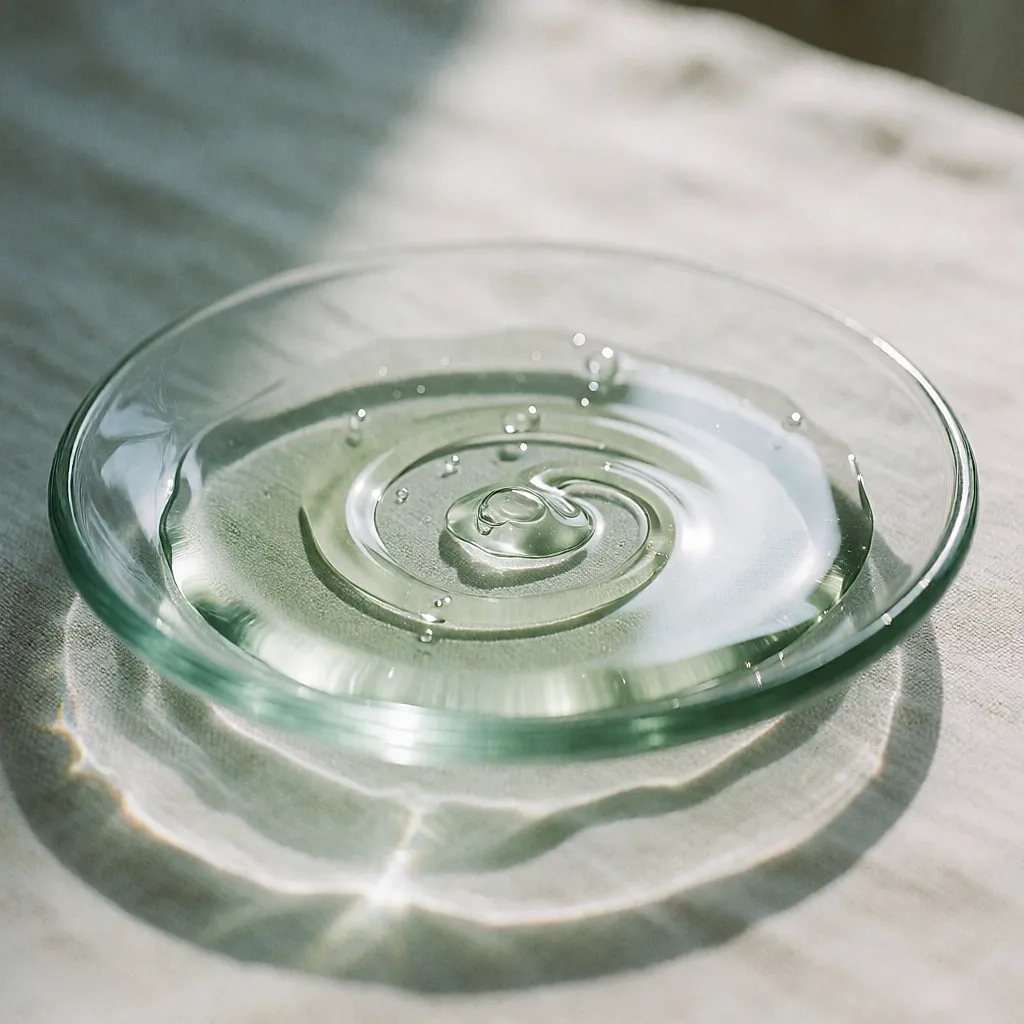
The idea comes straight from Korea. Instead of layering a classic serum followed by a rich cream, you press in a very fluid, almost watery liquid that works as both treatment and prep. The formula is deliberately light: water, hydrating actives, little or no oil. It sinks in quickly, leaves no film, and lets you hydrate skin that autumn creams tend to smother.
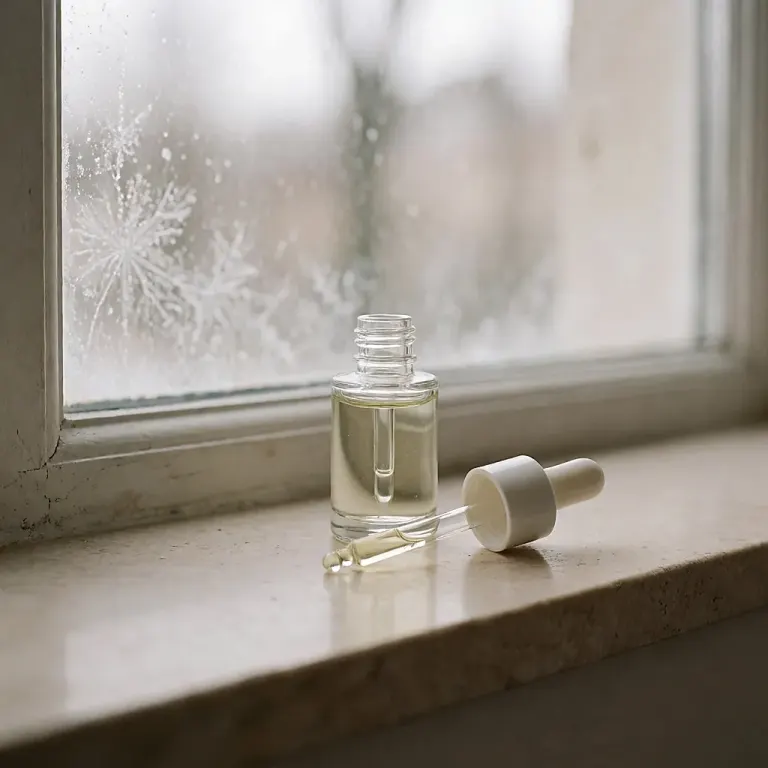
That is where it gets interesting for combination or dehydrated skin: you add water without overloading. The flip side is that a watery texture runs out fast. A 150 ml bottle can be empty in a matter of weeks. Keep the cap screwed tight and the bottle out of the light and you will stretch it a little further.
The technique: tap, two layers, then moisturiser
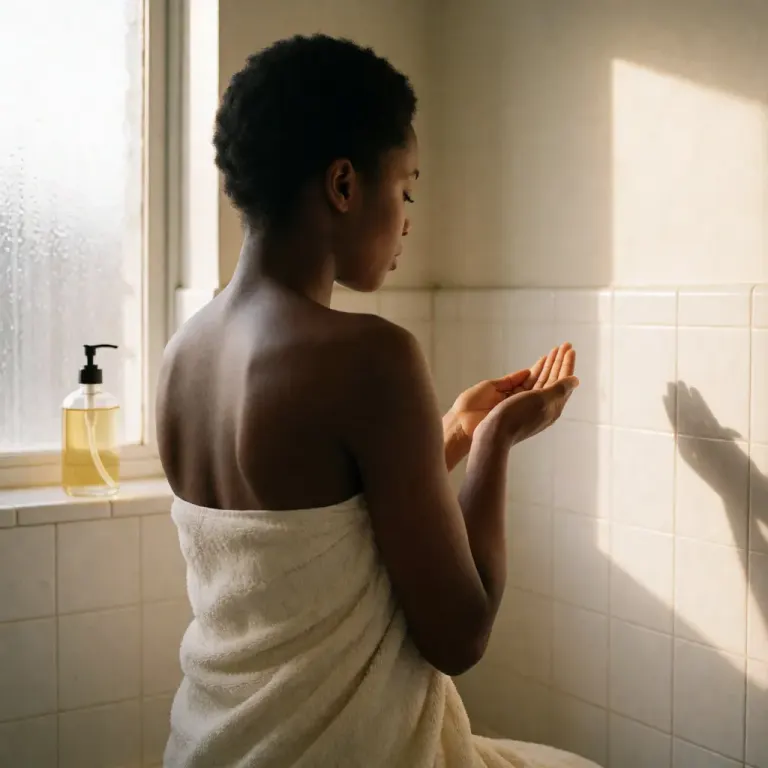
Forget cotton pads. After cleansing, pour a few drops into the palm of your hand — bare hands are the whole point — and tap your face with your fingertips. No rubbing: you tap so it absorbs without dragging at the skin. Let it absorb for a few moments, then go in with a second layer. Only then do you finish with your moisturiser to seal everything in.
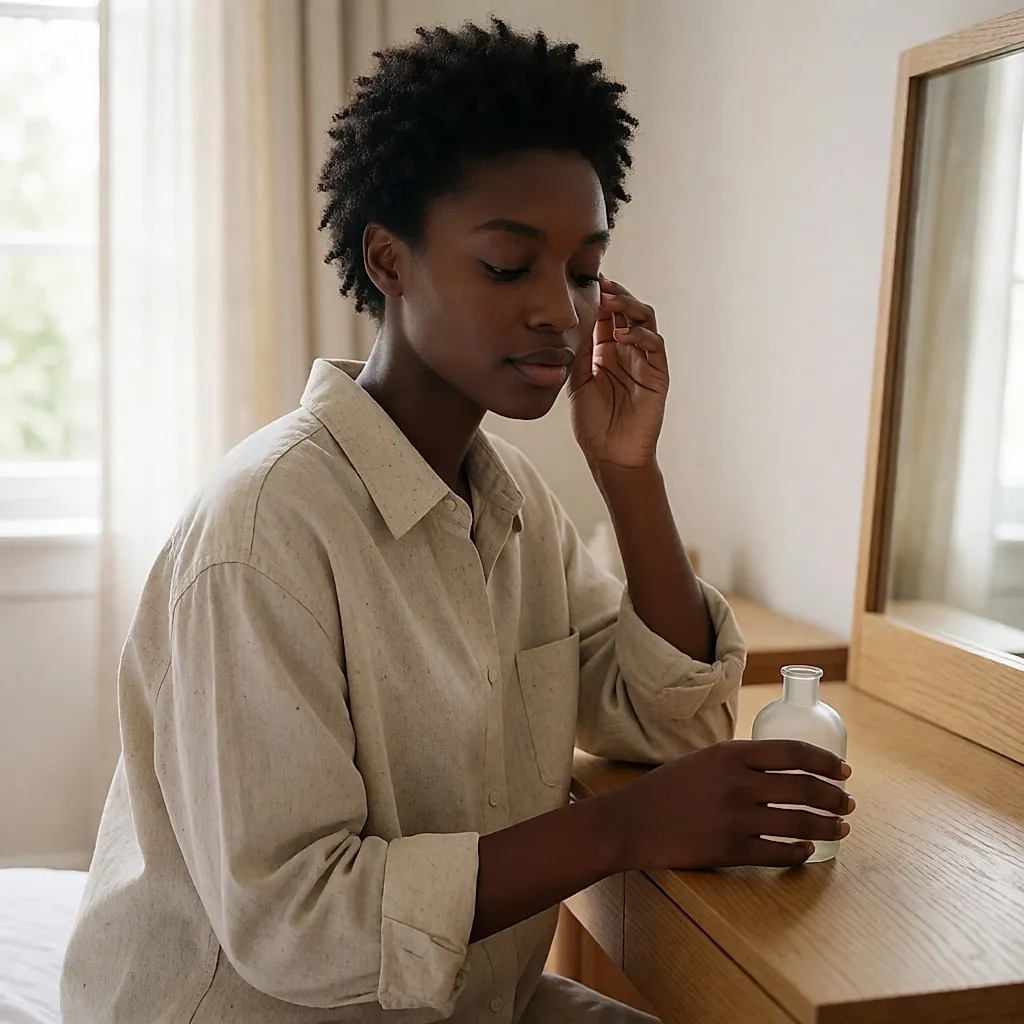
There is no point stacking a serum-essence on top of another serum. A serum-essence replaces that first hydrating step — it doesn't join the queue. Too many layers and skin becomes saturated — and shiny by the end of the day.
How to narrow down the shelf
Not every new launch is worth the same. Three things to check on the INCI list:
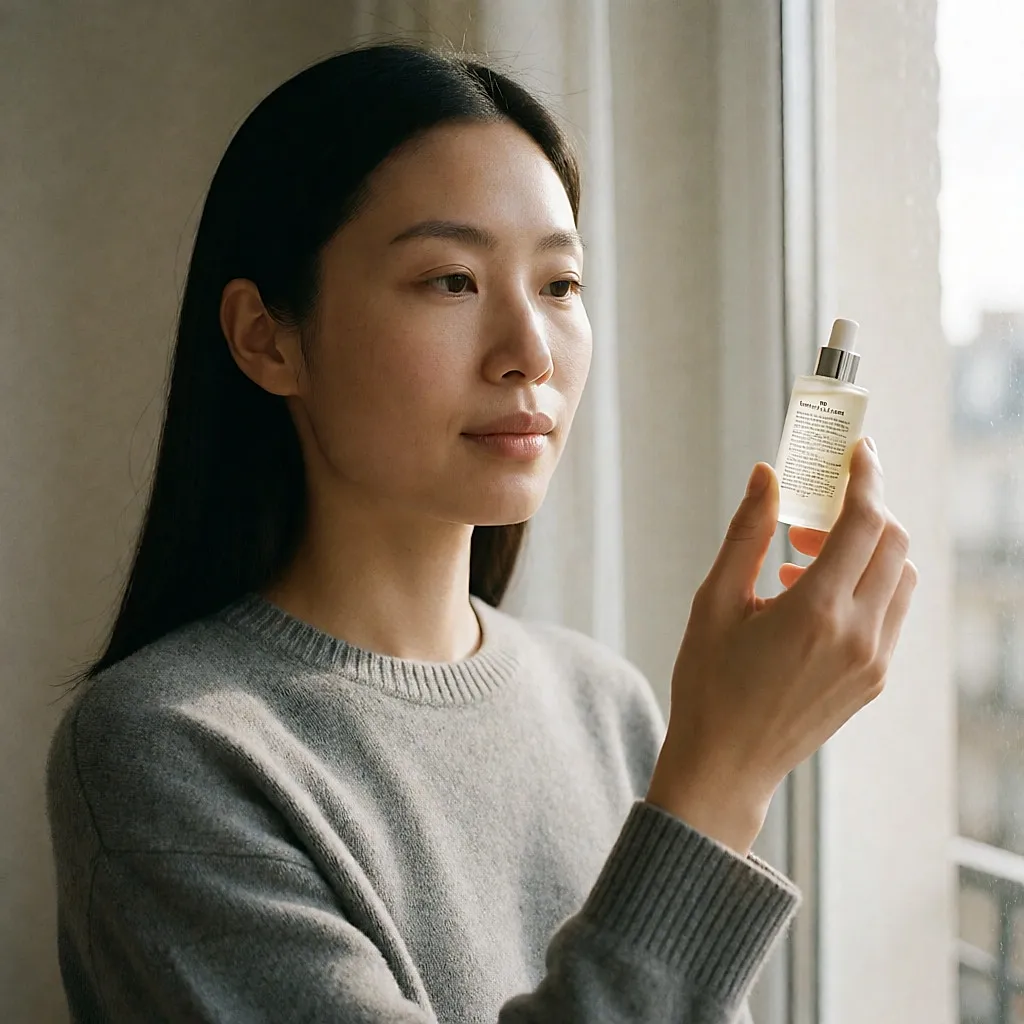
- One hero active, clearly named: ferment, niacinamide, tea. A formula that owns its main ingredient beats a list of 30 actives at homeopathic doses.
- No denatured alcohol at the top of the list. A little, at the end of a formula, is not a disaster in a product you rinse off. This one stays on your skin: listed first, it can leave skin dry.
- Packaging that has been thought through. A refillable glass bottle, a card pot where the format allows. It is often a sign of commitment, not just a packaging claim.
Budget
Expect to pay around £13 to £30 for a decent serum-essence. Korean brands stocked in the UK sit in the K-beauty sections of beauty retailers (more like £18 to £27), in selected pharmacies and chemists (£22 to £30 for the more dermatology-led formulas) and with online Asian beauty specialists (£13 to £22, but remember the postage). Price climbs with packaging: a refillable glass bottle often costs a few pounds more than a disposable plastic one, though the gap narrows once you buy the refill.
The tweak that changes everything: if your skin feels tight after the serum-essence, don't add another layer. Look at your finishing moisturiser instead — it is usually the one lacking the oils to hold the water in. And on very dry skin, serum-essence on its own may not be enough: go for something richer at night.
What we didn't test
Let's be honest: we spotted these launches, compared them and picked them apart using the product sheets and the information the brands sent us — we did not test them on our own skin for weeks. We're telling you so you know exactly where we stand. Serum-essence is still a lovely way into K-beauty, as long as you don't expect miracles and you don't pile three actives on top of it. Start simple: one bottle, your tapping, your moisturiser. Then let your skin be the judge over a few weeks.

Comments
Your opinion matters: rate the article, react and reply to comments.
Comments are moderated; AI-assisted comments are flagged. Text emoticons (8-), :-), <3…) are automatically shown as images.