
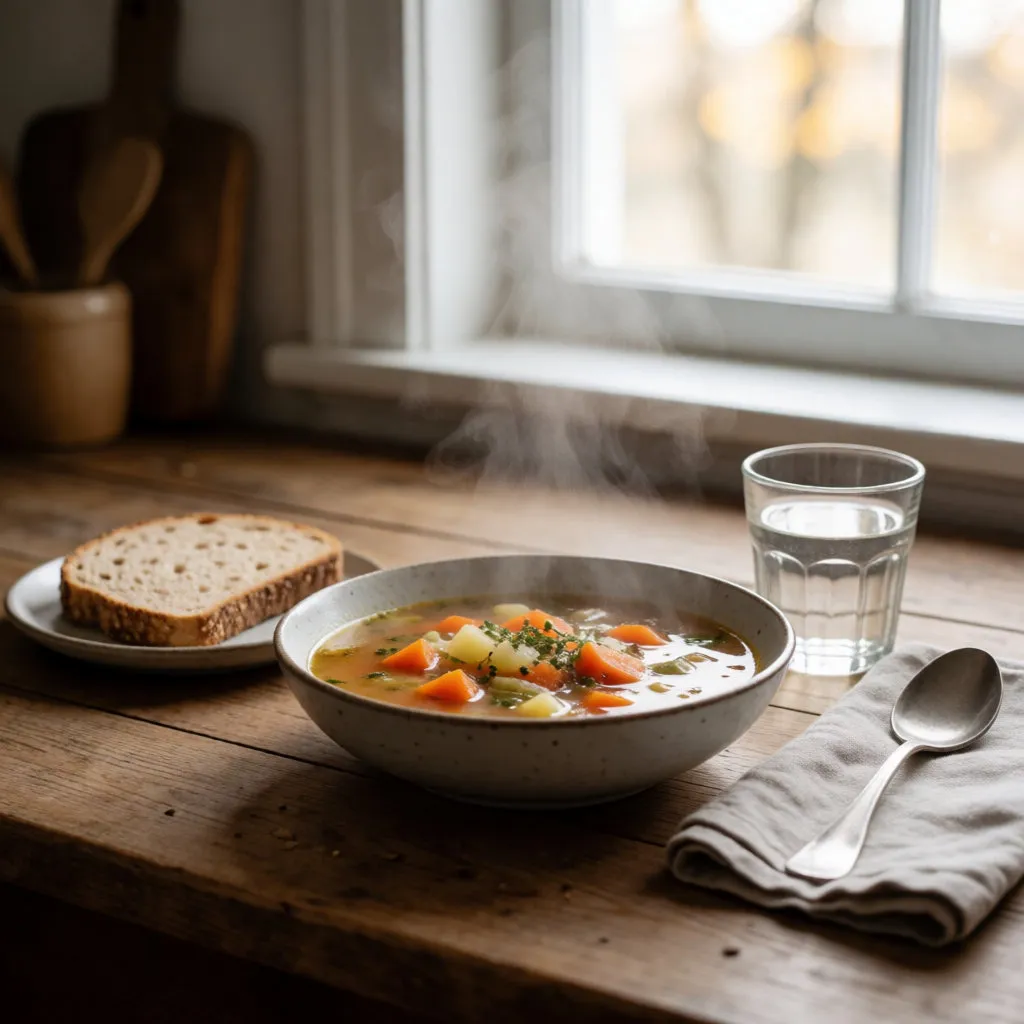
- No snacking between meals. Nothing does more damage to your waistline than grazing at random — all the more so because a hunger pang between meals usually sends us straight to the pastries, chocolate bars and crisps.
Far better to eat until you are satisfied at mealtimes than to ration yourself and cave in a few hours later to one of those highly calorific snacks.
That said, if you are genuinely hungry, there is no point in starving yourself until the next meal. In that case, choose a small snack — and choose it well: fresh fruit, a small handful of unsalted nuts, plain yoghurt, a slice of wholemeal bread. The principle is simple: minimally processed foods that fill you up and bring fibre, calcium or healthy fats.
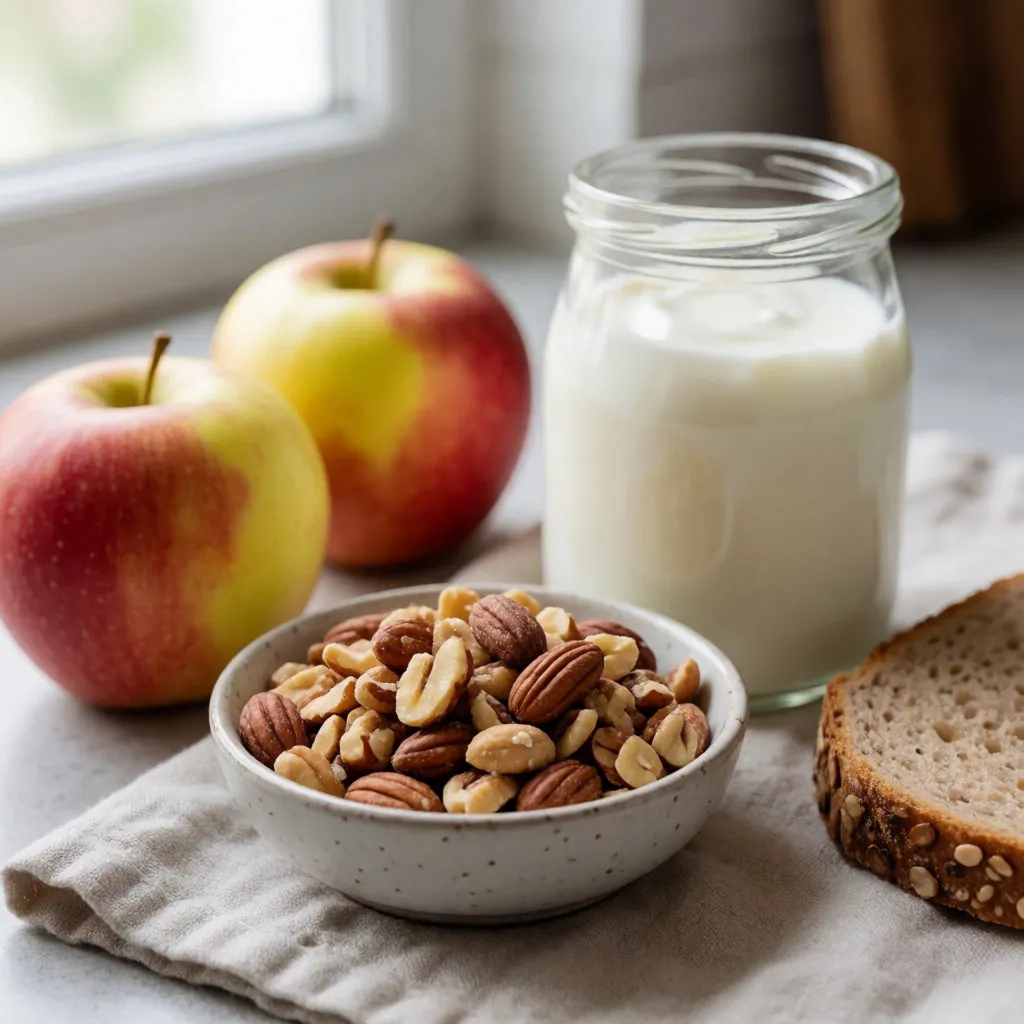
- Sugar at the end of a meal rather than on its own. The body appears to handle sugar better when it is eaten alongside other foods than when it is consumed alone between meals.
That is useful to know: in practice, a square of dark chocolate or a lightly sweetened yoghurt as dessert is likely to have less impact on your waistline than the same thing at a mid-morning snack. Is that a licence to eat more of it? No, obviously not — it is a marker, not a permission slip.

- Always a portion of vegetables or salad on the plate.
Pasta and steak, mash and ham, rice and fish... these are everyday combinations we fall back on because they are quick and convenient. The trouble is that something is missing — and that something is greens.
Every meal should include vegetables and/or salad. Packed with fibre, vitamins and minerals, they contribute to satiety and to a balanced diet.
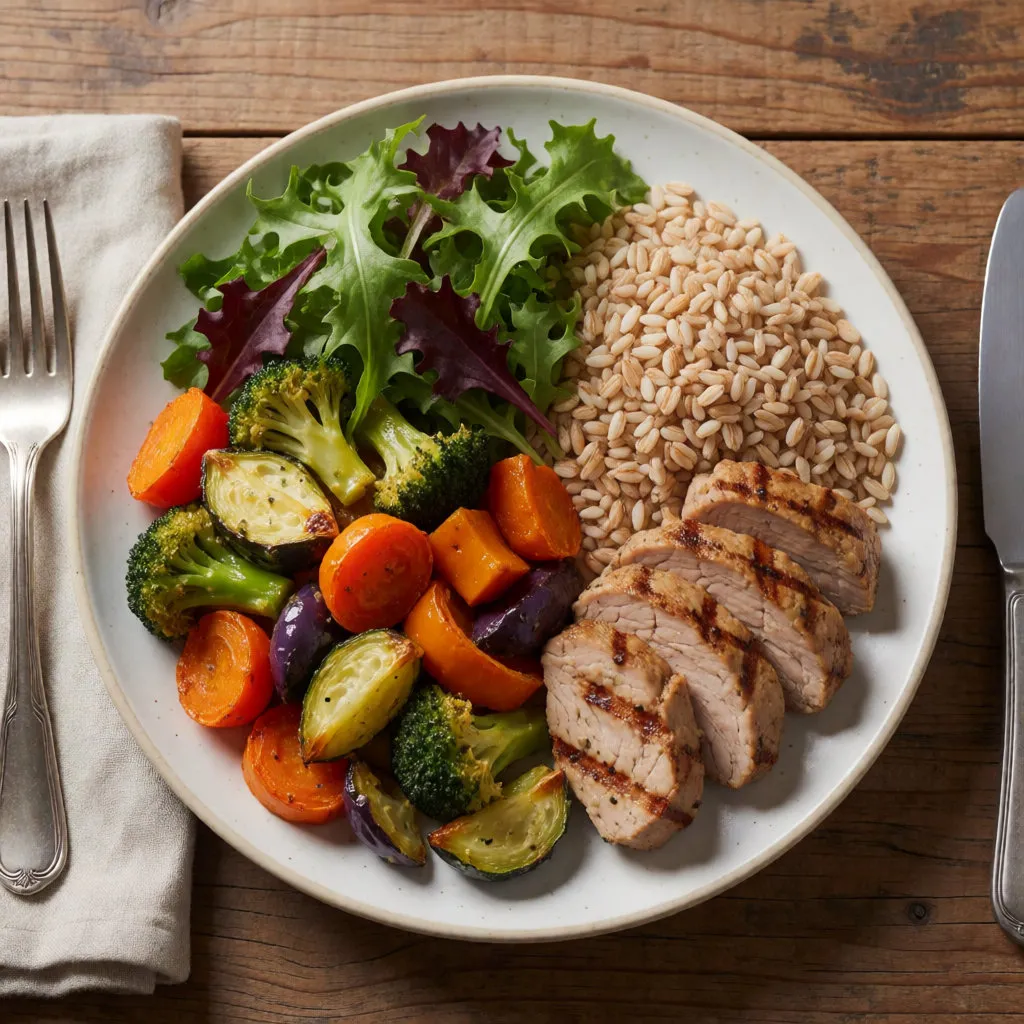
So when you fill your plate, put a little less protein and a little less starchy carbohydrate on it, and free up room for salad, roasted vegetables or a bowl of soup.
- Think chrononutrition — one approach among others, which suggests distributing certain foods across the day. The body is a well-tuned machine with its own cycles and biological rhythm: cues to follow for optimal function rather than fixed rules.
We won't go into a detailed review of chrononutrition here; the evidence remains limited and there is no consensus. But a few pointers can be drawn from it.
Fat is better eaten in the morning, at breakfast: eggs, cheese, ham and buttered toast are better assimilated at that point.
At midday, go for slow-release carbohydrates. They keep you full for longer and head off premature hunger pangs. Whole grains are preferable, being higher in fibre, paired with a protein of your choice and a portion of vegetables or salad.
In the afternoon, a snack is fine if you are hungry, as advised above: no industrial confectionery, but simple, effective foods such as dried fruit or wholemeal bread.
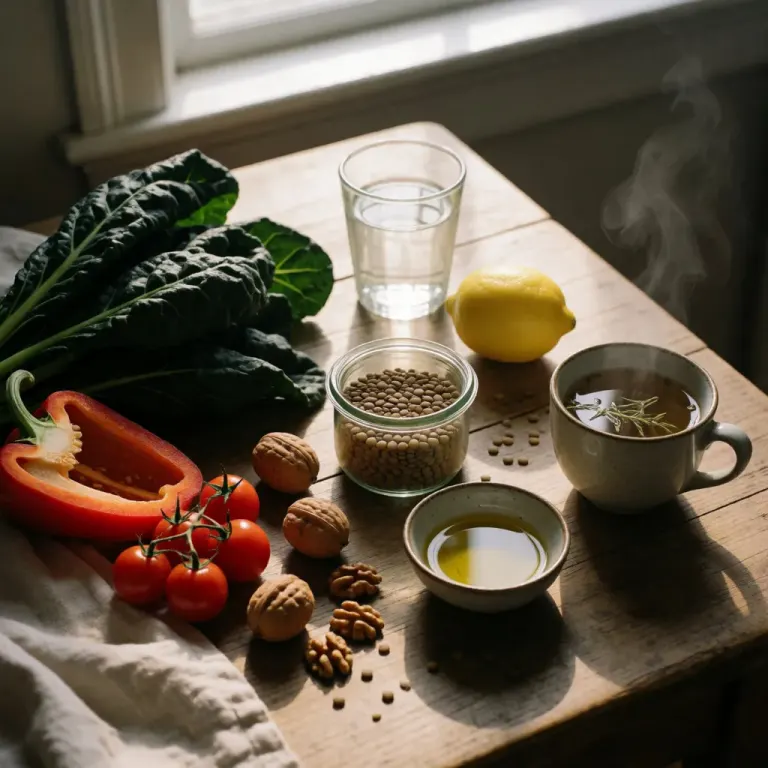
And in the evening, keep it light. Not too much sugar, and no fast-release sugars; limit fats as well and opt for a simple meal. Grains plus pulses (chickpeas, split peas, lentils, dried beans), vegetables, salad, soup... You can skip protein in the evening, but if you really want some, choose lean protein: fish, shellfish, white meat.
And above all, the golden rule: no snacks or grazing after the evening meal. Some people are in the habit of treating themselves to something sweet in front of the evening film. A routine post-dinner snack can tip the day's intake out of balance, but meal timing alone is not what determines whether you store fat — overall balance matters more.
- Favour cis unsaturated fats, avoid industrial trans fats, limit saturated fats.
Cis unsaturated fats are the ones to prioritise: oily fish, vegetable oils (walnut, hazelnut, rapeseed, olive), nuts and seeds.
At the other end, avoid industrial trans fats, produced by partial hydrogenation: they turn up in pastries, ready meals, cakes, pizzas and burgers. As for saturated fats, it is better to limit them — without framing them as purely industrial: butter, cheese, meat and coconut oil contain them too.
- Vary plant and animal proteins. Mention protein and we immediately think of minced beef, fish or eggs. But protein can also be plant-based: soya, split peas, chickpeas, lentils and kidney beans all contain it.
Pulses and plain soya products are often high in fibre and low in fat, but fat content depends on the food in question; some animal proteins are lean too.
Eat slowly, take your time, chew. Eating slowly gives satiety time to register. When you take your time over a meal, you also give the feeling of fullness the chance to tell you that you have had enough.
Eat quickly, on the other hand, and you tend to eat more before you notice you are full.
Some of us have a tendency to forget this and want to race straight to the goal — but there is no need to starve yourself to shift a few extra kilos. We say it often here: what matters for losing weight well — that is, sustainably and without putting your morale through the wringer — is to favour a balanced diet and, more broadly, to find your own balance. Eating healthily, yes, but only if eating remains a pleasure. Today we're looking at the tips and everyday habits that make a real difference: no impossible advice and no radical action plan, just common sense and a few things worth knowing to avoid the most calorific traps.
None of these tips replaces personalised advice. If you are in any doubt, are taking medication, are pregnant or have a chronic condition, speak to your GP or a registered dietitian: general guidance is never a substitute for advice tailored to your situation.
Budget
The habits above cost nothing. If you would like some support, a referral to an NHS dietitian through your GP is free at the point of use, although waiting times vary by area. Private appointments with a registered dietitian typically start at around £60 to £100 a session, depending on the practitioner and where you are, so always confirm the current fee before booking. Some private health insurance policies cover part of the cost — check with your provider. As for the shopping basket, plain frozen or canned vegetables (with no added salt) are often cheaper than fresh produce out of season and just as good nutritionally; nuts bought in larger bags keep well.
Sources
- Santé publique France, Programme national nutrition santé (PNNS) — dietary guidelines for adults.
- ANSES, opinions and reference points on sugars and fats.
- NHS Eatwell Guide — guidance on eating a healthy, balanced diet.


Comments
Your opinion matters: rate the article, react and reply to comments.
Comments are moderated; AI-assisted comments are flagged. Text emoticons (8-), :-), <3…) are automatically shown as images.