
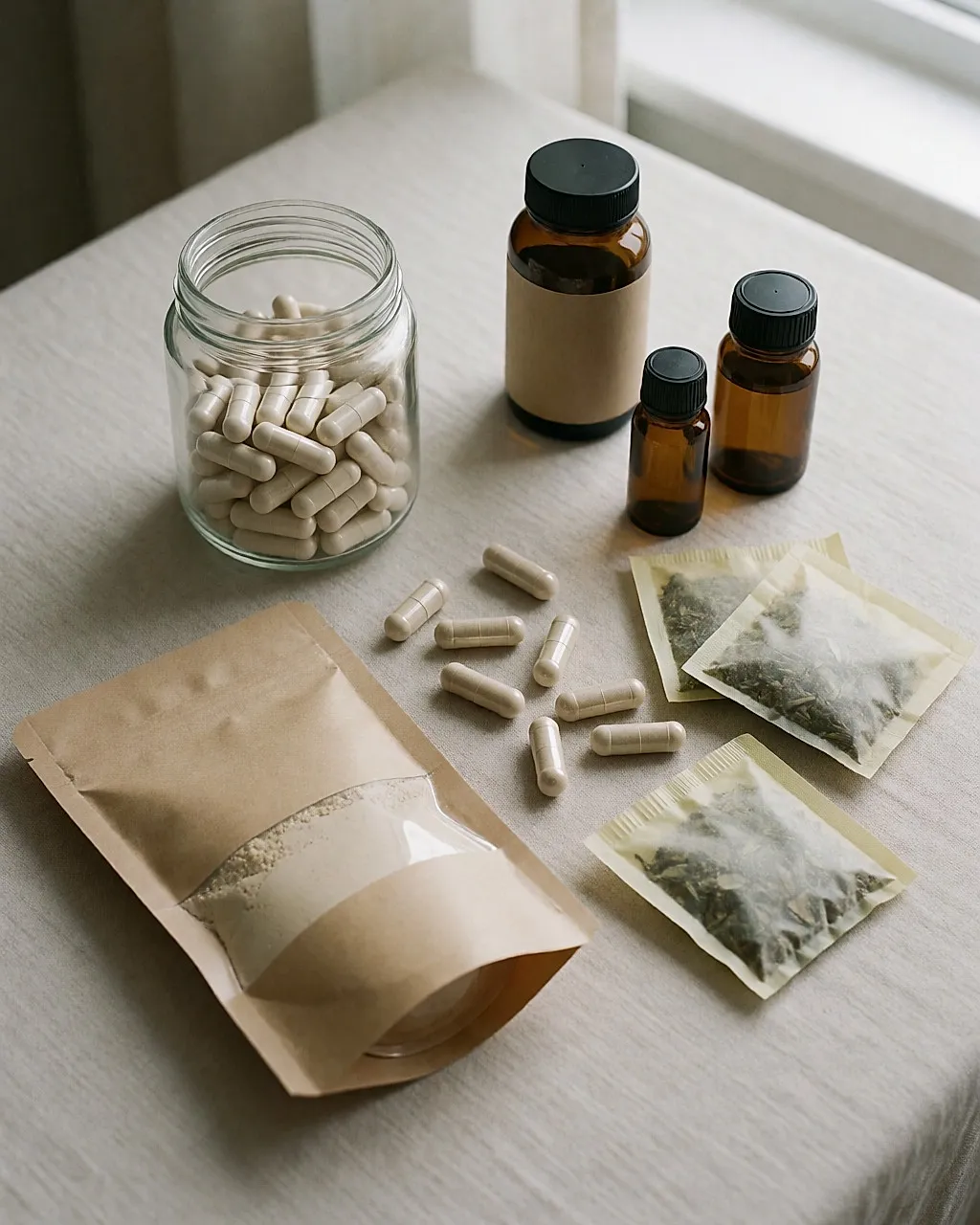
As soon as warmer weather arrives, your feed fills with promises of fast weight loss. Capsules, powders, teas and patches: most of these products are a few clicks away, often without an English label or even the manufacturer's name. But some formulas contain ingredients that have already caused documented harm, and they are still circulating. How do you separate fact from hype?
What we know, and what we still don't
What we know: ingredients banned in France turn up in supplements sold online. What we know less about is what you are actually swallowing, because investigations by the French consumer watchdog DGCCRF regularly find mismatches between the label and the contents. In practice, a promise of rapid results is already a red flag.
Aristolochia, the plant that damages kidneys
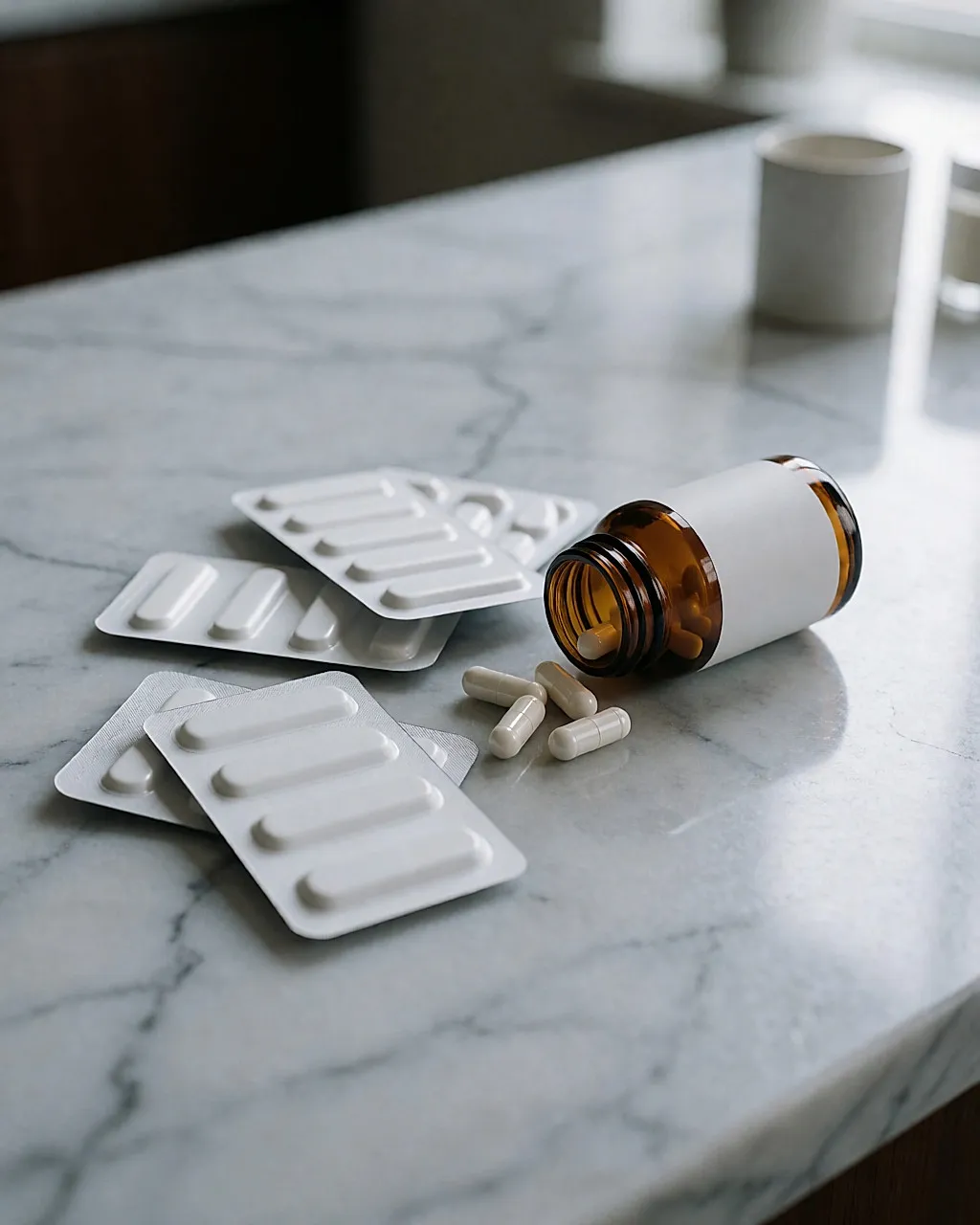
A plant is not gentle by nature, and aristolochia proves it. Taken in capsules, it attacks the kidneys and has caused kidney failure in France, sometimes fatal, as well as cancers of the urinary tract. Its sale has been banned in France since 1994 for medicines and since 2001 for food supplements, but it still appears in preparations bought outside regulated supply, often described as 'purifying'.

Ephedrine and stimulants
Ephedra and its active ingredient, ephedrine, are banned in food supplements in France. They speed up the heart and raise blood pressure: tachycardia, sudden hypertension, vascular events, convulsions, and dependence that can take hold quickly. Sellers often change the product name to slip through controls.

Appetite suppressants: what has changed since
Sibutramine, sold in some countries as Sibutral, was withdrawn from the European market in 2010 because of its cardiovascular effects. As for amphetamine-like anorectics — amfepramone, clobenzorex, fenproporex, mefenorex — they were withdrawn from the French market between the late 1990s and 2010: pulmonary arterial hypertension, damage to heart valves, dependence. None of them belongs in a weight-loss plan.

Diuretics, thyroid extracts: the same trap
Diuretics do not melt fat: they make you pass water. The result is misleading weight loss, potassium deficiencies, cramps, fainting and sometimes heart rhythm problems. Thyroid extracts, meanwhile, add to your hormones and can trigger palpitations, insomnia and severe fatigue. These medicines should be used only under medical supervision, never as self-medication.

Three signs that mean you should stop taking a 'slimming' supplement immediately: palpitations, unusual breathlessness, chest pain. If this happens, stop the product and call 999 straight away. Never take two products together.
In practice, remember this
What should you check first? The label, before you buy: ingredients, the name of the company responsible for the product, and clear English wording. Be wary of sites that promise a specific result without showing any contact details. If you already take medication, have a history of heart, kidney or thyroid problems, or are pregnant, speak to your GP or pharmacist. It is free, and it can save a lot of trouble.

Cost
On the NHS, GP appointments are free at the point of use, though access varies. Private GP appointments typically cost from around £50, depending on location and practitioner. A private dietitian session often costs around £50 to £100, and NHS dietitian support is free if you meet referral criteria (for example, for obesity, certain long-term conditions or pregnancy). Pharmacy advice is free, and it is often the first place to ask for an opinion. Online slimming programmes often cost around £20 to £60 a month, with no guarantee over what is in them and no real follow-up. No 'natural' equivalent replaces proper support: that is the only honest trade-off to remember here.
Sources
- French National Agency for Medicines and Health Products Safety (ANSM) — information on the withdrawal of sibutramine and amphetamine-like anorectics.
- ANSM — information on food supplements containing ephedra.
- Légifrance — French regulation banning the sale of Aristolochia species.
- French consumer watchdog (DGCCRF) — investigations into food supplements sold online.
- French Agency for Food, Environmental and Occupational Health & Safety (ANSES) — advice on food supplements for weight loss.
- French National Authority for Health (HAS) — guidance on managing overweight and obesity.
- NHS — advice on weight loss and healthy weight.
- MHRA — safety information on medicines and supplements.
Food supplements do not replace a varied, balanced diet and a healthy lifestyle.



Comments
Your opinion matters: rate the article, react and reply to comments.
Comments are moderated; AI-assisted comments are flagged. Text emoticons (8-), :-), <3…) are automatically shown as images.