

Weight loss: the BootCamp method
You may have come across the name in an article, or in a friend's recommendation. Valérie Orsini, nutrition coach, and her online weight-loss BootCamp: the idea dates back to the 2000s, long before health apps proliferated on our phones. Since then, the model has spawned many imitators — remote consultations, distance-support programmes, support groups — and the principle itself hasn't changed much: take back control of what's on your plate and your daily routine, without cutting yourself off from the world. What lies behind the method, and what can you realistically expect before signing up?
The principle: remote coaching, not a cure
Originally, BootCamp was intended as a more accessible alternative to one-to-one coaching. You signed up by subscription after a detailed questionnaire — weight, height, age, activity, habits — and received daily advice, balanced recipes and encouragement by email. Participants could swap tips on a forum, and the coach stayed contactable if you had doubts.

In practice, the model has spread widely. Today, the equivalent often comes down to a mobile app or online space: an initial assessment, personalised goals, reminders, recipes, and tracking of meals and activity. The content is more interactive, and communities also form on social media — but the logic remains the same: remote support that focuses on consistency rather than performance.
What the programme is really based on
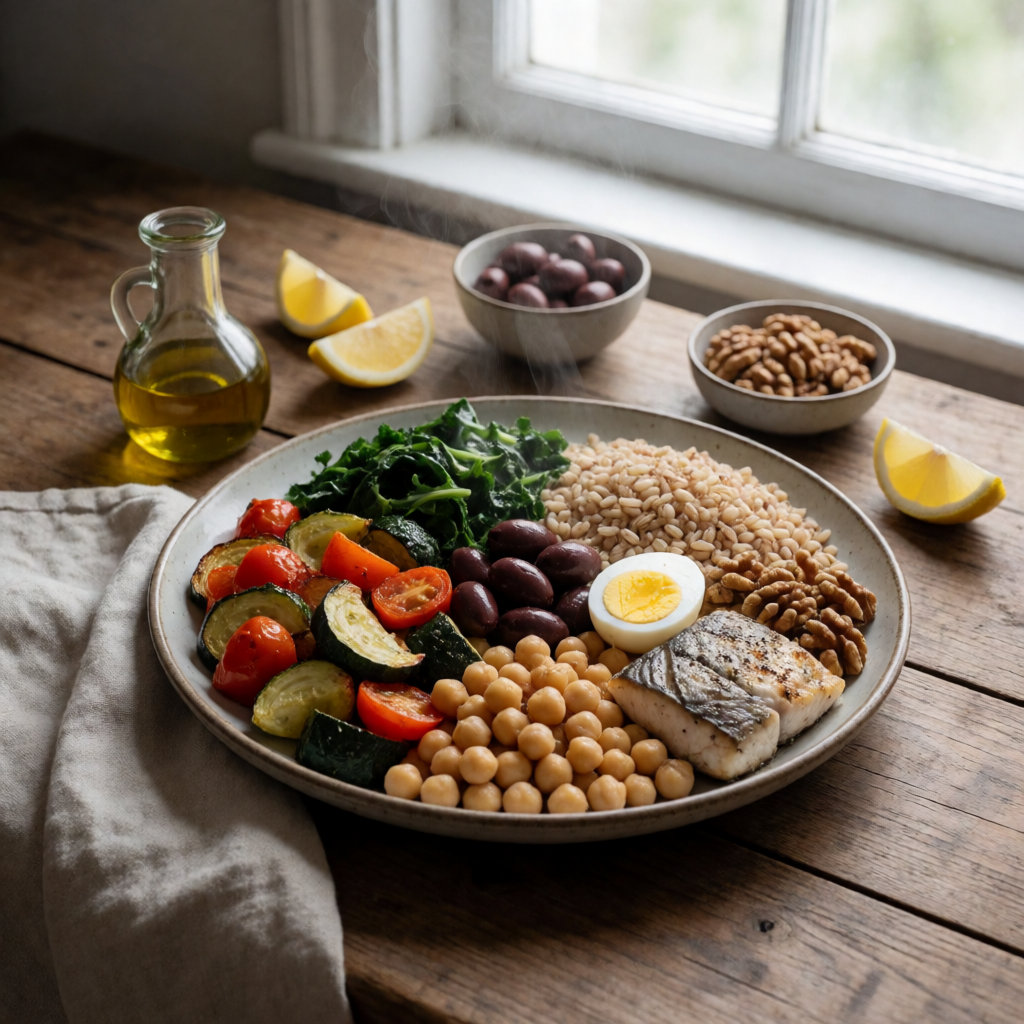
The key point is balanced eating rather than restriction. The original emails emphasised varied recipes to avoid deficiencies while eating until you're satisfied — a colourful plate, roasted vegetables, wholegrains, pulses. Nothing spectacular, and that's exactly where it matters.

What we know, and what we don't yet know: current data suggest that lasting weight loss rarely comes from a very restrictive diet. Preventing deficiencies, maintaining muscle mass and consistency matter more than speed. However, no online programme can replace medical care if you have a history of health issues, symptoms or are currently receiving treatment. Certain risk factors — eating disorders, chronic illnesses — require professional support, and no app will do in that situation.
A remote support programme can help you structure your meals and activity, but it cannot make a diagnosis and does not replace a healthcare professional. If you have a medical history, symptoms or concerns, speak to your GP or a registered dietitian.
Then there's movement. The original BootCamp encouraged moving whenever possible: taking the stairs, walking, dancing in your living room. That's still the right instinct, and it hasn't lost any of its relevance. The WHO recommends that adults get at least 150 minutes of moderate activity a week, spread over several days, plus two sessions of strength training. You don't need a gym to start! A brisk walk, bodyweight exercises, a bike — what matters is consistency, not one day's intensity.

It isn't right for everyone
Here's the caveat you don't always see in the sales pitch. Some people need in-person appointments, a structure, a reassuring presence to keep going over time. Others prefer the flexibility of remote support, even if it means navigating the dips alone. There's no universal right answer: it depends on your temperament, your constraints and your support network too. A supportive friend is sometimes worth more than every automatic reminder in the world.
Budget: what to expect
On the budget side, prices in the UK vary. A subscription nutrition-coaching app often sits between £5 and £20 a month, with annual plans usually better value. A structured programme with online human support costs more: sometimes £30 to £60 a month, depending on the level of support.
For in-person appointments, a private registered dietitian consultation generally sits between £50 and £100, depending on where you are and the practitioner. Some situations may be covered by the NHS or private health insurance under a care pathway — check with your GP and your insurer. Fees also vary with the length of support and how often you have appointments.
Where can you find these services? Online, through apps and remote consultation platforms; in person, via registered dietitians and health centres; in pharmacies or supermarkets for some support programmes. Before you pay, compare the information available, any accreditations where they exist, and how clear the claims are.
In practice
Before you commit, note down what you're looking for: recipes, structure, human support, a community? A programme that promises fast results or a big detox won't help you in the long run. Choose a method that talks about balance, movement and prevention rather than numerical performance. And if you have the slightest doubt about your health, start by speaking to a professional — that's the only advice that really counts.
Sources
- NHS — Eat well, nhs.uk.
- World Health Organization — Physical activity, who.int.
- British Dietetic Association — Food fact sheets, bda.uk.com.
- NHS — Better Health: lose weight, nhs.uk.



Comments
Your opinion matters: rate the article, react and reply to comments.
Comments are moderated; AI-assisted comments are flagged. Text emoticons (8-), :-), <3…) are automatically shown as images.