

Autumn is settling in, and with it its ritual: the avalanche of promises. Apps that sell you a personal coach in your pocket, ‘no-frustration’ programmes you would swear were tailored to your schedule, and salon treatments rebranded to fit the season. Every year, the same question, asked over two cups of tea: is there a real shift underneath, or just a fresh coat of paint on a tired concept? So we sorted, spotted and cross-checked — the little that is genuinely moving on one side, the well-packaged reheated stuff on the other.
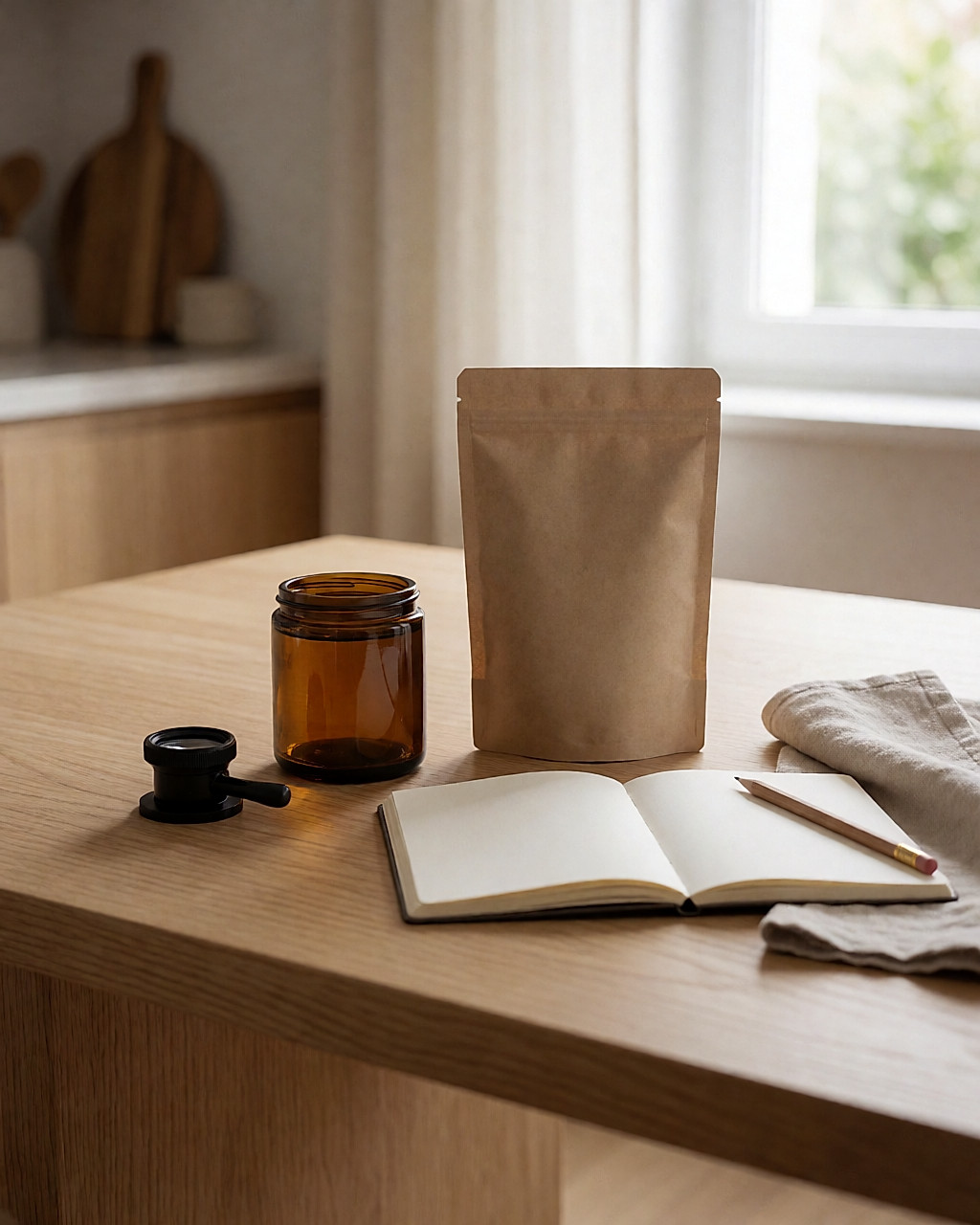
What is really changing in support
The real underlying shift, the one that has been taking shape for several seasons now, is personalisation. Where older programmes handed out more or less the same plan to everyone, newer tools adjust their guidance to your pace, your constraints — shift work, meals eaten out, busy weeks — and above all to what you can keep up over the long term, not just for a burst of motivation.

A note of caution, though: personalised does not mean medical. An app does not diagnose anything, does not screen for an eating disorder and certainly does not replace a professional. In practice, support becomes useful when it helps you stabilise habits, never when it promises a rapid transformation.
In practice, remember this: consistency often matters more than intensity in the first few weeks. A modest rhythm kept up for several months beats a drastic start abandoned after three weeks. It is less spectacular, less marketable — and yet it is what lasts. We would rather tell you now than see you disappointed in January.
‘Flexible’ programmes: flexibility does not mean no guidance
Gone are the lists of forbidden foods and rigid frameworks that made every meal feel like an exam. Current approaches talk about balance, pleasure, flexibility — and on paper that is good news, because a framework that is too strict often leads to giving up, and can sometimes encourage compulsive behaviour afterwards.
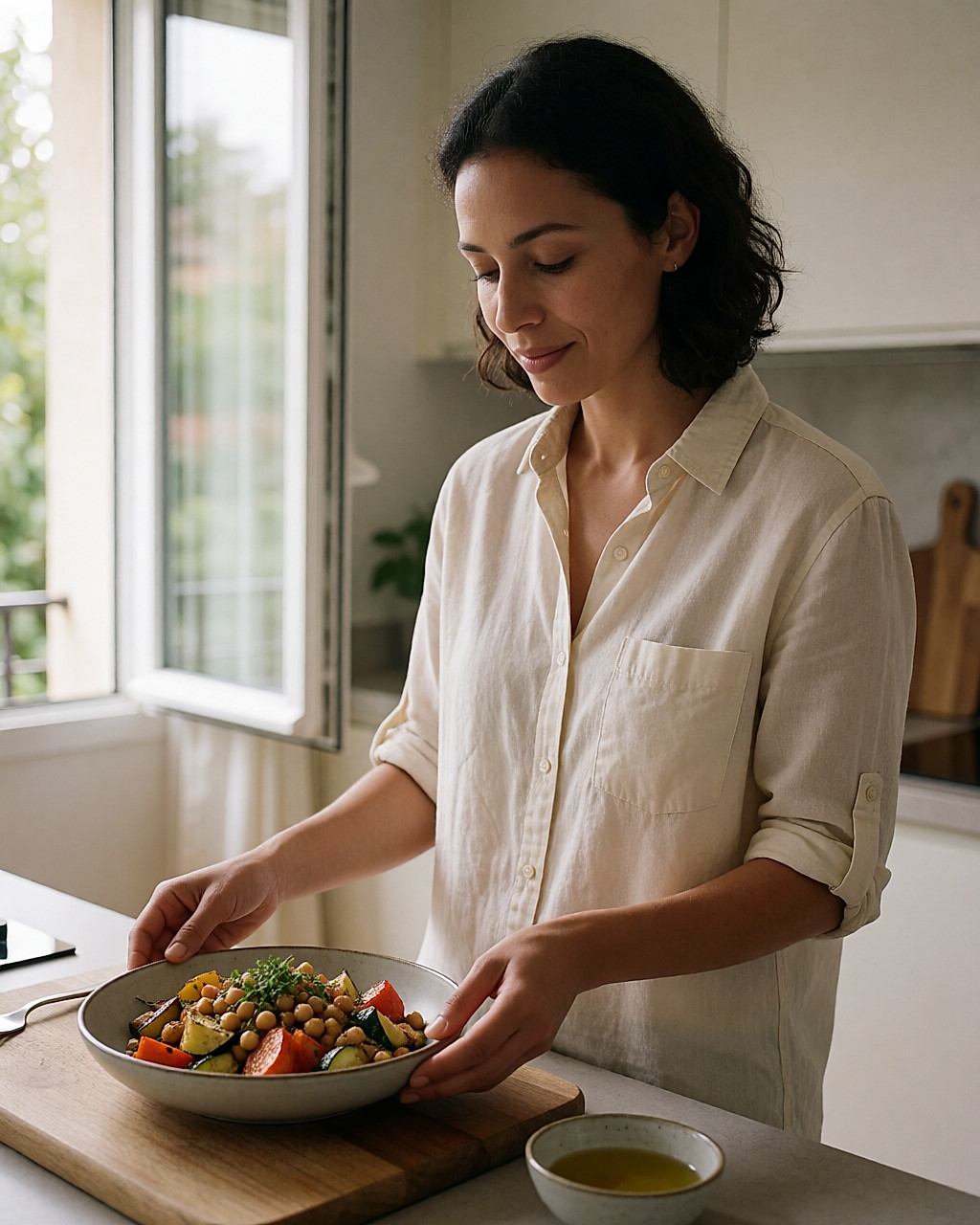
But keep one thing in mind: flexible does not mean ‘anything, anytime’. A flexible framework is still a framework, with a few concrete anchors — regular meals, vegetables, physical activity. If a programme simply repeats ‘listen to your body’ without ever giving you other tools, you are mainly paying for a nice speech, let's be honest.
And if you have a history of an eating disorder, a chronic illness or are undergoing treatment, you should turn first to a healthcare professional, not to a novelty bought online on impulse. No app will replace that conversation.
At the spa: wellbeing, not weight loss
In the treatment room, this season's new offerings focus on touch and texture: massages, palper-rouler, lymphatic drainage, wraps, so-called ‘latest-generation’ devices. It is pleasant, and that is not nothing! A moment of relaxation, a feeling of firmness, more comfortable mobility when you do not move much — that counts in a busy week, and on that front, spas do their job perfectly.

One caveat, however: these treatments affect circulation, muscle relaxation and immediate comfort. No treatment-room treatment replaces diet and physical activity over the long term, however seductive the protocol.
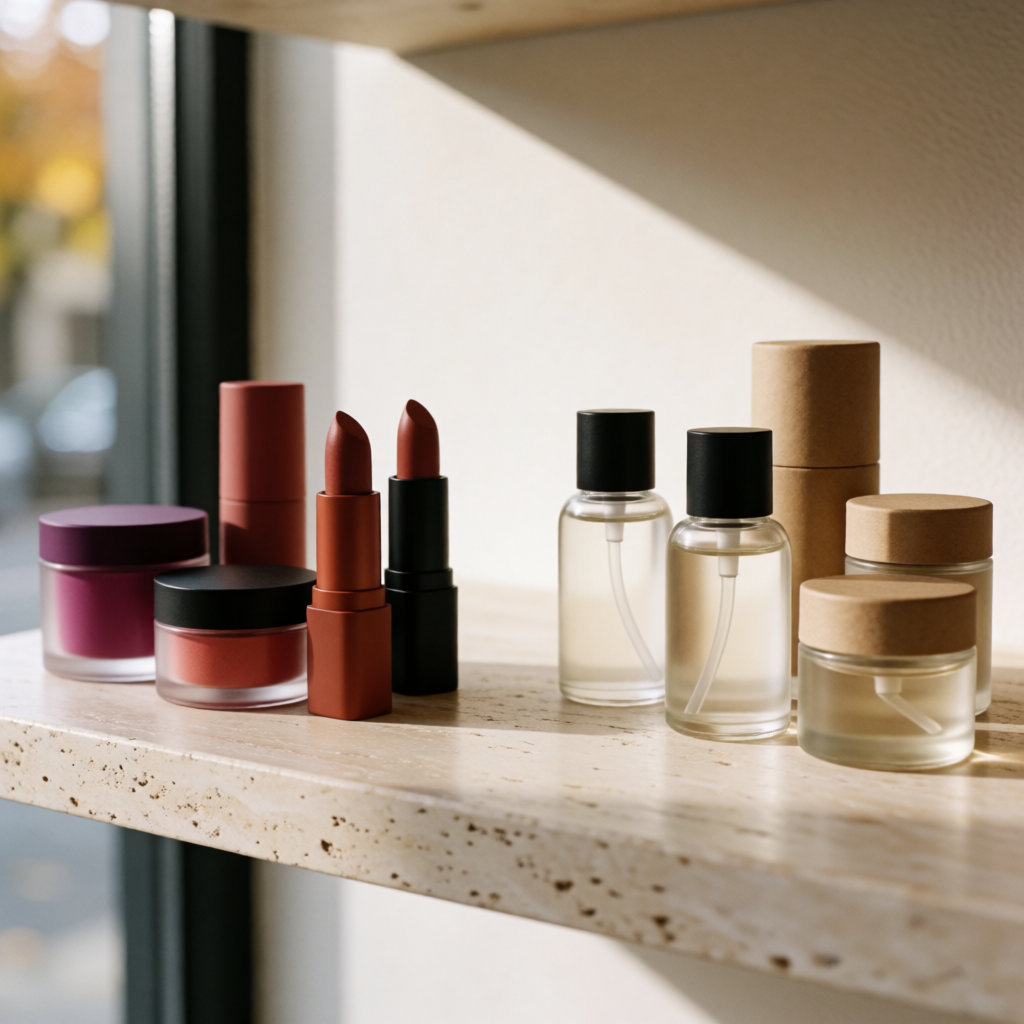
For the cosmetics that accompany these treatments, favour refillable or solid formats, and check the ingredients: plant oils, shea butter, clay. An organic certification (such as Soil Association or COSMOS) guarantees a method of agricultural production — not weight-loss effectiveness; the distinction matters and it avoids many disappointments. A refillable glass jar or a waterless solid format means less packaging wasted, and nothing lost for your skin.
Telling a real innovation from a repackaged one
Before you get out your card, four questions are worth asking, in order.
The evidence, first: is a study cited, or only testimonials? A testimonial is not data, however moving. The mechanism, next: is the promise credible (better sleep, less snacking in the evening) or implausible (targeting a specific body area as if by magic)? Then the status: a food supplement is not a medicine. Health claims are tightly regulated, and some formulations are still not advised without medical advice.
Finally, the bottom line — the price per result. Does a package of ten sessions cost you more than dietetic support spread over several months? The answer is not always what you think, and it deserves five minutes of calculation before purchase.
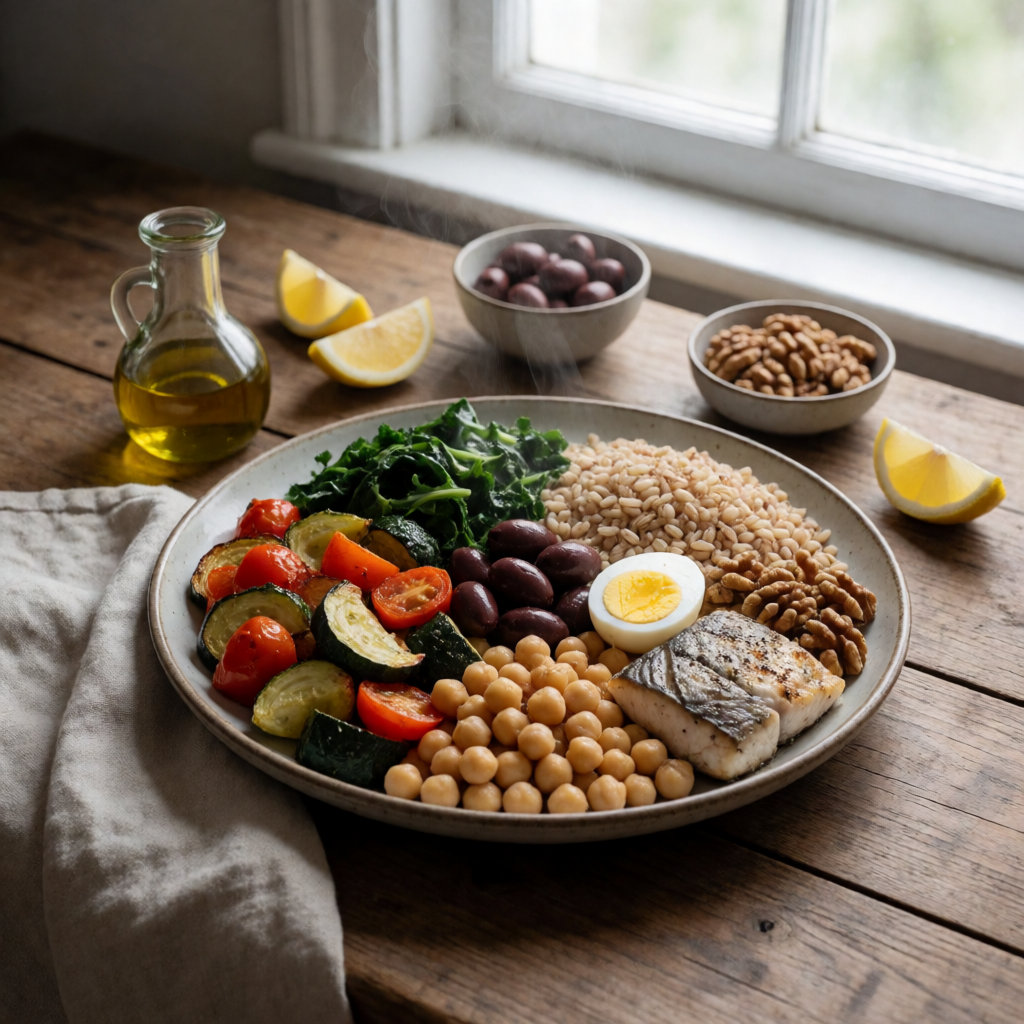
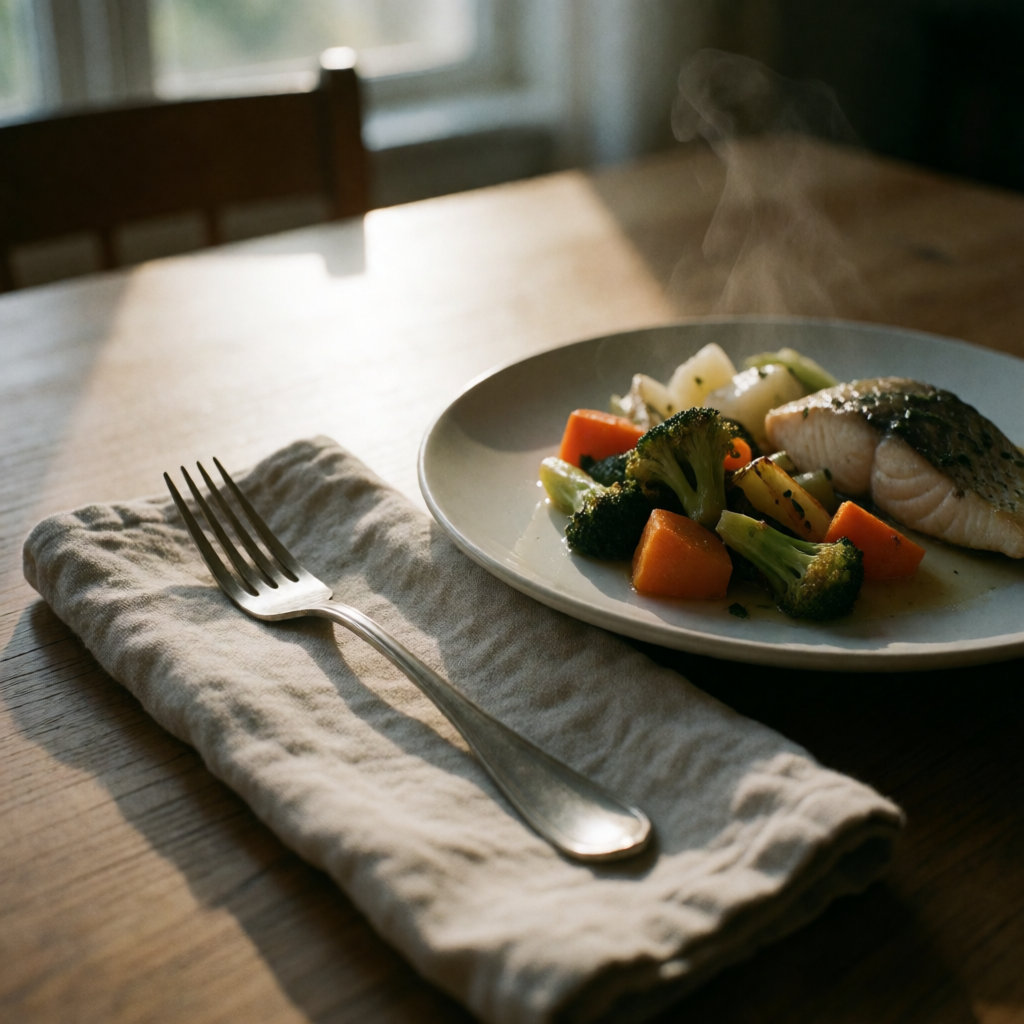
No product, app or spa treatment causes weight loss on its own. What helps in the long term is regular support, sustainable food guidelines and physical activity you genuinely enjoy. If in doubt, talk to a professional: GP, registered dietitian, or psychologist trained in these issues.
Budget
Indicative UK figures, because the subject deserves to be discussed plainly.
Expect around £50 to £90 for a private dietitian consultation, sometimes less through an NHS service; fees vary by city and appointment length, and some private health insurance policies cover part of the cost. For psychological support, it is more like £50 to £120 per session depending on the practitioner, with possible reimbursement through private health insurance if you are referred by a GP. Apps and online programmes range from free versions to around £8 to £20 per month — check what is actually included, a human coach or just content, before subscribing.
For spa treatments, budget £50 to £120 per session depending on the technique, city and range; packages lower the unit price, provided you use them. For physical activity, expect £20 to £60 per month for a gym, more for group classes or at-home coaching.
Where to find them: private practice or NHS services for dietetic support, accredited online platforms or a private psychologist for psychological support, salons and spas for treatments, supermarkets, pharmacies, beauty retailers or health-food shops for cosmetics.
Sources
- NHS — Obesity, treatment and support.
- NHS Better Health — Weight loss guide.
- Food Standards Agency — Food supplements.
- Advertising Standards Authority — Health and beauty advertising rules.
- World Health Organization — Physical activity.
Food supplements do not replace a varied, balanced diet and a healthy lifestyle.

Comments
Your opinion matters: rate the article, react and reply to comments.
Comments are moderated; AI-assisted comments are flagged. Text emoticons (8-), :-), <3…) are automatically shown as images.