
Glycaemic index — heard of it?
The glycaemic index diet, or GI diet, has been making headlines for a while now. Thought of as balanced and relatively undemanding, it still has a reputation for being particularly effective. The GI diet is for anyone who, tired of starving themselves and cutting everything out to lose weight, wants a healthy way of eating that, far from sapping their energy and handing them an endless list of banned foods, simply helps them make the right choices among them. Let's take a closer look.
The glycaemic index measures the speed and strength with which a food triggers a rise in blood sugar. Not all foods are equal when it comes to their sugar content, and while a food with a low glycaemic index will barely move our blood glucose, eating very sugary foods will send our blood sugar soaring.
And here's where it gets complicated: a big rise in blood sugar triggers a rise in insulin, and insulin is what drives our cells to store fat.
As you'll have gathered, the point of the GI diet isn't necessarily to eat less, but to favour foods with a low glycaemic index. These can help regulate blood sugar, but they aren't enough on their own to control how the body stores or uses fat.
The only snag: a food's glycaemic index isn't always obvious, and just because something tastes sweet doesn't mean its GI is high — and vice versa.
Glycaemic indexes are calculated on a scale of 100, and three levels are usually distinguished: low GI up to 55, medium GI between 56 and 69, and high GI from 70.
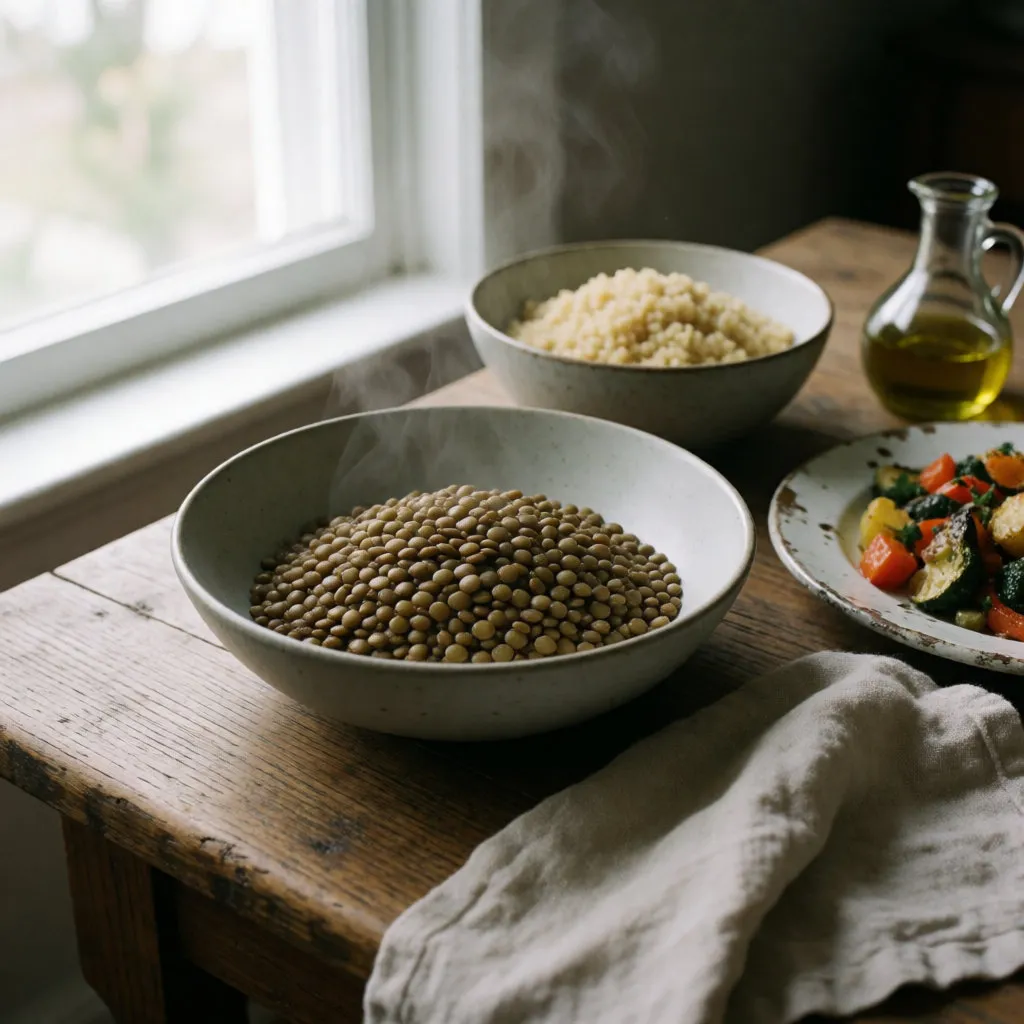
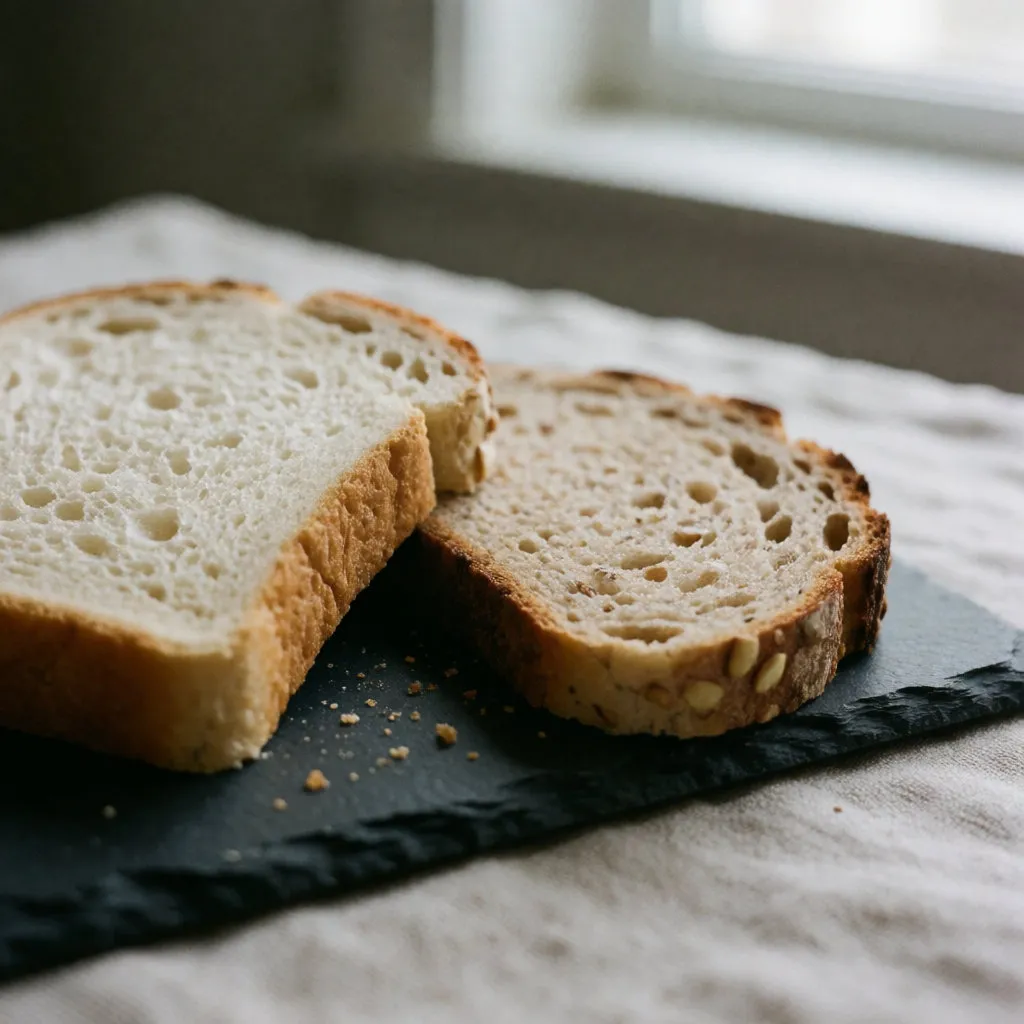
A few examples: white bread, pastries, potatoes and white rice are considered high GI, while oranges, wholegrains (wholemeal bread, brown rice, wholemeal pasta...), yoghurt, dark chocolate with 70% cocoa, berries, soya... have a low or medium GI.
It's also a question of quantity: a small portion doesn't have the same effect as a large one, and this is where glycaemic load comes in — it combines the index and the actual amount of carbohydrate eaten, and it comes closest to what happens in your body.

Also worth knowing: foods rich in fibre may help lower blood sugar levels.
The GI diet actually lays down the right foundations for a healthy way of eating: some studies suggest that a low-GI diet may help regulate blood sugar; the long-term effects on weight and cardiometabolic markers remain modest and depend on the diet as a whole. Of course, it's sometimes fine to make the odd exception and allow yourself a high-GI food, provided you make good choices day to day and go for the "right" foods — the ones that give your body vitamins and essential nutrients while keeping sugar intake down.
Some low glycaemic index foods: cucumber, cauliflower, aubergine, spinach, asparagus, broccoli, artichoke, cherries, peaches, apple, pear, kiwi, grapefruit, plum, milk, wholemeal pasta, barley, bulgur, brown rice, wheat...
Some high glycaemic index foods: breakfast cereals such as cornflakes, white bread, waffles, pizza, white rice, ice cream, fruit in syrup, pastries, potatoes and mashed potato, chips...
One word of caution: a food's GI varies with variety, ripeness and cooking method, so the same food family can move from one level to another.
Finally, if you're changing your eating habits, talk to a healthcare professional, especially if you're on medication or have particular needs. We don't all have the same requirements, and individual guidance beats a shopping list found online.

In practice, here's what to remember: to lower the glycaemic index of a meal without depriving yourself, pair starchy foods with vegetables, pulses or a source of protein, and cook pasta and rice "al dente" rather than very soft. As for drinks, water remains your best ally, and keep fruit whole rather than as compote or juice.

Budget
Budget-wise, no nasty surprises: low glycaemic index foods are often among the cheapest on the shelf. Expect around £2 to £4 per kilo for dried lentils or chickpeas, £1 to £2.50 for a bag of porridge oats, £2 to £3.50 for a wholemeal loaf, and for the rest, lean on seasonal vegetables — the cheapest base for your basket. The bill climbs mainly with processed products labelled "low GI", specialised powders and bars often sold for far more than their unprocessed equivalents. Prices vary by region, season and shop: compare, and favour loose or bulk options, which are usually better value.
Sources
- International tables of glycaemic index and glycaemic load (Foster-Powell, Holt and Brand-Miller), American Journal of Clinical Nutrition.
- British Nutrition Foundation, guidance on carbohydrates and fibre.
- NHS Eatwell Guide, dietary guidance for adults.

Comments
Your opinion matters: rate the article, react and reply to comments.
Comments are moderated; AI-assisted comments are flagged. Text emoticons (8-), :-), <3…) are automatically shown as images.