
The Tahiti diet: simple and varied
Losing a few kilos without locking yourself into dreary menus — does that sound like you? The Tahiti diet, dreamt up by Jessica Azyadé, a Tahitian dance teacher with a passion for cooking, puts variety first rather than frustration. The principle comes down to one simple idea: hold back on sugars for a few days, then reintroduce starchy carbohydrates step by step.
Nothing dramatic, but a method often mentioned for modest losses. That said, it is a low-calorie, protein-heavy diet. Worth looking closely at what it actually offers, then, without crediting it with virtues it does not have.
How it works
The short version runs for four days. During that time you set aside fast sugars and starchy carbs — pasta, rice, bread, pastries and sweets included. Protein stays at every meal, though, along with fruit and vegetables as you please.
After that, you gently reintroduce starchy carbs, keeping vegetables and one piece of fruit at both main meals. The idea is to build good habits rather than to sprint exhaustingly and let everything slide the following week. At the very least, this approach does not promise the moon.
To go further, the long version stretches the method over a month: protein and vegetables Monday to Thursday, more relaxed eating at the weekend, without going overboard. One "Tahiti" day a week can then help steady things.

What it changes on the plate
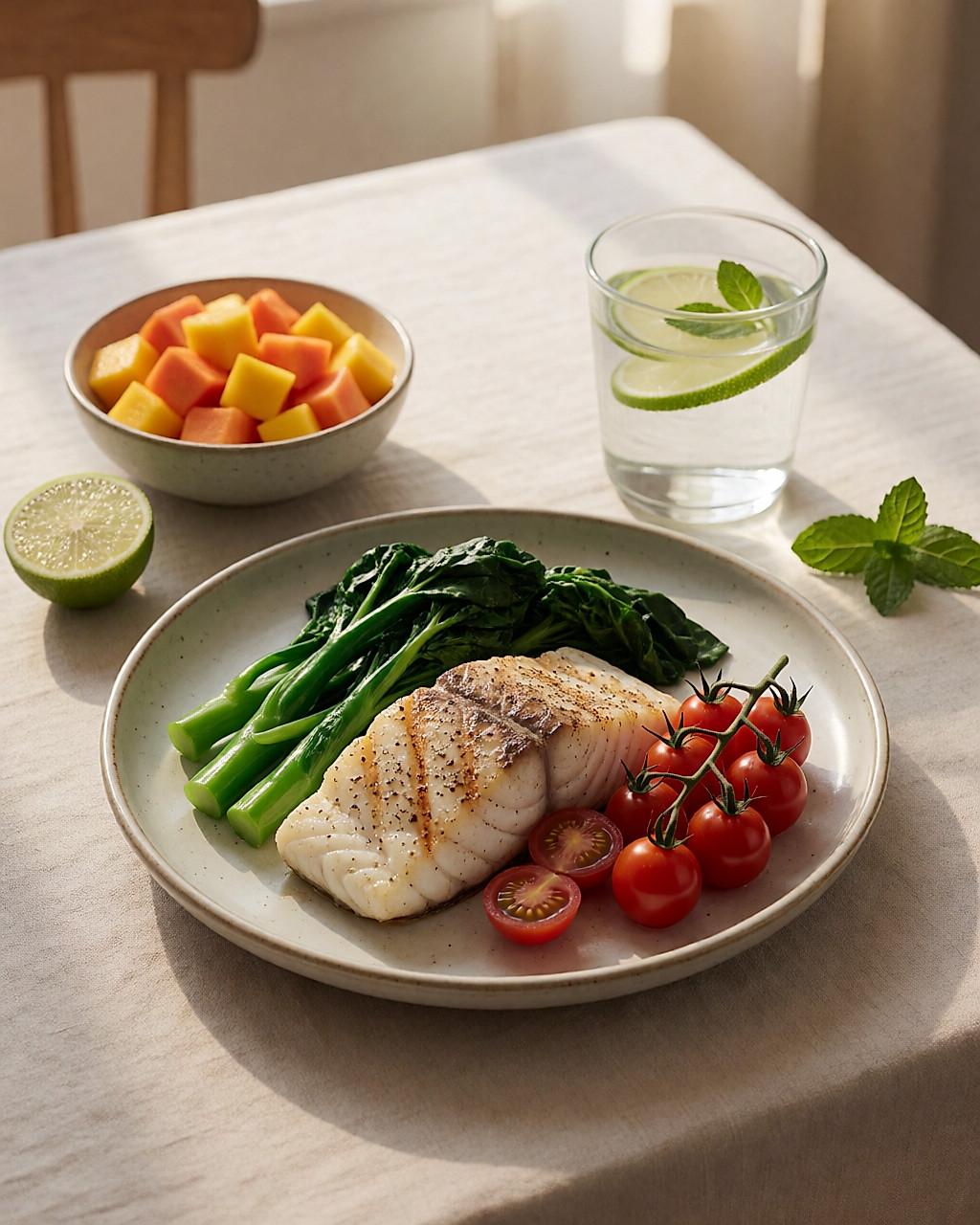
The upside is the room given to fruit and vegetables, exotic ones included: mango, papaya, passion fruit, lime. It makes a change from dreary plates, and it is probably what makes the method bearable for a few days. Protein — fish, poultry, lean meats, eggs, dairy — does the rest of the work by keeping hunger at bay between meals.
On the drinks side, water stays the base. You can add tea, lightly sweetened coffee, or coconut water from time to time. Coconut milk, though, is fattier: keep it for seasoning a dish, not for drinking as a beverage.

This method is not suitable for significant weight loss, nor for pregnant women, nor for people affected by an eating disorder, diabetes or kidney disease. In practice, speak to a healthcare professional or your GP before starting: they are the one who can say whether this framework suits you, or not.
What we know, what we do not yet know
Low-sugar diets lead to weight loss in the short term: that is well documented. Over the long term, the difficulty is the same for everyone — sticking with it. A balanced, varied diet combined with regular physical activity remains the foundation on which official guidance agrees.
Current data suggests that rapid weight loss is often regained. A slower, supervised pace seems to limit that risk. "Tahiti" is nothing illegitimate, but it replaces neither balance nor follow-up.

Budget
The method costs nothing in itself: it relies on everyday foods you will find in the supermarket, at the market or at the greengrocer's. The spend therefore comes down to what is on the plate and what goes with it.
On food, expect a few tens of pounds more than a typical month built around starchy carbs, depending on what you put in the basket. Out-of-season exotic fruit and fresh fish push the bill up; plain frozen goods, foods in natural juices and eggs bring it down. For books and apps, from a few pounds for an ebook to around twenty pounds for a paperback — tracking apps often sit around £5 to £15 a month, but they are not essential.
As for support, a consultation with a private dietitian typically falls between £40 and £70, not covered by the NHS, although some private health insurance may cover part of it. Your GP, for their part, is covered through NHS care.
You have got it: the real cost of this diet is not the method itself, it is the way you fill the trolley. And that, good news, is up to you.
Sources
- NHS — Eatwell Guide and healthy eating advice, nhs.uk
- NICE — guidance on weight management and the risks of rapid weight-loss diets
- British Dietetic Association — bda.uk.com, information on seeing a dietitian


Comments
Your opinion matters: rate the article, react and reply to comments.
Comments are moderated; AI-assisted comments are flagged. Text emoticons (8-), :-), <3…) are automatically shown as images.