
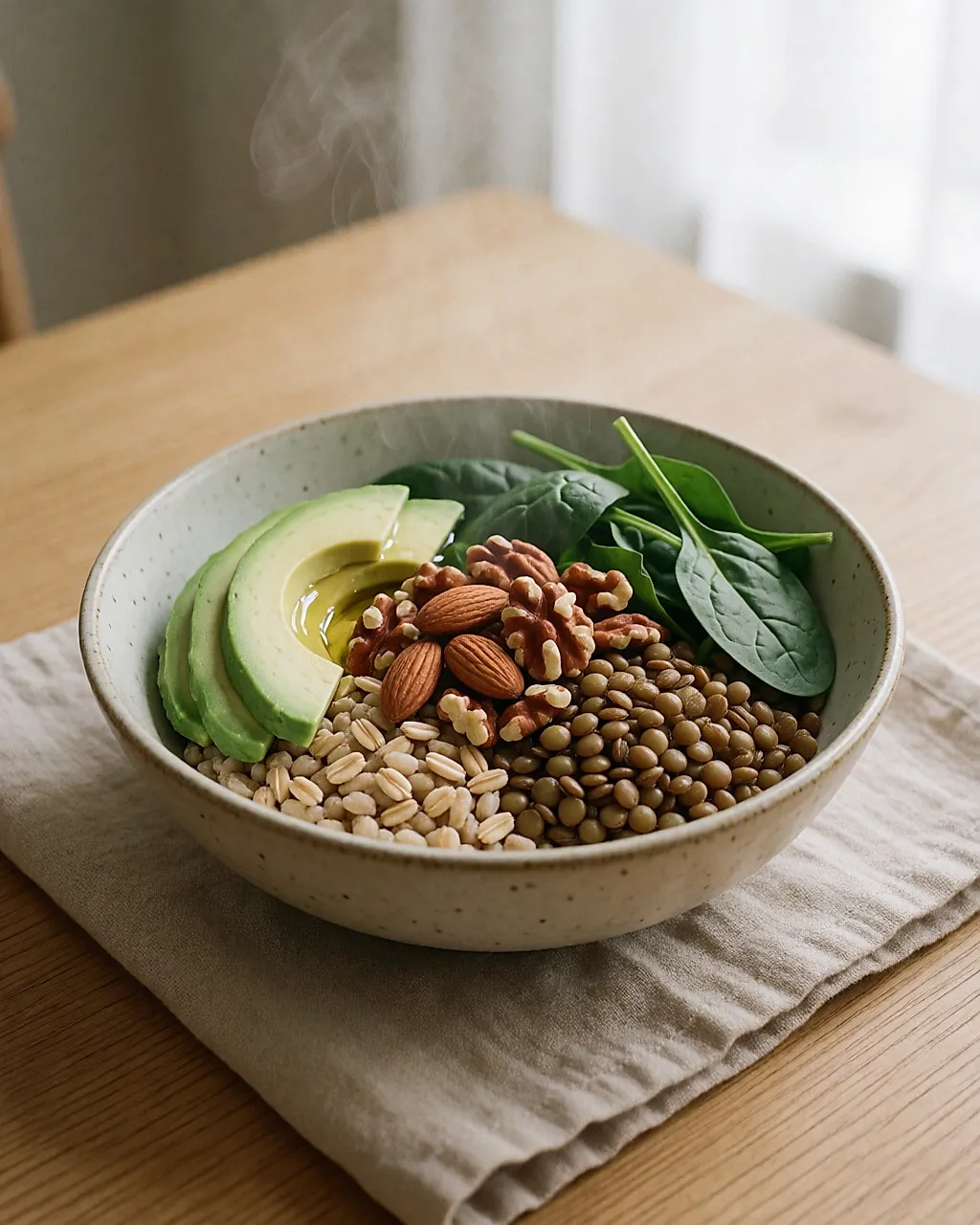
You may have heard of the Portfolio Diet without ever pinning down exactly what it involves. The approach comes from Canada: it was first described in the early 2000s by David Jenkins and his team at the University of Toronto, and the idea behind it is rather clever. Instead of searching for one food that is supposed to solve everything, you combine several already well-documented habits – a little like balancing an investment portfolio. Hence the name.

Four pillars to fit into your day
The approach brings four food families together over the course of a day, and it is the combination that matters.
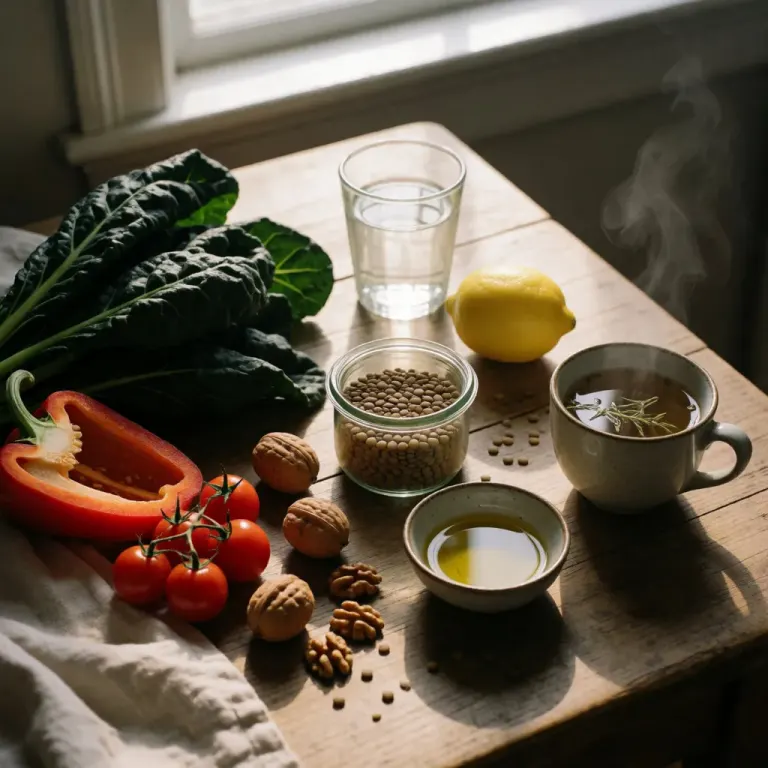
Plant proteins first. Think pulses – lentils, chickpeas, kidney beans, broad beans – and soya-based foods such as tofu, tempeh and edamame. They keep you fuller for longer and provide fibre. In practice, you swap some of your meat for these sources, and you can happily pair a pulse with a wholegrain: lentils with brown rice, couscous with chickpeas.
Soluble fibre next. You'll find it in oats, barley, psyllium, as well as aubergine, okra and pulses. It forms a gel in the digestive tract, which slows the absorption of sugars and some fats. The simple move: a bowl of porridge in the morning, pulses several times a week.
Phytosterols, found in small amounts in vegetable oils, nuts, seeds and avocado. Their structure is similar to cholesterol, which allows them to reduce its absorption in the gut a little. Fortified products exist, but their value is debatable outside of high cholesterol. Talk to a healthcare professional before making them a habit.
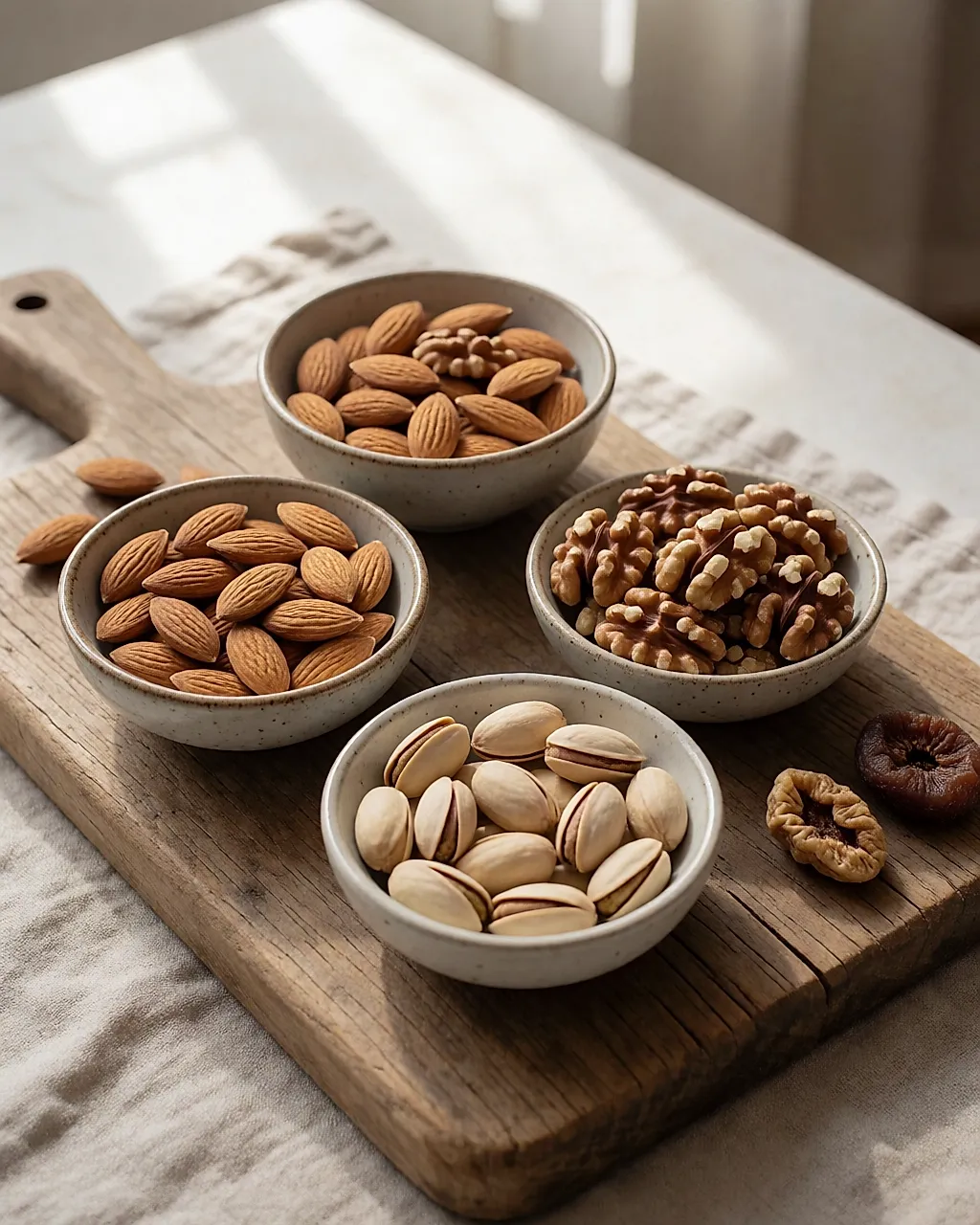
Then nuts – especially almonds – for healthy fats, fibre and antioxidants.
In practice, here's what to remember
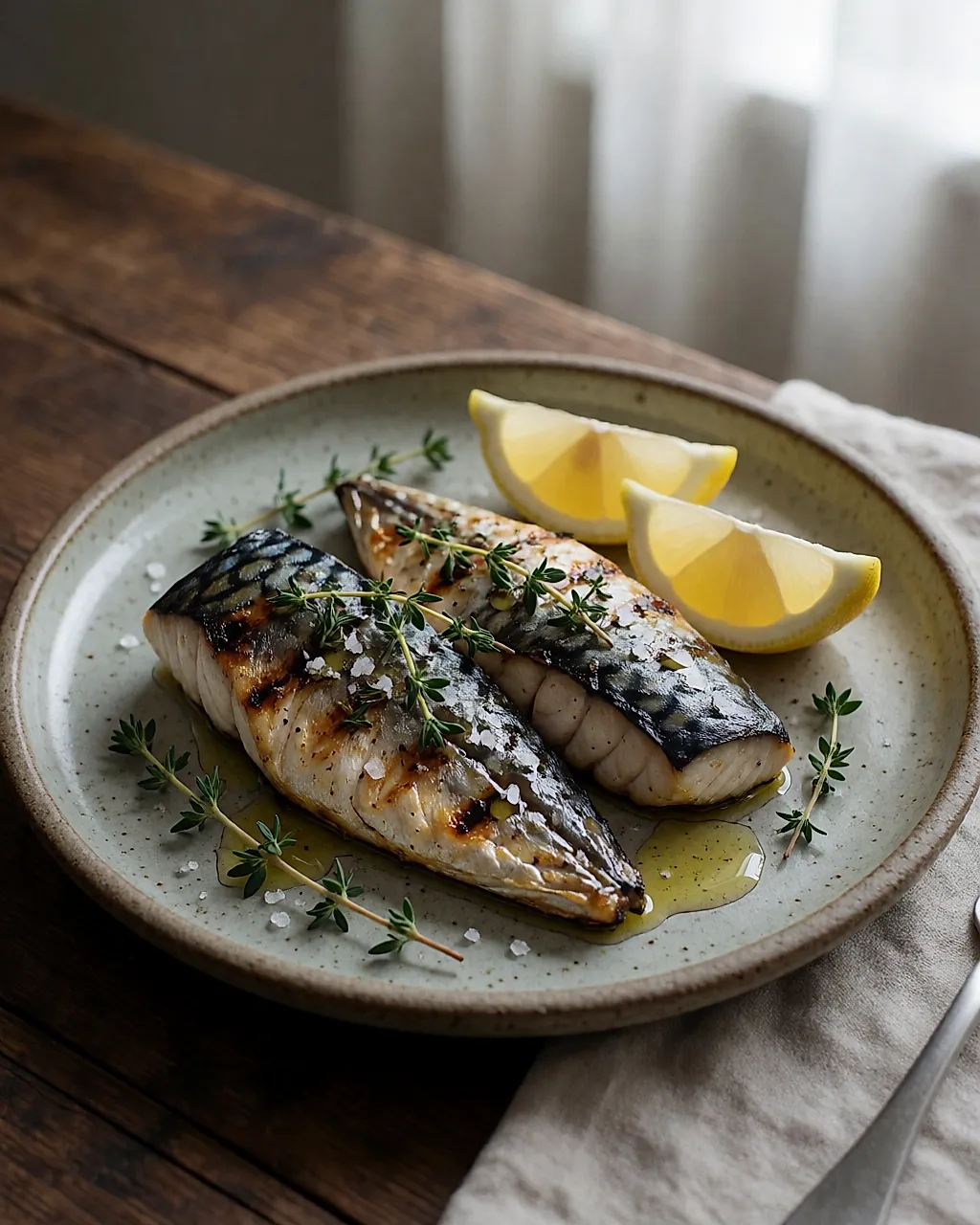
Meat is still on the table: choose white meat more often, and don't make it a daily habit. Fish definitely has a place – twice a week, alternating lean and oily fish, with at least one portion of oily fish (sardines, mackerel, salmon) for omega-3s.
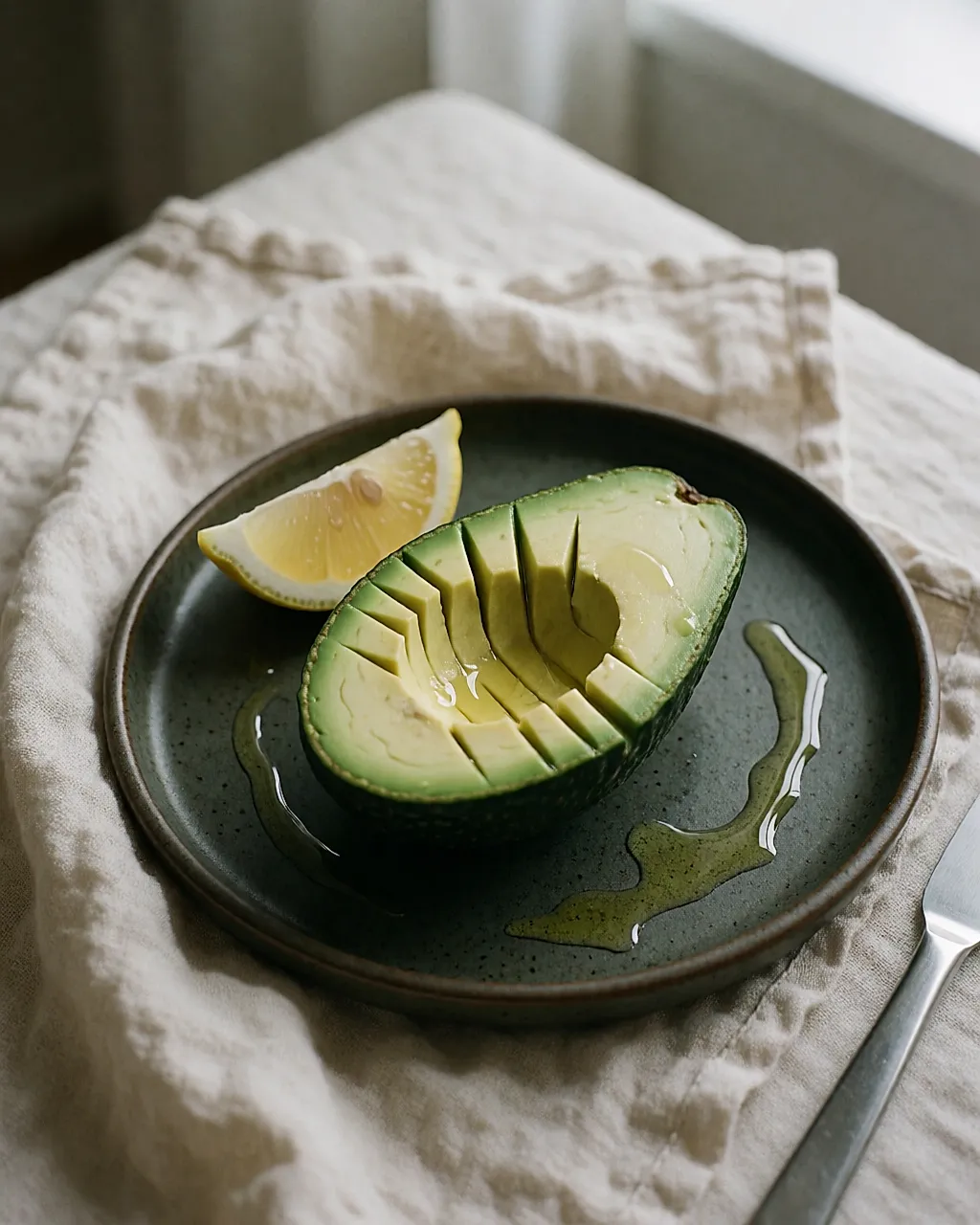
Limit sources of less healthy fats: butter, cream, processed sauces, pastries. Instead, use vegetable oils (rapeseed, walnut, olive), nuts and avocado.
With sugar, there's no ban: just cut back. A whole fruit for dessert rather than a juice, plain yoghurt rather than a sweetened dairy dessert. And for antioxidants, focus on berries, tea, apples and grapes.
One thing to remember: the Portfolio approach works as a whole, not as a single food. It is the combination of the four pillars, sustained over time, that has been studied. If you are taking medication for cholesterol or have heart disease, speak to your GP before changing your diet.
What we know – and what we don't yet know
The early studies, including one published in 2003 in the Journal of the American Medical Association, showed that a Portfolio-style diet could lower LDL cholesterol by an amount comparable to a first-generation statin under certain conditions. Later work and reviews have supported that result.
What is not yet known with certainty: the exact size of the benefit for long-term cardiovascular events, because studies often look at biological markers rather than heart attacks and strokes. The current data suggest a real effect on cholesterol, especially when the whole pattern is followed – less so when only one part of it is kept.
And for weight? Nothing dramatic: fewer saturated fats, more fibre and plant proteins, which nudges you towards a more satisfying plate. There is no promise of rapid weight loss: it is a way of eating, not a short-term course.


Budget
On cost, the approach is not ruinous, but there are real differences depending on where you shop.
Dried pulses cost around £2–£5 per kilo in bulk or supermarkets – the cheapest and least packaged option. In tins, expect around £1–£2.20 per 400g tin. Plain tofu is often £1.70–£3.40 per 200–400g, organic tempeh more like £2.50–£5 per 200g, with often lower prices in Asian supermarkets. Oat flakes: £1.30–£3.50 per kilo depending on the brand; organic rapeseed oil, £5–£10 per litre; almonds, £10–£21 per kilo.
The most expensive item remains blonde psyllium husk, around £12–£25 per kilo in health-food shops or bulk aisles – but at one spoonful a day, a bag lasts a long time. Products fortified with phytosterols (margarines, yoghurts) cost more like £3–£6, and their value is debatable outside of high cholesterol.
These ranges vary by city, brand and season. Buying in bulk with your own container often lowers the bill and the packaging; for organic food, an organic certification mark guarantees the production method, not local origin.
How to start without pressure
One change at a time. One vegetarian dinner a week, then two. A piece of fruit for dessert. A bowl of oats at breakfast. It is this quiet accumulation that makes the method stick over time, and keeps it liveable for years.
Sources
- Jenkins DJ, Kendall CW, Marchie A, et al. “Effects of a dietary portfolio of cholesterol-lowering foods vs lovastatin on serum lipids and C-reactive protein.” JAMA, 2003; 290(4): 502–510.
- Harvard T.H. Chan School of Public Health, The Nutrition Source – “Diet Review: Portfolio Diet”.
- Heart & Stroke Foundation of Canada – guidance on diet and cholesterol.
- NHS – The Eatwell Guide.


Comments
Your opinion matters: rate the article, react and reply to comments.
Comments are moderated; AI-assisted comments are flagged. Text emoticons (8-), :-), <3…) are automatically shown as images.