

The South Beach Diet: quality first
Its name has been floating around for years, between the pages of a slightly yellowed magazine and influencers' posts promising a new way to fill your plate. Yet behind the 'South Beach' label — sometimes called the Miami Diet — lies a fairly simple idea: stop banning everything in sight and focus on what actually goes on your plate. Where did this method come from, how does it work, and what is worth paying attention to? Let's take a look together.
Originally, a Florida cardiologist
The Miami Diet — also known as the South Beach Diet — was developed by Dr Arthur Agatston, a cardiologist based in South Beach, Miami. His starting point, set out in 2003, can be summed up in one sentence: very strict diets rarely last. Rather than adding to the list of forbidden foods, he suggests focusing on the quality of meals.

Good-quality fats, slow-release carbohydrates, filling protein — and above all, as few ultra-processed foods as possible. That shift is what sets it apart from fashionable methods, which often look more dramatic on paper than they do after three weeks. So much for the intention. In practice, how does it work?
Three phases, from the most structured to the most flexible
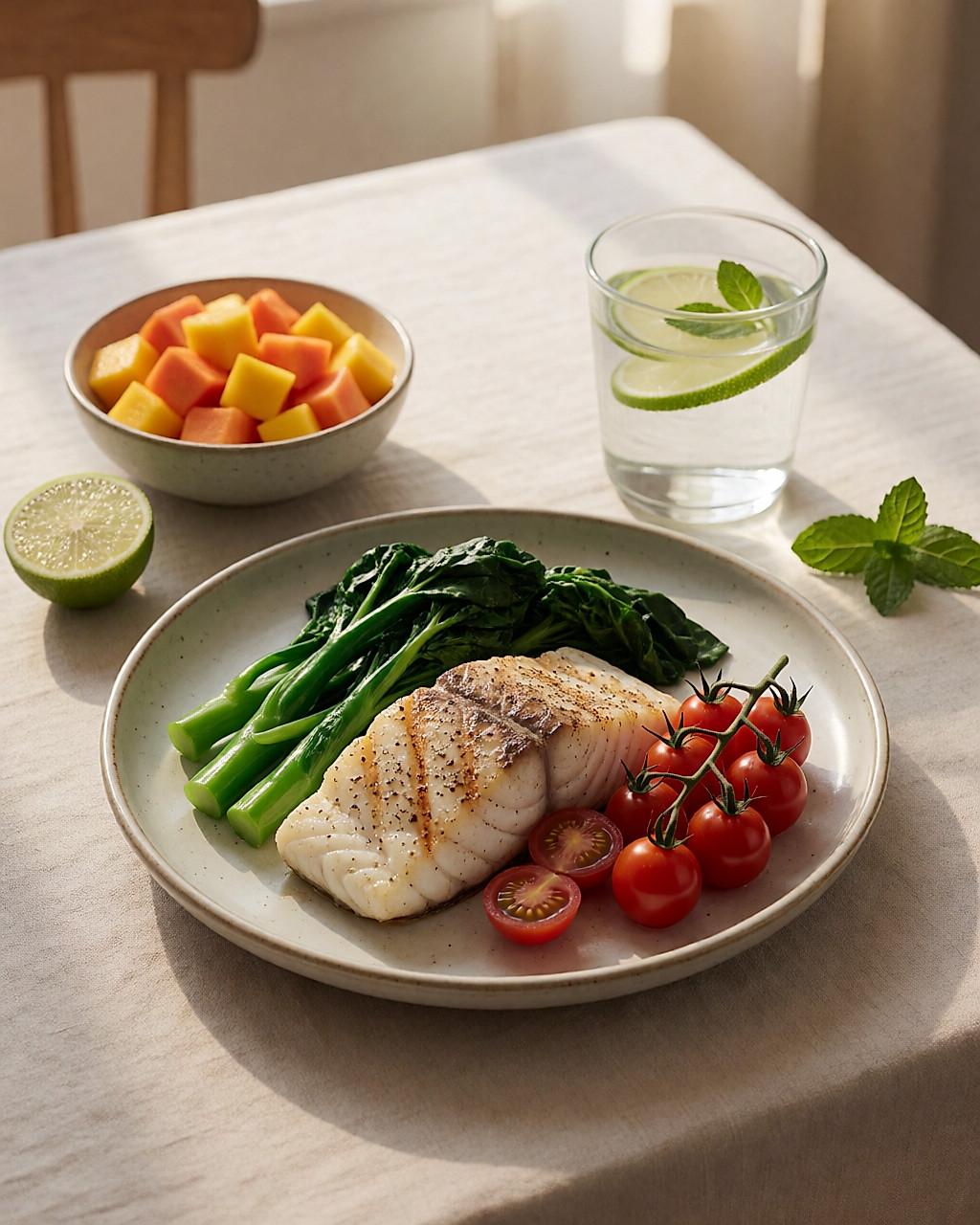
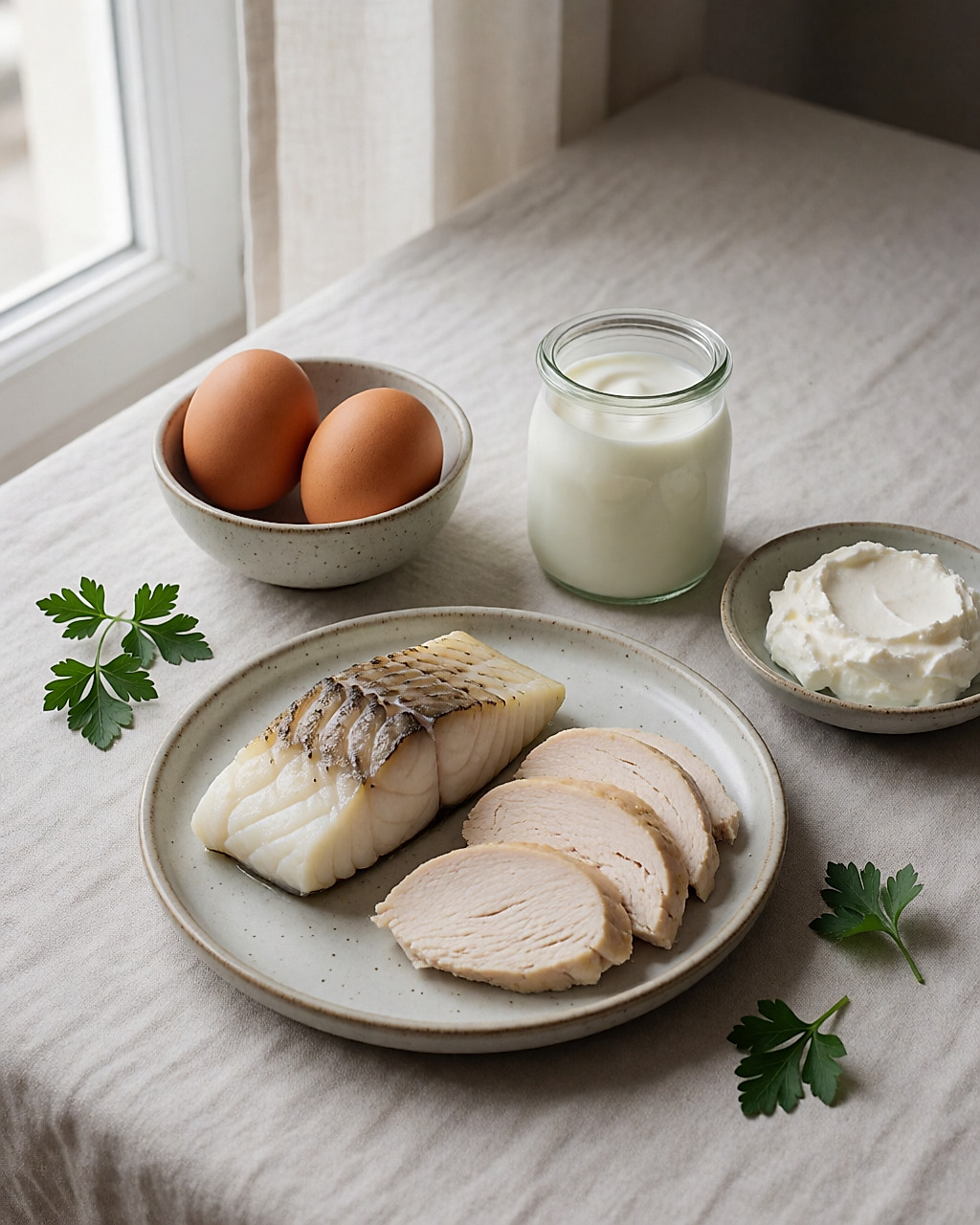
The first phase lasts two weeks. Meals are built around protein: eggs, skinless poultry, fish, seafood, lower-sugar vegetables, olive or rapeseed oil, and spices. Starchy carbohydrates, fruit, sweetened dairy, alcohol and desserts are set aside. The stated aim is to break the craving for quick sugar. It is the most restrictive period, and by far the one that calls for the most caution.
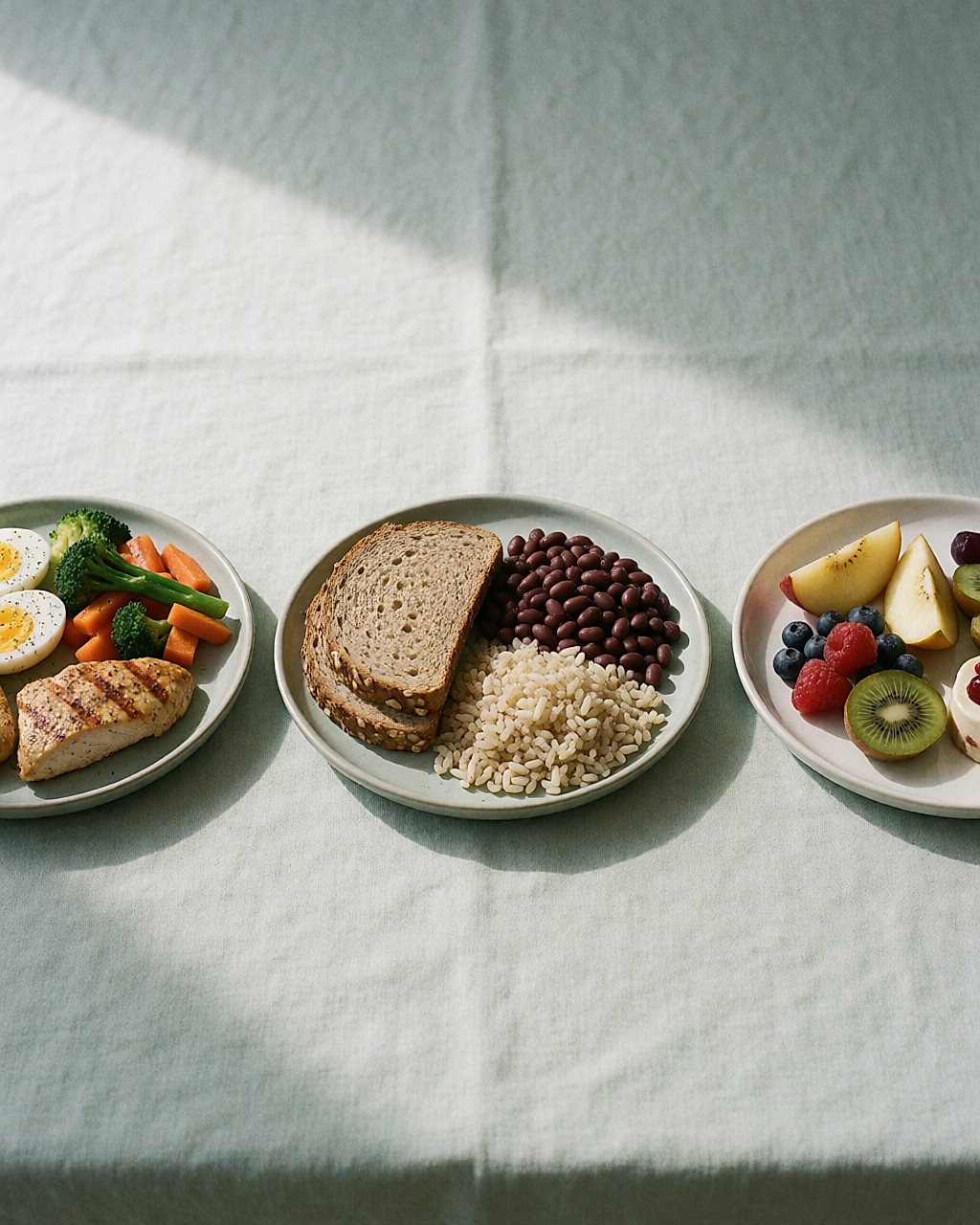
Next comes the reintroduction phase. Foods that were cut out are gradually brought back, starting with those with the lowest glycaemic index: wholemeal bread, brown rice, pulses. You move towards your goal at a sensible pace, without trying to speed things up. No racing, no sprinting — it is precisely the slow return that makes the next stage sustainable.
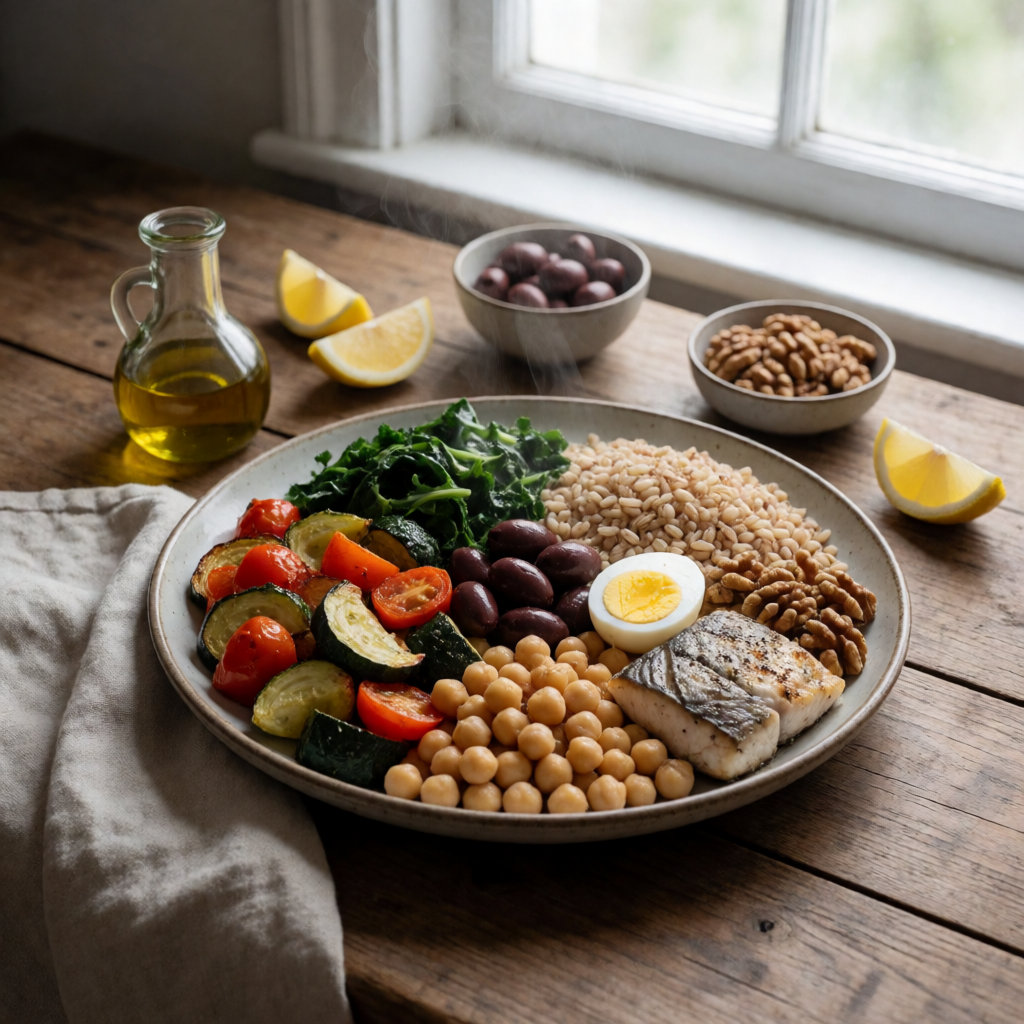
The third phase is stabilisation. The aim is to keep up habits you can sustain over time, distinguishing between good-quality fats and saturated fats, and between slow-release and fast-release carbohydrates. And if you slip up? No guilt: return to phase 1 for a few days, then pick up your normal routine again.
Phase 1 is not suitable for everyone: pregnancy and breastfeeding, treated diabetes, kidney disease, or a history of eating disorders. Before starting, speak to a professional — your GP or a registered dietitian.
What current evidence suggests
Current evidence suggests that no diet consistently outperforms the others when it comes to weight loss. What matters is what you can stick to over time and the overall quality of your plate. Very low-carb phases often make the scales drop quickly, partly because they cause water loss — but that effect fades.

One other point comes up regularly in the literature: ultra-processed foods, the NOVA group, are associated with a higher risk of weight gain. This factor is recognised, particularly when they replace whole foods. The general recommendation, reflected in UK public health guidance such as the NHS Eatwell Guide, remains the same: favour minimally processed, fibre-rich foods and stay active regularly.
In practice, remember this: a diet is not a treatment, and it never replaces medical care. If fatigue sets in, if you feel dizzy or if you feel you cannot keep going, stop and speak to a professional.
Eating better without breaking the bank
When it comes to shopping, there is no need to spend a fortune on 'slimming' products. Pulses, eggs, sardines and seasonal vegetables are among the most economical sources of protein and fibre. For fruit and vegetables, organic certification in the UK sets rules on production and synthetic pesticide use; it says nothing, however, about nutritional quality. Buying loose, shopping at markets and using local supply chains cut down on packaging — a small bonus for your wallet and the planet.
Budget
The budget depends mainly on what you choose to add alongside it.
- Book or app: expect around £13 to £22 for the UK edition of the book, and often £9 to £13 per month for a tracking app. Prices vary by edition and subscription plan.
- Appointment: a private session with a registered dietitian usually costs between £50 and £90 in the UK, and some private health insurance policies may cover part of it. If you are referred through the NHS, it is free at the point of use, though waiting times vary.
- Food: a phase rich in protein and fresh vegetables can push up the bill, especially out of season. Pulses and seasonal vegetables help smooth out the cost.
Where to find it: bookshops or online for the book; through your GP or a dietetics clinic for support; supermarkets, markets or health food shops for groceries.
Sources
- Arthur Agatston, The South Beach Diet, 2003.
- NHS, The Eatwell Guide.
- World Health Organization (WHO), Healthy diet fact sheet.

Comments
Your opinion matters: rate the article, react and reply to comments.
Comments are moderated; AI-assisted comments are flagged. Text emoticons (8-), :-), <3…) are automatically shown as images.