

What it really takes to firm up your glutes
You've been doing squats for weeks and that area looks stubbornly the same. Most of us know that small slump in front of the mirror on a Sunday evening. The good news is that it isn't inevitable — but one thing has to be accepted: there are no shortcuts. Glute muscles respond well to consistency, as long as you give them time to do their job. So there are three pillars: move often, eat sensibly and allow time. Let's go through it together, without hurting ourselves and without swallowing easy promises.
Move more, and not just on Saturdays
The gluteus maximus, medius and minimus work like any other muscle: they need to be used regularly to get stronger. Current guidance suggests adults should get at least 150 minutes of moderate activity a week — five 30-minute sessions, or two or three longer outings. Admittedly that can sound like a lot when you're starting from nothing, but take heart: two strength sessions a week is already a solid base, particularly when you're new to it.
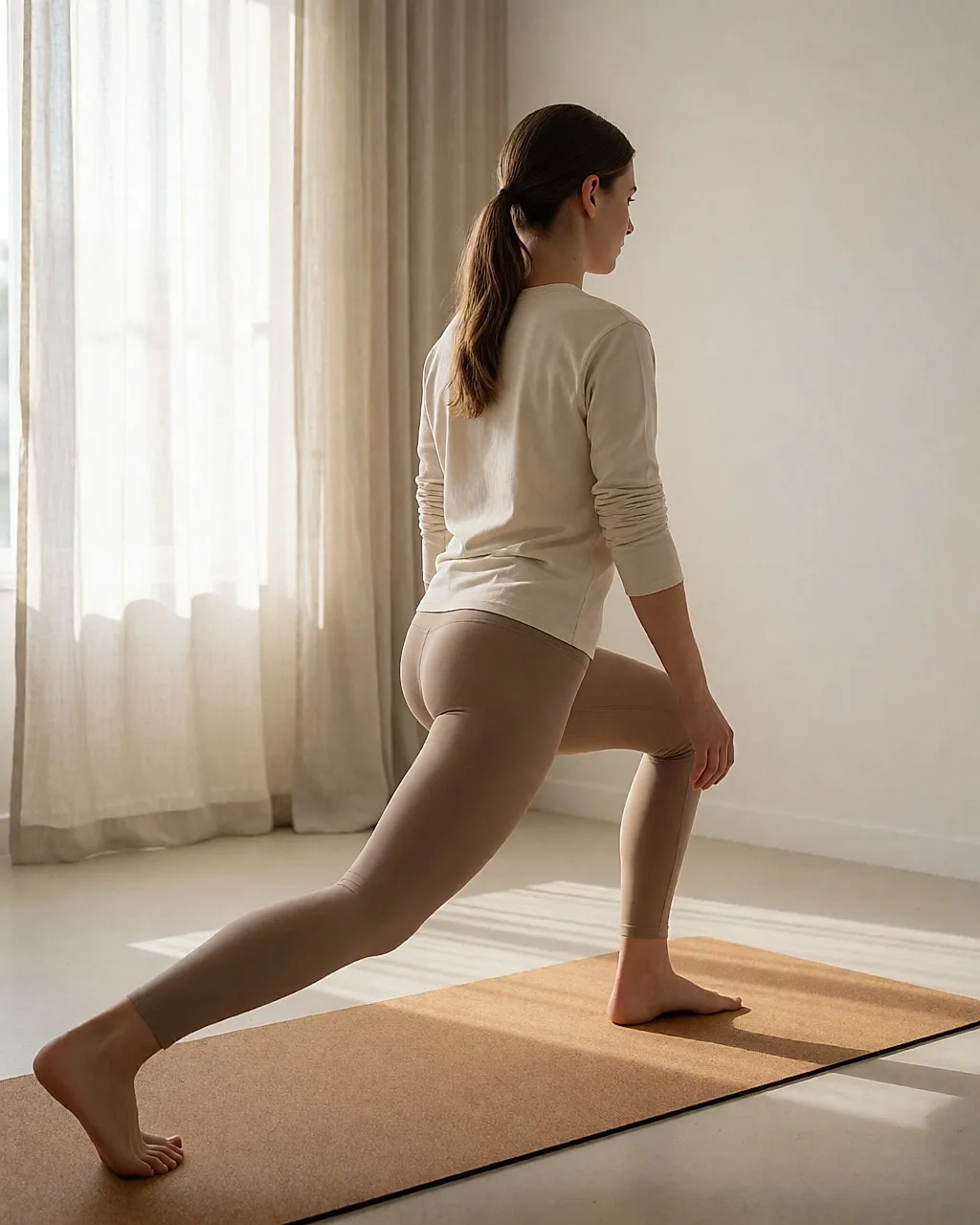
Something else worth knowing: plenty of activities work the glutes without really targeting them — brisk walking, cycling, whether on the road or in the gym, swimming, running, Pilates, or simply a sequence of squats, lunges and bridges. In practice, remember this: pick something you enjoy, because that's the one you'll stick with. The routine you abandon after three weeks won't do anything for you, even if it was 'the best' on paper.
Every day counts as much as the workout
Between sessions you can keep things ticking over without thinking about it. Take the stairs when you can, walk briskly on short journeys and break up long stretches of sitting. One very simple move: squeeze your glutes for a few seconds, release, repeat about ten times, several times a day. It doesn't replace a session, but it does remind the muscles they exist.
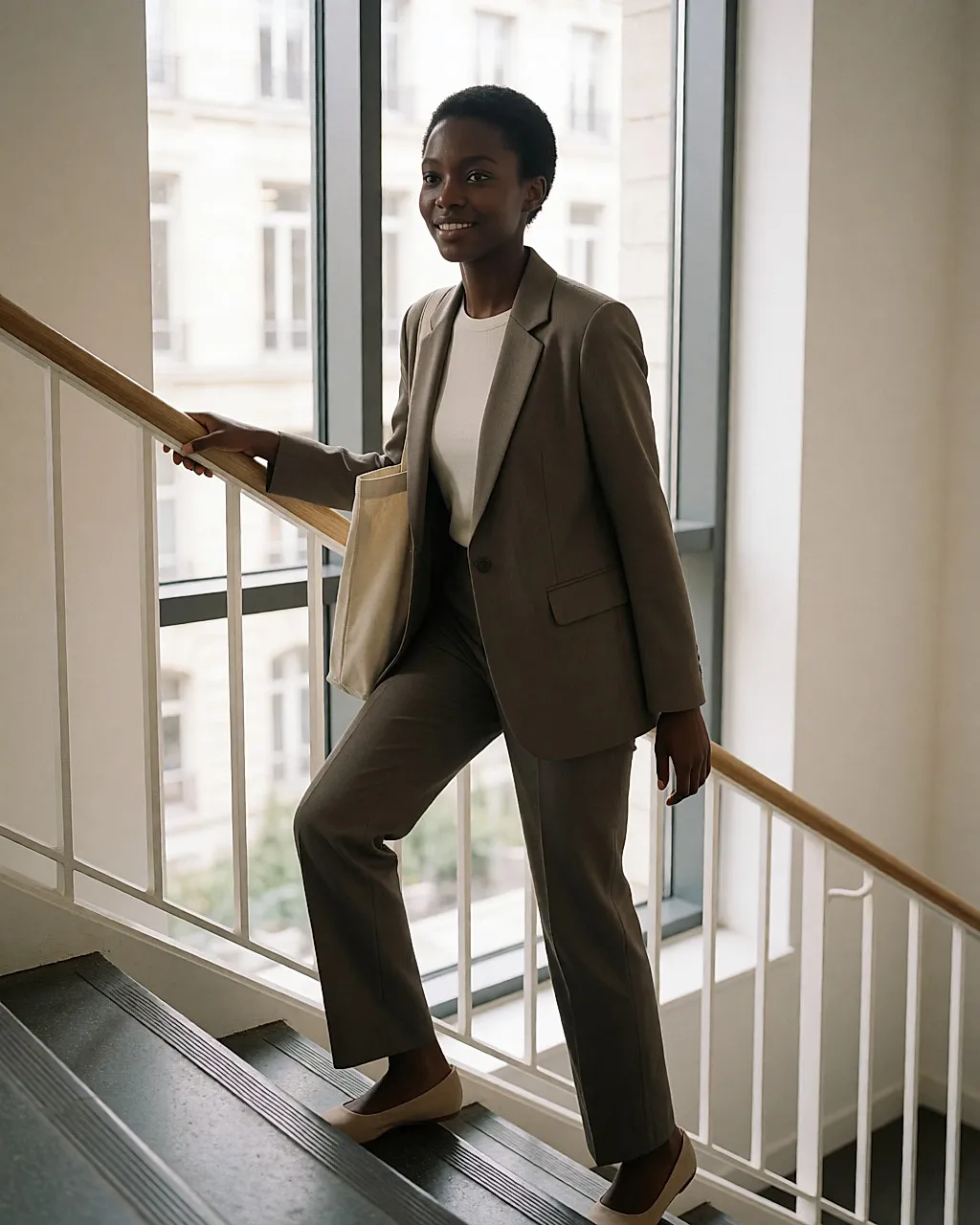
Official advice also recommends limiting sedentary time and interrupting it regularly: prolonged sitting is associated with health risks. In practice, try to get up regularly, ideally once an hour — even two minutes is enough to break a long stint in the chair.
Eating well, without punishing yourself
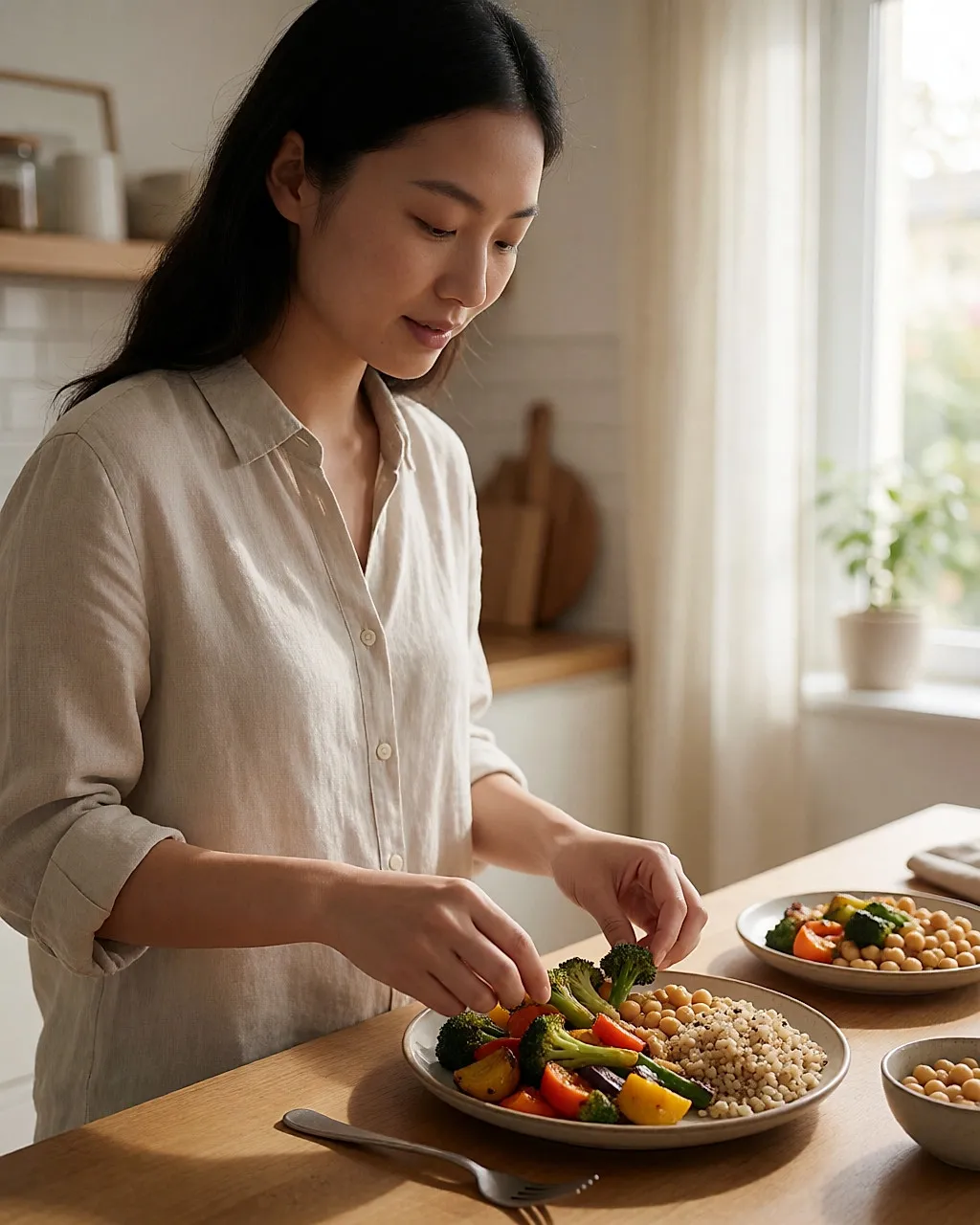
If you're carrying a few extra kilos, you'll be told to watch what you eat. That's true, but badly put. It's not about starving yourself, and certainly not about skipping meals: it's about eating better. A complete meal combines vegetables, grains — wholegrain if you can — and a source of protein. Above all, avoid snacking between meals, because that is what scuppers most good intentions. If you're genuinely hungry, a piece of fruit, a handful of nuts or a plain yoghurt will serve you better than a pastry.
Watch the salt, and drink enough water
Salt plays a role we often forget. In excess it can contribute to high blood pressure and a feeling of water retention, with some less than glamorous puffiness when you wake up. As a preventive measure, go easy on ready meals, processed meats and very salty cheeses, and add less salt at the table — your palate adjusts within a few weeks, promise.
Second habit: drink water. Contrary to a stubborn myth, drinking doesn't cause water retention — quite the opposite. Good hydration helps clear waste and keeps tissues supple. Aim for around 1.5 to 2 litres a day, depending on thirst, activity and the weather.
What massage and creams can realistically do
Massaging in a moisturiser after a shower is a pleasant, soothing thing to do. It improves how comfortable the skin feels and boosts circulation at the surface — without making cellulite disappear, let's be clear. Palper-rouler, a deeper massage technique offered in clinics and salons, works the tissues. Results vary from one person to another, and nothing proves it changes fat in any lasting way.
A blast of cold water on the glutes at the end of a shower is still a simple habit: the firm feeling is temporary, but the circulatory wake-up call is real. On the product side, look at the ingredients list as much as the packaging. A short formula, free from synthetic fragrance, in a glass or refillable bottle is often a better choice than a single-use tube. A certification such as COSMOS Organic, run in the UK by the Soil Association, sets a minimum percentage of natural or organic ingredients and limits which preservatives are allowed — it guarantees the composition, not the result on your skin. Whatever happens, this kind of product moisturises; it doesn't melt fat.
No cream, no massage and no workout breaks down fat or makes cellulite disappear in any guaranteed way. If you notice unexplained weight gain, swelling that persists or pain, speak to a healthcare professional: those signs deserve proper follow-up, not a DIY fix.
What it costs
- Organic moisturiser or gel: £8 to £25, depending on the brand and size. Prices climb with the concentration of active ingredients and organic certification. You'll find them in pharmacies, beauty retailers, supermarkets and online — and a refill often costs less than the first bottle.
- A massage session: expect to pay roughly £40 to £80 for 30 to 60 minutes, depending on where you live and how upmarket the place is. Add £10 to £20 if you want palper-rouler.
- Gym membership: £20 to £45 a month, with or without group classes included. Council-run leisure centres and community sessions are often considerably cheaper.
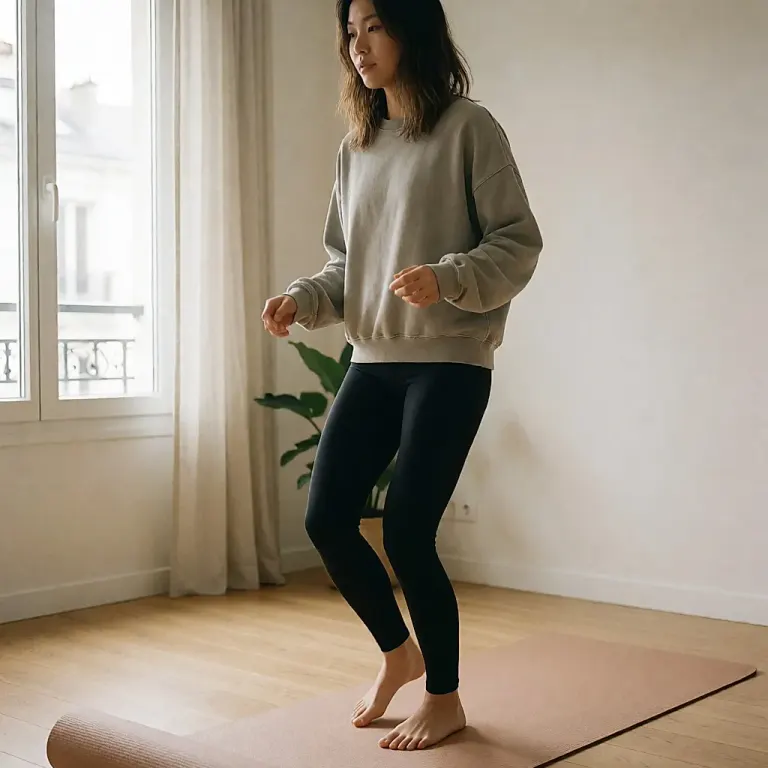
- Kit for home: a mat and a resistance band come to £15 to £35, more than enough to get started.
Sources
- World Health Organization (WHO) — Global recommendations on physical activity for health
- NHS — The Eatwell Guide
- NHS / Scientific Advisory Committee on Nutrition — Salt and health advice
Comments
Your opinion matters: rate the article, react and reply to comments.
Comments are moderated; AI-assisted comments are flagged. Text emoticons (8-), :-), <3…) are automatically shown as images.