
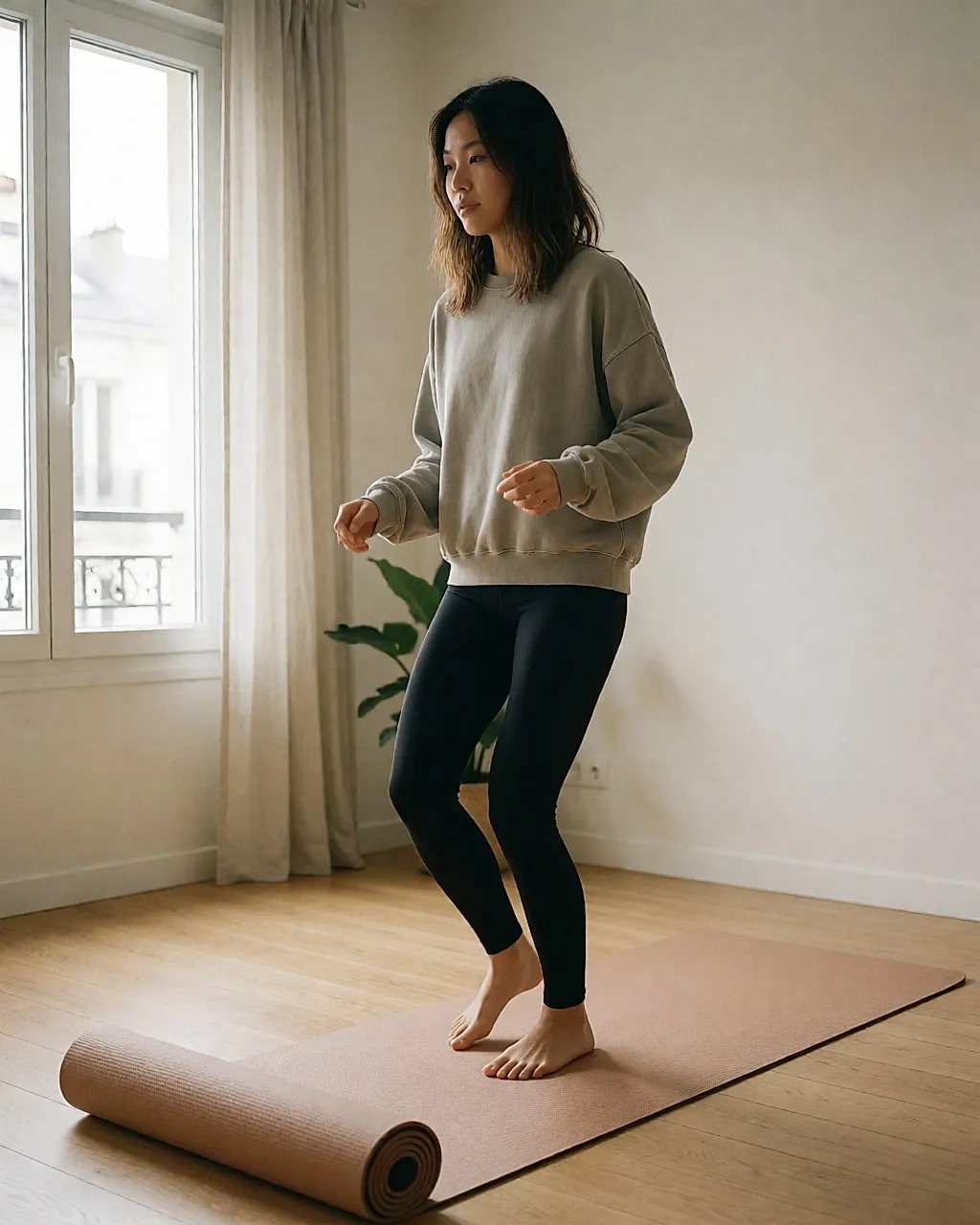
You spend eight hours a day sitting down, you're out of breath after three flights of stairs, and one morning you catch yourself wishing for a firmer bottom without knowing where to start. Good news: you're not starting from zero. The glutes are among the most powerful muscle groups in the human body — they lift you out of a chair, carry you up the stairs and help you catch the bus. There's nothing to create here, just a muscle to wake up.
What we know, and what we don't: regular physical activity genuinely changes muscle tone, and the evidence on that is solid. On cellulite, the current data suggest most cosmetic treatments produce modest, temporary effects. Movement builds; everything else, at best, accompanies.
Consistency before intensity
The World Health Organization recommends 150 to 300 minutes of moderate-intensity activity a week for adults, plus at least two muscle-strengthening sessions — a line the NHS follows in the UK. In practice, that looks like three one-hour sessions, or five 30-minute ones, or brisk walking almost every day topped up with resistance work. The number that matters most isn't the length of a single session: it's how many weeks you keep going.
So start small. Three 20-minute sessions beat one heroic hour followed by three weeks of nothing. And if the first month feels like hard work, that's normal: the body adapts, then it asks for more.
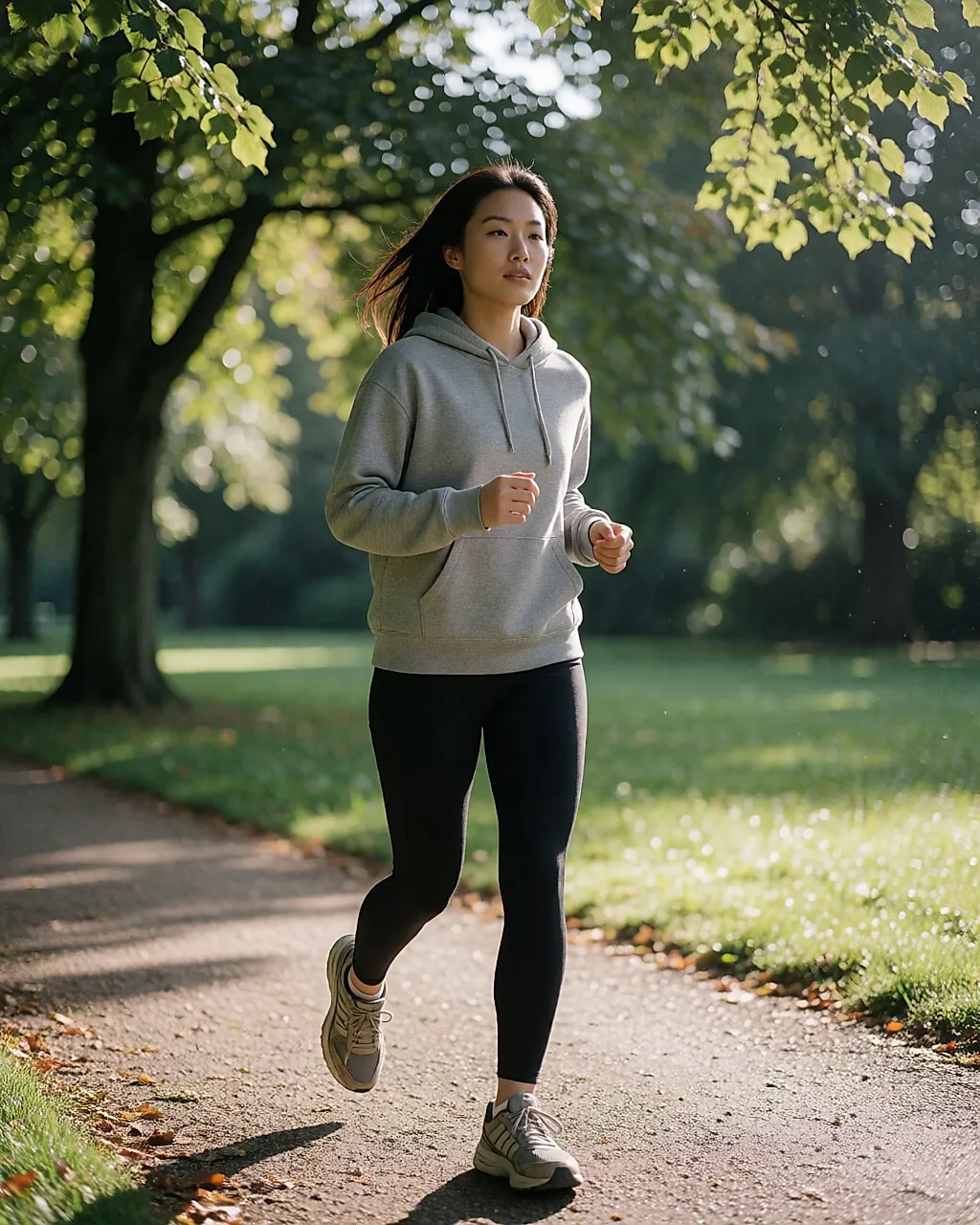
The moves that genuinely target the glutes
The stepper, the cross-trainer, cycling, swimming, dance and rollerblading all work the glutes, but not from the same angle. Varying your routine remains the best strategy, because the gluteus maximus, medius and minimus don't work in the same way from one movement to the next.
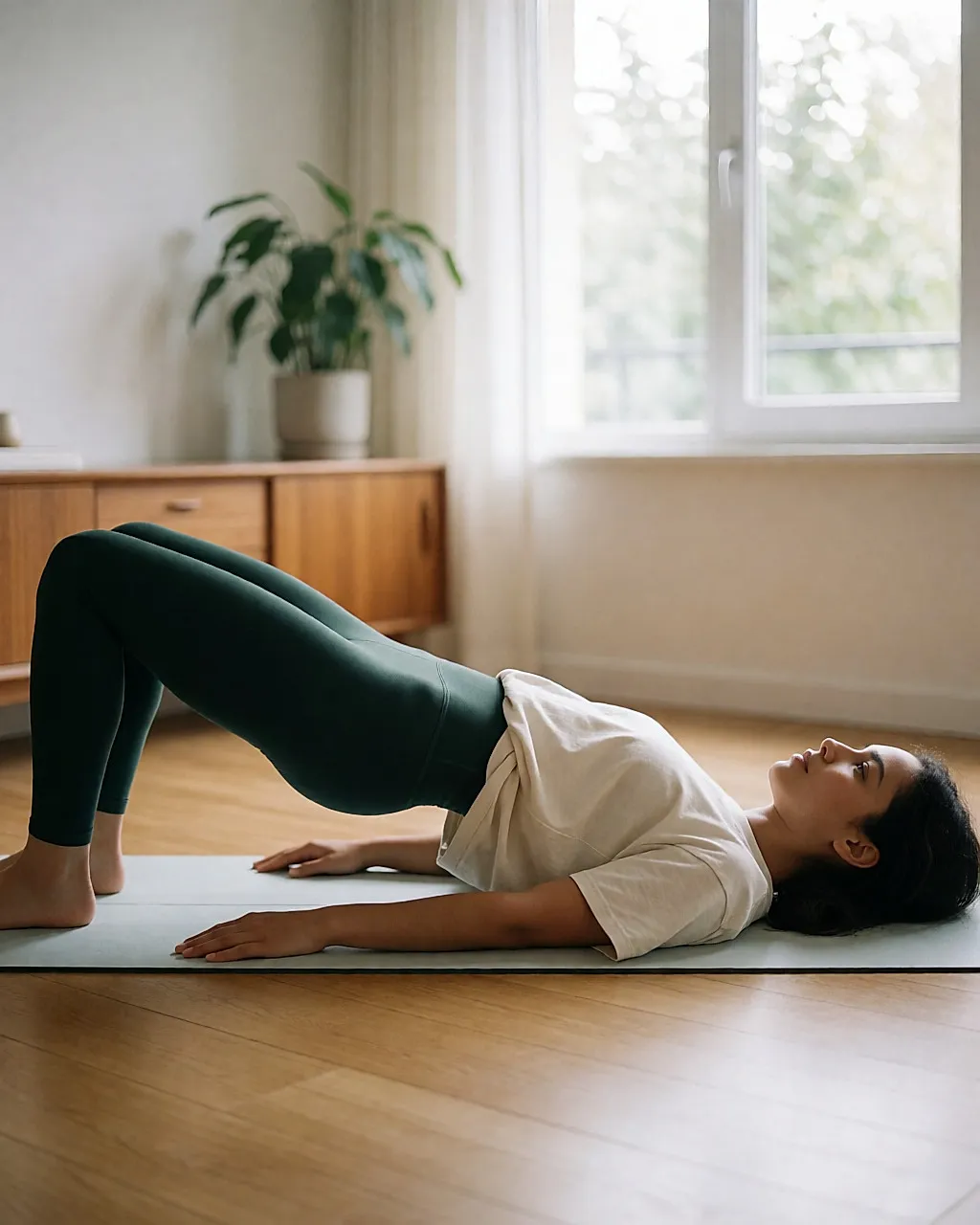
For strengthening, a few reliable options: the hip thrust, the floor glute bridge, the reverse lunge and the Romanian deadlift with light loads. Two to three sets of 8 to 12 repetitions, twice a week, are enough to make progress. If you're new to training, or if you have back or knee pain, speak to a health professional or a qualified instructor before adding load.
What happens outside the gym
If you sit at a desk for eight hours a day, your glutes go into prolonged standby. Current evidence suggests that sedentary time has effects of its own, regardless of the exercise you do alongside it. In practice: stand up once an hour, take the stairs, get off a stop earlier, use the bike for short journeys. Multiply that across 250 working days and those small gestures weigh far more than they look.

Be wary, though, of shoes that promise to "tone" your bottom. In the United States, the FTC fined Reebok in 2011 over unsupported claims for its EasyTone trainers. No credible equivalent exists today: a decent pair of running shoes for brisk walking does the job perfectly well.
Massage and creams: what to expect
Massage stimulates circulation and leaves skin feeling firmer. For a few hours. Nothing in the current evidence supports the idea that it removes cellulite for good. Pinch-and-roll massage, by hand or with a roller, therefore has its place in a wellbeing routine — as long as you don't expect a transformation.
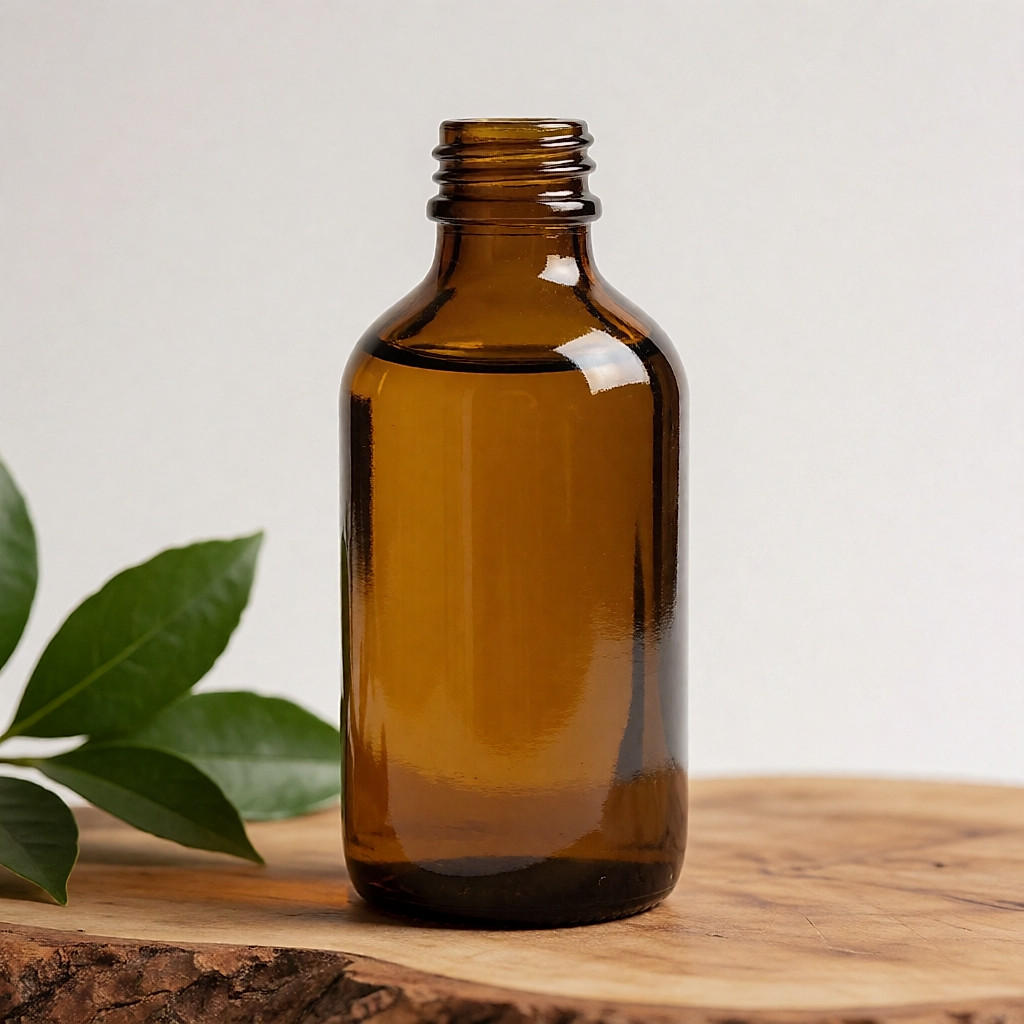
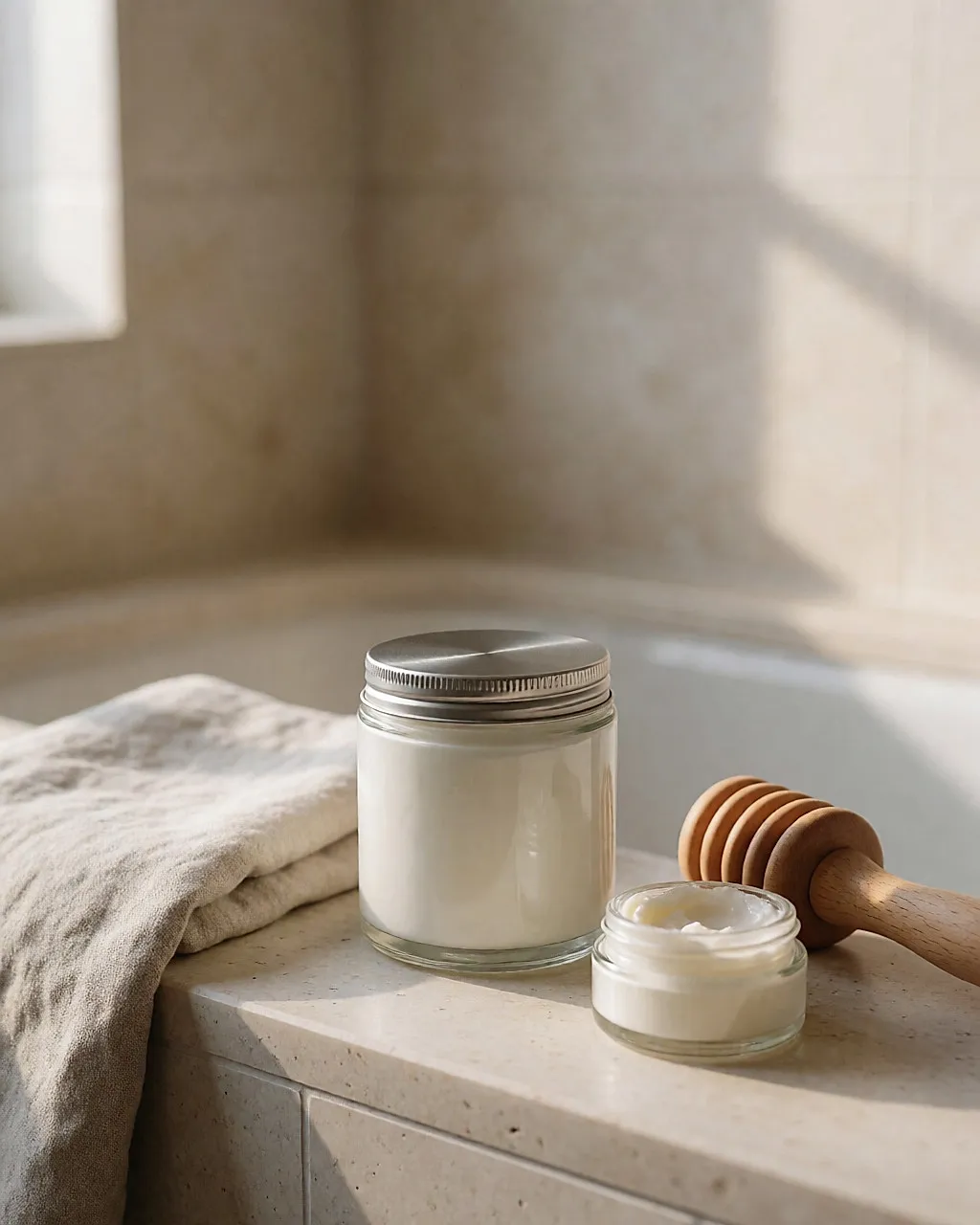
The same goes for "firming" products: they hydrate and can temporarily smooth the look of the skin. They replace neither physical activity nor what's on your plate.
On the formula side, an organic-certified body product (Cosmos Organic — whose UK mark is the Soil Association's — or Cosmébio) guarantees a minimum share of naturally derived ingredients and a restricted ingredient list. That's already a useful marker against bottles promising everything and nothing. Glass packaging, a refill or a solid format cuts down on packaging. But let's be honest: for this particular need, the gesture matters more than the composition. A well-tolerated conventional cream will do the same job, if your skin gets on with it.
On the plate, without overcomplicating things
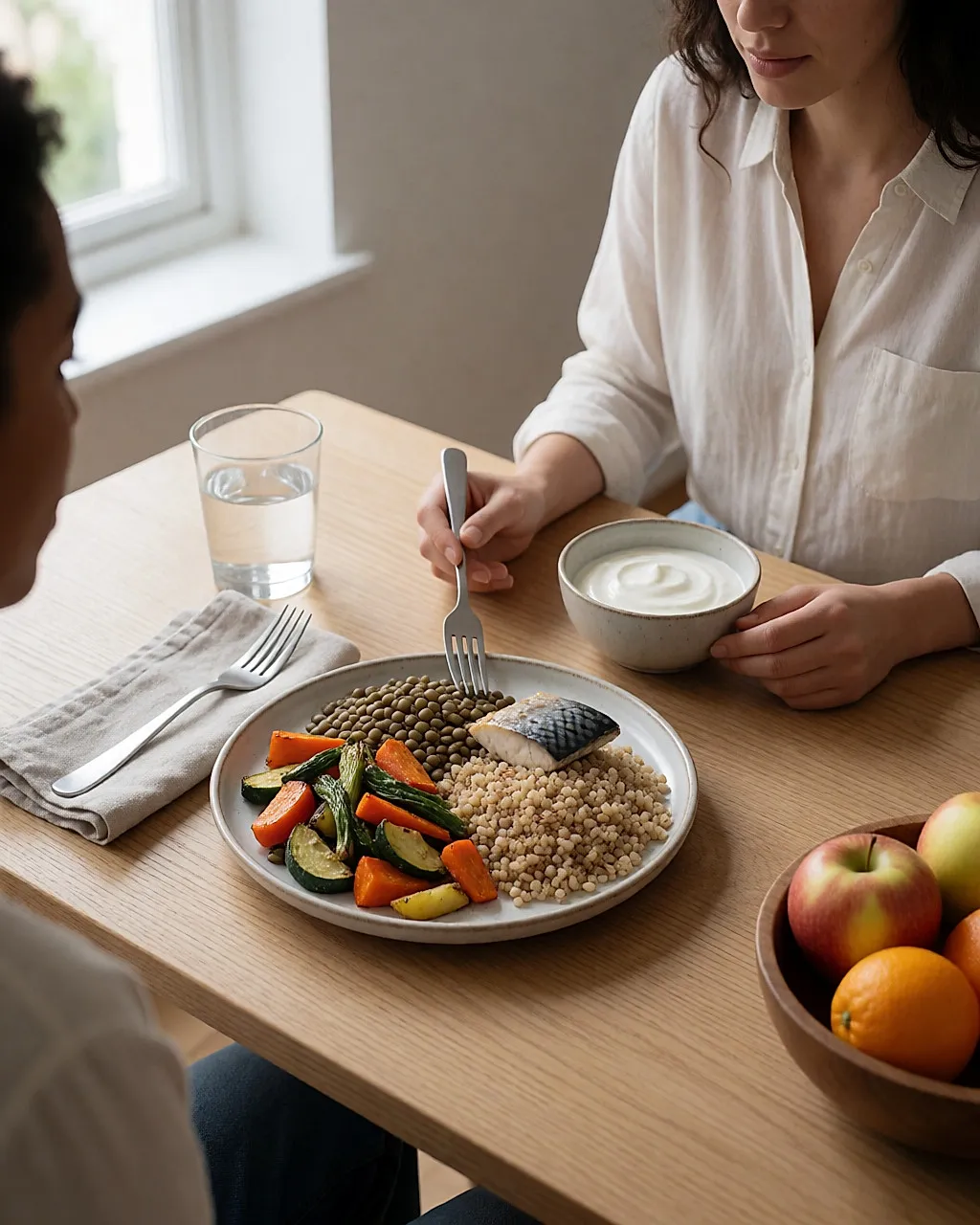
You don't need a restrictive diet to support your sessions. Official guidance comes down to a few lines: fruit and vegetables at every meal, wholegrain starchy carbohydrates for energy, pulses twice a week, fish including one oily variety, and varied proteins — animal and plant — to maintain muscle mass. Keep added sugar, salt and alcohol in check, without banning the occasional treat.
Budget
Expect around £8–20 for a massage roller or a ball, and £45–80 for a salon pinch-and-roll session, depending on the city and the length of the appointment, with packages often working out cheaper. For body products, £8–20 in a supermarket or chemist, and £20–45 in a department store beauty hall for a more considered formula. A decent pair of running shoes sits between £60 and £130, more outside the sales. For supervised exercise, gym membership runs from £25 to £50 a month depending on the chain and where you live, a single session from £8 to £20, and one-to-one coaching from £35 to £70 an hour. These prices vary widely: the range, the brand, where you buy and how you look after your kit all make a difference. Online, at a sports retailer or in a specialist shop, you'll find the same type of equipment at very different prices.
No treatment, no cream and no shoe burns fat from one specific spot. What works comes down to three things: moving regularly, eating a varied diet, sleeping enough. And if you have pain, questions about your weight or are planning significant weight loss, speak to your GP — it's the best way to avoid dead ends.
One last word: you don't need a perfect plan. Pick two sessions, keep them up for three months, and you may already notice a difference in the way you climb stairs.
Sources
- World Health Organization, Guidelines on physical activity and sedentary behaviour, 2020.
- NHS, physical activity guidelines and the Eatwell Guide — UK public health guidance on activity, sedentary behaviour and diet.
- Federal Trade Commission (United States), "Reebok settles FTC charges of deceptive advertising for EasyTone shoes", 2011.


Comments
Your opinion matters: rate the article, react and reply to comments.
Comments are moderated; AI-assisted comments are flagged. Text emoticons (8-), :-), <3…) are automatically shown as images.