
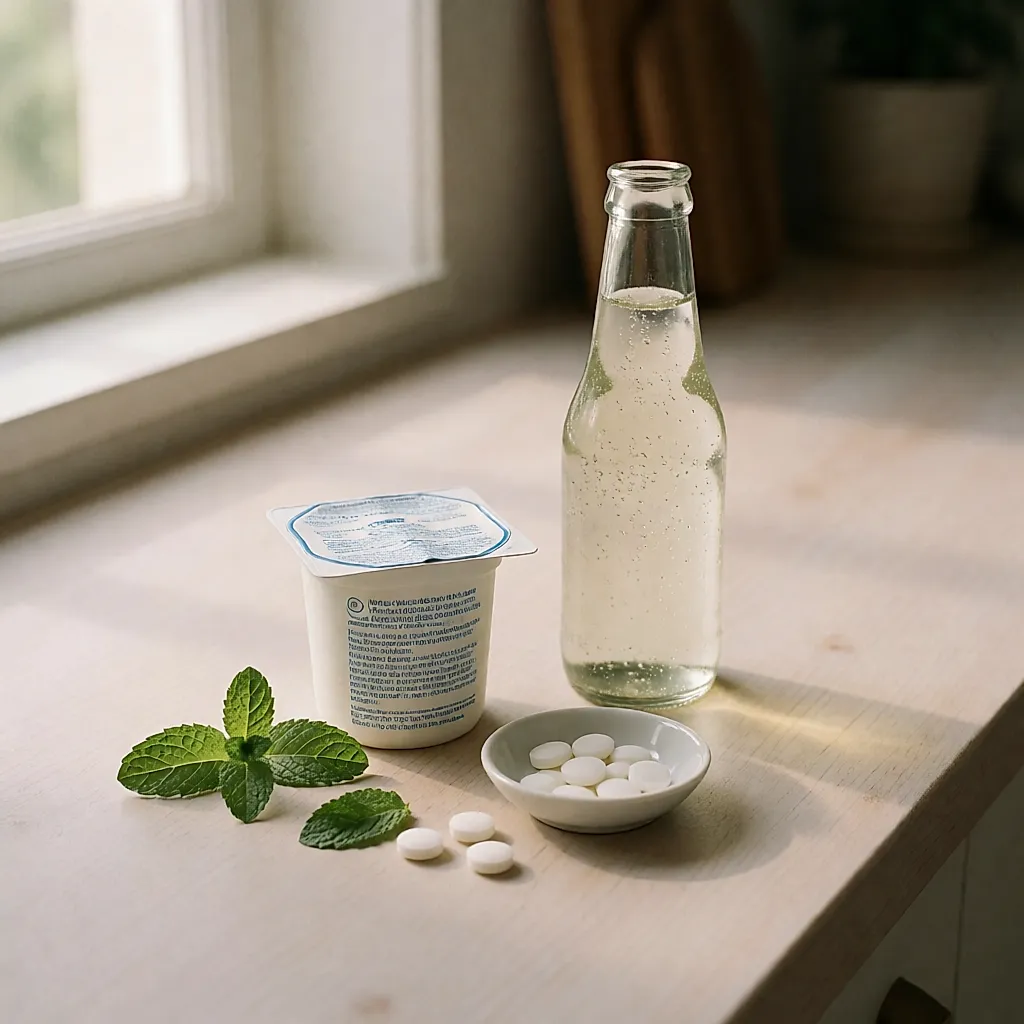
The chilled aisle and the drinks aisle are rarely simple. Anything labelled 'light', 'reduced-fat', '0%' or 'sugar-free' tends to blur into one. You pick up a reduced-fat yoghurt and a diet soft drink, and in the moment it feels like a small win for your waistline. The trouble is that these labels do not all mean the same thing, and the promise in large type does not always survive contact with the plate.

What these words actually commit to
In the UK, the words on the front of the pack are not all interchangeable. 'Reduced', 'light/lite' and 'sugar-free' each suggest a specific kind of change, and '0%' may also count as a 'free' claim when it means the same thing. For 'reduced', the exact meaning depends on the nutrient, so it is worth checking what the reduction is compared with. In other words, a 'reduced' claim is hard to assess without knowing the comparison.
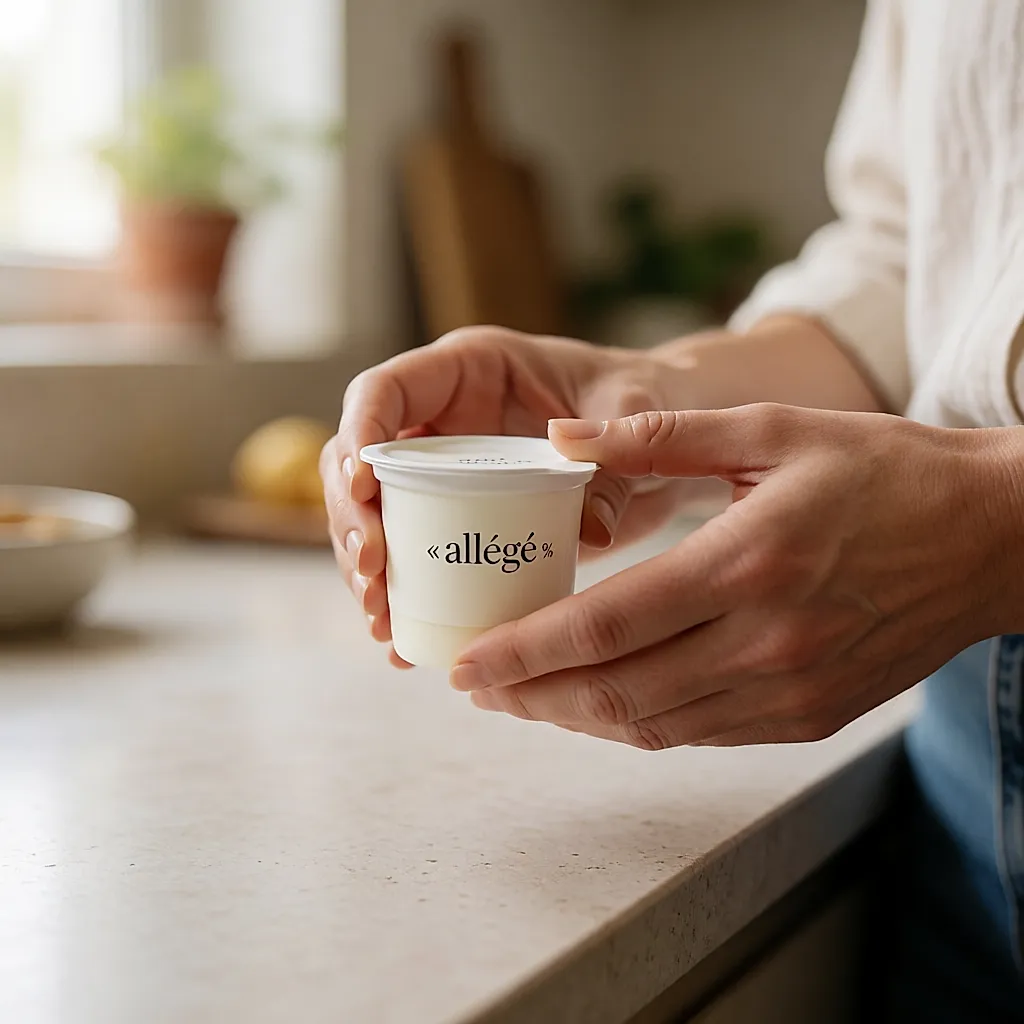
'Light' or 'lite' is also used, but the meaning depends on whether the reduction is in energy or fat, and on the difference being clear. Rather than trying to work out the fine print yourself, compare the labels. With terms that are ambiguous or unregulated, the sorting is down to you; the labels will not always do it for you.
Will it help you lose weight?
No, not on its own. A product that is lower in energy or fat may contain fewer calories, but not automatically: compare the 'per 100g' column. And eating fewer calories is not the same as losing weight. Your weight depends on your overall diet, physical activity, sleep and factors that are largely beyond a pot of yoghurt.
There is a second, quieter trap: compensation. Lighter recipes often lose flavour and satiety. The result can be that you eat two instead of one, or reach for something else later. The calorie advantage can disappear, while the price often stays higher. The long-term evidence on non-sugar sweeteners and weight control is not clear-cut, so they are best treated as an occasional convenience rather than a weight-control strategy.
What we know about aspartame and sweeteners, and what we don't
Aspartame still attracts the most comment. Headlines can make the safety picture sound simpler than it is, so the sensible approach is not to stack up diet soft drinks, chewing gum, sweetened yoghurts and tablets.
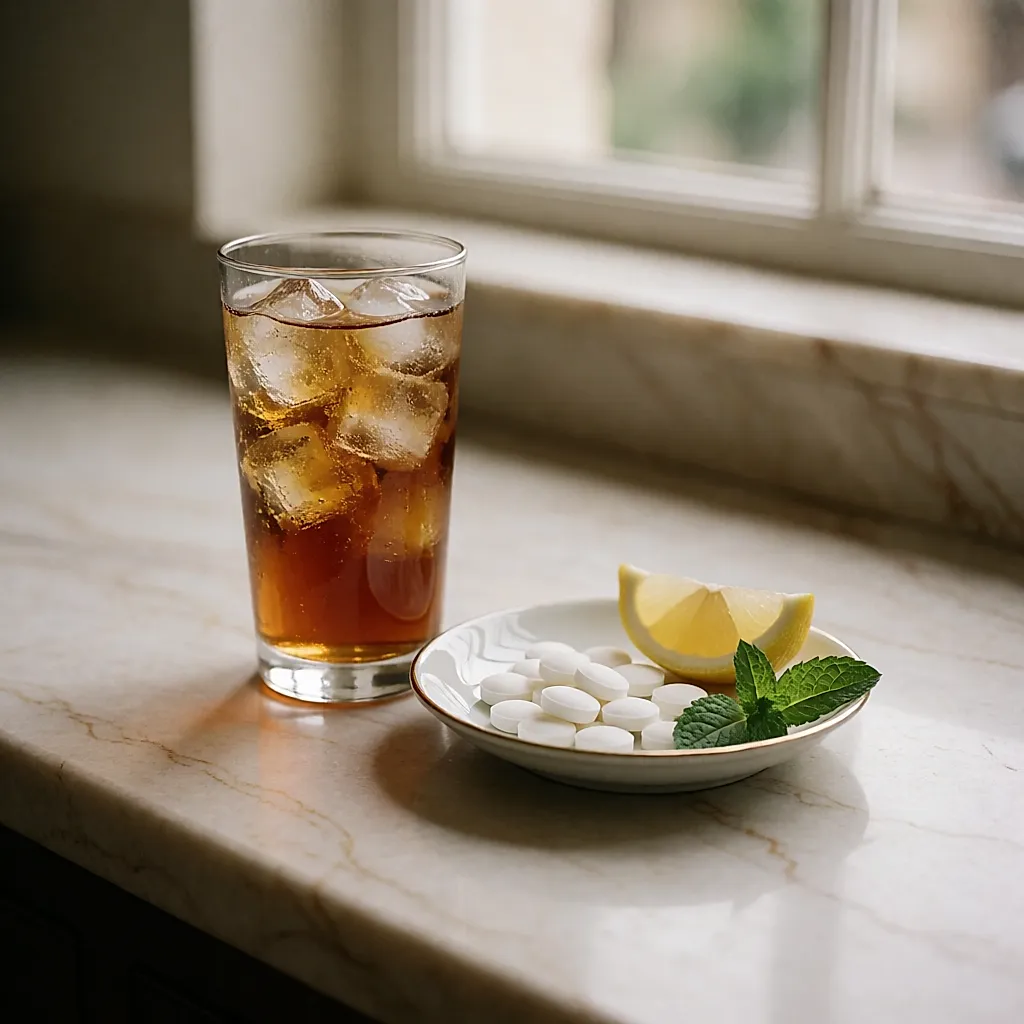
The three-second check. Turn the pack over and compare the 'per 100g' column, not the portion the brand chooses to highlight. Then read the ingredients list: if starch or other sugars are replacing sugar, the calorie benefit may be zero; an intense sweetener cuts calories but keeps the taste for sweet things. In some cases (if you are receiving treatment, are pregnant or have a medical condition), ask a healthcare professional before stocking up on these products.
Three practical swaps worth making
The simplest move is often to leave the 'diet' aisle for the standard one and choose foods that are raw or minimally processed.
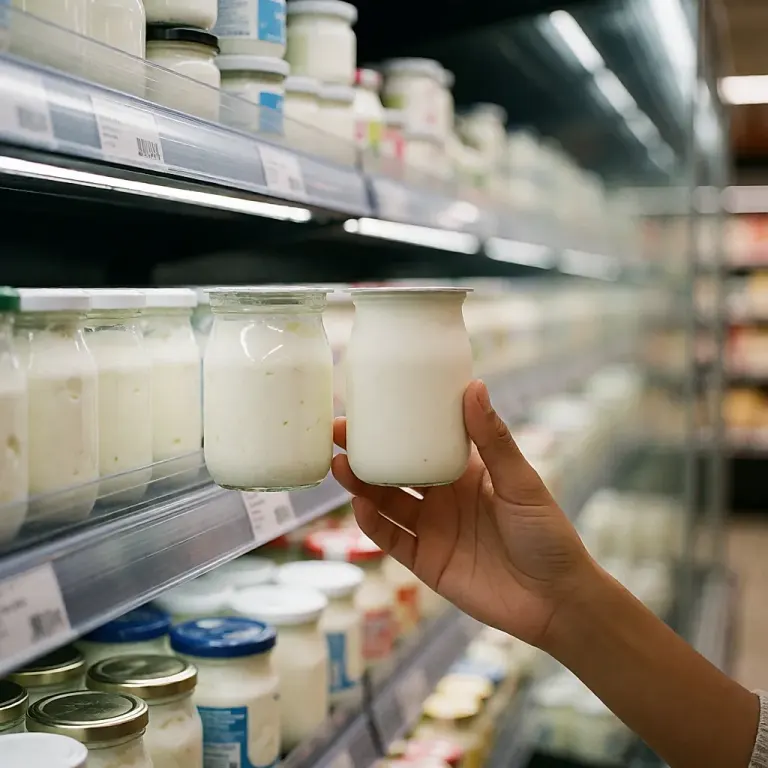
- Reduced-fat yoghurt or fromage frais. Choose a plain organic product with a recognised certification, such as Soil Association in the UK; on imported products you may also see the EU organic logo. These labels cover production methods and inputs, not calorie content. Look for a short ingredient list (milk, cultures), no added sugar and no sweeteners, and, where possible, a glass pot that is easier to reuse or recycle.
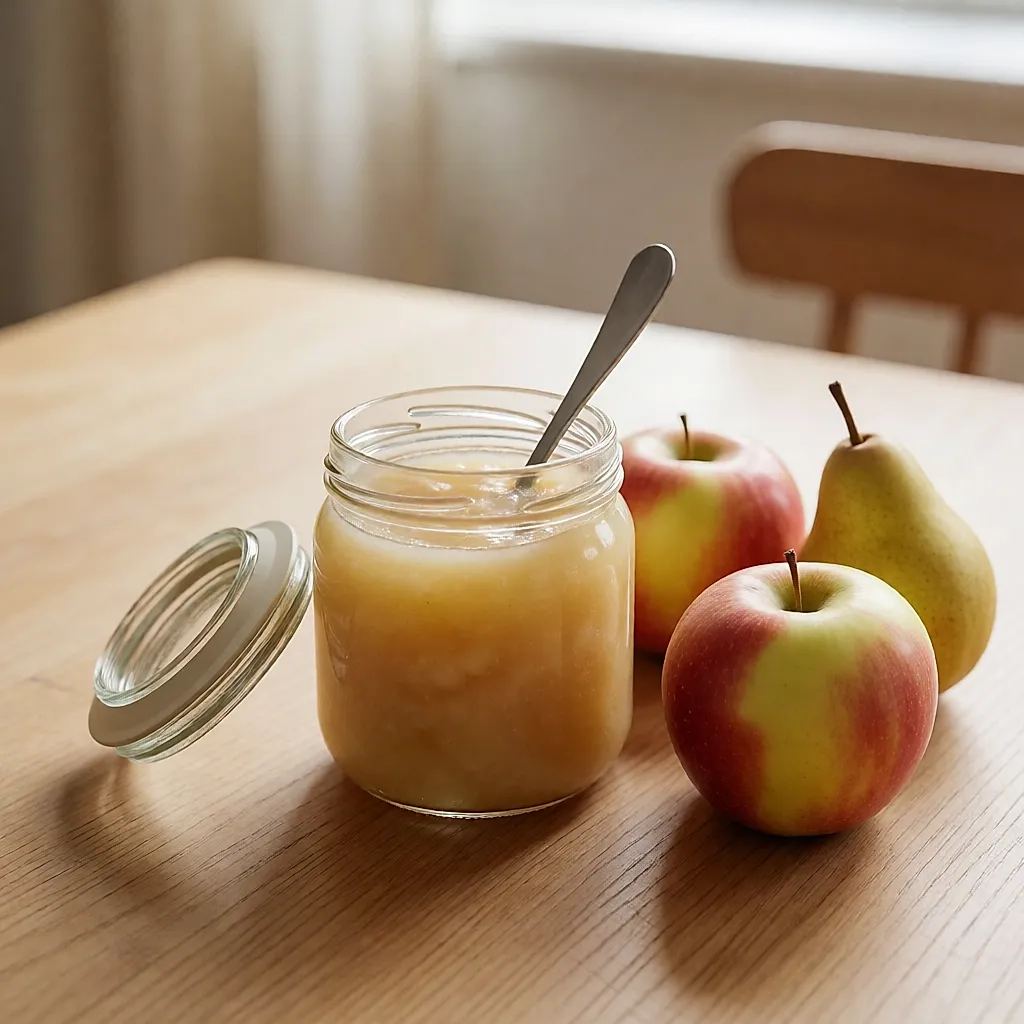
- Reduced-sugar jam. An unsweetened fruit purée can do the same job without added sugar. It keeps the fruit's matrix (fibre, water), which may play a role in texture and how filling it feels.
- Diet soft drinks. There is no simple natural equivalent that tastes the same. The most honest compromise is sparkling water with a squeeze of lemon or a few mint leaves, keeping diet soft drinks for occasions.
Budget
Some rough guide prices from UK shops. Expect to pay around £2–£4 for a 500g tub of plain organic fromage frais or quark, and about 60p–£1 for a single plain organic yoghurt. Unsweetened fruit purée usually costs about £2.50–£5, and sparkling water about 30p–£1 per litre. For comparison, a 1.5-litre diet soft drink is usually around 60p–£1.50.
What shifts the price: organic certification, packaging (returnable glass, cardboard, plastic), sales channel and brand. Supermarkets and homemade alternatives push prices down; specialist shops and shorter supply chains push them up. There is no need to buy everything organic: a minimally processed product, well chosen, is better than a whole aisle of promises.


Comments
Your opinion matters: rate the article, react and reply to comments.
Comments are moderated; AI-assisted comments are flagged. Text emoticons (8-), :-), <3…) are automatically shown as images.