
Yoga: which style is right for me?
You've probably seen the scene: a bright room, mats lined up, and that woman holding a balance pose for what feels like an eternity, her face calm as anything. So you sign up, full of good intentions, and then — surprise. The first class is nothing like the second. Between the one that has you holding poses forever and the one that lies you down to visualise your little toe, the discipline is a world of its own. So which one should you choose? And, more importantly, what are you really looking for? Here is a quick tour of the most common forms, with the caveat that this is only an overview — and the best way to find out is still to try!
Hatha yoga: the reliable choice
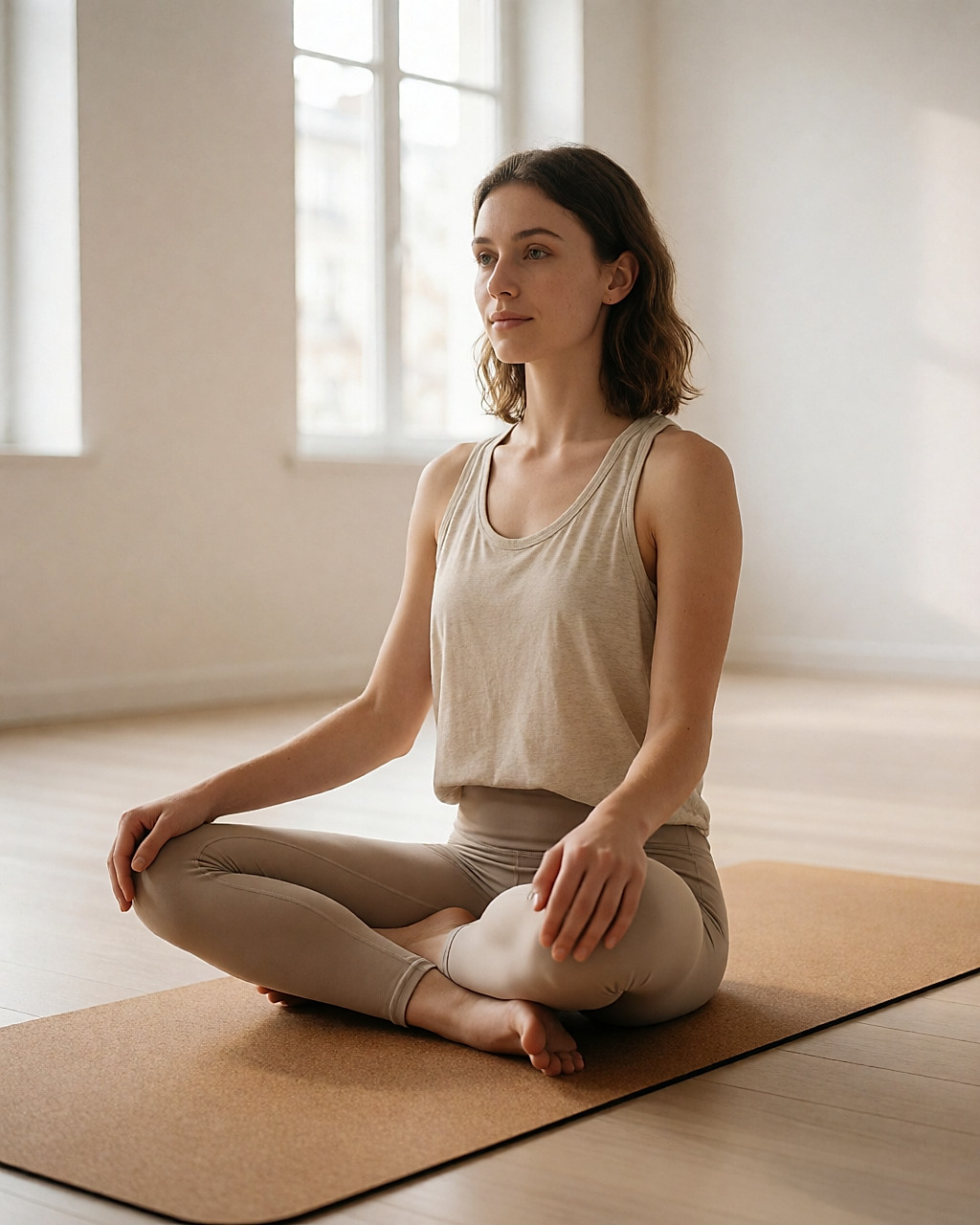
It's the most widespread yoga in the West, and the one you're most likely to find when you walk into a studio. A series of poses, the asanas, held for a few breaths, slowly, steadily. Between relaxation, toning and flexibility, it aims to work the body but also, and above all, to restore a sense of unity between body and mind.
What does that change in practice? You become absorbed in your breath and your poses, and you become aware of your body again — its muscles, its tensions that are too often ignored — forgetting, for the length of a class, everything else in the day. A zen pause that is still physical. Who is it for? For beginners, for carving out a regular moment of calm, for reconnecting with a body you had rather forgotten, or for returning to exercise gently if you are the sort who has forgotten how to slow down.
Yoga nidra: when there is “nothing” to do
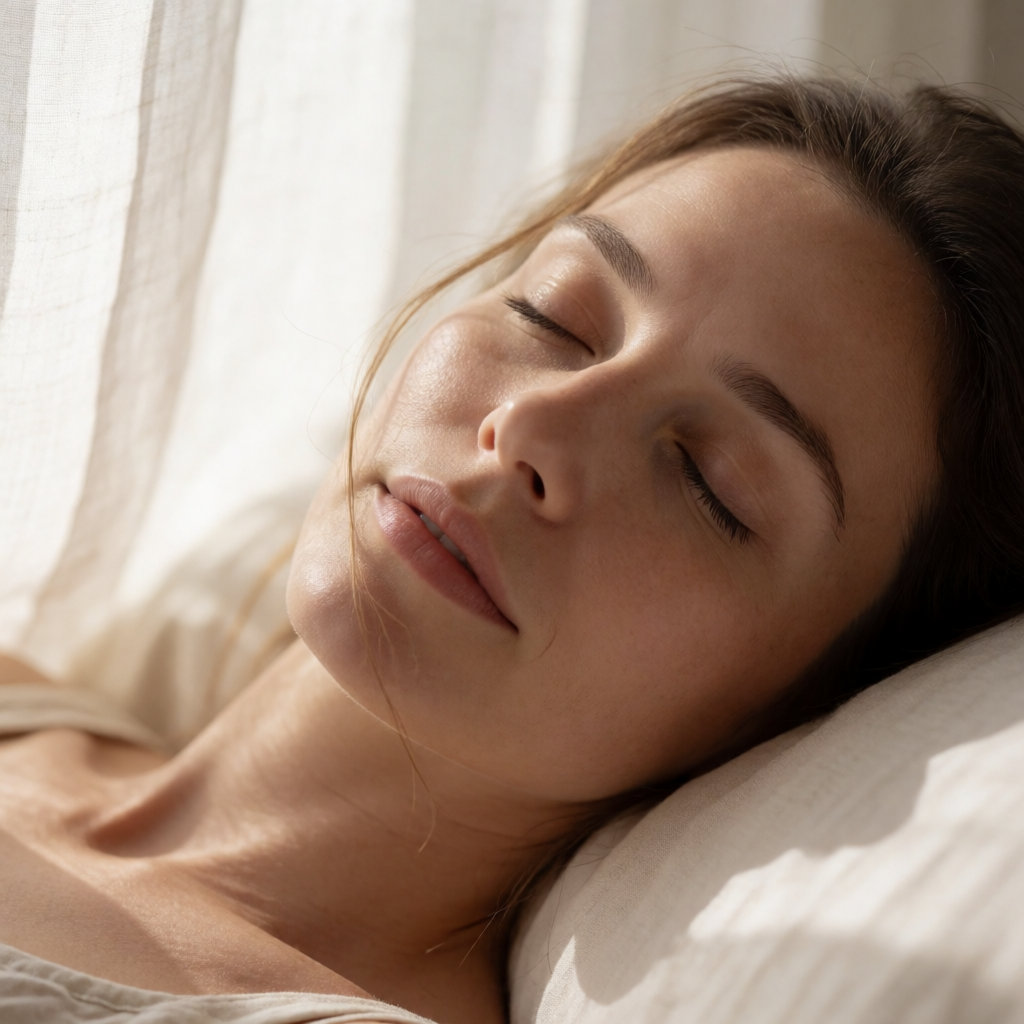
Less common in the UK, and frankly disorienting when you arrive with a fixed idea of what yoga is. Here, there is no pose, no muscle being worked: yoga nidra — “yogic sleep” — is work of the mind, a kind of training in awareness. You lie down, visualise each part of your body, then let go under the teacher's voice, which guides you towards images to see and feel.
The body stays still and drifts gently towards a state on the edge of sleep — conscious, but deeply relaxed. That is precisely the difficulty: staying on that fine line between total surrender and wakefulness, without tipping over. For those who first need to learn how to relax — yes, it can be learned — and to chase away the daily grind for the length of a session. A silence inhabited only by the teacher's voice can sound intimidating on paper, and yet what a rest!
Ashtanga: the yoga that packs a punch
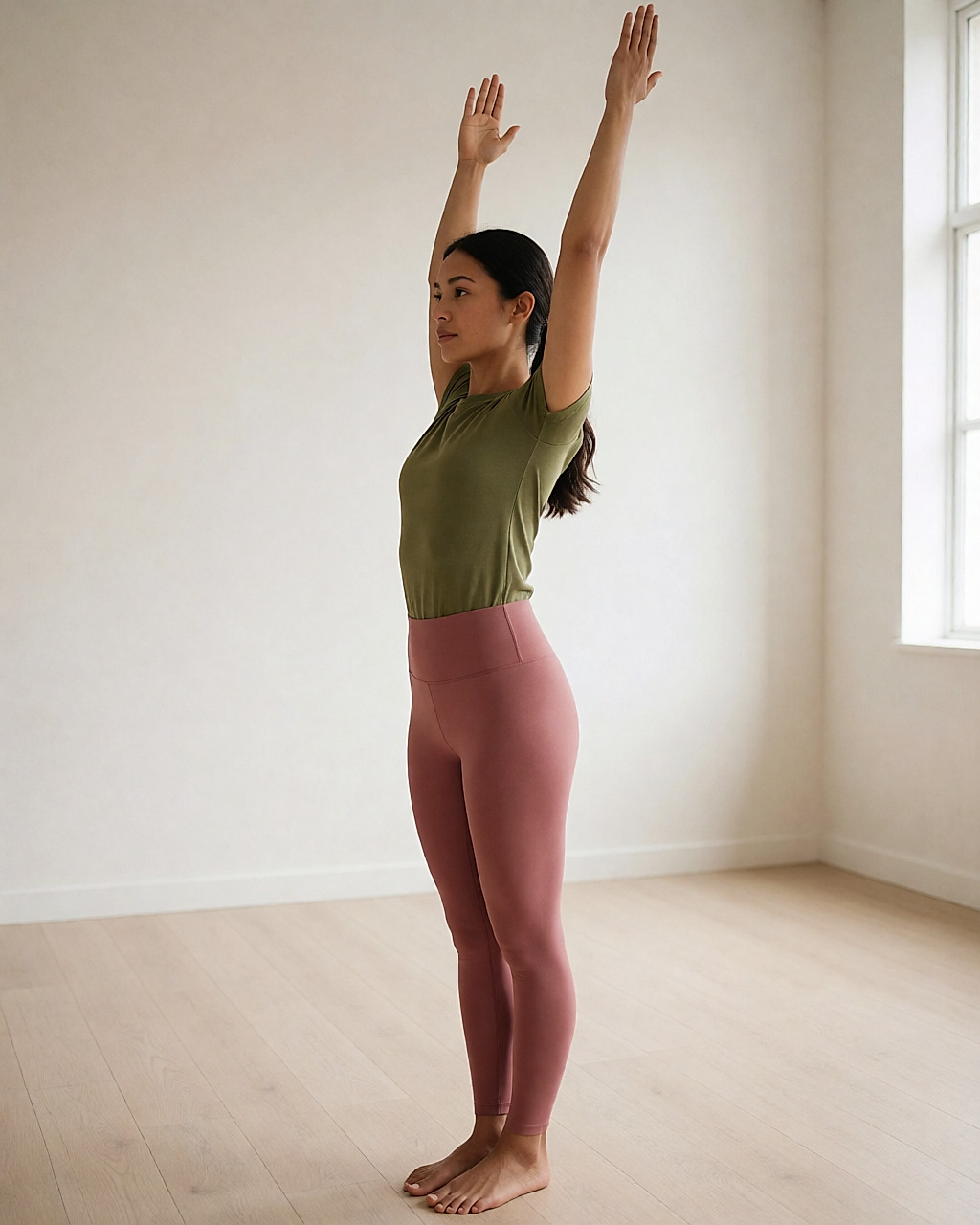
Now to the opposite extreme. Ashtanga is one of the most energetic and physical forms. The idea of body-mind harmony is still there, but it comes through a sustained sequence of poses, at a quick pace, working on breath and coordination. Breath, in fact, has a name here: Ujjayi, a full, steady breath that marks each movement.

This is not a restful session: muscles resist, stretch, flexibility is built, and the mind is fully occupied by this body whose certain areas remind you they exist for the first time in ages! You come out exhausted, yet strangely relaxed, as if all the tension has been cleared along with the fatigue. Who is it for? For those who want both to release stress and to really work physically. A very honest compromise between relaxation and exercise — if you like to sweat a little.
Iyengar: precision above all
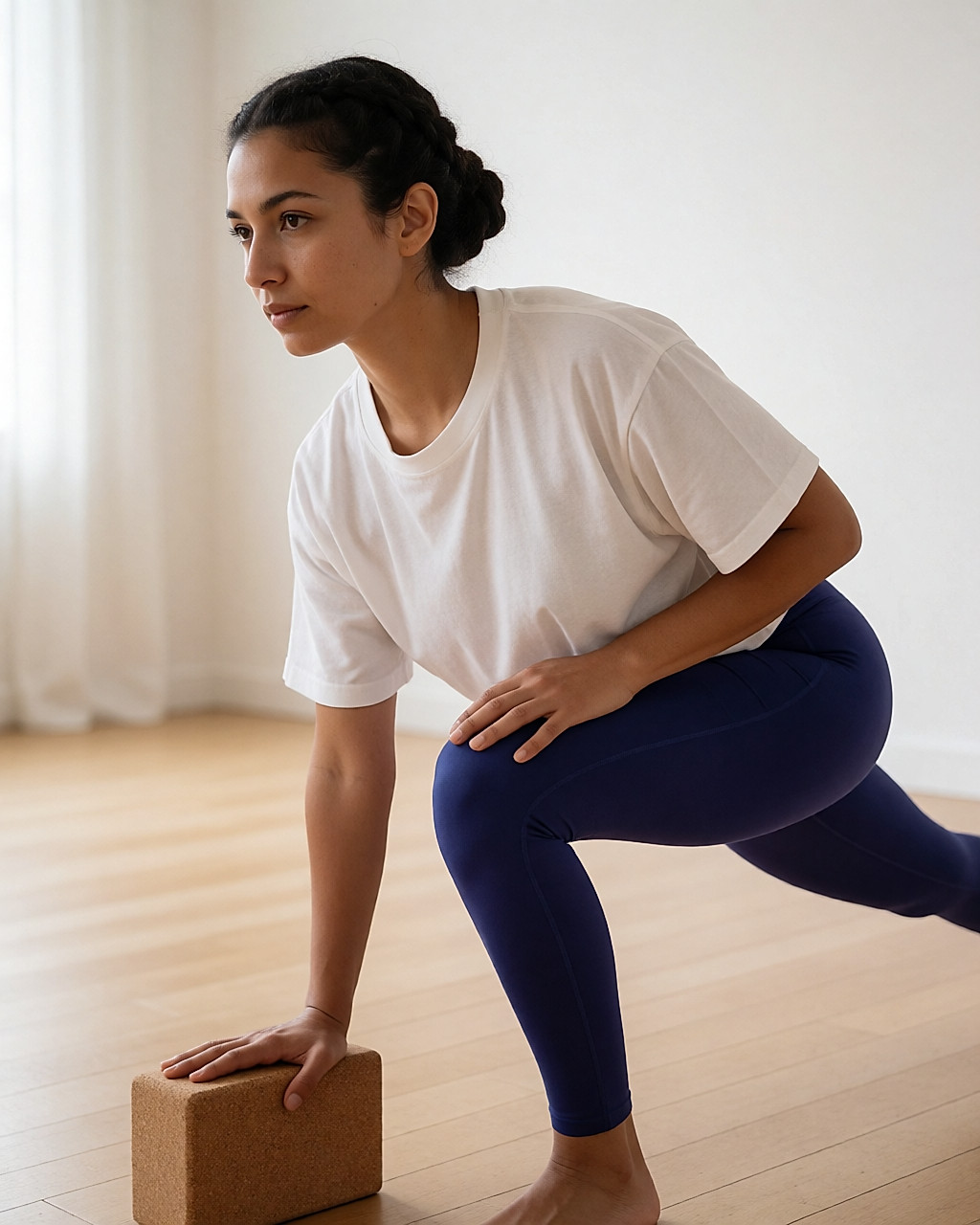
Here, we slow right down. Fewer poses, but held longer, deeper, more rigorously. What makes Iyengar distinctive is its props: blocks, straps, chairs, cotton blankets, cork cushions — a whole set of equipment that supports and corrects the pose instead of forcing it. It is a practice that demands attention, but is often gentler in effort, since the aim is proper alignment rather than performance.
Some data exist on supporting certain cases of chronic non-specific low back pain, but it remains limited and requires medical advice if pain persists — and, let's remember, nothing replaces an examination by a professional. Who is it for, then? For those used to wonky or long-held poses, those who feel stiffness, a knotty back, tensions setting in. Here you look after your body, maintain it gently, stretch and relax — all without chasing performance.
Mantra yoga: the power of vibration
Last stop, and not the least: here, there are no poses. You make sounds, sitting cross-legged, eyes closed. The teacher leads the way — it is the vibratory sound of one of the letters of the Sanskrit alphabet — you breathe in, then reproduce the mantra as you breathe out slowly, as deeply as possible. Gradually, the vibrations of your own voice spread, from belly to throat, up to the chest, and mingle with those of the other practitioners.
Regulars describe a relaxation that settles in first, then an almost physical impression of an inner massage. You learn to manage your breath, to listen to sounds that each person feels in their own way. For anyone who is curious, including the most stressed, but also for those who are a little put off by the idea of themselves moving about in all directions — no, yoga is not just about acrobatic poses; it is a resonance chamber as much as a physical discipline!
And in real life, how does it work?
You may ask: “So which one?” The real answer is that there isn't one. Yoga is often spoken of as a single practice, with a few pretty shapes, or, conversely, as something for eccentric people; but the discipline brings together very different approaches, and every teacher adds their own touch, more or less Westernised, more or less close to tradition. The best thing, before committing to a membership, is to try a taster class — most studios offer one — to see whether the pace, the sound of the voice and the general atmosphere speak to you. It is amazing how quickly you can tell, from the first breaths, whether you are in the right place or not at all.
Before you start, a few simple steps that make all the difference: tell the teacher about any pain, pregnancy or joint problem, and never force a pose just to keep up with the group — it is not a competition. And if pain persists, or your back is fragile, speak first to your GP or a physiotherapist, who can point you towards the most suitable practice.
Budget
On price, expect around £12 to £20 for a drop-in class in a studio, and more like £45 to £90 a month for a regular membership, depending on the city and the number of sessions per week. Annual passes often sit between £400 and £700, with lower rates for group classes or online sessions. For workshops and retreats, which are more structured and often in the countryside, expect £60 to £150 per day, and considerably more over several days. The price mainly reflects the location, the teacher's qualifications and the format — small group, one-to-one or online.
Sources
- NCCIH, Yoga: What You Need To Know, National Center for Complementary and Integrative Health.
- Wieland LS, Skoetz N, Pilkington K, Vempati R, D'Adamo CR, Berman BM, Yoga treatment for chronic non-specific low back pain, Cochrane Database of Systematic Reviews, 2017.
Food supplements do not replace a varied, balanced diet and a healthy lifestyle.


Comments
Your opinion matters: rate the article, react and reply to comments.
Comments are moderated; AI-assisted comments are flagged. Text emoticons (8-), :-), <3…) are automatically shown as images.