
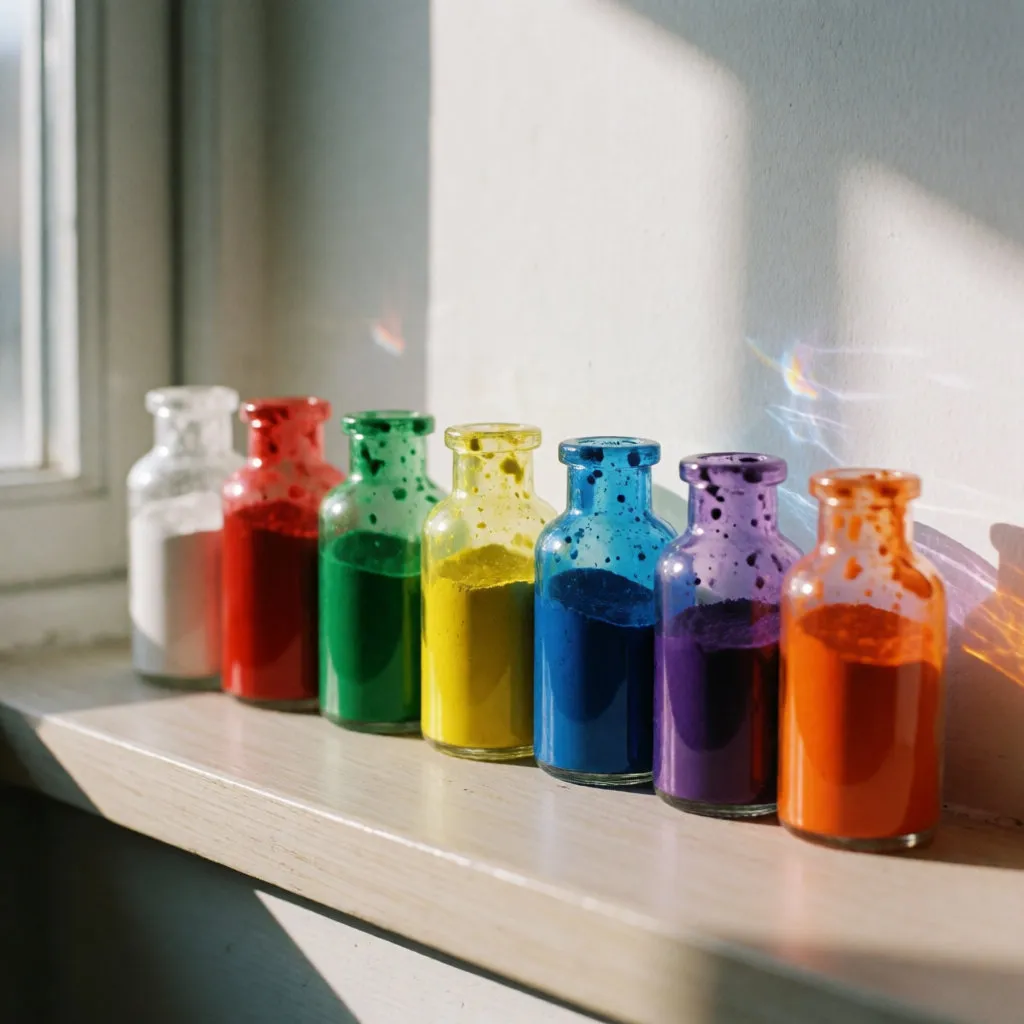
It is no accident that shops, advertisers, interior designers and artists choose their colours so carefully. We credit these tools with real psychological and physiological power over us.
India, China, Egypt, Italy and Greece each had their own colour symbolism in antiquity, often closely tied to religion. It was expressed in cathedral stained glass, the paintings of Egyptian temples and depictions of deities by peoples and tribes including the Maya, Aztecs and Incas. In Japan, each colour is credited with subtle meanings 'beyond what humans are capable of describing'.
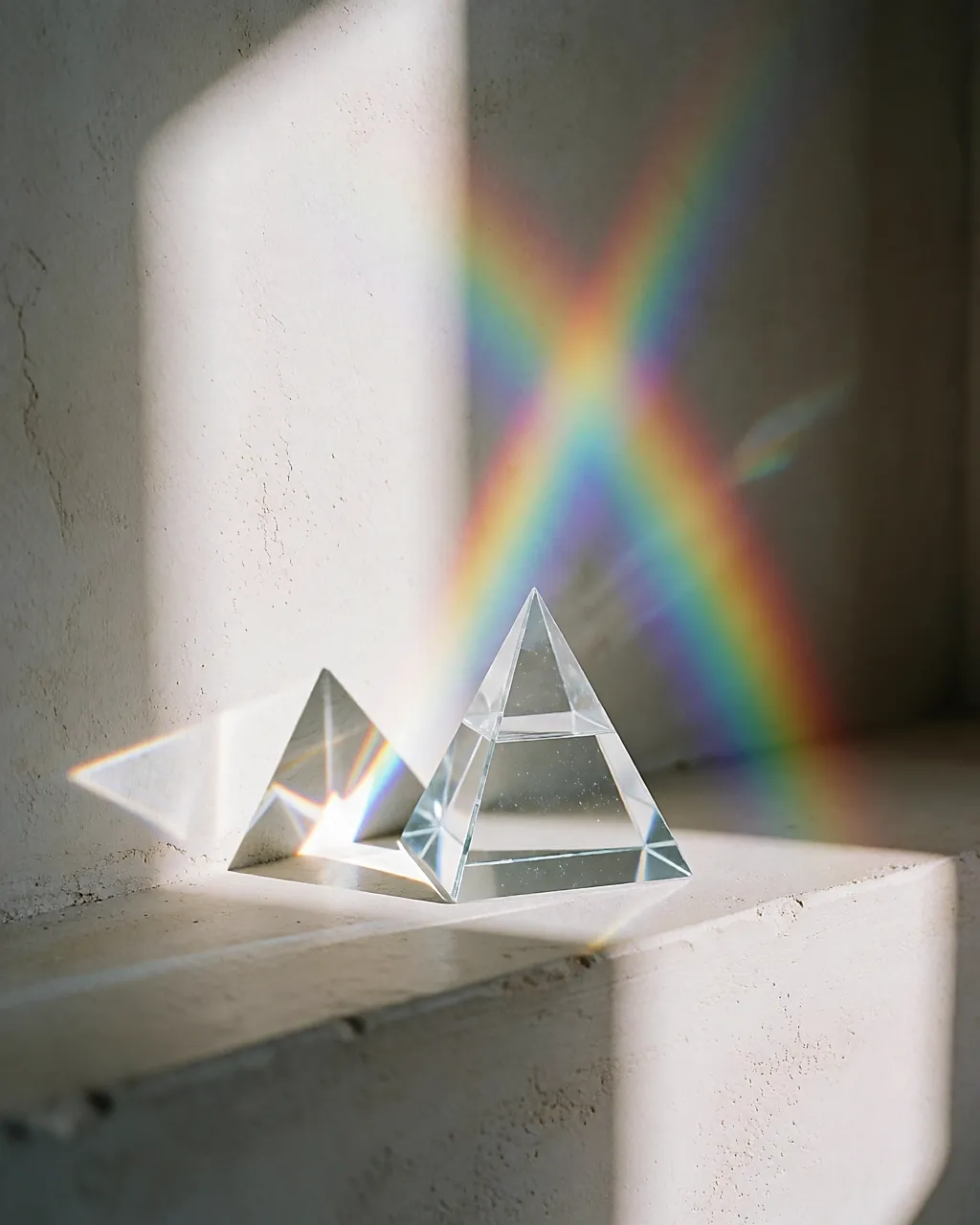
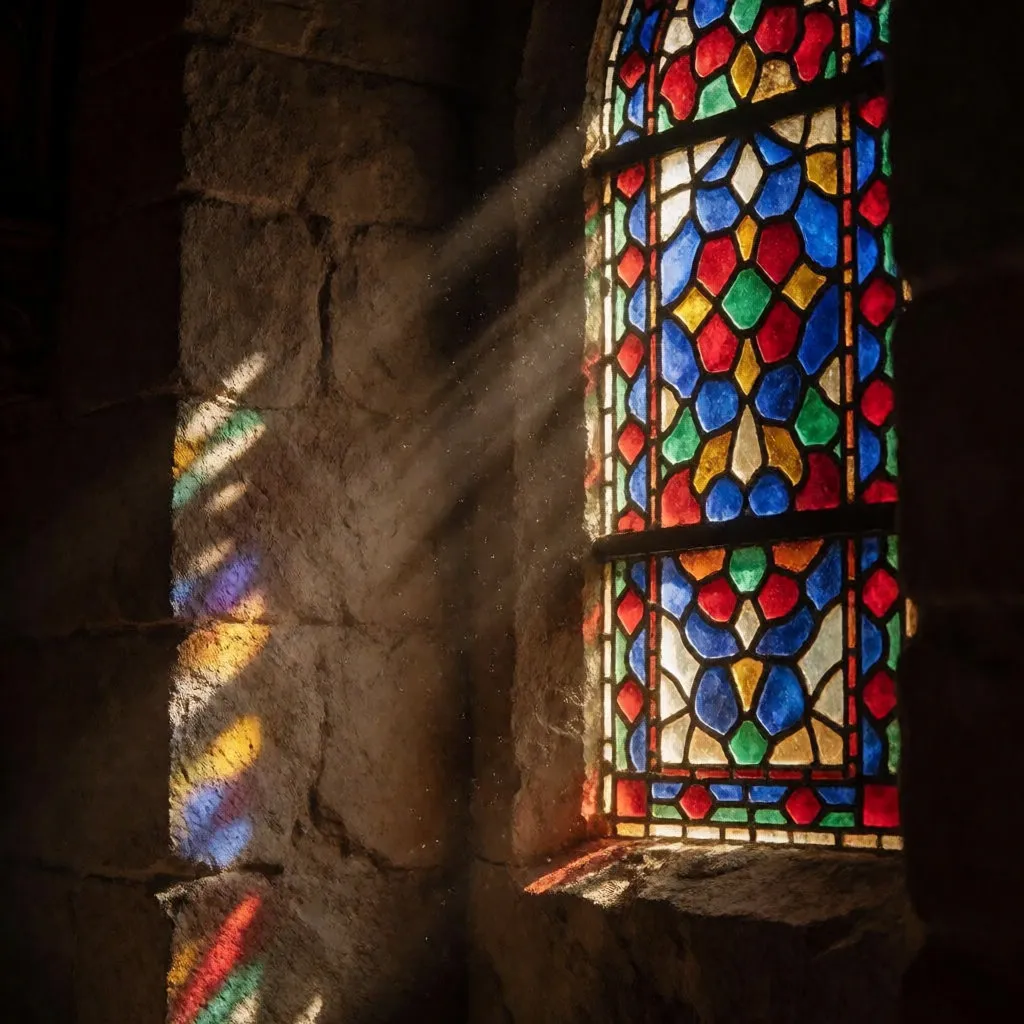
Of course, colour language shifts with era, civilisation and place; it can be different, even contradictory. But getting a handle on the main associations attached to each shade gives us a kind of calling card for the colours that fill our daily lives.
So whether you're repainting a room, refreshing your shop or dressing to impress for an interview, choosing your colours well can be a smart move. Here's a closer look at what colours say.
White
White, the sum of all colours, symbolises light, purity, chastity and virtue. The communion dress or wedding gown is white; orange blossom bouquets, doves, diamonds and snow all stand for purity and innocence.
In Rome, the Vestal Virgins—priestesses who vowed chastity and could be buried alive for breaking their vow—dressed entirely in white. The Egyptians wrapped the dead in a white shroud, a symbol of a pure, eternal soul released from the perishable body. In decorating, white can make a small sitting room feel larger, but it can also make a poorly lit room feel cold: pair it with light wood or warm textiles to avoid a waiting-room feel.
Red
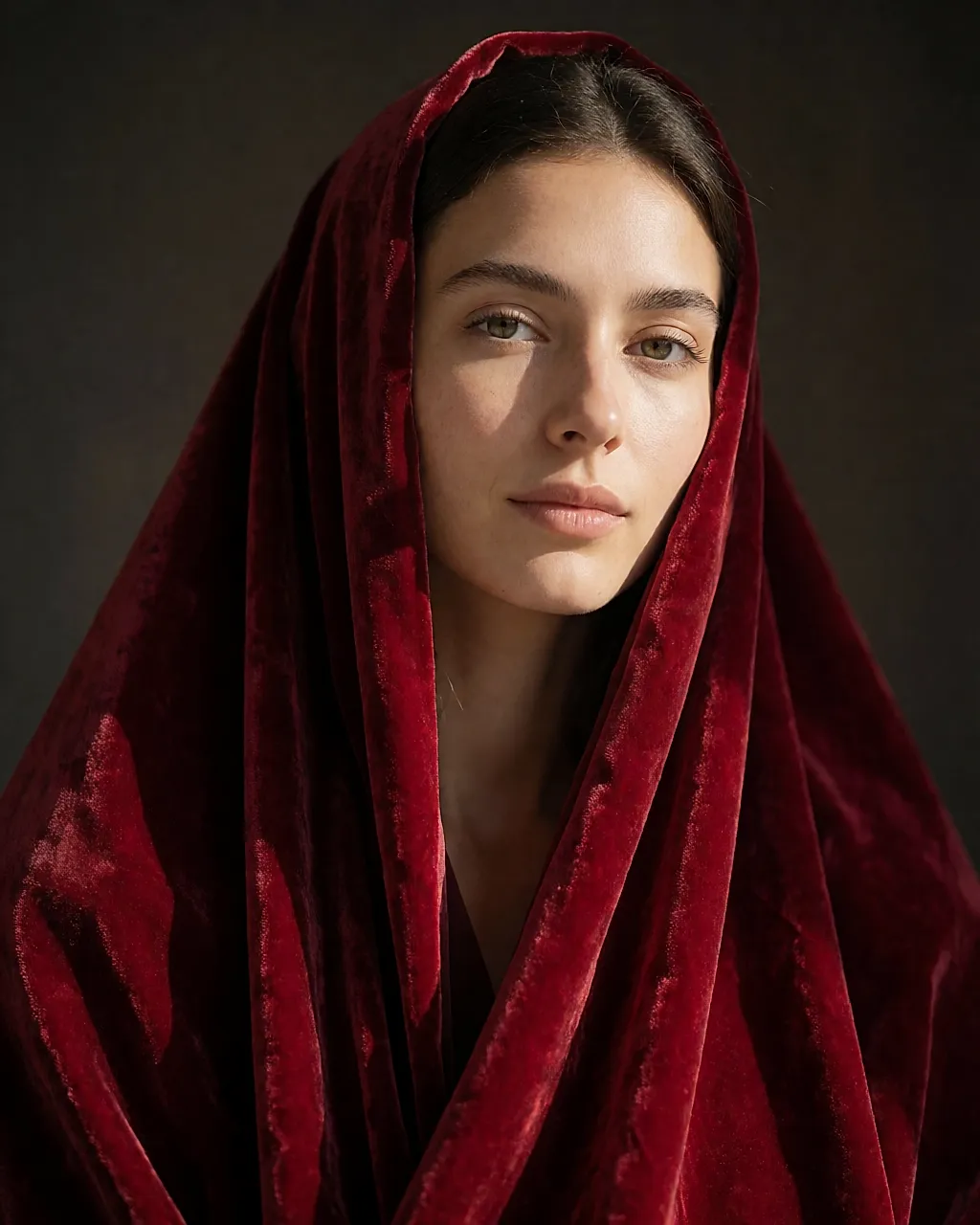
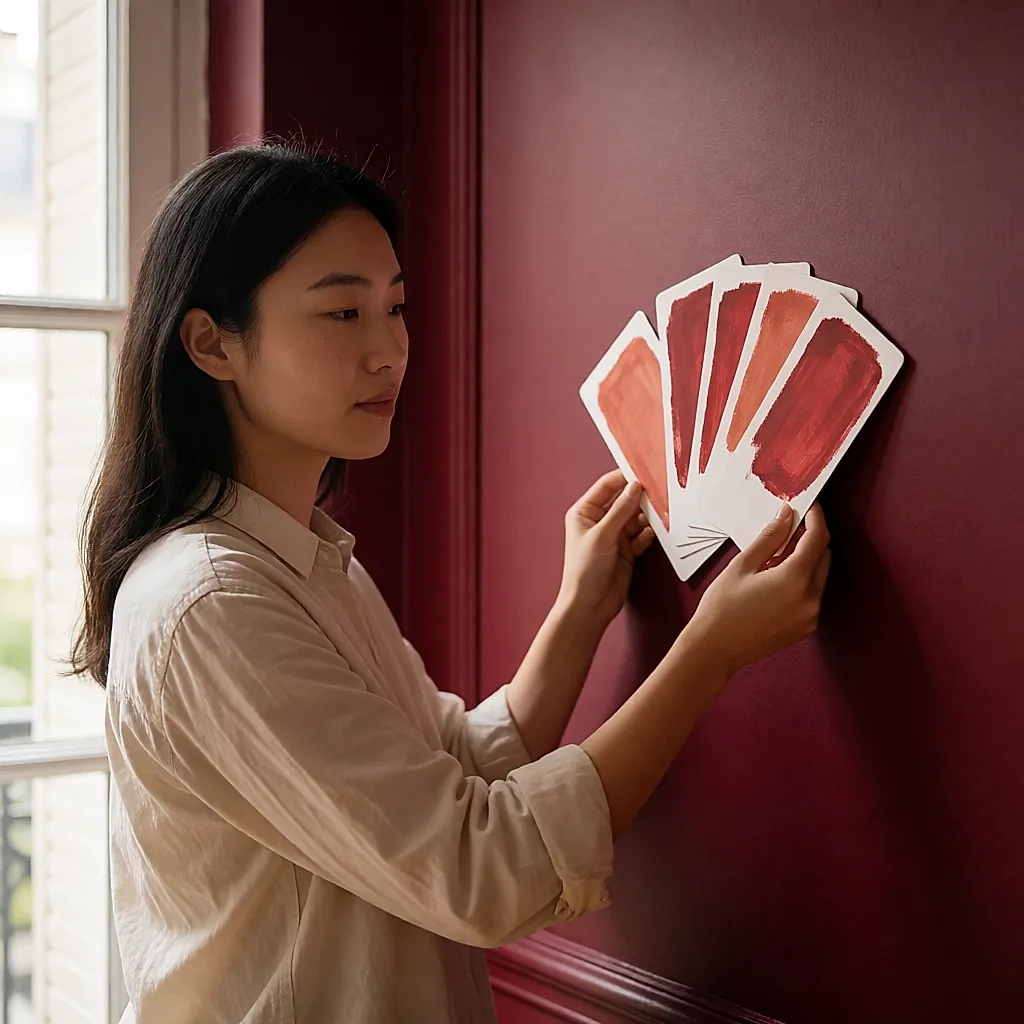
Red signals optimism, romantic desire, passion, aggression and vigour. A symbol of life as well as destruction, it was the colour of divine love for the Egyptians. Christians, Hebrews and Arabs linked red with fire, divinity and worship, and for a long time it was the colour of nobility, generals, Roman emperors and sovereigns. Historically tied to power, fire and passion, it now suggests energy as much as warning. A touch of red in a hallway wakes the space up; a large expanse of red, by contrast, will eventually tire the eye.
Green
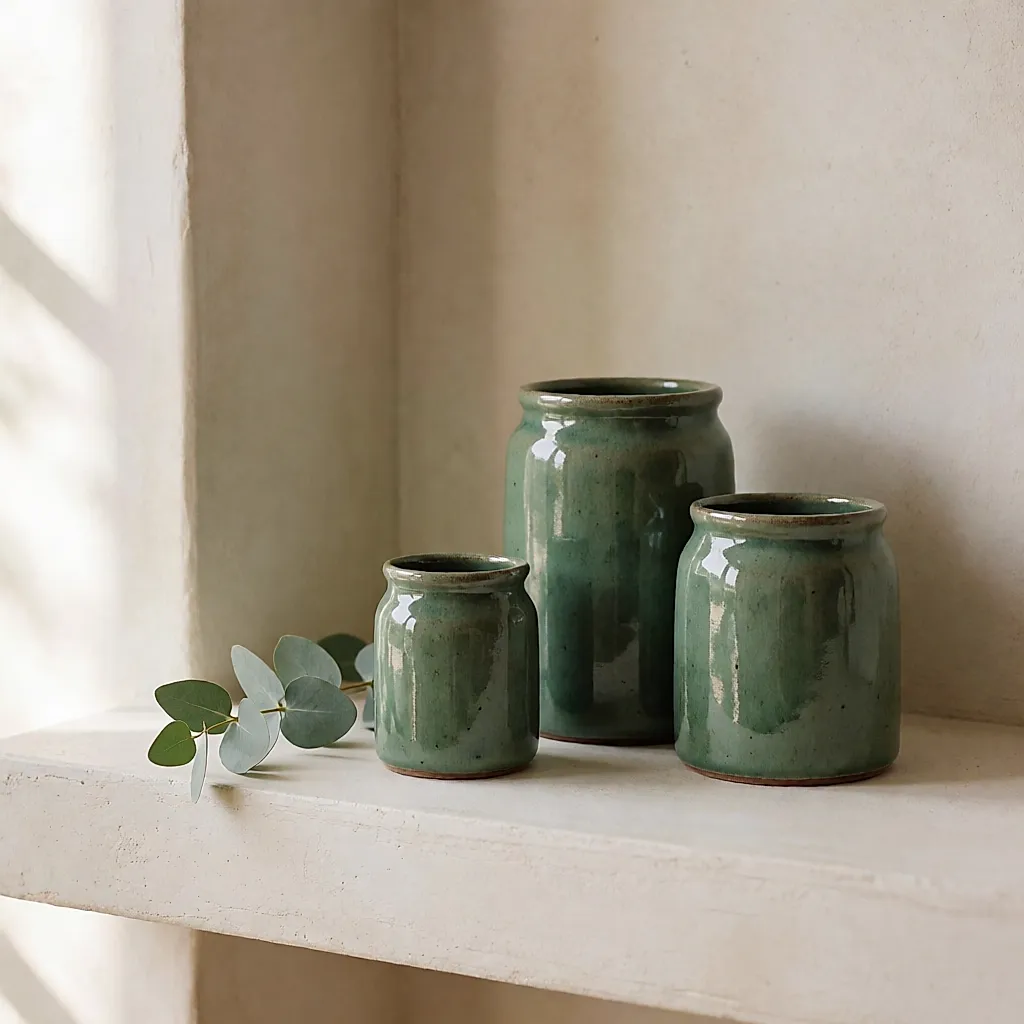
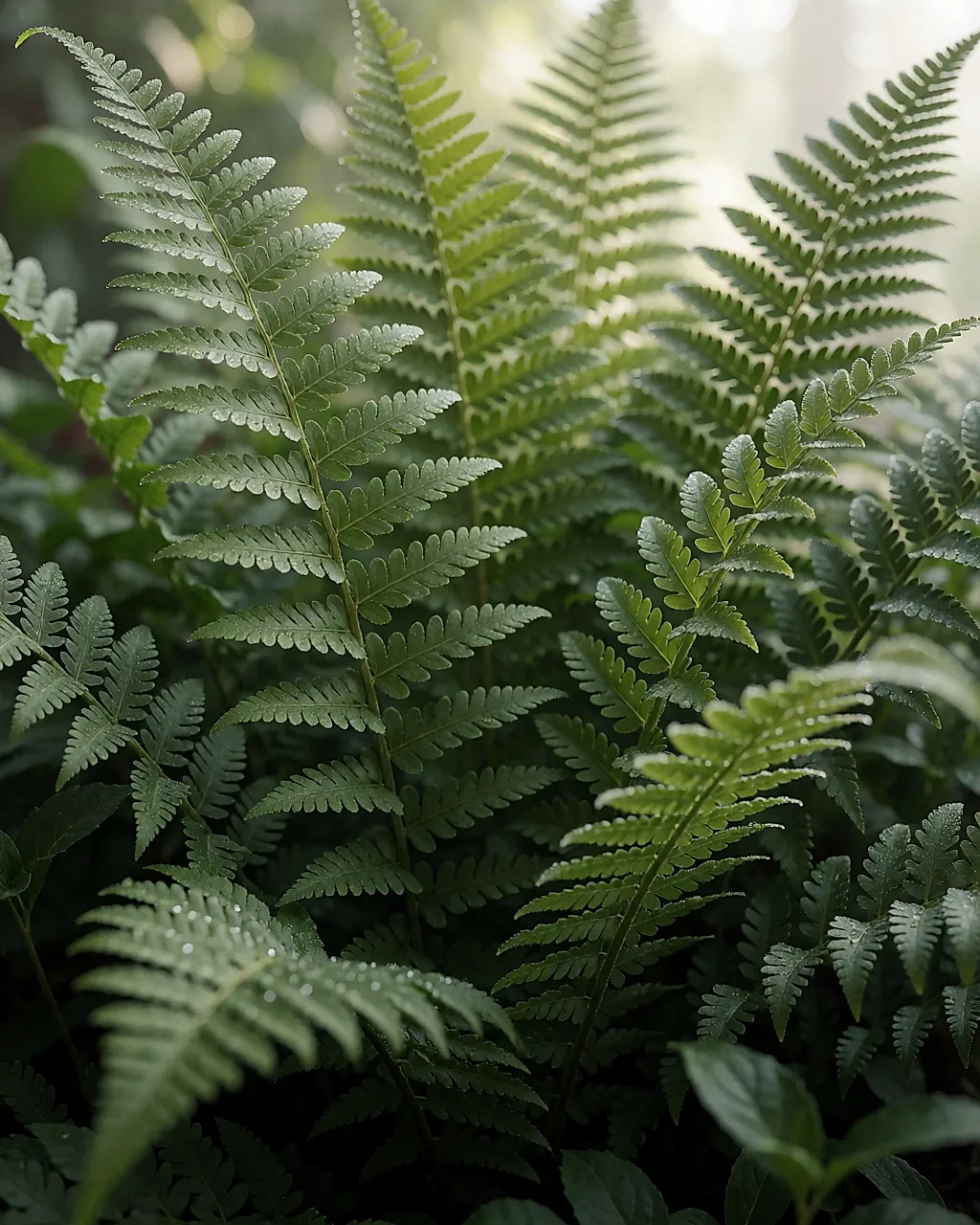
The colour of nature, green symbolises regeneration and hope, marking the end of winter and renewal. In dreams it is linked to a need for esteem, recognition and knowledge, as well as sexual vigour. In Egypt, green stood for the creation of the world and the founding of time. In China it corresponds to the east: spring, wood and charity. In Christian symbolism, green chiefly suggests hope and life, although some medieval traditions also gave it ambivalent meanings. It is a popular choice for restful spaces because it is perceived as soothing, and it appears in environmental awareness campaigns: of all shades, it is probably the easiest to bring into a living room.
Yellow
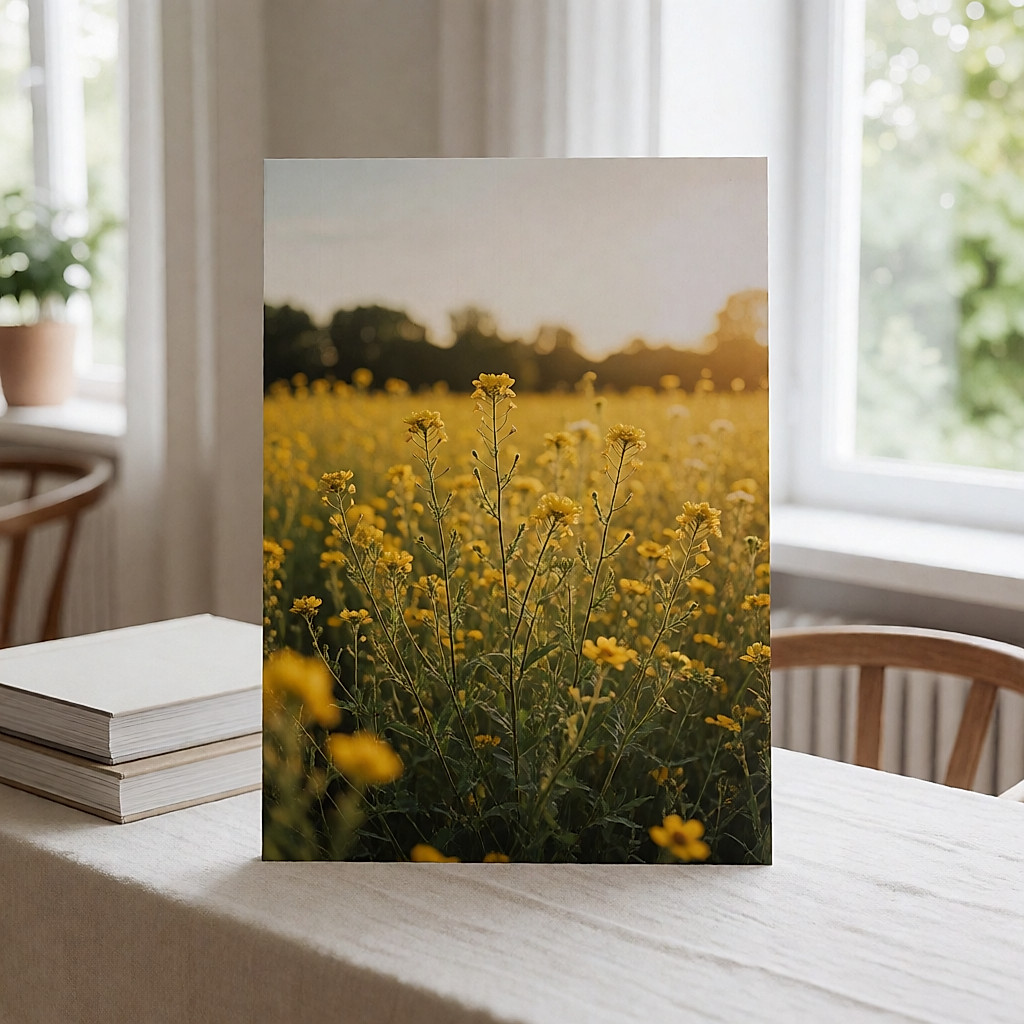
Gold and light, yellow is also the lunar colour, and in that guise it is associated with fickleness, jealousy, guilt and betrayal. In art, Judas is shown wearing yellow, and in France the door of traitors was once painted yellow. In dreams, yellow is said to symbolise high spirits, youth, boldness and even vanity: it is said to express a need for superiority. Above all it remains the colour of signalling: highlighters, temporary signs, high-vis vests. It brings energy to a kitchen or hallway as long as it is used sparingly: over large areas, it can become tiring.
Violet
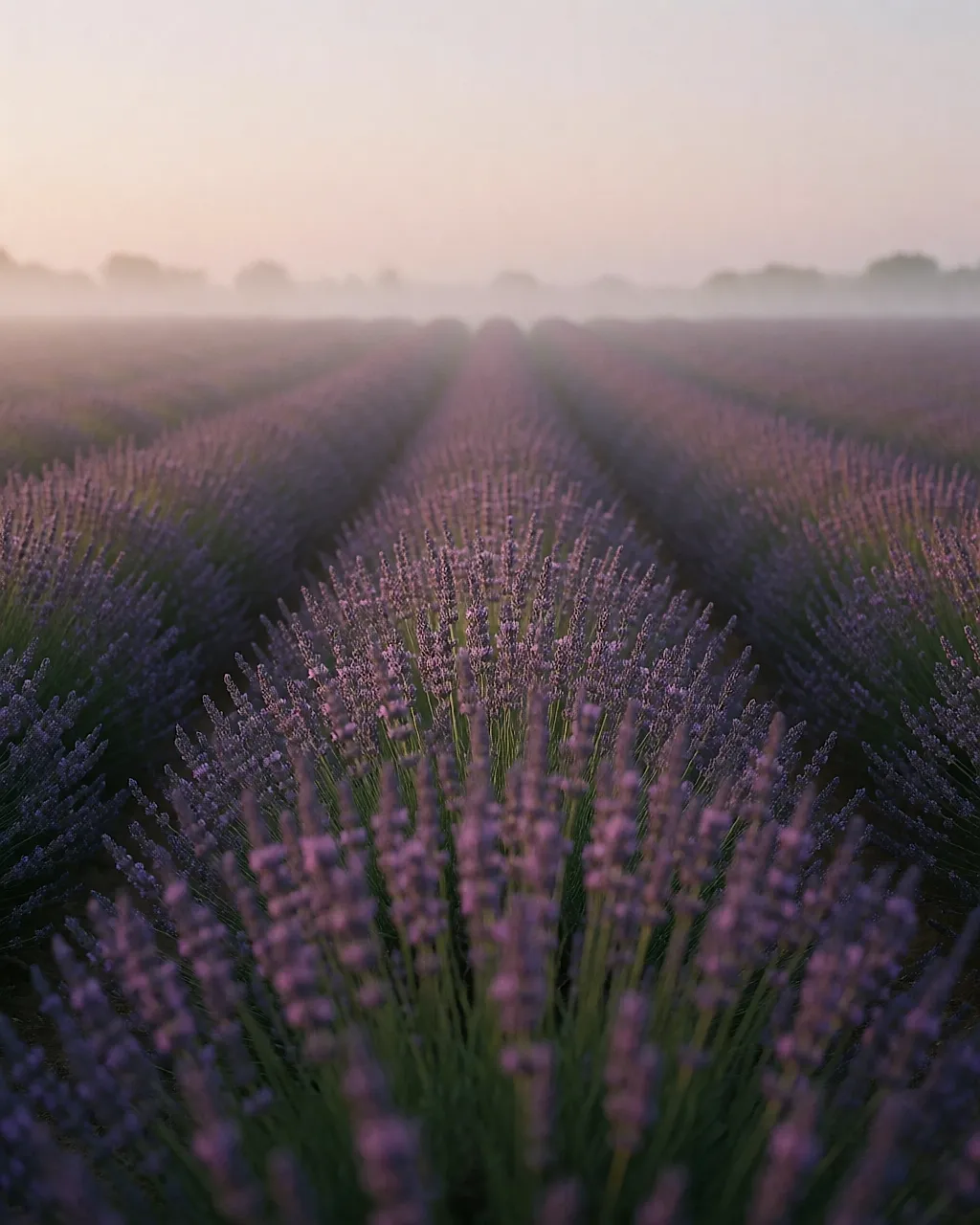
A mix of red and blue, violet symbolises love and truth. It was the colour of the covenant between the Lord and the Church, and also of bishops, martyrs and widows. In China, violet chiefly suggests nobility and dignity; it is not the colour of mourning. In dreams, it is said to be the colour of submission but also of romantic fusion: it is said to express a need for union or approval, and may also signify melancholy and a need for tenderness. Today it often signals refinement, and some public health campaigns use it for its softness. It adds depth to a room without making it gloomy, especially in plum or lavender.
Orange
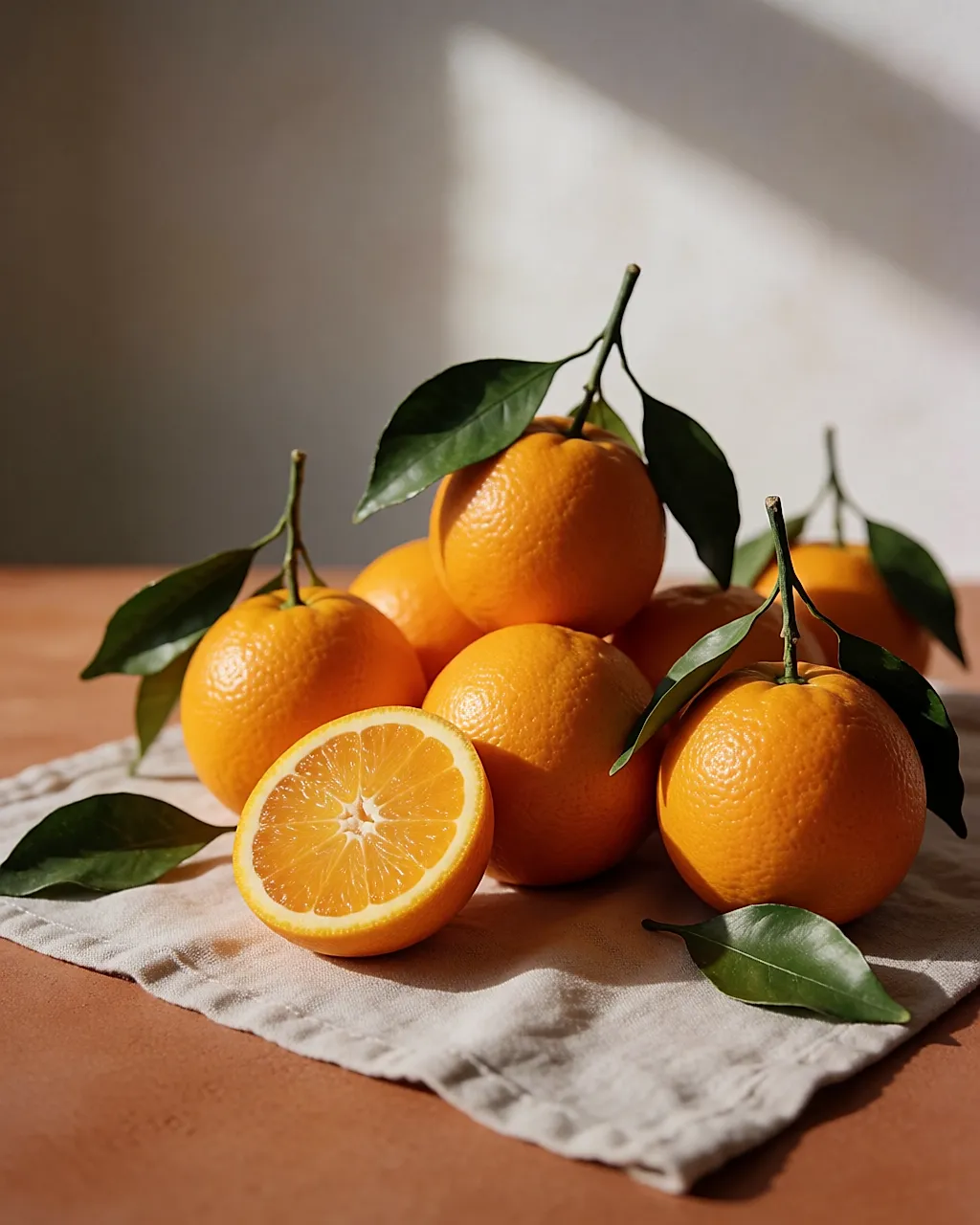
A mix of red and yellow, orange was once a symbol of indissoluble marriage, then, by contrast, of adultery and lust. In heraldry it stood for hypocrisy. In dreams, orange is said to symbolise lust and to express a need for pleasure, or even the need to keep control and not give free rein to impulses. Today it tends to suggest conviviality and energy: it is the colour of building sites and high-vis vests, but also of reception areas, where it helps visitors feel at ease. One shade alone is enough to warm up a rather sad room.
Black
A symbol of nothingness and night, associated with evil and error, black nevertheless carries an idea of resurrection. In antiquity, initiation rites were held at night, with darkness standing for death—but a death that allowed rebirth. In dreams, black can be read as fear of life, despair or fear of abandonment, but also as a need for independence.
Pink
A mix of red and white, pink is the colour of flesh and seduction; it is said to symbolise love and fidelity.
Brown
The colour of earth and autumn, brown carries an idea of decay and death. Christian symbolism saw this reddish-black as a blend of fire, ash, smoke and soot, a symbol of betrayal and infernal love. Brown is said to be the colour of obstinacy, selfishness and even malice. In dreams, it is said to express a need for security and comfort.
Grey
What a strange union: white, the colour of purity and innocence, and black, the colour of evil and guilt. Grey often stands for sadness and anxiety, while in the Bible, as the colour of ash, it represents penitence and mourning. In dreams, it is said to convey indifference, coldness and boredom.
Blue
In many traditions, blue is linked to the divine: Vishnu in India, Zeus in Greece, Amun-Ra in Egypt, Juno in Roman mythology. A cool colour, it symbolises truth, loyalty, fidelity and justice. A colour of rest and meditation, dark blue is soothing; pale blue, by contrast, suggests escape and wonder. In dreams, it is said to represent balance, self-control, generosity and kindness. Operating-theatre scrubs have often been blue-green for a very practical reason: it is said to rest the eyes after looking at red tissue. In a bedroom, a soft blue encourages calm, but a blue that is too cool can feel distant.
History, sociology, psychology, styling, interior design and health are just some of the fields that take an interest in colour symbolism—hence the extraordinary number of books devoted to it. Why such fascination with something that can seem, on the face of it, rather superficial? Because colour language—what colours can inspire in us, make us feel, and the behaviour they can prompt—is far from negligible, and perhaps more important than we commonly assume. If you sleep badly, or your mood stays low for several weeks, speak to a GP or another healthcare professional: the colour of a wall is no substitute for medical advice.
Budget
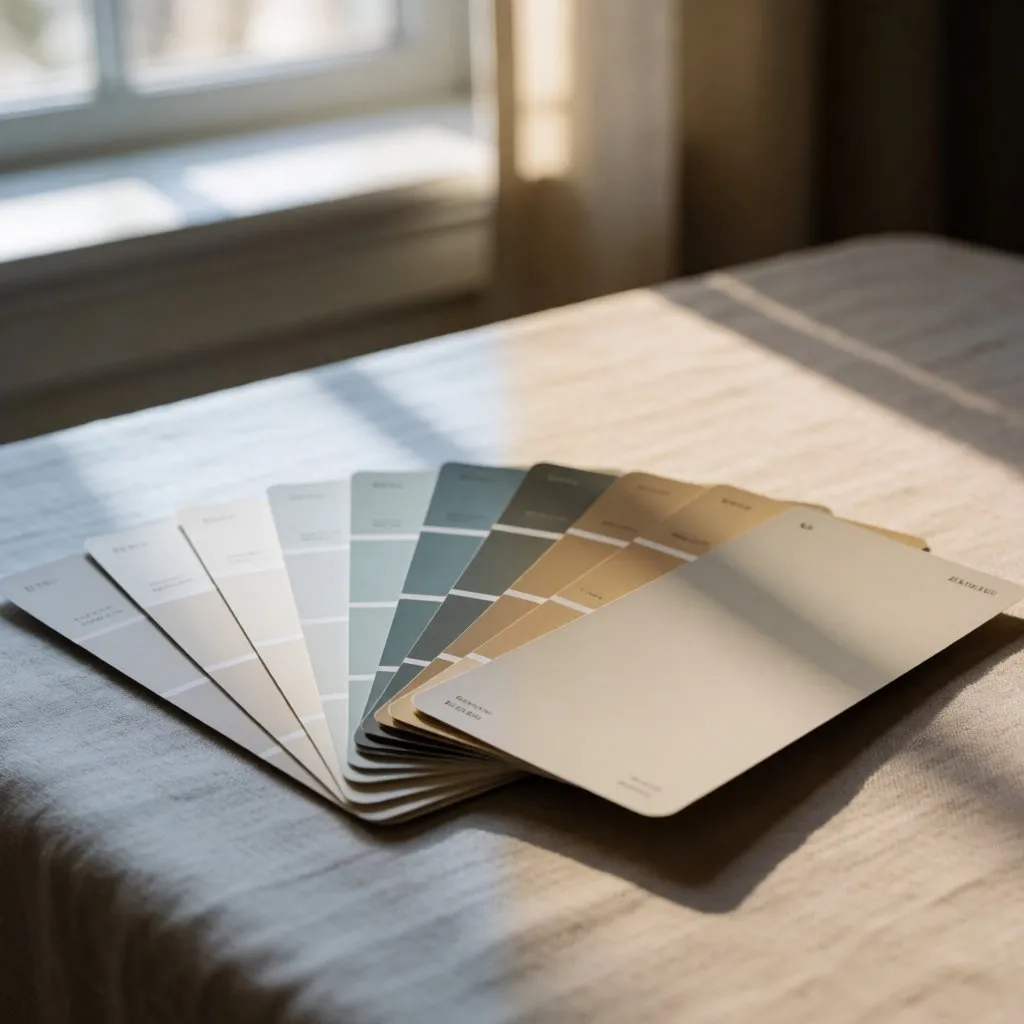
In the UK, budget roughly £75–£250 for a colour consultation—personal colour analysis or interior-design advice—depending on the length of the session, the consultant's training and the region. Reference books on the history and symbolism of colour, particularly those by Michel Pastoureau, usually cost around £10–£35 in bookshops. For paint, a good-quality 2.5-litre tin usually falls somewhere between £25 and £60, more for a natural pigment or a deep shade; these ranges vary by brand, finish and where you buy.
Sources
- Michel Pastoureau, Bleu: histoire d'une couleur, Éditions du Seuil; Le Petit Livre des couleurs, Points.
- Annie Mollard-Desfour, Le Dictionnaire des mots et expressions de couleur, CNRS Éditions (a series of volumes: red, blue, etc.).
- French National Institute of Health and Medical Research (Inserm), public information on the environment and wellbeing.


Comments
Your opinion matters: rate the article, react and reply to comments.
Comments are moderated; AI-assisted comments are flagged. Text emoticons (8-), :-), <3…) are automatically shown as images.