
What the evidence shows — and what it doesn't
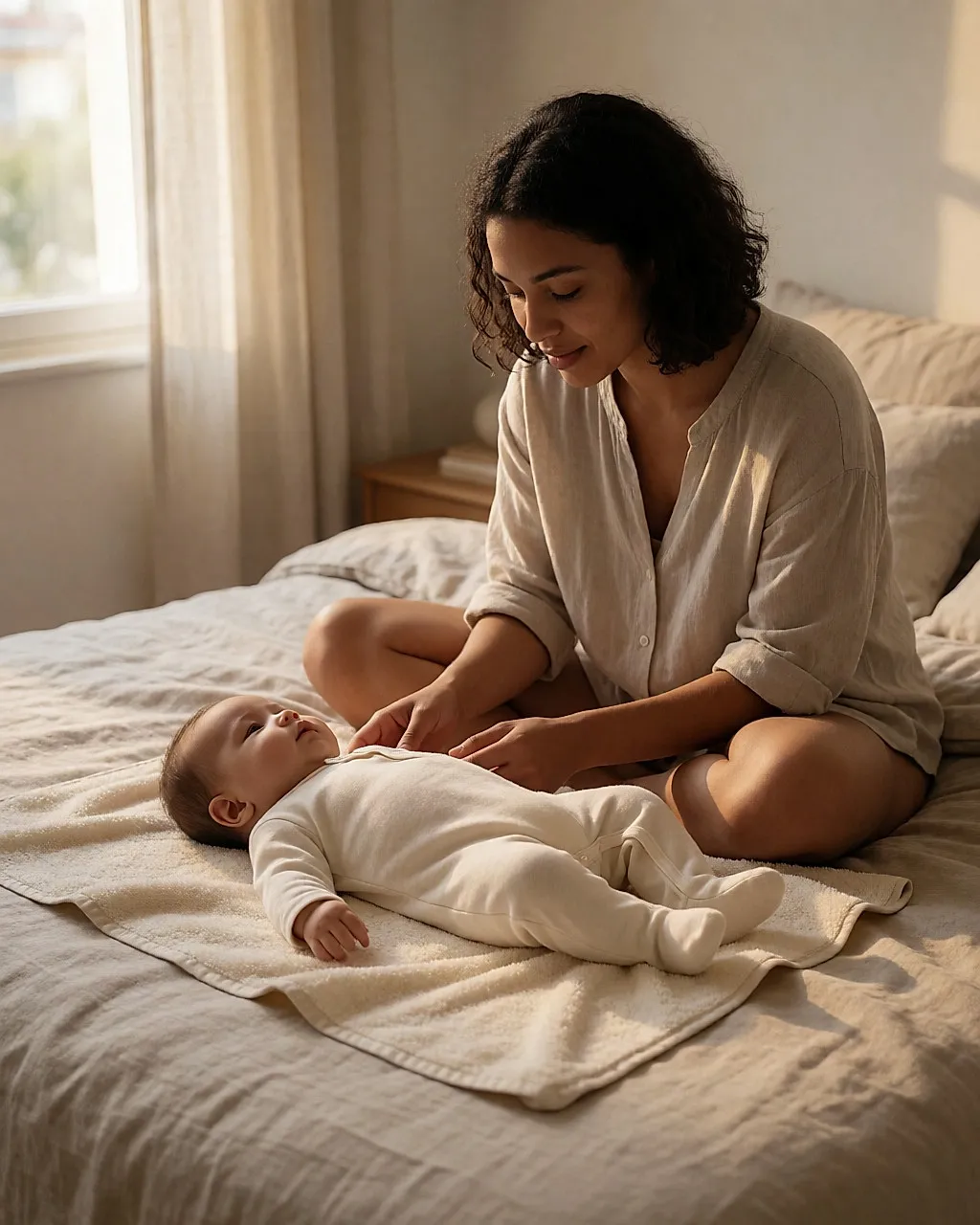
Massage is first and foremost skin-to-skin contact: slow, predictable touch that helps a baby make sense of their body. In the early days, every child reacts in their own way. Some settle and almost fall asleep, others wriggle, others look frankly surprised. None of that is unusual.
When it comes to effects, literature reviews focus mainly on preterm newborns: the Cochrane review referenced below concludes that there may be a benefit for weight gain, but not a clearly demonstrated benefit for other growth measures (length, head circumference) or for development. These findings vary depending on the protocols used. In babies born at term, benefits for sleep or crying are less clear. In other words, it is not a medical treatment, and certainly not a promise. It is time for connection.
In practice: setting up the ritual
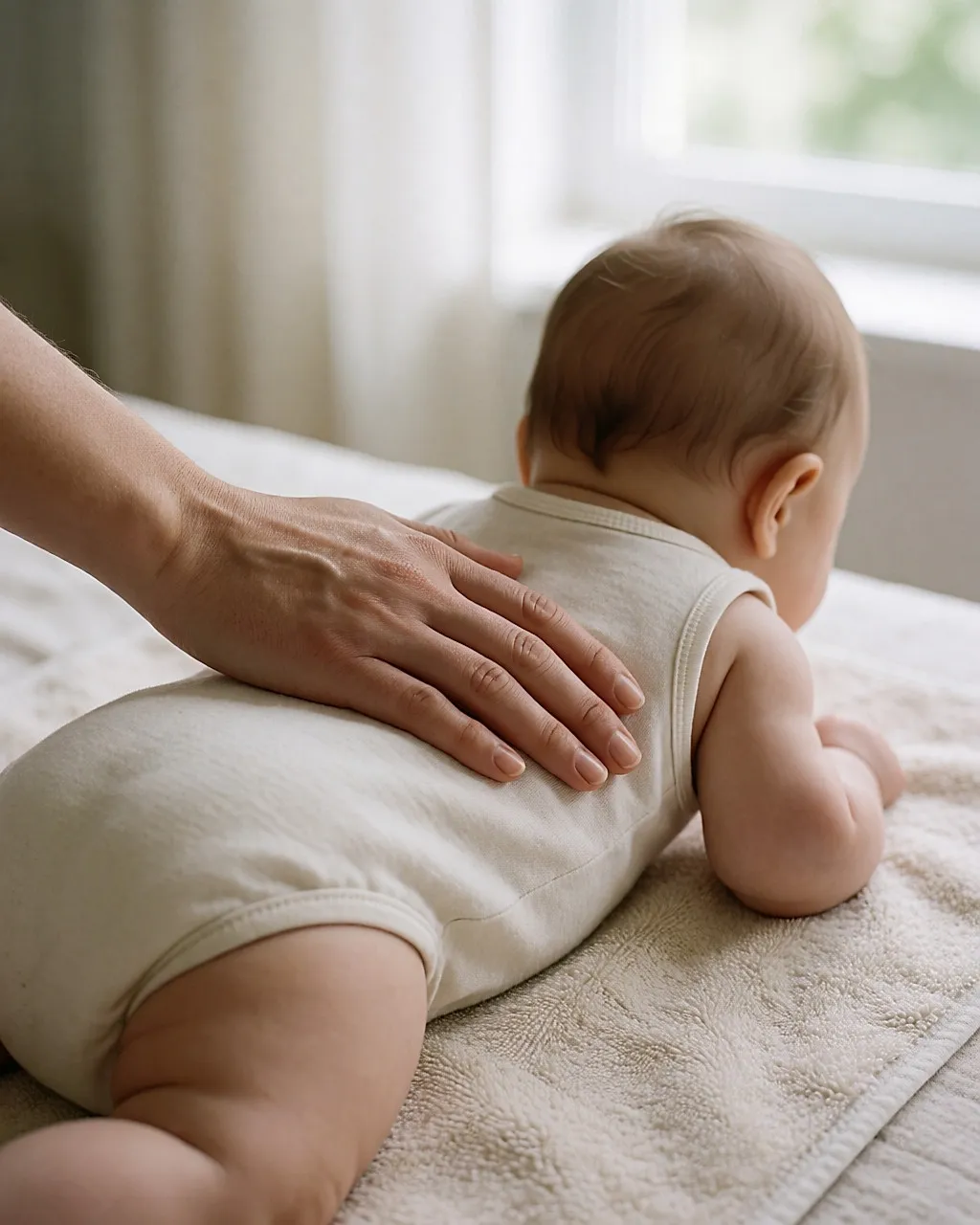
Choose a calm slot, preferably after a bath, and not straight after a feed — in practice, it is better to give digestion time before massaging. Aim for a room that is warm enough, with no draughts, clean warm hands, short nails, and no rings or watch.
Start with a very short session, with no goal in mind. If your baby stiffens, turns their head away or cries, stop there and try again the next day. Once they are used to it, you can extend the time according to your baby.
For the strokes, you can work through: legs from top to bottom, tummy clockwise, arms, shoulders, back, then the face with your fingertips. Use gentle pressure and slow movements, and keep an eye on their reactions throughout.
Which oil to choose?
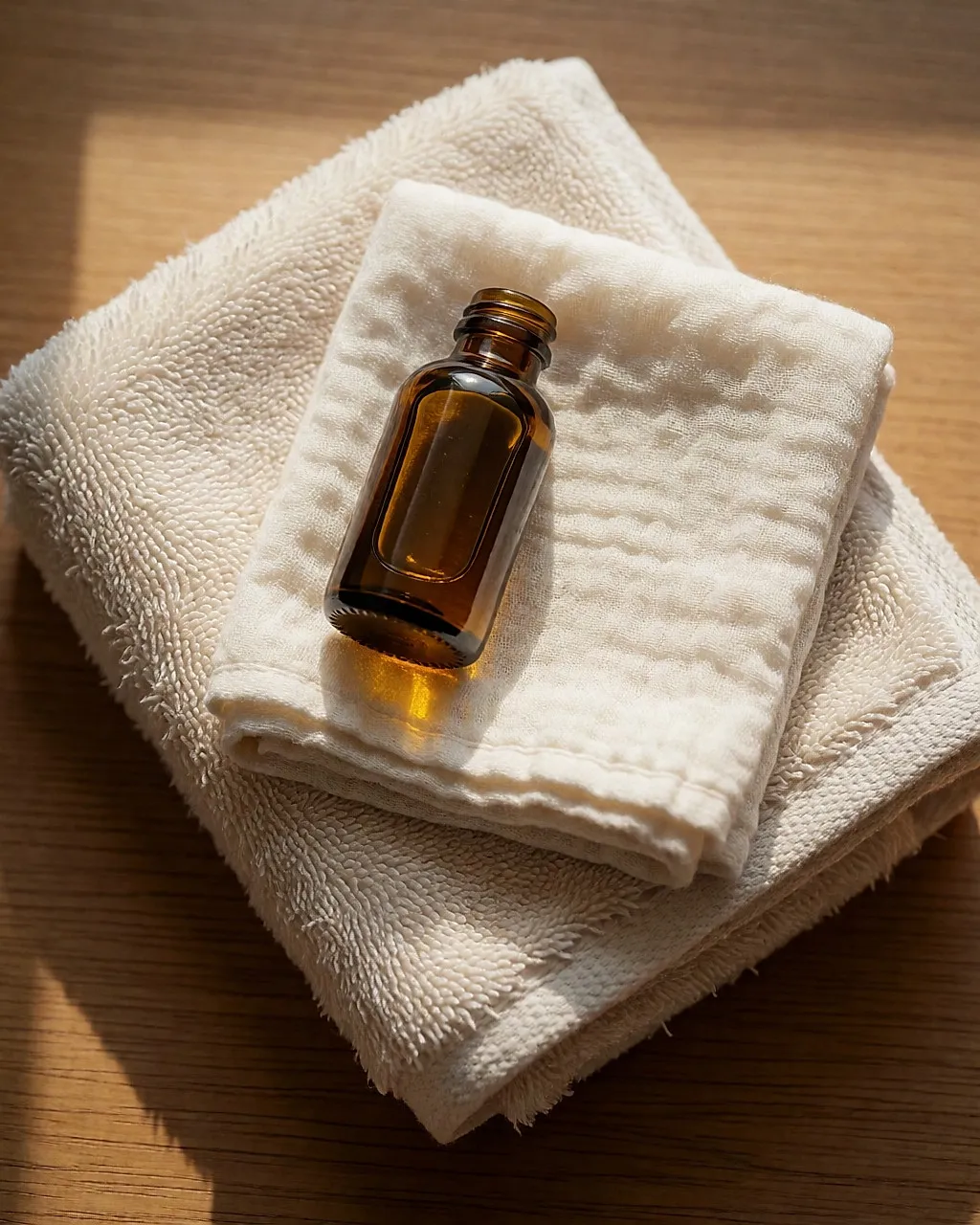
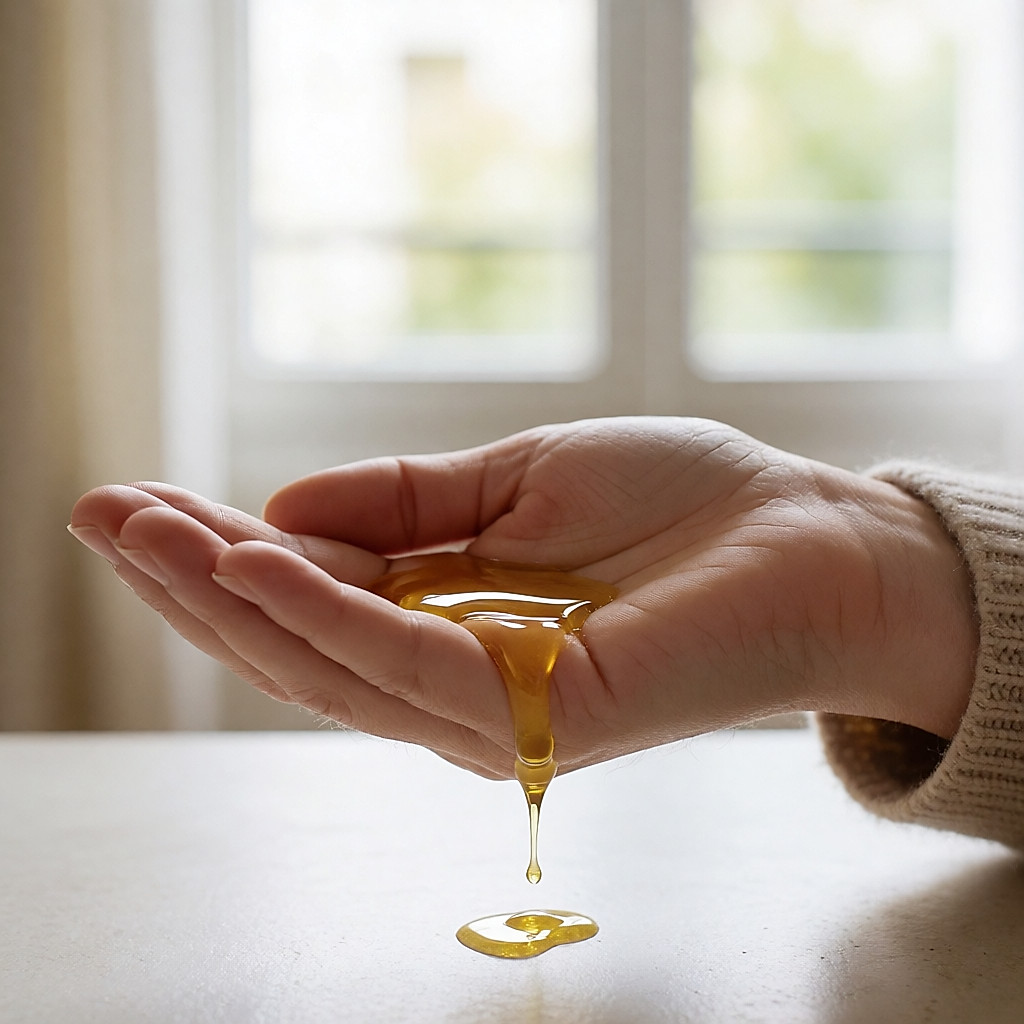
Oil makes the strokes glide more easily and feel more pleasant. The simplest option is a basic nut-free plant oil: sunflower, grapeseed or jojoba. Olive oil, often suggested, is not recommended on a baby's skin — NHS guidance advises against it, as it can damage the skin barrier. Fragranced blends and adult massage oils are not suitable for infant skin, and essential oils are not recommended on a baby's skin. Nut oils should be avoided, especially if there are allergies in the family; the same goes for peanut oil, because of the risk of allergy.
If you want a simple ingredient guide, an organic, cold-pressed plant oil in a glass bottle is often the option with the fewest ingredients — and that is perfectly fine. Labels such as Cosmos Organic set standards for the formula: they require a minimum proportion of organic ingredients and exclude a list of contentious substances; they say nothing, however, about the geographical origin of the plant. For an oil you use only a few drops at a time, packaging carries the most weight: a large glass bottle that you reuse for something else often beats a handy small plastic format.
Mum, dad: take turns
Massage is not just for mothers. Many fathers feel sidelined in the first few months, when breastfeeding takes centre stage. Massage, by contrast, fits easily into the day: a short moment, no bottle or nappy change required, just a pair of available hands. Over time, it becomes a moment where exchanges — smiles, coos, eye contact — naturally find their place. Nothing magical, just time spent together.

Do not massage your baby if they have a fever, are unwell, have patches or lesions on the skin, or are grumpy just after a vaccination. If in doubt, speak to your GP, midwife or health visitor. And if your baby cries, stiffens or looks away: stop and try again tomorrow.
Teething gums
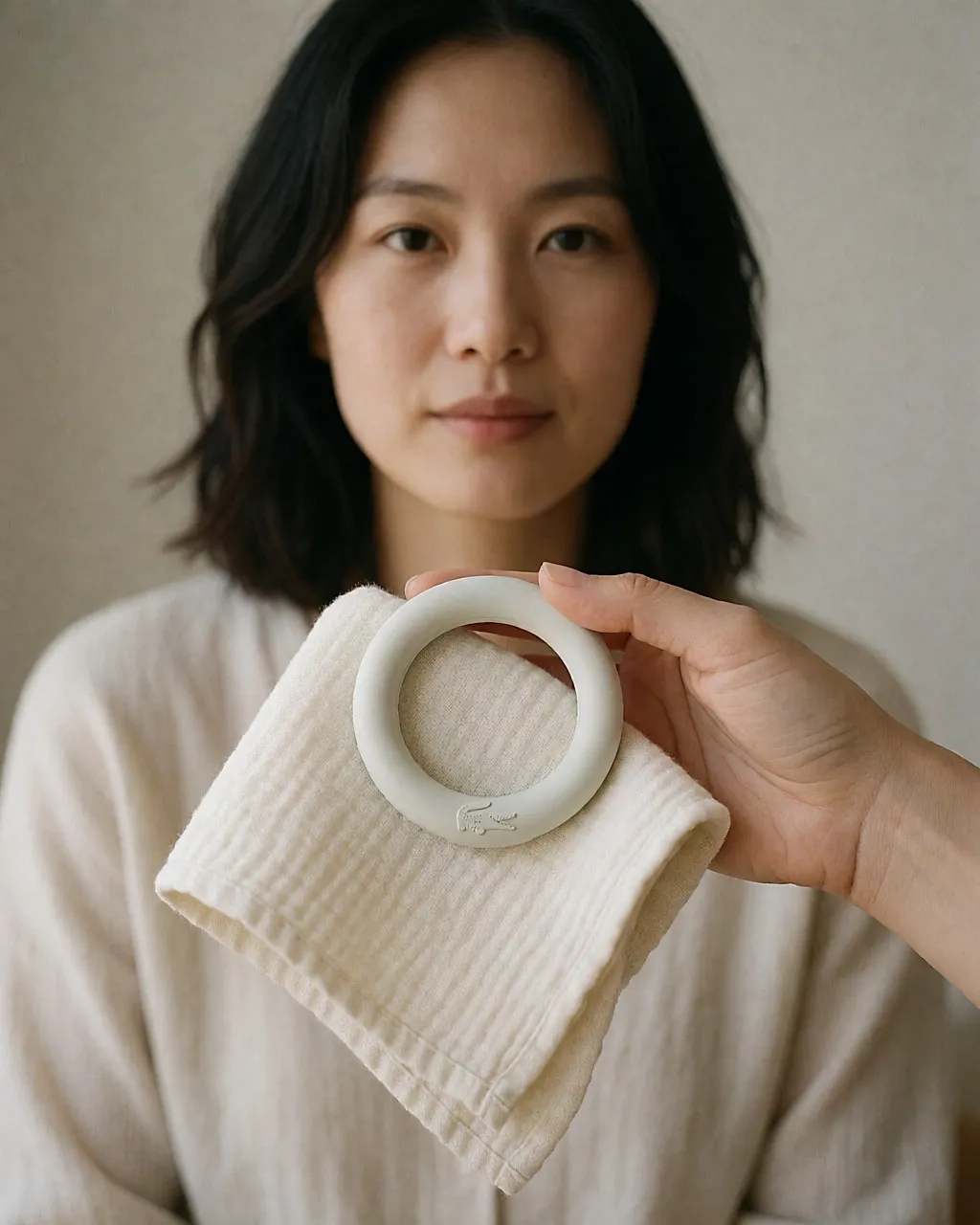
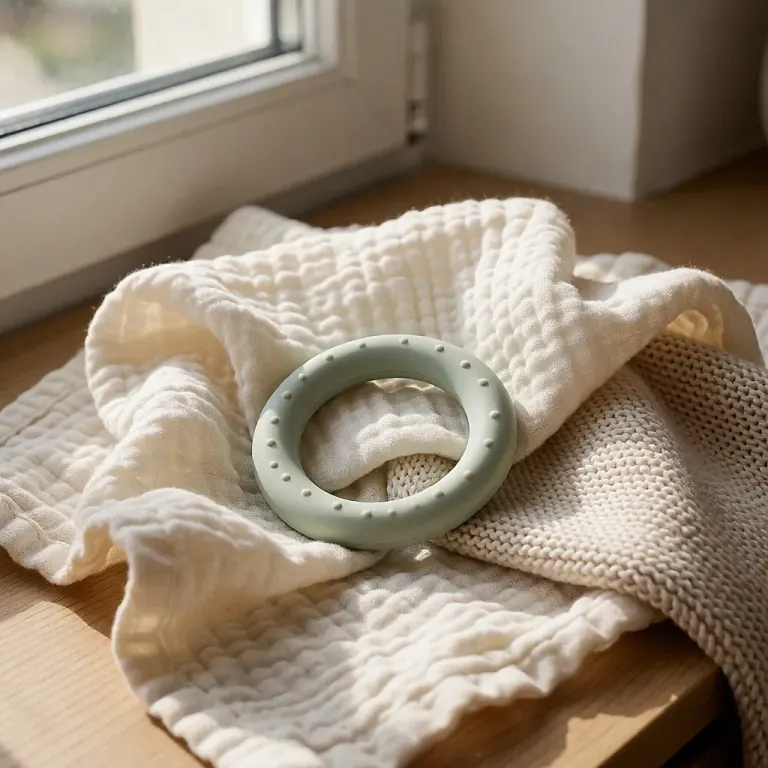
During teething, you can very gently massage the gum with a clean finger, in small circles, without pressing. Some babies love it, others hate it: you will soon see. The evidence on this remains limited, and a chilled teething ring often does the same job. If the pain worries you, ask a health professional for advice.
Budget
Expect to pay around £5–£13 for a 100–200 ml bottle of nut-free organic plant oil (sunflower, jojoba or grapeseed) from a health food shop, pharmacy or online. Avoid nut oils, especially if there is a family history of allergy. Branded baby massage oils tend to cost between £10 and £22, in pharmacies, beauty retailers, supermarkets or online.
For guided sessions, group baby massage classes (children's centres, maternity units, charities) are often free; otherwise expect to pay around £17–£52 per session. A one-to-one session with a trained practitioner is more likely to cost £43–£78.
The differences come from packaging, organic certification, where you buy and the region. Price does not equal quality: a simple plant oil does the job very well.
Sources
- Cochrane Library — systematic review 'Massage for promoting growth and development of preterm and/or low-birth-weight infants'.
- NHS — Start for Life, information for parents on baby massage.
Comments
Your opinion matters: rate the article, react and reply to comments.
Comments are moderated; AI-assisted comments are flagged. Text emoticons (8-), :-), <3…) are automatically shown as images.