
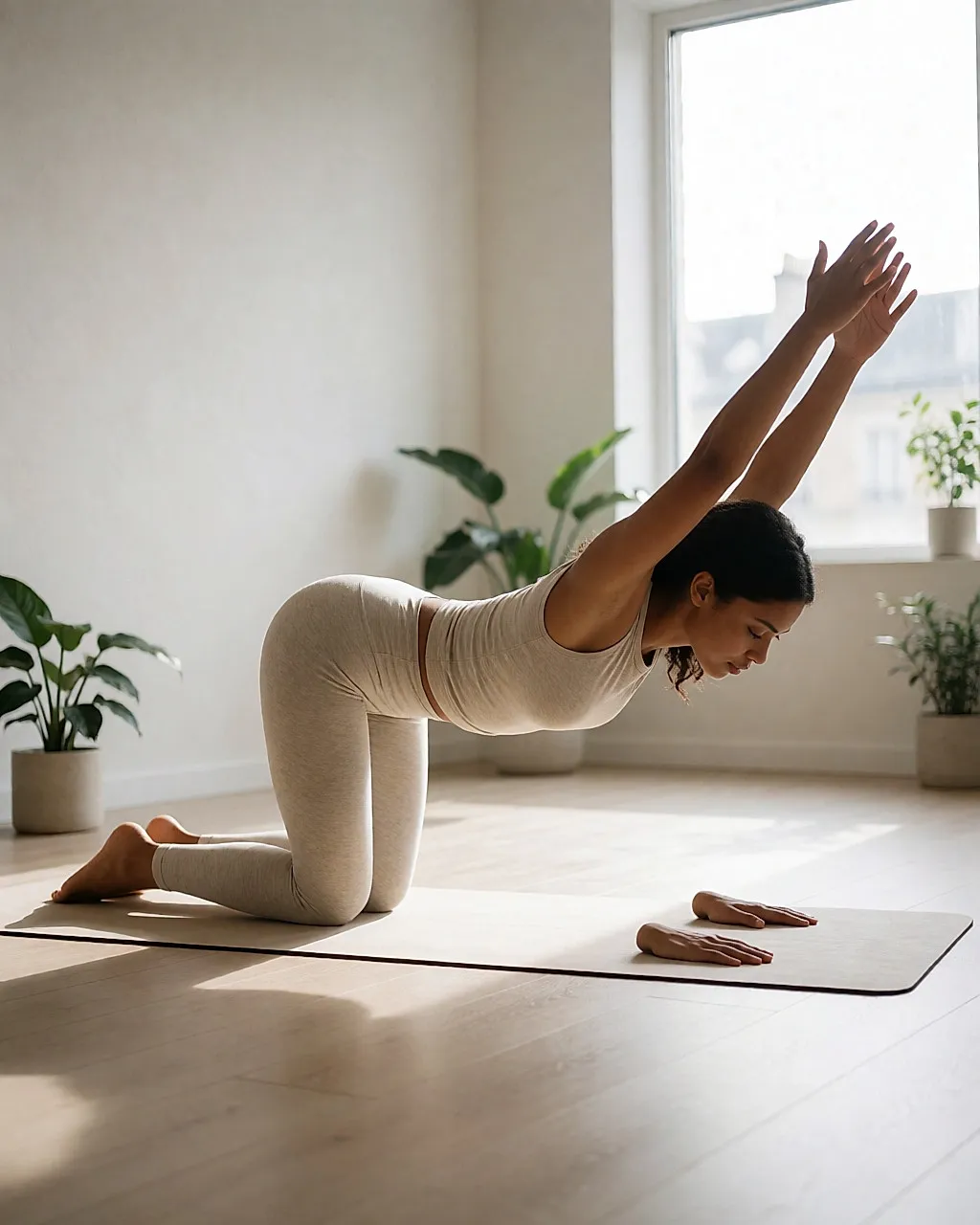
It is a method that dates back more than a century, and yet studios have rarely been fuller. Joseph Pilates, a German who settled in the United States, developed it in the early years of the 20th century around a simple idea: better to wake up the deep muscles that stabilise the trunk than to chase spectacular performance. Since then the discipline has moved out of the dance studio and into gyms, online classes and at-home coaching apps.
What the method actually trains
Pilates does not target a single muscle: it organises a chain. The breath, the placement of the pelvis and the slowness of each movement are all there to recruit the deep muscles, the ones that hold the spine and pelvis in place in daily life. In practice, you learn to feel your transversus abdominis, your glutes and your back muscles, which are often dormant after days spent sitting down.
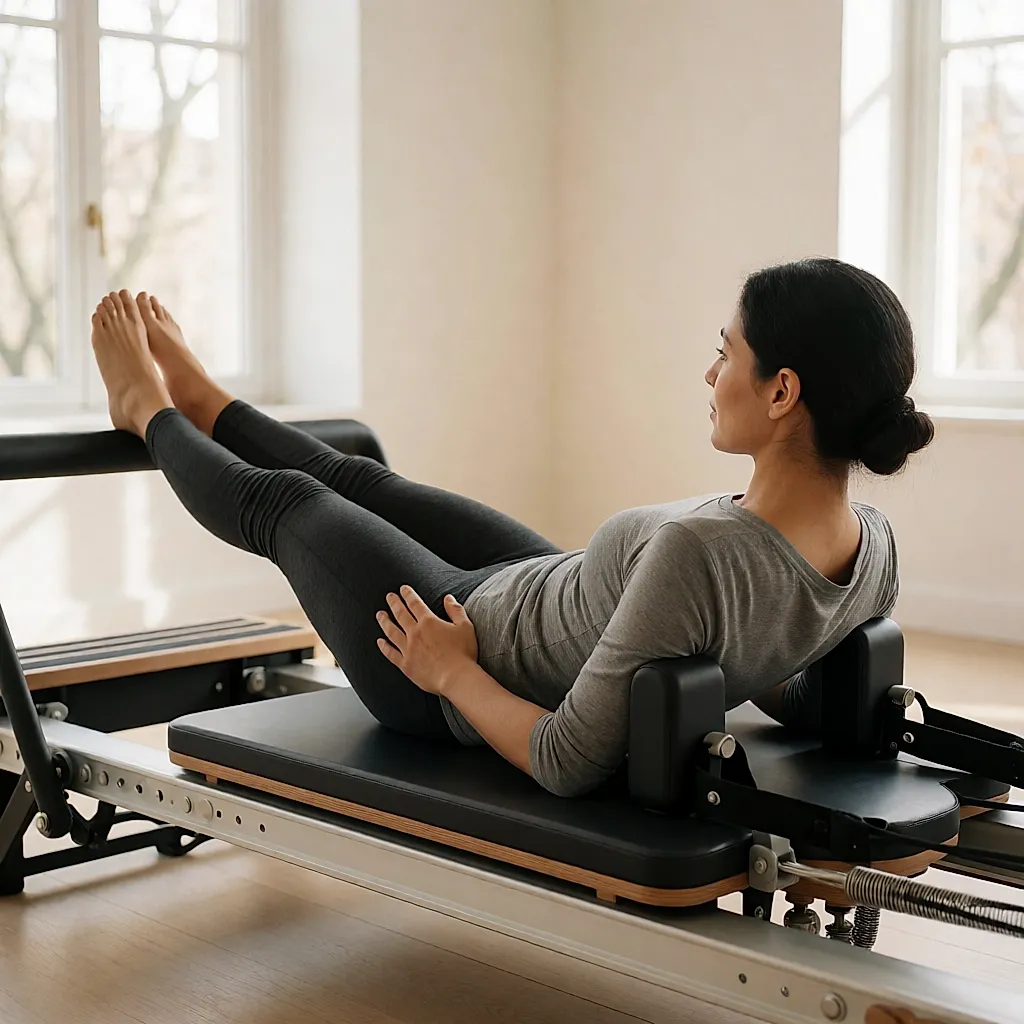
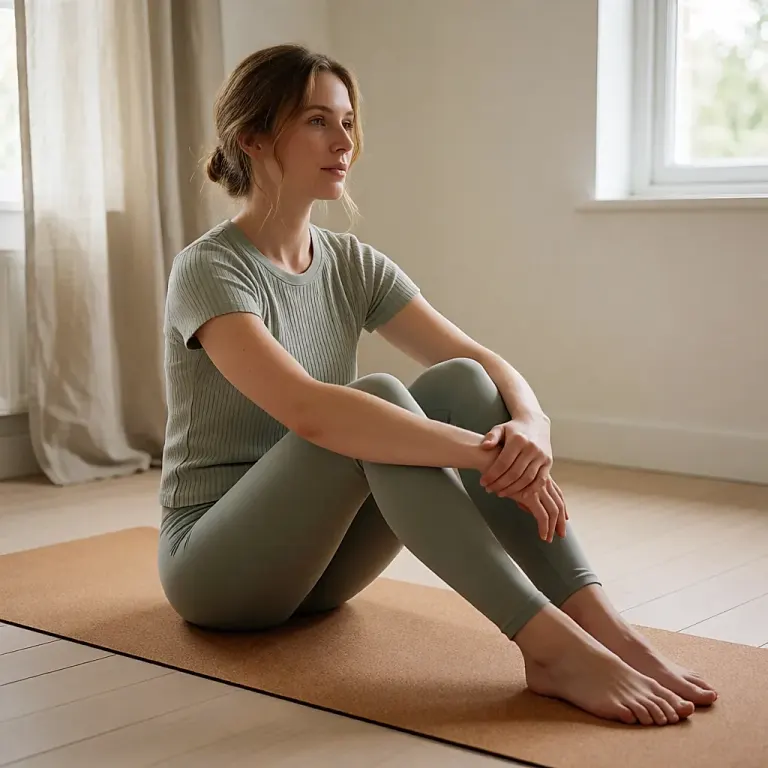
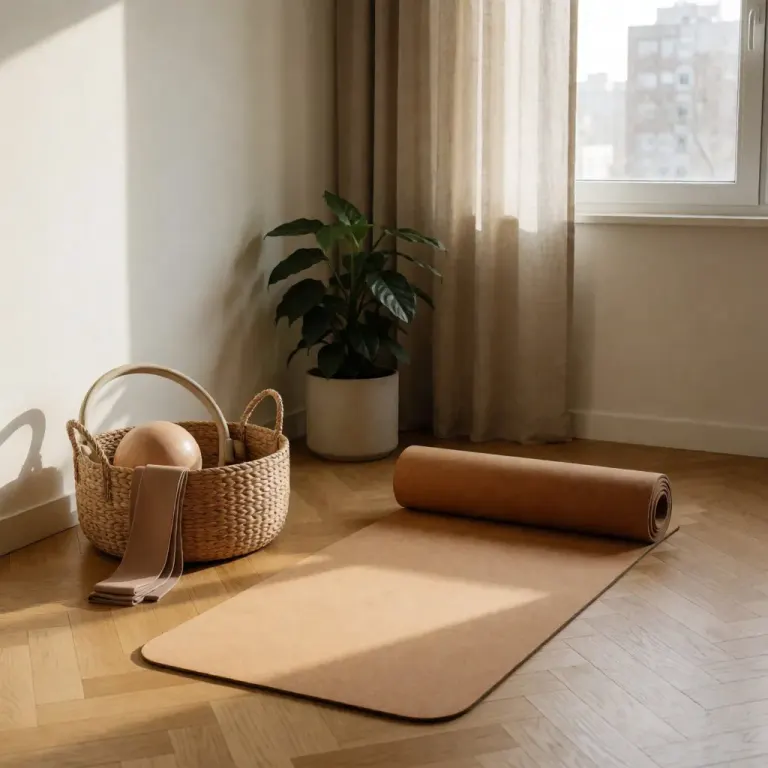
The good news is that there is no impact and no abrupt movement. That is why classes are also suggested for dancers returning to training, runners coming back from injury, or anyone taking up exercise again after a long break. You work on a mat with a resistance band or a small ball, or on spring-loaded apparatus, including the Reformer, which adds resistance and guides the movement.
What the evidence shows so far
The evidence available suggests a moderate benefit for chronic low back pain. A Cochrane review published in 2015 concluded that Pilates reduces pain and improves function in the short term, with results comparable to other forms of exercise. So it is not a treatment, and not a single solution either: it is one physical activity among others, to be built into a wider programme.
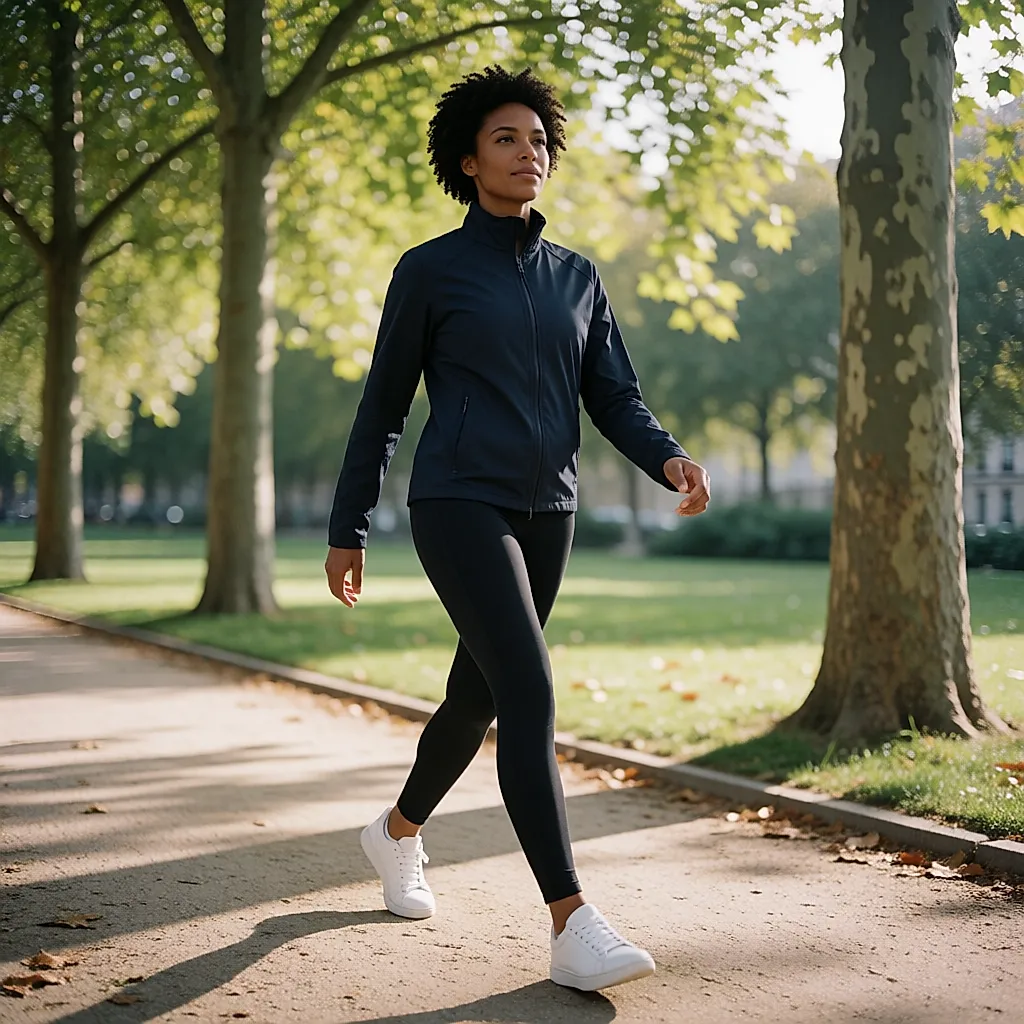
Set against the WHO's benchmarks — 150 to 300 minutes of moderate activity a week, plus two strengthening sessions — Pilates can count towards the strengthening side. It does not replace cardio.
Getting started
Choose a beginners' class, in a small group or one to one, and do not hesitate to tell the teacher about your history. Two things are worth learning first: the breath, continuous, with the ribs opening; then a neutral pelvis and a neutral neck.
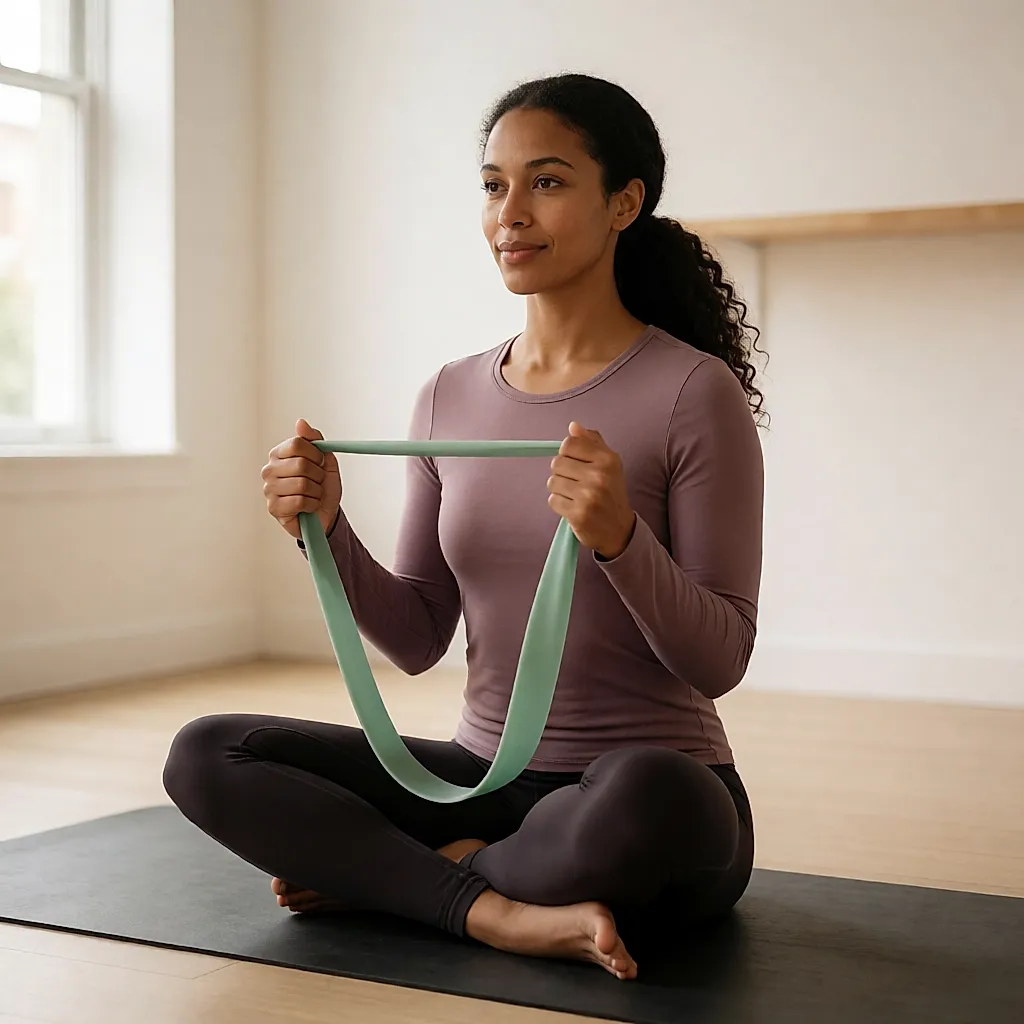
Start with one or two sessions a week, of 30 to 45 minutes. If tension builds in the neck or the lower back, reduce the range of movement rather than forcing it.
Pain that persists, sciatica, pregnancy, recent postpartum or an operation within the last six months: talk to a healthcare professional before you start. Pilates can be adapted, but that adaptation is decided with someone who knows your case.
Prevention and keeping track
Prevention depends less on the individual session than on regularity. Twice a week for three months is worth more than a marathon every Sunday. Note what changes: less stiffness on waking, less fatigue by the end of the day, a movement with more range. Those are the markers that tell you whether the practice suits you.
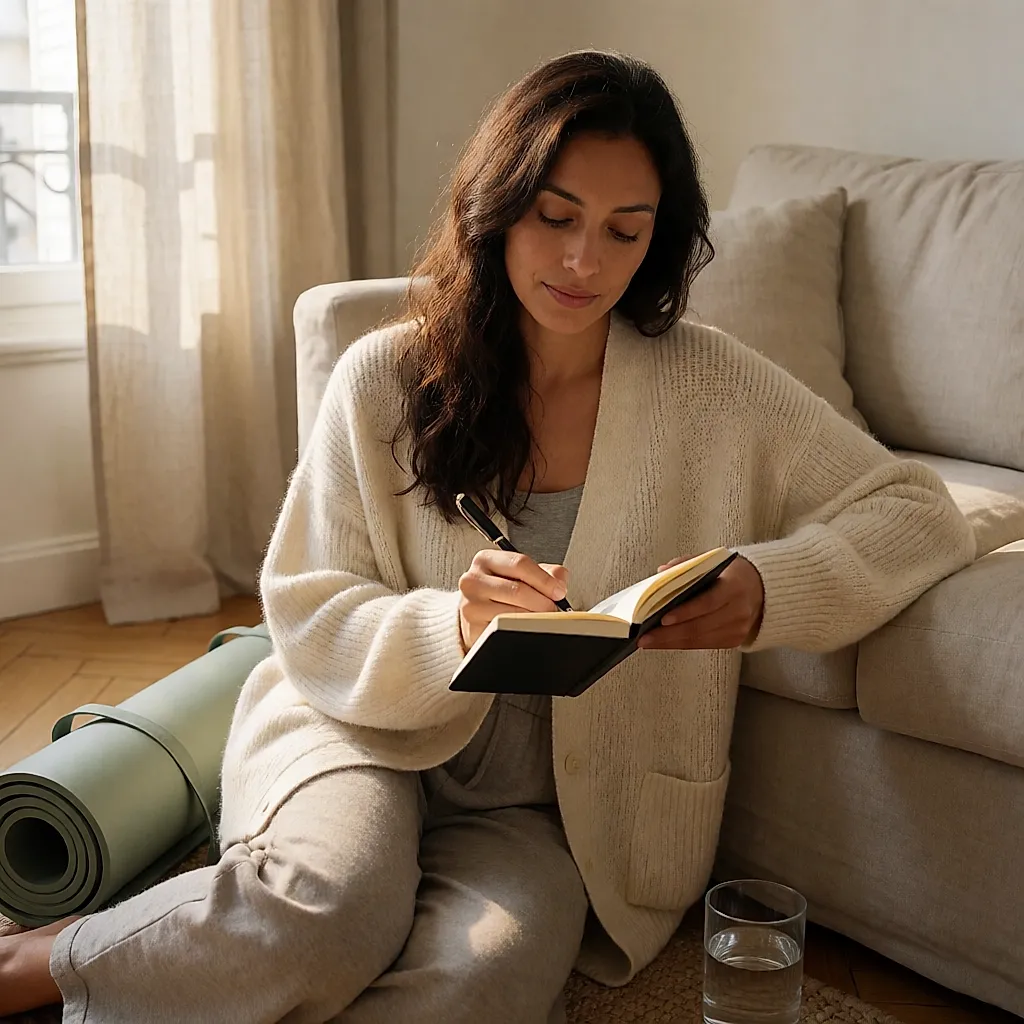
If the pain comes back or moves elsewhere, do not self-diagnose. A physiotherapist or a GP can tell you whether to carry on, to adapt, or whether something else is going on.
What it costs
On price, as a rough guide for the UK: group mat classes generally come in at around £12 to £20 a session, with class passes or block bookings bringing the cost down; one-to-one sessions £40 to £70; small-group Reformer classes £25 to £40. Online subscriptions tend to sit at £8 to £20 a month. On kit, a cheap or second-hand mat costs £15 to £40, while a home Reformer runs into several hundred pounds and beyond — rarely worth it before several years of practice.
Prices vary with the city, the size of the group and the instructor's qualifications. You will find these classes in studios, at sports clubs and leisure centres, in gyms or on an online platform; most offer a taster session. For the mat, cork or natural rubber models avoid PVC: check the composition that is declared, because not every "green" mat is what it claims.
Sources
- World Health Organization, WHO Guidelines on Physical Activity and Sedentary Behaviour, 2020.
- Yamato TP et al., "Pilates for low back pain", Cochrane Database of Systematic Reviews, 2015.
- NICE, Low back pain and sciatica in over 16s: assessment and management (NG59).
- NHS, Physical activity guidelines for adults aged 19 to 64.
Food supplements do not replace a varied, balanced diet and a healthy lifestyle.
Comments
Your opinion matters: rate the article, react and reply to comments.
Comments are moderated; AI-assisted comments are flagged. Text emoticons (8-), :-), <3…) are automatically shown as images.