
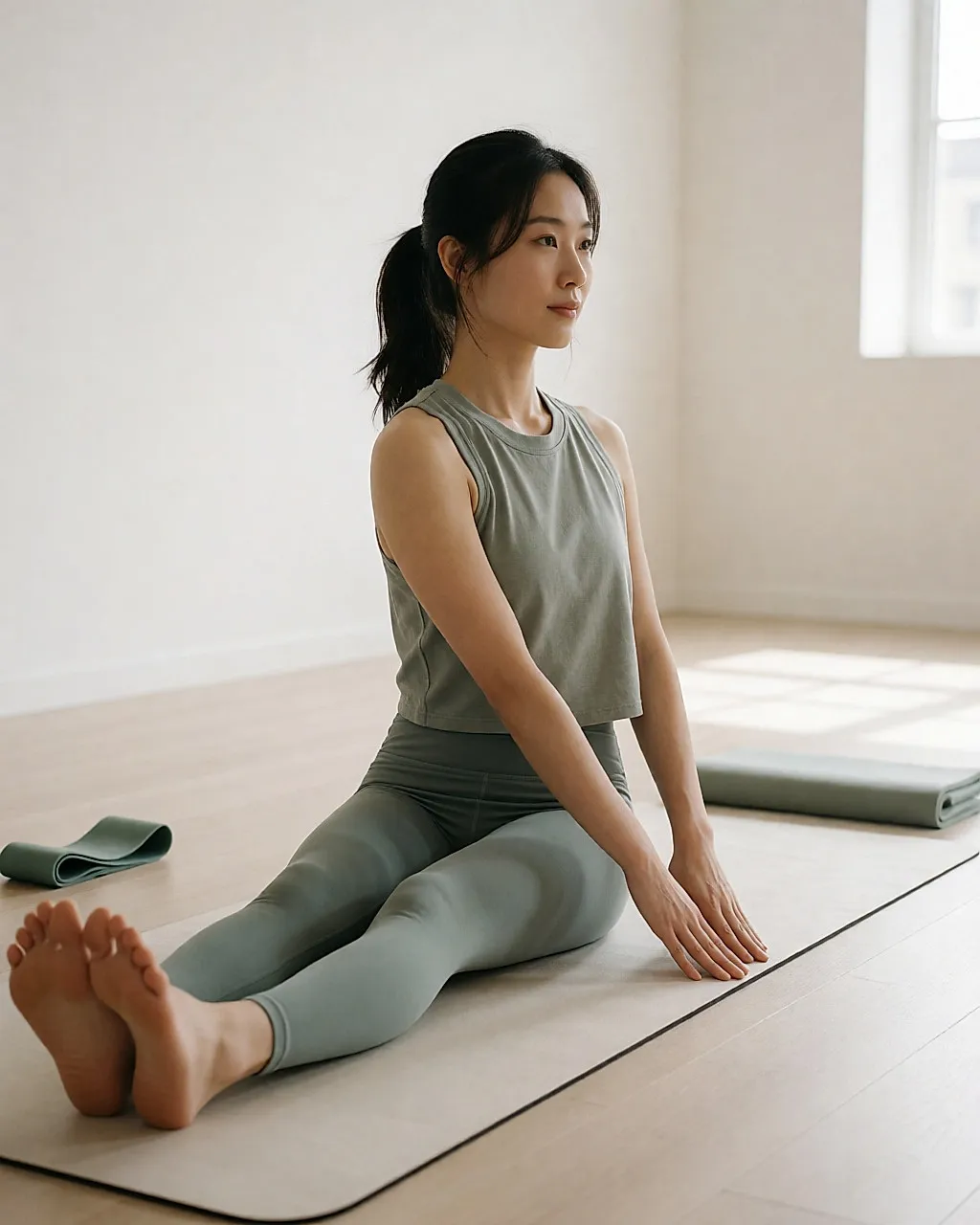
You almost certainly know someone who comes back from Pilates with a straighter back and a rested look. And if you’re the one who can’t stand noisy gyms or workouts where someone barks instructions at you, this might be the discipline you’ve been missing. Good news: the method is nearly 100 years old, and it’s having a moment again. So let’s look at what it’s actually worth, and how to start without spending your whole salary.
Where does the method come from?
It all started with Joseph Pilates, a German who settled in the United States and developed his exercises in the 1920s. His core idea: the body works better when you train the centre first, before the arms and legs. He left behind a repertoire of exercises that pair movement with breathing, from the very simple to the frankly acrobatic.
The vocabulary has aged, but the principle hasn’t moved an inch. You wake up the quiet muscles — deep abdominal muscles, glutes, back muscles — and release the ones that work too hard, especially the neck and shoulders. The pay-off is better-balanced strength and a longer-looking silhouette — although, as with any new practice, soreness is still possible.
Mat or machines?
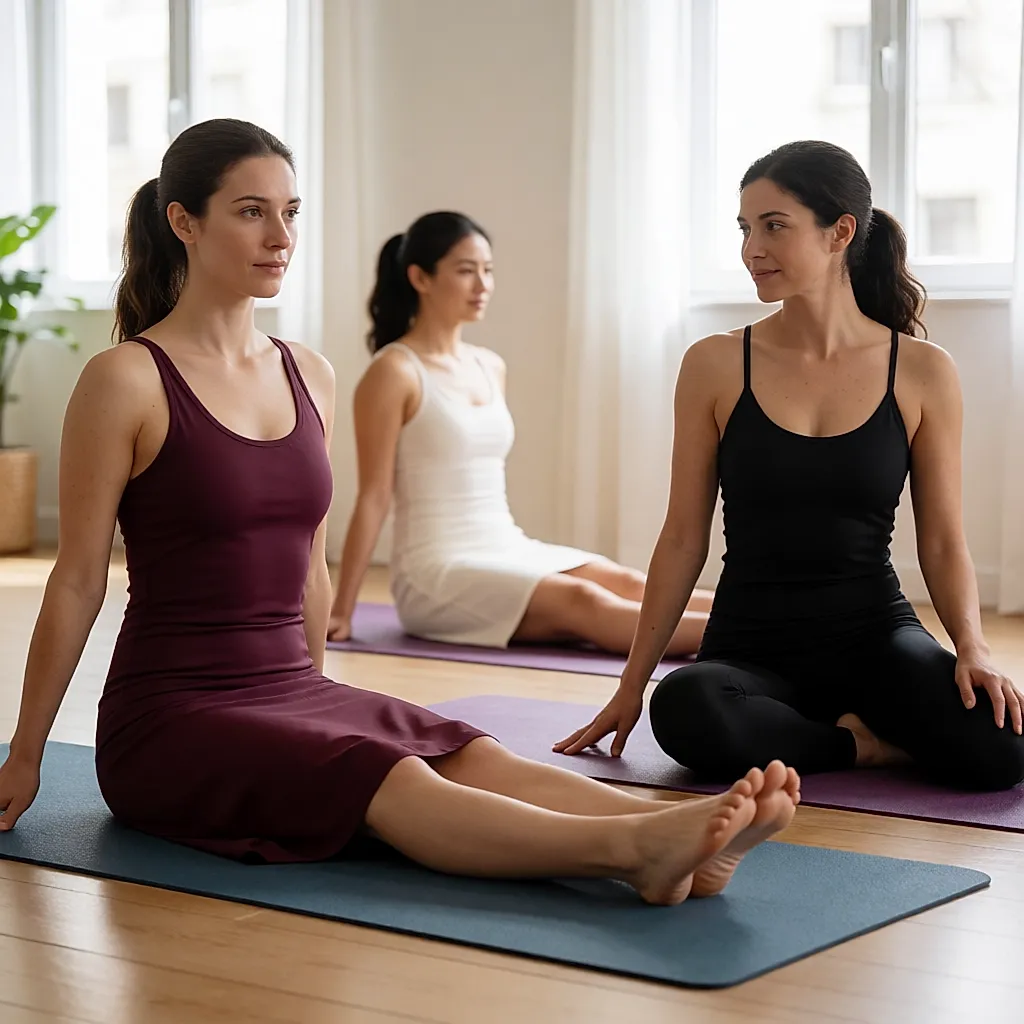
Two schools sit side by side. Mat Pilates is done on the floor, on a mat, with a resistance band, a small ball or a ring. It’s the most accessible version: the one you’ll find in group classes and the videos you can follow in your living room.
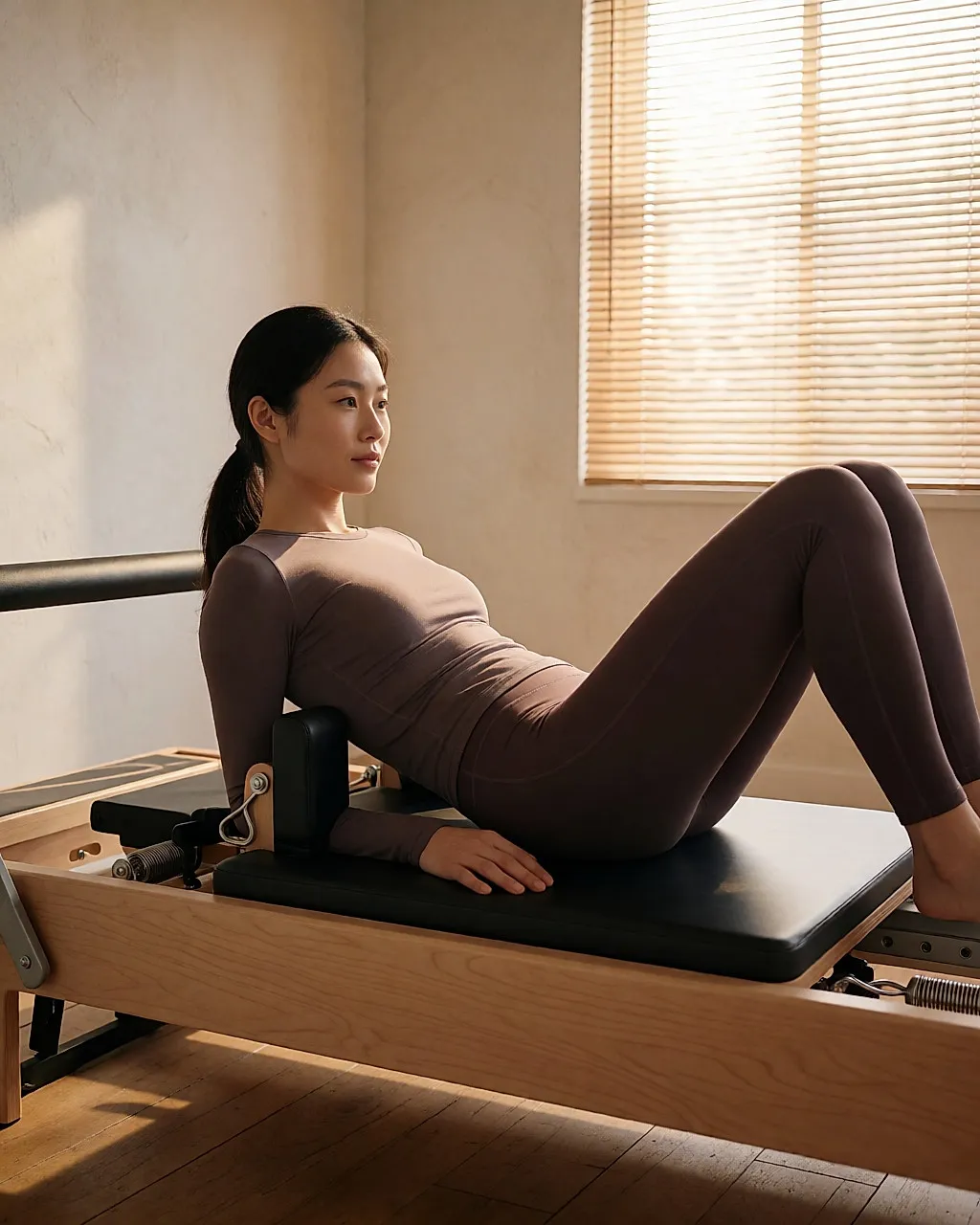
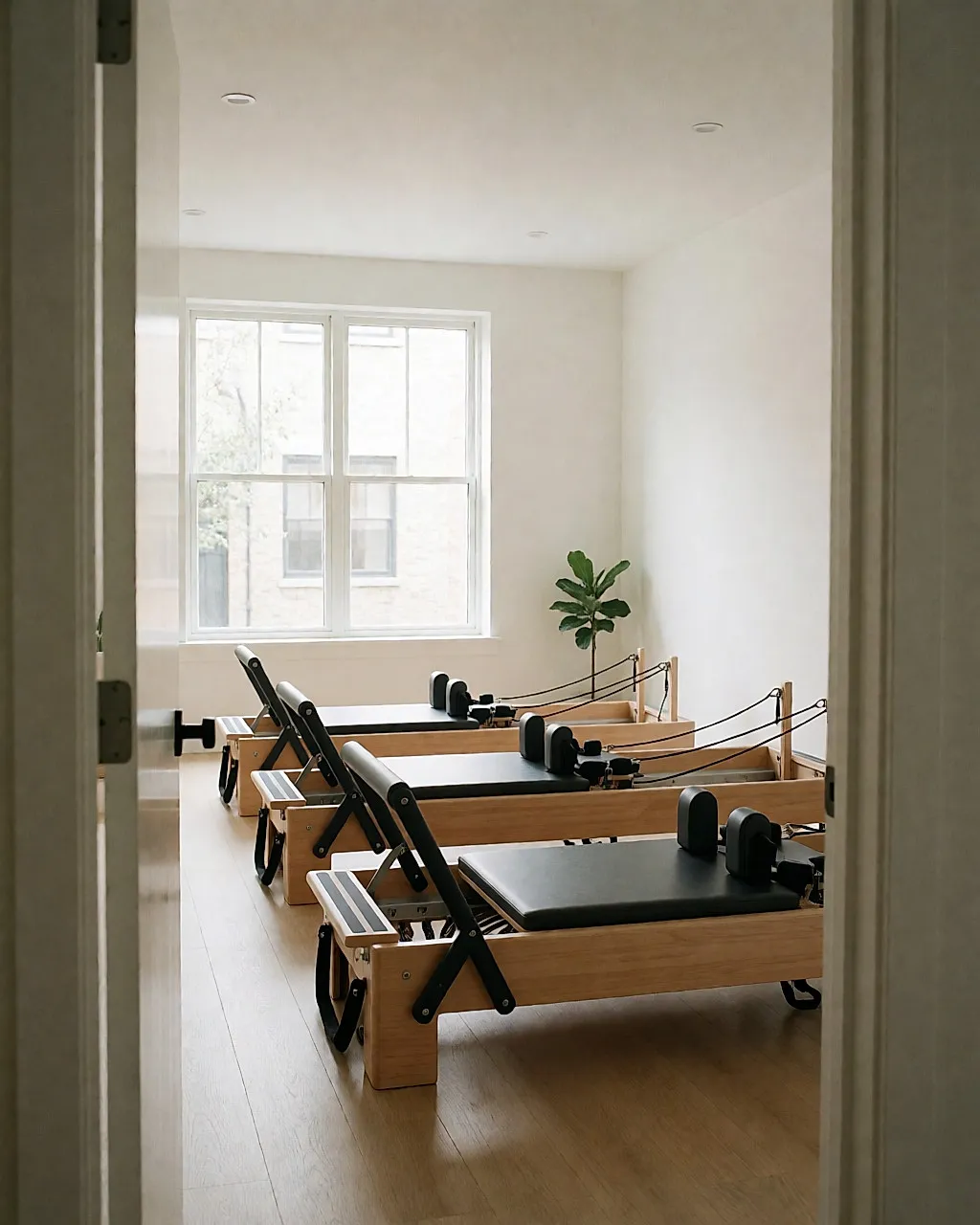
The other family uses spring-loaded machines — Reformer, Cadillac, Wunda chair — that support the movement and add resistance. They look impressive when you first walk into the studio, but the work is more guided than it seems.
Trend-wise, it’s the small neighbourhood studios that are driving the discipline now, with Reformer classes capped at a handful of people. Then there are hybrid versions, such as wall Pilates done against a wall, and apps that tide you over if you want to try at home. Still, nothing replaces a teacher who corrects your posture in those first few sessions.
Before signing up for a membership, try a small-group taster session. Ask the teacher about their training (for example, a Level 3 Pilates qualification or another recognised certification) and how many people maximum per class: on machines, a group that’s too large inevitably dilutes the corrections.
Does it really work?
For general fitness, yes. The method can improve strength, flexibility, coordination and posture. On the health side, the strongest evidence concerns back pain: a 2015 Cochrane review concluded that Pilates may reduce pain and disability in people with chronic low back pain, with a moderate to low level of evidence.
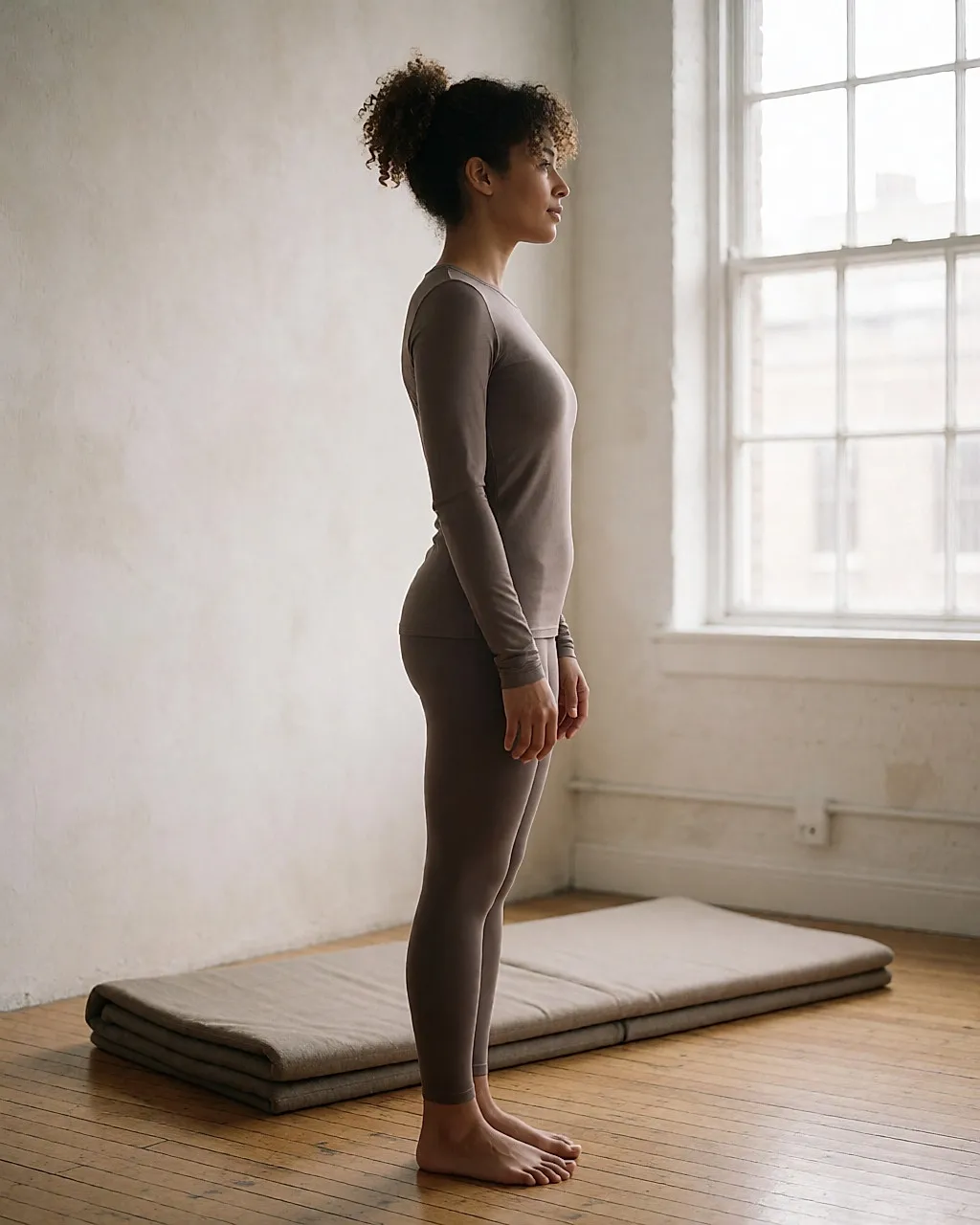
No miracle, though. In practice, it’s your consistency that makes the difference, not a magic number of sessions. And if you have an injury or are pregnant, speak to your GP first.
Budget
Prices vary enormously from one format to another. As a rough UK guide:
- Group mat class, in a gym or studio: around £10–20 per class, often less with a block of ten.
- Multi-activity gym membership: around £25–60 per month.
- Small-group Reformer class: more like £25–45 per class, and higher in some large cities.
- One-to-one session: £50–90 an hour.
- Mat: £15–50 from a sports shop or online, up to £100 for a thick, non-slip model.
- Non-slip socks: £8–20 a pair.
- Small equipment (resistance band, ring, ball): £10–35 each.
What pushes the bill up? The city, the size of the group, whether machines are involved and the teacher’s status. The best-value route is still the taster class, often free or discounted, and class passes that bring the unit price down.
Sources
- Joseph Pilates, Return to Life Through Contrology, 1945 (reissued since).
- Yamato TP et al., ‘Pilates for low back pain’, Cochrane Database of Systematic Reviews, 2015.
- World Health Organization, WHO Guidelines on Physical Activity and Sedentary Behaviour, 2020.

Comments
Your opinion matters: rate the article, react and reply to comments.
Comments are moderated; AI-assisted comments are flagged. Text emoticons (8-), :-), <3…) are automatically shown as images.