

Some mornings you have seven minutes. Seven minutes, two children, an appointment that won't shift. That's exactly when semi-permanent makeup stops being a vanity extra and becomes a very practical question: how much time do you spend every day redrawing what could be done once and left alone?
Let's be upfront: I haven't tried this technique on myself. What follows is researched and cross-checked against what specialist clinics offer today, including the Long-Time-Liner method used at Institut Charlène in Aix-les-Bains, France.
What are we actually talking about?
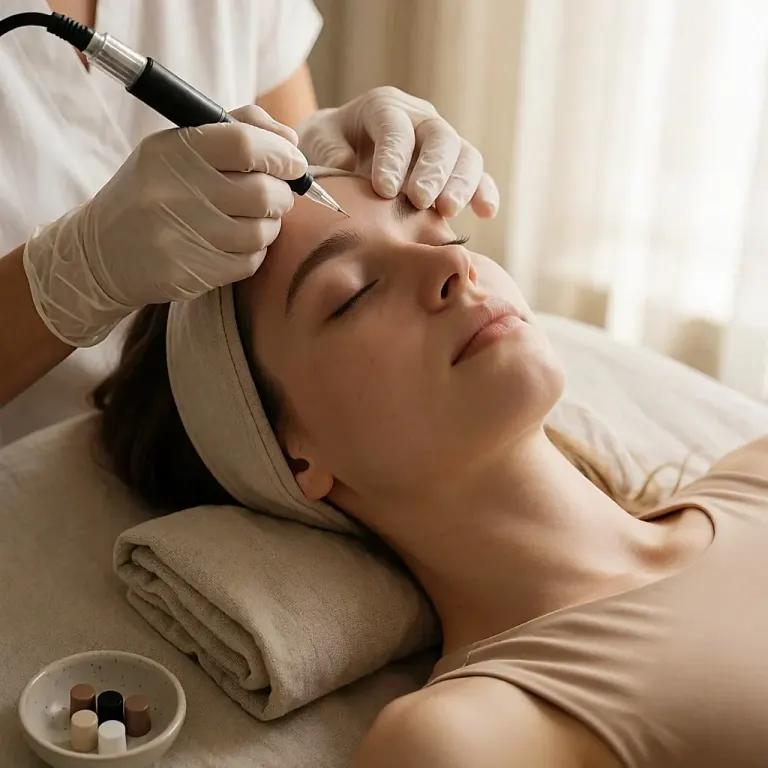
Semi-permanent makeup is micropigmentation. Pigments are placed very superficially in the skin using a dermograph or a blade, depending on the technique. So it's not a classic tattoo, and it's not makeup that washes off: wear time is measured in months, not hours — and that's the whole point.
The treatment crosses the skin barrier: impeccable hygiene, a trained practitioner and sterile single-use equipment are non-negotiable. Some situations call for extra caution and a medical conversation first — if you're pregnant, have an active cold sore, take blood-thinning medication, or your skin is fragile or in a flare-up. Ask for a consultation and a patch/compatibility test beforehand, and remember that no result will look identical to a photo you've seen online: healing depends on your skin, your age and your routine.

Brows: hair-stroke or powder finish
It's not widely known, but eyebrow hairs have a short growth cycle and shed quickly. After years of over-plucking, there's sometimes not much left to draw, especially in sparse areas.
Two families of technique sit side by side today. Microblading uses a blade to trace fine hairs for a very realistic finish. Machine micropigmentation, known as 'powder brows', creates a softer powdered fade, like a veil of powder laid under the hair. Many clinics combine both, precisely to avoid a too-drawn effect.
The aim stays the same: fill gaps, redraw a harmonious line, and forget the blue-tinted brows of the 2000s. The work is done hair by hair, then softened on the surface.
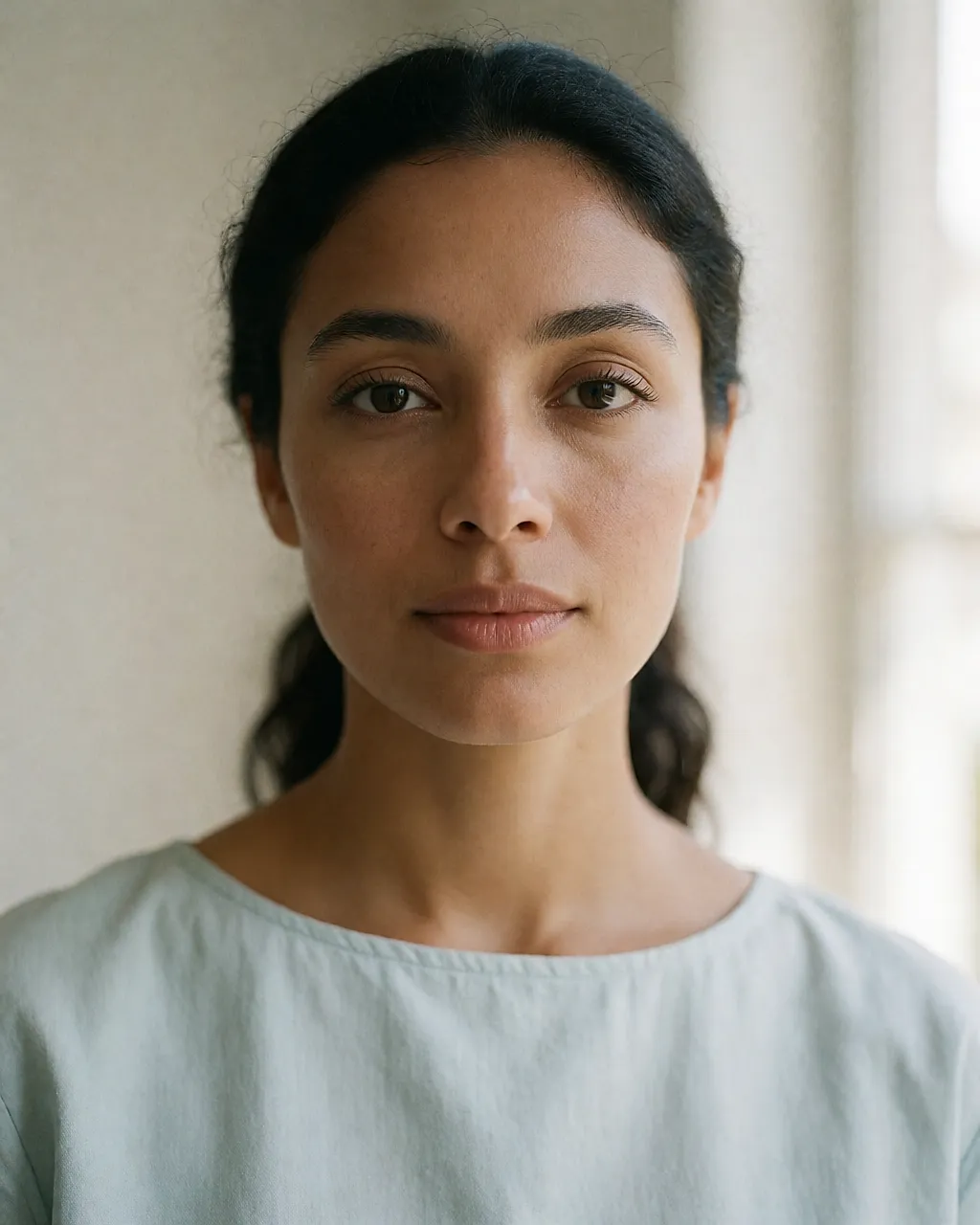
Eyeliner: three thicknesses, three effects
Want a look that lasts from waking to bedtime? Pigment can be placed between the lashes — the game-changer if you have sparse lashes — along the upper lash line for a subtle finish, or thicker for a more defined eye. The lower eyelid is possible, but trickier.
This is the area that generally holds best over time, with no guarantee of duration: it all depends on your skin, your practitioner and your habits. In real life, for a swimming lesson or a workout, it's a genuine convenience.

Lips: outline, fill, blend
The principle is simple: the outline is redrawn in a chosen shade, then filled evenly. Asymmetries are corrected, the shape is smoothed. The full-blend technique, a signature of the Long-Time-Liner method, gives a gradient that blends into your natural lip colour.
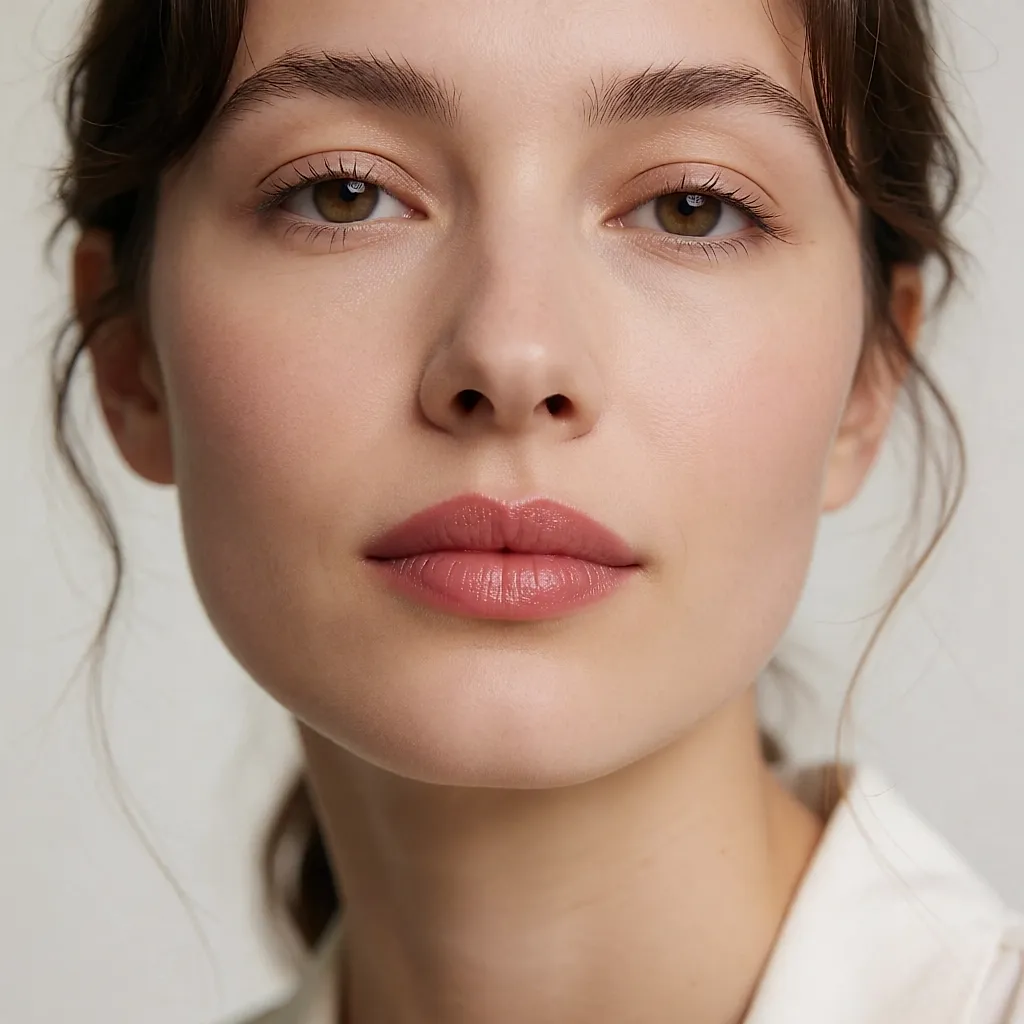
Some clinics add an optional highlight at the centre of the lips for a subtle plumper look. The result: after a meal, a fit of giggles or a kiss, your mouth still looks defined.

Budget
| Treatment | Typical UK price range |
|---|---|
| Brows | £250–£500 |
| Eyeliner | £180–£400 |
| Lips | £300–£550 |
| Top-up (1–3 months later) | £50–£150, often included |
| Refresh (1–3 years) | £150–£300 |
These are rough guides only: think around £250 for a limited area and up to £500–£550 for a full treatment on both lips. What pushes the price up? The practitioner's experience, location, technique chosen (blade or machine), number of sessions and the area treated. A full lip rework is not the same as a small brow gap-fill.
Where should you go? A specialist micropigmentation clinic, some beauty salons, or a cosmetic doctor or dermatologist if your skin is sensitive. It's not a service you'll find in a chemist or a department store beauty hall, unlike regular makeup. Ask for a written quote, and make sure you know what's included in the top-up appointment — that's where nasty surprises creep in.
A word on pigments and equipment, too. In the UK, tattoo and permanent makeup inks are covered by UK REACH restrictions, and the EU regulation from 2020 has also pushed several substances out of many formularies. You can absolutely ask your practitioner which pigments they use and whether their composition complies. As for the rest, let's be honest: single-use needles and cartridges, gloves, sterile drapes… this treatment creates waste, and there's no credible 'zero-waste' version. The best compromise is a properly trained, responsible practitioner rather than an unlikely green promise. Aftercare, though, can stay simple: a short-ingredient healing balm, no fragrance or essential oils, and nothing else while the skin is repairing.
Sources
- Commission Regulation (EU) 2020/2081 of 14 December 2020 — restrictions on substances in tattoo and permanent makeup inks (EUR-Lex).
- UK REACH — Health and Safety Executive guidance on tattoo and permanent makeup inks.
- Long-Time-Liner, official brand site (long-time-liner.com).


Comments
Your opinion matters: rate the article, react and reply to comments.
Comments are moderated; AI-assisted comments are flagged. Text emoticons (8-), :-), <3…) are automatically shown as images.