
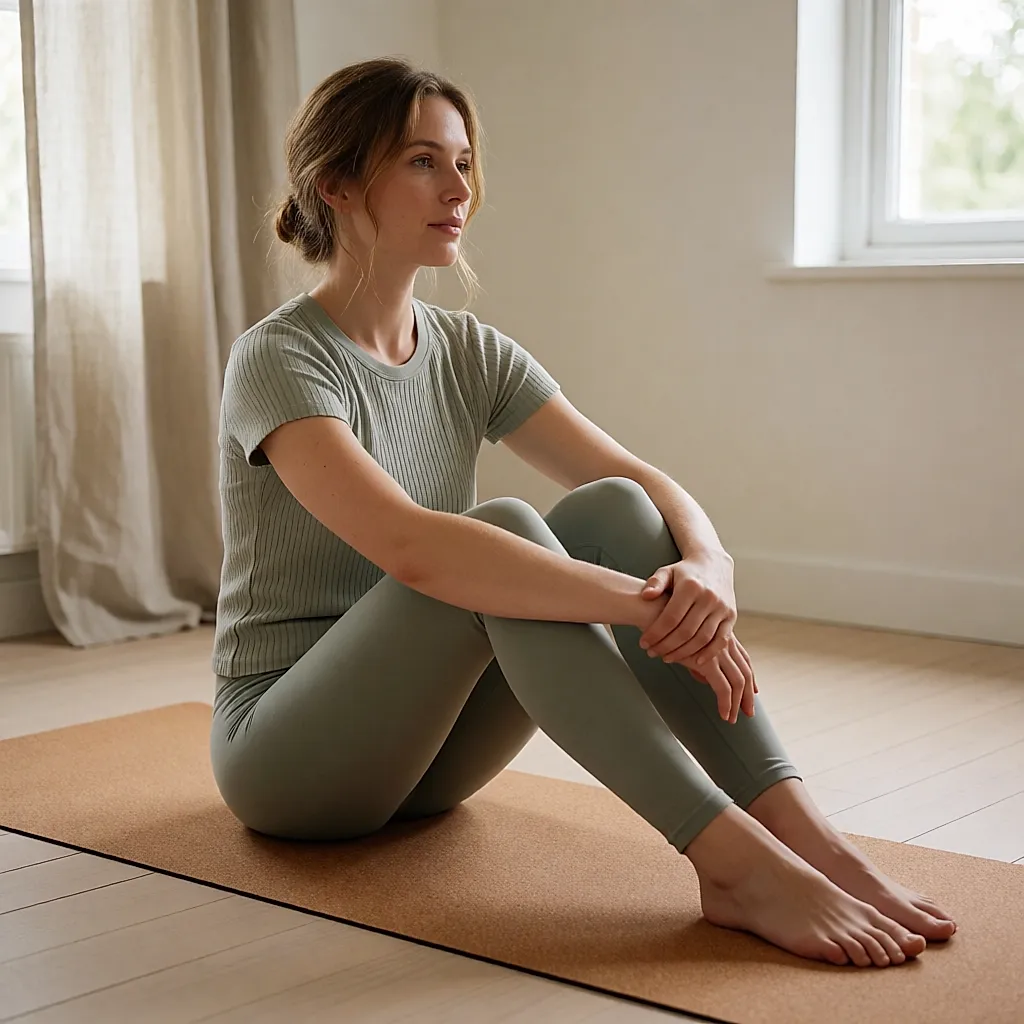
The sofa is calling, yesterday’s session is making itself known, and a small voice is suggesting a compromise: move a little, but take it easy. This is exactly where things get tricky — the line between a proper rest day and active recovery is finer than you might think. It shifts according to what you did yesterday, how you slept, and the light that is fading. Let’s be clear from the start: no smartwatch is going to make that call for you.
Two different things, often confused
Active recovery means low-intensity movement with no performance goal: walking, gentle swimming, cycling on the flat. A rest day is something else — you do nothing, and that is the point. The classic trap? Adding up all the “just a little” until your body never gets proper rest. Seven days of easy walking is not recovery: it is a week of activity.

In practice, a simple guide: you should be able to hold a conversation while moving, and stop without frustration. If you are counting kilometres or checking your watch, you have slipped back into training mode. Twenty minutes of easy walking, a few minutes of mobility within a comfortable range, three slow breaths — it sounds like nothing, and yet it is often exactly what was needed. For reference, international guidelines put moderate-intensity aerobic activity for adults at 150 to 300 minutes a week: it is not a daily quota to tick off.
What yesterday asks of you
After a genuinely hard session — intervals, a heavy leg session, a long training session — the next day is not a day for payback. Walk slowly, move gently, do a little breathing. The body repairs during that time, not during the next session.

After a day spent sitting, the logic flips: it is gentle movement that gets everything moving smoothly again. A gentle loosen-up, the kind that eases your neck and hips. Moving is then no longer an extra workout: it is basic maintenance.
And when the night has been short — waking at 3am, a deadline finished too late, a sick child — the right answer is rarely “come on, let’s get motivated”. The gentlest movement, or none at all. Current evidence suggests that lack of sleep affects muscle recovery and how hard effort feels; there is nothing brave about forcing yourself when the tank is empty.
The signs that reassure, the signs that warn
When recovery is going well: soreness fades within a few days, the urge to move comes back on its own, sleep holds steady, and your waking pulse returns to its usual pattern. Nothing dramatic — just energy slowly coming back.

When things are off: fatigue that does not lift despite quiet days, performance going backwards, sleep breaking up, unusual irritability, injuries returning to the same spot. In women, a cycle that shifts or stops is a signal not to dismiss. This is not a diagnosis; it is a reason to seek advice from a GP or a sports and exercise medicine doctor, who can help work out what is going on.
No app can identify overtraining for you. If fatigue lasts, if sleep gets worse or if pain settles in, speak to a healthcare professional rather than adjusting your programme on your own.
Autumn moves the goalposts
The shortening days change things more than we realise. You get home earlier, go out less, and the evening walk turns into a direct route to the sofa. Moving your gentle outing to the middle of the day, while the light is still there, often does more for your mood than any November resolution.

This light also matters for our body clock, and therefore for sleep quality — and sleep is the silent pillar of recovery. Fifteen minutes outside in the late morning: it is a modest habit, and it is often the one we forget.
Three habits that work against you
The catch-up session, first. That Sunday evening when you pile on a big session to make up for three empty days — and start the week already drained. The body has no accounting memory; it remembers load.
Pushing stretches when cold, next. Without a warm-up, chasing maximum range does not add much and can irritate. A few minutes of walking, then gentle mobility: the order matters more than the duration.
The most insidious one, finally: turning recovery into performance. Timing your mobility session, comparing your steps, ticking boxes. Rest is not a sport.
So, tomorrow? No battle plan. A walk with nothing at stake, ten minutes of mobility, one proper day off in the week — and the honesty to recognise fatigue that does not lift. It is less dramatic than a twelve-week programme, and it is often what helps you keep going for the long haul. The rest, we can happily leave to the watches.
Sources
- World Health Organization — Physical activity: key facts, accessed October 2026.



Comments
Your opinion matters: rate the article, react and reply to comments.
Comments are moderated; AI-assisted comments are flagged. Text emoticons (8-), :-), <3…) are automatically shown as images.