
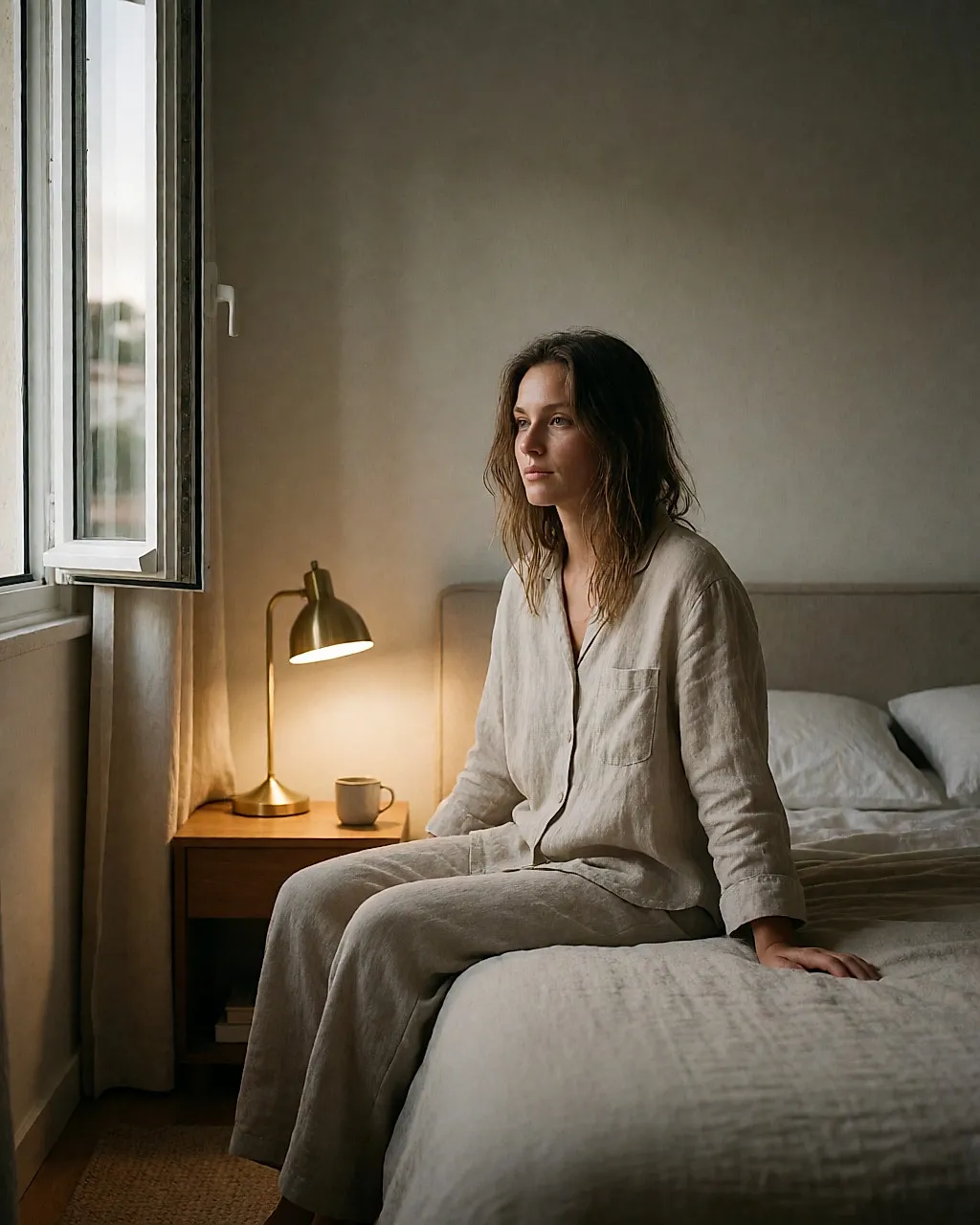
You go to bed genuinely tired, switch off the light, and your brain chooses that exact moment to replay the day. That's not unusual: sleep can't be ordered, it has to be prepared. Often with very small actions, repeated night after night. Here are six approaches, with no magic formula.
1. Go to bed when the drowsiness hits
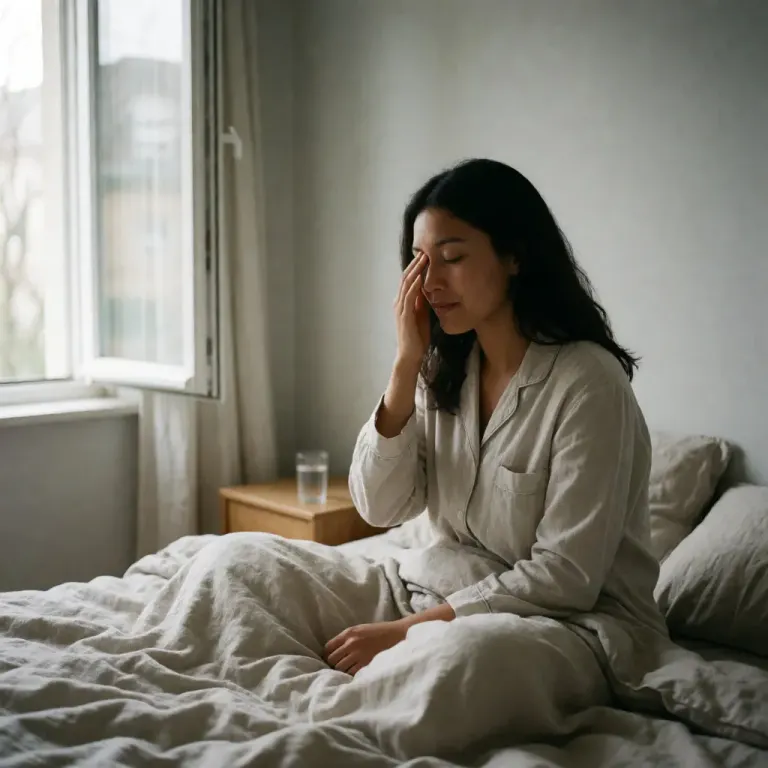
The signals of drowsiness — heavy eyelids, yawning, stinging eyes, the urge to lie down — come and go. If you let them pass, you may have to wait an hour, sometimes longer, for them to return. In practice: as soon as they appear, go to bed. And if sleep hasn't arrived after about twenty minutes, get up, stay in dim light, and go back when you feel sleepy. Lying there tossing and turning turns your bedroom into a waiting room.
2. A warm bath, one to two hours before bed
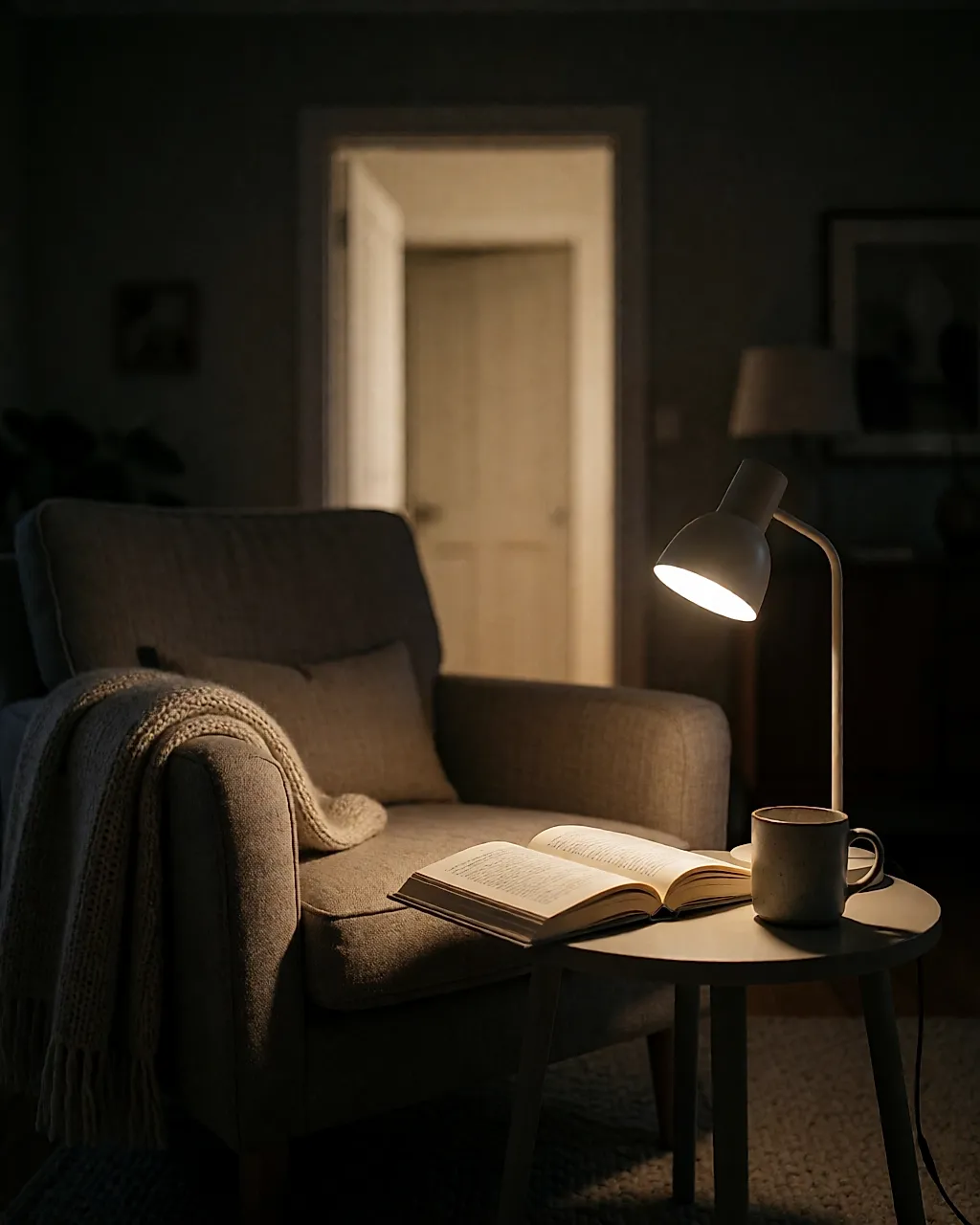
A bath or shower at around 38–40°C, one to two hours before bed, helps your body temperature fall afterwards — and that cooling accompanies sleep onset. Current evidence suggests a modest but real effect on how long it takes to fall asleep. Too hot, though, and you'll come out red and wide awake.
A few drops of true lavender essential oil in the water is mainly pleasant for the nose and the ritual: don't expect it to act like a sleeping pill. If you buy some, look at where the plant was grown and choose a glass bottle with an organic certification.
3. A cool, dark, well-ventilated room
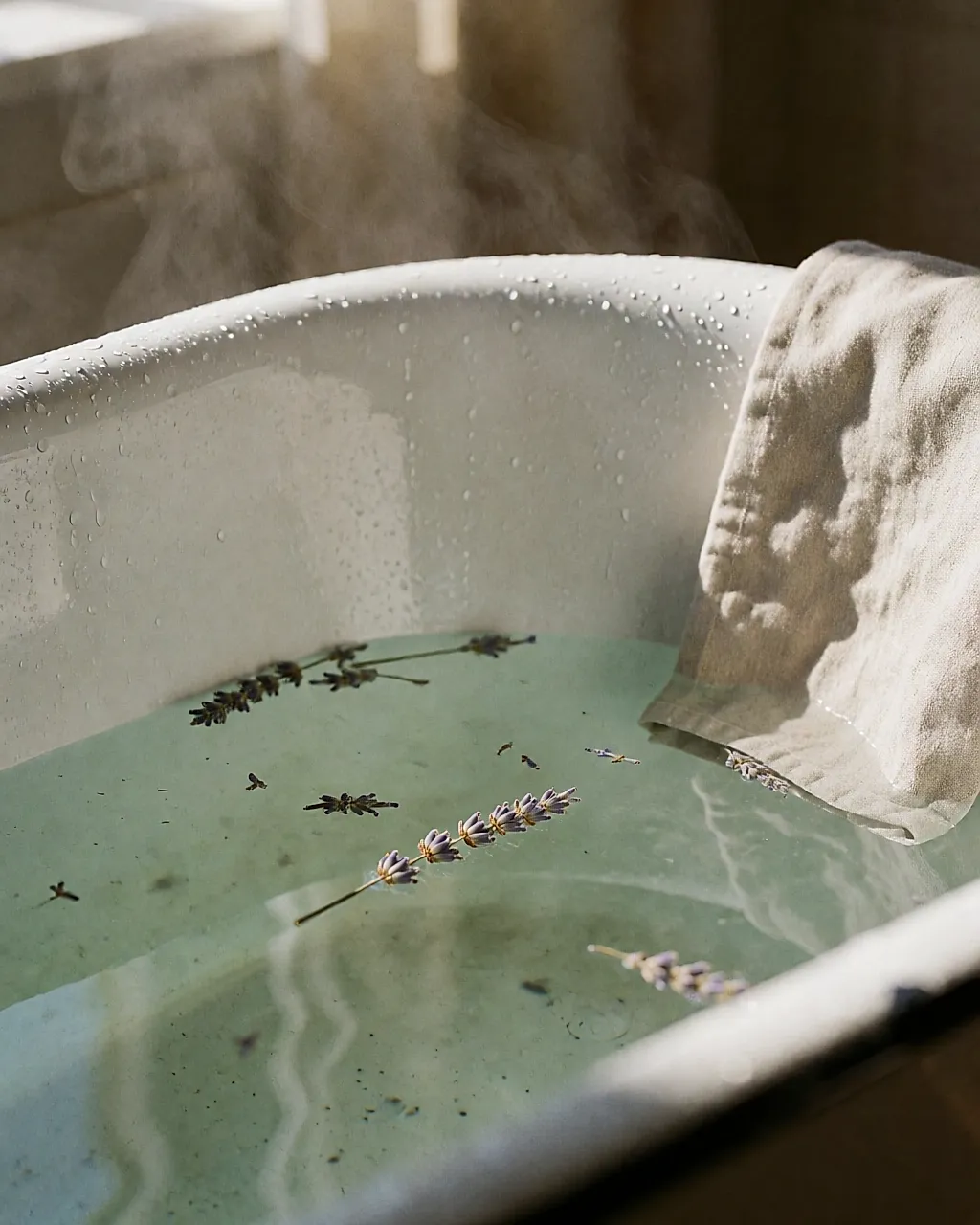
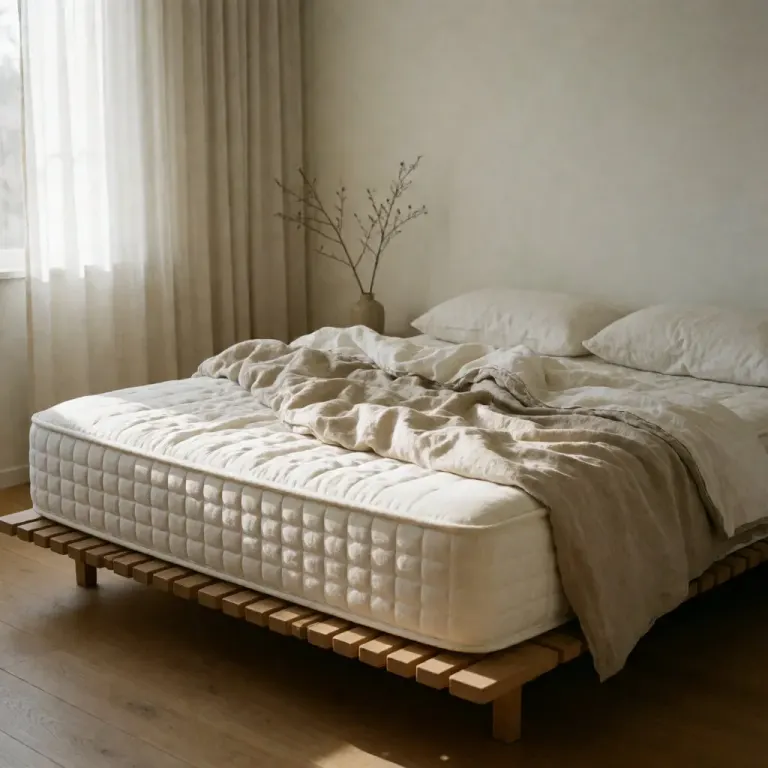
Aim for 18–19°C, proper darkness and as little noise as possible. Open the window for ten minutes every day: fresh air helps, and morning light resets your body clock. On bedding, firmness matters more than price, and a mattress that sags or creaks is worth replacing without regret. Cotton, linen, wool: materials that let your skin breathe.
With certifications, it helps to know what covers what: GOTS certifies the organic fibre and social production chain, while OEKO-TEX Standard 100 covers substances tested in the finished product. Two different guarantees, often complementary.
A quick aside: the idea that plants steal oxygen at night doesn't hold up. A houseplant in the bedroom won't do you any harm.
4. The evening herbal tea
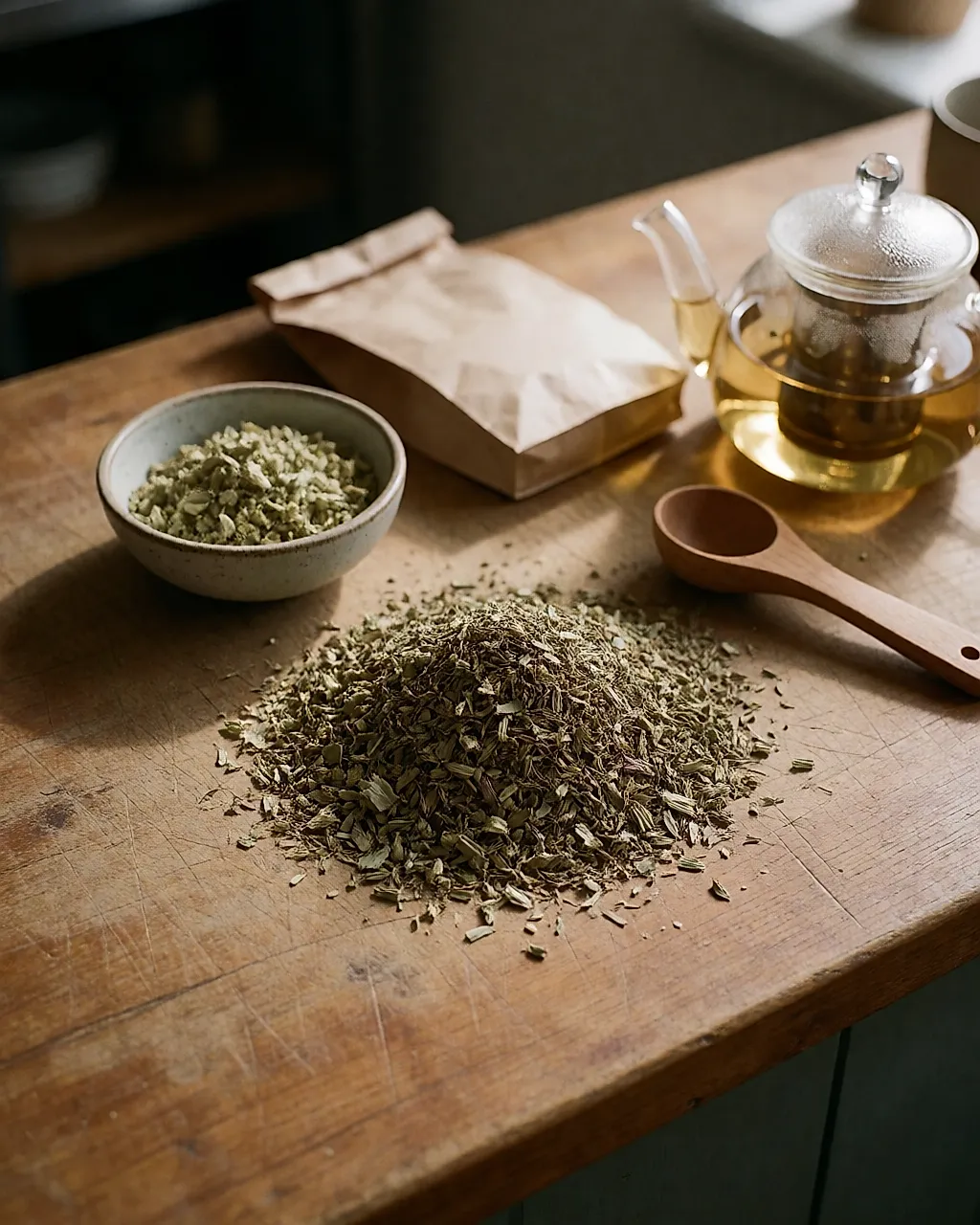
Vervain, melilot, hawthorn, passionflower: some pharmacies still make up these blends. The sedative effect of the herbs remains modest, but the ritual — a warm unsweetened cup half an hour before bed — helps mark the change of pace. Ask your pharmacist for advice: melilot isn't suitable if you take anticoagulant medicines, and several of these herbs are not recommended during pregnancy. Loose leaf is easier to measure and avoids individual teabags.
5. Move, but not just before bed
People who are regularly active sleep more deeply. Thirty minutes of moderate activity, five days a week, is enough to make a difference. Two precautions: finish your workout two to three hours before bed, and get daylight in the morning — it's the most effective signal for resetting your rhythm.
6. Dinner and stimulants
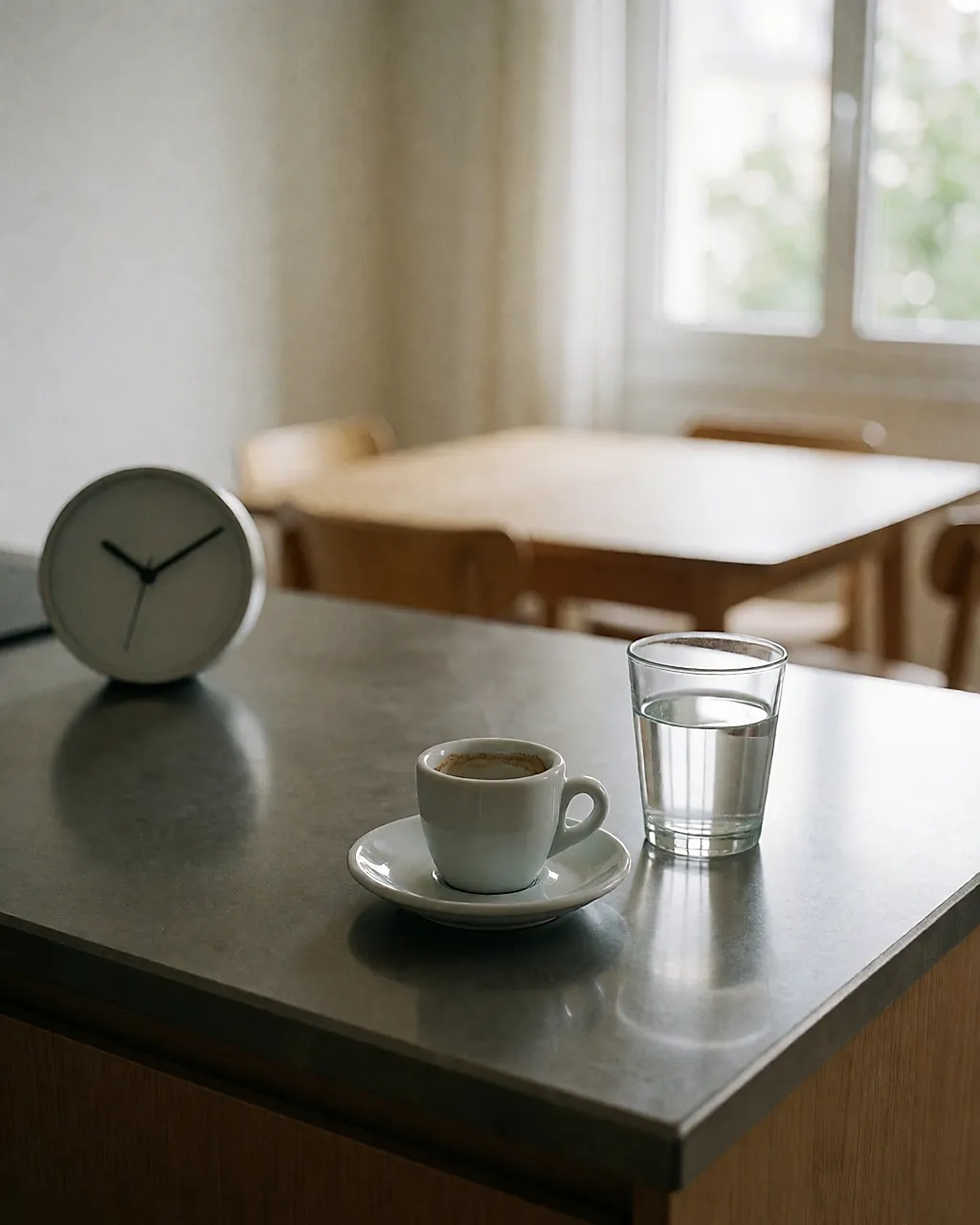
You don't need a frugal dinner, just avoid a meal that's very fatty, very sugary or heavy on alcohol. Alcohol sends you to sleep and then fragments the night. Caffeine takes five to six hours to be half cleared: if you're sensitive, make your last cup before 2pm. With screens, the real issue is often what you're doing on them, more than the light alone.
When to see a GP. A few difficult nights' sleep is common. But if you take more than thirty minutes to fall asleep, or you wake during the night, at least three times a week for three months, it may be chronic insomnia. This isn't a minor detail: it is a risk factor for mental and cardiovascular health. The first-line recommended treatment is not medication but cognitive behavioural therapy for insomnia (CBT-I). Talk to your GP or a healthcare professional: this is a common, well-established approach.
Budget
- Loose-leaf herbal teas: £5–£15 per 100g, from pharmacies, health food shops or herbalists. Organic and custom blends push the price up.
- True lavender essential oil: £8–£20 per 10ml, depending on the plant's organic certification and origin.
- Organic cotton or linen bedding: £60–£180 depending on size and certification. Linen costs more but lasts longer.
- Mattress: from £300 (foam) to over £1,500 (natural latex, wool, high density). Size, density and material explain the range.
- Sleep mask, earplugs: £5–£30. Small outlay, sometimes clear benefits.
- Private CBT-I: £50–£80 per session, often around ten sessions. An NHS GP appointment is free at the point of use.
- Where: pharmacy and health and beauty retailers, health food shops, general retailers for bedding, brands' official websites for mattresses — with an in-store trial strongly recommended.
Sources
- NHS – Sleep and tiredness; Insomnia
- NICE – Insomnia: management (CBT-I)
- Sleep Medicine Reviews – Haghayegh S. et al., "Before-bedtime passive body warming for improving sleep onset and quality", 2019
Food supplements do not replace a varied, balanced diet and a healthy lifestyle.
Comments
Your opinion matters: rate the article, react and reply to comments.
Comments are moderated; AI-assisted comments are flagged. Text emoticons (8-), :-), <3…) are automatically shown as images.