

Omega-3: essential fatty acids for our health!
You've probably come across this advice, slipped between two fish recipes: 'eat fat, twice a week'. Behind that seemingly harmless little phrase lie omega-3s, fatty acids your body craves… but cannot make on its own. So what do we do? Here's what we really know about them, what remains unclear, and how to work them into your meals without blowing your budget.
What exactly are omega-3s?
'Essential': the word is out, and it means something very simple. Your body cannot produce them, so you have to get them from food. Three families really matter. First ALA, from plants — found in rapeseed oil, walnuts, flaxseed and chia seeds. Then EPA and DHA, mainly found in oily fish and certain algae.
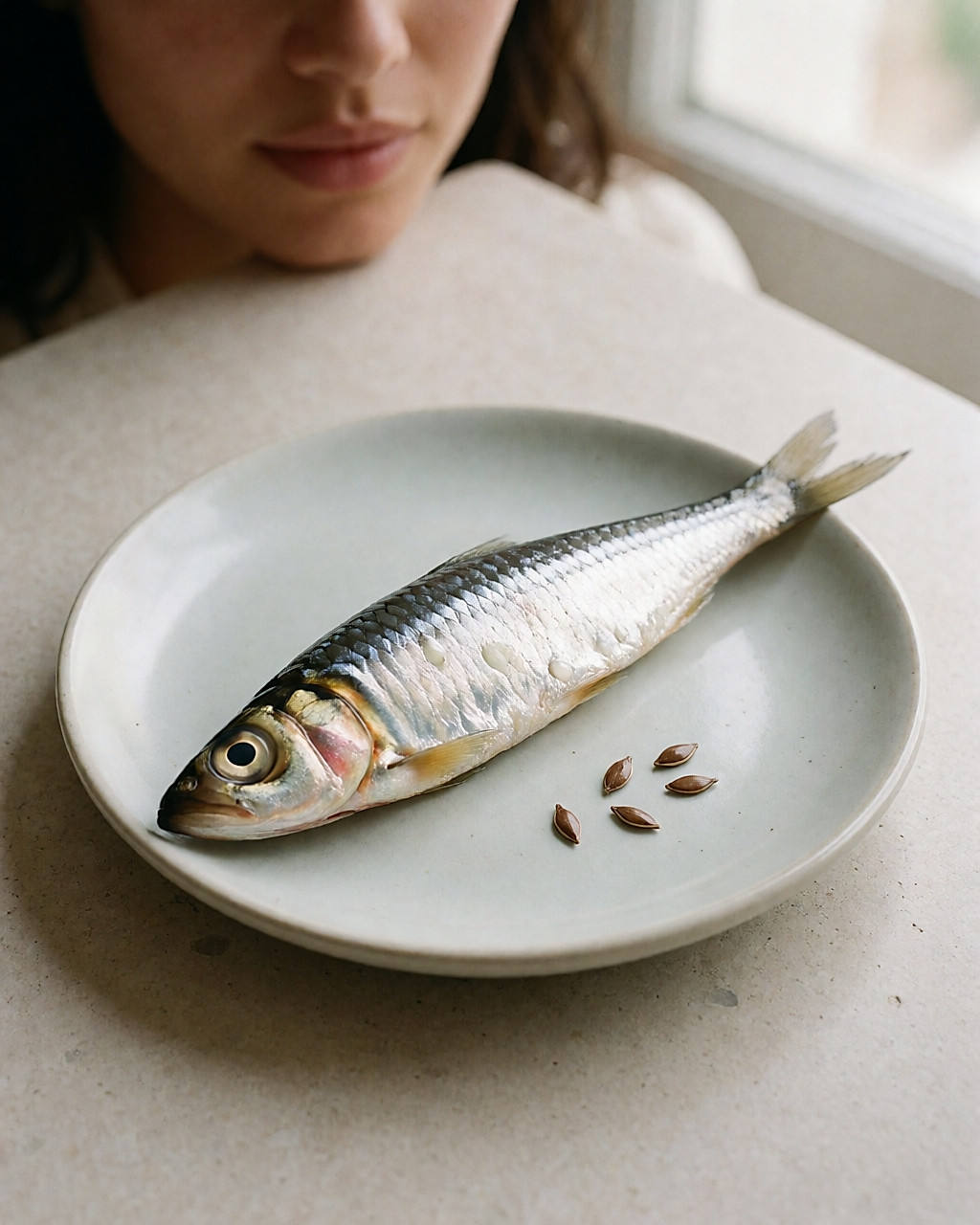
The catch is conversion. Your body does convert ALA into EPA and DHA, but not very efficiently: only a few per cent, according to current data. In practice, that means relying on vegetable oils alone isn't enough to cover all your needs. Better to play both sides rather than betting everything on one.
What current data suggests
The story begins with a now-famous observation: Inuit populations, who ate a lot of fish, seemed less affected by cardiovascular disease. Today the picture is more nuanced, because lifestyle and genetics also come into the equation.
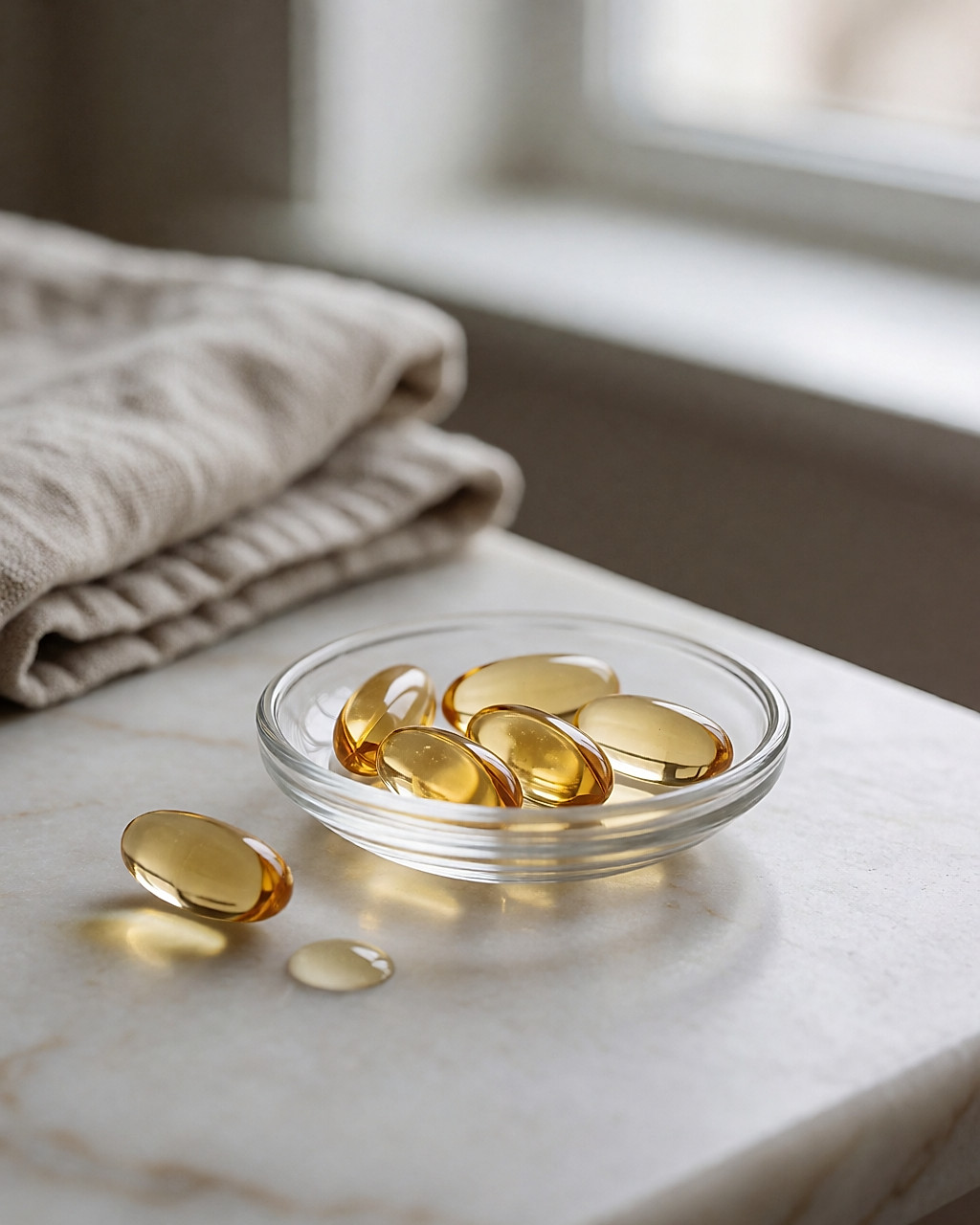
One point remains solid, though: according to the European Food Safety Authority (EFSA), EPA and DHA contribute to normal heart function, and DHA to normal brain and vision, at an intake of around 250 mg per day. In pregnancy, extra DHA is recommended for foetal development.
Conversely, no protective effect against cancer has been established, and the old link with IQ rests on nothing very solid. Above all, omega-3s are no substitute for medical monitoring or treatment: they are one factor among others, and they don't protect on their own.
Where to find them without breaking the bank
Sardines, mackerel, herring, anchovies, salmon: these are the aisle champions. Good news: a tin of sardines costs far less than a fresh fillet and keeps its omega-3s! On the plant side, remember rapeseed oil, walnuts, ground flaxseed, lamb's lettuce, watercress and green cabbage.

The debate about the 'right' omega-6 to omega-3 ratio is now largely outdated. The French food agency ANSES recommends reducing linoleic acid (especially sunflower and corn oils) and increasing ALA and EPA/DHA; limiting fatty meats and processed meats is about reducing saturated fat. A simple habit: swap sunflower oil for rapeseed oil for dressings, cold — ALA dislikes heat and light.
What we know, what we don't yet know
Established: EPA and DHA contribute to normal heart function; DHA contributes to normal brain and vision. Not established: protection against cancer or an effect on IQ. Talk to a healthcare professional: supplements aren't useful for everyone, and some situations need advice before taking them.
How to get started
Aim for two portions of fish a week, one of them oily. Vary the species, and bear in mind that large predators (tuna, swordfish) concentrate more contaminants: keep them limited, especially for children and pregnant women. For cooking, keep it gentle — en papillote, moderate oven, or barely seared. Cooking en papillote preserves the fatty acids without drowning them in added fat.

Budget
Approximate UK prices to give you a rough idea:
- Tinned sardines: expect around £1 to £2.50 a tin in supermarkets. Choose one in olive oil and look for the MSC label, which certifies fish from a fishery managed to a sustainability standard; the metal tin is recyclable.
- Fresh mackerel or herring: a few pounds each at the fishmonger.
- Salmon: more like £13 to £22 per kilo fresh; frozen fillets are often under £13 per kilo, with less waste.
- Organic virgin rapeseed oil: £4 to £8 per litre, in health food shops or supermarkets, preferably in a tinted glass bottle.
- Supplements (fish oil, algal oil): £9 to £22 per month, from pharmacies or health food shops.
Prices move with season, preservation method and certification. For oils, an organic logo certifies the farming method, not nutritional quality: check above all for 'virgin' and the date.
Sources
- NHS — advice on fish and healthy eating (nhs.uk)
- EFSA — authorised health claims for EPA and DHA (efsa.europa.eu)
- British Dietetic Association — omega-3 food fact sheet (bda.uk.com)
Food supplements do not replace a varied, balanced diet and a healthy lifestyle.



Comments
Your opinion matters: rate the article, react and reply to comments.
Comments are moderated; AI-assisted comments are flagged. Text emoticons (8-), :-), <3…) are automatically shown as images.